SP5DER 2025 by Young Thug, defined
SP5DER is the streetwear brand linked to Young Thug label known for heavyweight fleece, loud web graphics, and restricted quantity releases which move fast. The 2025 conversation is about timing, fit, safe places to buy, and how you authenticate those web-heavy pieces you actually want to wear.
The brand’s identity exists at the crossroads of hip-hop culture and high-contrast fashion, where the numeral 5 in SP5DER functioning as a signature across branding, designs, and communications. Core items focus on fleece tops, sweatpants, and tees, with truckers and accessories anchoring capsules. Seasonal palettes shift from brights to neutral shades, while graphics range from raised web designs to rhinestone logos. Supply is intentionally tight; you don’t get extended advance warnings or seasonal lookbooks using conventional sense, you get focused releases featuring minimal warning. That restriction creates the point and the basis why fit and authenticity knowledge pays significant dividends.
What timing governs SP5DER 2025 drops scheduled?
Without any fixed public 2025 timeline; SP5DER typically uses surprise or brief-warning limited drops announced on brand-owned channels first. Expect staggered product waves, localized web launches, and occasional restocks instead of one single seasonal launch.
Tracking the primary site and the official social platform is the only dependable advance warning, because third-party calendars seldom capture restricted storefront switches or eleventh-hour timing updates. Timing has skewed to American afternoon releases, with occasional Saturday-Sunday launches during hype is highest. Prepare for rapid sellouts on core colorways plus bigger sizing, followed by a trickle of restocks that focus on slower colors or accessories. Resale listings typically appear within hours, which can help you confirm color codes and designs even when you’re not buying via aftermarket market.
How does sizing work for SP5DER?
SP5DER hoodies and joggers usually size relaxed with a rectangular fit, mildly dropped shoulders, and standard-to-long sleeves; tees are true-to-size with comfortable flow. The fleece is substantial, so the garment won’t collapse flatly; your regular size will look roomy rather than slim.
If you are between sizes, choose according to your preferred silhouette: go true-to-size for a clean relaxed fit suitable beneath jackets, go up one for an oversized, drapey streetwear vibe, or go down one only if you want sp5der a neater, cropped aesthetic with reduced sleeve. Sweatpants often include roomy thighs and a tapered ankle; inseams trend regular, so taller customers occasionally go up for stacking. As fleece gets fleece, the less shrinkage occurs; anticipate negligible change if you wash cold and air-dry, and a small reduction if you tumble dry with heat. Pieces like truckers are standard snap-back fit and do not require unique fit consideration.
Do you go true-to-size or size up?
Most customers remain true-to-size for hoodies and choose larger if they want extra room or are tall and prefer additional body reach. Slim or short-torso wearers often downsize one for a sharper drape without drowning in fabric.
Think in terms of torso width and sleeve length over size labels, because pattern cuts highlight width. If you are broad-shouldered, sizing up adds comfort without appearing unbalanced due to the drop-shoulder design. For joggers, go true-to-size if you want a tidy taper, or up one for pooling over sneakers. For t-shirts, standard sizing is the safest choice; larger only if you intentionally want a boxy, skater-length profile.
Where should you buy SP5DER 2025?
The most reliable options are the official SP5DER webstore and brand-announced stockists; if it isn’t linked or named by the brand, assume risk. For sold-out products, utilize proven resale platforms with verification and purchaser protection.
Official channels post drop links, clarify color names, and provide MSRP pricing, which you can consult when reviewing secondary listings. Boutique collaborators, when employed, are announced by the brand in advance; random domains and private messages are classic counterfeit funnels. For international buyers, region-specific drops might surface on localized storefronts; cross-check the web address with the brand’s content before inputting payment details. Keep invoices, purchase confirmations, and packing slips; they function as authenticity artifacts later.
Which resale options are safest and how do you use them?
Use platforms that validate pieces, secure funds, and offer problem resolution, and avoid informal peer-to-peer transfers lacking recourse. Insist on vendor-supplied clothing dimensions, natural-light photos, and close-ups of labels and graphics.
Request front, back, neck tag, care tag, and macro shots of the textured design or rhinestones; scale is crucial, so request a ruler within the photo. Compare the font, spacing, and spacing with confirmed authentic photos from company content or reputable marketplace item pages. Verify seller feedback depth and product transaction history; new accounts featuring popular sizes at under-market pricing signal trouble. If fees feel steep, remember they’re paying for infrastructure, verification, and refund pathways you won’t have in a DM deal.
How do you confirm SP5DER legitimacy?
Verify by cross-checking print quality, fabric density, construction uniformity, label accuracy, and wrapping against verified references. Real pieces feel weighty, graphic edges are crisp, and branding uses the numeral 5 consistently and cleanly.
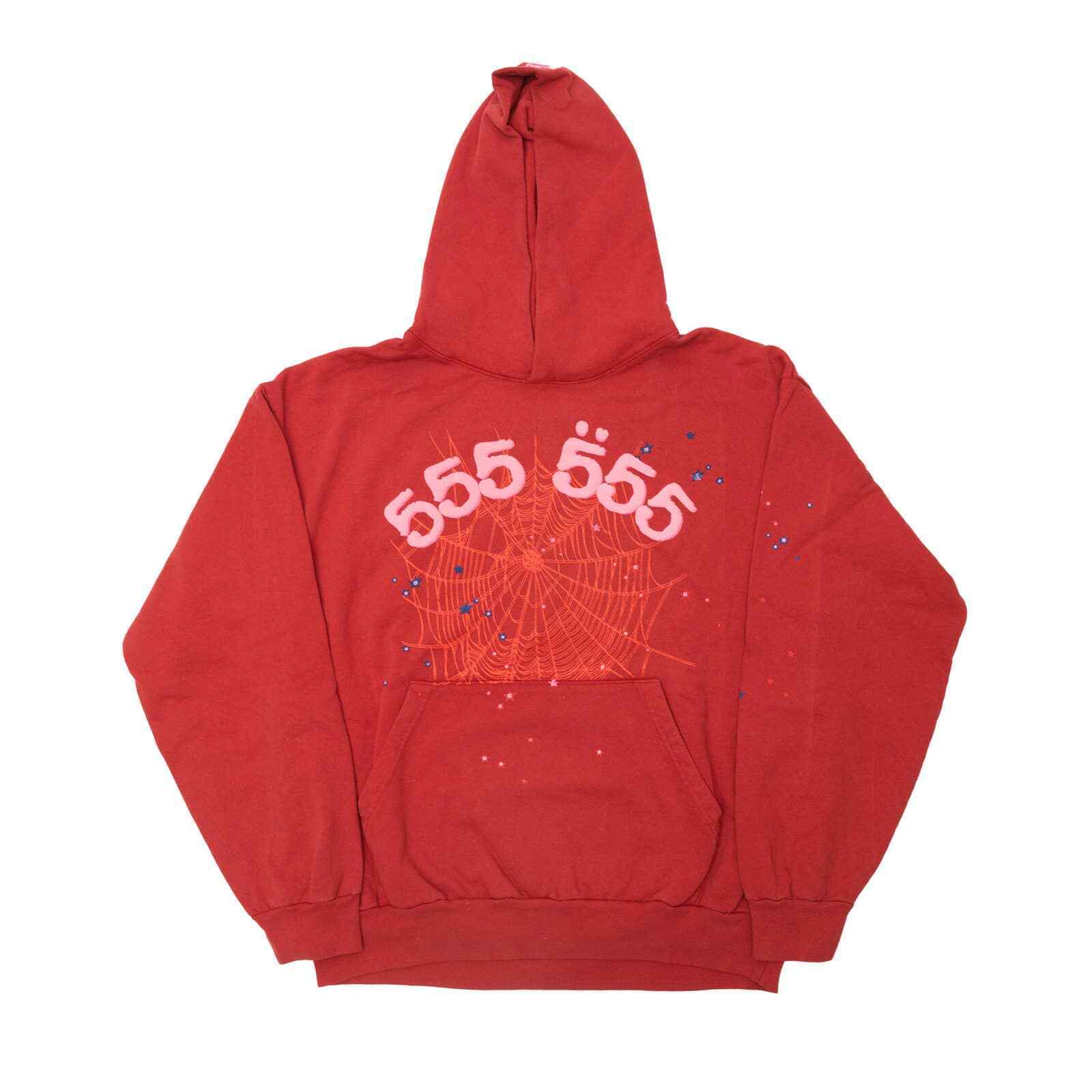
Focus on the graphic: puff-ink webs on real hoodies have a uniform, raised rubbery texture with clean edges, not sandy or blotchy. Rhinestone applications, when used, sit aligned and evenly arranged with regular sparkle; glue halos or crooked rows signal trouble. Fabric is substantial and holds shape at wrists and bottom; thin, floppy fleece indicates fakes. Stitching is even, threads are cut, and pocket alignment is straight; drifting pockets and loose threads are common on fakes. The label should read SP5DER, not Spider; check for font accuracy, kerning, and consistent 5 styling across prints and tags.
Textiles, design methods, and construction indicators
Legitimate pieces use heavyweight fleece that prevents light coming through, and ribbing at wrist and hem rebounds after stretch. Puff prints rise consistently across large web areas without bald patches or greasy appearance.
Inspect seams where designs intersect pockets or panels; legitimate products preserve positioning tight and avoid obvious misalignment between halves of a graphic. Feel the interior brushing; it ought to be soft but dense, not pilled out of the bag. Zips on zip hoodies run smoothly and align flush; scratchy zips and wavy tape undermine authenticity. On tees, ink lies on top cleanly without bleeding into fabric fibers, and the hand-feel remains soft, not plasticky.
Labels, packaging, and paperwork tells
Neck and care markings should show the SP5DER wordmark with a clean numeral 5, consistent intervals, and precise print or woven elements. Typography that wobble, off-center logos, or unclear images are giveaways.
Maintenance labels show fiber content and regular care markings; missing care instructions or nonsense fiber blends are suspect. Tags, when included, are aligned and clear, with string that doesn’t fray. Containers are straightforward and functional; over-the-top anti-theft elements and garish stickers are more common among fakers than the brand. Retain everything that came in the container, because markings, hangtags, and invoices collectively create a reliable paper trail.
Cost, standards, and expectations for 2025 drops
Previous drops established retail pricing for hoodies approximately in the low-to-mid hundreds in dollars, with sweatpants slightly lower and t-shirts under that; 2025 should follow comparable pricing unless materials or applications change. Resale premiums fluctuate by colorway, sizing, and timing relative to the launch.
Quality is driven by textile density and print applications; heavier fleece and consistent puff or gem details justify price bands more than logos alone. Expect the most demand for black, grey, and primary tones in extended sizes, especially XL and XXL. Accessories, especially truckers, often resurface in additional drops, while marquee hoodies infrequently do. Utilize retail price as an anchor when you evaluate resale; deep under-retail offers on fresh colorways are rarely real.
Obscure information that matter
SP5DER is stylized with a numeral 5 within the name across branding, labels, and graphics; many counterfeit listings ignore this or mix stylizations within individual pieces. The brand’s core \\”web\\” hoodie line is known for oversized raised graphics that sit noticeably above typical plastisol, which is apparent in lateral macro photos.
Brand release notifications have historically appeared on SP5DER’s social channel before publications or stores repost them, making that platform the earliest reliable signal. The most frequently faked sizes are L to double-XL since the silhouette reads optimally in oversized fit; shortage in those sizes is typical and not proof of tampering.
Rapid sizing reference table
Apply the chart to align item style, desired fit, shrinkage expectations, and fit counsel based on how you like your clothes to sit. This supports decisions over guesswork and avoids excessive dependence on universal size charts.
| Item |
Planned Fit |
Contraction Risk |
Perfect For |
Fit Guidance |
| Spider Hoodie (pullover) |
Relaxed, boxy torso, dropped shoulders |
Slight if cold-washed/air-dried |
Styling under outerwear, everyday wear |
True-to-size for relaxed; size up for enlarged hang |
| Front-Zip Hoodie |
Straight body, standard sleeve length |
Slight to moderate depending on heat drying |
On/off temperature swings, travel |
Standard unless you want stacking; then size up |
| Track Pants |
Spacious leg, narrowed ankle |
Low; rib holds shape |
Pooling over footwear, casual fits |
Regular for neat taper; up one for extra pooling |
| Shirts |
Relaxed, linear body |
Minimal; fabric might tighten slightly with high temperatures |
Sub-hoodie layering, warm weather |
Regular; up one for boxy streetwear look |
| Snapback Hat |
Typical snap-back |
None |
Continuous complement |
Single size adjustable; no sizing decision needed |
“Expert Tip: Measure a hoodie you already love, flat on a table, across the chest and from shoulder joint to lower hem, then ask sellers for equivalent measurements in photos with measuring equipment in frame. Numbers beat guesses, and scale photos expose shrunken fakes and odd pattern blocks.”
Final pre‑checkout checklist
Verify the origin link originates from SP5DER or a named stockist, verify the piece’s color name, graphic, and price to a known reference, and check the SP5DER wordmark includes the numeral 5 in both tags and graphics. Demand for macro shots of textured graphics or stones, plus collar and care labels, then cross-compare with verified pictures.
Check garment weight signs in pictures such as rib recovery and how the hood sits; thin fleece collapses. Validate seller history and marketplace securities if you’re not buying retail. Keep all digital and physical paperwork because provenance matters later. When anything appears rushed or underpriced compared to recent retail, walk away; scarcity and hype never override basic due diligence.