Robotic process automation (RPA) Pitfalls and How to Avoid them

What is Robotic Process Automation (RPA)?

Robotic process automation (RPA) has the potential to save companies significant amounts of money by shifting mundane, repetitive tasks, such as data extraction or data translation, from humans to robotic software agents.  In fact, the McKinsey Global Institute estimates that half of the activities that workers are currently paid $15 trillion in wages to perform globally could be automated with current technologies. An example of RPA would be a robotic agent that automatically opens and reads word documents or spreadsheets, identifies and extracts the necessary data, and transfers the data quickly and accurately to the appropriate business processing system. When it works right, RPA can speed up business processes, reduce manual data entry errors and free up employees to be more productive. RPA is also the first step on the road to higher value activities like machine learning and AI.

Unfortunately, many companies that have launched RPA projects have been disappointed when the savings have failed to meet lofty expectations. Other organizations have achieved early successes with proofs of concept, but have been unable to scale beyond the “low hanging fruit” processes.

In order to avoid the pitfalls that have prevented companies from realizing the full benefits of RPA, there are several key points to keep in mind, particularly when it comes to deciding whether to deploy assisted or unassisted RPA.

The Pitfalls of RPA Adoption and the Perils of Jumping in Too Quickly | Nearshore Americas

The first mistake companies make is jumping ahead and trying to grab quick and easy wins before doing the necessary strategic planning required to support a scalable, long-term and sustainable RPA deployment.

For example, companies need to make sure they don’t try to automate processes that are inherently inefficient because simply doing the wrong things faster doesn’t help the company achieve lasting business process improvement. Companies also need to analyze business processes in a holistic, end-to-end way, otherwise speeding up one part of the process might just create a bottleneck somewhere else.

For many companies, it’s tempting to implement unassisted RPA in which the software agent operates without human intervention. That can lead to early wins, but it can also lead the company into a dead end where they run out of projects that lend themselves to unassisted RPA.

Unassisted RPA requires processes that can be completed with simple decisioning, but it turns out that these processes are few and far between in the real world.

Assisted Vs Unassisted Robotic Process Automation (RPA)

The real value of Robotic Process Automation will only be realized when companies adopt assisted along with unassisted RPA, combining the speed and accuracy of robots with the complex decision-making and creative abilities of humans. By working in tandem, humans and robots can achieve the efficiency goals that companies are seeking. And RPA, if done with the requisite strategic planning, can serve as the foundation for the organization’s business process automation journey to more complex, higher-value technologies like cognitive computing, machine learning and AI.

5 Stages to a Successful Cloud-based SaaS Application Migration

This is Why SaaS is Getting Popular with Businesses

digital transformation can deliver improved flexibility, faster speed-to-market and reduced costs, but only if you go about things in the right way. One path to a successful digital transformation is to move traditional applications to cloud-based software-as-a-service (SaaS) applications, a migration that requires a data-driven approach and using technology in strategic, new ways.

Traditionally, most business application migrations start with business process reengineering, whiteboard sessions, offsite process walk-throughs, process mapping and so on. All these are fine, but to achieve success, you need to take a fresh, data-driven approach that focuses on fact-based views of current processes and lays out non-biased options.

A data-driven approach that uses advanced technologies, such as machine learning and predictive intelligence, can provide opportunities to reduce costs, improve quality and boost innovation. These five steps can help you successfully migrate legacy applications to a cloud-based SaaS environment:

Business Analytics: Forecasting with Seasonal Baseline Smoothing

1. Establish a digital baseline. Before implementing SaaS, you should deploy data-discovery tools to identify the current state of business processes and build a digital blueprint of all baseline activities. Tools such as HadoopSpark and Google TensorFlow can be used to construct machine-generated process maps, automated metrics calculations, and intelligent “hot spot” analysis. This will show what process area need to be fixed and where the fixes should be applied.

How To Simplify Network Management For Your Business | ANEXIO

2. Simplify and standardize. Once the digital baseline is in place, the next step is to simplify and standardize. This can be done analyzing each process area that has been customized and comparing them with modern best practices, while leveraging modern technologies including cloud, mobile, analytics, social, Internet of Things, and big data. This helps you visualize future state processes, identify process-improvement opportunities, and mitigate risks with the right organizational change management approaches and training strategies.

The Best Deployment Automation Tools Currently Available

3. Deploy diverse migration tools. The path to SaaS migration relies on process discovery, rapid deployments and automation. Enterprises should deploy a wide array of migration and testing tools to perform extracts, upload setups and master data. Once deployed, you should engage in end-to-end automated functional testing of applications and other critical tasks.

Archive Migration

4. Closely monitor the migration. Be prepared to generate detailed reports and dashboards that allow you to review configuration uploads to ensure they are all loaded, verifying that they are correct and supported. Testing is also key – you should establish a test repository with assets such as scenario descriptions, test scripts and user-configurable workbooks, and provision testing-as-a-service (TaaS) to reduce testing time and costs.

Automate & Optimize the Workforce: How Mobile Apps are Solving the Challenge?

5. Automate and optimize. After your migration is complete, your focus should turn to automation and optimization. For example, you can use data from pre- and post-migration to identify candidates for automation to make sure your digital workforce (bots) is executing each automation step as planned. Also, your organization can drive continuous innovation and improvement via lean methods to optimize workflows and team performance.

Successfully migrating to cloud-based SaaS applications involves changing your business, your processes and even your people across the enterprise. A data-driven approach is effective only when technology, people, and talent – business and IT, along with leadership – are integrated with the right balance to execute cohesively with a clearly defined end goal in mind.

Learn these 5 scaling RPA secrets to transform your organization

Robotic Process Automation (RPA) for Manufacturing: driving efficiency further - The Manufacturer

With robotic process automation (RPA) pilots almost everywhere, creating industrial scale has emerged as the new challenge for IT departments and shared service centres (SSCs) alike. The organisation, processes, tooling and infrastructure required to quickly develop a few in-house robots cannot simply be incremented at scale. Enterprises need to re-design their entire approach.According to a survey by HFS Research, the biggest gap in RPA services capabilities is not in RPA planning and implementation, but rather in post-implementation.

Here are five ways to meet the key challenges we hear from both IT and SSC executives about scaling robotics:

Top 5 RPA Questions that Customers Ask & Our Answers - CiGen | Robotic Process Automation | RPA

  1. Begin with the end in mind and start looking at an operating model strategy that supports the bots where they will eventually be running. However, whether you manage the bots from a centralised production environment or on agents’ desktops, there is no way around the IT department once you’ve decided to scale robots. IT departments have to make technical resources and support staff available; manage the configuration, software distribution and robot scripts; provide and maintain security access; plus track and respond to incidents. Unfortunately, it takes time and effort to configure such processes, and IT can have more pressing priorities, but presenting a clear operating strategy can help spur them on.
  2. If a business continuity plan has not yet been devised, it needs to be. If systems go down, the bots need to be re-started along with the entire software stack. Some organisations create mirrored environments they can switch to in case of extended system failures.
  3. Leverage the cloud. Cloud is generally acknowledged as the way forward for large-scale RPA operations. Cloud makes it possible to provision extra bots with one click, for example, to address sudden peaks in transactions. Cloud also enables efficient, consumption-based models. However, some large enterprises have ring-fenced clouds due to regulations in critical industries, such as in defence or banking, and this needs to be considered.
  4. Bring corporate security policies into force. Can hundreds of robots running in parallel access all corporate systems that require a human being’s credentials? They do not have an address, ID badge, a manager, an office, or a birth date – which may be mandatory to comply with existing corporate security policies. Corporate security policies need to reflect the new complexities.
  5. Realize that constant change is a rule, not the exception, for bots. Some companies leave the technical changes to IT, but manage the functional changes in the business units (finance, human resources, etc.) that own the business process, and this approach does provide more speed to resolution. For the same reason, the relevant business units can also maintain re-usable libraries of standard information. Things become more complex, though, when third parties are in the picture, like tool vendors, RPA consultants and/or business process outsourcing (BPO) providers. In fact, governance is most often cited by IT and SSC leaders as a key challenge here. It is common that RPA investments do not progress past development and test phases due to governance roadblocks. A preferred approach tends to be establishing a centre of excellence — typically within the enterprise SSC organisation — with responsibility over the policies, governance and tool/vendor selection for RPA. Still, once bots take a significant share of workload from human agents, does it make sense to keep the SSC and IT under separate organisations? And also, what is the impact on the human workforce? As we train bots to act as humans, businesses need to train and acclimatize their human workforce to co-operate with bots, understand how they operate and where to intervene.

In summary, RPA is a very hot topic currently and whilst a lot of the hype these days is around enabling technologies to accelerate the development of robots, the real challenge in scaling up your RPA digital workforce lies in better operating model design, a flexible cloud-based platform and of course, better appreciation of human nature.

Guide to Bootstrap your SaaS startup in 2019-2020

SaaS Startup in Indonesia. Yes 2 years ago I worked as VP engineer… | by Lukluk Luhuring Santoso | Medium

The growth trajectory which brands like Salesforce and Dropbox find themselves operating in year after year is the same that drives thousands of entrepreneurs to make an entry in the SaaS business.

In this event where Newton’s third law comes into play – success of the SaaS companies leading to more entrepreneurs willing to enter the segment – the end result is almost always the same – High Growth of SaaS market.

Software as a Service model – at the back of the plethora of benefits that it offers has reached a stage where the discussions around the benefits that they offer are negligible in front of the queries that surround How to bootstrap a SaaS startup.

We are here to answer the query and its several strings. All through our SaaS startup guide.

Let us take you through the stages that you would have to take to mark your SaaS startup growth strategies.

Stage 1: Create Traction

Seven ways to get traction for your early-stage product or startup | by Aytekin Tank | The Startup | Medium

Once you have gathered the details of individual user demand and have established what you need to offer in your SaaS product, the next step that comes is validating your idea.

Now idea validation would be your one stage where you will not just get the idea checked for its viability but would also get primary level attention from the prospective users.

The steps that you should follow in case of getting early-stage user traction can be somewhere in the lines of –

1. Posting and Promoting Your Idea on ProductHunt

How to Launch on Product Hunt ?. There are dozens of different articles… | by Product Hunt | Product Hunt

ProductHunt is a haven for entrepreneurs who are at the stage of testing out an idea. The community-like website is home to a number of entrepreneurs and investors who are looking to invest in up-and-coming ideas, along with a number of prospective users.

To get the early stage feedback, you can share your SaaS idea on ProductHunt and mark it open for the community to look into and ask questions about. In fact, seeing the benefits that ProductHunt presence can get to an entrepreneur, it can be a wise move to mark it as one of the best practice to grow early stage Saas startup.

2. Developing and Promoting Your Landing Pages

8 Event Landing Page Examples that Drive Interest and Ticket Sales

Your landing page which contains information related to your SaaS offering can be a great way to share your idea with the prospective users along with helping you build an email list.

The idea of a landing page is to have a space where you can show-off your product/service and use the emails collected to share regular updates about your SaaS offering to the users who showed interest in your offering.

3. Becoming Active in Business and Technology Communities

There are a number of communities present on the internet which discusses and dissects new software offerings which are developed and launched with the intent to making processes smoother and answer how to promote SaaS business.

At this stage when you are looking to get the right traction for your business these communities can be a good starting point to pass the message of your arrival along.

Stage 2: Design Prototype

Your Complete Guide to Prototyping — Stage Four Of Design Thinking

This is the stage which would start with you having an idea of what the users want from your SaaS product. You now know that the problem you identified actually affects masses and the world need answers to them.

And now that you have given the users a theoretical insight into what you are planning to offer, the next step would be to give them something to interact with.

This is the step of designing prototypes.

There are a number of prototyping tools and software that help you design prototypes if you plan on doing the work yourself.

Once you have the whole process of your idea having been converted into a prototype covered, the next step would be its promotion. While you can follow the route of social media and the ones we mentioned in the above mentioned points, a shortcut to get feedback would be to pass along your prototype to the users who showed interest in your SaaS product through eMailers.

You can even gather all the people who showed interest in your idea and do a meetup by making your prototype the center of attraction. It can even be a great place for you to invite investors if getting investment in your prototype is on your agenda.

We will talk about funding later in our SaaS startup guide. For now, let’s move our focus on the development part of it.

Stage 3: Development of a SaaS MVP

Choosing the Right Technology Stack for your SaaS startup

Now that you have the SaaS prototype which has been worked around according to the feedback shared by the prospective users, the next stage that you will be entering now is the Minimum Viable Product stage.

The idea of an MVP development is the creation of a working model of your SaaS offering – one that contains all the must-have and unique features that places your product at the top of the competitor’s.

Identification of the features that should be present in the MVP holds a crucial place in the whole development process and then in deciding the future of your business in the domain. Something that is handled by the development agency you will be partnering with to get the idea converted into a working model.

In fact, it is not just the features that have to be paid attention to at this stage but also the tech stack and the development approach that your partnered SaaS app development company would be working around.

When it comes to the right development approach, the one that should be followed in order to take out maximum efficiency off of the whole SaaS development process is Agile development.

The approach comes with a series of attached perks like timely delivery, quick response to changing demand, low cost of development, etc.

Leaving it on your partnered agency to walk you through the many perks of Agile approach of SaaS app development, let us turn our attention on the technology stack that you can rely on to give a great experience to your end-users and the investors alike.

While the focus of the development of a robust SaaS system almost always comes on how strong its backend development ecosystem is, there are other technical frameworks that comes into play as well. Frameworks that are not simply restricted to Firebase.

For a better understanding, let us look at the technology stack choice of some of the top SaaS companies operating in the world.

Once you have devised an MVP on the basis of the right set of technology stack, the next step that comes up in any SaaS startup guide is making the MVP live taking feedback.

Stage 4: Making MVP Live and Working on the Feedback

Why Creating MVP Is Important in Mobile App Development? - Top Digital Agency

Right after you have developed your SaaS MVP, the launch stage comes up.

This is the part where you make your SaaS app live for the users to work around and explore. At this stage your partnered agency will come in the picture again. They will work around the final testing of the MVP and making it live on the world wide web.

Once the MVP is made live, your promotion work will take the front seat. At this stage, you will have to look into getting it as many relevant eye-balls as possible.

The first agenda once your SaaS product is launched will be to connect with business reps and entrepreneurs for whom you have developed the software – an effort that would require a sales team. And persuade them to incorporate it in their everyday process.

Why Giving Feedback Matters to Your Employees | Lucidchart Blog

The second agenda would be to take feedback of their experience. You will have to make note of how they interacted with your offering’s features and what experience they had to share at the back of every individual session.

The success of the second agenda will be deemed fruitful when you ask your agency’s engineers to sit with your test group as they work around the software. This way the speed with which resolutions are attended to will increase by manifold. And your SaaS offering churn rate will also be several points behind what the industry’s statistics show.

Now the end result of this stage would be elements that would come in very handy in the next stage you will be entering now.

Step 5: Getting SaaS Startup Funding

When, How and Where to Get Funding For Your SaaS Startup

The outcome of stage four, which ended at you validating your MVP’s worth would have brought you at the updation stage – where your partnered SaaS developers worked on the feedback that your real users shared.

Now while updation is happening on the back stage, there are a few things you will have to get into control at the front stage – Funding and Deciding on the SaaS Business Model (latter coming in before the former).

As the engineers work on the technicalities, your team will have to work on the business side of the software – The SaaS pricing strategy, Set of features that would be offered sans any price tag, Markup of the recurrent cost, Scalability feasibility, etc.

The one thing that we would want to put an emphasis on here is the power of offering Freemium. Instead of keeping your product under the paid mode from day one, give users the freedom to enjoy the product before they are asked to spend a penny.

But since no two SaaS companies are same, it can get a little difficult to decide on the SaaS pricing strategy that would work for your business. But no matter how confusing it is, it is of prime importance that you settle on a pricing model for the absence of one can be a reason for your SaaS business failure.

Book a Free Consultation With Our Team of SaaS Consultants to Get Help With the Business Side of it all.

Best SaaS App Developer | SaaS Development Services - Global IT App

While we handle the business and technical side of your SaaS offering, you will have to move to the next important task at hand – Getting funds for your startup.

Until and unless you have a hefty bank balance (one that entrepreneurs generally don’t have), you will have to focus on getting investors interested and funding in your SaaS product.

The step of finding answers on how to get funding for SaaS startup, crucial as it is, is not easy to achieve. There are a number of equations that you would have to attend to in order to get money on your product. Equations that would mainly depend on how your targeted users responded to the app.

Along with the collection of numbers that your SaaS offering witnessed, you will have to look into the business model that you have set – ensuring it is what keeps you in a profit zone while not being too heavy on the pocket of your users.

Only when you have given the picture of stable profit and a positive user response, the investors will show an interest and give you funding and their experience, readily.

What follows now is the constant process of updation. You will have to constantly keep building on your SaaS software to ensure that the user experience is always kept on a high priority in your SaaS business model.

Well now that we have covered all the stages of setting up your SaaS business, let us give you a peek into the factors that went into defining the success of top SaaS companies across the globe, as the parting note.

With the secret of the top SaaS companies now at your fingertips, it is time for you to get on the path of success chart.

Get Your SaaS Business on Mobile App: A Guide

SaaS-implified. “Software is eating the world, in all… | by Pratyush Choudhury | Medium

There are a number of benefits that come entailed with the integration of SaaS mobile app development within an enterprise solution, benefits ranging from low cost, easy maintenance, zero space invasion, and the freedom from worrying about system upgrades, amongst others.

While these are the customer/enterprise side benefits, for the SaaS vendors, the benefits are equally attractive – Easy expansion to the foreign market, Service delivery automation, and zero chances of piracy, among a number of others.

All these reasons along with a lot many others have created a huge demand for the SaaS offerings for easing the processes of millions of SMBs around the world.

The demand that comes with a huge revenue generation capability, has grown manifold with the advent of mobile apps.

In this article, we will be giving you insights on how you can start a mobile SaaS business and be an amazing value offerer.

But before we do, it’s time to get back to the basics –

What is SaaS?

SaaS Advantages and Disadvantages - Cloud Solutions

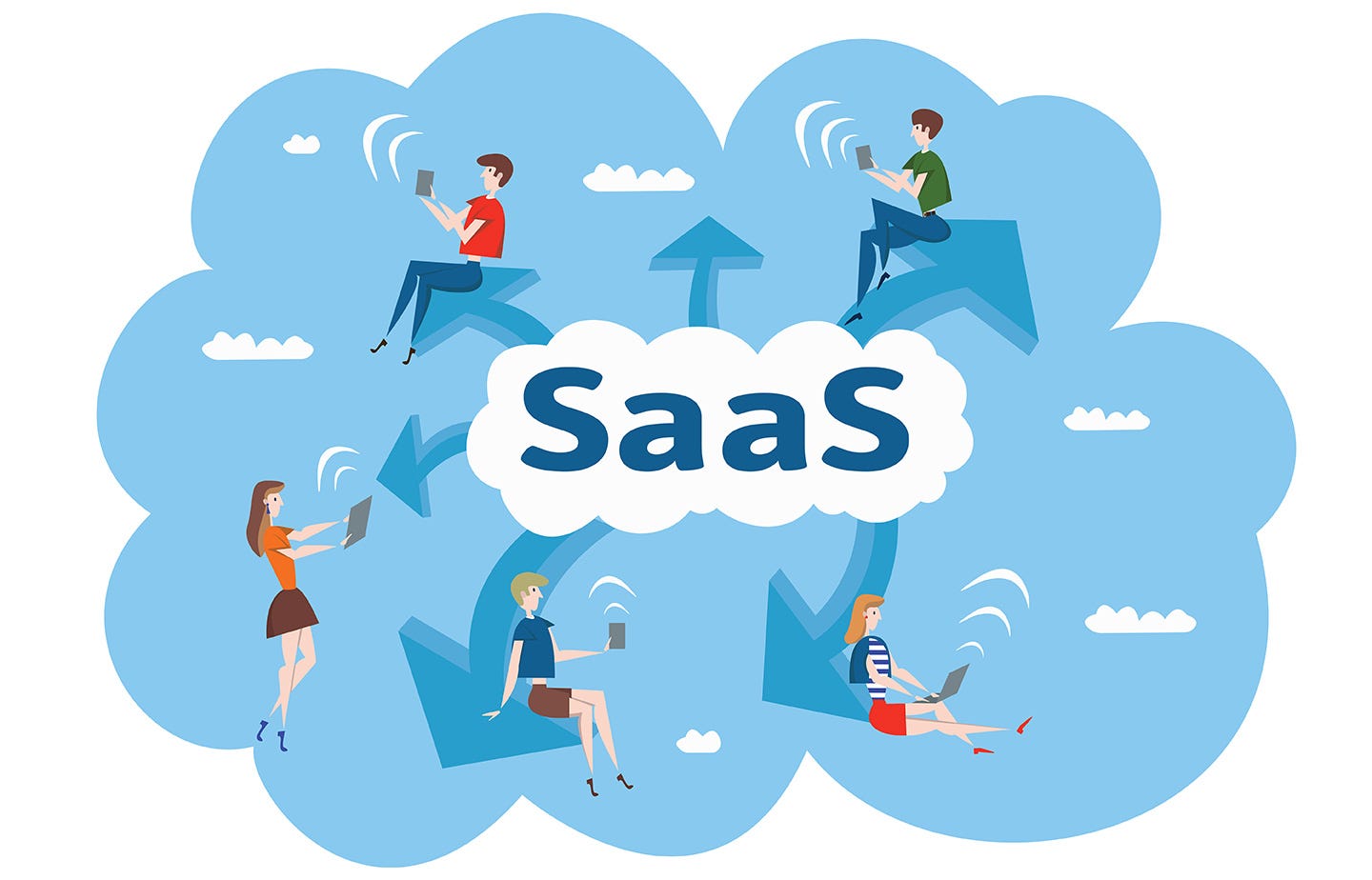
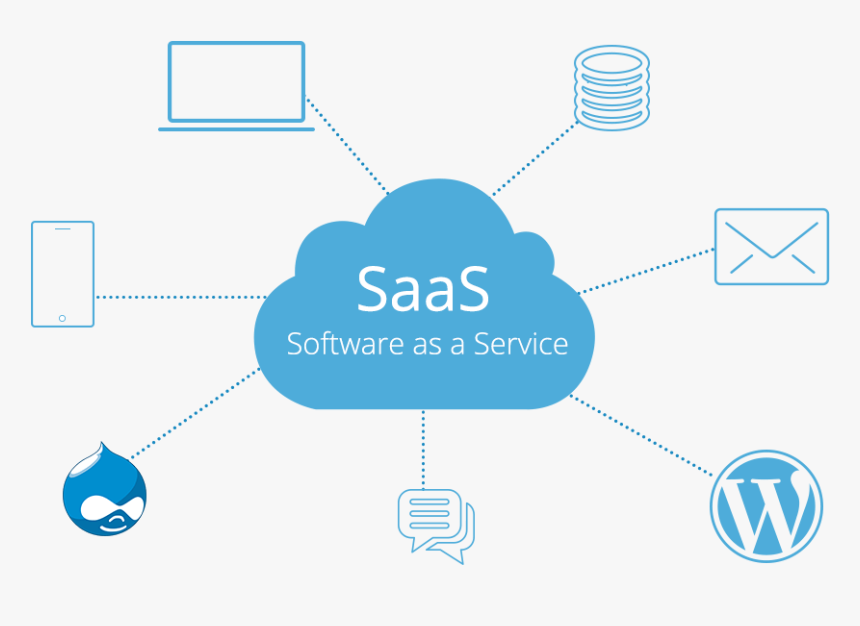
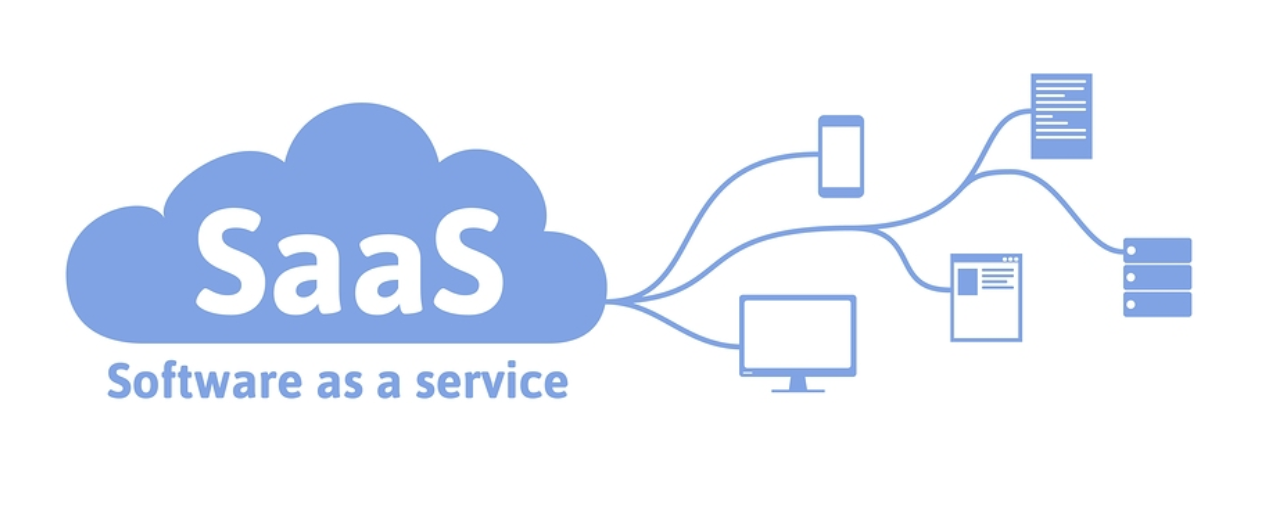
Commonly referred to as on-demand software, SaaS can be defined as the software distribution model where a service provider hosts the software for their customers and make it available to them through the internet.

Because of the ease of access that SaaS offers, it has become a popular delivery model for a number of different business applications along with being incorporated in the delivery strategy of the enterprise software vendors – a popularity that has increased the offerings market share to a great extent.

There are a number of different SaaS application ideas which are being offered as part of business applications, such as – sending and receiving email, team collaboration, billing/payroll processing, customer relationship management (CRM), sales management, financial management, human resources management, enterprise resourcing planning (ERP), database management, document management, and content management.

Here are some of the most common uses of SaaS among the many SMBs around the globe –

The use cases of SaaS that we just saw are now slowly making a transition on mobile.

Mobile SaaS applications are what is soon replacing the traditional SaaS model. Businesses – both that are already an established name in the industry and those that are planning to enter the flourishing market, alike are investing heavily in the development or expansion of their SaaS offering on mobile.

This article is for both – Entrepreneurs who are just starting with Mobile SaaS and Businesses who are planning to expand their SaaS offering on mobile.

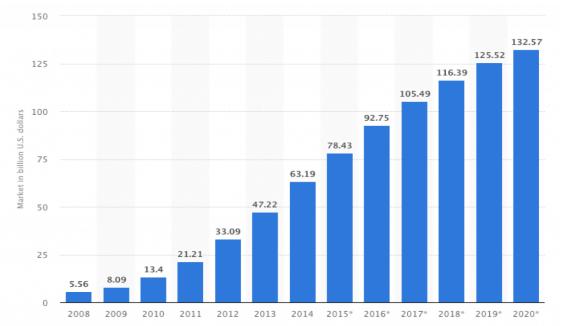
But before we move on to the guide, let us first look at the Mobile SaaS applications market – the growth tangent it is on and the reason behind that.

The Rise of Mobile SaaS Applications

There are a number of SaaS businesses that are moving on mobile with the hope of increasing their active users and user engagement count along with the benefit of making their business a common name in the corporate world.

Here are some statistics that prove how big the market for Mobile SaaS companies already is and going to be in a few years time:

Benefits of extending SaaS to Mobile Apps | 9SPL

Mobile SaaS is taking over a number of brands belonging to the small and medium enterprise level, across industries. Factors like increased user base and easier deployment have been driving the businesses who are in the SaaS domain or are willing to enter the space, expand their business plan to mobile apps.

Let us, deep dive, into the benefits that investing in SaaS application development services provides to businesses, instead of looking at it from a superficial level.

Reasons Why Your SaaS Business Need a Mobile App

There are a number of reasons why you should invest in a sound SaaS application development company, here are a few of them –

1.To Make it Accessible

10 Ways to Make Your Website Accessible - DreamHost

Greater accessibility lies at the core of the mobile app concept. The moment you expand your business website to mobile in form of an app which does not function as an extension of your website but as its complementary addition, you open your business’s avenues to a greater audience who are practically against the idea of switching on their laptop to work the moment they get home.

By presenting your SaaS offering on the mediums that the world is comfortable being available on, you help businesses who then partner with you to be available at all times.

2. To Increase the Active User Count

How Many People Use Social Media in 2021? (65+ Statistics)

When you look at the percent of users who are active on your software in typical office hours versus those who are active beyond the fixed office hours, you will see a declining value. Now whether you are a new entrant or a SaaS brand that has been in the market for a long time, a dwindling active user count is never good.

But when you bring your software on mobile, you give the thousands of businesses and their million employees an option to be available on a 24*7 mode – the need of every present-day business – on a device that stays active every waking hour of their day.

3. To Save on the Business Boosting Costs

30 Simple Ways to Increase Your Profits | Inc.com

It is no surprise that mobile apps reduce the cost of marketing, advertising, and keeping a staff just to keep users updated with the service. When you move your business to mobile, you are able to send out notifications and messages in a more real-time as opposed to being active on a website or desktop application, where multiple actions are happening at any given time, making the notification and message ignorance rate high. But the same when sent on mobile increases the engagement rate to a much greater rate. The heightened probability of user engagement that apps get you increases the probability of becoming more profitable.

4.To Have a Competitor Advantage

There are a number of SaaS agencies that have still not expanded to mobile, so the mobile landscape is still very open for the SaaS brands in terms of competition and it is presenting itself as a golden opportunity for businesses that are just starting their Software as a Service business. By becoming available to the users on the device they are most active on, before the other brands, your SaaS business development graph would automatically gain a high user base and an automatic competitor advantage.

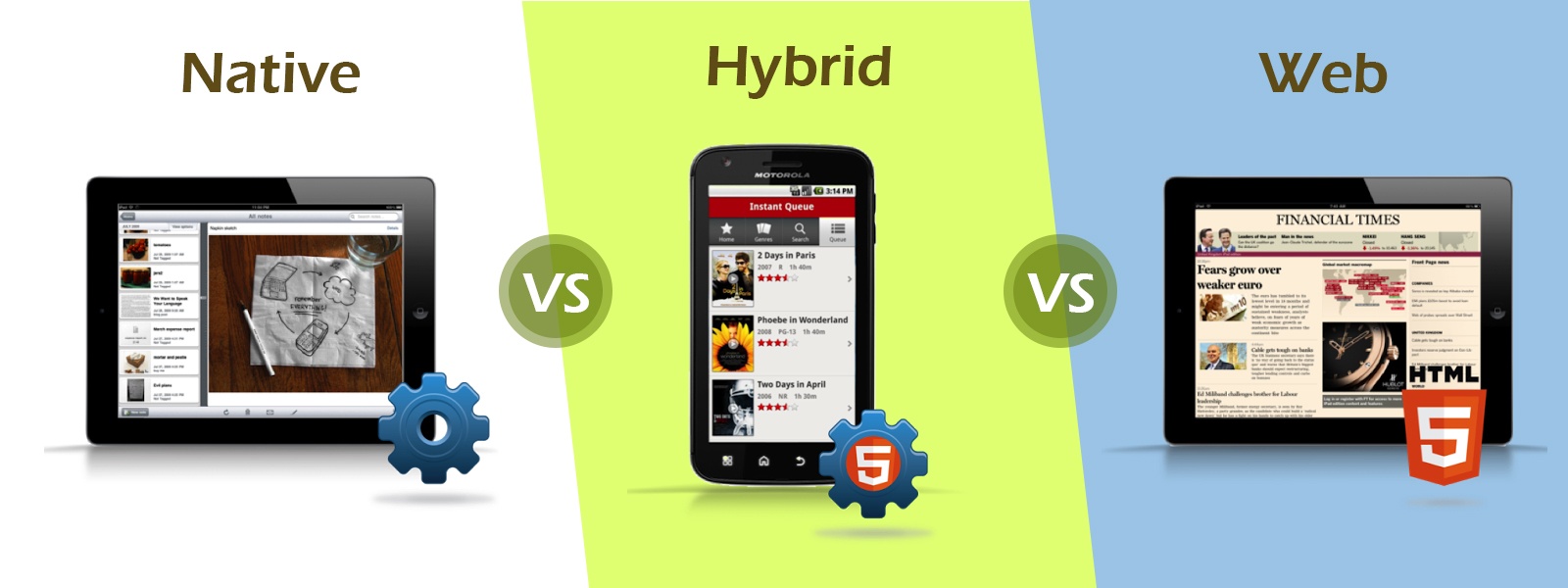
Now that it has been established that your SaaS business needs a mobile app, let us now look at the platform you should focus on. If you have an idea of the mobile app ecosystem, you would know that there are three types of app choices that SaaS mobile app developers give you, which your businesses can choose from – Native, Hybrid, and Web.

Native vs Hybrid vs Web: Which Mobile App Should Mobile SaaS Companies choose

Native App Vs Web App Vs Hybrid App

While there is no one answer of whether to choose Native, Hybrid, or Web for your mobile app expansion, as they all come with their share of pros and cons, there are factors that can help you decide which option to go for.

Before we get into them, it is apt to look at what differentiates the three mobile app types.

Native Apps: Native applications is deemed to be the best of the lot. The app type is known for its superior quality and better performance, along with giving businesses a direct link to the users’ devices. The idea of Native App is that the mobile application should be downloadable through the Play Store and App Store and give a direct access to the users’ device functionalities like Camera, Microphone, Contact etc.

Hybrid Apps: A mix of both Native and Web app, Hybrid apps appear as Native app but are actually web app that consists of Native UI elements which allow them to interact with the device’s functionalities, something that is missing in the case of Web applications.

Web Apps: It is a mobile application that users can access through the web when they go online. Since it is not a standalone application, it is not available on the stores to download and becomes dependent on the internet connection to function.

With the high-level meaning of all the three mobile app types now attended to, let us look into the factors that differentiate them.

Now that you have seen the contextual difference between the three types of mobile apps, it is time to look into which app type would be best suited for your SaaS mobile app. The answer lies in the functionality you are offering through your mobile app.

If the functionality calls for an online, real-time update with a lot less reliability on the device’s functionalities, go with Web or Hybrid apps. And if the app gives a focus on the superior experience or includes media sharing, go with Native app type.

Now that we have looked into the app type that would be best suited for Mobile SaaS companies, it is time to help you get an answer to a factor that would contribute to the future of your SaaS business – The Pricing Strategy.

What Pricing Strategy Should You Fix For Your Mobile SaaS App

Pricing is a very tricky nut to crack when you are starting your SaaS business. You don’t want to keep it very low to appear as a low-functionality, easy to be slid application and the same time you don’t want to keep it very high so that it becomes out of reach of the thousands of SMBs around the world.

Like the app type choice, there is no fixed answer to this, but what helps is knowing the different pricing strategies that you do have.

Let us look at some of the Mobile SaaS Pricing Strategies that are being followed by most of the SaaS brands.

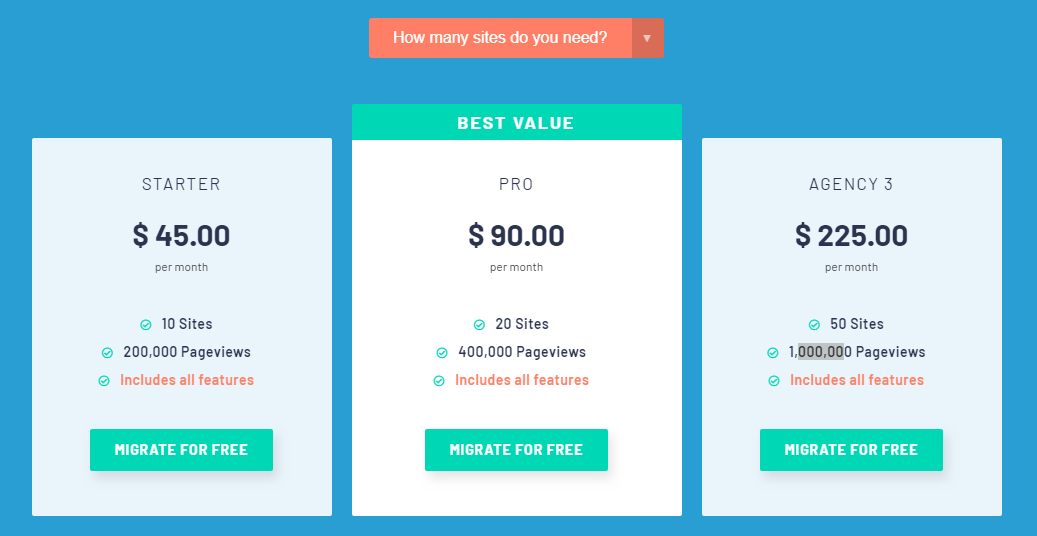
A.Per User Pricing

How Much Does CRM Software Cost?

One of the most SaaS pricing models, Per User Pricing is where you ask businesses to pay according to the number of users.

B.Per Storage Pricing

The definitive guide to cloud storage pricing

Offered by brands like Google and Dropbox, you pay a certain amount for utilizing X amount of storage and the moment space is utilized, you ask businesses to pay to use more space.

C. Feature-Based Pricing

SaaS Usage-based Pricing Model Overview | GetCheddar

In this case, you charge businesses on the basis of features that you are offering and they require. Here you set an advanced level of every feature and ask businesses to pay more depending on their growing requirement.

D. Freemium

Amazon.com: Flat 23% off at checkout||JioSaavn E-Gift Card - 1 Year subscription: Gift Cards

Under this mobile SaaS pricing model, you offer the best features of your software to the businesses for free and then ask them to upgrade if they wish to avail the add-on services.

So here was your list of pricing strategy that you can find the majority of your Mobile SaaS apps following and now it depends entirely on your business model that which pricing strategy you think would best align with.

Now that we have looked at the things or factors that should be considered when building a mobile SaaS app, it is time to look into the factors that should be avoided at all costs. Because ultimately, the number of desktop SaaS users are a lot more than mobile users. And the reason behind this difference is the mistakes that SaaS businesses make when going mobile.

Here’s what those mistakes are:

Mistakes To Avoid When Starting a Mobile SaaS Business

While it is understandable that the complex functions a user can achieve through desktop or laptop are difficult to achieve through a mobile screen, it is nevertheless important to understand the actions your SaaS users would perform outside the office and ensure that your mobile SaaS is prepared for them.

When you make a Mobile SaaS with this aim, your app automatically comes one step closer to becoming a hit. Here are the mistakes that you should avoid in order to ensure that your business is offering the best solution to mobile users.

1. Thinking Responsive Websites are Enough for going “Mobile”

Responsive web design: key tips and approaches

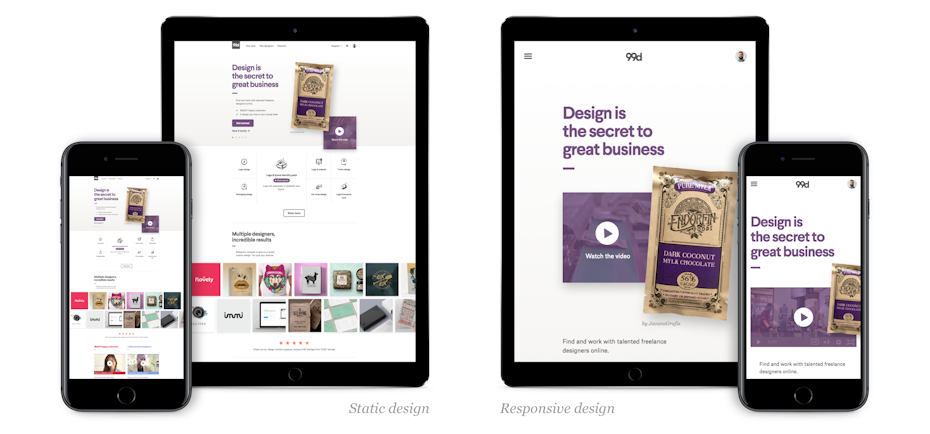
There are many SaaS-based companies who believe that offering responsive websites to the users solve the purpose of going Mobile and is enough to support the demand of the on the go businesses. But is it enough? No. When you develop a mobile app, you give users a mobile-centric experience that has been designed around their device and operating system. It offers them accessibility and speed that is impossible to be achieved through responsive websites.

2. Making a Mobile SaaS app just for the sake of it

As an app developer, what do I need to do to be a GDPR compliant? - Quora

There are a number of businesses who have a strong desktop user base and taking their mobile counterpart not so seriously, they don’t invest in the proper development of the mobile SaaS app. What they fail to understand that with a failed, unplanned mobile app they are putting their desktop SaaS product image at risk as well. The need of the hour for SaaS businesses starting with or expanding in the mobile ecosystem is to not deliver a low performing, buggy app but getting it developed from experience SaaS application development company, that understands the difference between the web and mobile experience and have a clear understanding of which events should a mobile app attend and which should be restricted to the desktop version.

3. Personalize the Experience According to Mobility based Use Case

Talent Mobility Software | Talent Experience Platform | PeopleFluent

There are a number of functions that a user can perform on a desktop SaaS but the mobility needs would be very restricted and ones requiring a quick in and out time. So you will have to identify the tasks first and then plan a mobile app around it instead of putting all the desktop features inside the limited space mobile app. With this, we have looked at the factors to be considered when starting a mobile SaaS business and the ones that should be avoided. Next, we will look at the challenges that you will have to overcome in order to become a valuable Mobile SaaS business entity of the industry.

Challenges Associated with Mobile SaaS

There are a number of challenges related to Mobile SaaS integration that are keeping businesses away from exploring them to the core. While some are at a more organizational level like making the employees use a mobile app in addition to the core desktop version, there are some at the functional level as well.

1. Data Related

RMS Data Related Challenges – Tower Operations | | Infozech

SaaS Integration, whether on desktop or mobile has to deal with a great amount of data coming in from millions of users. In a scenario like this, it is important that you have proper data control, management, and security infrastructure in place. While developing a SaaS Mobile app we ensure that the ecosystem we are using and the cloud integration we are applying is hackproof. We also maintain a strong backup in case the data is taking time to be fetched so that there is zero time lag for hackers to enter the system.

2. Testing Related

Google Is Testing GMB Posts 'Related to Your Search' - BrightLocal

One of the biggest challenge associated with Mobile SaaS apps is testing the apps. Here are some of the testing specific challenges that you may encounter –

  • Quick validation round for constant updates
  • Inability to authenticate the interface specific component in the backend
  • Difficulty in verifying security because of multiple data format
  • Mobile app not following any standards
  • Complexities at time of data transfer confirmation between a business and SaaS mobile app

Here’s how we solve these challenges at Anteelo

  • We use automation tools for testing our SaaS application to avoid the issues associated with constant updates.
  • We segregate problem areas by categorizing them according to severity.
  • We apply hack-proof encryption algos for unbreakable security.
  • We develop standardized test cases and then validate them on basis of priority.
  • We thoroughly check the transfer of the data between the network, companies, and SaaS apps.

With this, we have now come to a point in the article where you are contextually prepared to start your SaaS business on mobile. The last thing that is left for you to know is the SaaS app development cost.

How Much Would It Cost You To Develop a SaaS System

If you break down the Mobile SaaS applications cost, you will get Five elements:

  1. Coding and Development
  2. Integration of Other Systems in the App
  3. Building Tests
  4. Alpha and Beta Testing
  5. Marketing and Release

Noting the work that would go into the development of your SaaS system, the cost that you should be ready to pay would be somewhere in the range of $50k to $250k.

With this, you have read it all – The Mobile SaaS Market, the Benefit of taking the Mobile route, the Factors to consider and avoid, and the Cost of Mobile SaaS development. The only step left for you to take now is to get in touch with our mobile app development team and start your Mobile SaaS journey and make yours a SaaS based mobile app example.

error: Content is protected !!