Workplace importance of Cyber Security Awareness

For every organization, it is always necessary to maintain proper cyber hygiene. It is also vital for companies to remind their employees of the ongoing danger of cyber violations. Employees unintentionally cause data breaches because of cyber security unawareness which further results in increasing cyber risks. This year, due to the Covid-19 pandemic, cyber risks have increased many folds. These rising risks can be attributed to the companies’ resorting to the work-from-home (WFH) policy. Cyber security experts have warned that it is high time to prioritize security awareness training during this Cyber Security Awareness Month. Security awareness training not only prevents workers from placing the company at risk but also makes them the first line of cyber defence the organization.

8 Ways to Encourage Cyber Security Awareness - Delta Risk

The Importance of National Cyber Security Awareness Month

The world began to realize in October 2004 that cyber security is becoming a never-ending issue. Although it had been established in 2004 to raise cyber security awareness, it became a critical part of our life. This is how Cyber Security Awareness Month came into existence.

Every day millions of online users are hacked and their data is stolen from their devices. They are unaware of how to properly protect their web-equipped computers, so the National Cyber Security Association (NCSA) is helping to raise awareness on this issue.

Every year the NCSA tracks threats to the cyber security of America. The non-profit association pays attention to all aspects of vulnerabilities, from big public offices to individual home users. Anyone on the Web needs to learn how they can comfortably enjoy their cyber experience maintaining online safety.

The NCSA helps to raise understanding and awareness during Cyber Security Awareness Month, through brochures and blogs to workshops and security awareness training programs.
RH-ISAC | RH-ISAC Announces Commitment to Global Efforts Supporting and Promoting Online Safety and Privacy for Cybersecurity Awareness Month - RH-ISAC

Six Plan of Actions for the Cyber Security Awareness Practices

1) Building Constructive Attitude among Employees: It is of utmost importance to create a strong, constructive attitude towards cyber resilience among employees. Use stories to allow people to see how cyber security integrates with their lives. Encourage uplifting stories that enable people to take control of digital lives, work, and home, and to enjoy humor. Why is it so important? Because happy people will hear what you have to say more often! Use them all year round and get more involved in the role of cyber security in their lives.

2) Start Interaction between IT and Employees: 75% of employees claim that they either generally or nearly always obey their IT department’s advice. IT teams just have to make sure that they consistently provide these directions to start interaction between the IT department and employees.

3) Personnel Investment in Addition to Products: Businesses need to make efforts to flexibly and continuously improve the cyber knowledge of their employees. Therefore, organizations should invest in their personnel apart from brand promotion and product manufacturing.

4) Concentrate on Reducing the Threat and Making Training Fun: Sessions of educating the employees must be amusing. Customize preparation and integrate team humor in the cyber security awareness content. Lessons must be related to the individual life of the trainees. Using personal home safety and privacy examples can be related to their day-to-day office work and organization.

5) Customize Roles Specific Training: Each employee should be equipped with the know-how and skills required to recognize specific roles and react appropriately. In an organization, there are different roles of employees, department-wise. Therefore, customizing role-specific training will help to build robust threat intelligence against emerging and common cyber threats.

6) Make Cyber Awareness Practical and Accurate: Management must take up and protect the value of cyber security by direct communication with staff. When talking about the WFH policy, as an organization you must ensure that workers know how their behavior at home can also have an effect on the business. Explain the point of view of hackers. How can a person be a target? Which information may be of use to an intruder on social media accounts or other information that is accessible? What effect does it have on the organization or mission? Be specific to businesses, staff,, or the community regarding their safety impacts.

Employee Attraction towards Cyber Attacks

With the rapid development in technology and ever-increasing internet users, cyber security plays a critical role in every industry. Securing the IT infrastructure in an enterprise helps in maintaining smooth workflow and consistent business operations.

In recent times, cyber crimes have become extremely sophisticated and threat actors have come up with new ways to obtain access to an organization’s systems and sensitive information. All throughout 2020, everyone was battling to overcome the onslaught of challenges brought by the pandemic.


However, cyber criminals saw an opportunity and wholeheartedly exploited the panic and chaos caused by the pandemic to fill their own pockets. And these criminals took no time to launch back to back cyber attacks during the pandemic.

Which of Your Employees Are Most Likely to Expose Your Company to a Cyberattack?


These threat actors left no stone unturned to target the vulnerable companies that weren’t prepared to support a remote workforce securely. As a number of well-established companies became victims to various cyber attacks, 2020 witnessed several security incidents making the headlines.


Since companies are not willing to compromise with the health of their employees, remote working is expected to continue in 2021 and beyond. But the question is, how do companies survive the fight against cyber crime and secure their employees while overcoming the challenges posed by COVID-19?


Cyber Risks and Lack of Security Awareness Among Employees

Often organizations focus on upgrading the hardware and technologies to stay protected against cyber threats. In doing so, organizations spend millions of dollars on the latest security patches and upgrades. But just like our computers, humans store, process, and transfer information too.


Yet, if you compare the amount of time and money an organization spends on securing its computers and other electronic devices to the resources it focuses on securing its employees, you’ll see how huge the difference is!


Organizations typically invest a lot in installing antivirus and spyware software as well as upgrading the operating systems, applications, and browsers. Additionally, every company has help desks, support teams, and security technical teams to maintain all this software and hardware. But how much does an organization spend on securing employees? Very less.


Cyber security has become a massive issue in both private and government institutions. Looking into the core of the issue, it is not really about the technology or the systems. Technology and systems have become increasingly secure over the years.


Employees are the actual issue. Even though it is unintentional, most cyber attacks are caused by human error, whether it is a careless click on an unsolicited link or an innocent downloading of a corrupted file.


How to Fix these Cyber Security Loopholes? 

hacker attack every 39 seconds-min - Cybint

It may sound controversial, but the security teams are the last line of defense within an organization. Even though these teams face many cyber security challenges, it is the employees who form the first line of defense.


According to a report by IBM Security, human error is the main cause of 24% of all data breaches.


Therefore, it is imperative for every organization to train the employees to be aware of the prevalent cyber threats. This does not mean that organizations should implement such heavy security measures that will just create chaos and difficulties for the employees.


Rather, every organization should come up with a solution that makes the day jobs as easy as possible for the employees while making their IT infrastructure as secure as possible.


Here are some effective measures you can take to secure your organization:


  • Discover:  Start looking from a risk management perspective. Find out if there are any flaws in the organization’s cyber security framework. Conduct services like VAPT to discover and identify the loopholes within your organization’s network and IT infrastructure.


  • Practice healthy cyber hygiene: Implement basic cyber security protocols. Enforce a strong password policy, enabling multi-factor authentication for verification, using secure Wi-Fi, encrypting sensitive data, and regularly updating the systems with the latest security patches.


  • Lookout for malicious links: Think carefully before clicking on a link or downloading an attachment from an unknown source. An email can sometimes be from a threat actor impersonating a trusted individual. To protect yourself against malicious actors impersonating your email domain, set up tools like KDMARC and defend your domain against forgery.
  • Set up a firewall: As the name suggests, a firewall is a wall between the computer and the internet. It acts as the gatekeeper for all incoming and outgoing network traffic. Setting up a firewall protects the internal networks of your business against cyber threats.
  • Update on the latest risks: Keep up with the latest cyber hacks and threats news. It helps your organization stay up-to-date with the latest cyber security-related news. It also provides you with the cyber security preventive measures that your organization can adopt to avoid becoming a victim.
  • Train Employees: Educate employees to recognize social engineering attacks such as phishing, vishing, smishing, etc. To be more aware of the cyber threats evolving around the world and how to react when needs arise.


The Ultimate Solution to Make Employees Cyber Secure

Lack of Cyber Skills Holding Back the Growth of Small Businesses

There are several steps an organization can take to protect itself against cyber threats. However, it all comes down to how strong is your organization’s first line of defense – the employees. It has become essential for organizations to provide cyber security awareness training to their employees.


You can opt to educate your employees with tools that offers the most effective security awareness training materials. The tool generates awareness amongst employees about the common cyber threats wreaking havoc around the world.


“Cyber Security Awareness” – A priority among employees

12 Ways To Create An Unmissable Cyber Security Awareness Campaign

Cyber security awareness is an essential part of something that can be considered equivalent to the vault that has all your valuables in it. It is extremely vulnerable and requires attention. Since the last decade, cyber-criminals have shifted their focus from individuals to employees within organizations. These attacks have cost billions of dollars in thousands of reported cases. Some of the most infamous cases include:

Target

Arrows in the target clipart. Free download transparent .PNG | Creazilla

In 2013, Target became the victim of a third-party credit card data breach in which the vendor extracted the credentials outside of an appropriate use-case. The attackers leveraged the weakness present in the payment system of Target to access customer base and then install the malware. The attackers stole the personal information of customers including customer name, payment card details, credit card verification code etc.

RSA

AES and RSA Encryption Explained

In 2011, two groups of hackers launched a phishing attack on the employees of RS the security arm of EMC. These two groups had the support of the foreign government. This phishing attack compromised the SecureID authentication and extracted more than 40 million employee records.

These cases set a clear example of how mere negligence can destroy an entire organization.

What do reports say about such cases?

As per the report released by Kaspersky Lab, negligence of employees is

the cause of almost half of all the cyber-attacks and two-thirds of the data

Free Reports Cliparts, Download Free Reports Cliparts png images, Free ClipArts on Clipart Library breaches. 24% of the employees within the organization are not aware of the security policy that their own organization have. In the same research, 44% of the companies admitted that employees do not follow IT security policies properly. During the year 2017, 35% of organizations focused on staff training and it was the second most adopted approach to facilitate cyber security awareness.
  • An online marketing firm, Reboot, in 67% of the cyber attacks, attackers have more often targeted lower-level employees.
  • Cyber security ventures have predicted that by the year 2021, the cyber cost will cost $6 trillion globally. 42% of the large organizations and companies have accepted that they have been the victim of phishing attacks.
  • According to Symantec’s 2018 Internet Security Threat Report, 88% of all the attacks use emails with malicious attachments that have been downloaded by employees that resulted in a breach of server, device or network.
  • Watchdog says 72% of data breach attacks occur through email in organizations that have less than 100 employees.

How can organizations create cyber security awareness among employees?

Cybersecurity Awareness Training: Threats and Best Practices | Secureworks

  • These statistics are not just numbers but, have a very concerning relevance. This clearly justifies the age-old idiom of humans being the weakest link in the information security chain.
  • Organizations should focus on cyber security awareness among employees in order to prevent them against cyber-attacks.
  • Restricting access to confidential data and information can lessen the probability of the success of cyber-attack due to employee negligence.
  • Implement policies related to cyber security within the organization. It will be an add-on to the cyber security of the organization’s infrastructure.

However, one of the most effective strategies for increasing cyber security awareness is training employees. Cyber security awareness ensures that employees are ready to face cyber-attacks in real life.

A jump in Impersonation attacks

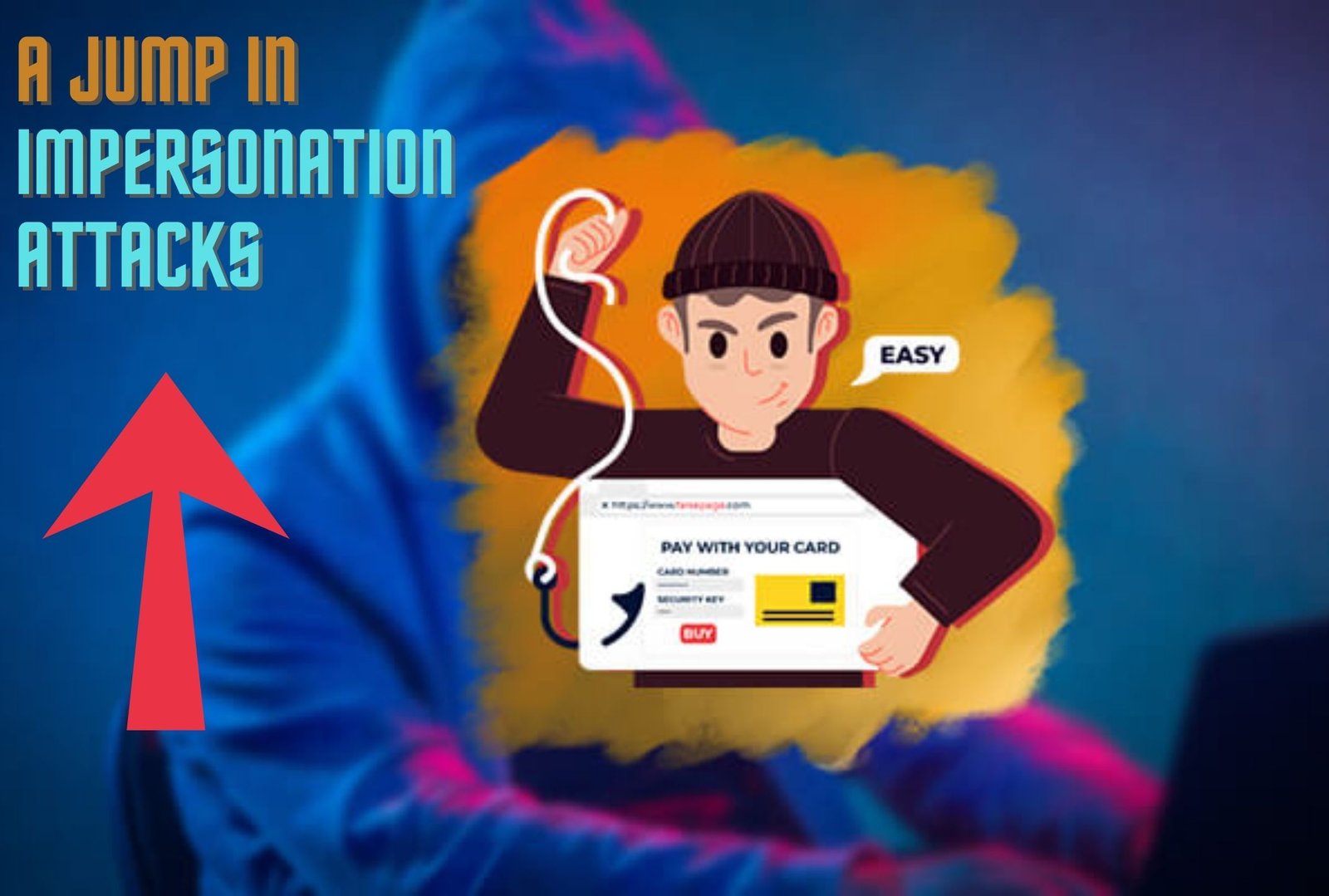
Cybersecurity Training: Solutions & Services | NECThe word ‘impersonation’ refers to the act of pretending to be another person for a purpose or fraud. Impersonation attacks are a form of cyber-attacks where attackers send emails that attempt to impersonate an individual or company for gaining access to sensitive and confidential information. One of the popular forms of impersonation attacks is CEO frauds or business email compromise (BECs).

Till this date, a 70% rise was observed in the number of impersonation attacks.

Graph showing increase in proton conductivity with increasing pore... | Download Scientific Diagram

Globally, BEC attacks caused $12.5 billion of financial loss within the period of one year resulting in businesses losing valuable data, customers as well as money in the process.

Within a period of past 12 monthsit has been revealed that 94% of organizations have experienced phishing attacks with 45% of the organizations witnessing a visible increase in spear-phishing attacks with malicious URLs.

4 Phishing Attack Trends of 2019 - ID Agent

Over one-third of the organizations saw an increase in the number of attackers trying to gain access to sensitive and confidential information including theft of sensitive intellectual property or login credentials via email-based spoofing.

Impersonation attacks are a form of social engineering attacks where attackers use manipulation to access information. Attackers are required to do background research on the intended victim. A successful impersonation attack occurs in three steps. It includes:

  1. Targeting the victim

Why Don't We Just Ban Targeted Advertising? | WIRED

The most important step in deploying a successful impersonation attack is doing background research on the probable victim. In this era of technology, finding someone’s personal information is not a very difficult task. Social networking platforms such as Facebook, Instagram, Twitter etc. are some of the mediums that can provide victim’s personal information.

  1. Trust building

10 steps to building trust that lasts - Nan S. Russell - Municipal World

Once the attacker gets his hands on the required information, the next step is to build a relationship of trust with the victim. The attacker will impersonate someone who knows the victim.

  1. Deploying the attack

The best new anime of the 2010s decade - Polygon

Once the attacker builds up a relation of trust with the victim. Attacks are deployed by majorly using three tactics. This includes:

By Registering a look alike Email Domain

Free Domain Hosting with Weebly - Find Domain Names Today

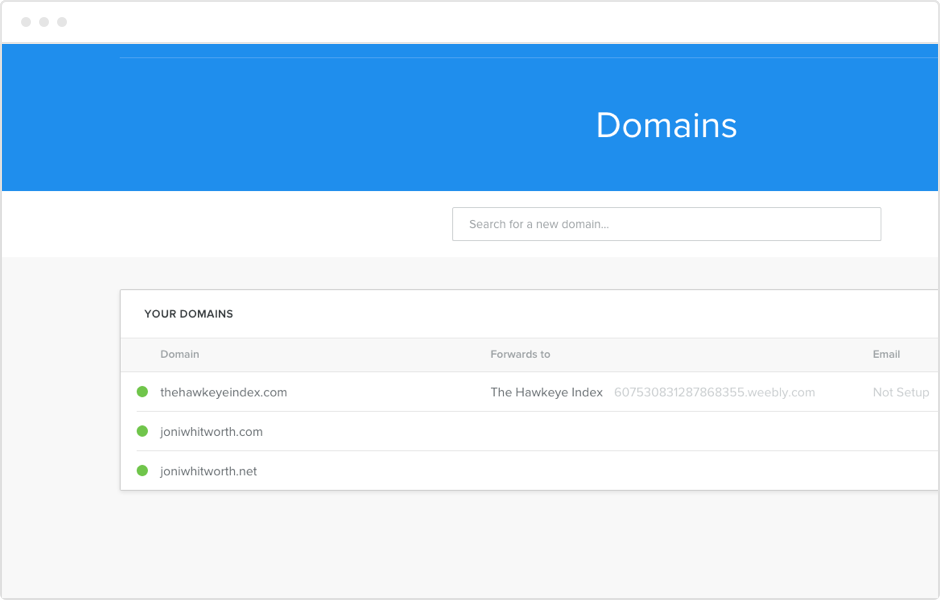
The attacker can register an email domain that is similar to the actual email domain and create a new email ID using a name that is similar to the name of the person who is being impersonated.

Manipulating the Display Name

C++ Program For Store Employee Information And Display Using Structure

Majority of the mobile email clients only display the name of the sender, thus, making it very easy for the attacker to edit the display name and manipulate the victim. However, in desktop email clients, both the display name and email id of the receiver are shown and thus, this attack methodology is not very successful.

Using a Free Email Account

The 11 Best Free Email Accounts and Service Providers of 2021

Attackers send messages through free email account such as Gmail, Yahoo etc. The sender indicates that the victim has been locked out of their official account and need immediate help for getting the task done.

What can be done to avoid such impersonation attacks?

Providing cyber security awareness and training to employees

Security Training – WIDE ANGLE RISK MANAGEMENT IN NAIROBI KENYA

Organizations should take initiatives for providing proactive cyber security awareness training to the employees. Cyber security awareness and training tools.

Building cyber resilience strategy

Building cyber resilience: An imperative for surviving threats today and in the future - Smarter Business Review

It is important to build a cyber resilience strategy that can help in enhancing the cyber security of the organization including email domain security, web security, network security, endpoint security as well as data backup and recovery.

Business Contingency Plan

How to Create a Business Contingency Plan | Full Scale

Each business must formulate a business contingency plan in case your organization suffers from an unexpected event or situation. The purpose of a business contingency plan is to establish a strategic framework and response in order to recover from a cyber incident.

With the increasing sophistication in the attack methodologies, it has become vital for organizations to adopt security measures against cyber-attacks.

error: Content is protected !!