A guide to Email Security Practices

Why is Email Security Important?
Word Email Stock Illustrations – 5,813 Word Email Stock Illustrations, Vectors & Clipart - Dreamstime

Whether exchanging emails across networks or dumping them in your spam folder, a huge amount of data is sent, received and stored. You may not realize but there are high chances that an unsecured email might have landed in your inbox which can act as a source of data exploitation. Now you wouldn’t want that, would you? That’s why email security is very essential for our daily routine in order to keep a check if any malicious email is accessing our inbox or not. The cybersecurity professionals working in every industry vertical must stay updated with the prevailing attacks possible through emails.

According to ComputerWeekly.com, 82% of organizations claimed to have faced email-based cybersecurity threats in 2018. Whereas, ransomware seems to be the biggest cyber threat in the coming year. The reason being, ransomware attacks that encrypt critical business files and demand for ransom in return are often sent to individuals working in organizations by emails only!

These eye-opening facts call for proper email protection solutions that are needed to be implemented in every organization as a defensive system against invading cyber threats. As far as cybersecurity is concerned, the best solution is using email security tools that incorporate a wide range of security techniques that email accounts and services have. Proceed further for the top 5 email security practices that can benefit your organization from email-based cyber risks.

The 5 Types of Email Security Practices 


  • Never click the “unsubscribe” link in spam emails:

At times, certain emails manage to surpass the spam filter and land in your inbox. For instance, you come across one such certain email and on opening it, you discover that it looks like a phishing email. What would be your first instinct? In any normal situation, users tend to unsubscribe suspicious-looking emails but that is not actually safe!

Hackers are good manipulators and they use such links to fool people into clicking attachment which redirects the targeted users to a phishing site. Apart from that, these links also provide hackers with a back door for access into your system.

  • Avoid Public WiFi:

Never access emails from a public WiFi because they are less secure and hackers choose public WiFi to steal information by passing through a weak network. Cybercriminals require nothing but a laptop and basic software to hack into public WiFi networks and monitor all the traffic. Accessing emails via unsecured public networks can lead to misuse of user’s credentials and a huge loss of sensitive data. This could also result in further intended targeted cyberattacks that are down the line.

More organisations banning use of public Wi-Fi – report | Internet of Business

  • Email Encryption:

Disguising and encrypting email content potentially protects the sensitive data that is sent and received, from being read by anyone except the intended recipient. With email encryption, you can secure your emails over untrusted networks from eavesdroppers or any third person trying to invade in between the email exchange. This security strategy reduces the chance of disclosure of information as well as alter of message content.

  • Incident Response Tool:

Every 1 in 131 emails contains malware that is sent to the targeted users. Moreover, 95% of the data breaches are deployed through these malware-laden emails. In order to reduce these cyber risks, incident response tools like Threat Alert Button (TAB), help employees in an organization to report any suspicious-looking email for analysis.

This innovative tool by Kratikal is an instant phishing incident response tool where the reported suspicious-looking email is analyzed by the SOC team and moves the reported email to the spam folder in real-time for future exposure prevention, and this all is managed by just one click.

  • Employee Education:

Limit the chances of cyber risks in your organization by providing employees with cybersecurity awareness training tools. Along with the implementation of policies and email security tools to prevent cyber threat postures, it is essential to encourage employees to become proactive in combating attack vectors like ransomware, phishing emails, and cyber scams. Security awareness tools like ThreatCop is an AI/ML-based security attack simulation tool that assesses the real-time threat posture of an organization. With the unlimited number of attack campaigns and automated training campaigns, this product builds cyber awareness among the employees in an organization and creates a resilient working environment.

Implementing and working on the above-mentioned email protection solutions will not only keep your data safe but will also be beneficial in the long term. In order to protect your business, it is important to make sure that all your employees are empowered to make email based decisions and are protected from data thefts.
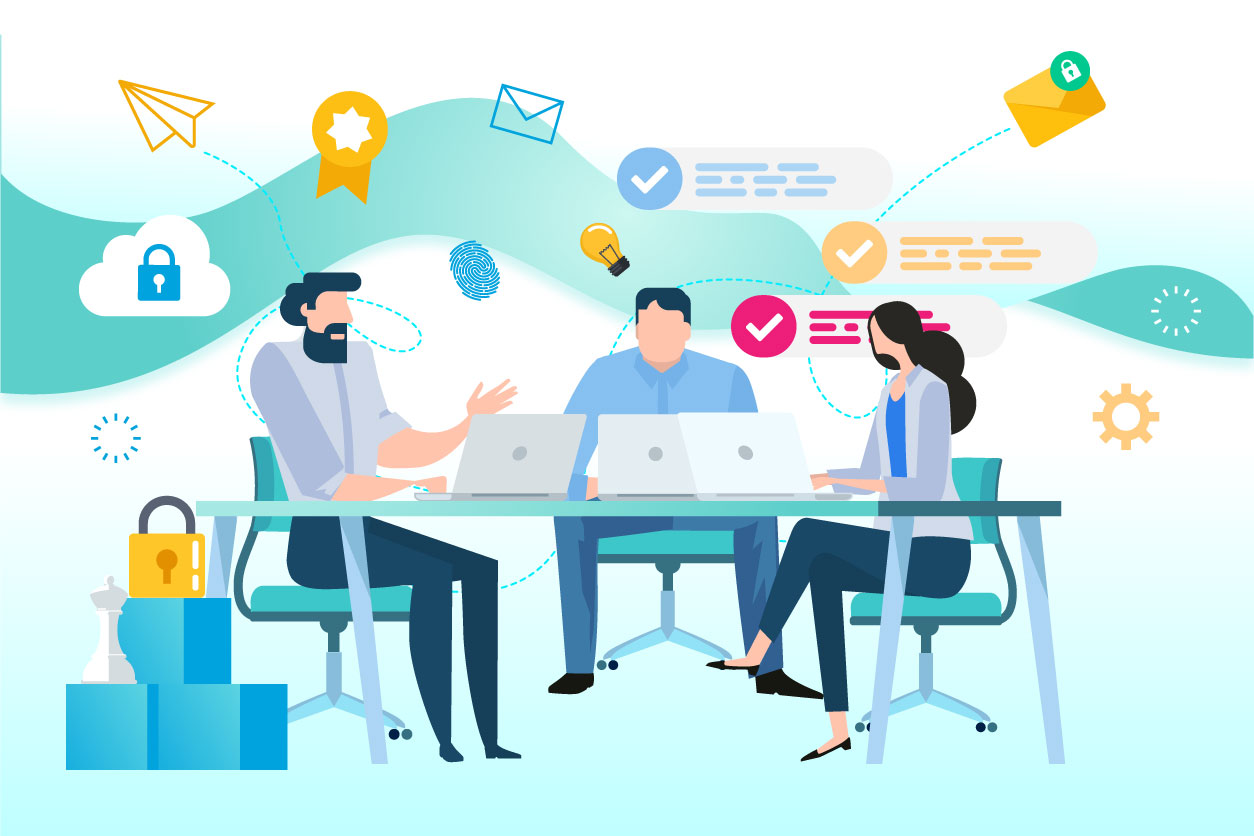
Email Security Best Practices for Companies

Hackers are everywhere nowadays and they won’t stop holding back from discovering vulnerabilities and exploiting your data. Secure your organization now with a robust email security tool in order to reduce the chances of becoming a victim of the prevailing cyber threats.
Weapon against Phishing Attacks

Microsoft Seizes Domains Used in COVID-19 Phishing Attacks - My TechDecisions

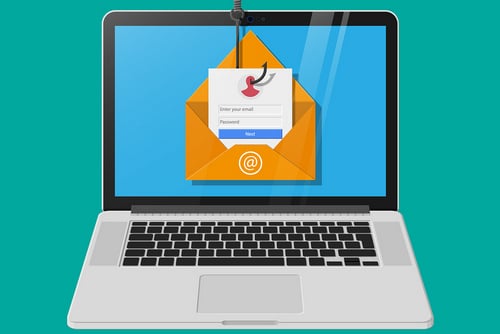
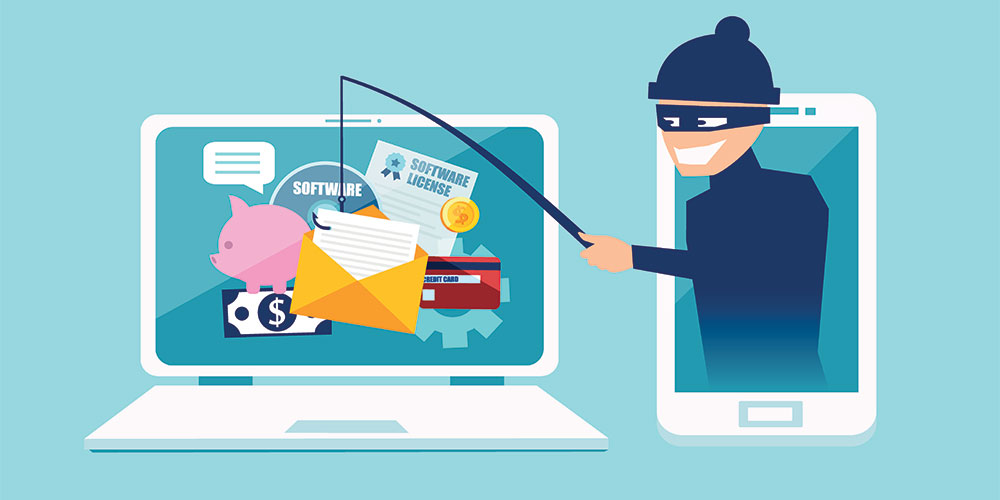
In the IT world, phishing is not a vague term. For those wondering “what is phishing?” it is an online identity theft. This cyber-attack is carried out by sending spoofed emails in the name of trusted sources like a bank or legitimate companies. Furthermore, the aim of this corrupt practice is to obtain credentials and financial information of the users. But with the rate of rapidly increasing phishing attacks, proper defense against phishing has to be taken.

In the cyber world, phishing attacks have risen up to 65% as compared to the past year. The level of phishing attacks has advanced so well that even top-notch companies have become phishing scam targets.

In order to secure data from any further exploitation, anti-phishing solutions have been introduced lately for defense against phishing. But before taking any step, you must know how to find a phishing email so that you are saved from phisher’s hook.

How Can You Identify A Phishing Email?

How To Recognize and Avoid Phishing Scams | FTC Consumer Information

Phishers aim user’s inbox for phishing attack by sending various forms of email that convinces a user to:

  • Click on a link
  • Enter credentials like username, passwords, etc. on a legitimate-looking website
  • Install application or software on your device
  • Open a doc file or many other tricks to lure users

The motive of sending such emails is to trick users to download malware on their devices. By doing this, the attacker would have the ease of remotely controlling the user’s device so as to steal all the important data.

To avoid such attacks, you can follow tips that will help you to protect against phishing attacks.

Guidelines for Best Defense Against Phishing

Updated software and OS:

What is an Update?

Always keep the version of your operating system up to date so as to avoid any sort of malware attack for the best phishing protection. Outdated software or operating system hold way too many bugs and hence become an easy target of phishing attacks.

Avoid Password Auto-Fill Service:

Autofill: What It Is & How To Use It On Your Android Device

Phishers are experts in using platforms to attempt a phishing attack, so it is better to skip a “save password” option if it pops up on any website. This step will help in keeping your information secure from hackers.

Two-Factor Authentication:

Is two-factor authentication (2FA) as secure as it seems? - Malwarebytes Labs | Malwarebytes Labs

It is better to adopt the latest technologies for security purposes if it comes from the right sources. Two-factor authentication is a widely used technique to secure data and financial information from unauthorized access.

Use Google Drive for Suspicious Documents:

Add Files Owned By Suspended Accounts To Shared Drives

In case you find any document sent from an unknown sender or receive a dubious-looking file, ensure to upload it on Google Drive. This would turn document into image or HTML, which in turn would avoid the installation of malware on your device.


Centrality of Cyber Security in the Educational Sector

Over the last few years, the education sector has become a new favorite target among cyber criminals. From turbulent ransomware attacks to covert data breaches, numerous academic institutions have suffered from various kinds of cyber attacks in recent times.

The introduction and adoption of newer technologies along with the disruption caused by the COVID-19 pandemic have fueled the situation further. Cyber criminals are attacking educational institutions with tactics and tools that have worked effectively against businesses.

Why has the Education Sector Become a Lucrative Target?

Why Cybersecurity Needs To Be a Priority for The Education Sector

According to an article by CSO Online, the education sector accounted for 13% of all data breaches in the first half of 2017, which resulted in the compromise of approximately 32 million records!


Here are the major reasons for the popularity of the education sector as a target among cyber criminals:

1. Financial Gain: According to research, educational records are worth up to $265 on the black market. The notion of such huge financial gain is more than enough for threat actors to target academic institutions.

2. Valuable Data: Even though educational institutions may not look as lucrative as healthcare companies or private businesses, they serve as a treasure trove of sensitive financial and personal information including valuable proprietary research data.

3. Espionage: Espionage is another reason for cyber criminals to target the education sector. Higher education institutes such as universities and colleges often serve as centers for research and possess valuable intellectual property.

4. Impacting Operations: Several attacks on academic institutions have been carried out with the motive of causing widespread disruption and adversely affecting the institute’s productivity.

Major Cyber Security Threats to the Education Sector

The Top 5 Cybersecurity Threats to Schools (And How You Combat Them) - Enterprise Training Solutions Blog

A wide range of cyber threats has been plaguing the education sector for years. Here are the top threats hounding educational institutions around the globe:


1. Spear phishing Attacks: Using spear phishing, cyber criminals have taken hold of several academic institutions, resulting in catastrophic losses. An article by Business Line reported that more than 1000 colleges, schools and universities were targeted by various spear-phishing campaigns in Q3 2020.


2. BEC Attacks: Threat actors have also resorted to BEC attacks for targeting organizations in the education sector. The same article by Business Line also reported that Gmail accounts serve as the primary medium for launching the majority of BEC attacks, accounting for 86% of all BEC attacks on academic institutions.


3. Ransomware: As per the FBI, schools have become the most popular targets for ransomware attacks. A number of colleges, schools and universities have been hit by vicious ransomware attacks, leading to devastating consequences.

4. DDoS Attacks: DDoS attacks or Distributed Denial of Service attacks are very common in the education sector. These attacks offer an easy way for cyber criminals to disrupt operations, especially if the network of the target organization is poorly protected.


5. Data Breaches: Since academic institutes hold a huge cache of valuable information, data breaches have always been common in the education sector.

Recent Cyber Attacks on the Education Sector

As mentioned above, many educational institutions worldwide have been hit by cyber attacks in recent years. Here are some major cyber attacks witnessed by the education sector over the last couple of years.


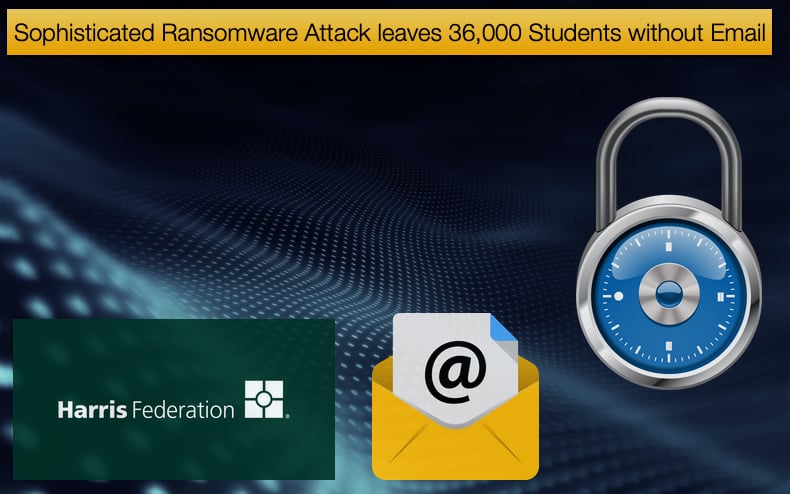
1. In March 2021, the London-based Harris Federation suffered a ransomware attack and was forced to “temporarily” disable the devices and email systems of all the 50 secondary and primary academies it manages. This resulted in over 37,000 students being unable to access their coursework and correspondence.

Sophisticated Ransomware Attack leaves 36,000 Students without Email

2. The Division of Structural Biology at Oxford University fell victim to a cyber attack in February 2021. It was involved in extensive COVID-related research and access details for several of its systems were spotted online.

3. The University of Northampton was hit by a cyber attack in March 2021 that led to the disruption of its telephone and IT systems and servers.

4. The University of California, San Francisco paid a ransom of $1.14 million after the NetWalker ransomware locked down multiple servers of its School of Medicine in June 2020.

5. Birmingham college was hit by a ransomware attack and had to ask all of its 20,000 students to stay at home for a week. It had not even been two weeks since they had returned to the college following an extended lockdown due to the COVID-19 pandemic.

All hell broke loose': How a cyber attack shut a college

How to Protect Educational Institutions Against Cyber Attacks?

Whether it is due to the lack of resources and budget or the absence of stringent security policies, academic institutions have been unable to protect themselves against cyber attacks in the past.


With a myriad of cyber security issues hounding the education sector, it is about time for these institutions to take the appropriate precautions and get ahead of threats. So, here are some effective measures you can take to shield an educational institution against cyber threats.


1. Implement a robust Identity Access Management (IAM) system to prevent anyone from obtaining unauthorized access to the network.

What is Identity Access Management? | Varonis

2. Conduct periodic Vulnerability Assessment and Penetration Testing (VAPT) to detect and fix any exploitable vulnerabilities in your organization’s cyber security infrastructure.


3. Enable Multi-Factor Authentication (MFA) on all the applicable endpoints across the enterprise networks to add an extra layer of security to your organization’s cyber security framework.


4. Train all the employees in the basics of cyber security to generate awareness about various cyber threats and the best ways to deal with them.

5. Enforce cyber security best practices like a strong password policy. Make sure your employees are aware of the consequences of not following the practices and understand their responsibility in keeping the organization safe.


Cyber security in the education sector is essential for about a hundred reasons, the most important one of them being to ensure the safety and privacy of students. So, take the necessary measures now and keep your organizations protected against cyber threats.


Healthcare Cyber Security growing Paramountcy

Over the last year, the healthcare industry has become a target of strategic interest amongst cyber criminals. Owing to its troves of valuable data, healthcare has never been as vulnerable to cyber attacks as it is now. As per a report by HIPAA Journal, healthcare institutions reported 616 data breaches of 500 or more records in 2020. Moreover, the report also revealed that 28,756,445 healthcare records were exposed.The Role of Cybersecurity in Healthcare and Hospitals | Norwich University  Online

With the arrival of the COVID-19 pandemic, hackers rapidly evolved their tactics to exploit the fears escalating amongst the population. This has spurred the need to adopt cyber security best practices for keeping pace with evolving threats, especially in healthcare. Cyber criminals have reframed their phishing attempts to launch targeted cyber attacks by taking advantage of the COVID-19 fears.

Those working on the response have become prime targets. Even the World Health Organization (WHO) and the research firms developing treatments and vaccines for the coronavirus are being targeted. Moreover, as per Becker’s Hospital Reviewdata breaches cost the healthcare industry nearly $5.6 billion every year.


Major Cyber Attacks on the Healthcare Industry in 2020

It’s widely believed that in 2021 the healthcare industry will continue to be the most targeted industry by cyber criminals. Here are some major cyber attacks targeting the healthcare industry in 2020:


  1. The year 2020 witnessed the first fatality due to a ransomware attack when a hospital in Germany was hit by a ransomware attack in September.
  2. The UK National Cyber Security Centre (NCSC) reported that APT29 targeted COVID-19 vaccine development.
  3. The Universal Health Services (UHS) health system suffered a ransomware attack across its 400 locations in September.
  4. Data allegedly stolen from five different healthcare entities was posted for sale on the dark web by the hacking groups behind REvil, SunCrypt, NetWalker and Pysa or Mespinoza ransomware variants.
  5. UCSF paid a ransom of $1.14 million after the NetWalker ransomware affected multiple servers of its School of Medicine.
  6. In October 2020, DHS CISA issued a warning of an Emotet resurgence, problematic ransomware that has targeted 24% of the most prominent hospitals.


How to Protect Healthcare Institutions Against Vicious Cyber Attacks?

With the pandemic expected to continue into the foreseeable future, the healthcare industry is hounded by several cyber security issues. Cyber attacks on healthcare facilities can have consequences beyond breach of privacy and financial loss.


Therefore, it has become essential for these institutions to take the necessary precautions and get ahead of threats. Here are a few effective cyber security measures that can offer protection against the cyber threats plaguing the healthcare industry:


Enable Multi-Factor Authentication (MFA)

Implementation of MFA on all the applicable endpoints across the enterprise networks is an effective way to get rid of some of the most disastrous vulnerabilities. According to a report by Microsoft, enabling MFA can block over 99.9% of all automated account compromise attacks. With billions of stolen credentials for sale, it has become extremely important to adopt MFA as a basic security protocol. This applies not just to the healthcare industry but everywhere.


Vulnerability Management

Cyber criminals often exploit unpatched vulnerabilities in the IT infrastructure of their target organization to ensure the success of their attempt. Hence, it is imperative to make sure that all the security patches are updated regularly. Overlooking even a minuscule vulnerability in your organization’s security framework can have severe ramifications. Conducting periodic Vulnerability Assessment and Penetration Testing can significantly help you keep your company’s IT infrastructure free from any weaknesses, mitigating the risk of suffering a cyber attack.


Generating Awareness

Educating your staff about cyber risks and the ways to mitigate them is one of the most effective ways of meeting the challenges posed by the current cyber threat landscape. If every individual on staff is vigilant enough, it will be difficult for the threat actors to find an opening for an attack. Organizations can use innovative cyber security awareness tools like ThreatCop to train employees in the art of avoiding cyber attacks.


Backup Storage and Restoration

The best way to minimize damage caused by a cyber attack is to employ backup, offline storage and restoration. This standard security protocol is especially effective against ransomware attacks. If you are unable to prevent a cyber attack from hitting its mark in the first place, it is essential to have a plan. The next best course of action is to ensure that you have a reliable offline storage and restoration option.


To summarize, cyber security in healthcare is not just about protecting an organization but also protecting those they serve. Consequently, it is extremely important for healthcare providers to enforce strict security policies and keep evolving them according to the changing cyber threat landscape.


Vitality of Cyber Security

Familiarising With The Term Cyber Security 

Key cyber security trends to look out for in 2021 - Information Age

You must have heard of the word cyber security, making headlines in the news, internet, social media, IT forums, etc. However, has it ever occurred to you that what is cyber security or why does the security administrator of your organization keep on talking about the importance of cyber security?

Fundamentally, cyber security is the body of technology, process, and practice, designed to protect systems, networks, programs, and data from cyber risks like cyber attacks, damage, or unauthorized access. It is also referred to as information technology security. With cyber attacks evolving today as a danger to organizations, employees and customers, cyber security plays a very crucial role in prevention against such security threats.

As we have entered into this new decade, we can already see new challenges arising in cyber security since day one! It is no surprise to see that cyber security is constantly on a rise and there is a lot in store for the near future. Today, companies have become more technologically reliant than ever and the trend doesn’t seem to stop. Rather, it looks like this technological reliance will keep evolving in the long term.

Almost every organization nowadays, uses cloud storage services like Dropbox or Google Drive to store their confidential data and sensitive information. If not taken proper online security measures, this data present online can easily be exploited by cyber criminals.

Why is Cyber Security Important for Companies Today? 

The Importance and Scope of Cyber Security

Often some organizations take their data security lightly and as a result, they fall victim to cyber attacks. In fact, our companies are still not immune to these evolving cyber attacks. But thanks to these fast-developing technology standards today, cyber security has become a priority for every organization across the world.

Think you are secure online? Think again!

It is a serious matter of how cyber attacks are shaping in every form possible in order to stay one step ahead of the development in technology. Phishing, ransomware, cyber scams are some of the common yet highly dangerous cyber attacks that are designed with the motive to access and exploit the user’s sensitive data and extort money out of it.

Here are some more major reasons to understand why cyber security is important for companies:

  • Rise of Cyber Crimes

Be it a large scale or a small scale firm, hackers and cyber criminals spare no one. Rather, they lookout for opportunities to exploit data and get money out of these firms. Over the past year, the average cost of cyber crime for an organization has increased 23% more than last year—US$11.7 million, according to the report. Also, the average number of security breaches has risen significantly and it is now $3.86 million, as per the report. With the introduction of new technologies, the chances of cyber threats and risks are also rapidly increasing. Cyber criminals have advanced their attempts of deploying cyber attacks with the evolution of technology.

  • Growth of IoT Devices

With the mission to create smart cities with smart devices, our dependency to connect everything to the internet has increased too. The introduction of IoT technology i.e. Internet of Things, has not only simplified and speed up our tasks but has also created a pit of new vulnerabilities for hackers to exploit. No matter how advanced security measures we take,  cyber criminals will always stay one step ahead to attempt cyber crimes. If these internet-connected devices are not managed properly then they can provide a gateway to business to hackers or cyber criminals!

  • Bridge to Security Gap

Human resources and IT resources have always been one of the most important aspects of any organization. Regardless of their dependency on each other, there has always been a security gap between both aspects. In order to bridge this gap, it is important to provide individuals working in an organization with the right cyber security awareness training. Training for employees is necessary to bridge the gap of cyber security skills and to create a cyber-resilient working culture in the organization.

  • Cost of Cyber Risks 

Cyber attacks today are not only multiplying in numbers but are also multiplying in the cost of damage created. These cyber attacks can prove to be extremely expensive for any organization to endure if not taken proper security measures. With more business infrastructures connecting, it is predicted, cyber crime to cost the world $10.5 trillion annually by 2025, says the report. Besides, it is not just the financial damage that could cost but also the reputation of the firm along with loss of customer trust in the business.

  • Security of Data

When it comes to data security, it can be clearly seen how organizations are getting highly comfortable in keeping their information online. With the alarming number of data breaches and information leaks making news headlines almost every day, it can be seen how vulnerable the data left is online. Moreover, cyber attack vectors such as ransomware, phishing, cyber scams, risk of removable media, etc. leave no room for data exploitation and publicizing of any vulnerable data. Implementation of the right cyber security solutions is a must to avoid any future cyber risks related to the sensitive data of an organization.

How to Cyber Secure Your Organization in 2021?

The Importance of Cyber Security in Schools - Complete IT

Are you here to look for the best defensive system for your organization to combat cyber attacks? Well, the only thing that is important for your organization in 2021 is a strong cyber security system along with the best cyber defense practices to reduce the cyber threat posture of your organization.

Solely relying on anti-virus software will not stop cyber criminals from accessing your business. But educating employees in making smart cyber defensive choices can definitely reduce the chances of cyber risks!

Moreover, it doesn’t require a specialist to teach employees about cyber defense and cyber security awareness. There are advanced technology-based tools available today to help and guide employees in recognizing and combating cyber threats before they infiltrate networks and systems.

The web and network attackers are constantly striving to undermine the security system of the company’s IT infrastructure today with the intention of stealing the confidential data. Thus, making it more challenging for organizations to stay cyber secure.

Organizations are required to equip themselves to prepare for tight security measures and best cyber security solutions like security risk assessment tools, anti-phishing, and fraud monitoring tools to look for vulnerabilities and to track your brand online. Always remember that an ounce of prevention is worth a pound of cure!

Top-down analysis of Phishing Simulator

The Importance of Phishing Simulator Tool

9 top anti-phishing tools and services | CSO Online

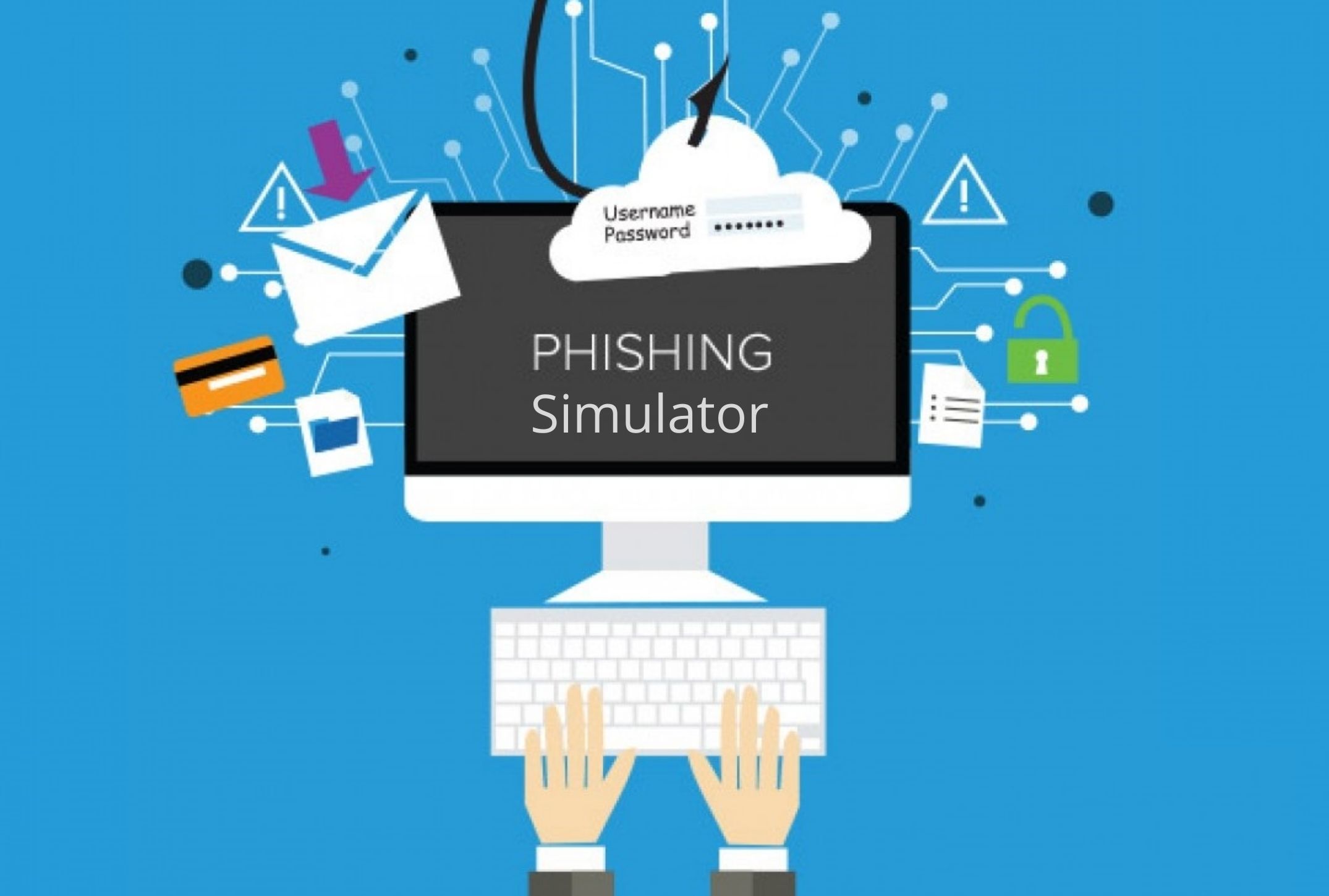
When it comes to the cybersecurity of any organization, phishing simulator should be considered as a top choice to train employees. A phishing simulation tool works as a proactive defense against phishing attacks for employees when it comes to the cybersecurity of an organization.

Phishing email test for employees is essential as they are the first choice of target of cyber attackers. Employees sit on the front lines of the ever-evolving email-based phishing threats, which makes them an easy target. In fact, phishing emails account for 94% of ransomware and have cost $132,000 per business in email compromise incidents.

In a report by a research lab, almost half of the emails are spam emails whereas, if there were 124 billion business emails exchanged every day in 2018, there is a wide scope of spoof emails to wade through and cause a potential for disaster.

Hackers have become more sophisticated and prevalent in their strategies in attempting phishing attacks. Users are required to be aware of the prevailing cyber threats and must be trained accordingly. Phishing email for employees helps them in making them proactive in recognizing malicious emails.

Reasons Why Employees Fall for Phishing Attacks

3 Reasons Employees Fall for Phishing Attacks - Protek Support

In the cybersecurity statistics of 2019, it was found that spear-phishing, under which cybercriminals choose specific targets, still seems to be the most preferred way that hackers choose to deploy cyber-attacks on organizations.

While employees are the weakest link in the cybersecurity chain of an organization, they tend to easily fall victim to email-based phishing attacks. Here are the three reasons that state why employees easily become the target of phishing attacks:

  1. Lack of knowledge regarding the phishing threat
  2. They are less proactive and reactive when it comes to cybersecurity
  3. Insufficient backup office processes

Most often, phishing emails come in disguise of a legitimate source which makes it more easy for cybercriminals to target users who generally do not pay close attention to such emails. According to a survey conducted on employees, around 60% of the respondents agreed on promptly opening emails from their boss. Phishers, on the other hand, find this as an exploitable vulnerability in employees. Regardless of scale and size, organizations must implement some standards and provide phishing training to their employees to avoid the near future cyber risks.

What is the Best Tool for Phishing Training? 

As cyber-risks are increasing day by day, companies and organizations are battling hard to keep up with their defenses. It’s high time for the organizations to provide phishing training to their employees so that they become more vigilant and strong against phishing attacks.

Recognized as the “Top-10” most innovative product of the year in 2017 – DSCI NASSCOM, this tool has proven to be the best phishing simulator for its remarkable features. This product comes with the following six simulation attack vectors:

  1. Phishing
  2. Ransomware
  3. Risk of Removable Media
  4. Cyber Scam
  5. Vishing
  6. Smishing

It is a complete suite of cybersecurity solutions in one product and holds the best features such as unlimited security attack simulation cycles, automated training campaigns, email-based phishing simulation attacks, hack record of employees to reduce cyber risks in an organization. If it’s better to be safe than sorry, then why not invest in the right tool at the right time?

“Cyber Security Awareness” – SMEs shield against cyber-attacks

In today’s world, cyber security infrastructure and awareness are prerequisites for the smooth running of almost every industry. It is mainly because cyber attacks have the potential to negatively affect an organization’s efficiency and output. Cyber security awareness is even more essential for small businesses as they are being plagued by a variety of cyber threats including cryptojacking, ransomware, phishing, password tracking attacks and advanced persistent threat attacks (APT).A Cybersecurity Guide for Small to Medium Businesses in 2021

The major reason for the presence of small businesses in the cyber criminals’ target range is the low complexity of their cyber security infrastructure. Reportedly, the most common challenges faced by a small business emanate from employees’ negligence. With limited resources and less complex infrastructure, generating awareness is the only way for small businesses to safeguard themselves against cyber threats.


According to National Cyber Security Coordinator Rajesh Pant, “To know how to defend yourself or your organization, it is important to understand how the attacks happen and what methodology do cyber attackers use to harm organizations.

Risks Faced by Small Businesses Due to Inefficient Cyber Security Management

COVID-19 Cybersecurity: Small and Medium Enterprises in Peril

Gauging the vulnerabilities and leakages in any particular department is difficult until and unless it is put to test. In absence of such introspection, a small business risks losing a lot of valuable time and money. The major risks faced by small businesses include-


  1. Cyber attackers can steal an employee’s credentials to carry out a number of criminal activities like identity theft and targeted spear-phishing attacks. They can also use these stolen credentials to access your company’s corporate network.
  2. A compromised cyber security infrastructure can lead to a data breach and the loss or exposure of sensitive information.
  3. Successful payment frauds or theft of sensitive bank details and passwords can result in substantial monetary losses for the company and its employees.
  4. Recovery from a cyber attack including the costs of cleaning up the systems can serve as a huge financial hit.
  5. Damaged reputation and the loss of customer base are other major consequences of suffering a cyber attack.

Top 5 Small Business Cybersecurity Threats in 2021

Upping the Ante


Adopting the best cyber security practices has become a vital step for all small businesses to stay afloat. The following are some effective measures that small business organizations can take to secure their data and systems-


  1. Deploy cyber security awareness tools where employees are subjected to a cyber attack drill and their reaction towards such a dummy attack is recorded and analyzed. These dummy attacks involve different attack vectors and customized templates to generate cyber security awareness.
  2. Regularly upgrade the already existing cyber security infrastructure to a more complex one.
  3. Use VAPT services to identify the vulnerabilities in your organization’s cyber security infrastructure and correct them as soon as possible.
  4. Remove the software and hardware that is no longer in use to prevent it from getting corrupted. Along with this, update the already existing software regularly.
  5. Employ cyber security experts who are equipped with the knowledge of dealing with cyber attacks in minimum reaction time.
  6. Restrict or ban the use of removable media in the organization to secure its digital infrastructure.
  7. Make sure the data is encrypted while posting any of it online, allowing only authorized users to access it.
  8. Restrict data access to a bare minimum for preventing data breaches and insider threats.


According to the trends observed globally, small business organizations bear the major brunt of cyber attacks as they don’t have sufficient reactionary capacity to defend themselves against such attacks. As recovering from a successful cyber attack can be an uphill task,  cyber security awareness for the employees takes a front seat in such respect along with the review of the organization’s level of preparedness and reaction time.

Phishing: Don’t Take the Bait!

What can be the cruelest but most effective way to test your employees if they are aware of the risks and preventions of a phishing attack? Godaddy, the world’s largest domain registrar and web-hosting company, simulated a phishing test for employees to increase alertness levels against phishing attacks.

On December 14, an email tucked underneath the snowflake banner with the words “GoDaddy HOLIDAY PARTY” from “Happyholiday@Godaddy.com” was sent to hundreds of Godaddy employees offering a holiday bonus. The message in the email said, “2020 has been a record for GoDaddy, thanks to you!

What Are the Latest Phishing Scams to Watch for in 2020? | Technology Visionaries LLC

Though we cannot celebrate together during our annual Holiday Party, we want to show our appreciation and share a $650 one-time Holiday bonus!” it further added.

To ensure that the recipients receive the bonus, they were asked to fill in the personal details by December 18. But instead of receiving the bonus, two days later, almost 500 employees received an email from the company’s Chief Security Officer, Demetrius Comes.

Though many criticized the bonus offer in GoDaddy’s test as insensitive, companies do organize phishing simulation tests to educate employees on cybersecurity.


GoDaddy is not the first company this year to provide phishing email awareness for employees. Earlier this year, Tribune Publishing, a giant newspaper company in America, sent out a similar phishing email to the employees.

The email circulated by several employees on Twitter said the company was providing targeted bonuses between $5,000 to $10,000. Only to find out later that it was a phishing test sent from the company.


Why Should Organizations Run ‘Employee Phishing Test’?

Imagine the consequences, if GoDaddy’s phishing test was not a test but a real phishing attack from a hacker! Roughly 500 employees failed the test, so, almost 500 of them would have submitted their personal information to hackers. This could have led to a complete disaster for the company.

The scariest thing about that GoDaddy phishing test story - Domain Name Wire | Domain Name News

Providing this kind of real scenario phishing attacks helps employees understand what the falsified email might look like. And how it can trick them into falling for the scam by offering some incentive or creating a sense of urgency. The test helps the employees in recognizing phishing emails as well as to avoid and report it.


According to phishing statistics 2020,  97% of the users are unable to recognize a sophisticated phishing email. This is probably why phishing attacks, Business Email Compromise (BEC) attacks and other email-based attacks are rapidly increasing every passing year. In fact, BEC attacks yielded the most profit for cybercriminals in 2020!


How to Detect Phishing Attacks?

Phishing attacks today have evolved and become more sophisticated than ever before. These attacks are becoming increasingly difficult to differentiate between a legitimate email and a fake email. But here are a few ways that your organization can follow to detect phishing attacks and protect your organization and the employees against phishing attacks:


  • Email domain name

It is advisable to always check the name, email address and make sure no alterations (additional letters or numbers) have been made in the email domain or the email address. For example, a legitimate email address might be john@business.com but an altered email address can be john@busineess.com or john@busiiness.com. If you are receiving an email from an unknown organization then you can also check the organization’s domain name by writing the company’s name in a search engine like google.


  • Sensitive information and sense of urgency

A legitimate company or any government agency would never ask you to send your sensitive information over email. So, if an organization is asking you to send your credentials or personal information like username or password through email, it is recommended to not send it and get the mail verified personally. Moreover, most of the time scammers create a sense of urgency. Just because if there is not much time left then you don’t have enough time to think or cross-check. But you do not want to be in a hurry when it comes to losing your personal information.


  • Poor spellings and grammatical errors

You can often spot a phishing email if it contains poor spelling and grammar errors in the message. Legitimate companies have qualified and trained employees to write emails and the emails are double-checked before the emails are sent out to their staff or clients. So, if a message has poor spelling or grammar errors, it’s always better to cross-check if the email is from a legitimate company.


  • Too good to be true or designed to make you panic

It is common for phishing emails to offer a coupon for free stuff or to instill panic. The email message will either be offering some rewards which you were not expecting or will create panic by claiming that your account is compromised. To receive the reward or to secure your compromised account, you will need to verify you are the legitimate person by either giving out your credentials or by entering your login details. The common goal of both messages is to get your credentials or personal information.


  • Suspicious links or attachments

Phishing emails come in many different forms but no matter how the email is delivered to you, it always comes with a gateway. It can either be a link to redirect you to a bogus website or an attachment that you are asked to download. No legit companies will randomly send you links or attachments and if they want you to download something then it will be from the official website.


How to Prevent Phishing Attacks?

Your email spam filters might help you keep away numbers of phishing emails from landing into your inox but malicious actors are constantly finding ways to outsmart spam filters. So, it is highly recommended to add extra layers of protection against phishing attacks. Here are some precautious steps your organization can implement:

10 Tips on How to Prevent Phishing Attacks on Your Personal Data

  1. Protect the devices by keeping the software up to date with the latest security updates and patches.
  2. Enforce strong password policy, passwords that are not easily guessed and avoid sharing passwords to elude the risks of password sharing at work.
  3. Add an extra layer of security for the password with multi-factor authentication.
  4. Encourage your employees to report suspicious emails with tools like Threat Alert Button.
  5. Routine backup the confidential or important data in an external hard drive or cloud storage and also encrypt all sensitive company information.


There are multiple steps your organization can take to prevent email phishing attacks, however, it is important that your employees recognize the phishing emails.


Your organization must get a regular VAPT service in order to identify cybersecurity vulnerabilities and threats. It is a must to implement tools like KDMARC to prevent your email domain against domain forgery and protect your brand.


These services and tools help your organization in safeguarding against cyberattacks and it is highly recommended that you continue. But all it takes is one untrained employee to be tricked by a phishing attack to give away all the information.


The most effective way to educate employees is to provide cybersecurity training with tools to make them aware of the latest cyberattacks including phishing. It will not only provide them with the knowledge of most of the common cyberattacks happening worldwide but will also help them to avoid them.


You can also provide security awareness email samples and phishing awareness emails to employees. It can be done regularly or periodically but to remind them of how it looks and what they should look out for.


Making sure your organization and the employees strictly follow the cybersecurity protocols is the best way. In fact, it is the best possible way out to protect your organization against cyber threats.


You can fool some of the people all of the time, and all of the people some of the time, but you cannot fool all of the people all of the time.” – Abraham Lincoln


The malicious actors have succeeded in fooling the employees to give out personal information. They have even succeeded in jeopardizing an organization’s network and IT infrastructure. But it’s up to you if these threats shouldn’t harm your organization in the present or in the future by taking the right steps!

Indian Banks mounting Online Frauds

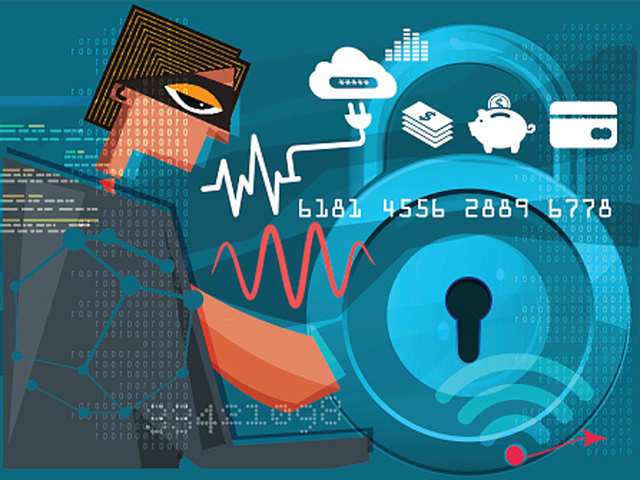
With the significant rise in the use of digital systems over the years, there has been a rapid increase in cyber frauds around the world. Cyber criminals have grown much more sophisticated, making it more complicated for organizations to defend themselves against cyber threats.

As technology advances, we rely even more heavily on the internet today. Everything we do can be done online including work, entertainment, shopping, and banking. The internet has made doing everyday tasks considerably easier.

Indian Bank frauds: Why bankers are hesitant to report frauds

However, it has also led to a drastic rise in cyber crimes around the globe. Seeing how Indians have started doing online banking transactions more now, the number of online banking frauds in India has increased substantially.


According to the RBI’s annual report, bank frauds of ₹100,000 and above have more than doubled in value to ₹1.85 lakh crores in FY20 as compared to ₹71,500 crores in FY19. Also, the number of such cases has increased by 28% in the same period.


However, the financial sector has been putting consistent efforts to secure the systems and users. But malicious actors are duping people over the internet by various means to steal their money or sensitive information.


Reports on Recent Online Frauds in India

According to a report by Hindustan Times, India has lost a total of  ₹615.39 crores in more than 1.17 lakh cases of online banking frauds from April 2009 to September 2019. The occurrence of these frauds is spread over a decade. But the banking industry is witnessing a significant rise in the number of online banking frauds.


There was a concentration of large value frauds, with the top 50 credit-related frauds constituting 76% of the total amount reported as frauds during 2019-20. Incidents relating to other areas of banking, like an off-balance sheet and forex transactions, fell in 2019-20“, said RBI.

₹129 crores have been lost in just the last three months of 2019 and a total number of 21,041 such cases were registered in these three months”, said Anurag Thakur, MoS, Ministry of Finance in Lok Sabha in reference to a recent online fraud in India.

Cyber Frauds In The Indian Banking Industry

How to Prevent Online Banking Frauds?

Consumers aren’t the only ones facing online fraud. With the increasing number of data breaches and fraudulent emails targeting retailers and organizations, businesses are increasingly at risk of online fraud.


Becoming a target or a victim of such fraud does not only bring disruption to business operations. It also causes the organization the loss of customers’ trust, brand reputation and sensitive data.

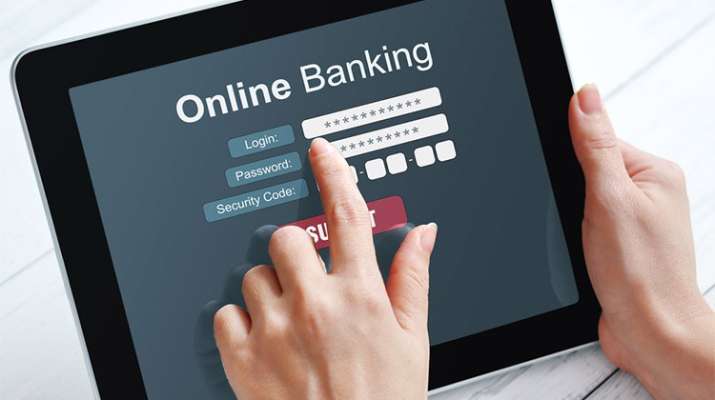
Online banking fraud: 7 tips to ensure fraudsters can't swindle your money | Online News – India TV

So, it is critical that organizations adopt certain cyber security measures to avoid learning an expensive lesson, which can often lead to more grievous consequences.

Best practices to Prevent Online Banking Frauds:


  • Keep financial data separate

Organizations must use a separate system dedicated to performing financial transactions and backing up the data in an external drive regularly. Moreover, restrict or limit access to financial information and data.


  • Know who is asking

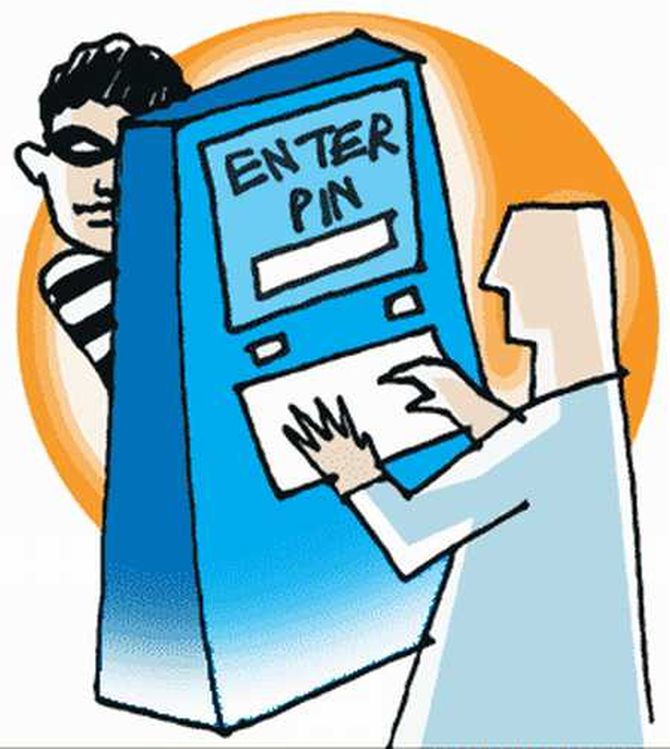
Banks never ask for personal information over the telephone, emails, or text messages. Therefore, avoid sharing PINs, passwords, or your organization’s financial information without proper verification.


  • Keep it secret and safe

Create a strict password policy to avoid the risks of password sharing at work. Also, never leave files containing access to the financial information in an unsecured place. Moreover, make sure to always leave your computer locked when unattended.


  • Manage user authentication

Restrict email address/IP locations to allow only authorized users to make transactions on behalf of the organization. Make purchases only on authorized and legitimate websites and review the organizational financial statements regularly.


  • Cyber awareness training

Educate employees about cyber security awareness. It helps in simulating cyber attacks to check the number of vulnerable employees in your organization and train them accordingly.


Providing this training makes the employees familiar with the attacks and give them the knowledge of what needs to be done when such attacks occur.


Where to Report Online Frauds in India?

In case you failed to take the precautions and become a victim then it is urged to immediately register a complaint with the local police or cyber crime authorities.


Also, the moment you realize that a suspicious transaction has been done from your bank account or your debit/credit card, inform the respective bank immediately.


Scams and online banking frauds have been constantly evolving and rapidly increasing over the years in India. Organizations should come up with more comprehensive and complex cyber security measures to protect the business and the customers.


Moreover, every industry should embrace a culture that following cyber security protocols is not a necessity but mandatory.


Banking Industry: A witness of Cybersecurity Challenges

Cybersecurity attacks are evolving, getting more sophisticated, more frequent, and spreading worldwide. It seems like not a day is passed without an organization suffering a data breach or a customer of a bank losing money from the account through stolen credentials.

While most industries worldwide are affected by the imminent peril of cybersecurity threats, the banking industry is one of the prime targets. After all, the sector deals with what the attackers want the most, ‘money and personal information’.


Cyberattacks: The Roaring Trade

Cyber Threats To The Banking Sector To Watch Out For | ClaySys

Cyberattacks on financial firms have become a flourishing money-making business for cybercriminals. As per the report from a cybersecurity firm’s research, cyberattacks against banks spiked by a massive 238% from the beginning of February to the end of April 2020.


In 2017, financial firms saw the highest volume of cybersecurity attacks over any other industry. This threat landscape is widening as it is getting more sophisticated and diverse. The annual cost of cyberattacks in the banking industry has reached $18.3 million per enterprise.


We have witnessed cybersecurity attacks making headlines for several years. Some of the most headline-making cyberattacks have been the DDoS attacks. These attacks flood customer-facing bank websites with traffic and take them offline or attacks on the Swift based money transfer systems, among others.


We have also witnessed big banks suffer these attacks over a decade. Recently, hackers stole $81 million from the Central Bank of Bangladesh. In fact, last month, a powerful DDoS attack struck Hungarian banks and telecom services. It was the most powerful and one of the biggest cyberattacks Hungary had ever encountered.


As fast as the organizations are adopting new-age technologies, hackers are constantly finding ways to penetrate and target exploitable security vulnerabilities. Thus, making it evident that cybersecurity attacks are increasing rapidly every passing year.


A Strong Barricade For The Assets

Banks not only store money but also gather network activities and personal information of the customers. Information that includes names, phone numbers, addresses, email addresses, and dates of birth. This data has inherent value and can be used for other malicious activities such as identity theft, which can often lead to more disastrous and grievous consequences.

Addressing the cyber attacks faced by financial services firms?

In today’s world, cybercriminals are getting advanced with modern technologies. They develop custom-built malicious code that is not necessarily picked up routinely by antivirus protection. So it is very important for the sector to address the modern times demand.


The banking industry needs to realize the assets they have in store and what mechanisms might be used by attackers to get into their organization. They need to identify the weak points and the measures needed to strengthen the IT infrastructure, based on the risk assessment to defend against those potential threats.


It is high time to shift from passive cybersecurity to active cybersecurity, which is switching from what is largely reactive to embracing the white hacker to test the strength of IT infrastructure security. Regardless of how sophisticated the attack is, it mostly starts by trying to trick the employees into doing something that jeopardizes the system.


Therefore, the industry should not only focus on the systems but also get the employees to take the measurements to defend the loophole. Making the employees understand the approaches that these attackers take and what can be done to minimize the exposure to that risk.


According to a report by Deloitte India, cybersecurity attacks are getting complex each passing day and to prevent these threats banks will also need to hire Chief Risk Officers. The officers who are experienced in taking responsibility and lead the firm with military-level cybersecurity solutions to identify the modern sophisticated cyberattacks.


Having a CRO (Chief Risk Officers) will help the firm in managing the operations to prevent cybersecurity threats. It can also fill the responsibilities, including identifying, evaluating, reporting the threats and monitoring the external and internal cyber threats to the firm.


Methodology For Mitigating The Threat

It’s about time for financial firms or any industry to stop relying on the obsolete IT infrastructure. Instead, they should adopt cybersecurity measures that are more complex and sophisticated than ever before to prevent prevailing and emerging cyber threats.

 

Here are some basic steps the financial firms can implement to minimize the risk of a cyberattack:

Cyber risk management in consumer business | Deloitte Insights

  • Identify and classify the assets- It is important to identify and categorize the information assets, based on its level of sensitivity, value, and criticality to the bank. Information assets including various categories of data that are highly-restricted, confidential, internal use, and the public.
  • Risk assessment- It is advisable for every bank to prepare a cybersecurity risk assessment, and implement a cybersecurity protection plan to address those threats identified in the risk assessment procedure. This helps the organization to mitigate the factors that cause disruption in running a smooth business operation.
  • Identify threats and vulnerabilities– Threat and vulnerability can be subjected to a person, an organization, weaknesses in the system or the network. So it is not a necessity but mandatory for the organization to identify these threats and vulnerabilities through penetration testing in order to patch the weaknesses that can be exploited to gain access and affect the system.
  • Analyze risk- As mentioned earlier, the bank has the assets that the hackers sought for. So, analyzing the risk to these assets based on the impact or criticality is a way to go for an organization. The process should occur on a regular basis to identify any new potential threats.
  • Educate employees- All employees should be aware of the threats and consequences of ignoring it. For instance, they should be aware of the hazard by clicking a malicious link or opening an attachment from an unknown person. So, it is crucial to provide cybersecurity awareness training for the employees with tools that helps in raising awareness to prevent cyberattacks. It is particularly important because most of the cyber incidents are the result of  “human error.”
error: Content is protected !!