Guidelines for Writing a Great Corporate Email

Email Marketing

We are living in a world where communication is taken way more seriously than ever before. Communication has been taken to a different level, from letters to mobile communication to emails to sms to Whatsapp to Snapchat and the list can go on.

Today the most basic form of communication is either email or chats or messaging (be it sms or Whatsapp). Although personally I do not favour the modern forms of communication since it kills the whole corporate feeling to it, I have come to accept it, as it is a vital part of corporate communication.

In today’s world, we communicate more in the form of written rather than verbal text because of which the language used and the correct use of grammar surfaces as of the utmost importance, especially while writing to clients.  Clients might just take the literal sense of what we say and miss the whole point altogether!. So here are 8 things, one should be careful about while writing a corporate email!

1. The KISS Rule

Keep it simple tattoo | Drawings, Sketches, Doodle art

Keep it simple silly. No one likes to read long paragraphs or a long story in an email. It’s best to keep it short, simple and crisp. That is how a client would like it. But when I say simple it doesn’t only mean the simplicity of thoughts. More than the content it is the presentation that should be kept short and simple.

2. The Formal/ Informal Email

 Writing Formal and Informal Emails

Depending on whom we are writing to, the tone and the content of the email changes.  The kind of client he/she is left for you to decide. Remember, sometimes we should be very subtle about our opinions because not everyone can take honest suggestions in the right way. Here’s a short example of informal vs formal writing.

Informal: It is a bad idea.

Formal: I am not sure if this would be a good idea.

3. Spelling

These Hacks Remind Us That Spelling Still Matters - Dictionary.com

This is where most of us go wrong. We depend a lot on the auto correct option but it’s not always a good idea. At times you need to double-check certain spellings, especially the client’s name while writing!

4. Never Say No

Never Say No

A client would never like to listen to phrases/words like; no, we cannot do it, it’s impossible, etc. So how would you convey a “no” to a client? There are a lot of ways to do it, here is one example: –

Instead of saying “we cannot do it” you can always say “what we can do instead.”

4. Proofreading

Strategies to Proofread Effectively

This one I would say is the most important part of writing emails, ALWAYS proofread what you have written. I know we live in a crazy – busy world and it is very easy to just press that send button but get into a habit of double checking what you have written.

5. Watch Your Grammar And Your Capitals.

corporate Email

We have to be very careful about not making silly grammatical mistakes. Like for example; we should not forget who we are addressing and keep the gender correct throughout the email. A “her” cannot be addressed as a “him”, so we need to watch out. Take care of your singulars and plurals too.

6. Punctuation

What is Punctuation? Useful Punctuation Rules & Punctuation Marks in English • 7ESL

Punctuations are something that could be overlooked if it is an informal email, however while writing to a client it needs to be attended to. As we are trying to create a good image to our client (especially your potential customers whom you are writing to for the first time.

7. Write Accurate Subjects

7 Tips to Declutter Your E-mail Inbox – So Happi Together

For easy access for you as well as your clients go the extra mile and write accurate email subjects. Create versions of documents so it’s easy to pick out the latest version of a design or copy, it will be appreciated deeply.

A Centralised System for Sharing Logistics Data

How PR Can Help Logistics Companies

The transport and logistics industry has been experiencing tremendous growth with the evolution of services such as Alibaba and Amazon. However, there’s one major challenge to the smooth delivery of online orders: retailers and manufacturers use different data formats for issuing and tracking order shipments.

In the absence of universal agreements for identity and access management that work across the entire industry, companies have had to draw up individual written contracts for every shipment. Customers may get their items in a reasonable period of time, but when it comes to the retailer, shipper or consumer tracking the product, there’s no uniform view of the entire shipping route as the package is on route to its final destination.

iSHARE data-sharing scheme available now! | iSHARE

That’s why a group of forward-thinking public- and private-sector partners within the transport and logistics sector in the Netherlands have formed iSHARE, a consortium that seeks to develop a uniform standard for automatically exchanging data while shipping products following an online sale. All data and policies are stored in a central repository, enabling each partner to work with the same identification, authentication and authorization methods, thereby eliminating the need to manually type multiple contracts in order to share data and ship a product.

The Netherlands has been funding this project over the past few years, and consortium members hope that iSHARE can become a global standard. To give credibility to the notion that iSHARE will be embraced wordwide, large maritime port and airport cargo handlers – in tandem with a large U.S. retailer – have also contributed to investing in the project.

Recently, the consortium has been testing the last mile of delivery in the online food sector using crypto technology developed by iSHARE. For the last mile, solutions are being developed that can open a smart lock or box via Bluetooth or Wi-Fi with crypto tokens. Sometime soon, the delivery agent will only need an app on a smartphone or tablet to open the lock/box. A crypto token will work in tandem with policies, developed by solutions providers, that will determine whether the contents of the box need simply to be cooled or remain frozen.

Rabobank Monitors Transactions 24/7

Once this last mile technology emerges, then the great potential of online shopping can be realized. A Rabobank report found that total supermarket spend in the Netherlands in 2018 across 3,730 stores was 38.7 billion euros, of which 1.4 billion euros (3.6%) came via online shopping. The good news: Rabobank expects online food shopping to grow up to 30% by 2030.

What Happens When Food Isn't Stored Properly

Despite this promise, online food shippers still face unique challenges, namely that perishable food items need to be stored in temperature-controlled conditions and can’t just be left at a front door or on a person’s driveway. Residents must be home to receive the goods or pick them up at so-called pick-stations. An analysis by Dutch supermarket franchiser Ard van de Huijgevoort, owner of van de Huijgevoort Group, found that because deliveries can only be made when people are home, only nine deliveries are made per van, per day — well below the volume they know is possible.

But what if deliveries could be made at any time of day so that the shippers can drive the most cost-effective routes? In addition to the use of crypto tokens noted, there are systems under development that include iSHARE for data exchange in leveraging autonomous delivery and other modern food storage techniques. Ard van de Huijgevoort found that, under such a system, three to four times as many deliveries can be done in one day. Along with considerably better economics for the supermarket, this also reduces carbon emissions because the trucks drive fewer kilometers for the same deliveries.

To be sure, there are still many challenges in the transport and logistics industry, but uniform data sharing standards, such as those created by iSHARE, should accelerate improvements across the many stages of the delivery journey.

The need for Technology Plan for Renovating an Airport

Renovating Airport

Experts predict air travel will grow steadily over the next two decades. The Federal Aviation Administration (FAA) reports that the number of passengers boarding planes is expected to increase from 880.5 million in 2018 to 1.3 billion by 2039. Airports are responding with massive construction programs and new processing technologies to help them handle more gates and passengers and deliver enhanced security.

Airport managers understand that deploying new technologies can be a critical component of managing expected growth. Yet too often they find it simpler and more expedient to expand their current systems rather than start construction projects with the more modern solutions. I have personally seen how this short-sighted approach ultimately costs more and adds delays to projects, as newer systems are eventually retrofitted anyway. A more intelligent strategy would be to begin projects by thinking of technology and construction from a business perspective.

How technology helps travelers

5 Technology Trends In The Travel And Tourism Industry 2018 | E-SPIN Group

Numerous existing and conceptual technologies can make airports the efficient, high-tech facilities that today’s travelers expect. The most obvious ones include WiFi and emerging 5G technology. More sophisticated technologies include smart sensors that can determine the mood of the crowd, monitor how full trash cans are, and automate how planes park at the terminal — without human intervention.  In addition, modern communications technology can tie into retail service companies so travelers can order coffee or food that’s ready for them at the gate when they arrive at a destination.

It’s all possible, and can bring tremendous benefits to airports and travelers, but it needs to be properly planned for. Airports can expect the best business outcomes when technologists are part of the design and orchestration process. Here’s how incorporating their input from the beginning of a project can enhance five key business initiatives:

1. Situational awareness

How Situational Awareness Protects Social Workers | SACS Consulting & Investigative Services, Inc.

Both management and the public expect airport security to know what’s going on around the perimeter of the airport. By bringing IT into the conversation at the beginning of a project, cameras and sensors can be strategically placed around airport property to give the security team a 360° view of vehicle break-ins or other criminal incidents. In addition, video footage coupled with predictive analytics can help determine crime patterns that emerge over several months and years. Technologists’ input will ensure that there’s a good balance between ongoing support costs, the desired capability of the application and cybersecurity.

2. Improved risk management

Airport renovation

Similarly, involving IT early in the construction process can help airports deploy sensors and cameras in optimal locations. Salt Lake City International Airport, for example, installed seismic sensors to monitor potential earthquake activity in the region. More commonly, facial recognition sensors, installed properly, can read the mood of people passing through terminals and alert security to potentially suspicious activity. Technologists and legal staff can ensure that airports don’t inadvertently take on more risks when implementing new capabilities.

3. Reduced costs

How to reduce MPLS Cost | Mushroom Networks

It’s always more cost-effective to allow for the technology upfront, as opposed to doing a retrofit. After all, airport construction project managers don’t want to reopen ceilings or redo wiring once a building or parking lot is done. Sometimes a new construction project provides an opportunity to “forklift” out existing technology and replace it with far more capable and easier-to-maintain equipment, which lowers total cost of ownership over time. However, the actual technology equipment should be bought later in the construction cycle — just before the implementation — to ensure it doesn’t get out of date before it’s even turned on.

4. Improved public reputation

The Definitive Guide to Online Reputation Management

Today’s travelers expect access to lightning-fast WiFi, self-service check-in kiosks and other digitally enabled features. Any airport renovation project that fails to deliver modern technology will likely result in negative feedback scores for the airport and a public outcry on social media. There’s no reason for that, especially when most IT teams are more than willing to work with airport management to deploy modern technologies that will improve safety and deliver a better experience for travelers. Additionally, IT staff can help guide the use of new 3D technology to simulate future environments so that all stakeholders know that the airport staff understands their concerns and intends to feature the latest technology.

5. Enhanced customer satisfaction

The Top 100 Companies With The Best CSR Reputation In 2019

The best IT staff are customer-focused today, so building in the technology to help airports improve services is second nature. Airport managers can work with the airport IT staff and the carriers to install the right WiFi technology and 5G towers to facilitate all kinds of new services, such as deploying applications that can text travelers the location of the closest restroom when they get off the plane or let them know if the restroom is closed for construction. Also, airport managers should make sure IT and marketing staff can fully leverage social media to properly track and respond to concerns.

Making technology upgrades part of airport construction projects brings business value and isn’t a hard concept to grasp, but it’s essential if an airport hopes to maximize its investment. Give technologists a seat at the table – and airports can meet the traveling public’s technology expectations while in turn avoiding expensive retrofits.

The Rail Industry’s Transformation aided by Electric Trains

Electric Trains

Rail carriers are finding that the combination of electric trains coupled with computer-based transportation management systems can help them run more trains, handle increased ridership and reduce their annual power bill – sometimes to the tune of 6 percent annually.

According to Patrick Mazza, coauthor of the book Solutionary Rail (2016), electricity serves nearly 25 percent of railroad track miles and supplies more than one-third of the energy that powers trains around the world. While the United States has fallen way behind in this area, other regions, such as EU countries and India, are developing the electrification of their railways. After all, there’s a growing consensus in the rail industry that long-term, electric trains make sense in terms of reducing costs and addressing sustainability.

In his book, Mazza outlines the following benefits of moving from diesel-powered to electric trains:

12 Ways to Reduce Electricity Costs (2021 Update) | ElectricityPlans.com

  • Lower power costs. While prices of diesel fuel are low right now, many industry analysts estimate that long-term prices will increase. On the other hand, electricity prices are falling with the fast-growing use of renewable energy sources such as wind and solar. Even at current prices, an industry report by Amtrak estimates that it is 50 percent less expensive to power a train by electricity than by diesel.

Packaging Cost Reduction Solutions from Serenity Packaging

  • Lower engine costs. Electric locomotive engines cost about 20 percent less than diesel locomotive engines on the global market, and maintenance costs are up to 35 percent less than for diesel engines.

Could the public health benefits of reduced pollution be a 'chink of light' in COVID-19? | RCNi

  • Reduced pollution. Phasing out diesel-powered locomotives would reduce air pollution, including soot, volatile organic compounds, nitrogen oxides, and sulfur oxides, all of which negatively affect public health and the overall And switching from diesel to electricity would also help address the need to replace petroleum-based liquid transportation fuels with cleaner alternatives as we seek to lower greenhouse gas emissions.

On the technology front, rail carriers can now collect data and run analytics to determine how trains perform under different driving styles, in order to improve overall performance and energy efficiency. For example, carriers can analyze how four drivers manage 100 journeys in a week and determine why some drivers use more power than others even though they run the same routes.

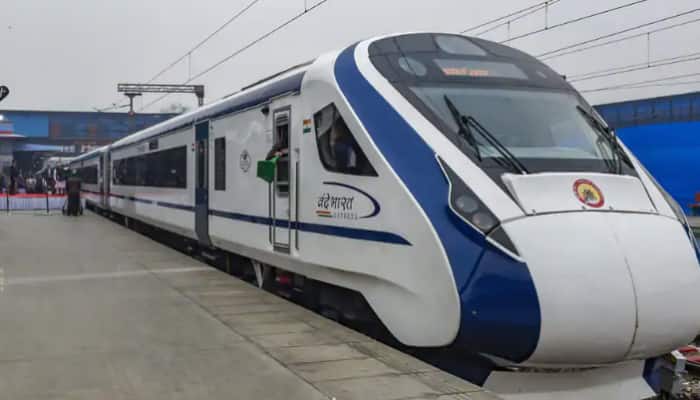
Indian Railways opens bidding for Vande Bharat Express semi-high speed train sets project | Companies News | Zee News

If test data determines that some drivers stop and start more frequently or brake harder than others, the drivers could be taught to better use trains’ regenerative braking technology, which captures the energy expended by trains as they slow down. They can then re-use the power, improve energy efficiency and reduce a train’s carbon emissions. Chennai Metro Rail in India estimates that with regenerative braking, each train can generate nearly 1,900 kWh, or 30 percent of the energy consumed. Thus, by saving 30 percent of power needs, Chennai Metro Rail says their trains are cutting down carbon emissions as they reduce dependency on power supplied from fossil fuels. That’s a big savings, both for Chennai Metro and for the environment.

Although it will still take the rest of this decade to make a more complete transition to electric, many rail carriers around the world have been on this track for at least the past few years. I think it’s safe to say that people can expect electric trains to become much more mainstream around the world by 2025.  Couple that with increased use of digital technologies and analytics, and our industry stands to make great strides on transforming railroads into modern carbon-neutral companies.

The Digitalization of Trains

digitalization of Trains

Rail systems are finally making the digital transformation everybody’s been talking about for several years.

In the United Kingdom, for example, the Thameslink now runs 24 trains an hour – an increase of 50 percent in its capacity compared to years past. Making this possible took a lot of work on the back-end. Rail carriers consolidated their control centers and built modern, computerized facilities that leverage data analytics to develop intelligence about on-time performance, delays, and overall ridership per time-of-day and season.

Rail carriers are also deploying digital enterprise asset management (EAM) systems to reduce maintenance time and improve overall productivity. These systems precisely target what needs repairs and provide an immediate and accurate status of rail stock and parts to maintenance crews. Digital EAM technology can also monitor an inventory of trains in rail yards more efficiently, ensuring more predictive maintenance as opposed to simply repairing trains when they break down.

Rail companies have also invested in sleek electric trains that run faster, with fewer carbon emissions, and are easier for drivers to manage. Regenerative braking technology, which captures the energy expended by trains as they slow down and reuses it, not only delivers a smoother ride – through fewer stops and starts – but improves energy efficiencies and further reduces pollution.

Mobile ticketing and more

What are some fascinating benefits of using mobile ticketing for your events? - Quora

Digital technologies also offer major benefits to passengers, such as mobile ticketing, the ability to leverage Alexa and other digital assistants for train schedules and weather forecasts, and automatic refunds when trains are late or offline.

The results have been impressive. The UK’s Office of Rail and Road reports that rail passenger journeys in Great Britain in 2018-19 reached a record high of 1.759 billion. They increased by 3 percent compared to the previous year, driven by a 3.9 percent increase in the London and South East sector. Total passenger revenue growth also hit 10.3 billion pounds, its highest revenue since 2014-2015. Of course, increased ridership can be attributed to a number of factors, including evolving consumer attitudes toward rail’s eco-friendly advantages or time and cost savings compared to car travel, but it’s clear that digital is making traveling by train easy, cost-effective and gentle on the environment.

Need for cybersecurity

Cyber Security for rail system

The shift to digital from paper-based systems requires that rail carriers take a much more focused look at their cybersecurity postures. They have to put in place security awareness programs for the rank-and-file staff and also communicate with passengers on ways to protect their digital identities as they purchase train tickets online and depend on their mobile phones to manage their busy travel schedules.

On the IT staff side, rail carriers need to put solid patch management programs in place so the back-end software runs securely and threat actors have fewer opportunities to inject malware. Most security experts will say that with a solid patch management program and basic security awareness around email phishing, organizations can prevent the vast majority of cyberattacks.

Full speed ahead

Rail system

While rail carriers have not moved as quickly into digital as airlines and rideshare companies such as Uber and Lyft, they have made some great progress.

As we head into the 2020s there’s really no turning back. Change comes slowly, but with investments the industry has made in back-end technology and analytics, mobile apps and faster electric trains, we’re about to turn the corner into the digital future.

Ways by which Digital Technologies might enhance the Rail Passenger Experience.

Case study - Digital Train Station Passenger Information

Rail systems have taken a back seat to airlines when it comes to focusing on customers, but that’s changing. In the United Kingdom, for instance, Network Rail has had great success in becoming more responsive to passengers. Its Putting passengers first program decentralized services and functions, creating five regions, each with its own managing director responsible for delivering train performance across 14 routes. Digital technologies are an important part of the program. For example, Network Rail sends consistent and reliable train information directly to passengers via mobile messaging. In addition, Network Rail is now leveraging advanced analytics to enable staff to track and deploy rail assets as needed. It also uses analytics to keep trains running on time by supporting solutions that resolve adverse weather or environmental factors like leaves on the line.

Rail organizations are seeking to improve many other points of the passenger journey through innovative solutions. Delivering these digital technologies, of course, assumes that the rail system has invested in upgraded Wi-Fi and has plans to support the emerging 5G standard as wireless carriers roll it out.

Here are six ways digital technologies are improving the ride experience for passengers in the UK and around the world:

What is Ticketing System? | Best 10 IT Ticketing Software 2021

1. More efficient ticketing. Digital technologies let rail customers identify the best time of day – such as off-peak times – for the most economical fare, and make their selection online or via mobile apps. While this may not necessarily help passengers who purchase a monthly pass, it can be helpful for workers who only need to report to the office two or three times a week, for parents traveling with small children or for a caregiver transporting an aging parent to a doctor’s appointment. Students on a tight budget also appreciate having access to information that can help them plan their travel time more efficiently and economically.

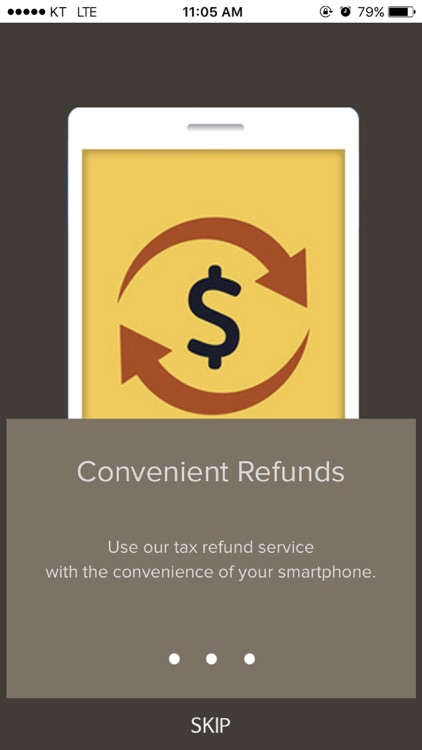
MOBILE REFUND Plus by Unipatro Co., Ltd.

2. Convenient refund service. Most commuter rail passengers tap in or out with a smartcard or smartphone. After they tap in and take their trip to work in the morning, the system can notify them via text or email during the day that there is a network disruption and that their return trip home will be delayed by 30 minutes. If it’s going to be a longer delay, the system can send passengers suggestions for alternate routes and give them a percentage-based credit to their account. If a passenger was planning a longer trip for a vacation, the system can credit the traveler with a full refund in the event the train was delayed or cancelled.

Menu of Cafe Di Milano, Dwarka, New Delhi - magicpin

3. Synchronized coffee and food services. The airlines have tied in services where travelers can order food or coffee to be ready for pickup when they arrive at destinations or make connections to another flight. These same types of services are becoming available to commuters. In England, for example, rail passengers can now have their coffee waiting for them when they arrive at the train station in London each morning. Or they may opt to preorder a quick snack at the station for their trip home at night.  These types of personalized convenient services are becoming very popular as people go about their busy daily activities.

Oracle Digital Assistant Version 18.4.3 Introduces Skill Chatbot Capability | The Oracle Mobile Platform Blog

4. Digital assistants. Given the number of people who use Alexa, Google Assistant and smartphones with digital assistants, rail companies can now leverage those tools to reach customers. Commuters can query Alexa in the morning to find out if their train is on time, or get a quick weather report to know if they should take an umbrella. If they need to deviate from their normal pattern and go to a different location, they can query Alexa on the best prices and times for a round trip on that day.

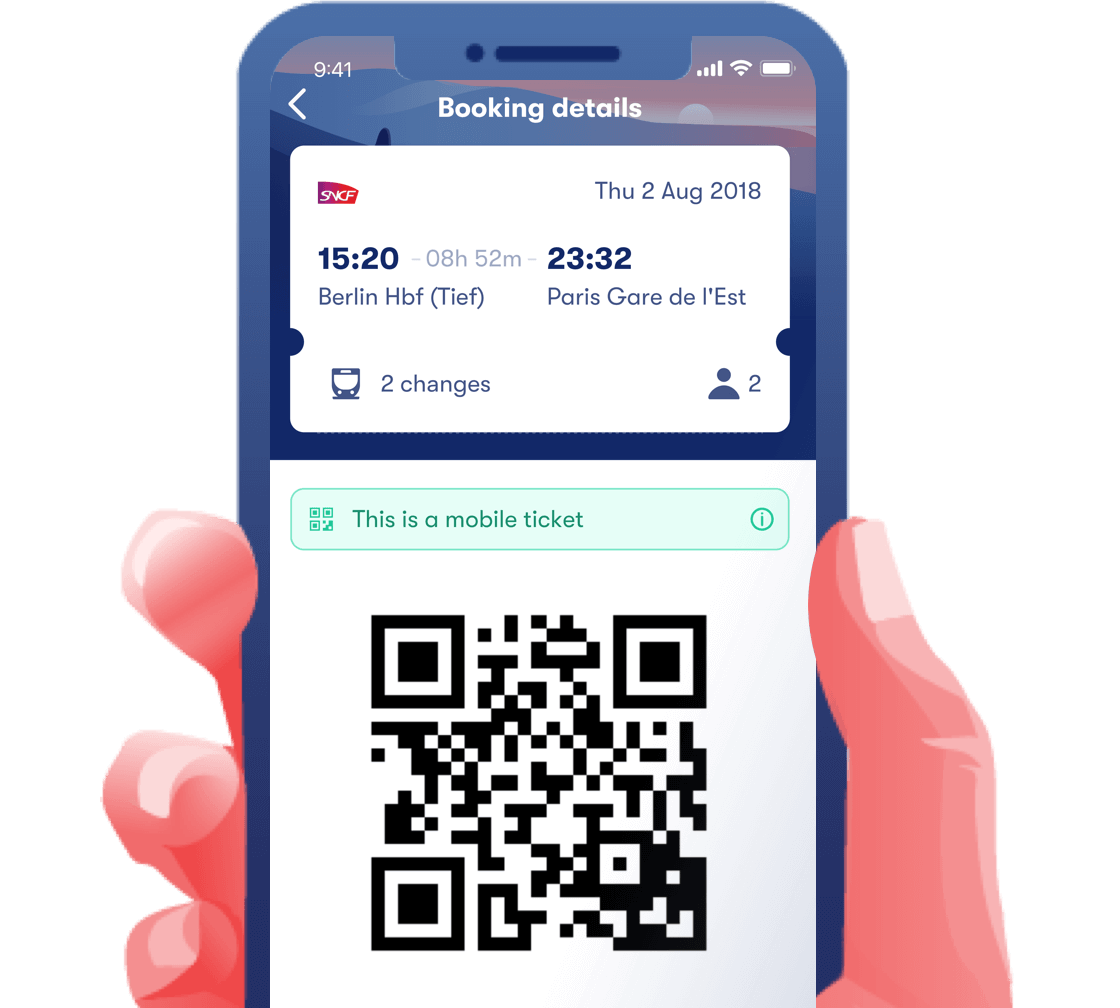
Mobile tickets with Omio | Omio

5. Mobile tickets. This may be the year that mobile ticketing becomes more mainstream around the world. For the past several years, commuters in the Boston area have been able to use their smartphones to purchase and show their tickets digitally. Another mobile ticketing project is now well under way in Japan, and this year there are plans in the UK to make it possible for rail commuters to use their ITSO (Integrated Transport Smartcard Organization) passes on mobile devices.

5 Top Technology Trends in Transportation and Logistics Industry - Odtap

6. Improved logistics and crowd control. Vastly improved communications make it possible to inform passengers if and when a train changes tracks. It can be inconvenient and annoying to wait for a train at one track and learn at the last minute – if at all – that the track has changed. This is particularly true for passengers who need special assistance, such as mothers with young children and strollers, or people in wheelchairs or on crutches. Instead of depending on older, often hard-to-hear PA systems, passengers can receive texts that inform them of the track change as soon as it’s known, giving them enough time to react and make their way to the new track.

Going digital improves the passenger experience, and it also makes the staff more efficient. As we head into the third decade of the 21st century, there’s no turning back. Rail systems need to go digital to stay viable to a generation of riders who simply expect these services and communications.

Liberation of Seaport from the Harbor

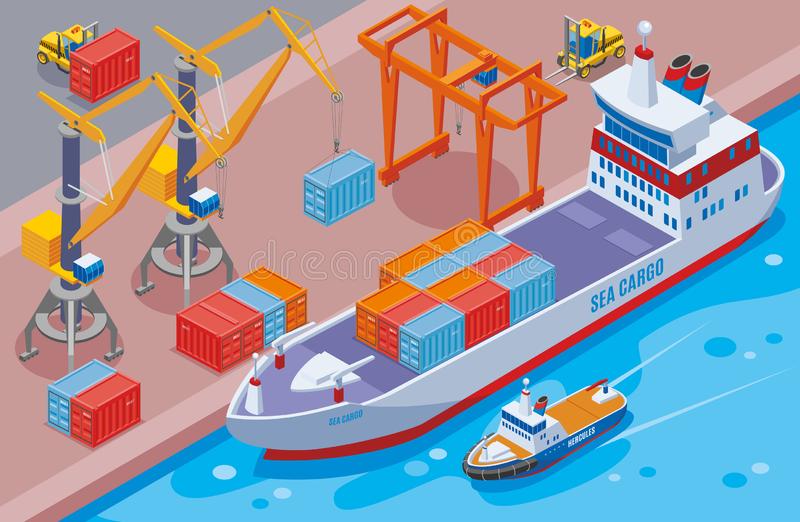
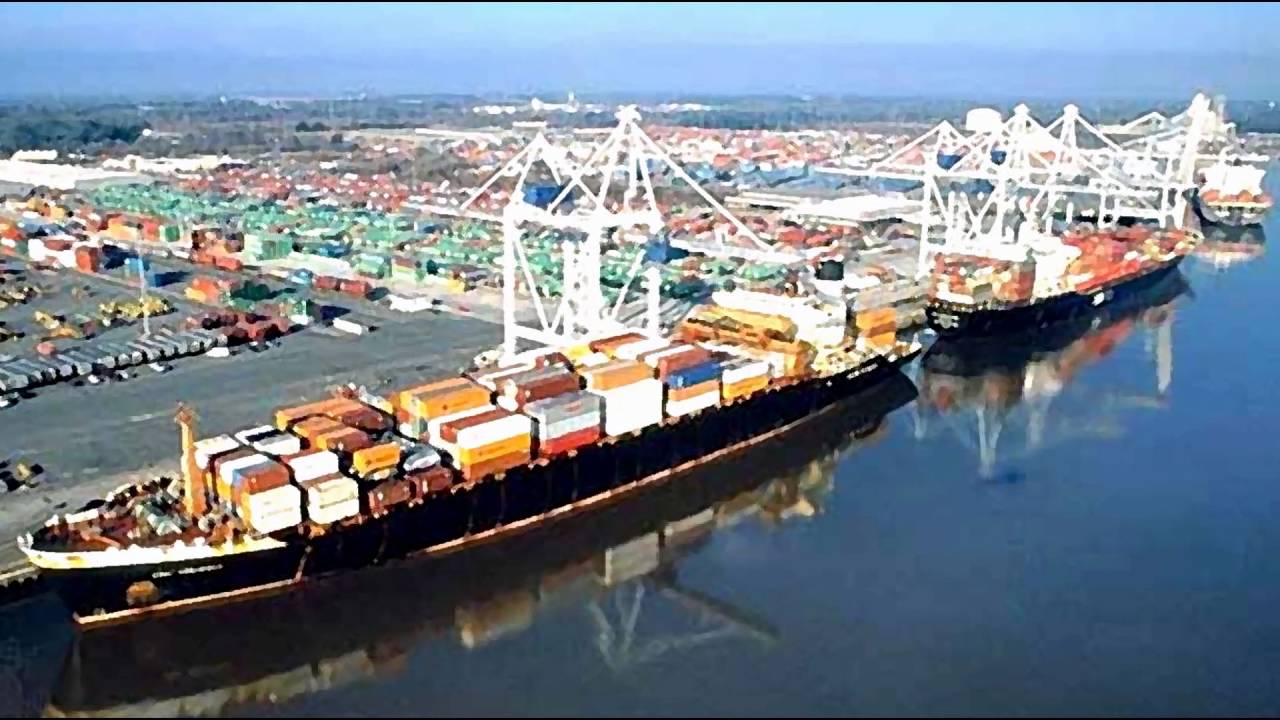
seaport

Seaborne trade, one of civilization’s oldest customs, has grown steadily over the last decade as global trade has flourished. The digital transformation of retail and wholesale business has revolutionized international commerce. But behind the point, click and order façade, logistics companies and transportation authorities are scrambling to manage demand for both speed and volume. At the same time national and international regulators are requiring seaports to mitigate the impact of congestion, pollution and other environmental effects created by crowded ports.

U.S. West Coast Seaports Issue Joint Warning on Tariff Impacts

Seaports have become a focal point for improvement. While countries can build new roads to move more trucks or add tracks to carry more trains, seaports are different. Limited by geography and bounded by urban development, seaports in many countries are straining to manage the flow of goods. Ships are not only arriving more often, but they’re also bigger. Super max cargo ships can overwhelm port facilities by delivering tens of thousands of containers at once. Moving containers out by truck, one or two at a time is slow, adds to urban congestion and has an adverse environmental impact. Thousands of containers end up spending days, weeks or even months waiting to be picked up for transport inland. Compounding the issue is the need to perform customs inspections and clearance at the seaport.

To overcome these challenges, governments, shippers and port authorities are beginning to shift their perspective on seaports. Commerce has changed and so the port must change along with it. It’s time to liberate the port community from the harbor that established it, by redefining the essence of what a “port” is and does.

Government officials demand that all inbound and outbound ships are authorized at the seaport and that all paperwork and inspections are completed before cargo is removed from the seaport. This can result in waterside storage that leads to a backlog. If administrative tasks — reviewing paperwork, inspecting cargo, collecting taxes or duties – could be done inland, the “commercial port” could be freed from the harbor, provided that cargoes would remain intact and containers undisturbed and secure.

Digital transformation and the dry port

Port of Rotterdam teams with IBM Internet of Things to digitize operations | Port of Rotterdam

Developing inland ports, also known as dry ports or freight villages, addresses some of the logistical issues and creates new opportunities. Inland ports can be built in areas unconstrained by geographic features that limit size or access. Shifting container storage to inland ports reduces the burden on geographically limited seaports, thereby increasing the volume of containers the port can handle. Inland ports also offer more efficient access for intermodal transport systems. And the reduction of overland traffic in and out of seaports substantially reduces environmental impact and creates new urban renewal and development opportunities.

Digital Transformation: When Risk and Opportunity Collide - The One Brief

The digital transformation of the commercial port is the catalyst to using the inland port innovation to liberate the port community from the harbor.  The process of digitally transforming the seaport into a digital port happens in four steps. The first step is achieved by developing a controlled customs corridor: a secure, digitally monitored and managed route that ensures everything unloaded from a ship arrives in the same state at the inland port. The same applies to shipments consolidated at the inland port bound for ships leaving the seaport. This development would eliminate the need for seaports to store containers, freeing up critical space to expand port operations while reducing urban congestion.

The second step is to deploy a cloud-based intermodal appointment system that is intelligently aware of the status of cargo, the roads and rails, as well as both planned and unplanned events that might disrupt transportation. Providing truck, rail and maritime carriers with more precise information about cargo arrival and departure times would result in a major improvement to time-definite delivery. In addition, a system for managing pick-up appointments will greatly increase the efficiency of cargo movement between inland and sea ports. Lastly, drivers and trucks can be cleared ahead of time and parking spaces preassigned, reducing the paperwork to be completed and speeding the movement of trucks through the ports.

The third step is to virtualize and manage the dry port and seaport as one entity — The Commercial Port. Transportation hubs like airports operate as an ecosystem with multiple independent entities working as one. Similarly, seaports and inland ports need to operate as a single entity supported by an intermodal appointment system and controlled customs corridor, to ensure that both locations know exactly where cargo is located and coordinate its movement into and out of the ports.

Container xChange: Suez Canal Closure Increases the Pressure on Europe's Ports - Global Trade Magazine

The fourth and last step is to automate and facilitate the ability of rail companies to efficiently shunt cargo between the seaport and inland port with minimal human interaction. For all the flexibility trucks offer in the movement of freight, the volume of cargo moving in and out of seaports calls for a solution that can handle a larger capacity with greater efficiency and lower environmental impact. The implementation of a smart rail cargo management system between the seaport and inland port reduces the negative aspects of truck traffic on the seaport, while applying the flexibility of trucks on the inland side. This makes best use of loading and unloading labor, as well as reduces the footprint of the port. The digital transformation of the commercial port returns the harbor to the city so it can be reclaimed for tourism, recreation and environmental stewardship.

The ancient Phoenicians and Greeks, builders of the first international seaport system, would surely be awed by today’s technologies and the scale of port operations. But the idea of increasing operational efficiencies of the port ecosystem through innovation and cooperation is something they would readily grasp. After all, good business is good business — in any age.

Digital Twin Technology: The secret to Airport innovation

Free Airport High Resolution Clip Art | All Free Picture | Clip art, Free pictures, Daily art

Airports face a number of challenges — aging infrastructure, fluctuating demand, sophisticated security needs and, now, an unexpected global health crisis — and legacy technologies are incapable of addressing them. In other words, we cannot expect to build tomorrow’s airport using yesterday’s solutions. We need radical innovation and that calls for new technologies. Digital twin fits the bill.

A digital twin is a 3D representation of the physical world. It enables developers to visualize products and spaces and to run simulations to show how they behave in differing conditions. Here are the five main areas where a digital twin can benefit airports:

1. Ideation

Ideas for international airlines during and beyond the crisis | NEURONprocessing

Airports are continuously seeking ideas on how to transform from physical infrastructure into real, living ecosystems.  That means improving the passenger journey, and one way to do that involves creating 3D virtual experiences to simulate new concepts and validate their benefits; if they prove promising, the 3D virtual experiences can be used to demonstrate value to the airport stakeholders that are responsible for securing capital funding. Building stakeholder confidence early on ensures that investments will be used wisely and can radically shorten decision cycles from years to weeks.

2. Design and Engineering

Airports, Designed for Everyone but the Passenger - The New York Times

A digital twin provides a collaborative environment to unite all supplier deliverables around a unique 3D mockup to converge much faster on a final design.  The subcontractor’s design conditions and physical dimensions can then be verified and validated. The conformance of the final 3D design to initial requirements and FAA regulations can be readily shown. Tenants will benefit from a more controlled process and can achieve on-plan, on-cost and on-time delivery.

3. Construction

Airport construction market Europe,Europe Airport Construction investment, Europe Airport construction regulations-Ken Research

By leveraging a digital twin, project delivery teams can simulate how construction or renovations might impact airport operations. The overall operational impact of taking major infrastructure – such as a terminal – out of service, can be simulated. Once evaluated, an effective and proactive operational plan can then be put in place to minimize disruption.

4. Sales and Marketing

Airport Marketing Services Provider in New York USA

Digital twin also opens up many opportunities for innovative marketing. For instance, new and engaging AR and VR applications (perhaps virtual shopping experiences) could be developed to entertain travelers and drive retail revenue. And digital twin could enable marketers to test new and innovative marketing concepts in a virtual environment before committing to them. Moreover, employing digital twin can reduce the need for real photo shoots and costly film sets usually involved in marketing campaigns.

5. Operations

Airport Operations: What Are the Common Roles In This Field?

When it comes to airport operations, there are two primary roles for digital twin technology:

Maintenance: Digital twin provides a platform to monitor and analyze sensor information to predict asset failure. Further, it provides a diagnostic tool by simulating what went wrong. All this information is captured and communicated in 3D to the field via a work order to accelerate investigation and reduce maintenance costs.

Passenger Flow: 3D simulation provides a better understanding of daily operations. It gives a holistic view on how planning interacts with airport activities such as construction, renovation or other events which may cause irregular operations. Mitigation scenarios can be simulated to address the impacts and shorten recovery times. This reduces costs and, turn-around times and, most importantly, helps to eliminate congested passenger flows. For this to work effectively, it is imperative that the virtual model provides a reasonable and trustworthy representation of a real-life scenario.

The airport of tomorrow

The Airport of Tomorrow – The New Normal | Hexaware

Digital twin is being used in other industries – to support the development of autonomous driving technology, for example – and delivering value and return. Airports that similarly embrace digital twin have much to gain – improving their ability to innovate for the future by encapsulating an airport’s overall environment and life cycle in a virtual environment. In an industry faced with unprecedented challenges, digital twin technology – a highly visual way of modeling, thinking and doing business – will help transform and deliver the airport of tomorrow.

5G and IoT: The 2 New Technologies with a Plethora of Applications.

A common thread: how 5G mobility will be the uniting force behind the IoT - Information Age

The 5G IoT reaches new dimensions in all aspects where 5G connects more IoT devices at higher speeds and makes things slow things non-existent.

Dive deep into your imagination and seek a world where smart homes can unlock doors just by scanning your face, automatically adjust lighting and temperature, a world where chronic diseases are managed 24-7 and where accidents are a thing of the past. You can imagine that the fifth generation of wireless technology promises more than just a fast network.

It will not only help you redefine the network but also establish a new global wireless standard for speed. A 5G network builds a bridge to the future. This technology is not just a new generation of wireless technology, it is a 5G foundation to release the full potential of IoT thus revolutionizing technological growth. We are well aware about IoT and its working.

IoT is described as an ecosystem of interrelated computer devices, digital machines, and objects that have the ability to communicate and transfer data to each other in real-time, with minimum human intervention.

Major components of IoT include – devices, connectivity, data processing and user interface. Since IoT is already in the blooming stage, with the help of 5G (fifth generation), it has the potential to reach a whole new level. 5G and IoT technology together have a wide spectrum that increases the overall bandwidth and allows a massive amount of IoT devices to connect.

5G & IoT: from hype to reality. A next-gen network to get REALLY… | by James Charles Ash | DataSeries | Medium

IoT and 5G have given rise to the mobile ecosystem by introducing a powerful combination of extraordinary speed, expanded bandwidth, low latency, and increased power efficiency that will be connecting billions of networks in the coming five years and is changing our world. Let’s look into some numbers to show you what 5G enabled IoT is capable of.

  • Ericsson’s latest Mobility Report says that the number of 5G smartphone subscriptions worldwide will rise to 600 million by the end of this year, almost tripling from the 2020 total. By 2022, 5G subscriptions will cross the one-billion mark.
  • Internet of Things (IoT) will connect more than 50 billion devices by 2030.
  • 5G will be 10 times faster than current LTE networks. This increase in speed will allow IoT devices to communicate and share data faster than ever.
  • In 2030, the forecasted total number of 5G internet of things (IoT) units sold, business to business, is 44.8 million. Of these, almost half are expected to come from industry 4.0 applications, also known as smart factories. The second largest share of forecasted sales in 5G IoT units, is use cases in smart cities, with 8.4 million units.
  • Connected cars is projected to become the largest segment of the global 5G Internet of Things (IoT) endpoint market, with an installed base market share of 39 percent by 2023, the equivalent to 19 million endpoints. The overall 5G IoT endpoint installed base is forecast to grow from 3.5 million in 2020 to around 49 million in 2023 worldwide.
  • Due to the increase in 5G users, the industry anticipated to benefit the most economically is information and communications with an estimated $251 billion contribution to the U.S. GDP between 2021 and 2025. Real estate and business services industries are expected to contribute $190 billion and $187 billion, respectively, in the next five years.

Now that we are aware about what IoT in 5G technologies can pull off. Let us look into the advantages IoT and 5G bring to the table in detail.

What Are The Advantages Of 5G And IoT Tech?

1. Greater speed in transmissions

How Fast Will 5G Really Be?

Speed in transmissions can reach 15 to 20 Gbps. With the help of the new found speed we can access data, files, programs etc on remote applications. By intensifying the usage of the cloud and making all devices (mobile phones, computers, etc.) depend less on the internal memory of the device, it won’t be necessary to install numerous processors on a device because computing can be done on the Cloud.

2.  Increased number of devices connected

7 Actionable Tips to Secure Your Smart Home and IoT Devices | IEEE Computer Society

5G impact on IoT is clearly the increased number of devices that can be connected to the network. All connected devices are able to communicate with each other in real-time and exchange information.

You can imagine that when we talk about a smart home, hundreds of devices will be connected. If you think of an industrial plant, we are talking about thousands of connected devices. Such a great number of connected devices will allow concepts like building a smart city possible. 

3.  Lower latency

Optimizing web servers for high throughput and low latency - Dropbox

In simple words, latency is the time that passes between the order given to your smart device till the action occurs. Thanks to 5G this time will be ten times less than what it was in 4G.

For example: Due to lower latency the use of sensors can be increased in industrial plants. Be it control of machinery, control over logistics or remote transport all is now possible. Thanks to lower latency, which has led healthcare professionals to intervene in surgical operations from remote areas with the help of precision instrumentation that can be managed remotely.

4.  Network slicing

Network Slicing - Deliver Differentiated 5G Services with vSSF

5G implements virtual networks and creates subnets such that the network connection is adjusted as per the specific requirements. By creating subnetworks, some specific characteristics are given to a part of the network. The programmable network will prioritize connections, in case of emergencies by allocating different latencies in the connection.

You are now familiar with the advancements and advantages that applications of IoT in 5G can offer. So, let’s discuss how this wave of new technology is coming up with an endless number of use cases.

5G IoT Technology Use Cases

1. Smart traffic mobility

How Does It Work - Smart Traffic Lights

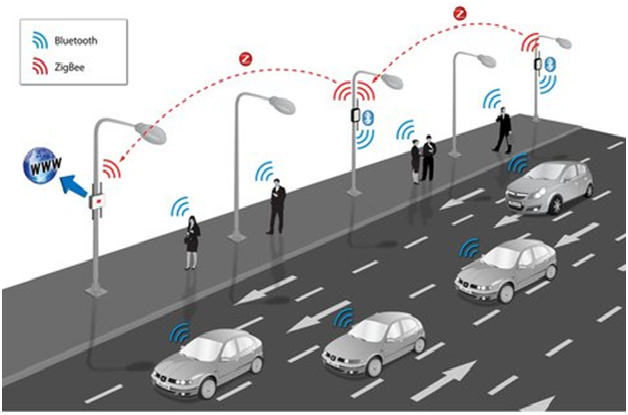
A world where accidents are minimal, would be a great world to live in. 5G IoT applications can enable the sharing of real-time information about traffic and road conditions among cars and other road users. Such smart mobility and driver assistance services require 5G communication devices in vehicles, with pedestrians, etc and roadside sensors infrastructure.

By collecting and analysing real-time traffic data from the roadside infrastructure and the vehicles on the road, such Intelligent Transportation Systems would be able to timely warn drivers about hazardous road conditions, traffic blocks and safety  compromising situations. As a result road safety and traffic efficiency will increase.

2.  Smart grid automation

Distribution Automation and Smart Grid Analysis | GE Energy Consulting

Demand for electricity is increasing as we speak. Virtual power plants and smart grids are the technological solutions for the same. 5G allows us to inculcate real-time management and automate the smart electricity grid. The maintenance can be optimized once we start detecting faults and providing solutions rapidly.

5G is being largely adopted because of the increased deployment rate and lower cost in comparison to wired alternatives. As a result, utility operators are progressively updating their grids with new sensors, control systems and integrating renewable energy resources. 

3.  Video surveillance

State of the Market: Video Surveillance | 2020-02-03 | SDM Magazine

Another 5G based IoT application that is assumed to thrive is video surveillance. Due to the recent turn of events around the globe, the government is ready to invest in public surveillance and security systems. As of now, video surveillance systems rely on wired connectivity, but the adoption of wireless networks can result in fast set-ups and lower costs, boosting connectivity and performance as compared to the wired ones.

5G and IoT security solutions allow us to prevent the loss of critical assets.

  • According to marketsandmarkets, 5G IoT video surveillance cameras is expected to grow from USD 2.6 billion in 2021 to USD 40.2 billion by 2026, at a CAGR of 73.0% during the forecast period.
  • With the help of 5G we can securely and consistently monitor facility conditions from any location
  • Quick action can be taken on important security alerts that are notified on mobile devices

4.  Smart city

Why IoT Technology is Critical to the Elusive Smart City - My TechDecisions

The European Commission defines a smart city as “a place where traditional networks and services are made more efficient with the use of digital and telecommunication technologies for the benefit of its inhabitants and business”.

Smart cities use the5G and IoT devices to collect real-time data to understand demand patterns and respond with faster and lower-cost solutions. You can also call it a digital city whose ecosystem is designed to run by connecting several dedicated networks of mobile devices, sensors, connected cars, home appliances, communication gateways and data centers.

We already know that more than 50 billion devices will be connected to IoT by 2030. 5G is expected to unlock the potential of IoT and be a driving force for the smart city by addressing and overcoming all connectivity issues.

Final Say

Each year technology is innovating itself with new discoveries and ideas. IoT – the concept which did not even exist a decade ago has today not just gotten mainstream but has also marked a presence, across industries, across the globe.  Looking at the above emerging technology of 5G and IoT and it’s numerous use cases now is the time to dive deep into mobile IoT app solutions and contact an IoT application development company.

For that you need to find a trustworthy and reliable IoT app development company in USA or other countries where you belong to partner with. A company that would help you expand your decentralized journey. Here comes Anteelo to help you out by providing top-notch solutions for your business needs. For any queries you can contact us through the link provided.

Leverage Digital Transformation Opportunities Post-COVID-19

Digital Transformation

As the Covid-19 pandemic hit the world, it completely changed our perspective about digital technology in business and its implementation. It has encouraged digital adoption and transformation all over the world! But the question remains, are we utilising it’s full potential?

Digital business transformation post Covid-19 is at the center of today’s economic development debate due to its widely increased usage. As per a survey done by Statista on how will the Covid-19 pandemic affect the overall economic situation of the digital economy, the opinions were mixed. Let’s see how business transformation in digital economy is assumed to shape up according to the survey:

  • 33 percent of surveyed international digital decision makers believed that the digital economy will benefit after the pandemic
  • 25 percent believe that number of business players will be reduced while the major corporations will emerge stronger than even once the pandemic is over
  • 24 percent think that the digital economy will have to endure a long-term revenue loss like the overall economy
  • 16% of the people who were a part of the survey believe that no predictions or forecast is possible at the moment

Is Covid-19 Really Accelerating Digital Transformation?

Digital Transformation: When Risk and Opportunity Collide - The One Brief

Yes, we have seen a drastic shift of consumers towards online channels, companies are coming up with digital business transformation strategies to stay in the game. Let’s look at some stats to get a clear picture, shall we?

The pandemic has accelerated digitalization in business. Many companies have accelerated the process of digitization of their supply-chain, customer interactions, and internal operations by three to four years. Not only this, companies have also accelerated in adding digitally enabled and efficient products in their portfolios by seven years!

How Digital Transformation Benefits Your Business?

What are the Benefits of Digital Transformation? | DMI

  • Increased efficiency: DX will help streamline operations and automate the manual processes. As a result, you will get better speed and enhanced focus on revenue-generating techniques and activities.
  • Reduced cost and enhanced productivity: Optimising business technology and operations around digital technology means cost-per-transaction savings and increased sales. Also, since employees are already working remotely, their focus is on leveraging collaboration technology and tools to maximize workforce productivity and maintain the company culture.
  • Increased profits: Companies that undergo DX improve their profitability. Let’s talk about the results reported by the SAP Center for Business Insights and Oxford Economics:
  • Improved agility: Due to software development, businesses can increase their agility with DX to improve speed-to-market and adopt Continuous Improvement (CI) strategies. This allows for faster innovation and adaptation while providing a pathway to a much improved version of what was.
  • Enhanced customer experience: Customers have gotten used to having endless choices, low prices, and fast delivery. DX manages to keep the consumers happier than ever.

Accenture reports that customer experience has emerged as the key driver of sustainable business growth. They found that even a slight rise in the customer experience count can bring millions of dollars growth annually.

6 Ways Businesses Can Make The Most Of Digital Transformation Market Opportunities

Let me walk you through the key elements of digital transformation for your business model. So, without further ado, let’s begin!

1.  Omnichannel commerce

Omnichannel commerce from a customer's perspective - Unic

Centralising customer experience is one of the most important strategies to ensure that we are engaging the customers and at the same time making it easy for them to find the answers that they are looking for. Due to the unfortunate turn of events in 2020 all the physical business locations are shut down and as a result consumers have no option but to go online for their basic needs.

For example: we can choose groceries online, pay online, track our order, receive items on our doorstep in a contactless form and leave feedback all on one convenient app. It is important for the businesses to blend the physical and digital aspect smoothly and create an integrated channel.

2.  AI and machine learning

Difference between Artificial intelligence and Machine learning - Javatpoint

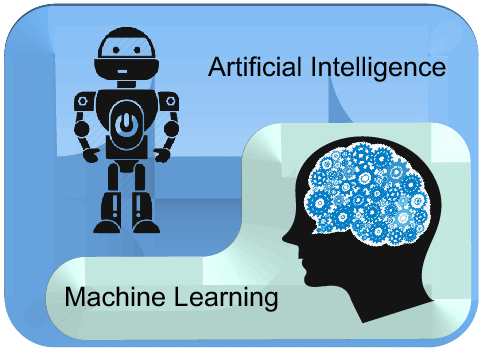
Last year an IT Ops and Security company Splunk announced its “Data to Everything” campaign, and I couldn’t agree more! Data is obviously everything but data without the technology to analyze it becomes obsolete. AI and machine learning are exactly the key elements we need right now. All data to be captured, analyzed, managed, enhanced and visualized in rapid succession.

3.  Operational agility

Operational Agility. lAssociation Ventures Innovation Model… | by Barry J Barresi OD PhD | Association Ventures Playbook

Digitization of processes lowers the amount of resource and time needed for maintaining operations and innovations. Companies are enabling workers with digital tools and platforms for improving collaboration on the go, while using digitization tools for streamlining their operations through data capture and analysis automation.

4.  Embracing automation

Media ERP: Embracing Automation Across the Content Supply Chain – The Official Prime Focus Technologies Blog

Did you know 84% of the consumers preferred interacting with computer automated systems. Especially in times like these, such DX in business can go a long way! Computer based systems increase the customer digital experience. In case, you have not used automation as a part of your business transformation strategy then I suggest you start now!

It will help you save time since automated responses engage and provide services faster than human advisors or customer care services. It will also increase efficiency, because the time spent by team members on basic processes like follow-up emails and ticket prioritization will be automated.

5.  Cloud strategy

14 things you need to create a cloud strategy today — Thinkwise

The organisations who are still pondering over the idea of migrating onto the Cloud needs to accelerate the action in this area post the Covid crisis. The logical starting point could be setting up a site on the cloud that should be regularly tested as part of the routine drills.

6.  Information security

What Is Information Security (InfoSec)? - Cisco

Last but not the least key element of DX is securing the data of your organisation and customer. Such sensitive information should be tackled with utmost security. In recent times, a surge in security breaches has increased mainly due to substantial increase in usage by working remotely.

Recently, security concerns were highlighted in Zoom, where their executives acknowledged that the online communication platform was not designed for a sudden surge in the app usage. So, your focus should be on making the ‘Information Security’ an integral part of the overall design of your organisation. An equal emphasis should be given to securing the IT assets – Servers, Desktops, Smartphones, etc by integrating the best-in-class security tools.

In order to leverage DX post pandemic, I strongly suggest to adhere to the key elements mentioned above.

Help Your Business Adapt To The New Normal

By 2023, 53% of all investments in information and communication technology will be in digital transformation. That represents increased spending by more than 50% from 2019 levels. Well, in my opinion DX is the need of the hour during this crisis, even post Covid-19, the business world will be completely digitally transformed. Confused? You can always go to digital strategy consulting firms.

What can’t be cured must be endured! Business transformation has crossed the stage of being a trend, it is now a necessity that cannot be ignored.  It has now become a mode to win a competitive edge. I hope that I have helped you view gain perspective as to why DX is essential for your business. In case you want more guidance, reach out to our digital transformation strategy consulting team.

error: Content is protected !!