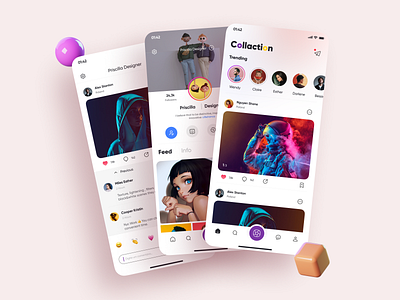
Cost Of a Podcast Application Development

Podcast App Development: 3 Powerful Features to Make it a Success

Let’s be completely honest, you and I. The chances that you will read every line of this article are very slim.

But if we dictated the same article as you were driving or between meetings, the chance of listening to the entire piece would increase by manifold. Better yet, if we pass on this article to you in Chris Hemsworth’s gorgeous Aussie voice, the chance of you contacting us would skyrocket.

Such is the power of podcasting. A power that the world has started realizing and engaging with. The podcast sector is growing at a lightning speed; the industry gained an estimated $479.1 million in revenue in 2018 and can be expected to generate over $1 billion by 2021, according to a report by PwC and Interactive Advertising Bureau (IAB).

The high revenue can be traced back to the fact that the average number of podcast listeners has been increasing on a constant note. An event that has led to an increase in the query for what is the podcast mobile app development cost.

Our intent today is to give you an answer to the cost to make a podcast app. We will be looking into it from angles like must-have features, the top players in the industry, and how to generate revenue after you make the app. 

Table of Content

  1. Major Players of the Podcast Streaming Industry
  2. Must-Have Features of the App Development
  3. How Much Does Podcast App Development Costs?
  4. Podcast App Monetization Models

The rising number of podcast listeners in addition to the growing market revenue has led to a number of new entrants. The market which was earlier dominated by Apple Music is now witnessing new names.

Let us look at some of the most active platforms in the podcast industry.

Major Players of the Podcast Streaming Industry 
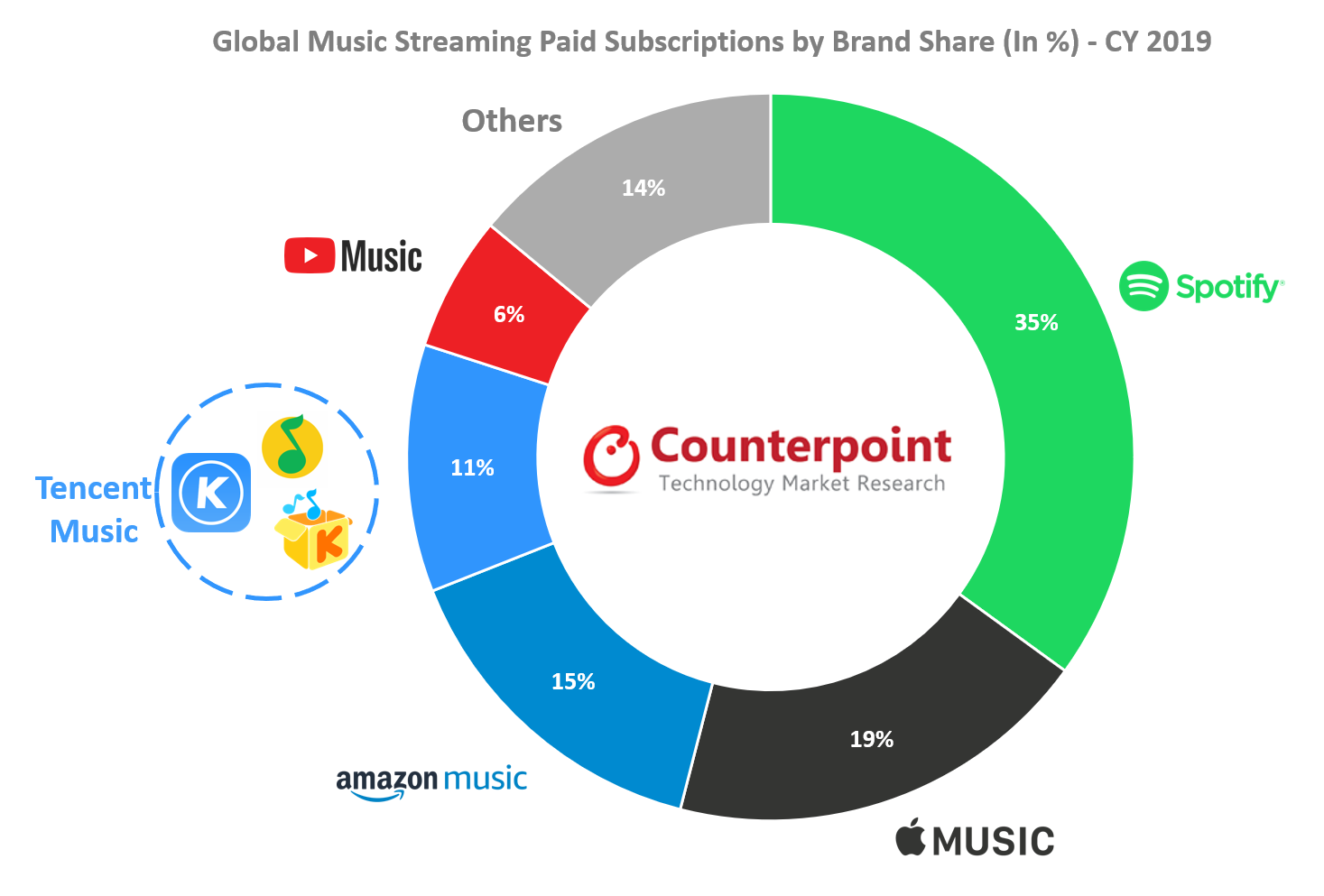
Podcast: What Drove Paid Music Subscription Growth in 2019?

In June of 2005, Apple added podcasting in iTunes 4.9 and started building podcasts directory at the iTunes Music Store. Under the new iTunes, users could subscribe, download, and organize podcasts. The popularity of podcasts has been on a rise since then. While the growth has been steady for some years, the coronavirus-driven lockdown has increased the rate of new entrants.

Here are some of the most used podcasting apps which are being seen as the reference points when an entertainment app development company builds a podcast app.

Now that we have given you a peek into the podcast industry and the market players that act as a reference when you build the app, let us look into the primary podcast mobile app development cost factor.

Must-Have Features of Podcast App Development

There are a number of features that come together when you create the app – an immersive search functionality, option to record and upload your own podcast, a live podcast, integration of payment gateway, etc. But the ones we are going to discuss here are the MVP-level features of building a podcast.

1.  Category-wise Search Functionality
How to Display Categories in WooCommerce

The first way users look for a podcast is through the application. The search functionality when developing a podcast app should allow users to find a podcast through podcast name, episode, genre, how frequent it is, RSS feed, etc.

2.  Discover Tab

Report Clipart Researcher - Discover Clipart , Free Transparent Clipart - ClipartKey

The discover tab of a podcast application generally consists of the podcasts being divided around genre and categories like ‘trending’, ‘featured’, ‘free of cost’, etc. The aim is to help users find their next podcast with utmost ease. What we recommend is using AI integration at this stage that would refer to what to watch next to the users.

3.  Library
Spotify is working on a new Library design for the Android app, with an option for switching between Grid view and List view. (Jane Manchun Wong) : truespotify

This is the part of the podcast app that enables users to keep track of their downloaded podcasts, new episodes, their favorite podcasts, and playlists.

You can think of it as a bigger version of Netflix’s watchlist and Continue Watching section.

4.  User Profile
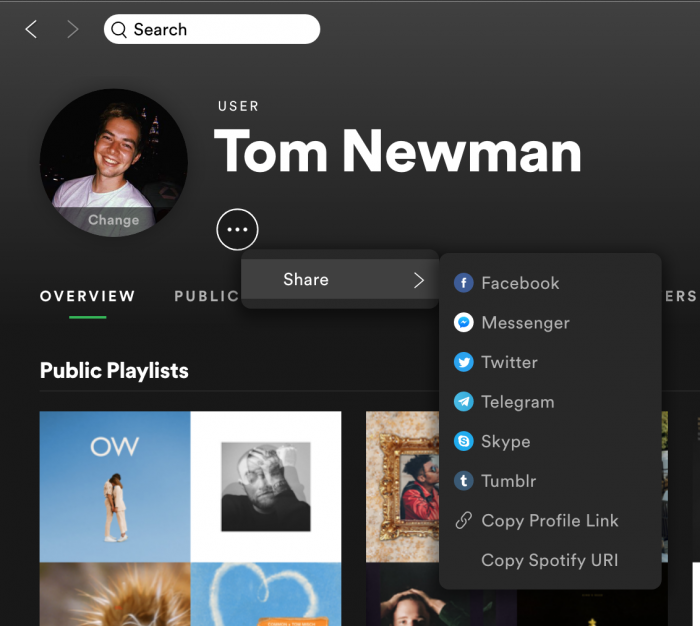
How to customise and share your Spotify User Profile - RouteNote Blog

The user profile of a podcast application contains tabs like account details, listening statistics, help center link, settings, etc.

5.  Offline Mode

How to Enable Offline Mode in Spotify on an iPhone 11 - Support Your Tech

When developing a podcast app, a key feature that every media and entertainment app development company suggests is taking the offline-first mobile app development approach. The reason we have kept the feature in the MVP mode is that even as an MVP you will be able to give your users the feasibility of being active on your app when on an airplane mode.

How Much Does Podcast App Development Costs?

The podcast app development cost is dependent on a number of different factors. Let us look at each of them.

1.  Features

Top 10 Features of Office 365 That Competitively Set You Apart

Podcast app features are the first thing that contributes to its development cost. The more advanced features you add to the application, the higher would be the cost. An example of it can be seen in the podcast recording or live stream feature. At the MVP stage, we advise integration features that are a must-have for your app’s functioning.

2.  Technology Stack

Front End, Back End, Mean Stack & Full Stack Developers | Codementor

The next cost-impacting factor is the technology stack. Although the choice of tech stack varies from app idea to idea, the general rule of thumb is if you develop APIs and SDKs from the scratch, the cost would be greater unlike if you use third-party integrations.

3.  Podcast App Design

Podcast App designs, themes, templates and downloadable graphic elements on Dribbble

It can get very easy for a designer to crowd the app since the number of podcasts that make an app successful is generally on the higher side. Designing a minimal app should be the aim of the developers working on the project. However, creating a design that showcases all the multiple podcasts in an organized manner requires expertise, which in turn comes with a cost.

4.  Technology Integration

6 Mistakes You Might Be Making with Technology Integration | Getting Smart

The other key factor that has a direct impact on the podcast app development cost is technology integration. Although we do suggest using AI in the app if you add in technologies like IoT or Blockchain the cost would automatically increase.

5.  Location of the agency

African Real Estate Agent Showing House Location. Stock Vector - Illustration of background, location: 114155053

The last element is the location of the agency. As you move from East to West, the cost of app development generally increases. The average hourly rate of development in the US is generally in the range of $100 to $120, while in case of India it can be anywhere near $60 to $80. The number one reason why there is demand for remote developers.

Everything you have read up until this point is in terms of the amount you would have to spend for the development of the podcast application. But noting that the end goal of any application is to generate revenue, let us dwell on that point.

Podcast App Monetization Models

1.  In-app advertising

A Beginner's Guide to In-app Advertising - Applift

One of the top ways for a business to earn money from an app is through in-app advertisements. By showcasing brand videos or images in the podcast screens or even after a few chapters of an audiobook, you can get the option of earning a good sum of money.

2.  Subscription

5 Best WooCommerce Subscriptions Plugins for 2021

A monthly subscription is the next best way to earn money on your application. Although we would advise against it since there are a number of free apps available in the market, if you feel that the content you are offering is truly off the charts, add a subscription feature.

3.  Premium content

Premium Content Marketing Tools to Boost Blog Engagement

The one option that we 100% back is the premium content mode. You can offer your users a no-advertisement listening experience, access to the most trending podcasts and first look of hottest podcasters at the back of monthly or quarterly charge.

With this, you are now ready to make yourself the next big name in the podcast industry. The next steps? Get in touch with a media app development company and initiate the process.

Make COVID-19 the Springboard for Your next Mobile App Idea

Top 52 App Ideas for 2020-2021 - The App Ideas

The world was sucker-punched as it continues to reel from the ongoing economic paralysis of COVID-19. But fighting to keep businesses alive is not a lost cause. The impact of the pandemic on businesses has sure been merciless, but as we turn the page to a socially distant and digital reality obvious business models are presenting themselves.

Mobile app development services have the proverbial doses to inject new life in dying ventures. It is an opportune time, more so for a few app categories than others, to reassess their strategy or better, reintroduce themselves to the masses in a new nutshell.

COVID-19’s Impact on the Mobile App Economy

Mobile app spending to double by 2024, despite economic impacts of COVID-19 | TechCrunch

  • Approximately 1.6 trillion hours were spent on mobile apps in the first quarter of 2020. People increased their mobile usage as part of the stay home quid pro quo. And while COVID-19’s effect on the economy presents a mixed picture, the by-product results for the mobile app industry are anything but.
  • In April 2020, users spent 27% of the waking hours on mobile phones, an increase from 20% in 2019. The period between February and April saw impressive spikes in app downloads. Combinedly, iOS, and Android app stores recorded 12 billion downloads, up from 9.1 billion for the same slot last year.
  • The download spikes weren’t without cause and translated into higher consumer app spends. For H1 2020, the combined consumer purchases on the Apple Store and Google Play Store reached $50.1 billion. Of this $32.8 billion was claimed by Apple and $17.3 billion by Google Play.

But what were the people downloading and spending on exactly?

For starters, Tinder is the highest-grossing app on both the play stores raking in $433 million followed by YouTube. For the States, we get a good idea of people’s tastes during the initial part of the pandemic in the following graph. You cannot forego education, essential commodities, and work. Apparently, these were the most downloaded categories by Americans from March 2 – March 16. Such was the effect of COVID-19 on mobile apps, making now the best time to start a mobile app startup.

Impact of the Pandemic on Mobile Apps

The scale of economic uncertainty that the virus has unleashed on the planet is parallel to none in human history. It exposed the shortcomings of interdependent countries that shook to the core due to their reliance on a centralized supply chain hub, China. As trading routes were disrupted, few app categories absorbed and began relishing the rising consumer interest. They make the highlight reel of the impact of COVID-19 on mobile apps.

E-commerce Apps

12 Genius Ecommerce App Designs That Drive Revenue - Unlimited Graphic Design Service

Due to the mandatory stay/work from home (whichever is applicable) stance of the federal agencies, people shifted their preferences to order essential items online rather than step out. Given that the E-commerce locale constitutes multiple categories, the ones that made the priority list of people were food, hygiene products, clothing, and medications. This is evident from a survey in which 52% of Americans admitted to shopping more online due to COVID-19 restrictions.

Another survey revealed the itinerary checklist of items that more and more people have opted to order online.

The impact of the pandemic on mobile app development has been such that we experienced a surge in requests to develop MVPs for eCommerce vendors. Some aim to diversify by launching newer subsidiaries, others taking their first steps in the field. It was recorded that global eCommerce sales at the height of the lockdowns hit 66% and that has now flattened at 7% above last year’s sales levels for the same time. In keeping with such forecasts, we think the demand for such apps will continue to rise.

Fitness Apps

Top 10 Fitness Apps That You Can Use To Be Fit and Active

Forced to put up at home, people are conscious of the role a healthy body plays in hosting a complimenting mind. There were about 656 million health & fitness app downloads in August 2020 making the total downloads for Q2 47% higher than the same time last year. Strava was the highest gainer with 179.2 million downloads within the first 5 months of 2020. The bottom line is that even couch potatoes are acknowledging the benefits of boosting immunity be it through a robust exterior or vis-a-vis a diet planning and monitoring app.

As a result of the impact of coronavirus on mobile apps development, the health & fitness apps marketplace is expected to grow at a CAGR of 21.30% from 2020 – 2027.

Our 600+ team (also working from home) has immense insight into developing healthcare apps such as Soniphi, Mutelcor, and Health-e-People. No matter the impact of COVID-19 on mobile apps development, we know exactly what on-demand e-commerce solutions need especially in times like these.

Messaging Apps

The Future of Messaging Apps | TeleMessage Mobile Messaging

One of the immediate COVID-19 effects on mobile, or rather the impact of it shall we, is that people want to stay connected. And that can happen either through video (more on it later) or messages. Yes, we already have messenger apps like Facebook and WhatsApp, but their rate of adoption differs from one country to another. But one thing is certain until things normalize everyone will make note of maintaining online connectivity through chats.

Factoring in COVID-19, US adults will spend about 24 minutes each day on mobile messaging from 2020 – 2022. Also, considering the next big idea is just around the corner, perhaps it’s still not too late to consider entering the online chat marketplace.

Video Calling Apps

Video Calling App Reviews from the Reference Staff | Library

Following a flattening of the curve at many locations and the subsequent lifting of restrictions there has been an upsurge in second waves. Community transmission hasn’t been culled and the majority of people have resorted to the hope of a vaccine, an approved lot of which is expected by the end of 2020, latest. But issues in distribution will remain therefore mandating social distancing to sustain.

Offices could remain shut for a long time, a possibility that has been jumped on to by video calling apps. This impact of the pandemic on technology has been such that online meet-ups are the new normal. Whereas Zoom and Skype have been the go-to apps for businesses there are others like Houseparty and Hangouts Meet, that are designed for lighter occasions.

The video conferencing apps marketplace is expected to grow at a CAGR of 9.7% from 2020 – 2027 and possibly attain a size of $10.92 billion by the end of the forecast period. You can bifurcate the business model of the video conferencing app based on:

  • Conference type – service-based video conferencing, integrated, desktop, and telepresence
  • Deployment – Cloud, on-premises
  • Target Group – Small Medium Enterprises (SMEs), and large enterprises
  • Application – Rooms, huddles, middle room, large room

EdTech Apps

5 Apps to Empower College Students' Study Skills | EdTech Magazine

Globally, as much as 1.3 billion students were impacted by national school closures due to the virus. Considering the staggering growth rate, it’s not a secret as to why EdTech is a profitable domain.

Google Classroom topped the charts for the most downloaded app for July with 14.8 million downloads. This growth was 13.5 times higher than the same time last year. It was followed by YouTube Kids, Duolingo, Tips for File Transfer 2020, and Cake.

There are multiple ways you can differentiate your app based on the target audience. To give you an overview you, with the help of a mobile app development company like Anteelo, you can design the following types of Edtech Apps based:

  • Online Learning Management Systems – e.g. CenturyTech, Edmodo, Google classroom, Skooler
  • EdTech Apps for Smartphone Users –  e.g. Ubongo, Funzi, KaiOS
  • Apps with Offline Accessibility – e.g. Kolibri, Rumie
  • Massive Online Open Courses – e.g. EdX, Udemy, Coursera
  • Self-directed Learning – e.g. Byju’s, Code It, Discovery Education
  • Mobile Reading Applications – e.g. Worldreader, StoryWeaver
  • Apps for Teachers for Content Creation – e.g. Buncee, Kaltura, Trello
  • Apps for Distance Learning – e.g. EdSurge, Brookings, Education Nation

Online Food Delivery Apps

All In One Food Ordering App, Online Food Delivery - Apps on Google Play

The market for online food delivery apps reached a valuation of $107.44 billion in 2019. The impact of the pandemic on the global mobile apps market, especially its food delivery sector, has been mostly affirmative. As more people opted to order essential groceries online due to COVID-19, the market value for such apps in 2020 is projected to touch $111.32 billion. This spells a CAGR of 3.61% in one year.

But experts believe this is the lower-end of the ceiling that was adversely affected due to global economic frailties. As public spending power enters its regenerative state the CAGR would grow by 11.51% through 2023, bringing the cumulative valuation of such apps to $154.34 billion, meaning it is time for on-demand brands to start preparing for the post-COVID world.

As a top mobile app development company, we’ve had the privilege of partnering with brands like Domino’s and working closely to help them grow their business. Based on such exclusive experiences, we know which premium specifications and user tastes help brands stand out.

Bringing It to a Close   

By now you would have understood that the impact of Coronavirus on the mobile economy will be far better off than the impact of the pandemic on businesses operating in the retail space. If you need (honest) suggestions on how to improve your app idea or you plan to undertake a makeover of an existing app, then do get in touch. Our experts would be happy to do their bit in your success, as they’ve done on previous occasions in taking handkerchief ideas to million-dollar valuations.

Future of Applications Development- Is it Low-Code/No-Code?

Is low-code/no-code the future of application development? - TechRepublic

We are operating in a digital era where every company is a software company. With the growing advent of digital technologies, it has become impossible for a business to chart their success in the absence of applications supporting their internal and external functions.

This growing dependence on applications – enterprise and customer-focused – although a stepping stone for innovation and creativity, comes loaded with several challenges. Challenges that low code no code development methodology aims to address.

  • Bandwidth issues – The in-house IT team, across businesses, generally works on the everyday crucial business tasks. Because of this, they are generally left with minimal time for working on enterprise or customer-side applications.
  • Limited budget – Purchasing semi-custom apps or hiring a mobile app development company can be an expensive affair.
  • Demand for quick deployment – Even at a time when the adoption of DevOps is on a high-speed mode, the time it takes to develop an application is still high at large. The complexity-driven slow development speed almost every time results in delayed deployment time.

Although these issues can be solved by hiring a team of remote developers, businesses have started taking an alternate route – low code development. But does this mean the trending application development approach is the future of the sector? Let’s find out.

What is low code no code development?

Low code and no code app development benefits | App Developer Magazine

Low code no code platforms enable businesses to develop apps with the help of a visual development approach in place of the alternate development route that requires writing thousands of code lines. Here are some of the top reasons why businesses choose to take the route instead of investing in full-fledged custom application development:

Although low code app development and no-code software development work best when placed together, there are several inherent differences between them, making it impossible for them to be used interchangeably.

No-code platforms are ones that enable teams with zero software development and coding expertise to assemble applications with the help of functional, reusable building blocks.

Low code platforms are the ones that demand a level of coding but make it extremely easy for the developers to develop new apps in the least turnaround time.

Both no code and low code platforms offer IT with complete governance over data, systems, and functionality. When working together, they enable rapid application development which in turn helps businesses reach their goals with the resources they have however limited. Here are some statistics highlighting the opportunities for  Low Code Application Development (LCAD) and No-Code Application Development (NCAD) as the code for the future.

  • Gartner estimates that low-code app platforms would account for over 65% of development by 2024.
  • Forrester forecasts that the low-code market would top $21 billion spendings by 2022.
  • According to TechCrunch, the companies operating in the sector are paced to raise around $500 million by 2020.

Numerous benefits together have led to a rise in the LCAD and NCAD form of rapid application development. Let us look into them after looking into some of the most trusted low code no code app development platforms.

The best low code no code applications development platforms 

Business Apps | Microsoft Power Apps

When we enlist the best platforms for rapid application development, some names come on top – Microsoft PowerApps, Appian, OutSystems, Airtable, Amazon Honeycode, Salesforce.com Lightning Platform, Zapier, and Google AppSheet, etc.

The industry, however, is constantly expanding. Meaning the brands which are on top today might not make it to the list in the next quarter. What remains constant though are the benefits that businesses can draw from using low code no code app development.

Benefits of low code no code applications development

Fastrack your Digital Transformation with Low Code Development Platforms | Streebo Solutions

  1. High development speed – the biggest pro of low code no-code app development is that the development time gets cut off from months to days. You can not just take your app to the market faster but also quickly work on the user feedback and add newer features, functionalities.
  2. Lowered cost – at the back of low development time and high speed, fewer resource requirements the cost of developing a low code no code application is extremely low.
  3. Lesser bugs – the lowered amount of code leads to lesser bugs occurrences as well. And with lesser bugs in the picture, the development time gets further reduced by manifold.
  4. Better business stakeholder engagement – the inclusion of in-house developers in the low code no code application development process helps the stakeholders be involved in the deployment procedures.
  5. Multiple deployments – low code development platforms enable businesses to build apps for multiple platforms at the same time.  Usually, the deployment of an app on one platform is a complex task in itself. A task that becomes easier with low code no code mobile app development.

Amongst the many benefits of low code no code mobile application development lies the fact that it is fit for only certain app types – ones that generally lie in the ballpark of prototypes. The more you deep dive into the approach the more difficult it becomes to distinguish it from the white-label development methodology. The methodology is good on papers but has several ground-level issues attached to it.

Low code no-code application development shortcomings that keeps it from getting the title of software development future

The Future of Software is No Code and Low Code Programming | Quixy

Integration restrictions – Low code applications are more likely to give you integration issues when you connect them with legacy systems.

Absence of customization – Like every DIY software development platform kit, the platforms come with their fair share of customization limitations. At a time when the market favors those that have a competitive advantage, you will be forced to work on the platform boundaries and give up on certain planned functionalities.

Security risks – Multiple risks arise when you work on third-party platforms, especially the ones that make your application uncontrollable. Since you only get access to work on the frontend or the user interface, you have little to zero control over the backend data and process.
Coding is not everything – There is more to the application development process than coding. A custom app development agency works on user journey maps, design sprints, application testing, etc. While low code no code application development platforms can give you an application, there is no guarantee that there won’t be more apps similar to yours in the stores.

Does the code future lie in no code low code? Anteelo verdict

If you intend to develop basic applications that need little to zero customizations and come with low-security vulnerability, we recommend taking the LCAD and NCAD approach. But if your business goal is to enter the mobile app market with a high-quality successful product, customized application development would work best for you.

Irrespective of what your choice is, the future of application development, as opposed to general belief, doesn’t lie in low code no code development approach. The key to attaining a competitive advantage will require businesses to present a customized stand in the industry while ensuring that they have complete control over the backend and users data.

Wanna learn Designing of Social Media App? Come Here!

How to Develop a Social Media Application, Social Networks & Media App Developmen

From a business point of view, social media is one of the most promising markets. Want to create a social media app?

There is no denying the fact that social media cannot be ignored by today’s society. From a business point of view, social media is one of the most promising markets.

Many organizations use social media as a marketing tool to promote their business since they have their audience present on Facebook, google+, Twitter, Instagram, or Pinterest.

The rapid development is opening new landscapes within this play-area and social media app development has become a major game in the business world!

Want To Create a Social Media App? Let’s Look At Some Facts Shall We?

  • Over 3.6 billion people were using social media worldwide in the year 2020. This number is projected to increase to almost 4.41 billion in 2025.
  • On an average, internet users spend 144 minutes per day on social media and messaging apps.
  • Market leader Facebook was the first social network to surpass one billion registered accounts and currently boasts approximately 2.7 billion monthly active users, making it the most popular social network worldwide.
  • In June 2020, the top social media apps in the Apple App Store included mobile messaging apps WhatsApp and Facebook Messenger, as well as the ever-popular app version of Facebook.

When planning to design a social media app, it is essential that one understands all the types of apps there are in the market. This will help you find your niche and identify your competitors. Not only this, but also understand your target audience, and offer users a more appropriate functionality.

Types Of Social Media Apps

1.  Social networking apps

5 Emerging Social Apps Trends in 2018 so far

The main goal of these apps is to connect people for personal or professional reasons. From finding a job, joining a new community to connecting with a long lost friend, these apps will do the magic. For example: LinkedIn, Twitter, Facebook, Instagram.

2.  Media sharing apps

7 Great Apps for Sharing Media While Mobile - Techieapps

If you want to target artists and creators, this is the app for you! People these days love sharing videos, photos, GIFs etc to platforms like Youtube, Instagram, Snapchat, Pinterest etc. 

3.  Blogging and publishing apps

9 Best Android Apps Every Blogger Should Use

Writing is not as easy as it looks and writers do need an app that would let them write their mind. Such apps help writers to write from any gadget they want anytime. For example: WordPress, Medium. 

4.  Discussion forums

ACC Online Learning: ACC DISCUSSION FORUMS

If you want to build a social media app where a community of people share their insights, experiences, ideas, opinions etc, this type of app is for you. For example: Quora.

5.  Customer review apps

9 customer review examples (and how to get more reviews) | RingCentral

The major goal of these apps is to share their reviews about brands, services and products. Good customer reviews can help one grow business. For example: Yelp, TripAdvisor.

6.  Service Provider apps

Home Service Provider App | Urbanclap & TaskRabbit Clone Script

These types of apps help you undertake a particular service. From booking a cab, finding a plumber to booking a hotel etc, these apps are at your service. For example: Ola, UrbanCompany.

Now that we have understood the existing apps, let’s focus on how to make a social media app.

How To Develop A Social Media App?

Step-1: Find your purpose, target audience and competitors

How to Find and Target Your Social Media Audience (Free Template)

The first step for social media app developers is to know the purpose of their app. Network apps allow people, organisations and companies to create, exchange and share information over a network of people.

If you have an idea, good for you, but a full understanding of the market, target audience, potential users and what your current competitors lack is very important information. Also, if you want to earn money from your app, think of all possible monetization options.

Once you are done with conceptualizing your future application and its missions, goals, user engagement ideas and competitive analysis, get ready for building out of the box growth strategies.

Step-2: Design social network app’s workflow

24 of the Best Mobile App Design Tools | BuildFire

The next step is to create a defined workflow. This is to attain a specific pathway a user will follow in order to achieve the required set of goals. Hence, this step will define a complete user journey. The app workflow is a very critical step since it defines steps the user takes while they interact with your product.

Step-3: Development and design for both iOS and Android

How to Design an App for Both Android and iOS | AppIt Ventures

As the name of this step suggests, it is equally important to design a social media app for android and for iOS. If you are using a SaaS solution then you don’t have to worry about this step but if you are planning to start from scratch so we suggest you start with creating a wireframe. Wireframes are the skeletal structure of the app, which represents how the app’s fundamental looks.

A wireframe will help your design and development team to visualise how the app works and what pages link together. The next step is prototyping which will create a working model of your app. This will help everyone understand how the app is functioning for android and IOS.

Step-4: Build your community and market the app

8 Steps to Take When Beginning Your Mobile App Development

Now that your app is ready, it is time for you to win users and build a community! Start thinking about initial marketing strategies and campaigns that help draw the people’s attention, increase app downloads and user engagement.

7 Tips To Design Social Network App

Social App designs, themes, templates and downloadable graphic elements on Dribbble

Social networks app development is a tricky game! You must be sure that the app’s design is intuitive, easy to use and that same time appealing to your audience. Let’s talk about the best practices one can keep in mind while planning the look and feel of one’s app.

  • Keep it simple – A clean design always helps since people are already familiar with using the same. It helps you enthrall the users towards your value rather than distracting them away from it. When you focus on your offerings you don’t give your customers the space to think only of your brand, in turn. If you want to use your social media app for business, this is one of the key characteristics that you should focus on.
  • Communication is key – Allow your users to communicate with each other with the help of video call, audio call, recorded voice notes, ability to share content with each other. This is how you will build your community and keep your users engaged.
  • Focus on the Navigation – The minimalistic approach is the best one when it comes to designing navigation. If you create navigation with numerous features it will be too complicated for the user to keep up. The best practice is to ensure that all your icons and buttons are placed in the best part of the screen for the user to identify them easily.
  • Keep it consistent – You need to make sure that the design of your app remains synchronised in order to avoid any confusion that the user might face. By using consistency in your app it will create a logical structure that will clearly define where users can find what. This process will spare your app from confused and frustrated users.
  • Round design elements –  Do you know why Facebook or Instagram use round profile pictures? Well, it helps to focus on a user’s face and further makes it simple for other users to remember or distinguish them from others.
  • Allow people to personalise – Provide users the freedom and choices to share information, media, links, content etc in order to add their personality to their specific profiles.
  • Color codes are very important – Choose colors of the same family that help in providing a seamless user experience.

How can you make money from a social media app?

How to make money from social media - Save the Student

You can easily monetize your social network app design and start earning returns from the cost that you invested in social media app development. Below are a few ways to achieve your goals:

  1. Paid subscriptions: With an app based community, you can offer users paid subscriptions. It is best to first offer a free trial with good content and one or more paid trials that offer more in-depth and high-value content.
  2. Paid content: If you have a lot of users engaged with your content, you can use social apps for business. Paid sponsorship is one way you can convert your user reach into money.
  3. In-app purchases: You can give your users the liberty to directly make digital purchases. For example, ebook, a video or audio file.

Final Words

I hope that creating a social media mobile app is not as tough as you previously thought it was! I have walked you through the facts of social media apps, we have also talked about how to make an app from scratch, right from ideation to implementation and designing. Feel free to reach out to a social media app development company to guide you better and create your own app in no time. Take the first step today!

An Ultimate Guide to Mobile App Monetization Model and Strategies

8 Mobile App Monetization Strategies to Create Revenue Out of Free App | by Daffodil Software | App Affairs | Medium

The craze to make money through mobile apps is inextricable. While some developers try different permutations & combinations, others have hit the jackpot overnight.

The craze to make money through mobile apps is inextricable. Whereas some developers try different permutations without any results to show for, others have hit the jackpot overnight. Having analyzed a bevy of such case studies over roundtables, and after-office coffee-talks, we have our list of the mobile app monetization trends of 2021. Building an app isn’t an easy task, but this technological era provides you with the opportunity to create a million dollar app if proper process and guidelines are followed.

As a luminary mobile app development company, Anteelo has partners in every sector from healthcare to Edtech and other industries to obtain an engaging customer base and great ROI. We’ve seen first hand the most effective monetization tools for mobile apps, and with such validated expertise, look forward to empowering the entrepreneurs of new and old.

Why bother monetizing your app?

How to monetize your app - Developing your strategy | Adjust

Before we dive into the reasoning behind monetizing an application, let us clarify one of the biggest confusions – can free apps make money? Yes, they can. Here’s how.

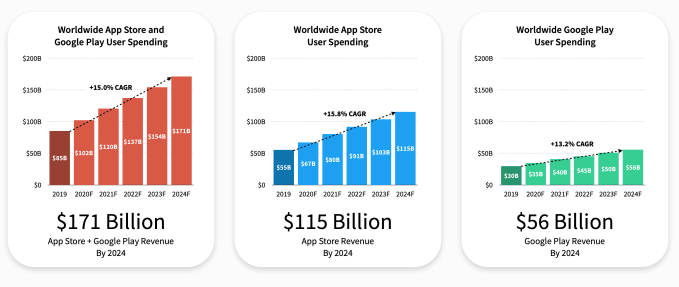
Apps have increased their user-reach multifold over the years. The below given chart appears to climb north in the foreseeable timeline as the internet and smartphones digitize our daily lives. By 2023, it is purported that apps would generate in excess of $935 billion in revenues, the primary drivers of which would be downloads and in-app advertisements.

When it comes to millennials, 21% of the cohort opens an app as much as 50 times a day. With an estimated 72.1 million millennials in the US alone, you do the math!

Having cultivated a regular footfall of app traffic and not knowing how to monetize it, would be like having a treasure chest without a key.

Identifying the Best Mobile App Monetization Strategy 

As the modern saying goes, money doesn’t grow on trees but is certainly minted in apps. Let us explore 8 impactful strategies and the reasons promulgating their adoption rate. However, as you digest these points, do note the factors that make up for a profitability-friendly application.

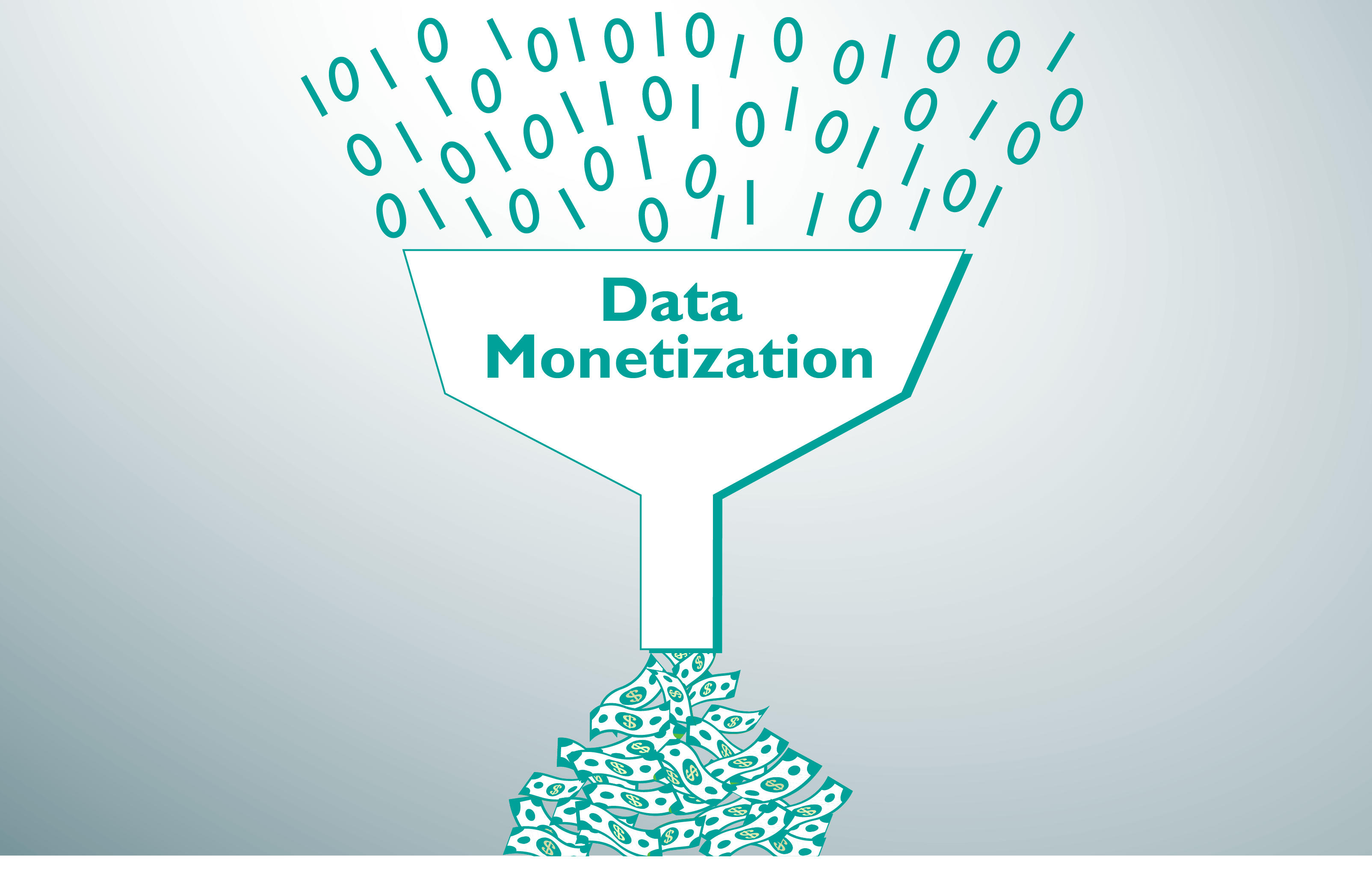
Data Monetization 

How you can make your organization ready for data monetization

Data makes digital businesses tick. The public readily gives apps all the permissions to collect “relevant” data in return for premium experiences. Algorithmists decipher the variety and volume of the data they need on each user so as to peel the peripheral layers of behavioral psychology and augment tactics that urge the buying patterns. This can be observed from the fact that Facebook has 52,000 data points on each user.

Such intriguing insights were accessed by Cambridge Analytica by paying Facebook for unbridled data-access. Although the process of data-collection was questionable then, a legitimate market for data access has blossomed since making access to data, one of the hottest app monetization models.

When to use it  – to make a killing, your data must be BIG, literally. Big data is something that has volume, velocity and variety. The higher the number of data identifiers you collect, the more vendors you can sell it to.

Premium 

Slidesgo Premium: premium templates for PPT and Google Slides

You pay for the app before trying it out. This model is receding fast as people are reluctant to spend unless they trust the brand. Most often, mobile gamers partake in such apps that exercise a pay first, play later protocol. It is proven as a matter of fact that free apps are much easier to distribute than paid ones. So unless you are a billion-dollar organization with fever-pitch fanfare to try out your products, refrain from using it.

When to use it – if you have to use it, make sure the marketing budgets are tuned to perfection as the notion of paid apps takes hard-selling. Premium works best for brands that account for majority market share and can fend-off competition with a loyal base.

Freemium 

How To Create A Great Freemium Pricing Strategy

There was a time when in order to monetize mobile apps, 98% of the applications in the market stuck to this model. While that time was in 2014,thus in 2021 freemium apps still account for 94% of the market share emerging as one of the dominant go-to android app monetization strategies. The idea is to open up a basic in-app functionality to users so that they get a hang of it and automatically opt-in for premium features by paying a fee. Those wondering how to make revenue on apps, would be flattered to know that user acquisition costs are lower for freemium apps.

Freemium also provides the scope for incorporating secondary revenue mechanisms such as in-app advertising. In fact, mobile app developers use freemium as a hurdle for users to overcome and discarding-app ads.

When to use it – we recommend using freemium when you have potentially better app features that people will pay for. The model works best when app sessions can be stretched for longer durations. Spotify would be one example.

Subscription 

10 tips for running a profitable subscription-based business | CIO

This is a one-word answer best suited to the question how to generate revenue from mobile apps? Usually, mobile app development services design a 3-tier subscription policy targeting users with the spending potential of basic, intermediate or advanced levels. Subscription plans can be classified over separate durations depending on their pricing. A subscription model gives first-time users the leeway to experiment and see for themselves the value proposition by paying a nominal fee.

Whether you discuss android app monetization strategies or the ones applicable to iOS platforms as well, this model has been used to monetize mobile apps far and wide. Documented evidence suggests businesses opting for the subscription services have grown consistently over the last few years. The only thing you need to know is how to choose the right app pricing strategy.

When to use it – This model is best-suited to content-heavy apps that tie users into a fallback loop and long-term app use. Examples include Medium, and Netflix.

Sponsorships

How to Save Your Sponsorships in the Face of Cancelled and Postponed Events | Northstar Meetings Group

Partnerships can take many forms. Our experience as a mobile application development company spells a common theme wherein one app invites a second one to leverage the user base, reward them for using the app, and mutually benefit from higher user engagement. For instance, Domino’s could offer extra discounts for ordering food from Uber Eats the kind it doesn’t on other apps. Conventional wisdom advises that there has to be a shared user base for the sponsorship model to prosper.

When to Use it – It is mostly used by brands operating in the same domain.

Advertising 

Advertising Makes Us Unhappy

Come to think of it, this is just a byproduct of the data an app collects. The same is used by ad networks, to drive relevant ad-traffic to the app as you open the gates to advertisements. In case you were wondering how to monetize android apps under a mobile app monetization strategy, you can find multiple options to charge advertisers on CTC (click through rate), CPC (cost per click), and lead conversions. There are a plethora of app monetization platforms that the advertisers leverage to funnel decent amounts of revenue. Such mobile app monetization platforms include the following:

  • AdMob
  • InMobi
  • Millennial Media
  • StartApp
  • Linkury
  • AdColony
  • AudiencePlay
  • Audience Network
  • Media.net
  • Smaato
  • Fyber
  • Unity Ads
  • MoPub
  • Chartboost
  • Epom Apps
  • SmartyAds
  • Leadbolt
  • IronSource

In addition to them, you can run the following kind of ads on mobile apps:

Rewarded Ads  

They reward ad viewers for going through the complete duration of the ad with say an extra discount coupon.

Banner Ads 

They appear horizontally either at the top or at the bottom of the screen. The thing with banners is that they can irk people by intervening with the content by sometimes overlapping it.

Interstitial Ads 

These are full-screen layovers and produce the best click through rates. Unless the designer screws up, there is little you can do to not get things right with interstitial ads.

Native Ads 

They appear as part of the overall content on the screen. It is hard for viewers to distinguish whether it is even an ad or not (hence the name) a fact that increases the likelihood of a click through.

When to use it – Advertisements should be used when you have an abundance of user data such as demographics, search/purchase history etc.

In-App Purchases

Finally, in-app purchases are a tested and highly quantifiable revenue metric that app development services can play around with, while still keeping the app free to download. Users do not pay upfront but rather for add-ons that enhance and enlarge their in-app engagement. Few studies posits global revenues from in-app purchases at $71 billion for the year gone by. Popular types of in-app purchases implemented by gaming apps include the following:

  • Game currency
  • Extra health
  • Milestone points
  • Health Boost

When to use it – this monetization model was successfully experimented with by the gaming industry following which content driven apps have also taken to it.

Which is the Perfect-Fit Monetization Model for Your App?

App Monetization Strategies: 6 Bankable Ways to Turn a Profit | CleverTap

The answer is embroiled in further queries that pertain to intricacies of your business goals. For starters, consider finding a black and white answer to the following questions:

  • What is your apps’ USP?
  • What is your app’s product market fit?
  • Would you sacrifice short-term revenues for long-haul users?

The next-big monetization model could be held in your outlook and your approach towards consumerism.

Mobile application development services like ours at Anteelo have a record and reputation for conjuring innovation out of thin air. Well, that’s just an expression, but you get the point. Checkout our most hip-and-happening successes that earned us the laurels of being the best App Development Company of the Year.

Here Is How You Can Prepare Your App for iOS 14 Update

All About Apple iOS 14 Update - Overview and Features

Set to release in the fall of 2020, iOS 14 was announced in the June of 2020 with a slew of changes and a series of groundbreaking announcements. Like clockwork, Apple comes with a multitude of industry transforming OS additions devised to make app experiences immersive, secure, and easy. But this time around, Apple has taken it up a notch with changes that would affect how advertisers target users.

While there are significant changes you’ll have to do to make the app UI ready like implement dark mode along with taking care of how to apply scene delegate, and modal presentation; in this article, we are going to look into how to get an app ready for iOS 14, especially in a way that it won’t gravely affect the app marketing efforts.

But before we head on to the part, let us recap the iOS 14 features.

List of iOS 14 Features 

1.  Home screen with an app library

How to use the iPhone App Library in iOS 14 - 9to5Mac

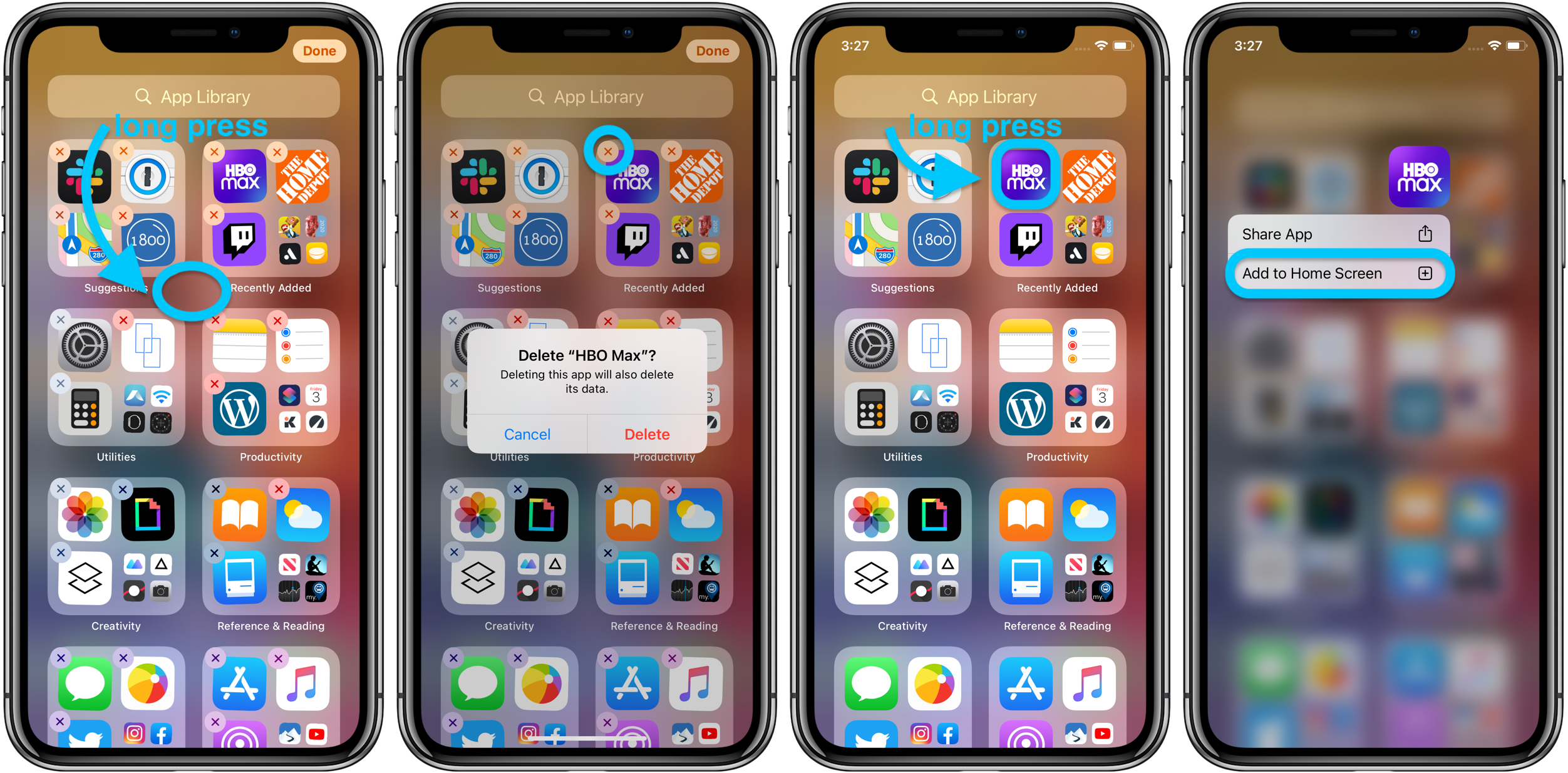
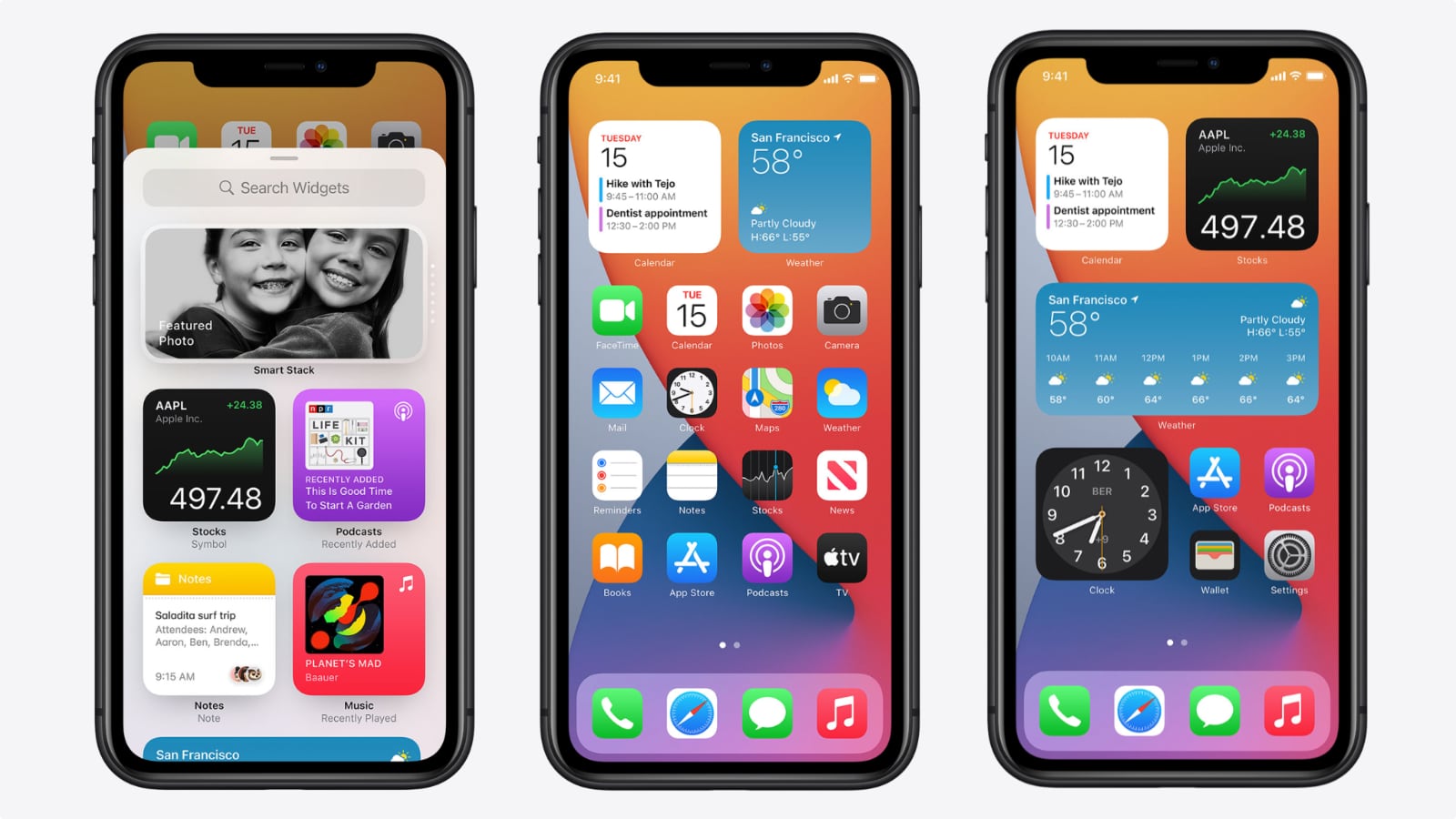
Apple is changing the home screen with iOS 14. Users will be able to remove the applications from the screen or even remove the screens. The apps also stay in the App Library which is one swipe away from the final home screen.

App library groups all the apps in big folders which shows the recently used apps. It even enables the users to search for apps in the search box placed at the top of the screen. The folders are also automatically organized according to Health and Fitness, Social, etc.

2.  Overhauled widget experience

How to Use iOS 14 Widgets | Add Widgets to iPhone Home Screen

Widgets have been an integral part of the iOS ecosystem for a very long time but only at the backdrop as a vertical list of full-width boxes.

With iOS 14 the tech giant is changing the widgets experience. They are now designed to have a bunch of new sizes and with more information. Above all, they can be dragged to the home screen.

3.  Picture-in picture mode

How to use Picture-in-Picture Mode in Android 8.0 Oreo | Digital Trends

PIP mode is finally coming to the iPhone with the iOS 14 version. When making a FaceTime call or watching a video, you can easily swipe back to the home screen while the video or call screen will continue to appear on the screen.

The users can even move the box around the screen or simply swipe it aside to make the tab little.

4.  App clips

Configure and link your app clips | WWDC Notes

Taking inspiration from Google yet again, especially after Tim Cook agreed to relying on Google Search, Apple has launched App Clips with iOS 14. These are micro parts of the applications that enable users to use parts of apps without downloading, installing or signing up to the app to perform the tasks.

iPhone app developers create App Clips ensuring that the experience is under 10 MB. They are also encouraged by Apple to use the Apple Pay and Sign In with Apple facility to prevent users from creating or logging in the application. With the ability of getting triggered through maps, web, messages, QR codes, and NFC tags App clips can help businesses acquire new customers.

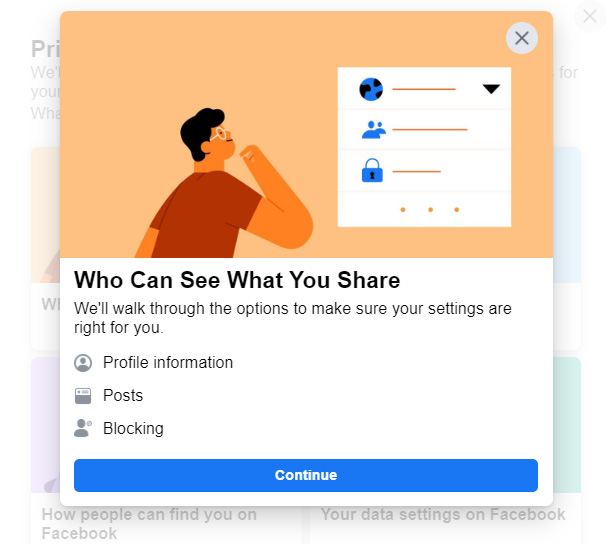
5.  Substantial privacy tweaks

The Complete Guide to Facebook Privacy Settings - Techlicious

Apple has always maintained a leg up in the Android vs iOS security faceoff and with iOS 14, the list of privacy features have been expanded.

Users can give the apps details of their approximate location instead of exact location. Additionally, when an application asks for photos, you can select to share specific photos instead of the complete library.

Taking privacy up a notch, iOS 14 update will show a green dot in the status when an application is accessing your camera and an amber dot when an application is accessing your microphone.

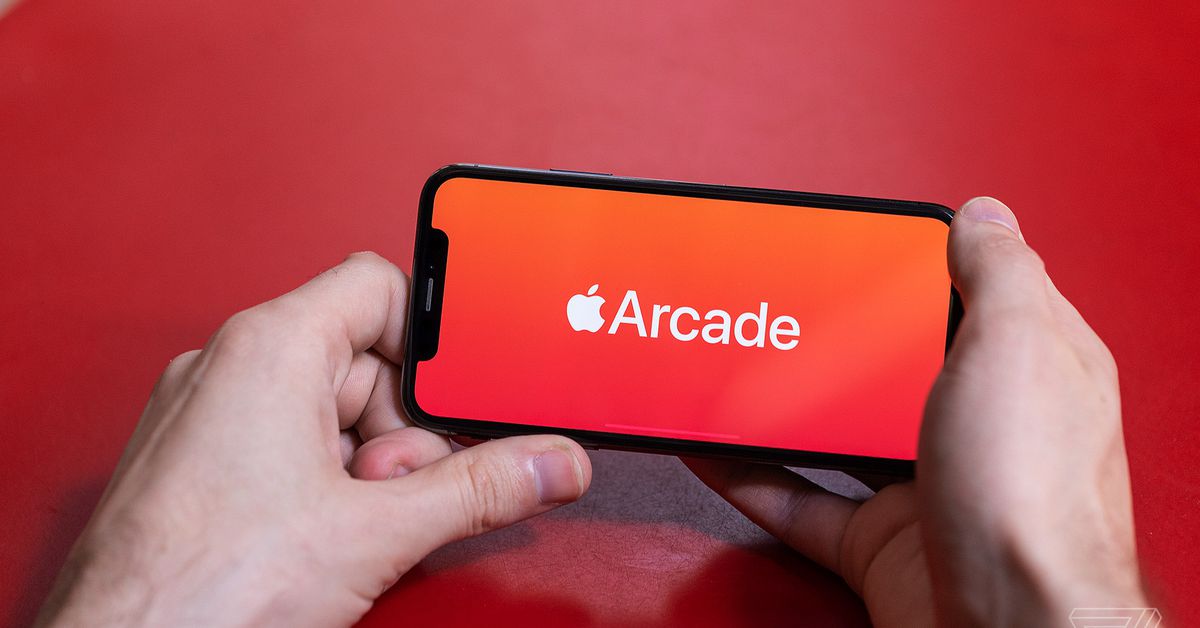
6.  Apple Arcade updations

Apple Arcade just got a huge update of new games, including some mobile classics - The Verge

It was only a while back when Apple Arcade was launched as a means to transform the gaming industry. With iOS 14, Apple is showing users games their Game Center friends are playing, accessing the recent games played, and making it easy to find and sort the Arcade games.

7.  Expansive ARKit 4 tools

Explore ARKit 4 - WWDC 2020 - Videos - Apple Developer

Apple is expanding AR tools for every iphone app development company with ARKit 4. Launched with iOS 11, the tools now enable developers to place Location Anchors to make AR objects occupy a place in the real world. Additionally, a device with A12 Bionic chip can perform facial tracking with a front camera even when it’s not a TrueDepth module.

They have also introduced a Depth API for iOS app developers to develop 3D mesh environments on iPad Pro having a LiDAR scanner.

Along with the above mentioned list of features, the process of getting an app ready for iOS 14 calls for an ios app development company to notify the users if the application is collecting a unique device code known as IDFA. The IDFA is a randomly generated code which Apple assigns to every device. The applications then use the codes for tying together the user activity.

Here’s an example of this in works: Through Facebook, a shopping app and weather app might access the identifier. The platform then uses the cross-app data for placing targeted ads for the advertisers in the app.

Facebook warned against the impact that the update would carry on how businesses promote themselves and monetize their advertisements. Facebook added, saying, “Because of advertisers’ reduced ability to accurately target and measure their campaigns, app developers and publishers should expect lower CPMs [i.e., views of their ads] on Audience Network and likely other ad networks on iOS.”

Let us dissect how iOS 14 would affect ad targeting in greater details.

How Will iOS 14 Changes Affect Mobile Marketing & What Can You Do About It?

By giving users the choice to opt-in IDFA, Apple has made it extremely difficult for businesses to make personalized advertisements. The event is even giving brands second thoughts on whether or not to migrate apps to iOS 14.

For the users who don’t opt for tracking, IDFA will return 0s, making the process useless. Ona  default mode, a user will be opted out right when they launch the app. Once they get the notification, they can decide to either opt-in or confirm opt-out on an app to app basis.

Several advertisement types like exclusion targeting, retargeting, segmentation, and lookalike audiences presently depend on the IDFA so this change will carry a deep impact on user acquisition and ad monetization.

Here’s how businesses can get their app ready for iOS 14 to take control of the opt-in IDFA update situation.

1.  Review present IDFA use

It is important for the advertisers to do a complete internal review of the present IDFA usage. There are a few things that you should ask your iOS application development agency to look at:

  • Look into the SDKs which are calling the IDFA, ensuring that you talk to the SDK providers if they have a solution for the IDFA requests.
  • Prepare and plan version release with updated SDKs.

2.  Prepare for consent

Gaining user content should be your next priority task. If the users opt-in, you would be able to return to the pre-iOS 14 stage with a greater competitive advantage of high consent rates. In fact, now would be the best time to get on the activity. You can:

  • Run test on user consent mechanic for existing and new users across apps. By getting on the task before the iOS 14 launch will allow you the space to run multiple design and content iteration of the pop-up.
  • You can do A/B testing on when to trigger the pop-up. The best bet would be to trigger it when the users have finished a specific activity in the app.
  • You can use an internal prompt in place of Apple’s pop-up. When a user says “yes” to the application’s internal prompt, the app can still prompt the users and then deep link them in the settings menu of the device to enable tracking in the app.

3.  Relook your BI stack

Your BI stack should be prepared for both consent and no consent situations. You should look into:

  • Which data sets are linked together for analytics and figure out a way to stitch them together once iOS 14 is released. We suggest our partners focus on the ADID, IDFV, and UserID.
  • While the apps working minus IDFA would be able to place the contextual ads, they will not be able to use personalized ads. Knowing their worth, we would recommend brands to run multiple scenario analysis of Plan Bs and Plan Cs if the ad revenue drops.

Besides these three preparatory steps, you should also consult with your app marketing partner about the updated ways on how to perform user acquisition and revisit the ways that can be adopted to increase the numeric value of the answer to how much money you can earn through an app.

Lower Frontend Maintenance Cost Of The Mobile App

Front-End Development & User Experience | WebeMax

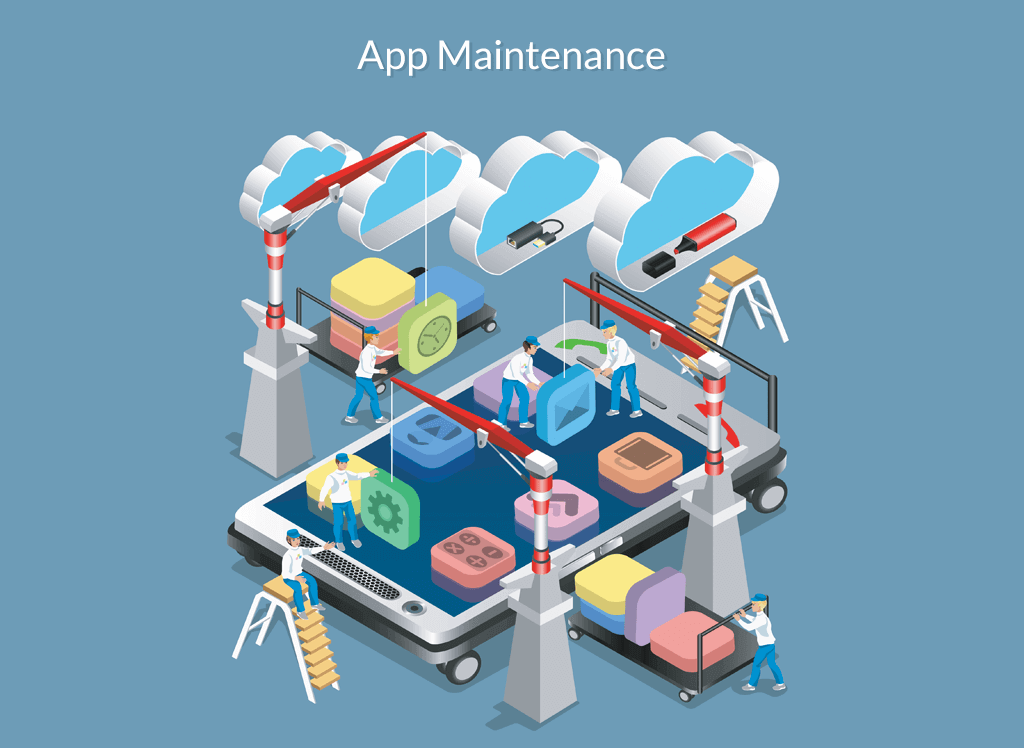
There are two types of software projects that come to any app development agency. One which is brand new and has to be developed from scratch and another is one which already exists in the market and has to be updated. In both cases, the benefits of mobile app maintenance are manifold.

While in the case of the former, you will have to spend little time in the whole update and maintenance process, the latter would require your frontend and back end team to come together and understand the product to its entirety before moving on to its updation. Either way, maintenance is a part of the overall mobile app development cost estimate.

In this article, we are going to look into the factors that make mobile app frontend maintenance cost expensive, how can the cost be lowered and ultimately move on to the steps of lowering of maintenance cost in case of Node.js, Angular, and React.js projects.

Table of Content

  1. Why is App Maintenance Process Important?
  2. What Makes App Frontend Maintenance Cost Expensive?
  3. How Can Developers Lower App Maintenance Cost in Angular, ReactJS, and Node.js?
  4. How can Project Managers Lower App Frontend Maintenance Cost?

Why is App Maintenance Process Important? 

Mobile App Maintenance: A Critical Element In Any App's Success

Improper mobile app maintenance plan leads to challenges in flexibility and stability, which sooner or later translates into application failure. When the code lacks quality or when developers use outdated tools, the app performance suffers and the users experience more app crashes and bugs. Moreover, it hampers app’s scalability capability and the overall next phases of app development.

In business terms, this means more technology and resources inclusion, greater cost, and delayed launch time.

Efficient maintenance, on the other hand, makes apps flexible and stable, enabling you to create new functionalities and improving the present ones. And thus, knowing when to update your app is extremely important.

What Makes App Frontend Maintenance Cost Expensive?

Besides the obvious – multiple types of frontend app maintenance, lesser app tests and absence of continuous maintenance, there are some other prevalent reasons that bring the cost of frontend maintenance up.

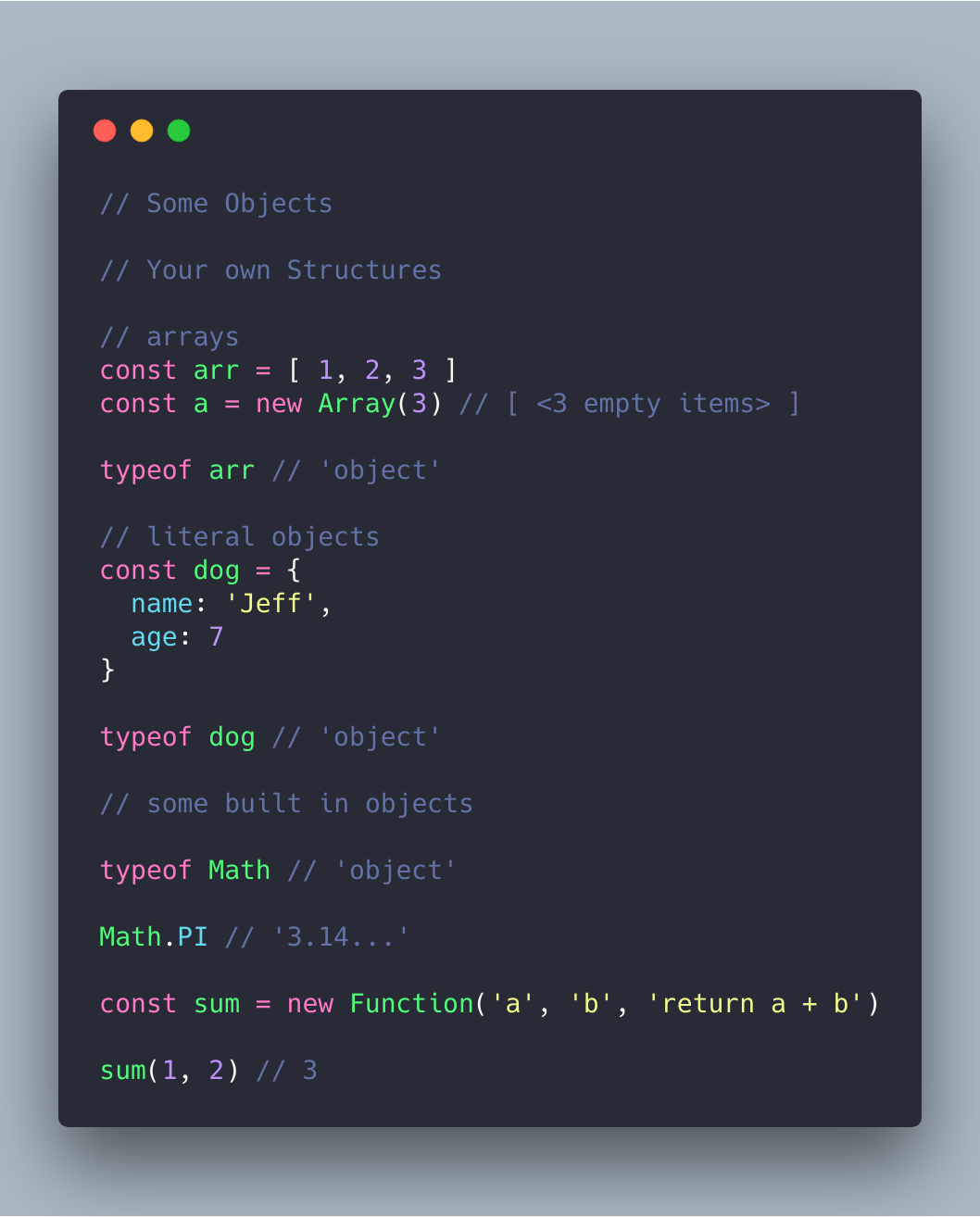
A. Non-Structured JavaScript 

JavaScript Essentials: Types & Data Structures | by CodeDraken | codeburst

There are many ways of structuring a JavaScript project, keeping it consistent is the most important part of Android app maintenance. A well defined structure enables developers to understand what is going on in the project at the first glance without making them search a particular file for hours on end. Even when the product is based on famous libraries like Vue or React, it has the probability of becoming chaotic as it grows.

In preparation of lowering the frontend maintenance cost, you should consider defining the style guide for project structure to use as a reference for the development team.

B.  Poor Code Quality

Premium Vector | Technology information programming system code

The quality of your code is very essential for defining your project’s success, even when keep aside the fact that it is a part of the list of OWASP Mobile Top 10 Risks. While things like identical file structure, consistent incidents, and semicolons are insignificant for a non-technical person, they hold great value when it comes to defining the project’s success.

This, in turn, tends to increase the app frontend maintenance cost in the future.

C. Back-Dated Third Party Packages

Programmers Team Code The Website From The Command Line Flat Vector Illustration, Digital, Illustration, Young PNG and Vector with Transparent Background for Fr… in 2021 | Website template design, App background, Data design

There is a high probability that your product uses open source libraries and third party packages. Since these external resources are updated rapidly, it is important that you too update their versions in your app in order to remove project dependencies’ problems because of vulnerabilities and issues. The new versions contain performance improvements, bug fixes, security enhancements, etc which ensures that the app is working up to its fullest potential.

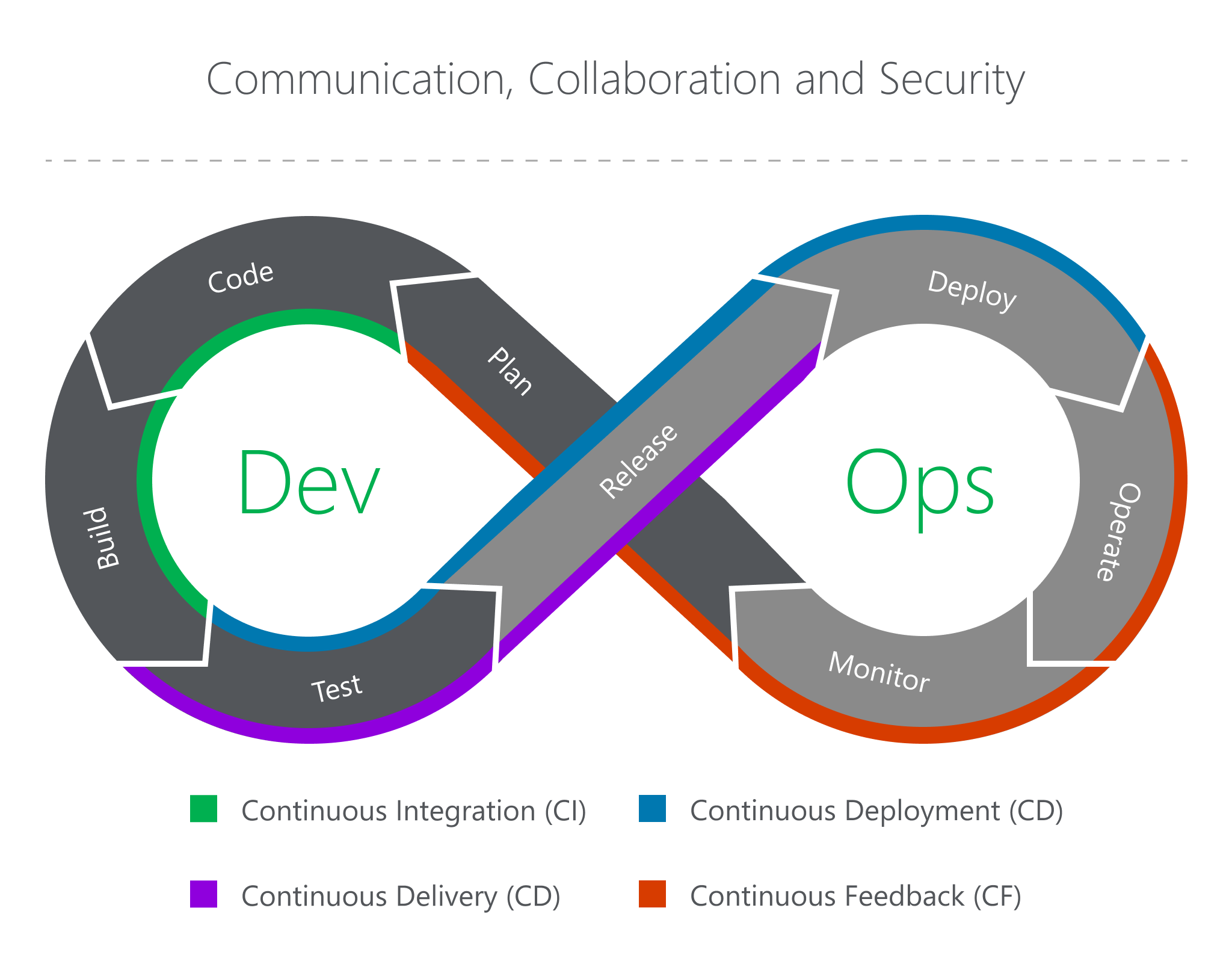
D.  Non Automated Build Process and Deployment

The Eight Phases of a DevOps Pipeline | by JakobTheDev | Taptu | Medium

Build and deployment are the last stages before the app gets live. When they are not developed in an error proof manner, it might get expensive to kill the bug later. The absence of automated build and deployment pipeline slows down development to a great extent, while lowering the team efficiency. You should go with the implementation of a continuous integration which includes running automated tests for all the new commits. Doing this, enables you to identify bugs and solve them in real-time.

E.  Absence of Readme

Readme is one the most important files of a project. It makes the project requirement, its usage, and the development, deployment process clear. If you fail to keep it updated, your development team might end up spending multiple hours in solving issues that have been solved earlier.

How Can Developers Lower App Maintenance Cost in Angular, ReactJS, and Node.js?

  • Use the latest versions

Why You Should Always Use the Latest Version of WordPress | FastComet

All the three frameworks keep introducing new versions from time to time. Ensuring that you are using the most recent ones gives you a number of benefits – increased app efficiency, long term support from the parent team, access to all the latest functionalities and features – some of the key reasons for maintaining the frontend of an app.

  • Ask for clear documentation

Document Writing, Step by Step (with Templates) - Focus

Very few projects lasts with the same developers working on it till the end. Documentation plays a significant role here in the application development services for mobile as the developer who is new to the project has a clear understanding of the project and the work status, pipeline tasks are clear to them.

  • Ensure compatibility with third-party modules

10 best practices for implementing the Drupal coding standards | Anubavam

Making a list of third-party modules which are compatible with the chosen frontend framework can be a great start.You will have to proactively ensure that there is a plan B for the future where the modules will get a major update and it fails to be compatible with your chosen frontend.

  • Test before implementing new features

Bendigo Bank testing chart support after rating downgrade | CMC Markets

If you have to implement or rewrite some functionalities, first ensure that the app’s behaviour is tested in advance. For instance, if you have to rewrite a logic in your app, it’ll be easier to implement the changes when you are sure that the present functionality has been tested. This way, in case something stops working, you will know it instantly.

  • Use microservices

Introduction to Microservices - Comunytek

If the issue lies in the monolithic structure, you must extract microservices out of the app so that it can work separately. Every mini-app should serve its purpose right. It will, in turn, streamline scalability for you will be able to move the services around different machines and dev teams – a microservice benefit that is not possible in monolithic.

  • Improve the code quality

What Is Code Quality? How to Measure & Improve Code Quality | Perforce

If the app works fine but the code quality seems inconsistent or low, you must start with introducing conventions. Start by clearing the file structure by dividing it into logical units. It will be good to implement the static code analysis tools and use type systems. There are other things that you should follow to ensure a sound code quality:

  • A properly configured Continuous Integration and Continuous Deployment
  • Addition of linters in pipeline for ensuring poor/inconsistent codes are not put in production.
  • Code refactoring should be a must-have development process.

How can Project Managers Lower App Frontend Maintenance Cost?

As a non-technical project manager, you can majorly take only one step to avoid high maintenance cost in frontend – Hire an experienced frontend team which has the skillset to give you the desired quality and understand the importance of not delaying tests just for meeting deadlines. Even if you don’t have the necessary monetary resources to employ an entire team of frontend developers, you will have to at least employ one skilled resource for the task.

The other strategy to reduce frontend maintenance cost, while not so common, is building single page application.

Best Practices for Mobile App Onboarding in 2020

Onboarding: User Retention in Mobile Apps | Scandiweb

You might remember the days before the brilliant concept of onboarding was introduced.

How puzzling it was to figure out an app on your own. As if it was a game of guessing about which option directs to where, what it does, how to do certain things, etc. – the list runs long.

In a hurry? Jump directly to –

Table of Content:

  • What is Mobile App Onboarding?
  • How many types of Onboarding are there?
  • Benefits of using App Onboarding
  • Mobile App Onboarding Best Practices Checklist [2020 Updated]
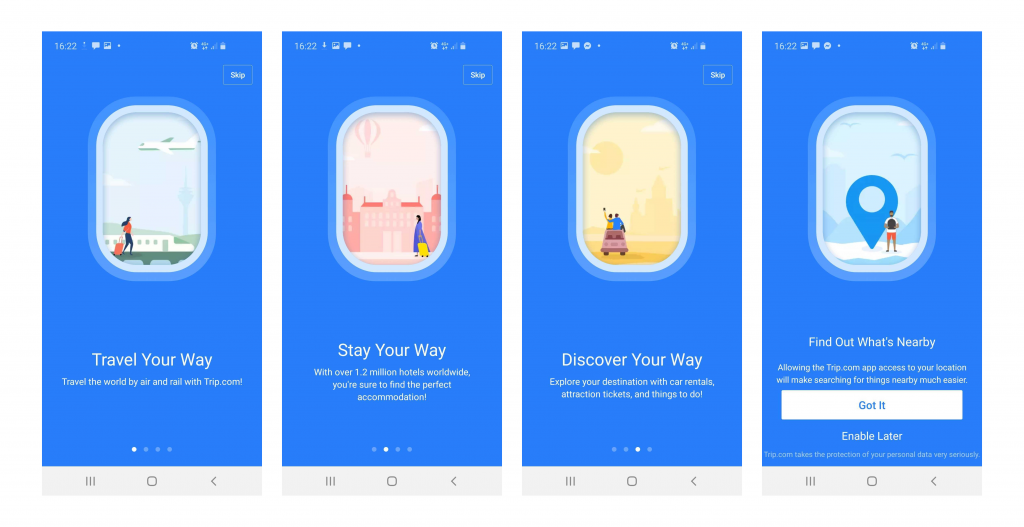
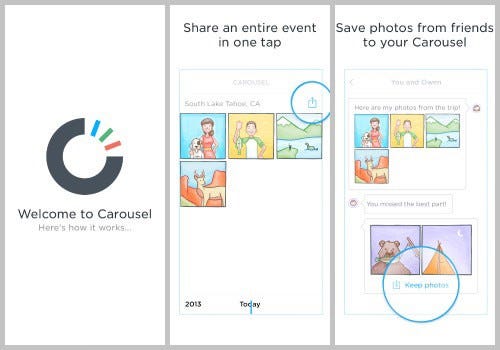
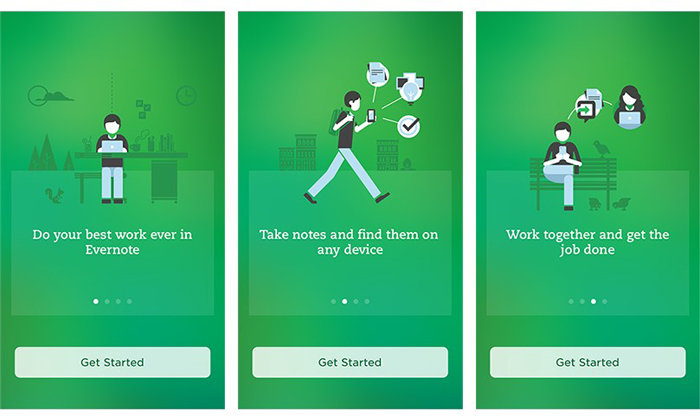
  • Live Examples of App Onboarding Done Right

However, the ordeal was over when mobile app onboarding started to gain momentum. It assisted users in navigating through the app with ease and explored its features and functions. Almost all the industry-giants are having a sip of this elixir of a concept and are obtaining remarkable conversion rates.

Wait, did we just lost you there?

No problem, let’s take it from the top, starting from what is on-boarding to what are the best onboarding practices for 2020.

What is Mobile App Onboarding?

Onboarding designs, themes, templates and downloadable graphic elements on Dribbble

App Onboarding is an efficient method used by organizations to enable users to comprehend your app and its functions. It is a walkthrough process or a tutorial that is meant to help users interact with the app and easily figure out what that particular app does and what they can achieve by continuing to use it.

Essentially, it is a series of screens that guide users through the app’s interface. Now, the mobile app onboarding screens typically have three purposes for which they are being used rigorously:

  1. To enlighten the users about the utilitarian functions and benefits of the app.
  2. To enable the users to register on the app via a login option.
  3. It is aimed to gather useful profile data of the users, later used to offer personalized notifications and content.

How many types of Onboarding are there? 

There are essentially three types of best mobile app onboarding that help fulfill these distinct objectives.

1. Progressive

38 Progressive Onboarding ideas | onboarding, customer experience, progress

This is one of the app onboarding best practices that displays new information on the screen while users progressively navigate through the app. It is in a way a step by step process directing and encouraging the users to take actions. The information depicted is relevant to the specific page.

2. Function-oriented

ESSENTIAL ONBOARDING TACTICS — PART 3: FUNCTION-ORIENTED ONBOARDING | by Appsee | The User Onboarding Journal | Medium

It is a mobile application onboarding approach that is typically focused on app functionality and explaining users the ways to operate the app. The function-oriented approach ensures the demonstration of common and rudimentary actions performed in the app to the users.

3. Benefits-oriented

6 User Onboarding Flows for Mobile Apps | by The Manifest | Medium

As the name clearly states, this approach is employed to showcase the benefits of the app or the value the users are expected to gain by using the app. The basic aim of this approach is to increase conversions. It helps in describing what the app does without elaborating on how to use the app.

Now as you know the types of mobile applications onboarding prevailing in the market, let’s take a look at the benefits they offer before moving to the core part of the article. Aka, Mobile application onboarding best practices checklist.

Benefits of using App Onboarding

1. Positive User Experience

User Experience — Mindshare Advantage

You wouldn’t want your app to just lay there in the user’s phone not being used for months, or worse yet, being uninstalled. To ensure active users on your app, onboarding comes in handy. As the first user interaction plays a pivotal role in deciding whether the user will use your app again or not, you need to give them the best app onboarding experiences.

Guiding the users via onboarding on how to use the app and what features it possesses, will help them navigate with ease and they won’t feel lost. They get a fair idea of why they should use the app and most importantly how to use it efficiently.

Once you get this right, you will see how amazing the benefits of onboarding are.

2. Proper utilization of features

How Does Resource Utilization Help To Improve Business Performance?

It is a given that it takes some time for users to get used to your app and figure out their way around it. Sometimes, users are unable to make themselves familiar with certain features on their own, which is a great impediment in our view for your app to increase conversion. Practicing the best onboarding approaches resolves this issue before it has a chance to arise.

3. Increases App Retention

How to increase app retention: 10 strategies | Adjust

Onboarding is highly crucial for making your app an absolute favorite of the users. You ask how it does it? Well, when you provide users with insights into your app and direct them towards effectively using its features and functions, the users are inclined to stay with your app. Hence, it improves the app retention rate by multi-folds.

Mobile App Onboarding Best Practices Checklist [2020 Updated]

Here are the top app user mobile onboarding best practices that will point the scale in your direction.

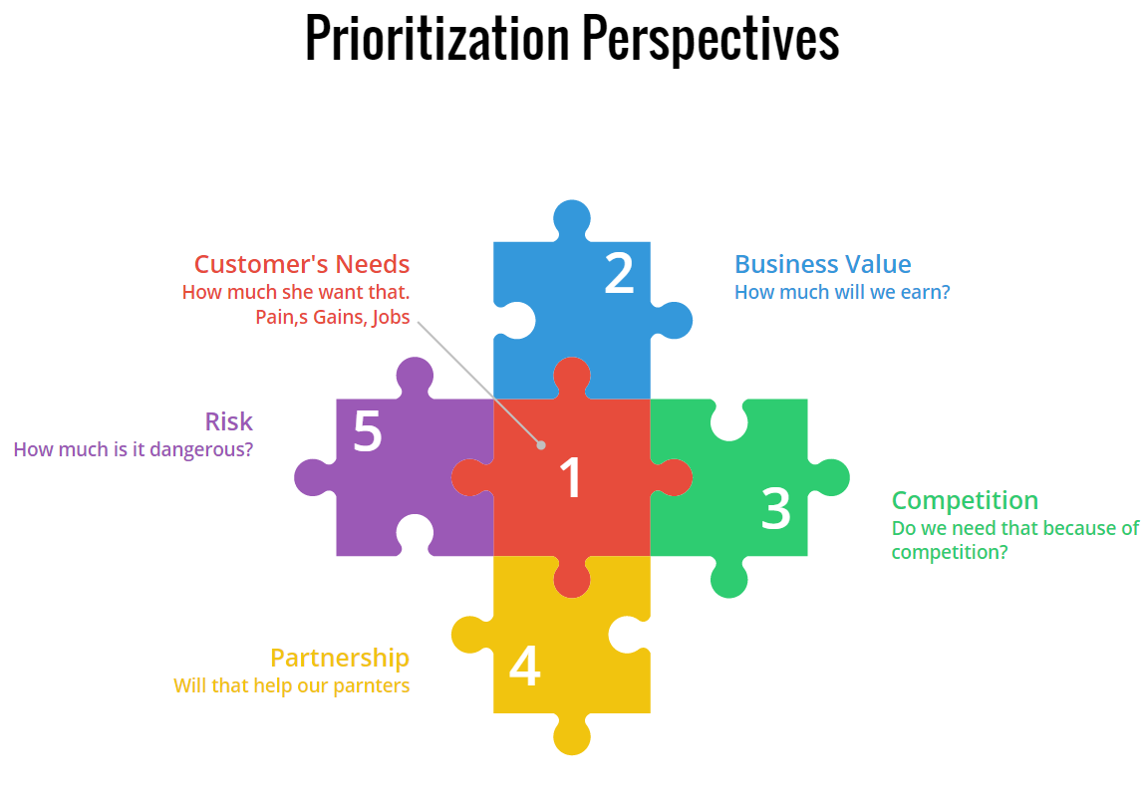
1. Prioritize Value Proposition

Prioritization by Business value | ScrumDesk, Meaningfully Agile

It is a belief that by displaying all the right cards to the users, you can convert them into active users. Meaning, by showing all the best features of your app you can entice users into using your app. However, it will be more effective if you first highlight the value proposition of your app.

Rather than flaunting your app’s features first, start with explaining what the user will gain by using your app. It will not only encourage them to use your app in the future but also will assure them that the app is useful and serves what it claims.

After this, you can go on with showing the prominent features and functionalities of your app that will assist in completing the tasks the users plan to accomplish.

2. Request Only Mandatory Information

request information - Clip Art Library

It wouldn’t make sense if your app is about, say learning languages, and you are asking questions about their favorite books, would it? In this case, you would need to ask for relevant and most crucial information. A report supports this statement as it shows almost 60% of the users do not install an app or uninstall it later once they feel the app is asking for too much personal information.

Also, make sure not to bombard them with excessive questions. In short, try to make your question’s list as concise and precise as possible. This is one of the most effective onboarding techniques to boost app user engagement.

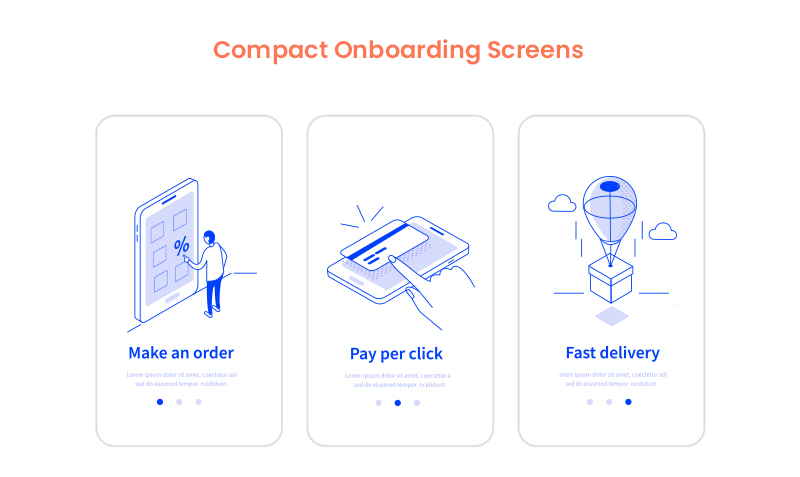
3. Compact Onboarding Screens

10 Mobile App Onboarding Best Practices For Businesses In 2020

A tediously long and extensive user onboarding process may overwhelm the user to an extent that they might not use your app or end up finding a substitute. You neither should use text-heavy explanations nor add a foray of screens.

What you should do is to employ progressive onboarding approach and use app screenshots and illustrations to convey the message. Also, see the fact that you only introduce a single feature on each screen. In fact, you can use coach marks to help users understand how the app works and how to steer in it.

You can also make this approach more attractive by placing tutorials and gamifying the whole user experience.

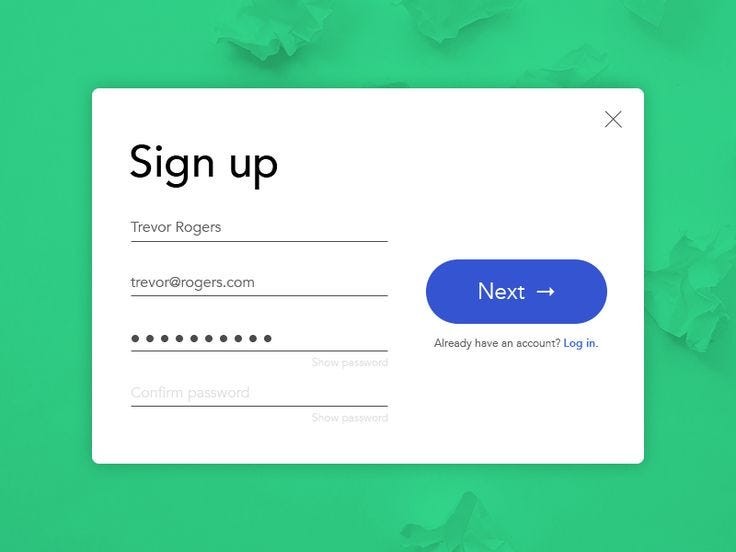
4. Concise and Simple Sign-Up Process

How to Make Your Sign Up Process Sing in 8 Steps. | by Ben Luby | Medium

No one likes to spend excess time on the application onboarding process which is also mentioned in the report by The Manifest. So, the more concise your login process, the better.

Providing the options of logging in with other accounts such as Facebook or Google is a major time saver and a popular strategy among the users. It decreases a significant amount of friction in the user onboarding process introduced by the sign-up mandate.

5. Request for Permissions

How to Request Permissions in Android Application? - GeeksforGeeks

Asking for permission is an important part of business ethics, especially when it is about users’ personal data and information. Now, if you have an app that requires a camera or microphone facility, then instead of just taking things into your hand, it should be a mandate to first ask for the consent.

If the user trusts your app or wants to continue using its features, they will agree. Moreover, users are more likely to respond positively to permissions requests if they understand what they will gain by doing so.

6. Promote App Content Preview

What are the Best Ways to Promote an App? | The Branch Blog

Promoting app content preview is also one of the onboarding app best practices to consider in 2020 and beyond. This is because a sign up option can act as a barrier between your app and the user. And therefore, it is always better to give the users access to the features of your app before flatly asking them to sign up.

For instance, if you own an eCommerce app, then let the users go through the products offered on your website, and when they want to make a transaction, they can simply login then. Or, you can enable the login option after the users have discovered your app.

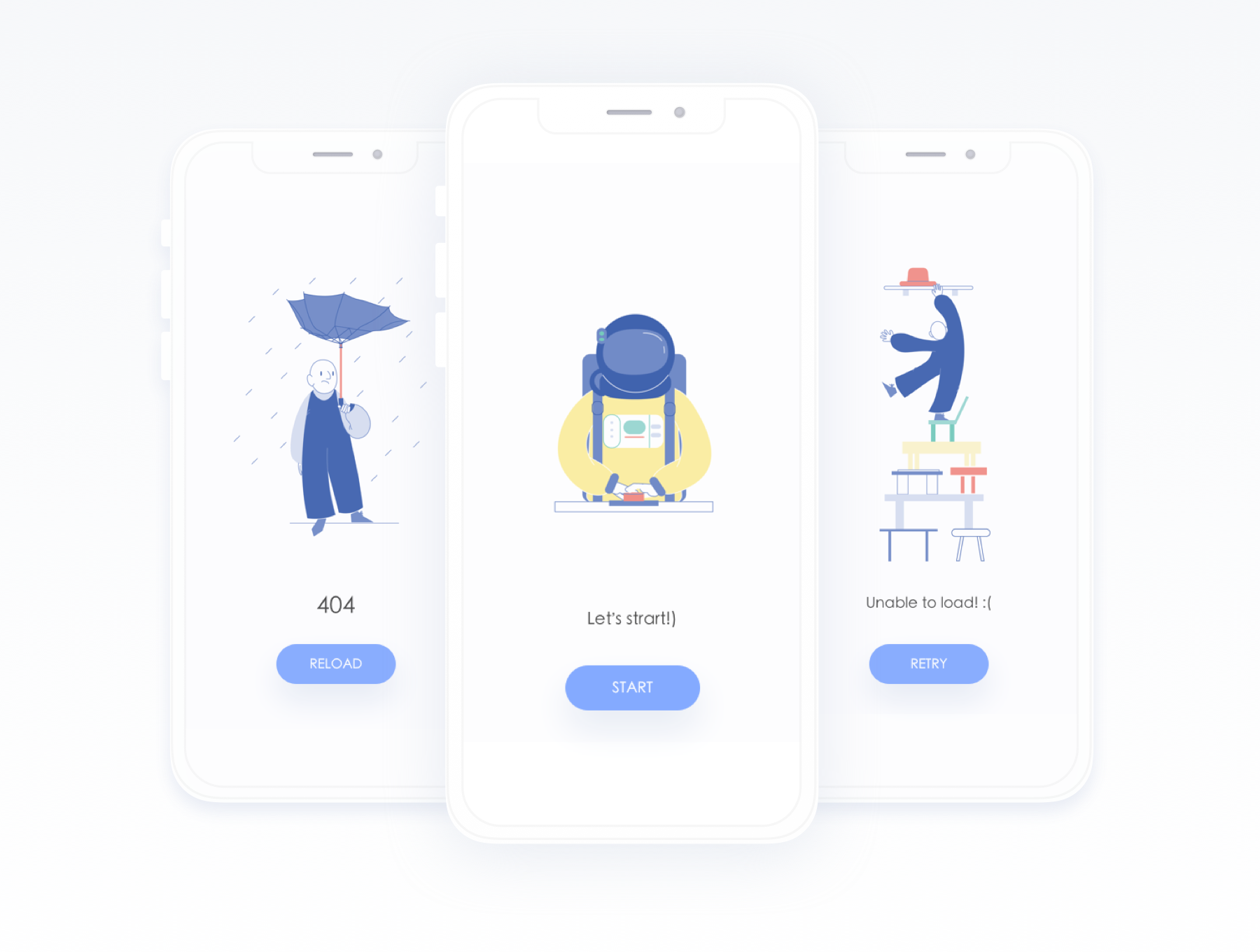
7. Make Use of Empty States

Empty States Design Best Practices | by Cadabra Studio | Medium

Empty states refer to the screens which show when users have not performed any activity or no content has been added yet. You can use these empty states to your advantage by making them encouraging. Instead of leaving a blank space, you can educate, guide, and promote users to take action.

For instance, Instagram displays “No posts yet” instead of just leaving it blank. This way it encourages users to initiate any action and use the app further.

8. Use Visual Hints for Guidance

Instead of hand-holding customers, while helping them explore the app you can employ progressive visual hints. All you have to do is strategically place the hints on the places where you predict users may get stuck while browsing the app. This way, you not only avoid tedious and monotonous instructions but save the time of users in reading them, which can rather be spent on using the app.

9. Preach Personalization

The Path to Personalization | O3 World

Why wait to show your personalization to customers in your app’s features, when you can give them a taste of it in the onboarding process only. Many popular apps personalize the content of their app based on individual preference in the starting.

Let’s take Spotify for instance. No wonder it is huge among the users as

it provides them with choices based on language, genre, artists, etc. to start personalizing the content referred to them since the start.

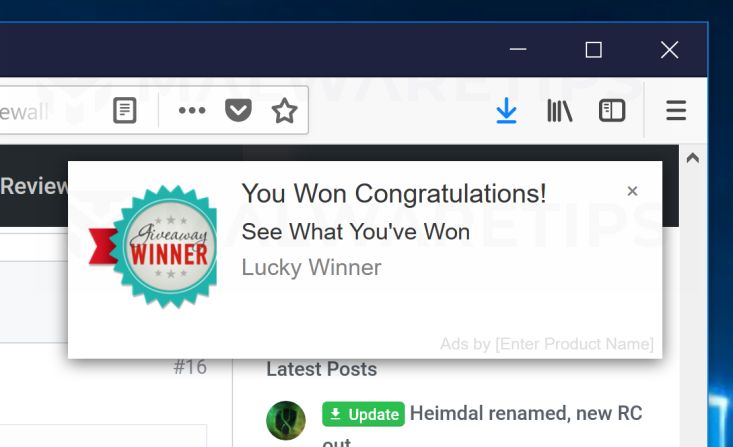
10. Take advantage of Success States

Remove "You Won Congratulations" Pop-ups (Virus Removal Guide)

Just like the Empty States, Success States prove to be a great leverage for engaging the user on your app. They create a positive impression of your app in the users’ minds. These states refer to the screens or popups that show appreciation after a task is performed.

For example, pop-ups including emoticons or animations congratulating the users once they achieve something in the app or complete an action for the first time.

11. Test before Final Implementation

8 Usability Testing Methods That Work (Types + Examples)

Anything is the sum of its whole. Your app will be considered remarkable when it is perfect overall. How different elements seem together once integrated is what makes an app great and appealing. In which case, it is crucial to test and measure the user onboarding flow for your mobile app on different screens and monitors to make sure the transition to each screen is seamless and smooth.

12. Include A Balanced Mix Of Multiple Channels

Using several channels to enhance the effectiveness of your onboarding procedure is an ideal way to encourage users to come back to your app, especially in the case of Retail apps. You can use channels like emails, push notifications, and in-app messages to remind the users of any incomplete action on the app like an unattended cart or simply send gentle reminders.

13. Monitor and Track (liquid state)

Keeping tabs on app usage and analytics is an incredible way to determine where users are facing problems in the onboarding flow and app.

Tracking these problems will provide you insights on where you need to improve in order to provide a smooth app onboarding experience. One should not ignore it as it is one of the prominent deciding factors whether your app is preferred by the users or not.

14. Provide CTA

Once your onboarding is about to complete, it is recommended to incorporate a CTA at the end. It provides a natural step for users to take the next step. A contextual and well-designed CTA would ensure the involvement of the users in the app.

15. Offer the choice to Skip

Skip, skip button, skip icon, skip symbol icon - Download on Iconfinder

Providing different and alternate choices is what users around the world appreciate the most. Some users might like to skip the whole app onboarding process for some reason, so giving them this choice will instantly improve your app’s reputation and they might continue to use it in the future.

Live Examples of App Onboarding Done Right

1. Slack

Mac | Downloads | Slack

Slack is an app designed specifically to facilitate communication between teams of small and large enterprises alike. It displays its features right when users open the app. Slack practices value-oriented onboarding which can be seen in the four walkthrough screens. It allows users to see how they can establish communication and share data among teams via the app.

2. Reddit

Reddit is experiencing another outage: Here's what we know - SlashGear

Reddit is one of the most famous QnA apps ever. Its onboarding process is exemplary –  the reason why the app is here in our list.

It provides the “Skip for now” option which allows users to skip the process of account creation and login, immediately allowing them to explore the app and have an amazing user experience.

Moreover, Reddit also performs another one of the onboarding process best practices, which is asking for permission for sending notifications.

3. Calm

Calm - Meditate, Sleep, Relax - Apps on Google Play

Calm is a popular meditation app helping users around the world with problems such as stress, irregular sleeping patterns, anxiety and more. The first onboarding screen in the app familiarizes users with its features and value-proposition such as sleep stories, breathing programs, guided meditation and so on.

Then it smoothly takes the user to another screen which allows them to set goals, for instance, choosing the top areas of improving, developing, building, learning, etc. It is after two screens that it asks users to signup via different platforms and asks for permission.

Higher conversion and retention rates of your app are certain once you hone these best app onboarding practices for 2020 and successfully implement them in your app. By imbibing incredible features along with the onboarding flow into the app, you double the chances of your app’s popularity.

How much does it cost to create an app for event ticket booking?

Event Ticket Booking Mobile App Development Cost & Features

  • Revenue in the Event Tickets segment amounts to US$73,424m in 2019.
  • Revenue is expected to show an annual growth rate (CAGR 2019-2023) of 9.4%, resulting in a market volume of US$105,359m by 2023.
  • The market’s largest segment is Music Events with a market volume of US$34,410m in 2019.
  • In global comparison, most revenue is generated in the United States (US$30,579m in 2019).

These are the two factualities that the events planning and specifically event ticket booking market is based on.

People love going out and having fun. Not everyone can afford a weekend trip out of station.

The factualities that are single-handedly holding the uprising demand for online event ticket booking market on applications and websites.

Let’s talk about the industry in detail in this piece, specifically from the front of technicalities and the event management and ticket booking app development cost.

The statistics that we saw at the beginning of the article, powered by statista are only a peek into the high demand of the flourishing market.

In a way, the demand that the online event management applications are witnessing in the market are drawn by a few companies that have emerged as the leader of the domain.

These brands have not just helped maintain the constant demand that the sector is witnessing. They also have set a growth tangent that a number of entrepreneurs are willing to be a part of.

Now that we have peeked into the event industry on a digital capacity and the top players who have entered the space, the next thing to attend to is a lot more technical.

We are now going to look into the ground level of how ticket booking app development services work.

Starting with the must-have features list first.

The Must-Have Features of Event Management and Ticket Booking App

The feature set that entrepreneurs work around to develop event planning and ticket booking apps like Eventbrite or Ticketmaster while different on the most intricate level contains elements which are not common but also must-haves.

The starting point of all the features is that when you develop an event planning application, you don’t develop one but two versions of the application –

1. For the users

2. For the App Admin.

Let us look at both of them individually.

1. Filter

Behind the screens: How BookMyShow.com keeps it ticking - The Economic Times

The functionality surrounds giving the users’ filter events or movie according to their varied preferences like location, timing, ratings, etc.

2. Event Listing

Design nuances of BookMyshow homepage and listing pages | by Kedar Nimkar | We Are BookMyShow

The screen would contain the list of all the events and movies happening or showing in a particular city or state.

3. Details of Event

Promote Your Events Online | How to List & Market Events - BookMyShow

For all the individual events there would be screens containing the details – the details of the event, the price of the ticket, terms and conditions, etc.

4. Rating

This is the section of the event page where users can give a rating to the event after having attended it. This is also where they can see what people are talking about the event.

5. eTicket and mTicket

What is an e-ticket, really?: AirTreks

Every event planning and ticket booking app gives users the functionality to enter their mobile number and email addresses where the ticket gets sent automatically after they have purchased it.

6. Download Ticket

In addition to the automatic generation of tickets in the face of SMS and emails, users are also given the ease to download the ticket for a much quicker find.

7. GPS

Using the feature users are easily able to locate the venue and also see the distance between their current location and the venue.

8. Booking History

Booking History « Event Organiser Docs

Using this feature user will be able to view the history of their bookings from inside their application.

9. Settings

The option that is mainly present in the menu option enables the users to view and modify their profile details, check the option of whether they want to be sent a notification or not and also select their preferred ticket type.

10. Booking Screen

BookMyShow Booking Confirmation Screen Re-design - singh.am

The ticket booking app solution should also factor in a booking screen that would help them select a seat of their choice.

1. Dashboard

The dashboard feature gives the admin the ease to get a comprehensive look of how the application is performing – the download rate, engagement count, events genre that are getting maximum hits, etc.

2. User Management

This part of the admin side of the app deals with managing the users base. It shows the business what issues users are sharing with the support team and the individual ways they are interacting with the application.

3. Shows Management

One of the most important elements that answer how much does it cost to build event management and ticket booking app is the management of shows. Through the feature, admins are able to add in events and modify their details.

4. Venue Management

The one thing your partnered mobile event app experts should specialize in creating a provision for the admins to keep the venue details updated in real-time.

5. Booking Manager

The next crucial part of ticket booking app development on the admin side is booking management. This is the feature that helps keep admin updated with the number of bookings happening on the application and the timing of them.

6. Content Management

This part of the admin app deals with the management of all the content that is live in the application – details of the event, ensuring terms and conditions are updated, etc.

7. Push Notification

This is the section wherein admins enter the notification content and schedule the timing of when it will go out.

Now that we have looked into the must-have feature set that goes into answering how much does it cost to build an event management and ticket booking app, it is time to look into the next functional element.

Toolset to Follow to Answer How to Build an Event App like Eventbrite or Similar Apps

8 Factors That Makes Eventbrite a Successful App

The tool set or tech stack that we follow to offer Eventbrite like app development services include a range of robust backend tools and intuitive frontend stack. In addition to those, we add APIs that are designed to offer your users a seamless experience throughout.

All of these tool sets that we use add up to answer how do you build an event planning app.

Well now that you have looked at all the must-have features and the ways to create an app for your events using the right tech stack, it is time to get down to what we majorly came here for. To answer how much does it cost to build event management and ticket booking app.

Well, let us get down to answering how much event app builders in USA and India charge for Eventbrite like app development services.

So here’s the section that answers development cost of apps like Eventbrite and similar event planning and ticket booking apps.

How Much Does it Cost to Build an Event Management and Ticket Booking App?

Event management mobile app by Kavi Aarun on Dribbble

The most honest answer to cost to make a mobile app like Eventbrite, which looks into both management and ticket booking is dependent on a number of factors. Just like your usual mobile app development cost estimate.

But with that said, if you are looking for an event management app that works around the exact list of features that we enlisted above, the cost range can be estimated.

Even if it’s an approximate level.

Now without beating around the bush, let’s give you a clear answer.

The event management and ticket booking app development cost range will fall somewhere in the range of USD 50K and USD 80K Considering you are creating the application in the lines of the technology and feature set that we shared.

This cost range is one that includes everything from design to development and maintenance of your mobile app.

Now that we have looked at the event planning software features and prices, it is time to delve into the ways you can earn back the invested amount.

How to Make Money On Your Event Ticket Booking App?

After spending a whopping range as the one we estimated above, it becomes a little obvious for entrepreneurs to look for ways to make the money back and then grow it.

But how do you go about it?

What are the different ways to make money off of your event booking application app?

Well, there are multiple methods that you can apply to earn back the invested money and that too at a much greater valuation. Methods that are followed by a number of event management industry’s entrepreneurs are following.

A. Commission on Ticket:

Free PNG Train Ticket Clip Art Download - PinClipart

You can add an additional commission charge on the price of the ticket that your users pay – an amount that the partnered event organizers or cinema halls’ managers would have to pay.

This is one of the most stable ways to make a profit on your event booking application for organizers and hall managers are always willing to invest in ways to fill in the seats.

B. Advertisement:

How to Write a Small Advertisement

You can introduce an advertising model inside the app which would allow you to earn money in return for showing videos or event ads to the customers. You can even introduce an additional mode of in-app advertising payment based on the clicks that the app gets.

C. Event Management Charges:

Match Experience at the PEPSI IPL VIP Box | Mission Sharing Knowledge

Although not very common but many businesses offer event management services to their partnered organizers in return of an amount. The idea behind this is that they will deploy their in-house team to manage the event for their partners. Also, they give the option to promote the event for their clients as well

D. Merchandise Distribution:

Amazon.com: Paladone Marvel Comics Playing Cards and Tin - Officially Licensed Disney Merchandise: Home & Kitchen

While this would require expansion on your front, but it can prove to be a great option when you have partnered with organizers who have established themselves immensely in the market.

The way it works is that the official merchandise is put in to be promoted and sold inside your application. The money that the businesses make is on the basis of the commission that they make on every sale.

So here were the four commonly used ways you can earn money at the back of all the efforts and money that your partnered event management app development company and you have put in.

And it doesn’t end here.

There are a number of other direct and indirect channels for you to make money off your application. Get in touch with our team of app builders for events & conferences to know what they are.

Well, with this you are now officially ready to enter the market of event booking software with the knowledge of how much does it cost to build an event app and the ways you can earn back the invested amount.

error: Content is protected !!