WONDERS OF WORKING AT A DEDICATED DESIGN STUDIO

Working in the field of communications and PR, we have come across and have had the chance to look closely at how designers work. Designs have always had something about them which is extremely fascinating. Whilst observing various design departments, we found out why designers are the happiest and at their utmost satisfied state in a dedicated design studio.


INEVITABLE GROWTH-

Although the industry is still in its early stage, but, it is growing at a sheerly high pace. Professionally designed digital experiences are now considered the base layer for a business’ success and hence they are becoming even more crucial. The better part of it is that, designing is not limited to a specific field rather it is required by all kinds of domains that are entering and exploring the digital world. And in today’s world, there is no business without an online profile, so ultimately, every business needs the designing service. And so, UX/UI designer’s job is one of the highest requirements in demand now.

TRADITIONS OF A START-UP-

Majority of the design studios have just started out, in their early stages. And so they have cool new traditions. Generally they have small close-knit groups and they work crazy hours accompanied by frequent parties and celebrations. The bonus about working in the renowned design studios is that you get to work with different industries in the design department, therefore, you gain lots of experience.

E²: EXPOSURE AND EXPERIENCE-

Design studios make you learn and help you grow simultaneously and you indeed would do so as well, that’s a ‘for sure’. If you are working in an IT company or for a product, you would be adding value to one or two parts of the designing process. While on the other hand, if you work in a dedicated design studio, then you get to work in various projects from several industries. This way you’d keep on adding value to your profile, whilst learning and growing. What more to ask for than a priceless portfolio, that leaves companies with no choice but to work with you and get you on board.

SHAPING PERSONALITY-

Working in dedicated design studios requires for you to come face-to-face with clients. Where you converse with them, understand their needs and justify your design to them with a clear perspective. This does nothing but shape your personality and develop your communications. Having a great personality does leave an indistinctive mark on the client.

LEARN AS A TRAINEE TO WORK AS A BOSS-

As it is said, “with great power comes great responsibility”. It is really important for you to realise that when you choose to learn and work, you must also learn to work towards ownership. When you work on a project that is under your responsibility, you automatically learn to meet deadlines, expectations and to put up a great show. In all of this, you significantly learn discipline. Now because you are trying to produce substantial and efficient results, you will keep learning and updating your skills, because time doesn’t wait for anyone

ACKNOWLEDGMENT AND APPRECIATION-

Appreciation makes innovation easier. Designers get acknowledgement for their work, thus, leading them into creating new styles and setting new benchmarks. Being appreciated only fuels your brain to imagine and create. Now what more to ask for than a versatile pace in innovation. It’s definitely a plus, innit!

Before wrapping this up with the final thoughts, let’s answer one last question, that is likely to pop in your head while you read this piece. Money. To be fair, such studios do pay you really well. Although it does not pay an insanely high amount, like an IT company or a product would do. But the designing field needs passion and innovation the most and dedicated design studios present that with grace.

Now all you need to do is, reflect, think and decide.


“Cyber Security Awareness” – SMEs shield against cyber-attacks

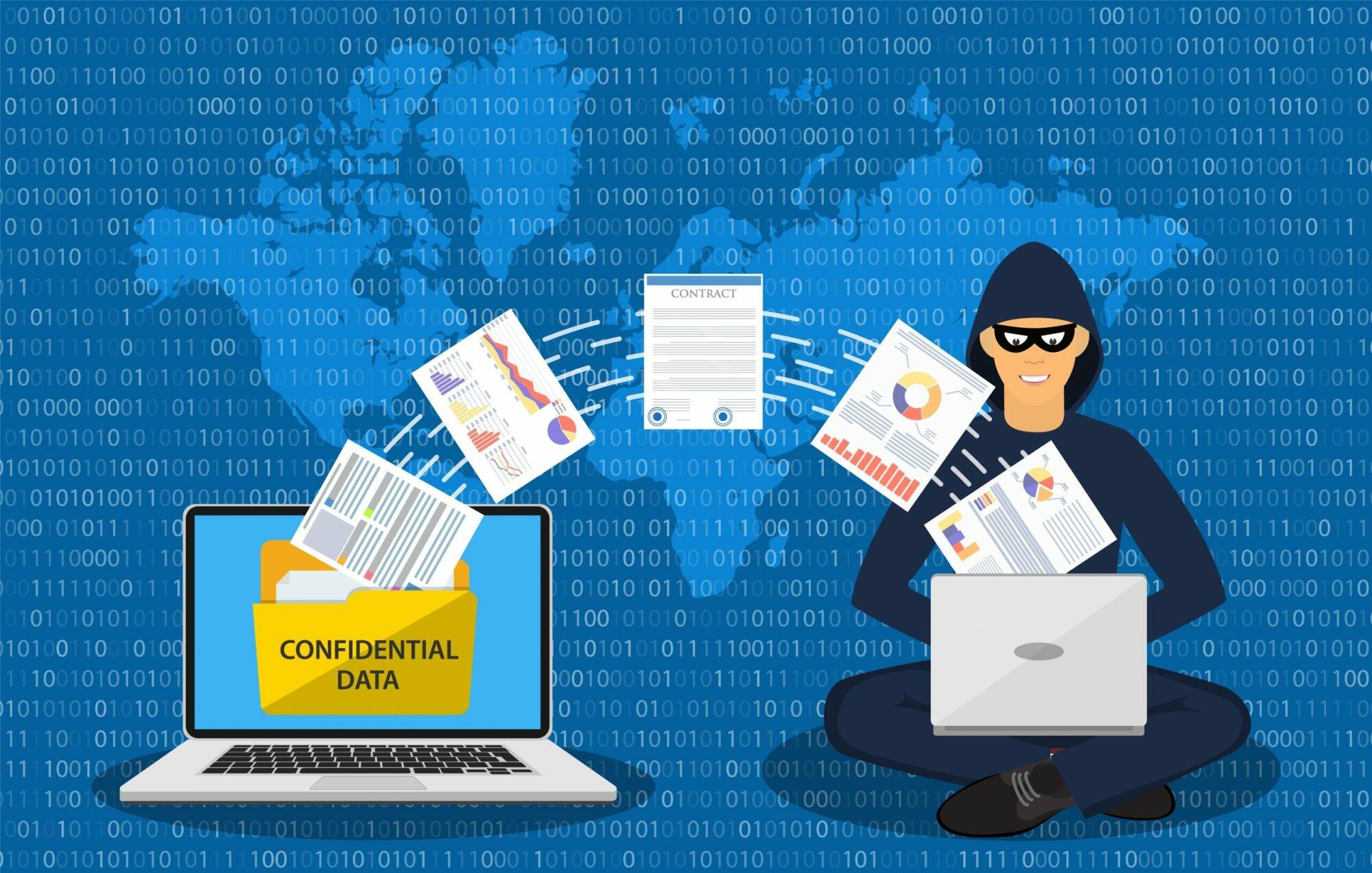
In today’s world, cyber security infrastructure and awareness are prerequisites for the smooth running of almost every industry. It is mainly because cyber attacks have the potential to negatively affect an organization’s efficiency and output. Cyber security awareness is even more essential for small businesses as they are being plagued by a variety of cyber threats including cryptojacking, ransomware, phishing, password tracking attacks and advanced persistent threat attacks (APT).A Cybersecurity Guide for Small to Medium Businesses in 2021

The major reason for the presence of small businesses in the cyber criminals’ target range is the low complexity of their cyber security infrastructure. Reportedly, the most common challenges faced by a small business emanate from employees’ negligence. With limited resources and less complex infrastructure, generating awareness is the only way for small businesses to safeguard themselves against cyber threats.


According to National Cyber Security Coordinator Rajesh Pant, “To know how to defend yourself or your organization, it is important to understand how the attacks happen and what methodology do cyber attackers use to harm organizations.

Risks Faced by Small Businesses Due to Inefficient Cyber Security Management

COVID-19 Cybersecurity: Small and Medium Enterprises in Peril

Gauging the vulnerabilities and leakages in any particular department is difficult until and unless it is put to test. In absence of such introspection, a small business risks losing a lot of valuable time and money. The major risks faced by small businesses include-


  1. Cyber attackers can steal an employee’s credentials to carry out a number of criminal activities like identity theft and targeted spear-phishing attacks. They can also use these stolen credentials to access your company’s corporate network.
  2. A compromised cyber security infrastructure can lead to a data breach and the loss or exposure of sensitive information.
  3. Successful payment frauds or theft of sensitive bank details and passwords can result in substantial monetary losses for the company and its employees.
  4. Recovery from a cyber attack including the costs of cleaning up the systems can serve as a huge financial hit.
  5. Damaged reputation and the loss of customer base are other major consequences of suffering a cyber attack.

Top 5 Small Business Cybersecurity Threats in 2021

Upping the Ante


Adopting the best cyber security practices has become a vital step for all small businesses to stay afloat. The following are some effective measures that small business organizations can take to secure their data and systems-


  1. Deploy cyber security awareness tools where employees are subjected to a cyber attack drill and their reaction towards such a dummy attack is recorded and analyzed. These dummy attacks involve different attack vectors and customized templates to generate cyber security awareness.
  2. Regularly upgrade the already existing cyber security infrastructure to a more complex one.
  3. Use VAPT services to identify the vulnerabilities in your organization’s cyber security infrastructure and correct them as soon as possible.
  4. Remove the software and hardware that is no longer in use to prevent it from getting corrupted. Along with this, update the already existing software regularly.
  5. Employ cyber security experts who are equipped with the knowledge of dealing with cyber attacks in minimum reaction time.
  6. Restrict or ban the use of removable media in the organization to secure its digital infrastructure.
  7. Make sure the data is encrypted while posting any of it online, allowing only authorized users to access it.
  8. Restrict data access to a bare minimum for preventing data breaches and insider threats.


According to the trends observed globally, small business organizations bear the major brunt of cyber attacks as they don’t have sufficient reactionary capacity to defend themselves against such attacks. As recovering from a successful cyber attack can be an uphill task,  cyber security awareness for the employees takes a front seat in such respect along with the review of the organization’s level of preparedness and reaction time.

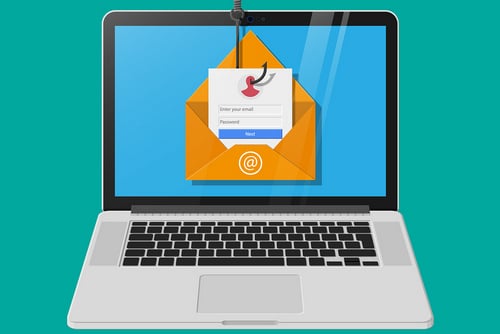
Phishing: Don’t Take the Bait!

What can be the cruelest but most effective way to test your employees if they are aware of the risks and preventions of a phishing attack? Godaddy, the world’s largest domain registrar and web-hosting company, simulated a phishing test for employees to increase alertness levels against phishing attacks.

On December 14, an email tucked underneath the snowflake banner with the words “GoDaddy HOLIDAY PARTY” from “Happyholiday@Godaddy.com” was sent to hundreds of Godaddy employees offering a holiday bonus. The message in the email said, “2020 has been a record for GoDaddy, thanks to you!

What Are the Latest Phishing Scams to Watch for in 2020? | Technology Visionaries LLC

Though we cannot celebrate together during our annual Holiday Party, we want to show our appreciation and share a $650 one-time Holiday bonus!” it further added.

To ensure that the recipients receive the bonus, they were asked to fill in the personal details by December 18. But instead of receiving the bonus, two days later, almost 500 employees received an email from the company’s Chief Security Officer, Demetrius Comes.

Though many criticized the bonus offer in GoDaddy’s test as insensitive, companies do organize phishing simulation tests to educate employees on cybersecurity.


GoDaddy is not the first company this year to provide phishing email awareness for employees. Earlier this year, Tribune Publishing, a giant newspaper company in America, sent out a similar phishing email to the employees.

The email circulated by several employees on Twitter said the company was providing targeted bonuses between $5,000 to $10,000. Only to find out later that it was a phishing test sent from the company.


Why Should Organizations Run ‘Employee Phishing Test’?

Imagine the consequences, if GoDaddy’s phishing test was not a test but a real phishing attack from a hacker! Roughly 500 employees failed the test, so, almost 500 of them would have submitted their personal information to hackers. This could have led to a complete disaster for the company.

The scariest thing about that GoDaddy phishing test story - Domain Name Wire | Domain Name News

Providing this kind of real scenario phishing attacks helps employees understand what the falsified email might look like. And how it can trick them into falling for the scam by offering some incentive or creating a sense of urgency. The test helps the employees in recognizing phishing emails as well as to avoid and report it.


According to phishing statistics 2020,  97% of the users are unable to recognize a sophisticated phishing email. This is probably why phishing attacks, Business Email Compromise (BEC) attacks and other email-based attacks are rapidly increasing every passing year. In fact, BEC attacks yielded the most profit for cybercriminals in 2020!


How to Detect Phishing Attacks?

Phishing attacks today have evolved and become more sophisticated than ever before. These attacks are becoming increasingly difficult to differentiate between a legitimate email and a fake email. But here are a few ways that your organization can follow to detect phishing attacks and protect your organization and the employees against phishing attacks:


  • Email domain name

It is advisable to always check the name, email address and make sure no alterations (additional letters or numbers) have been made in the email domain or the email address. For example, a legitimate email address might be john@business.com but an altered email address can be john@busineess.com or john@busiiness.com. If you are receiving an email from an unknown organization then you can also check the organization’s domain name by writing the company’s name in a search engine like google.


  • Sensitive information and sense of urgency

A legitimate company or any government agency would never ask you to send your sensitive information over email. So, if an organization is asking you to send your credentials or personal information like username or password through email, it is recommended to not send it and get the mail verified personally. Moreover, most of the time scammers create a sense of urgency. Just because if there is not much time left then you don’t have enough time to think or cross-check. But you do not want to be in a hurry when it comes to losing your personal information.


  • Poor spellings and grammatical errors

You can often spot a phishing email if it contains poor spelling and grammar errors in the message. Legitimate companies have qualified and trained employees to write emails and the emails are double-checked before the emails are sent out to their staff or clients. So, if a message has poor spelling or grammar errors, it’s always better to cross-check if the email is from a legitimate company.


  • Too good to be true or designed to make you panic

It is common for phishing emails to offer a coupon for free stuff or to instill panic. The email message will either be offering some rewards which you were not expecting or will create panic by claiming that your account is compromised. To receive the reward or to secure your compromised account, you will need to verify you are the legitimate person by either giving out your credentials or by entering your login details. The common goal of both messages is to get your credentials or personal information.


  • Suspicious links or attachments

Phishing emails come in many different forms but no matter how the email is delivered to you, it always comes with a gateway. It can either be a link to redirect you to a bogus website or an attachment that you are asked to download. No legit companies will randomly send you links or attachments and if they want you to download something then it will be from the official website.


How to Prevent Phishing Attacks?

Your email spam filters might help you keep away numbers of phishing emails from landing into your inox but malicious actors are constantly finding ways to outsmart spam filters. So, it is highly recommended to add extra layers of protection against phishing attacks. Here are some precautious steps your organization can implement:

10 Tips on How to Prevent Phishing Attacks on Your Personal Data

  1. Protect the devices by keeping the software up to date with the latest security updates and patches.
  2. Enforce strong password policy, passwords that are not easily guessed and avoid sharing passwords to elude the risks of password sharing at work.
  3. Add an extra layer of security for the password with multi-factor authentication.
  4. Encourage your employees to report suspicious emails with tools like Threat Alert Button.
  5. Routine backup the confidential or important data in an external hard drive or cloud storage and also encrypt all sensitive company information.


There are multiple steps your organization can take to prevent email phishing attacks, however, it is important that your employees recognize the phishing emails.


Your organization must get a regular VAPT service in order to identify cybersecurity vulnerabilities and threats. It is a must to implement tools like KDMARC to prevent your email domain against domain forgery and protect your brand.


These services and tools help your organization in safeguarding against cyberattacks and it is highly recommended that you continue. But all it takes is one untrained employee to be tricked by a phishing attack to give away all the information.


The most effective way to educate employees is to provide cybersecurity training with tools to make them aware of the latest cyberattacks including phishing. It will not only provide them with the knowledge of most of the common cyberattacks happening worldwide but will also help them to avoid them.


You can also provide security awareness email samples and phishing awareness emails to employees. It can be done regularly or periodically but to remind them of how it looks and what they should look out for.


Making sure your organization and the employees strictly follow the cybersecurity protocols is the best way. In fact, it is the best possible way out to protect your organization against cyber threats.


You can fool some of the people all of the time, and all of the people some of the time, but you cannot fool all of the people all of the time.” – Abraham Lincoln


The malicious actors have succeeded in fooling the employees to give out personal information. They have even succeeded in jeopardizing an organization’s network and IT infrastructure. But it’s up to you if these threats shouldn’t harm your organization in the present or in the future by taking the right steps!

Indian Banks mounting Online Frauds

With the significant rise in the use of digital systems over the years, there has been a rapid increase in cyber frauds around the world. Cyber criminals have grown much more sophisticated, making it more complicated for organizations to defend themselves against cyber threats.

As technology advances, we rely even more heavily on the internet today. Everything we do can be done online including work, entertainment, shopping, and banking. The internet has made doing everyday tasks considerably easier.

Indian Bank frauds: Why bankers are hesitant to report frauds

However, it has also led to a drastic rise in cyber crimes around the globe. Seeing how Indians have started doing online banking transactions more now, the number of online banking frauds in India has increased substantially.


According to the RBI’s annual report, bank frauds of ₹100,000 and above have more than doubled in value to ₹1.85 lakh crores in FY20 as compared to ₹71,500 crores in FY19. Also, the number of such cases has increased by 28% in the same period.


However, the financial sector has been putting consistent efforts to secure the systems and users. But malicious actors are duping people over the internet by various means to steal their money or sensitive information.


Reports on Recent Online Frauds in India

According to a report by Hindustan Times, India has lost a total of  ₹615.39 crores in more than 1.17 lakh cases of online banking frauds from April 2009 to September 2019. The occurrence of these frauds is spread over a decade. But the banking industry is witnessing a significant rise in the number of online banking frauds.


There was a concentration of large value frauds, with the top 50 credit-related frauds constituting 76% of the total amount reported as frauds during 2019-20. Incidents relating to other areas of banking, like an off-balance sheet and forex transactions, fell in 2019-20“, said RBI.

₹129 crores have been lost in just the last three months of 2019 and a total number of 21,041 such cases were registered in these three months”, said Anurag Thakur, MoS, Ministry of Finance in Lok Sabha in reference to a recent online fraud in India.

Cyber Frauds In The Indian Banking Industry

How to Prevent Online Banking Frauds?

Consumers aren’t the only ones facing online fraud. With the increasing number of data breaches and fraudulent emails targeting retailers and organizations, businesses are increasingly at risk of online fraud.


Becoming a target or a victim of such fraud does not only bring disruption to business operations. It also causes the organization the loss of customers’ trust, brand reputation and sensitive data.

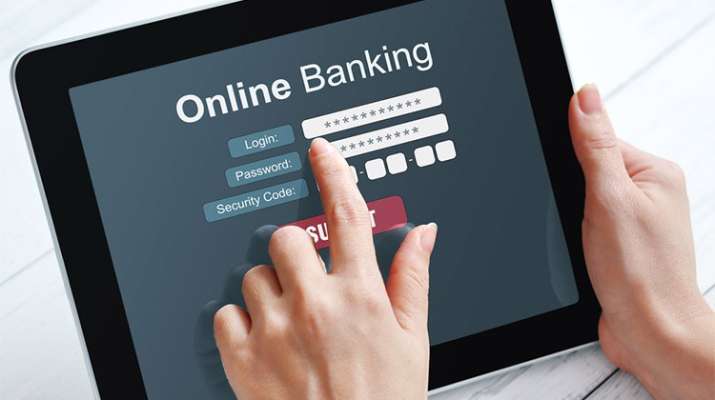
Online banking fraud: 7 tips to ensure fraudsters can't swindle your money | Online News – India TV

So, it is critical that organizations adopt certain cyber security measures to avoid learning an expensive lesson, which can often lead to more grievous consequences.

Best practices to Prevent Online Banking Frauds:


  • Keep financial data separate

Organizations must use a separate system dedicated to performing financial transactions and backing up the data in an external drive regularly. Moreover, restrict or limit access to financial information and data.


  • Know who is asking

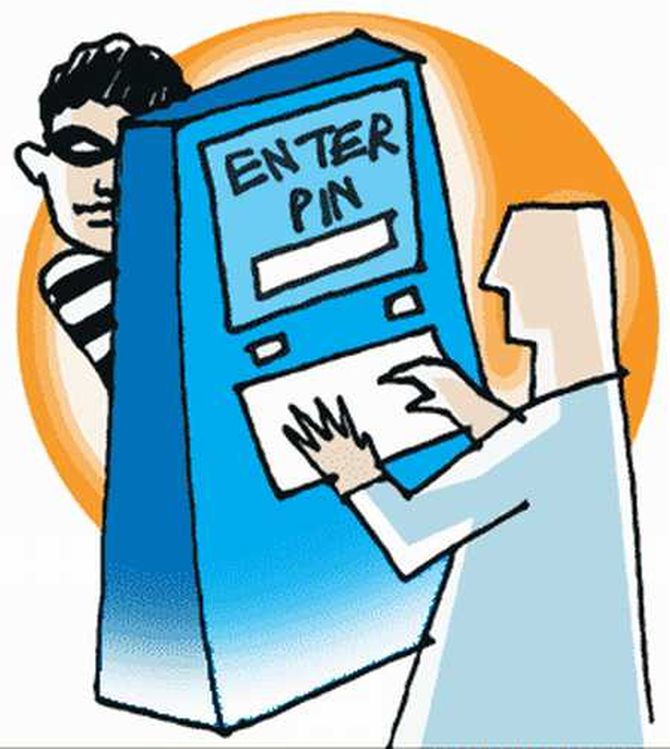
Banks never ask for personal information over the telephone, emails, or text messages. Therefore, avoid sharing PINs, passwords, or your organization’s financial information without proper verification.


  • Keep it secret and safe

Create a strict password policy to avoid the risks of password sharing at work. Also, never leave files containing access to the financial information in an unsecured place. Moreover, make sure to always leave your computer locked when unattended.


  • Manage user authentication

Restrict email address/IP locations to allow only authorized users to make transactions on behalf of the organization. Make purchases only on authorized and legitimate websites and review the organizational financial statements regularly.


  • Cyber awareness training

Educate employees about cyber security awareness. It helps in simulating cyber attacks to check the number of vulnerable employees in your organization and train them accordingly.


Providing this training makes the employees familiar with the attacks and give them the knowledge of what needs to be done when such attacks occur.


Where to Report Online Frauds in India?

In case you failed to take the precautions and become a victim then it is urged to immediately register a complaint with the local police or cyber crime authorities.


Also, the moment you realize that a suspicious transaction has been done from your bank account or your debit/credit card, inform the respective bank immediately.


Scams and online banking frauds have been constantly evolving and rapidly increasing over the years in India. Organizations should come up with more comprehensive and complex cyber security measures to protect the business and the customers.


Moreover, every industry should embrace a culture that following cyber security protocols is not a necessity but mandatory.


Banking Industry: A witness of Cybersecurity Challenges

Cybersecurity attacks are evolving, getting more sophisticated, more frequent, and spreading worldwide. It seems like not a day is passed without an organization suffering a data breach or a customer of a bank losing money from the account through stolen credentials.

While most industries worldwide are affected by the imminent peril of cybersecurity threats, the banking industry is one of the prime targets. After all, the sector deals with what the attackers want the most, ‘money and personal information’.


Cyberattacks: The Roaring Trade

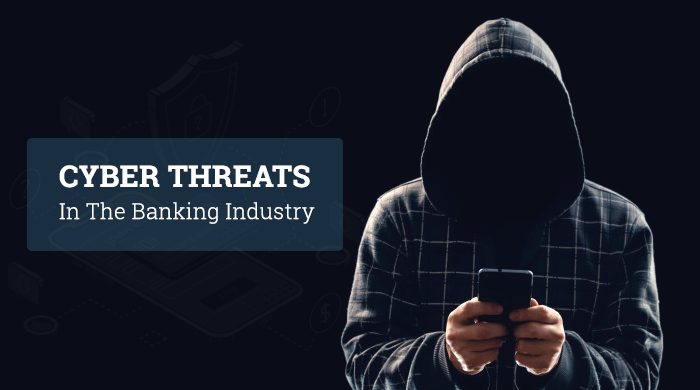
Cyber Threats To The Banking Sector To Watch Out For | ClaySys

Cyberattacks on financial firms have become a flourishing money-making business for cybercriminals. As per the report from a cybersecurity firm’s research, cyberattacks against banks spiked by a massive 238% from the beginning of February to the end of April 2020.


In 2017, financial firms saw the highest volume of cybersecurity attacks over any other industry. This threat landscape is widening as it is getting more sophisticated and diverse. The annual cost of cyberattacks in the banking industry has reached $18.3 million per enterprise.


We have witnessed cybersecurity attacks making headlines for several years. Some of the most headline-making cyberattacks have been the DDoS attacks. These attacks flood customer-facing bank websites with traffic and take them offline or attacks on the Swift based money transfer systems, among others.


We have also witnessed big banks suffer these attacks over a decade. Recently, hackers stole $81 million from the Central Bank of Bangladesh. In fact, last month, a powerful DDoS attack struck Hungarian banks and telecom services. It was the most powerful and one of the biggest cyberattacks Hungary had ever encountered.


As fast as the organizations are adopting new-age technologies, hackers are constantly finding ways to penetrate and target exploitable security vulnerabilities. Thus, making it evident that cybersecurity attacks are increasing rapidly every passing year.


A Strong Barricade For The Assets

Banks not only store money but also gather network activities and personal information of the customers. Information that includes names, phone numbers, addresses, email addresses, and dates of birth. This data has inherent value and can be used for other malicious activities such as identity theft, which can often lead to more disastrous and grievous consequences.

Addressing the cyber attacks faced by financial services firms?

In today’s world, cybercriminals are getting advanced with modern technologies. They develop custom-built malicious code that is not necessarily picked up routinely by antivirus protection. So it is very important for the sector to address the modern times demand.


The banking industry needs to realize the assets they have in store and what mechanisms might be used by attackers to get into their organization. They need to identify the weak points and the measures needed to strengthen the IT infrastructure, based on the risk assessment to defend against those potential threats.


It is high time to shift from passive cybersecurity to active cybersecurity, which is switching from what is largely reactive to embracing the white hacker to test the strength of IT infrastructure security. Regardless of how sophisticated the attack is, it mostly starts by trying to trick the employees into doing something that jeopardizes the system.


Therefore, the industry should not only focus on the systems but also get the employees to take the measurements to defend the loophole. Making the employees understand the approaches that these attackers take and what can be done to minimize the exposure to that risk.


According to a report by Deloitte India, cybersecurity attacks are getting complex each passing day and to prevent these threats banks will also need to hire Chief Risk Officers. The officers who are experienced in taking responsibility and lead the firm with military-level cybersecurity solutions to identify the modern sophisticated cyberattacks.


Having a CRO (Chief Risk Officers) will help the firm in managing the operations to prevent cybersecurity threats. It can also fill the responsibilities, including identifying, evaluating, reporting the threats and monitoring the external and internal cyber threats to the firm.


Methodology For Mitigating The Threat

It’s about time for financial firms or any industry to stop relying on the obsolete IT infrastructure. Instead, they should adopt cybersecurity measures that are more complex and sophisticated than ever before to prevent prevailing and emerging cyber threats.


Here are some basic steps the financial firms can implement to minimize the risk of a cyberattack:

Cyber risk management in consumer business | Deloitte Insights

  • Identify and classify the assets- It is important to identify and categorize the information assets, based on its level of sensitivity, value, and criticality to the bank. Information assets including various categories of data that are highly-restricted, confidential, internal use, and the public.
  • Risk assessment- It is advisable for every bank to prepare a cybersecurity risk assessment, and implement a cybersecurity protection plan to address those threats identified in the risk assessment procedure. This helps the organization to mitigate the factors that cause disruption in running a smooth business operation.
  • Identify threats and vulnerabilities– Threat and vulnerability can be subjected to a person, an organization, weaknesses in the system or the network. So it is not a necessity but mandatory for the organization to identify these threats and vulnerabilities through penetration testing in order to patch the weaknesses that can be exploited to gain access and affect the system.
  • Analyze risk- As mentioned earlier, the bank has the assets that the hackers sought for. So, analyzing the risk to these assets based on the impact or criticality is a way to go for an organization. The process should occur on a regular basis to identify any new potential threats.
  • Educate employees- All employees should be aware of the threats and consequences of ignoring it. For instance, they should be aware of the hazard by clicking a malicious link or opening an attachment from an unknown person. So, it is crucial to provide cybersecurity awareness training for the employees with tools that helps in raising awareness to prevent cyberattacks. It is particularly important because most of the cyber incidents are the result of  “human error.”

Security Flaws in Web Application and its Mitigation

The inability to identify vulnerabilities in a web application can leave it unprotected against potential attackers, resulting in the most severe consequences. Web application vulnerabilities include a system weakness or flaw in a web-based application that leaves you susceptible to security attacks, risking the loss of valuable company or customer data.The inherent complexity of a web application’s source code increases the possibility of malicious code manipulation and unattended vulnerabilities. High-value rewards such as sensitive private data obtained by successful source code manipulation have made web applications a high-priority target for attackers. This makes it essential to thoroughly understand web security vulnerabilities and how to prevent them.

Types of Web Application Vulnerabilities

Common Web Application Vulnerabilities | EC-Council University Official Blog

Web application vulnerabilities are caused due to misconfigured web servers, application design flaws or not validating or sanitizing form inputs. They are prioritized based on their detectability, exploitability and impact on software. So, here is a list of some of the most critical web security risks according to the Open Web Application Security Project (OWASP):

  1. Injection: Injection flaws, including SQL, OS, LDAP and NoSQL injection, take place when a query or command with untrusted data is received by an interpreter. The hostile data by an attacker can trick the interpreter into accessing data without authorization or executing unintended commands. This can lead to the unauthorized viewing of lists, unauthorized administrative access and deletion of tables.


  1. Broken Authentication: This occurs when application functions related to session and authentication management are implemented incorrectly. It allows attackers to not only easily compromise passwords, session tokens or keys but also assume the identities of other users temporarily or permanently.


  1. Sensitive Data Exposure: Sensitive data can easily be compromised if special precautions are not taken when exchanged with the browser or some extra protection, like encryption at rest or in transit, is not implemented. Many web applications are unable to protect sensitive data properly, which allows attackers to steal or modify it, resulting in credit card fraud, identity theft and a number of other crimes.


  1. XML External Entities: Attackers can exploit poorly configured XML processors to access confidential data, inject additional data, create remote tunnels and execute applications. This vulnerability can also lead to Server Side Request Forgery (SSRF), denial of service attacks and remote code execution.

How to Execute an XML External Entity Injection (XXE) | Cobalt | Cobalt.io


  1. Broken Access Control: With access control, you can manage the sections of a website and application data accessible to different visitors. If these restrictions are not enforced properly, attackers can easily take advantage of these flaws to get access to unauthorized data or functionality. This can enable these attackers to access the accounts of other users, view sensitive files, change access rights and modify the data of other users.


  1. Security Misconfiguration: Counted amongst the most critical web application security vulnerabilities, it offers attackers an easy way into your website. Attackers can exploit unsecure default configurations, open cloud storage, incomplete or ad hoc configurations, verbose error messages with sensitive information and misconfigured HTTP headers. All operating systems, libraries, frameworks and applications can be susceptible to security misconfigurations.


  1. Cross-Site Scripting: This vulnerability occurs when untrusted data is included in a web page without validation. It injects malicious code into the web application and executes it on the client-side. It helps attackers execute scripts in a user’s browser to hijack user sessions, redirect the user to malicious sites or deface websites.


  1. Insecure Deserialization: Often resulting in remote code execution, deserialization flaws allow cybercriminals to perform a variety of attacks including injection attacks, privilege escalation attacks and replay attacks.


  1. Use of Components with Known Vulnerabilities: Various components such as frameworks and libraries run with the same privileges as the web application. Even if a single vulnerable component is attacked, it can cause server takeover and serious data loss. For this reason, a web application that uses components with known vulnerabilities can seriously compromise its defences, leaving it open to attack.


  1. Insufficient Monitoring and Logging: Insufficient logging and monitoring along with ineffective or missing integration of incident response can cause another major vulnerability. It can help attackers further attack systems, tamper, destroy or extract data and maintain persistence, pivot to more systems. According to security studies, it often takes more than 200 days to detect a breach. And it is usually detected by an external party instead of internal monitoring or processes.


How to Prevent Web Application Vulnerabilities?

How to prevent top 7 Web Application Vulnerabilities?

Organizations that do not properly secure their web applications are more susceptible to malicious attacks, resulting in information theft, revoked licenses, damaged client relationships and legal proceedings. There are several measures that you can take for securing your web applications:

  1. Web application firewalls (WAFs): WAFs are hardware and software solutions designed to examine and monitor incoming traffic for blocking any attack attempts. They offer the best way of compensating for any code sanitization deficiencies.


  1. Information gathering: Classify third-party hosted content and review the application manually to identify client-side codes and entry points.


  1. Authorization: Test your application thoroughly for path traversals, missing authorization, insecure, direct object references and horizontal and vertical access control issues.


  1. Cryptography: Secure all data transmissions, encrypt specific data, check for randomness errors and avoid using weak algorithms.


  1. Denial of service: Test for anti-automation, HTTP protocol DoS, account lockout and SQL wildcard DoS for improving your application’s resilience against denial of service threats. Use a combination of scalable resources and filtering solutions for protection against high-volume DDoS and DoS attacks.

Apart from the above measures, running a periodic Vulnerability Assessment and Penetration Testing is essential too. VAPT looks for possible and common vulnerabilities related to the platform, technology framework APIs, etc., and runs exploits on the web application to evaluate its security loopholes. It provides the organizations with reports on discovered vulnerabilities, the nature of the vulnerability, threat level, its impact and measures to eliminate it.


Online Brand Protection: Detection, Inspection, and Destruction

The Top Questions We Get Asked About Brand Protection - The Search Monitor

Is Your Brand Secure Online?

It takes decade building a trusted brand that is vibrant and customer engaging. As a trusted online brand, your customers expect you to secure their private information and go over-and-beyond in defending them from becoming targets of cyber crooks.

In this era of a developing digital age, brand owners are at a huge risk of falling victim to a multitude of online threats. It takes only a mere moment of negligence and online fraud to leave a brand devastated from its reputation.

Brand protection – how to keep your business safe online

If this wasn’t obvious enough, the internet has already become a new arena for brand-related crimes such as identity thefts, virtual crimes, and data hacks. Over 150 brands are hijacked because of phishing attacks, every month. Cybersquatting crimes alone cost over $1 million annually to the brand companies.

Building and maintaining social media accounts, websites, and email campaigns for targeting prospects and clients is highly important to promote a business and a brand on an online platform. These things are highly essential, but they also make brands vulnerable and open to the prevailing cyberattacks.

There are miscellaneous ways to fall victim to unethical online practices and tools that not only affect the brand image but the entire organization. Online brand abuse, brand counterfeiting, cybersquatting, and cyber threat activities are needed to be combated with the right investigation and proper brand monitoring tool to prevent the loss of revenue, secure brand reputation and maintain customer trust.

Time for Online Brand Protection


Top 5 Brand Protection Strategies for 2015 - Fourth Source

With innovation and advancement in technologies, there should be proper strategies for domain and brand protection online. Every organization should be vigilant towards the online security of its brand and must make sure that their brand is not being used as a vehicle of impersonation and fraudulent messages.

Cyber fraud comes in an ever-evolving array of various forms. From phishing websites, brand impersonation to identity theft, many comprehensive cybercrimes can cause serious financial loss to an organization.

Brand protection online is critical and it goes beyond setting up firewalls or antivirus software. It requires having employees who are aware of the existing cybersecurity threats and are proactive towards the impending cyberattacks. Along with that, it includes the proactive scanning of public domains and Dark Web servers to identify any evidence of brand counterfeiting.

The main role of online brand protection is to find and shut down fake social media profiles or websites that use your company’s logo or message people in your brand name to steal login credentials and access to your secure networks.

Top 3 Online Brand Protection Solutions

With the help of the right tools in the right place, protect your brand online along with your digital assets against brand infringements. Here are some simple tips and brand protection solutions that an organization must implement and follow:

Website SSL

The benefits of having SSL certificate on WordPress Website

Website Secure Sockets Layer (SSL) is a security standard that creates an encrypted link between the web server and browser or a mail server and mail client. With website SSL, customers can more easily determine whether they have landed on your legitimate and official website or not. Websites that hold private data must have this implemented so that customers are aware of the information that is processed through that site is encrypted and authenticated.

Brand Monitoring  

How to Apply Employee Monitoring Without Compromising Workplace Culture | SoftActivity

Make sure that no negative publicity of your brand is existing on the web and is not leaving a wrong impact on your customers. Proactive brand monitoring on the web is a smart way to identify and check the fraudulent cyber activities taking place against your brand.

Take Down of Phishing Websites

Sports Clipart - Free Wrestling Clipart to Download

According to Webroot, around 1.5 million phishing websites are created every month. Brands on an online platform need to stay protected from cyber fraudulent activities like brand infringement and phishing websites/mobile applications.

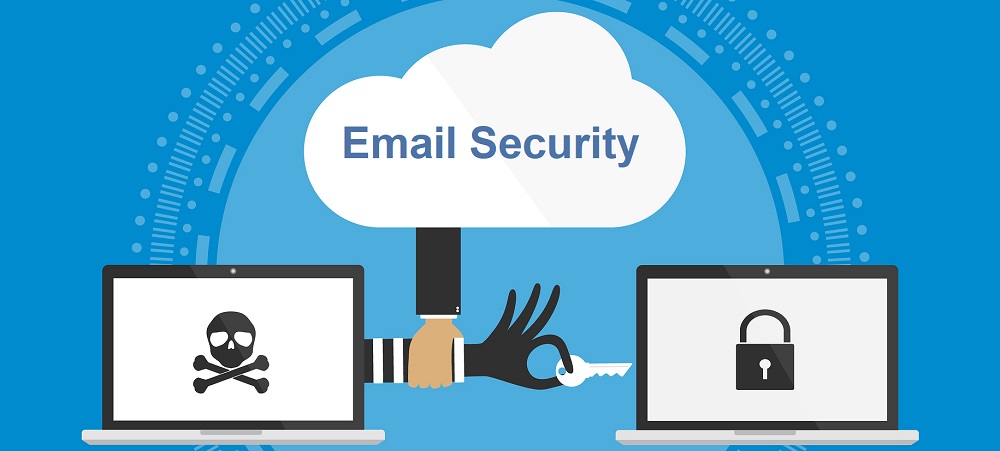
2021’s Top Email Security Practices

Best 5 Steps to Enhanced Email Security | Improve Email Security

Why is Email Security Important?

Whether exchanging emails across networks or dumping them in your spam folder, a huge amount of data is sent, received and stored. You may not realize but there are high chances that an unsecured email might have landed in your inbox which can act as a source of data exploitation. Now you wouldn’t want that, would you? That’s why email security is very essential for our daily routine in order to keep a check if any malicious email is accessing our inbox or not. The cybersecurity professionals working in every industry vertical must stay updated with the prevailing attacks possible through emails.

Europe's cybersecurity finest failing on email security basics - IT Security Guru

According to ComputerWeekly.com, 82% of organizations claimed to have faced email-based cybersecurity threats in 2018. Whereas, ransomware seems to be the biggest cyber threat in the coming year. The reason being, ransomware attacks that encrypt critical business files and demand for ransom in return are often sent to individuals working in organizations by emails only!

These eye-opening facts call for proper email protection solutions that are needed to be implemented in every organization as a defensive system against invading cyber threats. As far as cybersecurity is concerned, the best solution is using email security tools that incorporate a wide range of security techniques that email accounts and services have. Proceed further for the top 5 email security practices that can benefit your organization from email-based cyber risks.

The 4 Types of Email Security Practices 

  • Never click the “unsubscribe” link in spam emails:

5 things you should know about email unsubscribe links before you click – Naked Security

At times, certain emails manage to surpass the spam filter and land in your inbox. For instance, you come across one such certain email and on opening it, you discover that it looks like a phishing email. What would be your first instinct? In any normal situation, users tend to unsubscribe suspicious-looking emails but that is not actually safe!

Hackers are good manipulators and they use such links to fool people into clicking attachment which redirects the targeted users to a phishing site. Apart from that, these links also provide hackers with a back door for access into your system.

  • Avoid Public WiFi:

Public WiFi Risks and How to Avoid Them - Free WiFi Hotspot - Best Free WiFi Hotspot Creator to Share Network

Never access emails from a public WiFi because they are less secure and hackers choose public WiFi to steal information by passing through a weak network. Cybercriminals require nothing but a laptop and basic software to hack into public WiFi networks and monitor all the traffic. Accessing emails via unsecured public networks can lead to misuse of user’s credentials and a huge loss of sensitive data. This could also result in further intended targeted cyberattacks that are down the line.

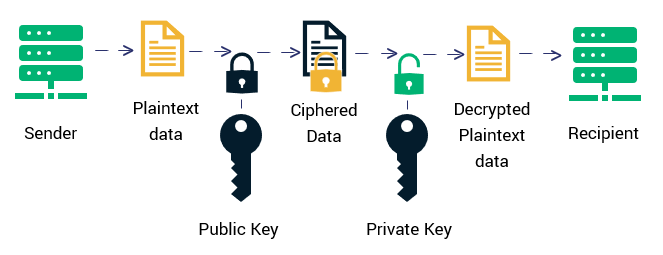
  • Email Encryption:

How Do I Encrypt an Email & Send It Through Gmail or Outlook?

Disguising and encrypting email content potentially protects the sensitive data that is sent and received, from being read by anyone except the intended recipient. With email encryption, you can secure your emails over untrusted networks from eavesdroppers or any third person trying to invade in between the email exchange. This security strategy reduces the chance of disclosure of information as well as alter of message content.

  • Employee Education:

5 Things Every Full-Time Employee Should Consider About Education

Limit the chances of cyber risks in your organization by providing employees with cybersecurity awareness training tools. Along with the implementation of policies and email security tools to prevent cyber threat postures, it is essential to encourage employees to become proactive in combating attack vectors like ransomware, phishing emails, and cyber scams. Security awareness tools is an AI/ML-based security attack simulation tool that assesses the real-time threat posture of an organization. With the unlimited number of attack campaigns and automated training campaigns, this product builds cyber awareness among the employees in an organization and creates a resilient working environment.

safety clipart - Clip Art Library

Implementing and working on the above-mentioned email protection solutions will not only keep your data safe but will also be beneficial in the long term. In order to protect your business, it is important to make sure that all your employees are empowered to make email based decisions and are protected from data thefts.

Hackers are everywhere nowadays and they won’t stop holding back from discovering vulnerabilities and exploiting your data. Secure your organization now with a robust email security tool in order to reduce the chances of becoming a victim of the prevailing cyber threats.

Web Accessibility

Web Accessibility refers to websites, browsers, and web technologies that are designed and developed with a focus on inclusivity. The web was originally conceived for conventionally abled individuals, whereas Web Accessibility ensures that navigating and interacting with the web is not only viable for all, but comfortable for those who may be differently-abled.

As the World Health Organization (WHO) notes, however, “disabilities is an umbrella term, covering impairments, activity limitations, and participation restrictions, ” whereas the goal of web accessibility is primarily concerned with auditory and visual impairments.

While there are many ways to implement web accessibility solutions, the World Wide Web Consortium (W3C) is the global standards organization for today’s web.  W3C has published the Web Content Accessibility Guidelines (WCAG) that sets the industry standard, acting as a guide to modern web accessibility.

WHY IS WEB ACCESSIBILITY IMPORTANT? 

Bigger Addressable Market

The internet is the world’s primary source of information; it is of the utmost importance that everybody is able to access it. There are over 4.5 billion users on the web, while, according to WHO, about 15% of the world’s population live with some sort of disability. These numbers imply a plethora of users who may struggle with various aspects of internet use. Disabilities can be permanent (such as certain birth defects,) temporary (for example, a broken finger,) or situational (not hearing your phone ring in a crowded concert). Ignoring web accessibility could mean cutting access to many potential users and paying customers. If we pay attention to inclusive design and development for the web, we can bridge an important gap, making sure all potential users have access.

Legal Liability

Beyond being the right thing to do and increasing your addressable market, there’s a legal reason to have an accessible website. The Americans with Disabilities Act (ADA) was signed into law in 1990. While ADA did not specifically mention the internet, numerous legal interpretations and court rulings indicate at least some ADA requirements apply to the virtual world.

Title III of the ADA, for example, requires that public accommodation be provided to disabled persons in a manner that allows for the “full and equal enjoyment” of the privileges, goods, services, advantages and accommodations as those provided to able-bodied persons. Businesses are responsible for making sure those accommodations are made with “reasonable modification.” Any business not providing for that accommodation may committing a form of unlawful discrimination, as stated in 42 U.S.C. section 12182(b)(2)(A)(iii).

A recent example of a business being sued over an inaccessible website is Robles v. Domino’s Pizza, Inc.. The US 9th Circuit court reaffirmed a ruling that Domino’s could be held liable for violating the ADA by not having an accessible website.

THE CURB-CUT EFFECT

Accessibility-oriented enhancements frequently turn out to be useful for all users, whether or not the users are conventionally abled. The curb-cut effect describes this phenomenon. The phrase was popularized when designers noticed pedestrians using a sidewalk feature originally created for wheelchair bound pedestrians. In this instance, conventionally abled pedestrians opted to use sidewalk ramps (i.e. curb-cuts) when they had bikes, strollers, heavy grocery carts, or were otherwise encumbered.

In “The Best iOS Accessibility Features Everyone Should Use,” power-user Lifehacker blogs about multiple features Apple specifically developed in order to enhance iPhone usability for disabled individuals. Lifehacker shows how these features are helpful to all users, regardless of ability, outlining several digital examples of the curb-cut effect.

SEO Benefits

Improving your ranking in Google is yet another reason to focus on web accessibility. While Google’s ranking algorithm is often perceived as unknowable and complex, the primary factors that control search results are in fact simple: authority and relevance. Authority is mostly determined by how many popular, relevant sites link to the site in question. Relevance refers to queues Google uses to determine if site content would be meaningful as a search result for a given query. In judging relevance, Google needs to know what a site is about. While Google’s web crawlers can read a site’s text with relative accuracy, they can’t yet reliably understand the content of images. Accessibility features designed to help the visibly impaired are simultaneously very useful to Google’s crawlers, helping them better understand a page, which ensures the best possible ranking.

WHERE DO I BEGIN?

Web accessibility shouldn’t just be a priority for developers, but for designers, QA, backend engineers, and product managers as well. Since websites usually start with a wireframe design, it is most effective to lay the groundwork for an inclusive website at this initial design stage. This way, it is easier to catch early biases and immediately set up your website for inclusivity and success.

Microsoft offers a handy inclusiveness design portal with a variety of resources for those looking to expand their knowledge on accessible design.  This Cards for Humanity tool is a great way to start thinking about various types of limitations you might want your site to account for.

STEPS FOR DEVELOPERS

The Web Content Accessibility Guidelines, which set the industry standard for web accessibility, hold four main principles. These principles are referred to as POUR: Perceivable, Operable, Understandable, and Robust.

  • Perceivable: How users process information on a website
    • e.g. Can those who are visually impaired perceive the content of an image?
  • Operable: How users navigate the website and its functionality
    • e.g. Can a user who struggles with a mouse pause a video with their keyboard?
  • Understandable: How simple it is for a user to operate the website and intuit the flow
    • e.g. Will a form easily indicate if the user missed filling out a field?
  • Robust: Can the user experience the website through a variety of mediums, including assistive technologies, without having to compromise?
    • e.g. Can a user with a screen reading Chrome add-on access the same content a conventional visitor can?

Other guidelines to take into account as a developer include keyboard controls, color contrast, semantic HTML for correctly intentional element tags, and ARIA labels for describing an element with no text.

Final Thoughts

Since the web is integral for accessing information, as well as heavily relied on for connection and community, Web Accessibility should take priority with each iteration of web development. Accessibility should be constantly reworked and improved to provide access to everyone who needs it. We believe that accessibility will soon be considered a must-have for every minimum viable product (MVP,) rather than seen as an optional upgrade.

Creating an accessible web is the right thing to do, and improves the cyberspace experience for all users.

India’s 2020 Cybersecurity master plan

Top Cybersecurity Challenges 2021 - Solve Data Protection Issues

The Current Cybersecurity Challenges in India

Every year, the industry of cybersecurity in India faces new challenges and responsibilities to safeguard the growing online data and the digital economy. Did you know the digital economy currently comprises 14-15% of the total economy of India? While with more than 120 recognized ‘data centers’ and clouds in India, the digital economy is targeted to reach 20% by the year 2024!

Moreover, the incorporation of artificial intelligence (AI), machine learning (ML), Internet of Things (IoT), cloud computing and data analytics, has again become a huge challenge for the cyberspace as apart from becoming a more complex domain, it is giving rise to technical issues and the anticipated cyber risks.

Cybersecurity looks to the cloud to protect data at sea

However, with the development and introduction of advanced technologies in the market, India is yet to face and tackle new problems in the domain of cybersecurity. This disruptive innovation has brought India to crossroads with a complex network of modern enigmas and unprecedented harm.

Below mentioned are some of the major cybersecurity challenges that our nation is facing:

  1. Email-based and internet-facing applications still remain to be among the top threat vectors.

  2. With people depending more and more on the cloud infrastructure and solutions, human error continues to be the primary source of misconfigurations and vulnerabilities.

  3. In the research analysis of 50,000 emails, a significant increase in the conversation hijacking attacks by 400% between July and November 2019 was experienced. Therefore, this still continues to be a major cyber risk

  4. Growing online transactions seems to have generated considerable incentives for cybercriminals.

  5. Phishing and unethical cyber practices have grown a hundredfold in the past few years, making it easier for even non-technical perform hacking.

  6. Cloud, 5G and IoT devices have evolved as among the biggest cybersecurity threats of 2020.

The New Cybersecurity Approach for 2020

Back in late 2019, India was at the target of two cyberattacks in the same month. Moreover, the malware attacks at the Indian Space Research Organization (ISRO) and Kudankulam Nuclear Power Plant were believed to have happened due to phishing attempts on employees. After experiencing these devastating cyber risks, India is all set to fill the security gaps with the new Cybersecurity Strategy 2020!

With the vision of creating a “cyber-secure nation” for businesses as well as individuals, the Indian government is ready to release the cybersecurity strategy policy in January 2020 with an aim to achieve the target of $5 trillion economy.

Cybersecurity

Meanwhile, on the other hand, the IT Secretary Ajay Prakash Sawhney has stated that our country holds an estimated amount of USD 1.9 billion in cybersecurity service enterprises and USD 450 million of cybersecurity products from India. Along with the presence of multinational and Indian entities, engaging in R&D cybersecurity, all in total currently amounts to USD 5 billion worth cybersecurity ecosystem in India. (source: The Economics Time)

The cybersecurity companies in India have come up with innovative and leading technology-based products and services to reduce the prevailing cyber threat postures in organizations across the nation. As a contribution to creating a “cyber-secure nation”, these companies are effortlessly providing the best defensive tools and VAPT services for all the industry vectors.

Cybersecurity Advice: Focus on Threat Detection and Response – Parallel Technologies, Inc.

Our country is fully inclined towards the path of sustainable development but to achieve that, we have to combat various hurdles such as patching up of the existing vulnerabilities in the cyber world. And this can only happen with the proper formation of critical IT infrastructure and consistent partnership between the public and private sectors working as key aspects for a cybersecurity framework.

Your Single Source for Cybersecurity Resources | SoftwareONE

It is vital to be visionary and recognize the upcoming challenges from the future in order to be fully prepared and preventing our organizations from becoming another cyberattack’s victims. We don’t have to match the worldwide standards in security when we are capable enough of setting up the highest standards in the world!

error: Content is protected !!