How to Choose the Right Software Development Company?

Tips to Choose the Right Software Development Partner | by Sarrah Pitaliya | Radixweb | Medium

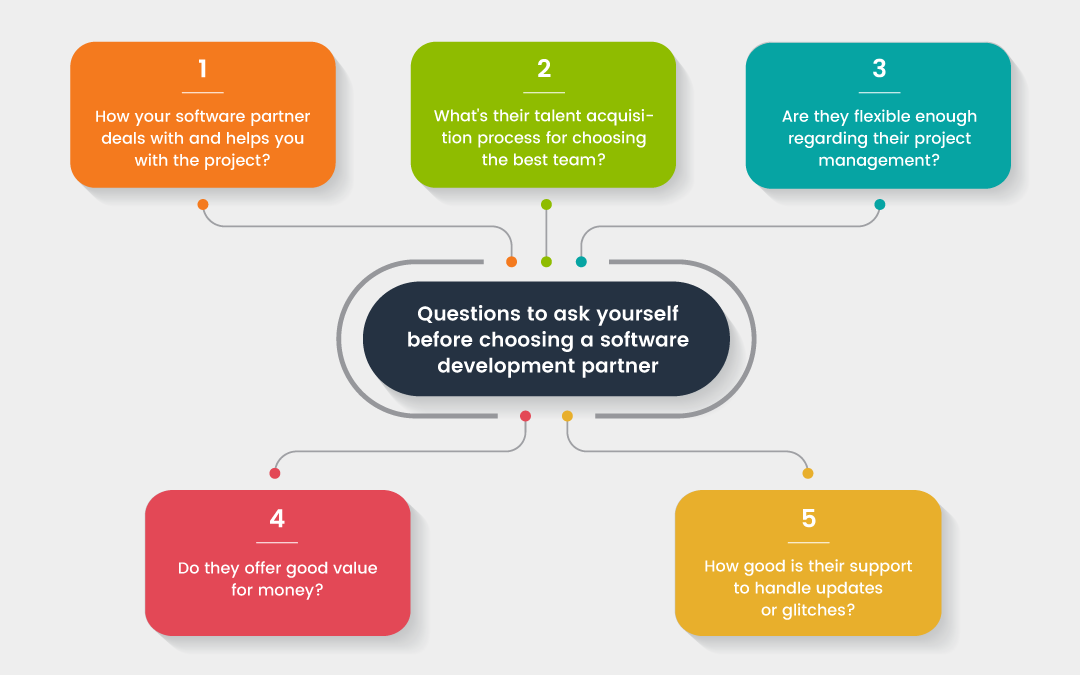
The choice of the right software development company is tough. Will the vendor you choose just bash out some code and disappear in the steppes of Asia, or will they become your greatest ally in an uncertain market? How to make sure the reality is closer to the latter option than former?

The main goal is to search for a partner, not a vendor. Outsourcing is not about getting the cheapest quote on your order, but about building a useful relationship that will serve you in the future.

How to find the right partner then? Here are 4 tips for making the fateful choice:

Define your needs and goals
How to Choose the Right Software Development Company?

Proper initiation can make or break a project.

Once you have a breakthrough idea, it is easy to zero in on a few features, technologies, solutions. If everybody else is doing a simple blockchain in Java, or, god forbid, Python or Ruby, you might think you need one as well.

Furthermore, if you get unlucky with your software development team, they will just nod their heads in unison and agree.

We believe it is important to look at the big picture and question the job-to-be-done of your solution. If you communicate your high-level needs to partners, you enable them to research and find individual solutions in their fields of expertise that fit your needs better than “the next best thing”.

Once you have agreed with your future software team, make sure to work with them to draft comprehensive requirements that will help you both to understand each other better and communicate the work that should be done.

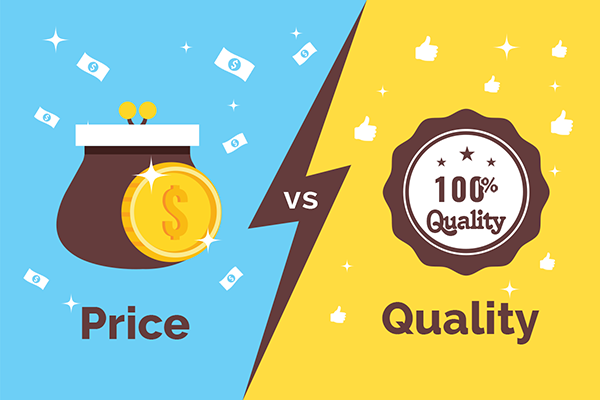
Choose quality over price
How to Choose the Right Software Development Company?

The cheapest option in the market usually isn’t the best choice. If you buy cheaply, you pay dearly. In software, these costs usually come as bugs, crashes, and a mismatch between your (and your customer’s) needs and the solution.

Of course, you need to choose the quality level that is suitable for your project, but every software development company you hire should use proper processes, have a dedicated QA team, and, preferably, use DevOps and guarantee maintenance. Modern business environment and users demand that things don’t break, and if they do, they should be fixed instantly.

If your project concerns handling large amounts of money (fintech, cryptocurrencies) or health of others (biotech), it is worthy to look into additional quality assurance for your software – look for software companies that use functional programming (benefits: reliable, more secure and easier maintainable code) and formal verification.

Keep up to date with technology
How to Choose the Right Software Development Company?

The winds of the future are uncertain, and the technologies change with every breeze. Still, it is important to sense where the tech is going and choose the correct solutions ahead of the market. Otherwise, you risk being outdated in the fast-moving, cutthroat markets of today.

For example, Rust has been voted as the most loved programming language between developers in 2016 and 2019. If you want to get the best new talent in the market, having your project in Rust is a wonderful way to attract them. (In addition to other benefits.)

If you choose the correct development partner, they should be able to communicate their programming language and solution choices to you, explain the reasons underneath and make sure the choices match your individual needs.

Choose a reliable developer
Growth of the company

Choose a partner that can support your long-term growth and help you with infrastructure and maintenance of the code.

Once your project takes hold, it is most likely that it will need to scale. For this reason, you need to select a software development company that can provide for a diverse set of needs, prevent any bottlenecks, and, if necessary, extend their operations to offer personal service just for you.

Furthermore, software projects are always in a state of continuous improvement. Pick the company that won’t disappear after finishing the project because your software will need maintenance, improvements to accustom your shifting needs and those of the market.


How Much Does It Cost To Create a Mobile App Design?

How Much Does It Cost To Create a Mobile App Design?

In the mobile app sector, every effort you take to make your application disruptive and innovative ultimately boils down to its design.

There is a lot that rides on the all-encompassing term “mobile app design”. It single-handedly decides whether users would spend any time in the application and if at all your months long efforts would result into a profitable solution that the world would interact with.

For a process that the entire soon to be $311,249 million industry is dependent on, there are a number of things that a design-centric mobile app development company has to consider:

  • User research
  • Competitor analysis
  • User Experience design
  • Interaction design
  • Graphics design
  • Logo and app icons designs, etc.

These considerations, in turn, come with a cost. The cost of app design.

While lower than the engineering cost, the mobile app design cost nonetheless hold a good portion in the detailing of the overall mobile app cost.

In this article, we are going to look into the elements that make up for the mobile app design cost in detail.

Table Of Content:

  1. The Importance of App Design in Mobile App Development Process
  2. Phases of App Design Process
  3. How Much Does it Cost to Design a Mobile App?
  4. How to Optimize the Mobile App Design Cost
  5. FAQs About Mobile App Design Cost

The Importance of App Design in Mobile App Development Process

Every design element is devised to solve specific issues. It doesn’t matter whether you are developing an application from scratch or redesigning an app, the end goal of every single process of your designing efforts should remain the same – solving an issue in the most minimal manner as possible.

A well-crafted mobile application UI and UX design usually provides the following benefits:

  • Simplifies the interaction with the interface
  • Converts users into consumers
  • Enables users to reach their objective faster
  • Streamlines the development part of the application

Phases of App Design Process 

Idea Evaluation

How Much Does It Cost To Create a Mobile App Design?

This part of the mobile app design process deals with understanding the project to its entirety – what issues does the customers face and how would the app solve those issues for them. One method through which the idea can be evaluated is through the creation of a lean model canvas.

Problem: This part of the model defines the issues which the app solves.

Customer Segments: This is where you enter the details of your prospective users and create a segmentation.

USP: This is where you will have to fill in the details of what your application does best and most uniquely compared to the competitors.

Solutions: Here the probable solutions that the app can offer to the best of problem, customer type, and USP combination are identified.

Channels: this is where you should enlist the platforms where your users will be present

Revenue Streams:  The goal of this section is to create a business model that seems to be an answer to your question around how much money you can earn money through an app.

Expense structure: Here, the expenses you will have to incur to develop the application are enlisted.

Key Metrics: These are the KPIs you will measure your app’s success against.

Unfair Advantage: This is the detail of advantages that your app has but not your competitors – a disruptive technology, financial aid, partnership, or something else.

Market Research 

How Much Does It Cost To Create a Mobile App Design?

Analysis of the market your application is a three tier process – competitive research, market trends analysis, and customer analysis.

We start the market research process by first analyzing the competitors – not to copy them but to find out the opportunities in the market. Doing this gives a benchmark that we have to cross, on the features and design grounds.

Next, we study the market and find out what is in trend and what elements are users interacting with most.

Deliverables: Use case, user stories, and behavioral sciences

Tools: A/B tests, user persona, interviews

Mind map 

How Much Does It Cost To Create a Mobile App Design?

This part of the mobile app design process takes you back to the lean model canvas components. It takes into account all the different requirements of your application to help you visualize the logical structure or connection between the main parts of the app.

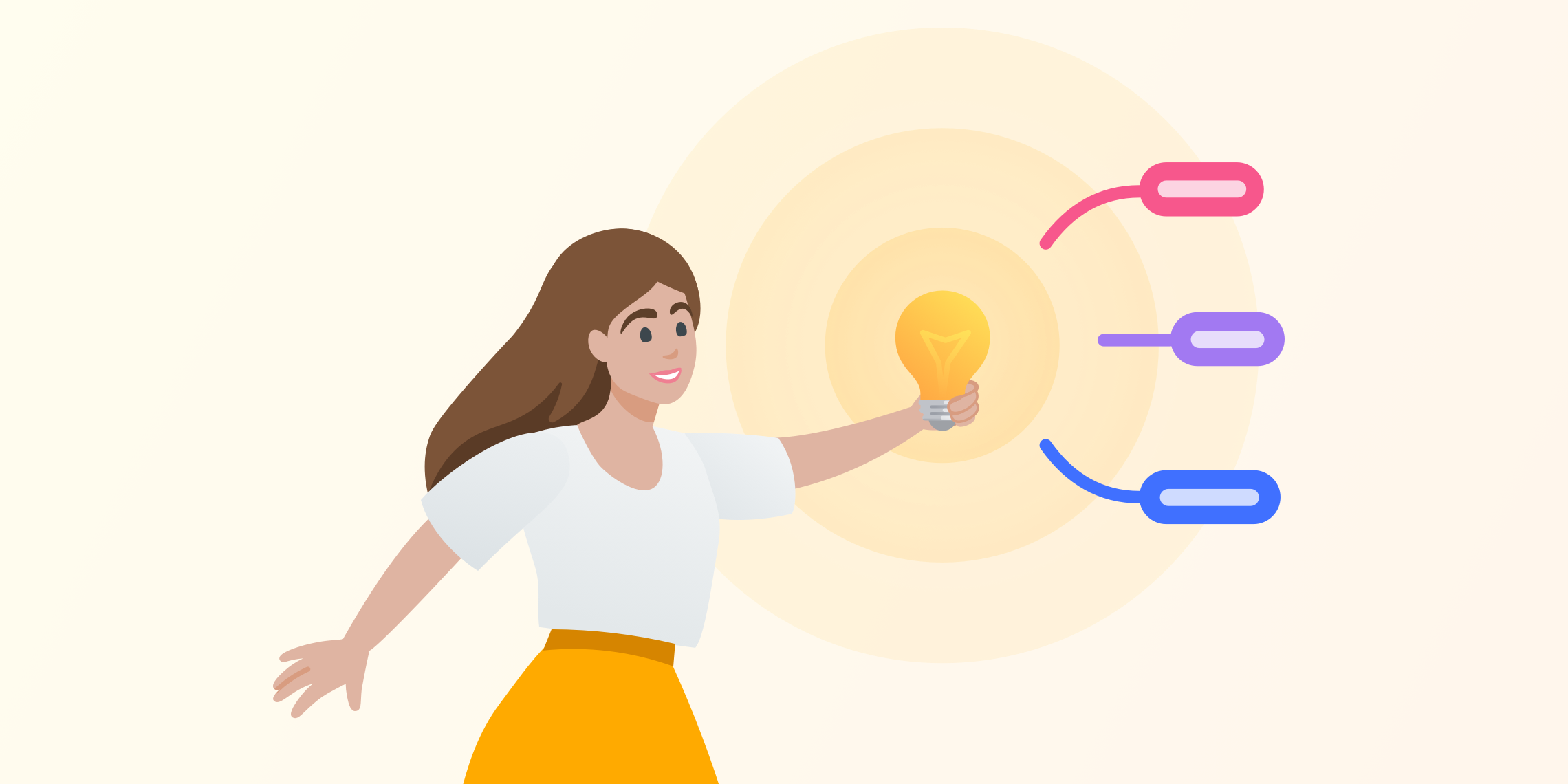
When we create mind maps, we place the goal of the app at the center and create segments of the goal around it. Then, we create requirements/features for all these segments

User Persona 

How to create a user persona - 99designs

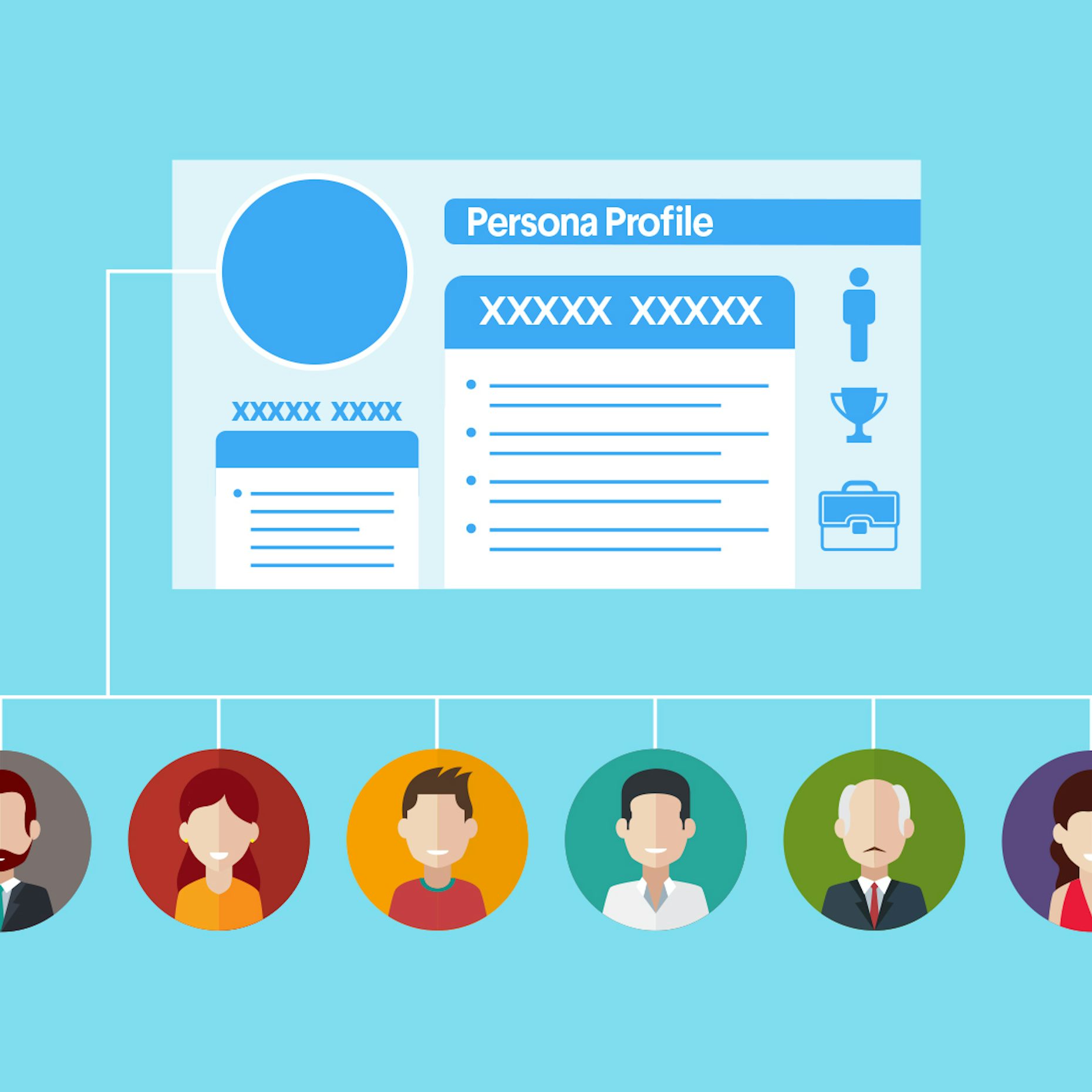
The next step of our mobile app design process is the creation of user persona. This section of the design details who you are designing the app for.

Ideally, the user persona portrait should be made of:

  • Their demographics
  • The social stature
  • Their behavioral model

This part of the mobile app design process have helped our development team numerous times to gather an understanding of who they are developing the app for and what all they would appreciate/ not appreciate.

User Journey Mapping 

How to build a customer journey map | by Andreea Popescu | UX Collective

Once you have identified who your users are, you will have to gather the understanding of how will they use the application. This is where the user journey mapping element of the app design comes into the picture.

This app design deliverable deals with the creation of how users would move inside the app – the features they would interact with, where it would lead them, and the steps they would take if they hit a wall.

Prototype 

Prototype

The next part of the process is app prototype. Here, we structure the ideas into delightful experiences for users who would interact with the application. At this stage, it is ensured that the flow between features and screens should be so natural that users should not even notice.

In order to create an ideal prototype, it is very important that iterations are made until the flow is nailed on the basis of the feedback. The level of iterations is what defines the app prototype cost.

At Anteelo, our teams work on the prototypes collectively. Everyone: Developers, Business Analysts, and Clients work together to create an application which everyone can agree on. This, in turn, helps in identifying issues and confusions that could occur at the development stage.

Deliverables: App screen wireframe, interactive prototypes

User Interface Design 

User interface design - Wikipedia

User Interface design is all about telling a story of how the user would feel as they move from one screen to another.

This is where the look and feel of the app is created – its colours, shapes, typography, elements, etc. Our mobile app developers do not just look into what the users will see when they use the app but also what they would feel. Thus, we concentrate our efforts on not just static design but also animated versions. User interface design primarily encompasses three elements – Logo, App Icons, and Screens. These are the elements which then get added into the numeric value of mobile app design cost.

Deliverables: App logo, app icons, screenshots for the stores, and animations.

How Much Does it Cost to Design a Mobile App?

With the need and stages of mobile app design part covered, let’s talk about the monetary part of mobile app design, a.k.a The App Designing Cost Breakdown.

The cost of app design is majorly dependent on three factors – Complexity of the app, the country wise app design cost, and the platforms on which it would be made live on. Let us dissect every part of what goes into app design cost in detail.

A. Cost of Mobile App Design on the Basis of Platforms

Platforms like Android and iOS differ in how they look and operate. While on one side, Android application has to be matched with different resolutions and formats, the same is not the case with iOS for everything is finalized. This is the reason why Android app design is more expensive than iOS app design cost.

Android vs iOS App Design Cost

iOS vs Android: 2021 Security Comparison [+Video] | NordVPN

Although the app design cost might not vary greatly between iOS and Android apps, there are some points’ difference.

There was a time when iOS app UI and UX designers used to charge because of the stringent store guidelines, the situation has changed. Google too has come strives ahead to ensure high quality in terms of what goes into the store and thus, they too have started following a stringent approval process.

So the comparison between iOS and Android application design cost has come down to the number of platforms and the device type.

Let us look at it from iOS App Design Cost front first:

iPhone only – The entry models doesn’t require designers to create images specifically for retina display. So, the approximate designing cost falls in the range of $3,000 to $10,000.

iPhone 6 Plus and ahead – Designing apps for iPhone 6 and ahead adds 25% to the cost. These devices come with retina display which call for high resolution files, which in turn, comes with an attached cost.

iPad – iPad app design adds 50% to the cost. They don’t just require high resolution but also product designing solution to meet the speed and size of the iPads.

Now talking of Android app design cost:

The Android devices are constantly changing and changing with them are the rules of designing in the Google Material Design process. The Android app designers constantly have to adapt to new frameworks and design ideologies to keep up with the changes, which comes attached with a cost.

Additionally, since the number of platforms that a designer has to work on is much greater than iOS, the Android app design cost automatically increases.

B. Mobile App Design Cost by App Complexity

What Factors Affects Deciding Cost To Design A Mobile App?

Whether we talk about the mobile app design cost or the cost of mobile app development, there are three complexity levels that are considered when the app design cost estimate has to be drawn.

Simple Apps:

These are the applications which are maximum 3 screens long and use next to zero animations and interactive design elements. Apps like Calculators and Alarm fall under this category. These apps usually are not designed to meet the requirement of individual platforms for they look alike on all screens.

Medium Complexity Apps:

These apps are the one which make use of multiple interactive elements and animations along with several screens. They are usually designed individually for Android and iOS platforms and are made to meet the native look and feel of the platform and heavily relies on Human Interface design guidelines and Google Material design principles.

Most of the apps that you use on an everyday basis like WhatsApp and Uber etc are examples of what a medium complexity app looks like.

High Complexity Apps:

These are the applications which are highly dependent on designs to serve their purpose. Here, a lot of animations and transitions are used to help users move from one screen to another and ultimately convert into a regular user.

These apps make use of a huge number of screens and usually work on multiple screens – all demanding a device centric native UI design.

c. Mobile App Design Cost by Country

The work performed keeping the same quality intact might vary greatly between a designer in the USA and a designer in India.

For example, a USA based UI/User Experience designer might charge $200 per hour, while an eastern nation design might charge around $80 – $100 on average per hour.

How to Optimize the Mobile App Design Cost

There are a number of proven strategies we use for our startup clients, who are particular about quality but work with limited budget.

  • Work around a strategy – a set strategy can be a great way to cut back the app design cost.
  • Concentrate on the must-have features – we always recommend our clients to work on the must-have feature set of the application to start with instead of designing a full-fledged application which could be kept for the phase two of the project.
  • Use templates – while not ideal, using templates can be a great way to cut back high app designing cost for very minimal efforts are required from the designers’ end.

Why Choose Node.js for your Next Product Development?

Why Choose Node.js for your Next Product Development?

In little over a decade, Node.js has emerged as a top-developer choice for web application development. Its pros make it a superlative alternative for cross-platform development by integrating a 2-way client-server communication channel. Without plunging into the technicalities, let us know the top Node.js development statistics that substantiate its superiority over the competition:

  • Node.js is highly popular in the US, with 6.3 million websites using it.
  • It has found use cases in companies such as Amazon, LinkedIn, Tumblr, Netflix, and PayPal.
  • 85% of the developers that use Node.js, do so for web app development.
  • Research suggests that this open-source JavaScript runtime environment reduces development costs by 58%.

It gives programmers the leeway to use JavaScript to create command-line tools for server-side scripting. However, if you need further convincing, here are 12 reasons why Node.js development is at the peak of its powers and seemingly unshakable in the immediate future.

Reasons Why Node.js for Web Development is the Perfect Choice

Why Choose Node.js for your Next Product Development?

The internal workings of this open-source runtime environment involve package management, unified APIs, native bindings, and threading. Below we elaborate on how such technicalities result in productive work.

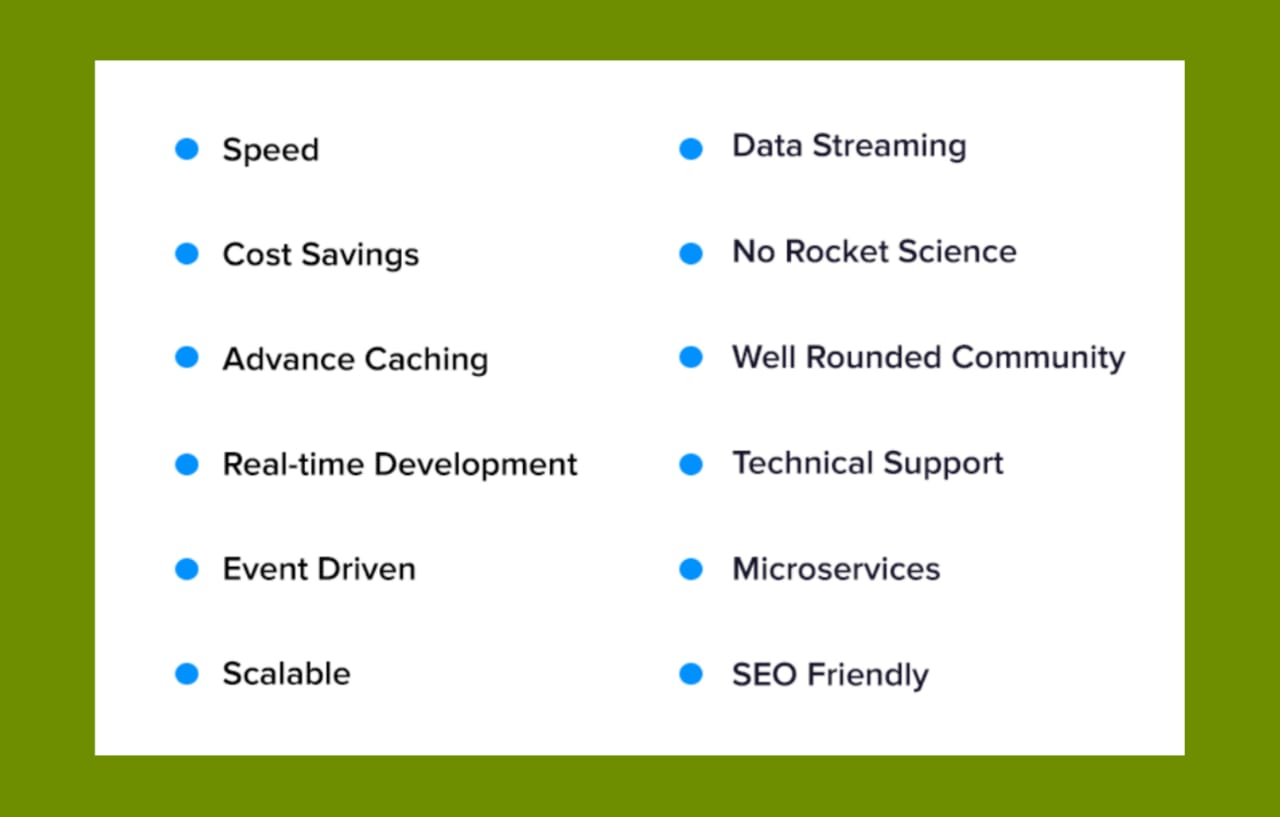
Speed

The V8 engine, developed by Google, powers Node.js. It allows for JavaScript code to be converted to machine code and contributes to development time savings on program executions. Products for web app development with Node.js can handle a significantly higher number of parallel connections.

Thanks to Node.js app development, Paypal was able to reduce its app response time by 35%. With such an anomalous increase in application productivity, the company processed double the number of user requests.

Cost savings

AWS Lambda with Node.js: A Complete Getting Started Guide – Stackify

As a web development company, Anteelo receives multiple inquiries from prospects to hire dedicated Node.js developers. But our product suite consists only of such services whose proof is in the pudding. Upon conducting a cost-benefit analysis, we found that Node.js’s development costs far less than anything else out there. Its memory footprint is smaller in comparison to PHP or Java servers. A server built on Node.js runs on an event-driven loop which saves a huge portion of the Random Access Memory (RAM) and in turn hardware/software resources.

Advance caching

Ask any Node.js developer and they would probably point to the caching capabilities as its greatest asset. It can cache single modules. But what difference does that make?

It eradicates the need to re-execute code as servers call for the first module. Caching allows websites to load faster and alleviate the user experience.

Real-time development

Free Cliparts Messenger App, Download Free Cliparts Messenger App png images, Free ClipArts on Clipart Library

Real-time apps are such that provide dynamic, spontaneous engagement environments for users. Examples include gaming apps, messenger apps, etc. Their development involves a lot of event-based programming and communication with a non-blocking server. Developers can maximize their efforts towards real-time web application development using Node.js as it uses asynchronous operations to optimize the coordination with the CPU and the memory.

Event driven

What Is Node.js and Why You Should Use It

The platform is event-driven i.e. all its developed APIs in the Node.js library are asynchronous. But what does this mean?

A server based on Node.js does not wait for the Application Programming Interface to return data. Instead, it calls the API, following which the built-in notification mechanism of Node.js aids the server to procure the return-call from the previous API.

Scalable

We are a Node.js web application development company and prescribe its use in areas like data streaming applications, JSON API-based applications, as well as single-page applications. We do so keeping in mind its scalability. Node.js web application development makes for ultra-high-speed computation speeds due to the V8 engines.

Node.js uses microservices with which it divides an application into finer processes. These processes can be allocated in parallel to multiple teams so that they can be developed in sync with the rising user requests. Faster background processes translate to low-lag operations and an increased footfall of user traffic.

That said, never use Node.js for CPU-intensive processes.

Data streaming

Product development is not as simple as people put it. As a Node.js development company, we learned it the hard way. Input-Output (I/O) handling is a key component of software engineering. With the tendency of web frameworks to classify HTTPO requests as whole data, I/O handling gets trickier to integrate.

But that is not the case with Node.js mobile app development which supports I/O bound applications. While using apps built on Node.js users can transcode multimedia files simultaneously as they are being uploaded onto the server.

What makes this a manageable procedure is a provision that writes data streams onto WebSockets.

No-rocket science

Most of the programmers these days are familiar with JavaScript. As Node.js app development is a JS-based runtime system, it is relatively easier for amateur coders to make the switch. They can achieve the same results as working with Django, PHP, or spring boot in much less time and devoting far less computational resources.

Well-rounded community

In a StackOverflow survey, Node.js was voted rank #1 for two years running in the miscellaneous technology category. This goes on to show how well-knit and widespread the developer community is on this tool. Constant upgrades keep people coming back for more, and access ready-to-use plugins and code-bytes accessible on GitHub.

Technical support

Another reason why professionals prefer Node.js for web development is that its parent team offers long-term support. As per convention, following the release of each version of Node.js, the code is maintained for the next 18 months. Instead of continuing to add new features, this period is utilized to fix bugs and collect user feedback for future releases.

It is reported that long-term platform support is prioritized by 62% of developers.

Microservices

On prior occasions, we’ve touched on the topic of microservices and monolithic architectures. Enterprise-grade projects have an inclination towards implementing the microservices-based architecture. This serverless approach pays dividends in the long run and is also supported by Node.js.

SEO-friendly

A Guide to SEO-Friendly URL Structures and Parameters: The Basics

More often than not, developers adopt a backwards approach when it comes to SEO practices. They design a website and then  re-design it to become pro-SEO. But that doesn’t have to be the case with Node.js. Its built-in features offer such pre-packed codes that are in tandem with search algorithms.

Another reason for using it is that it’s free!

Knowing and understanding the above mentioned points, as a Node.js development company in the USA we can say with authority that open source is the way ahead. In addition to being free, it offers state-of-the-art toolsets that include Redux and Flux. It is highly integrable with open source libraries.

Typical Projects to Start with Node.js 

As a Node.js development company, we suggest the following projects to train your in-house team on the platform.

Single page apps 

Present-day web applications bear an overloaded semblance partly due to the fact that they have to process client data. Working in this environment ensures faster response times between the server and client-side. This is a founding tenet that every single page app is based on.

Conventional web apps

An amateur Node.js developer could begin with writing conventional web applications. It allows streaming HTML data effortlessly.

Proxy development 

Why Choose Node.js for your Next Product Development?

While offering Node.js development services our experts have experimented with installing Node.js as a proxy server and it worked like a knife through butter. It helps in the case of apps that rely on external services to import/export data.

Final Thoughts

As a web development company, Anteelo has the firepower to kickstart Node.js-centric product development in full swing. With 600+ personnel joining forces from home virtually (till the pandemic lasts), we’ve handled cross-border projects and made a name for ourselves. But all that was possible only with the collective efforts of our growth hackers, who have what it takes to push through for technological superiority.

Top 10 Android App Development Trends To Watch Out In 2021

12 Mobile App Development Trends to Look For in 2021

Are you an entrepreneur who is looking forward to making or getting their Android mobile app developed? Let’s dig into some trends & stats. When it comes to developing mobile apps, no doubt the Android operating system gets all the attention, an attention that is well deserved.

Are you an entrepreneur who is looking forward to making or getting their mobile app developed?  If yes, then you surely need all the deep insights to know about the latest android app development trends.

Let’s dig in for some stats and read on further to discover the popularity of Android apps and the sector’s trends.

  • The fact is that today, Android is one of the most vitally used mobile OS that has captured almost 85% of the market share.
  • The Google Store has 3.04 + million applications, that range from web browsers, daily tools, social media platforms, complex games, enterprise mobile apps etc.

These figures clearly state that the app developers need to be aware of the hottest trends in mobile app development and incorporate them in their Android apps at the earliest, simply to provide users a unique experience.

Top Android Application Development Trends To Watch Out In 2021

The android apps continue to see implacable changes, that are primarily dominated by the user experience and constant innovations brought in by Google. As an entrepreneur, you would need to exemplify these trends for staying ahead of the competition.


1. Android Instant Apps

Top 10 Android App Development Trends To Watch Out In 2021

Although instant Android apps are not very common, slowly and surely, these app display types are picking up the pace. Android Instant app provides software developers with Android Instant Apps SDK and App Links Assistant that permits them to build mobile solutions from scratch or convert the existing apps into Instant Apps.

A working example of the type can be seen through the following – the Instant app allows users to try different games on the applications without installing that app on the device, exciting right?  The advantage of these apps is that they are compatible across all gadgets, require less storage space, and have a pleasant user experience and user interface.

Instant apps are the future and one of the biggest trends in mobile app development that helps the user use the app without actually compromising on space on their smartphones. This is the technology that is designed to drastically help and push the adoption of multiple sectors like eCommerce and games further to secure a place in top android app development trends of 2021.


 2.  Navigation Component

Top 10 Android App Development Trends To Watch Out In 2021

Navigation refers to the multiple interactions that allow the user to move around in the different sections and app’s content pieces. Android jetpacks come with components of handy navigation that helps the developers to implement the navigations. The implications could range from a simple button, click to an intricate pattern such as a navigation drawer.

The navigation component’s further benefit is that the component allows a predictable and consistent user experience, as the developers who implement them, follow the stated navigation principles.

3.  Blockchain Technology 

Top 10 Android App Development Trends To Watch Out In 2021

The blockchain technology has been making rounds for many years; however, it has finally come into action. The blockchain technology provides the enhanced solutions of the decentralized app development that eliminates any unauthorized access and pushes transparency.

The blockchain technology market is said to grow at 62.73% CAGR by 2026 making $52.5 billion. Decentralized apps (Dapps) are an open source, smart contract based software applications that run transactions on blockchain. These applications run on decentralize blockchain and the data cannot be changed or erased in it. These apps are the future of mobile app development; they enable faster payment, reliable data records, and are tamper proof.

With the help of blockchain technology, an android app development company can maintain robust security protocols. This inclusion is fast becoming a part of the trends in android development especially in the financial segments such as currency exchanges, banks etc.

4.  Google Assistant/Chatbot

Custom Google Home Bot & Google Assistant Bot For Business | NCRTS

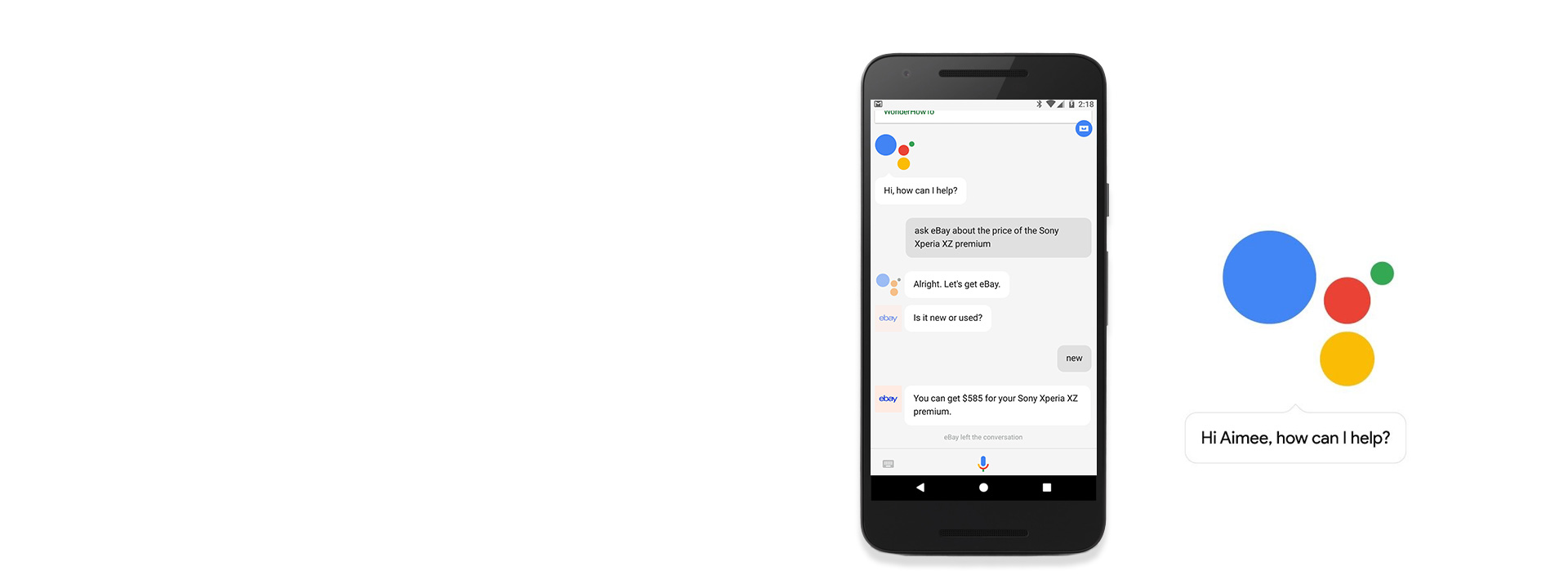
In the coming years, we will see that many business owners would be keen on integrating their app services with the Google Assistant. The primary advantage of investing in such an integration is that it provides users with faster ways of accessing the app directly. By using the Google app actions, the users get access to an app’s deep-link which allows them to perform specific activities inside the application from the Google Assistant.

Google, in 2020 announced that they will release a new feature for google assistant at CES. The new feature called “Scheduled Actions” will permit users to communicate with smart devices through google assistant like turn on/off a smart device, make a coffee, etc. The feature will be capable of controlling 20 home devices including lights, coffee machines, AC units, and many more.

5.  Multiplatform Development Through Flutter

Cross-platform mobile app development using Flutter

Google has introduced a new technology naming Flutter, which is being touted as the future of android development. Flutter is a cross-platform framework that helps in developing beautiful apps with a single codebase.

Many developers have been selecting this platform to build mobile apps due to its flexible nature. The primary reasons to choose Flutter are that it is effortless to learn, has a native design, etc.

It is one of the preferred frameworks for minimum viable product development. This means that instead of spending extravagance on two different apps, you can quickly build an app on native platforms such as iOS or Android.

With the latest update Google took flutter beyond mobile and to the web. Flutter developers are now able to target macOS, Windows and Linux and other embedded devices. The desktop support provided by flutter also includes plugins that support various platforms.

The new Flutter and Dart update have been released with Substantial Performance Improvements from its contemporary releases. Flutter is prepared for creating apps for iOS, Android, Fuchsia, web & desktop with new platform support. Moreover, they are in talks with Ubuntu for Linux apps, Microsoft’s Android Surface Duo, and Windows 10X which will be made accessible soon.

Some prominent progressions made in Flutter in 2021-21 are:

  • decreased size and latency
  • less janky animations, and quicker treatment of UTF-8 strings
  • mouse cursor support
  • new widgets such as Interactive viewer making pen
  • zoom and drag-n-drop
  • range slider and date picker revamped
  • integrating flutter to the current application made suitable with Pigeon
  • improved help for Metal on iOS, and new Material gadgets.

6.  Internet of Things

Global 5G IoT Market Size, Share, Growth, Trends | Industry Report 2028

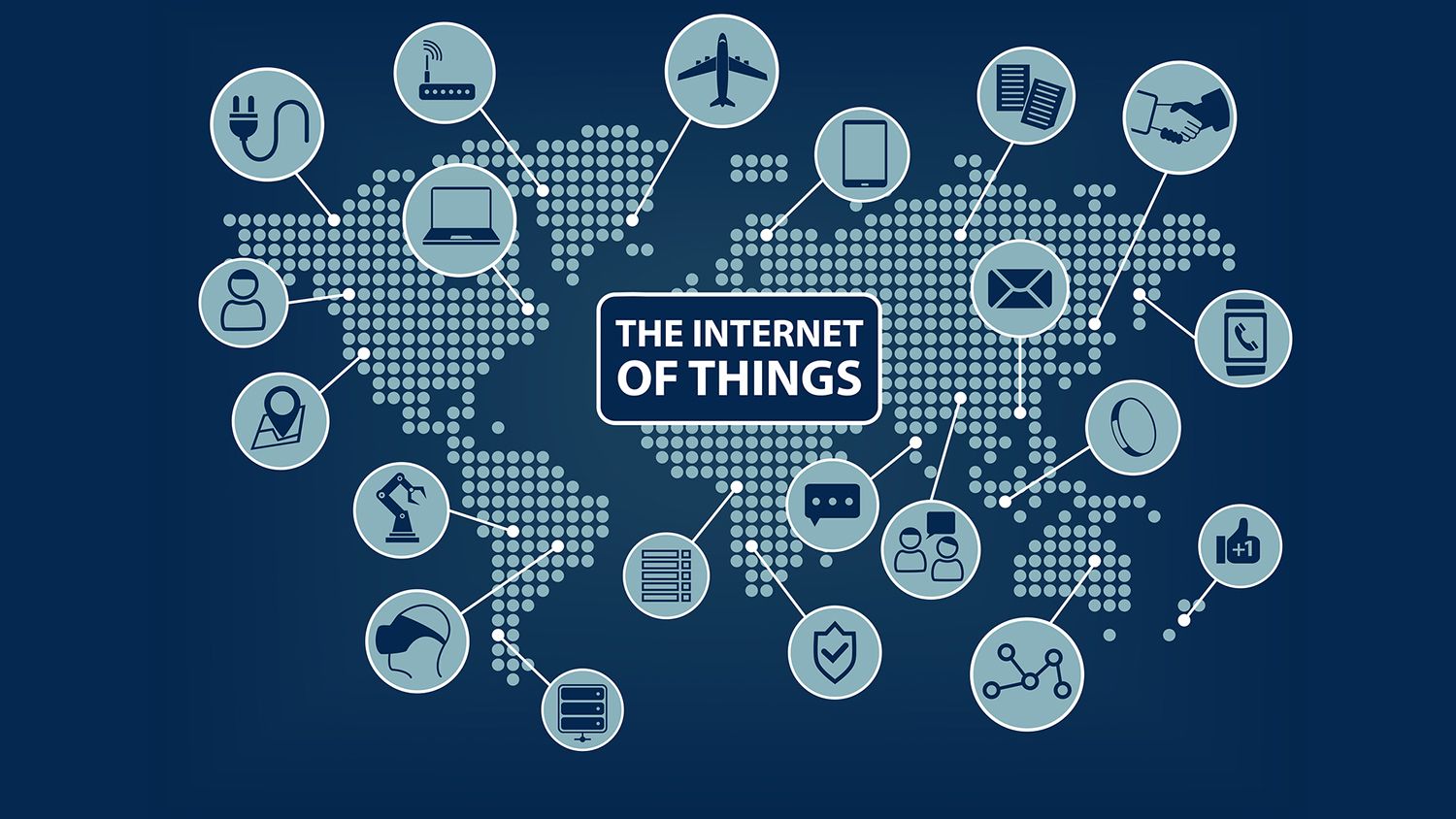
The key mobile app development trends 2021 is the implementation of the IoT (Internet of Things). In Android, these trends end up translating into many of the Android things that allow the developers to build the devices on the top of the known hardware platforms such as Raspberry Pi. The best part is that developers do not require any prior knowledge of embedding the system design to start. Instead, the developers can develop the apps using Android Studio and Android SDK.

The introduction of 5G will open the door for more devices, and data traffic. According to some reports the 5th generation wireless network technology is expected to connect 1.5 billion devices globally in the coming years. It is also stated that the global IoT connections will triple to 25 billion by 2025, while IoT revenue globally will quadruple to $1.1 trillion.

With that said, IoT will focus on developing smart parking lots, street lights, and traffic controls apart from advancing the hospitality and industrial sectors.


7.  APM & EMM

Mobile App Development Trends to Follow in 2021 & Beyond

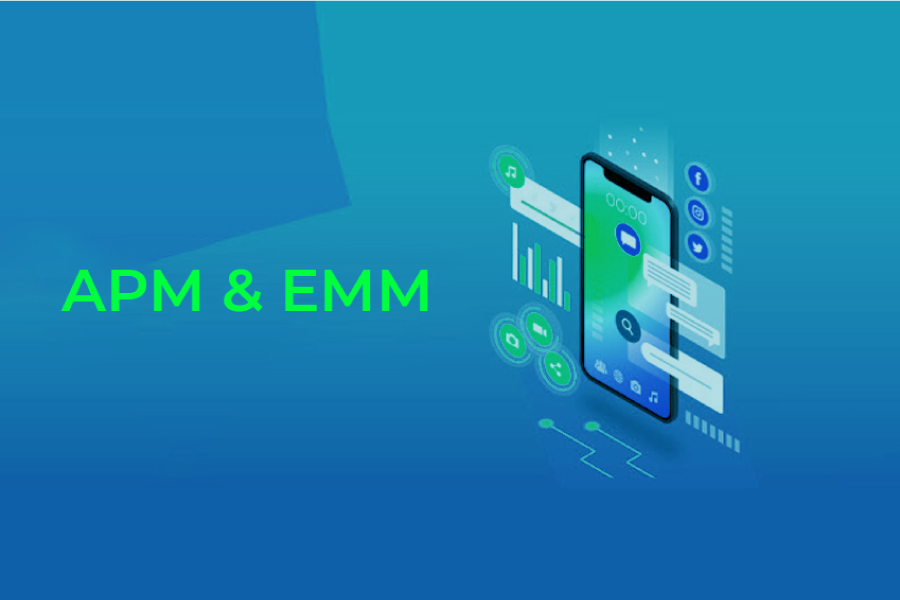
APM (Application Performance Management) and EMM (Enterprise Mobile Management) are two primary elements of mobile enterprise development. These technologies are primarily used to reduce mobile apps’ slowness. With the overall rise in mobile application development trends, they have become the quality tester for mobile apps.

With the upcoming trends, APM will reflect the application behaviour, measure statistics for devices and Oss that are used, and screen user performance to figure out which application features are exploited. With the application landscape and business infrastructure moving to cloud, APM will also provide powerful tools to monitor resources utilized by apps, associate the retrieved data with user insights, and adjust performance with business processes.

EMM will incorporate mobile device management, app management, application wrapping and containerization, and a few components of enterprise file synchronization and sharing.

From the work from home context, EMM has grown many folds and is looking into automation of processes, workflow optimization, easier and smoother communication flow, and exchange of data

8.  Motion Layout

Swipe right on Motion Layout. How to get into the swiping game with… | by Cedric | Bumble Tech | Medium

The layout used by the developers to manage the motion and the widget animations in the apps. This tool is a part of the Constraint Layout library and is compatible with Android 4.0. With these libraries, the team can quickly fill up all the gaps between the complex motion handling and layout transitions, as these tools are known to offer high-end and useful features.

Developers will be seen using Motion Layout to create multiple interfaces that use the animations, helping them understand what is going on with the app.

9.  Beacon Technology

This is the future: Beacon Technology! | by DeCode Staff | DeCodeIN | Medium

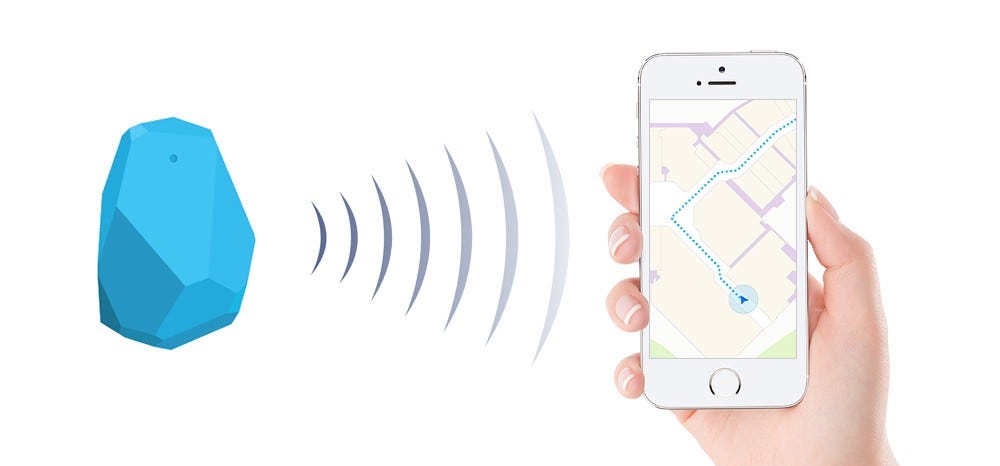
Businesses have slowly started to immensely use Beacon technology, as it helps businesses target potential clients uniquely. Beacons are the transmitting gadgets that get connected with mobile devices, in that particular range. The technology allows the companies to send various notifications regarding the special offers, nearby hotels etc.

Beacon technology transformation from a push marketing strategy to an opt-in strategy is useful for many industries. The technology can be applied on-cloud and at-area, which is helping it to gain traction and promote its growth in the coming years.

Beacon-based notifications are helping out businesses to connect with their users in a highly contextual manner. The beacon technology trend in 2021 will see the coming of beacon enabled airports and mobile payment using beacon.

Some companies are predicting the rapid development and use of iBeacon and other similar gadgets for marketing.

10.  Android Enterprise

Android 10 is out, but history says you likely won't get it for ages (if at all)

Digital transformation is now the need of the hour in 2021 for enterprises. The Google-led initiative – Android enterprise helps the workers to use the Android apps in their workplace. The Android Enterprise program helps the developers with the APIs and various other tools needed to integrate support for Android into the solutions of enterprise mobility management.

Wrapping Up

Each year comes with newer innovations and ideas, and these trends keep on rolling back and forth. Looking at the above latest trends in android app development, we can undoubtedly claim that the Android Operating System is growing at a rapid speed towards providing the users a seamless experience.

Given the trends for mobile app development, businesses are opting for app development and are looking for an estimate of the cost.

Mobile App: 7 Common UX Design Mistakes To Avoid

9 Common UI UX Design Mistakes to Avoid

Today, there is an app for everything, be it games, shopping, news, logistics, travel and many more things. As smartphones have become extremely affordable, mobile application development industry is booming and perhaps is one of the fastest growing industries. Analysts estimate that app revenues would triple by 2017. However, most of the apps go unnoticed and only a few of the apps are able to make their mark. So what’s the reason behind this? Well, there are a number of theories regarding this, but in this article, we would focus on UX design for mobile apps. Here are a few of the common hurdles that come in the way of success of any app:

1. Compromising UX to maintain consistency with web

What is UI UX Design? Why Should You Learn Them Together? | Springboard Blog

Remember, mobile UX is unique and needs special attention and ux review when it comes to design. You just can’t implement your website design in the mobile application. It is true that branding is important, but putting all web UI elements into a mobile experience won’t be a good idea as it will confuse the users and put adverse effect on your mobile app.

2. User bombarded with tutorials

Tutorial & Walkthrough System | iPhone, iPad, & Android Mobile App Development

One thing that most of the mobile app developers do is – they provide detailed tutorials that mention each and every thing about the app on the first time itself. While it can’t be denied that user tutorials are important, but the written information should be kept at minimum. Rather, you should focus on the navigation of your app, and if the user of your app need to go through the extensive tutorials in order to acquaint him or herself with the functionality, then I must say that your app is a complete UI failure.

3. Apps that slow down

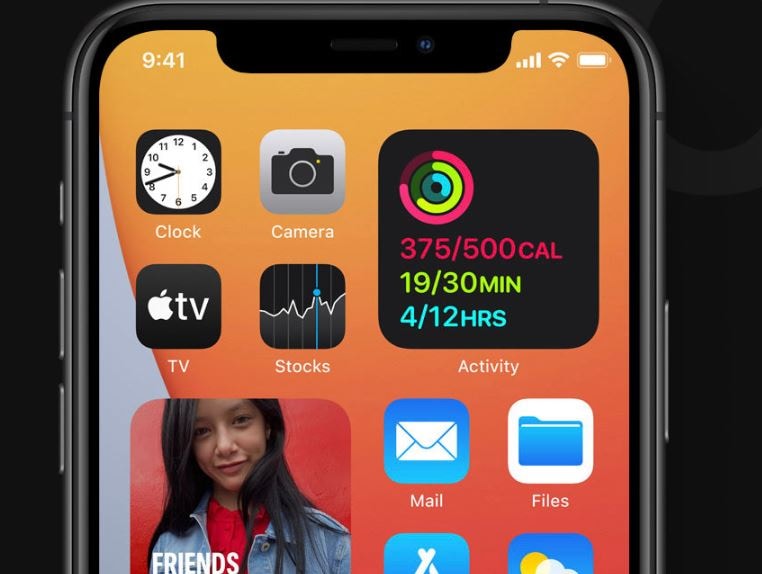
Why iOS 14 is a big deal for Apple iPhone users - cnbctv18.com

Speed of the app is one thing that certainly should not be compromised at any cost. Mobile users these days, multitask while using your apps. They want lightening fast speed and if your app does not match up to their expectations and is slow in speed, then they would go ahead with better options. You are suggested to avoid elements such as videos, heavy images that take time to download.

4. Apps that are confusing

Finding Apps on Google Play

App Stores are full of thousands of apps and the apps that are confusing in nature don’t attract much attention. Therefore, we would suggest you to use tried and tested methods and not to experiment unless and until it is extremely important. It is important to rigorously test design elements that are likely to confuse users.

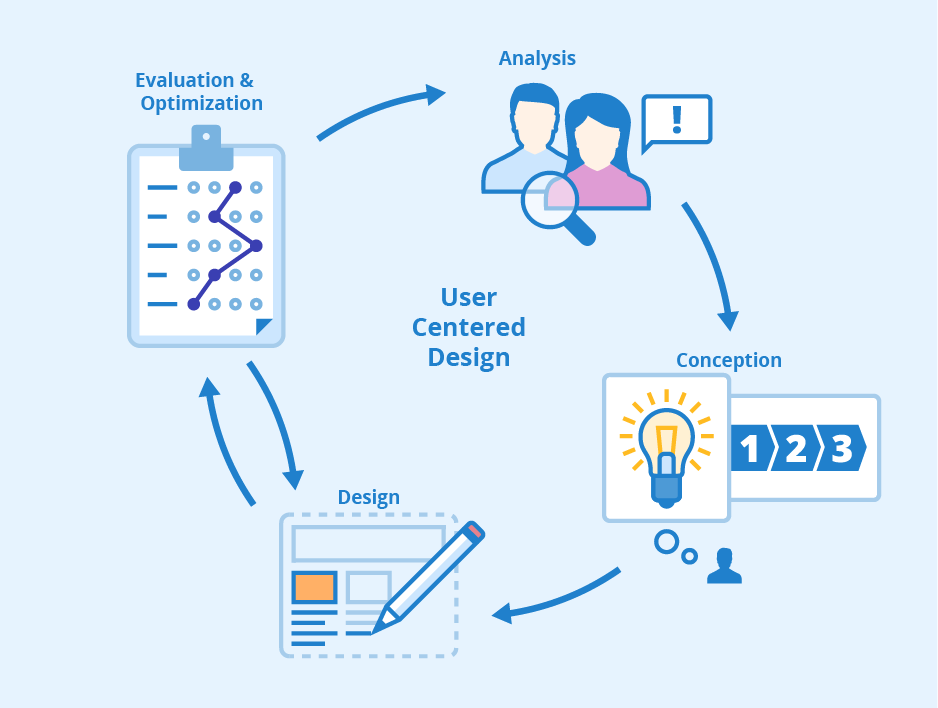
5. Develop user centric apps

User-Centered Design - Phases and Benefits - Seobility Wiki

You are designing an app for your users and not for yourself. Choose designs keeping in mind your target audience. Try to know the user psyche and create a design based on your market research. Show your users what they want to and what they love to see. Consider feedback as one of the most effective methods in order to bring improvement in your app.

6. Forced sign-up

Explore More, Signup Now - SMSala.com

I would repeat this again, but there are thousands of apps available and one of the things that most of the developers do is they make the user go through a sign-up registration process or ask for other credentials in the beginning itself. Unless and until, you haven’t shown the benefits of your app, any user won’t put his or her credentials and ultimately it would lead to the abandonment of your app. Therefore, it is advisable to have the option of guest users in your app. You can keep sign-up for later stage when users begin to take interest in your app.

7. Industry Standard Guidelines

Both Google and Apple  have laid down guidelines for app makers. Those guidelines are enough  for any designer to follow and make a decent app. However, in the flow of creativity, designers tend to ignore the industry standards and end up making an app with overuse of hidden menus and unknown gestures. UX designers often compromise and get the basics of app design wrong. Designers need to do rigorous testing in order to avoid huge losses.

Anteelo is one of the most sought after app development companies in India providing top grade product design services across the globe. Anteelo boasts of the best UI and UX designers who create captivating designs and are well versed with latest guidelines of all the leading App stores as well.

Minimal Apps Design: A Complete Guide For Beginner’s

A Beginner's Guide to Designing Minimal Apps - Appinventiv | Android app design, App development, Mobile app development companies

Perfection is achieved, not when there is nothing more to add, but when there is nothing left to take away.

– Antoine de Saint-Exupéry

There was a time when adding too many elements into the mobile app was a norm. But, with time, user behavior has changed.

Users have started inclining towards minimal interactions and elements; hoping to interact with limited things while enjoying the same level of services.

This changed need in turn has made it imperative for app designers and UI UX design agencies to incorporate the concept of minimal app design and build engaging designs with limited elements.

In this article, we will talk about the much talked about designing concept starting with the simplified definition to what is minimalism.

What is Minimalism?

Minimalism in app design, as depicted from the name, is described as a process that operates on the ‘less is more’ principle. Here, the least possible elements are added to your app design, such that it forms the most atomic form of the application. Meaning, you cannot achieve the core functionality of the application on removing elements further.

The concept has gained a huge momentum in the UI/UX design world because of the number of benefits it offers.

What Should Minimal UI Design Look Like?

Minimal UI for maximum impact. How Minimalist Design Can Power Your… | by CanvasFlip | UX Planet

Minimalist web and mobile UI UX app design should be brief, clear, and consistent. The communication of the program’s segments should be pointed toward solving the customer’s problem, be it texting, online shopping or something else, which infers user convenience.

Generally, minimalism powers UI/UX professionals to track down a legitimate method to say more with fewer means. To accomplish such an outcome, you need to follow certain minimalist UI design principles. They’re direct, simple, and consistent.

Benefits of Minimal Design in App Design Process

Pastel Photo App | Photo apps, Mobile app design inspiration, App design inspiration

Delivers a polished message

When multiple elements are added to a screen, it is likely to confuse users and make  it hard for them to understand the core value you wish to deliver. But, on the flip side, minimalism, when added to the mobile app interface makes it nearly impossible for users to not be able to understand what message you wish to deliver.

Fast load of app screens

Naturally, when unnecessary components are eliminated, an application turns out to be quicker. This brings the advantage of minimum to zero instances of application crashes. When the performance of an application is improved, the experience improves, eventually expanding the timeframe of usability of applications on consumer’s devices.

Eases navigation process

Another reason why minimalist web and mobile app design is going viral is that it enhances app navigation.

Users interact with less elements on a screen. So, there’s less chances of them finding an alternate navigation path and get distracted.

Requires less maintenance

Since the time, effort, and cost required for app maintenance varies with the no. of elements available on the screen, the value gets lowered in the case of minimalist UX design.

Enhances brand value

Last but not least, a minimalist app design helps brands increase their app stickiness. Through the design concept, users are able to stick to the interface for long, and all the while, their interest keeps spiking.

Concise call to action

On account of the moderate plan technique, any accentuation will be striking. The conciseness and simplicity of the interface permit you to take the user’s attention to what you truly need them to see.

Need your users to utilize your application for any reason? Or do you need them to subscribe to your top video? Whatever be your activity, its call would project itself delightfully onto the application.

Knowing the benefits of using minimal UI design, I am sure you would be keen to get started with the implementation of it in your app design.

But, wait!

Before asking your hired mobile app design and development company to follow the Minimal Design approach, it will be useful to get a head start by looking into how different apps are leveraging advantages from it.

Popular Apps Using Minimal Design Concept

Google Calendar

Calendar | Google Blog

Google calendar uses the grid layout to show all the information in a simplified and organized style. Also, an analogous color scheme is opted to give a fresh and positive look to the interface.

Instagram
What Is Instagram and How It Works: a Beginner's Guide

Instagram embraces the concept of white space and added the simplest form of icons to give a pleasant feel to the target user base.

Airbnb

pngkey.com-airbnb-logo-png-605967 - TheRiver.Asia

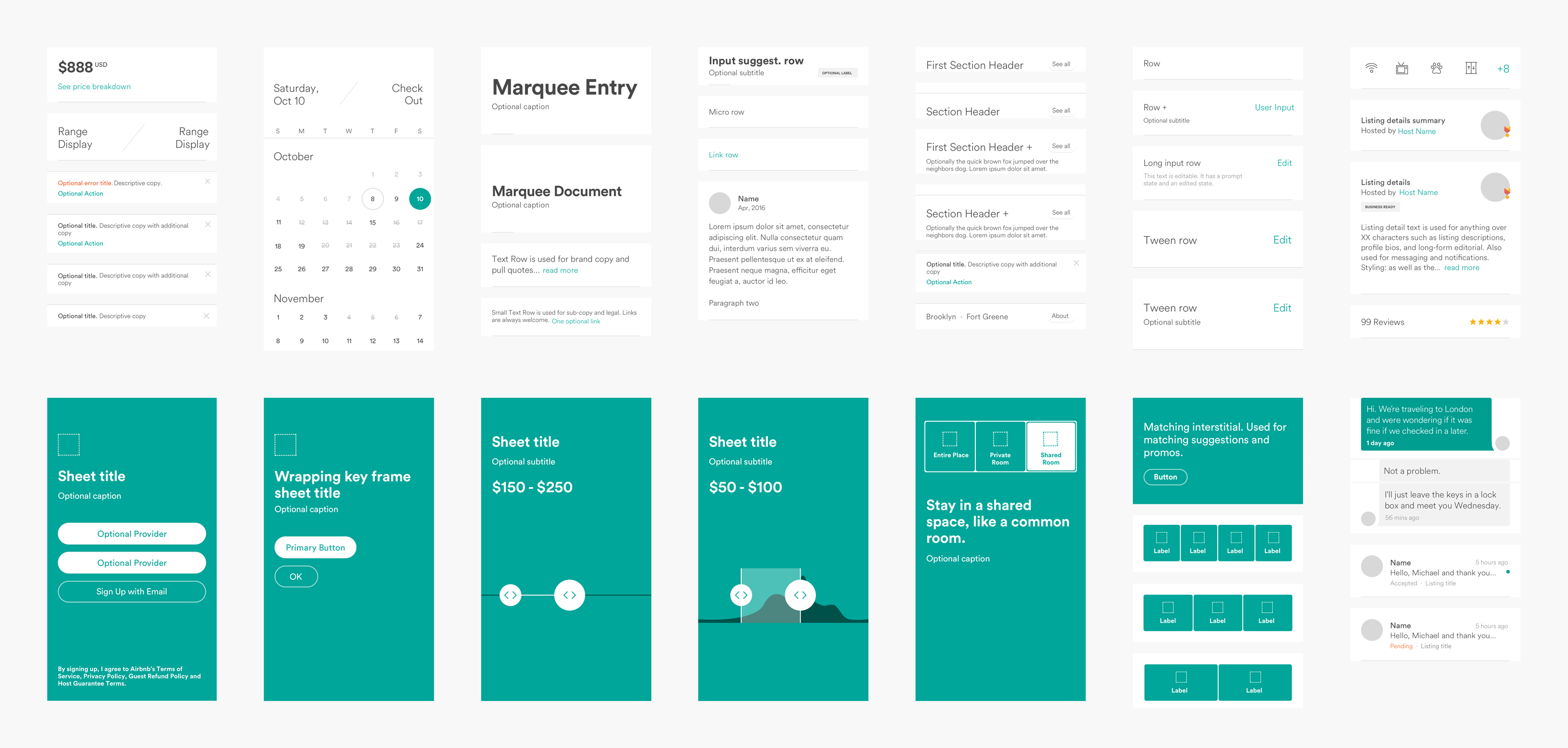
In Airbnb, a single typography is being used to make the app interface look clutter-less. Also, icons are used smartly to define a purpose.

Medium

The typography, photos, and every element are used in a grid format in the Medium application.

Lyft

Lyft - Wikipedia

Lyft is an apt example of how to add an analogous color scheme into your app design plan to bring out the best outcomes without investing heavily in terms of app design cost.

With this covered, let’s dive deeper into the technicalities of Minimal designing – starting with the core features of Minimalism design concept to keep an eye on.

Characteristics of Minimal App Design

The Rise of Minimalism in App Design | by Austin Mikael | Prototypr

1. Simplicity

A minimal app design uses less and not complicated elements, which gives a simple and clean look to the application.

2. Clarity

It not only looks simple, but also simplifies the process of getting an understanding of the core app purpose.

3. Functionality of each element

Every element on the app screen performs some action, and not just makes the app look attractive.

4. Expressive visual hierarchy

The elements in the case of minimal app design are placed such that they showcase a visual hierarchical structure.

5. Higher attention ratio to proportions and composition

The UI/UX design is created by keeping The Golden Ratio into consideration.

While these are the traits that an application designing through Minimal design approach shows, let’s turn towards the elements it compose of.

Elements of Minimal Design to Watch Out for While App Development

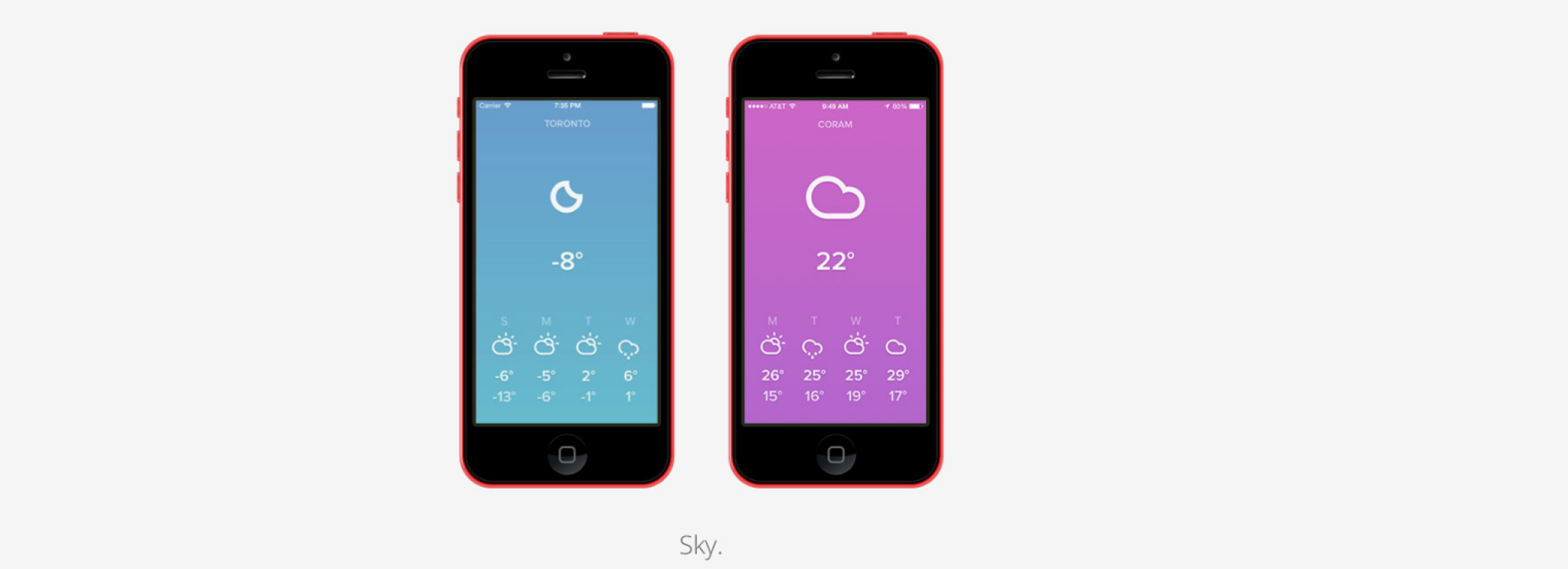
Color scheme

Generate Free Color Palettes for Your Images & Pick Your Color Scheme | Adobe Spark

One of the primitive elements of minimal design is the color scheme.

The type and quantity of colors you pick for your app’s interface leaves a major impact on the target user base, on the emotional front. If your application has too bold or too many colors at the same place, the app might seem cluttered and confusing. While, on the flip side, calm colors or a single color on the interface might make the app appear boring and affect user retention rate.

In such a scenario, the two ways you can build engaging app interface are:-

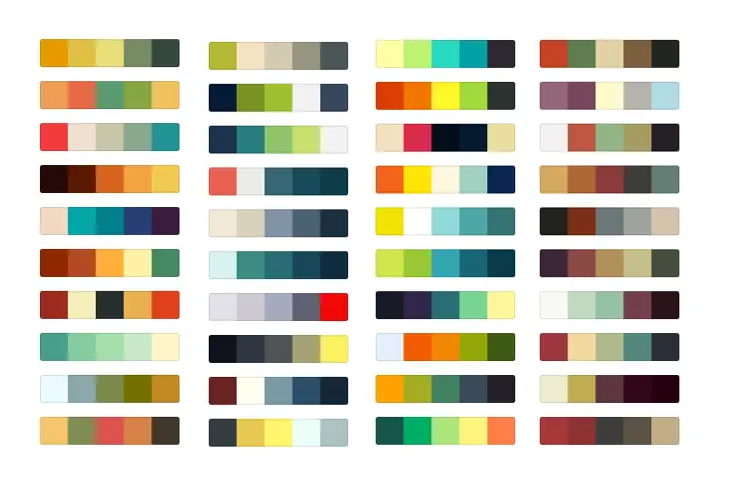
  • Use Monochromatic Colors Scheme – Multiple colors are created from changing the hue brightness and saturation of the same color; making it easy on the eyes.
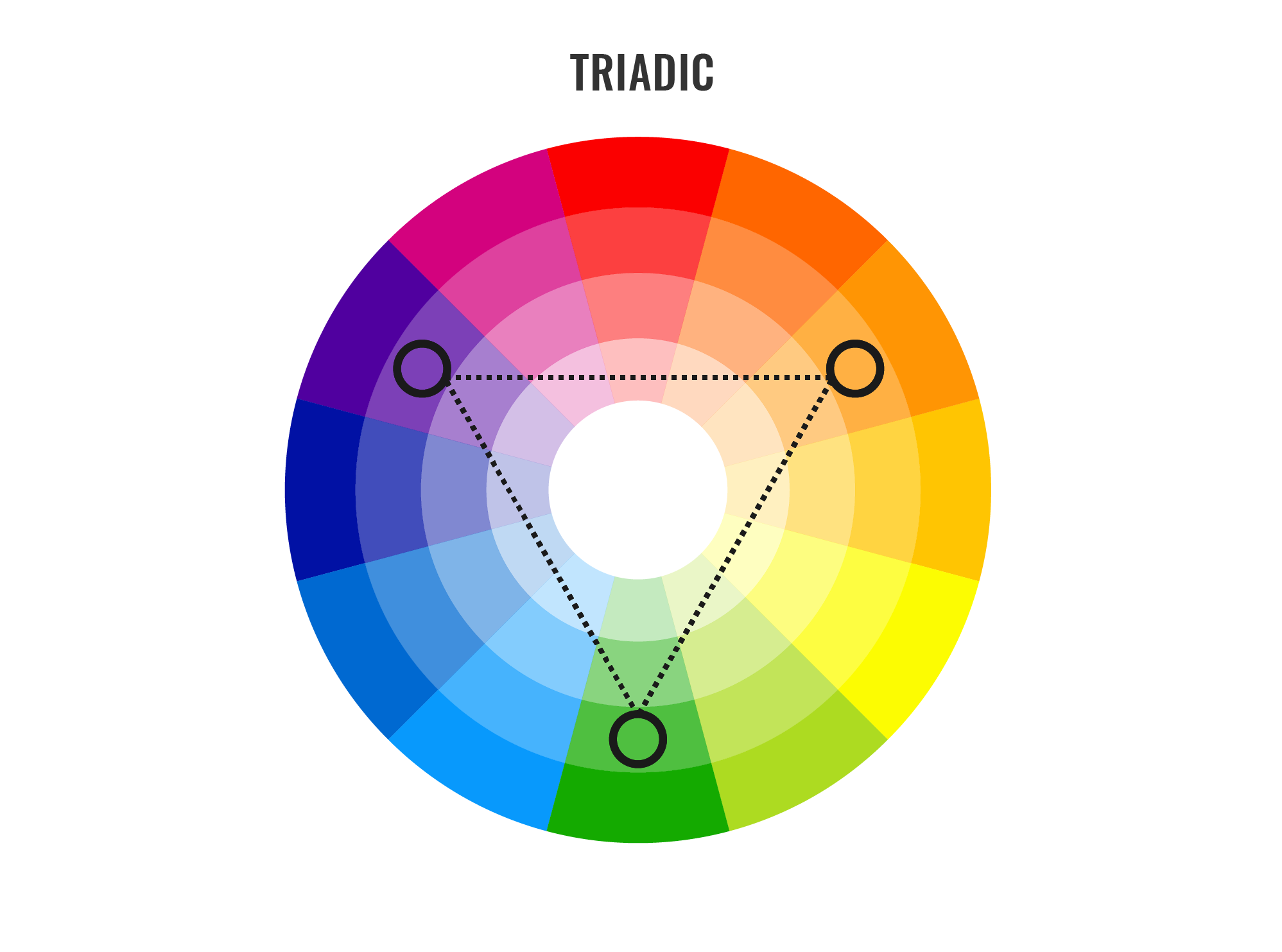
  • Opt Analogous Colors Scheme – Three adjacent colors on the color wheel are used to create different aspects of the application.

Typography

A beautifully illustrated glossary of typographic terms you should know

Another element that gives a different aspect to minimal designs is Typography. Defined as the technique of representing written words, it improves communication between users and the app interface.

If picked wisely, it can bring more eyeballs on your app screen. While, on the other side, it can give a disorganized and negative feel to the users, especially when going with multiple typography fonts.

In such a scenario, having knowledge of the best typography tools as well as the idea of how many typography one should consider for building a sophisticated look is necessary.

White Space

When talking about implementing minimal design in apps world, another element that designers and developers need to focus upon is the white space. Considered as the space between text lines, it gives a clear and clutterless impression to the app interface; making users feel positive about interacting with the page.

 Icons
Get Pichon - Free Icons - Microsoft Store

Iconography is a visual language used to address functionality and content. A good icon is simple with visual components that are easy to spot and comprehend. Since bar symbols fill in as navigation to different sections of the application, it’s essential to indicate which section is active by highlighting the icon.

Enhancement

Enhancement is yet another mobile app UI design tool element that builds up minimalistic design in the mobile app world. That means, the way you bring more focus on a particular image or text while multiple being present on the page.

Now as to what exactly Minimal design in app means and which and how apps are introducing it into their app design, let’s look into some tips and practices you can consider to create minimalistic interfaces of your application.

Best Practices to Build Minimal Design for Your App Effortlessly

Go for flat design

Working while on-the-go | Illustration character design, Character flat design, Outline illustration

Following Flat Design in your app design is the foremost method to introduce minimal design in your application.

A Flat design, unlike other designing styles, focuses on using limited 2D elements and avoiding shadows, textures, or gradients. This makes it easier for the designed images and other visual elements to look neat, take less space, and enhance usability in the interface.

Make a grid layout

CSS Grid Layout

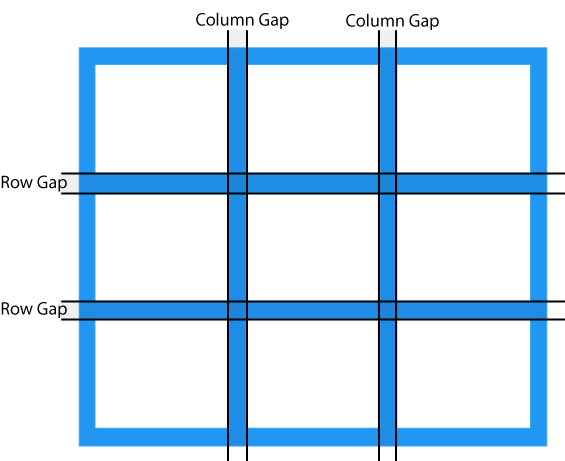
Another factor that every UI/UX app designer must consider while creating minimal app UI designs is Grid layout.

The layout not just adds convenience to the app interface, but also highlights the visual elements. It also serves designers with an ease of maintaining the same feel throughout the page in case of responsive design.

Remove extra elements

One of the best practices for minimalist design is to ensure that no unnecessary element is added to the screen. Meaning, only those elements are introduced to a screen that serves a purpose there.

Now, when it comes to deciding which elements to keep in the design and which one to remove, here are the two tips to keep an eye on:-

  • Do not add images unless they aid in making your message clear to others.
  • Use simple and limited words to communicate, such that meaningful information is being served to the audience.

Do not oversimplify design elements

Simplicity leads to minimalism. However, this does not mean that you have to oversimplify your app design.

This is because an over-simplified user interface can make it difficult for users to understand the purpose of your application. Also, it can break the navigation flow, which can further result in lower app engagement and retention rate.

So, it is a must for UI/UX designers to ensure that they keep a balance between simplicity and minimalism while designing their mobile application.

Employ negative space

Negative space, i.e., the white space created due to removal of extra elements from the interface, is the backbone of the minimal design.

This element, when employed smartly, plays a crucial role in preventing distraction, increasing engagement, and delivering the right message to customers. However, this is possible only when you focus on the following requisites:-

  • Content to be on the left side.
  • Focus on Hierarchy of elements.
  • Interaction made simple, without compromising on information.
  • Variations in negative space maintained for different resolutions.

Pick the right icons

Icons, when employed wisely, help designers cut down the need for content, enhance the visual appearance of the application, and add to the accessibility.

So, designing the right app icons and implementing them at the right places in your app design is also an effective way to get higher profits.

Write crisp content

Content Writing Tips: Create and Curate Quality Content Seamlessly - Crisp Results

As already shared in the ‘Negative space’ pointer, writing simple and succinct text copy improves the app metrics. An extension of it would be to express your thoughts with limited yet meaningful and catchy words.

Go for bold typography

Typography in app UI design, just like icons and other visual elements, also helps in enjoying minimalism in app design. Especially in the form of bold typography.

The bold typography shifts users’ attention to the focused words and helps in crafting a high visual experience. So, do not forget to introduce them into your app design plan.

Embrace the idea of contrast

Using contrast elements helps designers create a visual hierarchy and bring attention on particular design elements. So, it is again a good practice to invest your time and effort into building a contrast interface.

When talking about embracing the power of contrast, it is good to introduce black, white, or dark backgrounds with bright and colored typography and pictures. It is important to note here that if you are thinking of incorporating dark mode design theme, the contrast rules would be entirely different.

Use limited colors

Using Color Schemes in Mobile UI Design - SitePoint

Using too many colors on the same app screen leaves a negative impact on users. So, to ensure that your design imparts a positive vibe and engages a wider audience, use limited colors. The best way of which is to use different shades of the same color.

Likewise, using bright colors alongside soothing and complementary hues, simple typography, and less-complicated animations can also help you achieve minimalism in app design.

Focus on concise and intuitive navigation

When it comes to working upon the navigation element, many designers often turn towards techniques like hiding some part of the navigation. This might help to keep the design minimal but reduces the discoverability of menu elements. This makes users confused somewhere in their journey and fail to experience the kind of user experience you wish to offer after ux reviewing process.

So, it is necessary to go with the philosophy, “measure thrice, cut once” while designing your app navigation.

Embrace functional animation

Importance of Functional Animation in UX - Qode Interactive

Another factor to watch out for while ensuring minimal design in the app is to embrace the idea of functional animation.

This element of motion design is added to the user interface as a part of any functionality. And is focused on improving discoverability and delivering a meaningful purpose, without asking for more space.

Follow operating system design guidelines

The Official UI Design Guidelines & Patterns for Each OS - 2018 | by Sam Bible | Medium

Both Apple and Google have set rules around the type of design that a standard application should have. Considering those design guidelines while introducing minimalism in your application can also be an effective way to ensure higher success rate.

Ditch some rules

Last but not the least, bending some rules of minimalism design is also a good practice. This is so because when you break some rules, you get the freedom to experiment with your design and add creativity to it, aiding in bringing more eyeballs on your app page.

10 Quick & Actionable UI UX Tips for Mobile App Design

Blur effects

The blur effect emerges as a logical answer for a minimal product design UI, permitting a specific measure of play with the layers and hierarchy of the interface. Blur makes it simpler to make layers of data in the UI. This likewise offers minimal designers an ideal chance to explore different overlay solutions.

One app, one typeface

Guide for designing better mobile apps typography | by Andrey Zhulidin | UX Collective

More typefaces seldom bring about better client experience. Actually, blending several different fonts can make your application appear to be fragmented. Decreasing the quantity of font styles on a screen can uncover the power of typography. One of the mobile app design tips is that when designing an application consider how you might make the typography amazing by playing with weight, style and size.

Simple background

Web designers some of the time create complex background themes, like those including photograph pictures. However mobile app design service providers have long deserted such a training in favour of simple and monotonicity. Very bright background under restricted space confounds the way toward exploring the application and slows down the loading stage, which isn’t acceptable.

Simple navigation

Simple Steps for Creating a Fixed Navigation Bar | Design Shack

There are no intricate patterns of features, pages, or functionalities however just conveniently arranges experiences. Thus, through this clients will get to explore from one module onto the next flawlessly and complete things quicker than they would otherwise.

Declutter UI

It is wise to keep best app UI design mess free. Clarity is a significant attribute of a mobile design. An excessive amount of design components like buttons, text, images, etc. can make any mobile application complicated and incapable to utilize. Keep it basic and minimal, or else you will not be able to convey the message to the user in a clear and concise way.

Accessibility

Why Web Accessibility Is Important and How You Can Accomplish It | by Oyetoke Tobi Emmanuel | Facebook Developer Circles Lagos | Medium

With organizations taking measures to make products accessible for everybody, minimal designers need to have sympathy and provide different experiences to various individuals through the similar mobile plan. A well planned item ought to be accessible to various users like users with low vision, any sort of visual deficiency, motor and hearing impairments. With comprehensive app design features, individuals with disabilities can explore and interact with your product.

Thumb zone

With each new mobile release, the screen size has expanded, holding the gadget with one hand and browsing the application is getting troublesome. Thus, the mobile application design ought not be aesthetically planned but additionally should focus on the movement of the fingers and thumb.

Remember all zones when mobile application design is being made. Wider the phone, more hard for the user to hold the phone with one hand and tapping on targets if they are out of reach zone.

Set expectations

Set High Expectations with Your Employees in These Three Areas - MAP

Numerous associations with a webpage or application have outcomes: clicking a button can mean spending cash, erasing a website, or making a disapproving remark. What’s more, is that with clicking a button there are ramifications, there’s additionally anxiety.

Thus make sure to tell users what will happen after they click that button before they do it. You can do this through a nice design plan.

No extra details

All components of the minimal design play out specific functions: a circumstance where each UI detail fills a particular need. It implies you can securely dispose of application segments with no direct undertakings. They’re unnecessary.

This additionally applies to the content, i.e. decrease the quantity of words utilized and communicate as briefly as possible.

Intuitive app interface

Top UI/UX Trends to Make your App more Intuitive

The entire issue boils down to the last important point that is the making of an easy to use interface.

Eventually, no one needs to feel dull and moronic, and unplanned usability would provide the user with simply unwanted impressions. In this manner, your application interface ought to be intuitive, working on all devices in a comparable coherent manner. What’s more, is that accomplishing responsiveness in planning minimal applications isn’t so difficult.

Conclusion

Minimal app design has been a popular approach for some years now and is likely to be one of the UI/UX trends as well. So, it is advisable for everyone who wishes to enter into the UX/UI domain or are getting their application designed to focus on this concept and elevate the chances of success. Something for which you can refer to the rules and practices shared in this article. Or simply, connect with our UI/UX design company in USA.

The 15 Best Android Libraries for 2020

15 Best Android Libraries of 2020 for Android Development

Thor had Mjölnir and Sherlock Holmes had his wit, but what do Android app developers have?  – I’ll tell you, it’s the incredible libraries.

In brief, Android frameworks and libraries (or just libraries in general),  are a set of implementations of behavior that are written in programming languages and have a well-defined interface.

These libraries generally include documentation, configuration data, message templates, help data, pre-written code and subroutines, values, classes, to name a few.

One of the major reasons for using these libraries is to expedite the development process, i.e., develop an astounding app without any unnecessary or additional efforts. These libraries provide developers with basic pre-written codes and other important elements that can be used instantly rather than performing these tasks from scratch.

So, if you have just started your career in Android apps creation and want to know about popular libraries that are a go-to tool of almost every Android mobile app development company,  then this article is what you needed.

Here are the 15 best Android libraries for developers.

Dependency Injector Library

Before we move onto the list of best and latest Android libraries 2020 for Dependency Injector, why don’t we take a moment and understand what Dependency Injector is?

1.   Dagger 2

Dagger 2 to the RESCUE — Dependency Injection | by Chirag Chavda | Medium

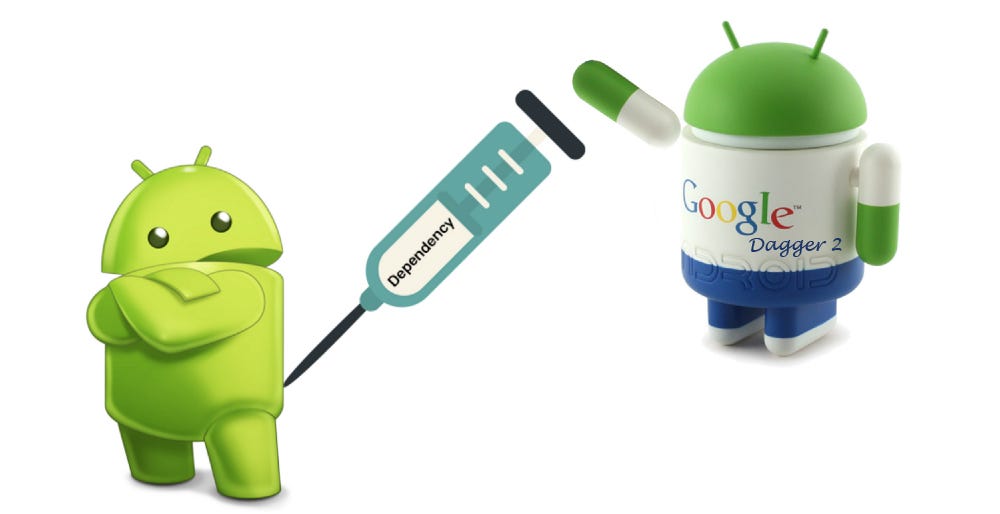
One of the great things about Dagger 2 is that it majorly relies on using Java annotation processors along with compile-time to estimate and analyze dependencies. On the contrary, other Java dependency injection libraries suffer from limitations such as relying on XML, incurring performance penalties during startup, or facing validating dependency issues at run-time.

Another advantage of Dagger 2 is that it simplifies access to shared instances.  For example, once you declare in Dagger the singleton instances like MyTwitterApiClient  or SharedPreferences, you can easily declare fields with a simple @Inject annotation:


Networking

Here are the tools that you need for establishing any kind of network communication within the Android app.

2.  Retrofit

Conclusion of my adventures with Retrofit 2 | by Mateusz Dziubek | AndroidPub | Medium

Retrofit is a type-safe REST client for Android and Java, intelligently mapping an API into a client interface with the help of annotations. Previously, if you wanted to make a network request, you needed to execute an Async task class and then use HttpsUrlConnection in order to fetch data, something that was not ideal when dealing with APIs returning large data. This is now resolved by Retrofit.

One can effortlessly manipulate endpoints and headers, add a request body and query parameters, and select request methods – all with just annotations in Retrofit. Moreover, this Android library also takes care of parsing to POJOs by using converters.

Start by adding dependency to your apps build.gradle file –


After adding the dependency to your app build.gradle file, you must add a dependency for converters that you intend to employ.


Image Loading

Image loading libraries are a knight in shining armor combating with the problem of “out memory errors” in Android apps caused by loading multiple images at a time. Let’s look at the best Android libraries options out there in this category.

3.  Picasso

Moving on from Picasa

Maintained by Square, Picasso is a trusted and widely used Android image library. Picasso claims to allow for hassle-free image loading in the application—often in one line of code.

Some of the pitfalls that Picasso takes care of include handling ImageView recycling and downloading cancelation in an adapter, facilitating complex image transformations using minimal memory, automatic memory, and caching.

Additional features that makes Picasso a popular choice among Android app developers are –

  1. Picasso automatically detects adapter re-use and the previously canceled download.
  2. It easily and effectively transforms images to make them fit better into layouts and reduce memory size.
  3. For more advanced effects, one can specify custom transformations.

4.  Glide

Best strategy to load images using Glide — Image loading library for Android | by Salmaan Ahmed | AndroidPub | Medium

Glide is yet another praised image loader and one of the best new Android libraries for developers, managed by Bumptech. Not just this, but it is also recommended straight by Google.

Glide not only provides animated GIF support while handling image loading and caching but also helps in fetching, decoding, displaying video calls, images, and these GIFs. It also includes a flexible  API allowing developers and programmers to plug in any network stack, as its default stack is HttpUrlConnection.

This library primarily aims at making the scrolling process for any list of images as smooth as it can be. More so, it is also effective in case you need to fetch, resize, or even display a remote image.

Scanning

In order to integrate scanning features while developing custom Android apps and increase their functionality level, developers prefer the below-mentioned libraries.

5.  Zxing

ZXing Project: QR Code Generator - Online Ad Tools

Acronym for ‘Zebra Crossing’, ZXing is a barcode image-processing Android library that is implemented in Java, with ports to other programming languages. This library also has support for the 1D product, 1D industrial, and 2D barcodes.

Google also uses ZXing in order to make millions of barcodes indexable on the web.  It also forms the basis of Android’s Barcode Scanner app and is integrated into Google Book Search and Google Product.

 6.  CAMView

CamView for Android - APK Download

This is an effective alternative to the ZXing barcode scanner. It is an Android camera easy access library with an embedded QR scanner which is based on ZXing.

CamView library possesses a set of components (views in simple words) which are set to be put to your layout files, allowing developers and giving immediate access to-

  • Live preview video feed from the device camera
  • Scanning barcodes with the help of ZXing’s built-in decoding engine
  • To perform your own camera live data processing

View Binding

The need for view binding libraries first surfaced when the need to reduce the boilerplate code when assigning views to variables arose. As a matter of fact, the number of libraries worth mentioning for this purpose is numbered and two of the most prominent of them are –

7.  ButterKnife

Butter Knife — A viewbinding library for Android | by Velmurugan Murugesan | Medium

Developed by Jake Wharton, ButterKnife is a renowned view binding library helping in assigning ids to views very effortlessly, hence avoiding the excess of findViewByld. The statement- “Butterknife is like Dagger only infinitely less sharp” signifies that view binding is sort of dependency injection. The only difference is that in ButterKnife annotations are employed to generate boilerplate code.

The code below shows that ButterKnife eliminates the need for things like onClick and onTouch while replacing them with auto injected code.


8.  Android Databinding

Android Jetpack:Empower your UI with Android Data Binding | by Temidayo Adefioye | Medium

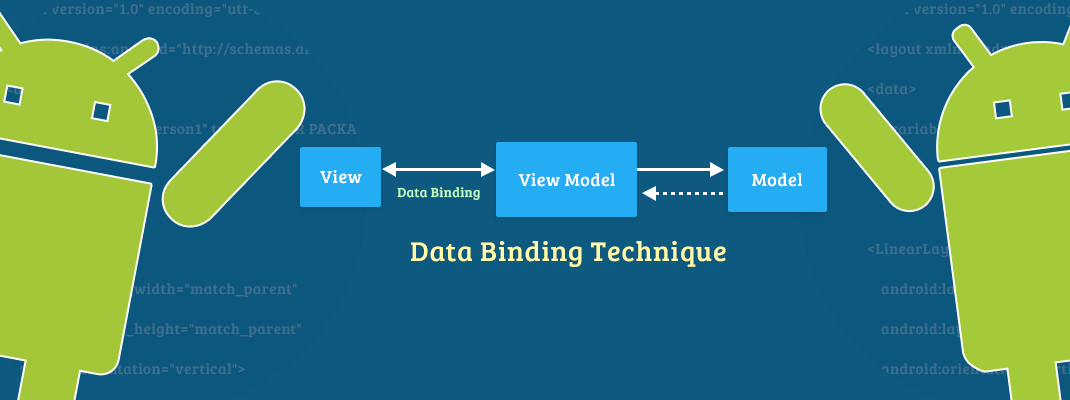
In-built to the Android Support Library, the Android Databinding library requires the least of Android Studio Version 1.3 in order to work. Unlike ButterKnife, this view-binding library for Android does not use annotations. It allows you to bind UI components in the layouts to data sources in the app with the help of declarative format instead of programmatically.

Here layouts are defined in activities with code that needs UI framework methods, i.e., look at the code below. It calls findViewById() to find TextView widget while binding it to userName property of the variable viewModel.
Debugging

Almost an indispensable step in the app development process, debugging an application before its final release is as important as it gets. For this purpose, let’s have a look at some useful libraries.

9.  Stetho

Download

Stetho claims to be a “sophisticated debug bridge for Android applications”. The use of this library is not limited to just Network inspection, Database inspection, JavaScript Console, etc. but developers use it to have access to the Chrome Developer Tools features that are natively part of the Chrome desktop browser. Moreover, developers can choose to enable the optional dump app tool offering a powerful command-line interface to application internals.

Reactive Programming

In Reactive programming, data is released from a component (a source if you will) to the other component known as Subscriber, assisting in handling asynchronous tasks efficaciously. So in short, these libraries help with transferring data from source to subscribers. Some of the widely used Android app development libraries for this purpose are –

10.  RxJava2

The curious case of RxJava Disposables A.K.A. what happens when you dispose a Disposable | by Piotr Zawadzki | stepstone-tech | Medium

If you are looking for a library that helps you in implementing reactive programming (create reactive applications), then RxJava is an ideal choice for you. It is officially described as “a library for composing asynchronous and event-based programs by using observable sequences”.

This library is considered unbeatable by Android app developers because it simplifies the process to chain async operations, opens a more explicit way to declare how concurrent operations should work, is able to highlight errors sooner than other libraries, among other things.

Drawing

There are hundreds of new libraries being developed every day, but very few are able to impress developers and prove potent. Here are some Android apps graphic libraries that have stood apart from the crowd.

11.  MPAndroidChart

GitHub - PhilJay/MPAndroidChart: A powerful ? Android chart view / graph view library, supporting line- bar- pie- radar- bubble- and candlestick charts as well as scaling, panning and animations.

MPAndroidChart is an impeccable Android chart/graph view library. It supports radar, line, bar, bubble, pie, candlestick charts along with scaling, animations, and dragging.

If you are looking for its iOS counterpart then, Charts is the one for iOS app development.

12.  Holo Graph library

HoloGraphLibrary - A Free, Open-Sourced Graphing Library for Android | Daniel Nadeau

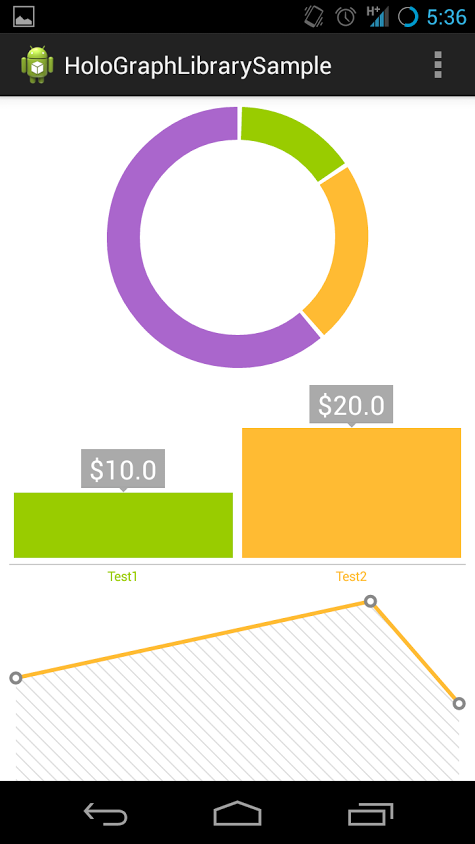
It is another new graphic library which is continuously becoming a favorite of many Android app development companies. This library is ideal for adding impeccably designed graphs and charts into Android applications. It includes –

  • LineGraph view (which looks something like this) –
  • BarGraph View
  • PieGraph View
  • MultiSeriesDonutGraph View

UI Components

User Interface is a prominent and with no-space-for-negligence aspect of Android app development. New innovations and advances have surfaced over the years in the UI domain, one of which is Gravity View.

13.  Gravity View

GitHub - gravityview/GravityView: The best, easiest way to display Gravity Forms entries on your website.

A very ‘in’ concept in the market is the gravity view. This is a library that is used for image tilting using sensors. Gravity View library’s goal is to utilize the motion sensors of Android devices, allowing users to perform certain functions by rotating their device.

This Android UI library was first used in the famous application “Fynd” and has continued to become a favorite of many to date. You need to be operating Android 3.0 and higher in order to use this library. Moreover, if you need to use it for non-gyroscope devices, then you can do so with the help of the Accelerometer sensor.

Testing

Testing your project is a way to become sure of the competence and efficacy of your mobile app. You can use these libraries to test your mobile app before you ship it to the market.

14.  Espresso

Espresso Testing On Android - RIIS

A part of the Android testing support library, Espresso is evidently a test framework that enables developers to build user interface tests for Android applications. Implying that this library lets you write tests and check whether the text of a TextView is similar to another text or not. It imparts the impression of a real user using the app, running both on real devices as well as emulators.

In order to use this library, you are required to add dependencies to the app module build.gradle file.

Once you have done this, you can set the instrumentation runner and sync the Gradle files, followed by creating a rest file –

15.  Robolectric

How to write Android unit tests using Robolectric | by Erika Tan | AndroidPub | Medium

Robolectric is another unparalleled unit testing library. What this library does is that it handles inflation of resource loading, views, including other things. It makes the tests created in the library more efficacious and potent in performing functions that real devices with  Android framework dependencies perform. In a sense, Robolectric simulates the Android SDK for the tests, eliminating the need for additional mocking frameworks like Mockito.

Now again, you need to add the dependency in your app’s build.gradle file, followed by creating a sample test class –

These libraries have made it to this list based on the popular recommendation of the Android developers. Their features, functions, and performance together emit excellence in their niche of purpose.

How To Market A Brand with A Mobile App

Mobile App as a Brand Marketing Channel: Benefits Apps Provide to Brands - Custom Mobile | Web App Development | Vancouver | Toronto

Gone are the days when advertising was considered the most prominent marketing channel to promote a brand. With rapid transformations in the digital landscape, having a strong mobile presence has become a necessity for businesses to thrive.

Mobile apps have emerged as an effective marketing solution. A mobile app not only helps automate business but also provides better customer service. With apps, brands do not have to struggle to establish themselves- they can foster a deep connection with netizens of all demographics and age groups, promote brand awareness and garner the right market visibility.

Studies show that more than 50% of customers who regularly use a branded app are more likely to buy from the company.

It is relatively easy to target a mass audience base with other marketing channels but targeting each individual based on their unique preferences is the need of the hour, and it has become all the more possible through mobile apps.

A branded app is a powerful approach to facilitate brand promotions in a persuasive way. By using a mobile app as a brand marketing channel, you can reap huge benefits. It keeps users engaged and you can enjoy higher conversion rates.

Why should Brands go online?

Brands Online Sales: Fashion and lifestyle brands facing another crushing 20-30% decline in online sales amid second Covid-19 wave - The Economic Times

According to a report, smartphones account for 70% of the mobile time out of which 90% of smartphone time is spent on applications. Most people today have access to their phones wherever they go, which implies that you can reach your target audience almost anytime, anywhere through a mobile app. This doesn’t necessarily apphttps://appinventiv.com/blog/mobile-app-as-brand-marketing-channel/ly to other marketing channels, some of which are limited by the restricted availability of the devices that they depend on.

Brands have realised the potential of what a mobile application can do and that goes beyond simply selling a product or service. This discovery has opened up new marketing avenues. It provides businesses the opportunity to engage with their audience in new and creative ways and turn them into loyal customers.

Studies show that desktop internet usage is dropping and mobile internet usage is rising significantly. Although mobile websites get more visitors, visitors tend to spend

Mobile app industry is flourishing. It is estimated that by 2021, there will be roughly 7 billion mobile users worldwide. (Source) With the advent of disruptive technologies such as AI, AR VR companies are finding new ways to market their products. Artificial Intelligence allows mobile apps to store user data in order to recognise and preempt their preferences, needs and choices.

Mobile apps are a powerful marketing channel for brands. It helps companies connect with the audience, convey brand messages, keep users engaged and create customer loyalty in a crowded marketplace.

Today brands are using mobile apps to improve offline experiences for their customers and boost sales. According to a recent survey, 75 percent of customers engage more with loyalty programs that provide rewards in a mobile-friendly way.

So, if you are still not going mobile for marketing, it’s time you consider the many benefits a branded app has to offer.

Benefits of Mobile platforms as Marketing tools 

There are a number of ways how mobile apps help businesses. They humanise companies, lead to better interactions between brands and customers, and increase loyalty and sales.

1. Enhancing Brand awareness and visibility

Why Do You Need Product Stickers/Labels for Brand Awareness?

Businesses are often on the lookout for an effective platform through which they can market their brand. Apps enhance brand awareness and visibility and can strategically increase the customer base.

Once an application gets installed on a mobile device, users will come across the brand logo frequently, thereby enhancing visibility and awareness. The more often a user interacts with a brand’s app, the sooner they tend to buy their products and avail their services.

If you want to get users talking about your unique app, you must ensure that your app provides all the features that your target audience is looking for.

The app should be interactive and keep users coming for more. Afterall, it all boils down to effective frequency- the more people are introduced to an app and the more they interact with it, the more chances that they will actually buy.

2. Forming a connection with your Customers 

How to Make a Personal Connection with Customers

Engagement is extremely crucial and a mobile app helps you form a deeper connection with your customers and prospects.

With declining attention spans, it has become significantly important to curate compelling personalised content and keep your users coming back for more.

An effective way to engage your users is to frequently offer them fresh Personalised Content. Users are interested in content that is relatable and piques their interest. In this rapidly changing environment, user preferences keep on changing and to establish yourself in the market you need to keep up with them.

Regardless of the type of application, a brand must invest in personalized in-app content. One way to ensure that happens is to create and study customer personas to better understand what type of content works best for your audience.

Another effective strategy is Push Notifications. Push notifications have the power to capture user attention and make them check out what’s new in your app. They encourage customers to use your app. The key with push notifications is to make them compelling. A push notification must be of some value to the end user no matter if it’s a copy, a promotion or some perk. Don’t overdo the notifications or it may irritate the users.

3. Collecting Data about Customers

See Why Businesses Can't Do Without Customer Data Collection

A good marketing strategy revolves around analysing customer behaviour. If your app solves a pain point for the user, they are likely to share their data with you.

You can use mobile app as a brand marketing channel to monitor users, their personal shopping behaviors, engagement levels, browsing habits, locations, mobile app usage, favorite hours and much more.

This way you can collect valuable user insights, analyse through the data, understand the needs of the customer and improve your product quickly.

You can collect user data in the following ways:

  • Onboarding: You can have a basic questionnaire during registration which includes pertinent information about age, preferences, habits and more.
  • By offering Bonuses:  It is an ideal approach to swap discounts, bonuses or special offers as a reward for completing small questionnaires.
  • In- app Behaviour:  Marketers can always keep track of the marketing process in a closed loop by monitoring and analysing user’s in-app behaviour. For brands it has become relatively easy to collect user data based on purchases and reviews of the product.

This way you can evaluate the data and change your brand development strategy based on user feedback.

The Starbucks mobile app widely uses this opportunity and monitors in-app user behaviour. As of April 2019, Starbucks claims 16.8 million active loyalty program members. It all became possible by analysing user data, looking for new avenues and rolling out strategic data-driven initiatives to target users.

It is essential to have a review/ feedback section. Allow your users to tell you what exactly they want from your app. Iterating and improving the product the way your target audience wants it reaps excellent rewards.

4. Increasing Customer Loyalty

5 Ways to Earn & Build Customer Loyalty | WordStream

Rewarding frequent customers is a great marketing strategy. Getting customer loyalty has become a challenge for a number of brands. A mobile app is the right tool to increase your customer loyalty.

When you reward frequent customers, it encourages them to buy more and they are more likely to share your brand with their fellow friends. This strategy can be easily implemented using push notifications or via in-app messages.  Loyalty rewards help in establishing a strong connection and turns users into loyal customers.

5. Scaling up your target Audience 

6 Effective Ways to Reach Your Target Audience (Updated May 2019) - GRIN - Influencer Marketing Software

The Internet is not just breaking boundaries but making things that were impossible a decade ago happen in real-time. Mobile apps enhance the user base, not just in their country of origin but also across the world.

Through geo-targeted push notifications, localisation and location based brands can send specific messages to their target user audience. Location based call to action via region or location mapping feel more personalised to the user, grow the target audience and can drive more sales.

6. Increasing Sales Ratio 

Turn Your Amazon Side Hustle into a Full-Time Gig (6-Step Guide)

Applications enhance customer experience by making the buying process simpler, convenient and intuitive, thereby resulting in the increase in sales ratio.

But an app doesn’t have to necessarily offer purchases to boost sales, it can do so by offering loyalty programs and additional services.

Domino’s faced a serious sales issue back in the mid-2000s. With the wave of digitalisation, Domino’s decided to go mobile. Besides making significant improvements in the quality of their product, Domino’s created a branded mobile app that was extremely responsive and rendered a delightful experience.

It resulted in the app’s contribution to half of the company’s online sales in 2015.

When Domino’s started facing issues with retaining their customers and witnessed a rise in the bounce rate, they came to us. We worked on their UX, refined their UX Strategy and brought a steep rise in their conversion rate by 23% and significantly increased their session time.

7. Social Network Marketing through apps 

Promote App On Social Media With 6 Easy Ways - Netsavvies - Digital Marketing Agency in Ahmedabad

Mobile connectivity has become essentially important and the ability to synchronise it with social networks provides businesses a higher chance to disperse the content and make it go viral. Mobile apps allow users to easily share the brand’s content across all social networks.

For instance, PUMA’s empowering Propah Lady campaign created a ripple effect on the social media and gained a huge amount of followers and brand customers.

Common Mistakes to avoid when making a mobile app for Brands 

The advantages of a mobile app for business are endless. Sure, you can create a unique app and get users to download it but it doesn’t necessarily guarantee that the user will return to your app.

According to Statista, 25 percent apps downloaded by mobile app users worldwide are only accessed once after download.

So, how do you ensure that users keep coming back to your app for more?

The underlying reason why most users abandon a branded app is either poor UX or it focuses more on novelty value and lacks functionality. So, here are some common mistakes that you should avoid when creating an app and to establish it as an effective brand marketing channel.

1. The app doesn’t provide any value to the user

The $4 Billion App That Doesn't Value Privacy, Security or Accessibility | Centre for International Governance Innovation

Every app operates on a pain point and it is designed to solve a specific user problem. This holds true for branded apps as well. If your app is a means to place advertisements on your customers’ mobiles, you are doing it wrong.

A branded app should solve user problems in one manner or another. It is only when you create a useful product that provides some value on an ongoing basis, that users will keep coming back to the app. The ideal approach is to know your target audience, study their needs and determine what they expect from your app.

2. The app lacks special offers 

The Best Calendar Apps for Android | Zapier

The idea behind a branded app is to create awareness and enhance customer loyalty. If a branded app doesn’t offer discounts, special offers and other app usage benefits, customers will most likely abandon the application.

3. The app is difficult to use

What Is Signal Private Messenger? | Signal Vs. Telegram App

The simplest way to identify a good app is how convenient and intuitive it is for the customers. If the app is complicated to use regardless of the functionality it offers, it won’t appeal to a mass audience.

4. The app lacks updates

How to Update WhatsApp on an iPhone or Android Device

It is essential to keep up with the rapid shifts in technology and implement the same into your app. If you change your marketing strategy, website design or provide better branding, you must ensure that you have enough resources to make the same updates on your app.

5. The app doesn’t move beyond the desktop experience 

The 15 Best Mac Apps You Should Download Now: Free and Paid | WIRED

If you consider an app as a smaller version of the website with the same features, you aren’t leveraging the app as a right marketing channel. A branded app is more than a novelty value and must provide important features and information.

6. The app doesn’t provide a personalised touch 

13 more effective alternatives to “just touching base” emails | RingCentral

Today a wide variety of content is available on the Internet and with ever decreasing attention spans, it has become significantly important to provide a personalised touch with your application.

Through a branded app you can target each individual based on their unique preferences and get closer to your customers. By sending personalised push notifications you can retain your users and turn them into loyal customers.

How to establish a Mobile App Marketing Strategy?

Having an app marketing plan is extremely crucial when creating a branded mobile app. So, dig deep and understand what your business needs. There are many types of mobile apps but the crucial factors that come into play when creating a branded app are as follows:

Acquisition: You must ensure that when a user onboards and shares their personal information on your app, they come across a variety of useful mobile features that add some value to their life.

Engagement: Your app should be able to capture user attention, engage customers with the brand and keep them coming for more.

Conversion: Besides engaging customers, your app should focus on driving users to conversion.

Next thing that you need to figure out is the product pricing strategy. Product pricing strategy or mobile app monetization plays an instrumental role in getting your app the initial traction and visibility in the app store. The app pricing model determines the success of your product  in terms of the number of downloads and user retention in the long run. It is essential to take into account the cost and value, run a competitor audit, gauge the estimated demand and analyse the cost of user acquisition before opting for a pricing model.

Considerable App Marketing Strategies That Drive App Downloads

Here’s our Insight on how to choose the right pricing strategy for your mobile app project

Making a branded app is one thing but you also need to understand that the mobile app ecosystem is a challenging environment.

It is a given that regardless of how well crafted your application is, it will not get its spot under the sun until it is marketed right and there is a buzz around it much before it hits the stores and users’ devices.

So, how to promote your brand with mobile apps?

Well, here’s a definitive mobile app promotion guide that will help your market your brand

A Brand Marketing Channel for the world’s largest Furniture retailer IKEA

The IKEA Go To Marketing Strategy: Why It Works & How It's Shifts | WCD

The lack of mobile app as a brand marketing channel is often felt by startups and established enterprises.

For IKEA, we developed an impeccable solution that helps walk-in customers go through the products catalogue. With a simple and comprehensible user interface, the application displays the products straight from the inventory, eliminating the chances of disharmony between the customer demand and the product supply.

Moreover, it offers customers access to product discounts and offers all in one place.

We solved the problem that IKEA was facing, and with our effective solution customers got a catalogue that displayed all the store offers and discounts in one place and retailers got the contact information of hundreds of store customers for sending them marketing collaterals.

Conclusion

A mobile app is considered a brand’s own marketing platform. It establishes a direct marketing channel and allows marketers to reach a wide range of users around the world. If you are still not leveraging mobile apps as your brands marketing channel, you are certainly lagging behind. It is time you explore the new marketing avenues and jump on the wagon.

How to Create a Messaging App Like Telegram?

Anteelo-How to Create a Messaging App Like Telegram?

Messaging apps have always been popular.

But when Facebook acquired WhatsApp, startups’ third eye of innovation opened. And we saw a new slew of messaging apps entering the sector and the existing ones expanding their business model.

Facebook’s acquisition of Whatsapp, which was one of the biggest business deals of 2014, presumed to make Facebook all the more profitable, ironically flamed the demand for Telegram application – one that was operating as a sidelined app before.

Users who were already wary of Facebook in terms of how it used their data, switched to Telegram – the app which offered end-to-end encryption of messages. And within no time, without any single point promotional effort, the download rate of the messaging app increased by 1.8 million users.

Between then and now, the messaging industry has not just acknowledged Telegram as a top player but is finding answers to how to build a chat app like Telegram. Especially its flagship incorporation of Bots in messaging app but also an encryption architecture that makes it impossible to hack.

Today, we are going to look into the different facets of Telegram like messaging app development, helping you get to the bottom of what made Telegram successful and the roadmap you will have to follow to become a success.

Table Of Content:

  1. Telegram App Outlook
  2. Must-Have Features for Telegram App Development
  3. Telegram App User Experience Module
  4. Technology Stack of Telegram Application
  5. How Much Does it Cost to Develop an App like Telegram?
  6. How Does Telegram Makes Money? What is the Telegram Business Model?
  7. How To Make Money With An App Like Telegram?
  8. Business Level Challenges In Making An App Like Telegram

Telegram App Outlook

Anteelo-How to Create a Messaging App Like Telegram?

While the above image surmises the Telegram market share and its basic level synopsis, in order for you to get a complete understanding of the application, you will have to look at the business from the inside – who constitutes its users, which companies it competes with and what makes it stand out in the otherwise competitive messaging space.

Knowing what the business stands for will help you understand how to create a messaging app like Telegram.

Who Uses Telegram Application?

The prime difference between Telegram vs. WhatsApp chat applications is that Unlike WhatsApp which specifies that the users should be 18 years of age and above, Telegram has posed no such restriction on the platform. People of any age can interact with the application. Purpose wise, Telegram is used for both personal and business purposes by its users. The set of features that the app works with makes it a competitor of both WhatsApp and Skype.

The application is active in a number of nations, but it is most actively used in the Asian nations.

The primal reasons why users opt for Telegram application are:

  • Encryption of message, which highlights the brand’s focus on users’ privacy
  • The fact that they are not backed by any agency that would have the need for users’ data to support their business model.

Who Are Telegram App Top Competitors?

Telegram messaging app sees competition from both business messaging and personal messaging app front. So, the app has competitors in both WhatsApp, Facebook messenger and Slack, Skype for Business.

Must-Have Features for Telegram App Development

Being a messaging app, the features and functionalities that Telegram app comes with is similar to other messaging app platforms operative in the industry.

To revise, here are some of the features of a messaging app which Telegram app also shares within their ecosystem – Login, Text functionality, Creation of Group, Ability to make calls, Notifications, Sharing of Live Locations, etc.

Admin-Side Features of Telegram Application

In addition to these features, there are some functions of a messaging app like Telegram that help the brand stand ahead of its competitors.

Here are what those Telegram specific features are:

1. Multi-Platform Availability

Anteelo-How to Create a Messaging App Like Telegram?

The application is not only active on Android and iOS, but also Web. So, can take the help of either an app development company or take an iPhone development route to get started with the process of when you build Telegram clone app.

2. End to End Encryptions

Anteelo-How to Create a Messaging App Like Telegram?

Telegram is one of those few messaging apps that use end to end encryption to safeguard the information shared on the platform.

3. Multiple Accounts

Anteelo-How to Create a Messaging App Like Telegram?

The app allows users to log in from multiple accounts and use the application from different numbers, instead of restricting their usage on one number, like in case of WhatsApp messaging application.

4. Chatbots

Anteelo-How to Create a Messaging App Like Telegram?

Telegram was one of the first messaging platforms to include the functionality of chatbots within the application. The bot helps users with a number of tasks starting from reporting the recent news to enabling in-app purchases.

5. Cloud Storage

Anteelo-How to Create a Messaging App Like Telegram?

Telegram works on cloud storage. And since cloud storage is known to be dynamic, it allows users to access their data from anywhere once it is saved in the app, without asking them to back-up their data.

This cloud storage facility also enables them to track their sessions and download files any time they see fit.

6. File Type and Size

Anteelo-How to Create a Messaging App Like Telegram?

The maximum data size that you can transfer within the application is of 1.5 Gigabytes. The app also does not stop users from sending over specific file types. This makes the platform a go-to messaging apps for people who uses rare file types.

7. Multiple Groups Creation

How to create a group and channel in Telegram - Quora

There are two types of groups which you can create on telegram application:

Normal Groups – Ones where you add people from the contact list. These can have 200 bots and members

Super Groups – Every group can be promoted as a Super Group which is private and can have over 100,000 members and bots.

While the features that Telegram comes packaged with, already creates a distinction between the famous messaging app and its competitors, what truly sets it apart is the user experience that it offers to its stakeholders.

Telegram App User Experience Module

Anteelo-How to Create a Messaging App Like Telegram?

The application, straight from its onboarding page, highlights the best of its offerings and showcases what the users will get when they’ll install the application.

From the moment you sign in, the whole user flow that follows, makes the application an example of a focused, minimalistic mobile app.

The colour combination and icons, text combination that Telegram uses is also directed towards making it an easy in and out experience for the users.

Elements wise, they have not added multiple functionalities in the application that would take the focus away from messaging or making video calls.

Creation of an application that can support an expensive feature set and minimal design standards like Telegram app does, calls for a technology stack that is hand-picked to provide a safe ecosystem for millions of users to interact and share data in real-time without any lags and breaches.

Let us look at the probable tech stack that Telegram app operates on next.

Technology Stack of Telegram Application

Anteelo-How to Create a Messaging App Like Telegram?

Telegram application is assumed to be made on some of the most robust technological combination of the modern time, which includes C++, Cocoa, JavaScript, and Objective-C etc.

How Much Does it Cost to Develop an App like Telegram?

Anteelo-How to Create a Messaging App Like Telegram?

Even though the factors that affect mobile app development cost remains same in case of Telegram app like it would in any other app, the cost of Telegram application is several numbers ahead of the developmental cost of messaging apps like WhatsApp, Android Messages and Facebook messenger etc.

The reason behind a greater cost of developing chat app like Telegram is the backend technologies it works around and the measures it takes to keep the data secure and unhackable.

Additionally, the fact that the app witnesses millions of users being active on the platform in real-time, performing multiple actions like messaging, making calls, making in-app payments, shopping, etc. makes the designing and development of the application all the more cost inducing compared to other apps in the same category.

How Does Telegram Makes Money? What is the Telegram Business Model?

Anteelo-How to Create a Messaging App Like Telegram?

Business/revenue model is the core structure of any business. This offline business necessity holds equal prominence in the online/ mobile space as well.

Businesses, irrespective of what category they operate in and what user size backs them need inflow of funds to keep the operation afloat – At least that is what we have grown to believe in.

Telegram, opposedly, did not had a single source of revenue planned for themselves till much recently. Meaning, the Telegram revenue model was something that never existed in the company’s books.

Right from the company’s establishment, the founder, Pavel Durov has been very clear that Telegram will never be a money-making business. The aim would always be on offering a safe, encrypted platform for people to interact in. This is the reason why the brand never saw funding coming in from only source nor any other mode of revenue generation. Telegram is till date working on the money that Pavel received upon selling his social media platform.

But as the rule of the business goes, you cannot grow your business forever until you maintain a balance between expense and revenue. Telegram took its first step monetization 3 years back where the team developed and released paid stickers on iMessage and the money which is being earned through the medium is being used to pay designers and developers.

Now while the amount earned through this Telegram revenue model route is not enough, the brand assures users that it will introduce non-essential options but will never turn towards advertisements option to earn money for making profit is not their end goal.

But just because Telegram’s founder had a financial back doesn’t mean you would to. In order for you to survive in the industry, you will have to look into multiple ways to earn money on your Telegram clone app.

How To Make Money With An App Like Telegram?

There are four most-applied ways that are a part of chat application monetization model, through which messaging apps generally make money and how you can too. Here are what those ways are:

Advertising 

Anteelo-How to Create a Messaging App Like Telegram?

Partnering with brands to show their ads on the app is one of the most incorporates ways to earn money on your app. Everytime a user clicks on an app, you get money in return from the business.

In-App purchase 

In-App Purchases: a mobile app developer′s key to ′consumer lock-in′ | Science| In-depth reporting on science and technology | DW | 13.03.2015

You can add elements in your application like Stickers or Gifs which you can allow your users to purchase in monetary terms.

In-App money transfer

5 Money Transfer apps available on Android, iOS | Technology News – India TV

Although this would require you to expand your messaging app business, but you can create a structure for your users to send money to other users from within the application. This way, while you will get a portion of the transaction fees, they will not have to jump to other applications to perform the task.

Gaming 

What if gaming is social media? - We Are Social

This too, like in-app money transfer would require you to expand your business offering. In this part of the application you can give your users the ability play games within the application by making payment – either to play the game or jump to the next level.

Business Level Challenges In Making An App Like Telegram

The challenges that startups might face when developing a complex application like Telegram are majorly four-fold. Two of those issues are such which would need a technical solution while there are two issues which have to be solved by the business itself.

Choosing the Platform 

Android or iPhone or Windows Phone ? - Irish Apps

While Telegram is available on all – Android, iOS, and Web, the maximum installs that it gets is from Android. While Telegram has reached a business level where it can afford lags in terms of low traffic, for a startup, it will be very important to choose between Android and iOS platforms to start with and then decide whether or not to expand into the Web platform.

A wrong decision on this front can lead to startups losing a good portion of their limited money in vain.

Database Choice especially on Concurrency Grounds 

The next technically inclined challenge that businesses can face would be in terms of the database choice. An issue that emerges with developing architecture of messaging apps of all types and complexities.

Ideally, they should prepare for a Telegram like messaging app development process that would prepare the app to can handle multiple users in real time, assuming they are all performing the most server draining tasks like uploading large sized documents or doing video calls.

As a mobile app development company that specializes in the development of complex telegram like messaging app development, we make use of Microservices architecture instead of Monolithic to ensure that the app never crashes and is ready to hold millions of concurrent users, with all of them performing highly complex tasks.

Raising Money for Development and/or Expansion

The technicalities, minimalist design, and complexities that Telegram like messaging app development process comes attached with doesn’t just make it a time taking affair but also a highly costly one.

While Telegram had a financial backup to manage their operations, assuming you are a startup that doesn’t have the same privilege, you will arrange for funds to build Telegram clone app.

Attracting Users 

10 Cheap and Interesting Ways to Attract More Customers to Your Small Business - Smallstarter Africa

Telegram claims that it has till date not spent a dime on the promotion of the messaging platform. The mediums that have helped them spread their business actively and attract new users are:

Telegraph

It is a publishing tool which lets users develop fully formatted post along with media files. Additionally, the Telegraph posts are supported by the Instant view functionality, making it easy to access content within the application.

Gaming Platform

Telegram comes with a Gaming platform that allows you to develop HTML5 games with minimal sounds and graphics. These games are then loaded on-demand like web pages instead of asking to be downloaded on the users’ devices.

Telegram Passport 

The service lets users store their personal data like passports, national IDs, receipts, and bills etc. on the cloud which is protected with end-to-end encryption. The messaging platform itself cannot access the data, which makes it an attraction point for security focused users.

Bot APIs

ft_py_webapi - How to set up a web API using python, flask and JSON - shafis.in

The API enables developers to connect their program to Telegram system. They also give mobile app developers a space to create their own bots, which can even be powered by Artificial Intelligence.

While Telegram has taken an unconventional route to promote their application, you can follow the usual practices to promote your application – advertisements, creation of website, using social media to promote the app, pushing it on product sites like Producthunt, etc.

We can help you find solutions to all these issues and many other unsurfaced ones. Get in touch with our business consultants today.

Top IoT Trends that Every Entrepreneur Must Watch Out in 2021

Top 35 IoT Terms You Need to Know

IoT – the concept which started taking leap decades ago has today not just gotten mainstream but has also marked a presence, across industries and the globe.

With its market size poised to be 1.6 trillion by the time we reach 2025, entrepreneurs and businesses from all corners are finding opportunities to enter the segment.

In this article, we are going to look into the IoT trends and its advantages, which would act as a torchbearer for businesses looking for an area to expand into.

And since we are well past the stage where we address what is IoT and how IoT works, and what are the advantages of IoT, let us jump straight to IoT app development trends in the world.

But before that, here’s a quick synopsis of the IoT market to set the tone of the article.

18 Striking IoT Trends 2021 and Beyond

1. Rise in number & types of IoT devices 

The Negative Impact of Manufacturing Technology in Business

2017 ended with 8.4 billion IoT connected devices, 2018 saw the number increase to 9.2 billion. The 2021 number is all set to be 20.8 billion by the time the year ends.

It is not just the number of connected devices which is on a rise but also the types. Here are the different IoT device types that are expected to go mainstream this year:

  • Voice Assistants
  • GPS Trackers
  • Smart Bands or Fitness Bands.
  • Smart Locks
  • Smart Smoke Alarms
  • Amazon Dash button
  • Smoke Detectors
  • Child Monitor
  • Doorbell Cameras
  • Home mesh Wifi Systems
  • Fitness Devices
  • Wearables
  • IoT based Security Systems
  • Security Cameras

2. Consumer IoT (CIoT) and Industrial IoT (IIoT)

IoT Trends For 2020

CIoT is an IoT ecosystem that assists organizations with improving user experience by utilizing “insight” on users’ Internet-connected gadgets.

The customer IoT market is active for the last five years and is giving indications of slowing down. The Industrial Internet of Things on the other hand will start getting more attention as more and more companies start building modern industrial systems that want the adoption of IoT. Utilizing industrial IoT can decrease the probability of unexpected episodes in data transmission, information processing, or centralized administration.

3. Smart homes will become a norm

Smart Homes Will Soon Be The Norm, Not The Exception - Inman

Even people who discarded smart homes as devices for pretentious youngsters are now finding it difficult to ignore the capabilities the technology comes with. While it started with a steady growth, the demand for connected home devices will see a sharp rise in the years to come.

This demand, in turn, will increase the need for the manufacturing of connected electronic devices.

4. Cloud & edge computing 

The Edge Computing Ecosystem: From Sensors to the Centralized Cloud - CB Insights Research

For a long time, the IoT devices have been relying on the cloud for storing their data. But the IoT application development industry has now started wondering about the implications of utilizing storing, calculation, and analyzing data to limit.

They are demanding that instead of sending the data from IoT devices to cloud, the data should first be transferred to local devices which are closer to the edge of the network. This local storage helps in sorting, filtering, and calculating the data and sending a part or the whole data to the cloud, thus reducing the traffic to network.

Edge computing offers a series of benefits to an IoT application development company and developers, which makes it one of the key emerging trends in IoT technology –

  • Better management of large amount of data which every device sends
  • Lowered dependency on cloud helping apps perform faster with reduced latency
  • IoT based mobile apps consumes less bandwidth.

5. A greater focus on IoT security 

10 Biggest security challenges for IoT

With the adoption being on a rise, more and more devices are getting connected to the Internet of Things. And as the network is expanding, the volume of data is also expanding and there is more information which is at risk.  In fact, the security vulnerability has also become a prominent answer of what are the challenges in IoT domain.

This greater use of IoT tools and technologies must be accompanied with a greater boost to IoT security awareness and training. The year to come will see machine to machine authentication overlapping, biometric logins becoming a norm, and technology combinations like IoT and big data, machine learning, and artificial intelligence being used to eliminate data infractions.

6. Greater personalization

Tips for Greater Personalization | Simantel

There would hardly be any industry left which has incorporated IoT in its offerings and is not taking advantage of personalization. With the help of beacon and sensors, the retail domain will be able to deliver next-level service offerings, through the use of IoT technology. Likewise, sectors like Healthcare and Edutech will also be able to deliver customized value offerings to their end customers.

This time can also be seen as a golden period for marketers looking to make a unique impact on their customers.

7. Incorporation of artificial intelligence, big data, and machine learning 

future-medical-technology-controlled-by-ai-robot-using-machine-learning-artificial-intelligence - The Arab Hospital Magazine

There was once a time when the goal of IoT was to collect data coming in from multiple sources. But today, the intent has become to not just collect data but also extract useful information from it.

Incorporation of next gen technologies like Big Data, Artificial Intelligence, and Machine Learning will define the trends and implications of IoT in the coming time.

Using the data analytics tools in the connected devices, businesses will be able to decisions around both predictive and preventive measures. And soon it will become a part of the latest IoT trends, both of the present time and the future.

8. Blockchain for IoT security and BaaS will become mainstream

IoT and Blockchain: Challenges and Risks

Although an extension on the security section, the integration of IoT and Blockchain deserves special attention of Blockchain development companies.

There are some pestering issues that IoT faces which have been adversely affecting the overall IoT growth trends and its mass adoption – Scalability, High Cost, Security, etc. being a few of them. A majority of these issues can be traced back to the centralized network.

Being centralized, there is minimal to zero guarantee in terms of security, especially since the data is held by a specific party.

Blockchain, being decentralized eliminates the issues of lack of security and control being with one party. The plethora of benefits that the combination of IoT and Blockchain offers makes it one of the important trend in IoT technology.

9. Smart cities will start flourishing

Five Technologies that any Smart City Needs to Cater - BW Smart Cities

What has been lying in the background for some years now, Smart Cities will become a thing of reality in the time to come. 2021 and the years to come will see the inception of several internet of things applications, which would be directed at improving environmental, social, and financial elements of urban living. The tech spending directed towards smart cities and the efforts to build IoT architecture, which is anticipated to reach $80 billion by 2050 will become a prime ingredient in the goal to improve the quality of living and sustainability.

10. SaaS will emerge as a norm

Saas, Paas, & Iaas- Decoding the 3 Cloud Computing Service Models | by Cuelogic Technologies | Cuelogic Technologies | Medium

It is impossible to talk about the technology without mentioning the benefits of cloud computing in IoT. By making data accessible in real-time, SaaS will find itself getting explored by a number of businesses as part of IoT trends 2021.

The time to come will see more cloud vendors coming in the picture for becoming an active part of the dependency that mass IoT adoption will bring alongside.

11. Unified IoT framework 

IoT Platform - For All Your Virtual Security Solution Needs!

The absence of a unified IoT framework is something that has been a major challenge for the IoT industry for a long time. The fact that not many companies work around a shared central platform, affects the adoption process to a huge extent.

Solving the issue through Blockchain will be one of the major IoT trends 2021. Blockchain driven ecosystem will bring all the data in one place with a decentralized operation model where the information will not be in control of any one entity.

12. Increased consumer adoption

What is Product Adoption? 4 Examples to Increase Adoption

One of the prime IoT market trends and the time to come will see IoT being used for not just personal or consumer based use but also industrial use. A validation of this can be seen in the numbers that the IoT connecting devices were set to grow to over 3.7 billion by 2019 and to over 50 billion by the time next year ends.

While the consumer based adoption of IoT is well talked about, we will look into the industrial internet of things in much detail in the next section.

As of now, the future of IoT lies in worldwide adoption.

13. Location tracking and wireless sensing will become a lot more relevant 

One of the major IoT Mobile App Development Trends will be seen in efficient tracking of location and wireless sensing.

With 5G prepared to come on the forefront, apps will get new capabilities on these fronts. According to Gartner, wireless sensing will be used for the creation of drone and virtual assistants, in addition to being helpful in object recognition, and medical diagnostics.

14. Greater efficiency and personalization in customer service 

The Importance of Personalization in Customer Service | by Kritagya Pandey | Becoming Human: Artificial Intelligence Magazine

There are several use cases of how is IoT shaping up the future of better customer service. Operative majorly at the back of IoT and Big Data convergence, customer experience is poised to become a lot more personalized in the coming time. The combination of both is what would help in achieving true omni-channel customer experience, which is a need of every modern day business, irrespective of what industry they belong to.

15. Voice will become the new mode of communication

16 Types of Modes of Communication with Examples - Leverage Edu

Voice search, while already extremely hyped in the market, will see new demand flourishing this year. This time, it will be around IoT devices – for summoning them, connecting them with other devices.

This operation has majorly been done by algorithms, but from this year, you will see the operation becoming voice centric.  

16. Predictive maintenance will witness a rise

Using predictive analytics in health care | Deloitte Insights

The next-gen manufacturing tools will make use of built-in sensors and advanced programming for performing predictive analytics and forecasting the potential issues much before they actually happen.

This will not just lower the downtime but the data based predictive analytics will also eliminate guessing games from the preventative maintenance strategies. It will enable engineers to schedule and then initiate maintenance when the machines are dormant.

17. Automotive revolutionizing interaction between cars and people

SMART CAR – Revolutionizing the future of car technology

The employment of IoT in the automotive sector has brought in a vast development in the field of fleet management, connected cars, maintenance systems, and in-vehicle infotainment and telematics.

An idea of auto cars is basically based on the establishment of the IoT, autonomous vehicles are about connectivity. This implies that the vehicle is remotely controlled by IoT and automated vehicles are a forthcoming entity.

IoT car support system assists an individual to take essential steps to prevent the parts of the vehicle/car from abrupt breakdown. Like dashboard indicators of a vehicle, this framework alarms the driver about the possible breakdowns. In any case, the alarms are sent to the driver’s phone, before the issue even happens. This assists the driver with making cost effective and efficient strides to evade component failure while driving.

18. Better workforce management

Why You Need Better Workforce Management for a Productivity Boost

The use of headlights in recording the hours is expected to turn into an ordinary practice. Headlights are normally used to send messages to customers through smart phones. Decreasing the expense will expand the use of beacons in dealing with the work force. Beacons can be utilized to monitor personal and schedule tasks. All the information from these frameworks can promptly be used to populate the solutions of performance management.

Beacons can be generally used to screen the safety of the employee. This applies to circumstances where fitting safety equipment should be utilized. The health sector can utilize signals to screen the activities of doctors, medical professionals and nurses. This incorporates admittance to medical records and the use of medical equipment. IoT is quite possibly the most important subversive methods on the market.

These 18 IoT technology trends for 2021 that you just read are only the tip of the iceberg. The adoption of the technology would go above and beyond when it comes to changing the lives of millions, through connection.

On the note of changing lives, let us look at all the prospective industries IoT would touch in the coming year and how they would become new trends in IoT.

Industries That Will Get Affected by IoT in 2021

Although there are a plethora of industries which will witness IoT redefining their processes, there are a few which will play on in a front foot mode when the emerging trends in IoT are being defined.

A. Consumer electronics 

Supply chain pain points: Consumer electronics

The functionality of the IoT ecosystem depends entirely on the devices it interacts with. While there are already a number of IoT driven consumer devices operative in the market, there will be more to come in the coming time.

Here are some of the device types that will go mainstream in the coming time –

  • Next-gen locks to secure vehicles, home, and other personal belongings
  • Smart appliances which regulate power consumption
  • AI driven thermostats that adjust room temperature according to the weather outside.

B. Healthcare

Support Operation Goodwill & Cheer and Feed Framingham's Frontline Workers This Holiday Season - Framingham SOURCE

The IoT trends in healthcare will touch every single aspect of the sector. IoT implementation in healthcare will affect not just the software but also the hardware systems of the industry.

Several new personal healthcare devices like wearables will enter the market, enabling consumers to monitor their own health. Another Internet of Things trends in the healthcare sector will be seen in several hardware coming into existence allowing medical officials to track staff and patients, while monitoring the medical equipment.

C. Manufacturing 

Manufacturing - Overview, History, Economic Impact

The industry is one of the major sectors to become a part of industrial IoT trends 2021. Manufacturers from across the globe have already started investing in embedded devices for monitoring assets and equipment.

Commonly called smart manufacturing, Use of IoT in manufacturing improved the productivity and efficiency of operations.

D. Automotive

Automotive Suppliers | Siemens Digital Industries Software

Majority of the IoT next six year’s growth will be seen coming from the automotive and industrial sectors, according to an IDC report. The two domains alone would highlight a yearly growth rate of 60% in the IoT sector, solely at the back of the growing number of complexities of sensors which capture data from machines, automobiles, and other industry based assets.

E. Financial service

9 Effective Financial Services Marketing Techniques | DAP

With users opening up to the idea of conducting their financial services on different devices, the IoT trends in the financial domain will become too prevalent to ignore by financial software development companies.

The time to come will see introduction to smart cash points having connected vending machines that would allow consumers to take loan, accept deposits, transfer money, and undertake a plethora of other financial transactions straight from a device.

Apart from new financial models, the IoT trends in insurance industry will come in the forefront with the industry expanding their offerings to accommodate the risks and needs of connected devices and ecosystem.

F. Retail

How Smart Devices and IoT Are Reshaping the Retail Industry

The IoT trends in retail will see the industry seeing physical and eCommerce getting combined. Instead of visiting the stores, consumers will soon be able to try on outfits at home through the power of Virtual Reality. The grocery industry will also witness an overhaul with IoT changing food consumption, farming, and the overall supply chain.

The time to come will witness an Omni-Channel retail, powered by IoT app trends.

G. Energy 

Energy Security | OSCE

The incorporation of IoT in the energy sector will lead to the industry becoming a lot more efficient and streamlined in terms of energy management. The impact of IoT in the energy sector will majorly be seen in the following areas through the mode of smart cities and smart homes –

  • Cost Saving
  • Better energy consumption and management
  • New data source offering transparency in the system.

H. Education and training 

Education and Training | NYS Joint Commission on Public Ethics

The last but very impactful trends in IoT applications will be seen in the training and education domain. In the time to come, IoT will become a very important skill that a modern-day engineer or marketer should understand. Noting the heightened rise, we are going to see more courses lineup aiming at IoT specific studies.

We will also see businesses invest in boot-camp courses within offices to give their employees an exposure of the technology in action.

Challenges Of IoT

An Introduction to the Internet of Things

At present, there are four fundamental drivers of the IoT market: the ever-growing Internet connectivity, smartphone devices, and sensor devices with lower costs, great investments are filling the IoT. Also, there are four challenges for the growth of the IoT market: worries about cybersecurity, privacy, application process issues. Innovation is yet scattering.

The Internet Of Things is facing problems in many areas such as IT, Healthcare, Data Analytics and so on. Let’s discuss some of the challenges.

Scalability

Billions of internet-enables devices get associated in an enormous network where large volumes of information need to be processed. The system that stores, examines the information from IoT gadgets should be scalable. In the present period of IoT evolution everyday objects are associated with one another through the Internet. The raw information acquired from these gadgets need enormous information investigation and cloud storage for understanding helpful information.

Interoperability

Technological principles in many regions are still divided. These technologies should be joined to help us in building up a typical structure and the standard for the IoT gadgets. As the standardization cycle is still lacking interoperability of IoT. This absence of interoperability is preventing us to move towards the vision of associated everyday interoperable smart items.

Connectivity issues

In its present form, the IoT uses a centralized, server-client model to give availability to the different servers, workstations and systems. This is very productive, since the IoT is yet in its earliest stages, however what happens when billions of devices are all using the network simultaneously.

According to updated reports from Gartner, more than 20 billion individual units will connect to the IoT by 2021. It’s just a matter of time before users start to experience significant bottlenecks in IoT connectivity, efficiency and overall performance.

Conclusion

While these above mentioned emerging IoT technologies trends will be a good starting point, you will still need someone to help you with getting started with a full-fledged business in the IoT sector. And so, the next thing to follow after being accustomed with what is the future of IoT is getting in touch with an IoT app development company who would hand hold you towards future and next-gen offering.

You can also opt for companies in your area like IoT app development company USA, if you live in the US or any other area where you reside. But you have to be careful while choosing a company or developer to get quality results. Check the expertise and knowledge of the blockchain development company before finalizing any prospect.

error: Content is protected !!