Custom App Development Our Client’s Profits Increase by 23%

Custom Mobile App Development Services | Custom App Design | BuildFire

Did you know there could be a downside of investing in an app that comes semi-readymade and takes less to no go to market time? There is. The App Development type under scrutiny here is White Label Solution Apps. Even after coming across with a number of sweet promises, life of the perks are as short lived as the next application update. The fact that is taking people away from them to Custom App Development.

Before we look into the benefits that brands get once they let go of their White Label Solution App and invest in Custom Android App Development or its iOS counterpart or even custom web app development, let us quickly run through the meaning of White Label Solution Apps or a.k.Recyclable Apps.

White Label Solution Apps or Recyclable Apps are the one that are given out to brands to use as their apps. Imagine this, you have a commutation app idea like Uber and you are given the Uber App, where all you have to do is fill in the details specific to your brand. You only need to change the brand name, maybe the background colour, and voila! You have your Uber like app ready.

White Label Solution Apps give you a readymade app that only needs to be filled with your brand details.

In our experience, we have seen that only within months of making the switch from White Label Solution App to Custom Mobile App, brands find a huge jump in their P&L statement. All due the evident benefits that Custom Mobile App Development comes with.

Here are some of the benefits of custom mobile app development process.

1. Benefits of Using Custom Mobile Application Development Services

Undoubtedly, White Label Mobile App Solutions come with offerings that get too difficult to ignore – Low Cost of Development and Faster Time to Market, at least when compared to the custom app development pricing. But, under all circumstances, the benefits end just there. And these are the places where the long term problems always start.

Let us look at these and some others in more detail, through the viewpoint of Custom Mobile Application Development

Greater Individuality

Individuality, Individualism, Collectivism and Collaboration | by Duarte Nuno Valadas Segurado | The “i” in Agile: The individual contribution to the whole | Medium

White Label Solutions come with an app design that you choose to then launch your app on. The catch is, you are not the only one using the design and layout. Your competitor, who is in a similar line of features, has also chosen the same design as you, to save his time and development time.

When opting to partner with the best custom app development company in the class, you automatically get the freedom to choose the design, UI, UX, flow, features, and much more. This keeps the individuality level intact in your app.

You Have the IP Rights
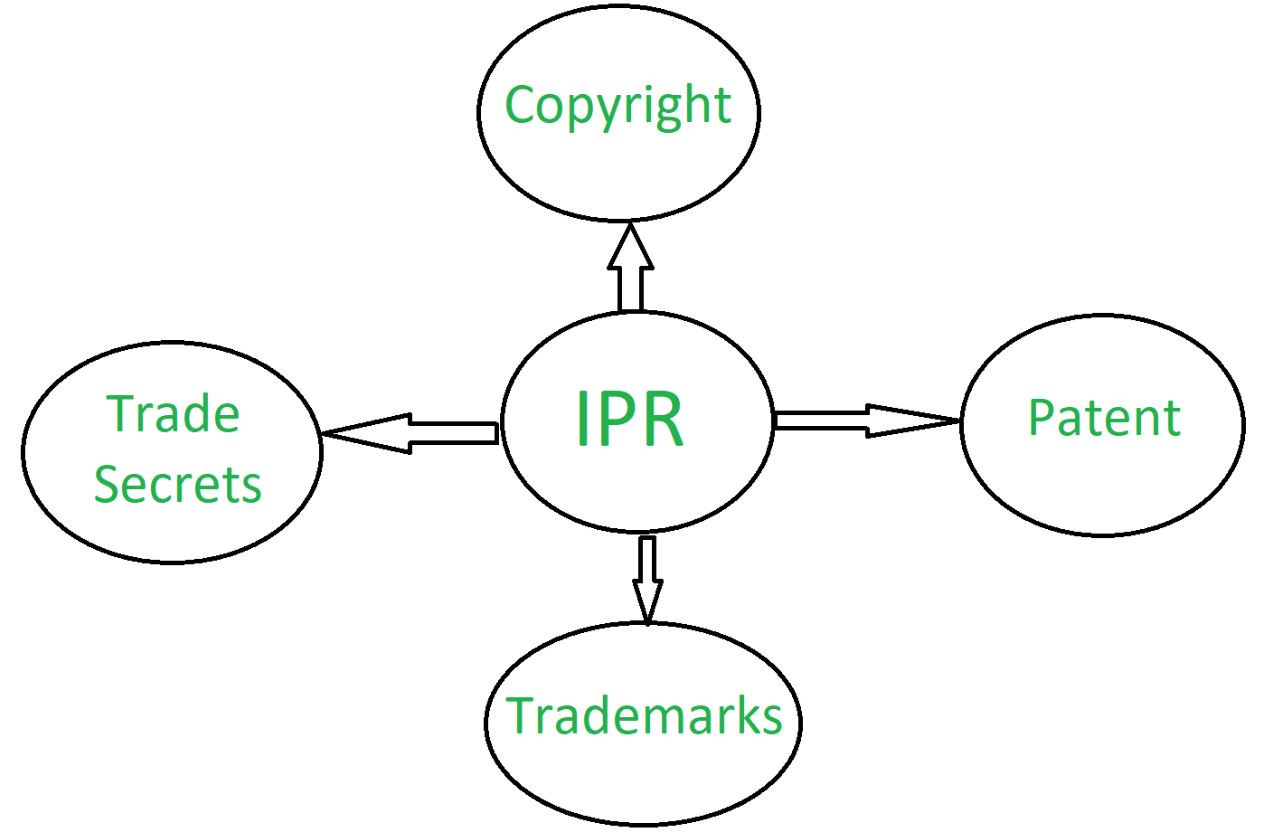
Intellectual Property Rights - GeeksforGeeks

One of the scariest elements of White Label Solution Apps, as any mobile software development company would tell you, is the lack of IP rights. You have no right on anything that you have based your company’s brand image on. Everything from the code to the server belongs to the development platform from where you found the app.

In case of unexpected, unsafe future, it’s not just your brand image that is at stake, but also your users’ private data.

The fear of data security and a right on app’s intellectual property is safely mitigated when you invest in custom app development. As you are the sole owner of the app and its backend, once it’s developed.

Becomes Scalable

Scalability 101 - How to Run a Scalable Business

Custom Apps are hands down more Scalable. When you invest in a White Label Solution App, you invest in an app that comes as a whole, with no scope of expansion. Adding features or even moving them from Android to iOS or vice versa is not possible with the Recyclable Apps.

Scalability is the one feature that you can only enjoy when you are the parent of the app. Something that only the supremacy of custom app development can offer.

A Chance at Getting Updated

With white label solution, your app story ends as soon as the app is launched. With a solution that works in such isolated environment, it is nearly impossible to plan a constant update plan, without involving the White Label App developer and burning a hole in your pocket, one thread at a time.

With Custom App Development, you can easily update the app as and when you feel the need of offering something better to your customers. Unlike your white label counterparts, you can make arrangements with your Custom mobile Application Development Companies right from the stage when you decide to invest in them.

With custom, you can ensure the future of your app, the one that guarantees it will keep changing with the changing users demand

Lets you Enjoy the Perks of Automation

5 Positive Benefits of Automation in the Workplace | by Meet Sally | Medium

It is no secret how Automation makes the life of both users and developers easy. Whether it’s as simple as sending notifications or as complex as updating the attached cloud service as and when some change is made.

White Label doesn’t let you enjoy these perks as the chance of automating the app beyond what is already there is less to none.

Here were the reasons, why us and every custom app development company who works to become a brand’s partner (which only happens when you move on from just being a mobile app developer) stresses on investing in Custom Application Development.

While the internet is filled with a number of benefits, even more than the ones listed above, we have seen the approach work wonders for companies that get associated with us. Here is an example of a brand we partnered with for handling their Custom Application Development process and how they gained 23% hike in their profit margin after making the switch from White Label Solution App to our Custom App –

2. The Case of How our client Saw a 23% Increase in their Business Growth after Going Custom.

*For the sake of the NDA clause, we are going to call our Client, ABC.*

We had a client, ABC who had invested in a White Label Solution for one of their enterprise app, that they needed to streamline their business process and bring the offshore and in house team in sync, while being available to the clients in real time.

It took them some four to five months to realize that in order to become truly productive and to bring the whole team and the associated entities so in sync that it reflects in their Profit and Loss statement, they will have to let go of the app format which was already floating around in a number of companies as theirs.

It’s not just ABC that had made the move, when they contacted us through our App Consultancy page, we shared with them a number of case studies of other agencies that made the switch from White Label Solutions to Custom App Development.

Here are some of the ways Custom Application Development helped their case.

Reduction in Efficient Tasks

9 Ways To Make Team Work More Efficient • Asana

One of the biggest challenges they were facing with their recyclable app was that their team outgrew the set of features that they were given as part and parcel very soon.

After continuing with the same set of processes, even though the employees were now manually doing the tasks that should have been handled on the app, for about 3 months, ABC started seeing visible signs of low productivity.

Once we developed the app according to the exact needs (we added features to not just meet the present needs but the ones that they would come across in the time span of next 5 years), their quarterly performance report showed a reduction in inefficient tasks and a rise in ROI from their application – All in terms of productivity measures.

The Rise in Employee Collaboration

Everything You Need to Know About Employee Collaboration | elcom

The feature of giving real time data of software order received by the offshore sales team to the product team based in Bengaluru was missing in their app (it was a feature in the upgraded version of the white label app that they had selected. But they hadn’t opted in for it). The process that they followed was that the sales team use to be a collaborative report of orders and specifications and used to send it over by the end of the working day, everyday.

There was an evident miss of collaboration between the in house and offshore team. It took them 20 misinformed software configuration delivery complaints to realize that they needed a real time update solution.

After getting their Custom App developed, apart from the visible reduction in number of complaints related to late or incorrect software delivery, they even saw a rise in the collaboration among the team and an increase in customer satisfaction.

Rise in Customer Communication

Three Ways Effective Communication Improves Customer Satisfaction

The process that ABC was following was that they were sending out feedback forms after the completion of an order and if in case they got any negative feedback, they used to handle it over call. On more than 5 incidents, it happened that they failed to tell their customers that the issue has been resolved, even when they were.

Through our custom app, we gave them a platform where they made a rep active on even the off hours and then implemented an auto mode of sending feedback reports after every decided milestone. Both the steps brought in timely communication and redressals.

Greater Usage on Multiple Devices

Do Multiple Devices Affect Internet speed? | Asianet Broadband

The application that ABC had chosen was unresponsive to PCs. We know that enterprise apps cannot operate on just one device – Mobile. It needs to be workable on PCs, Tablets, and sometimes even Wearables.

And we brought the app on exactly all these devices that the team were using. For this, we first made a list of devices – OS, Versions, and Device Type that were operational in the team and then made a deployment plan accordingly.

Came Points Above Their Competitors

In the business mobile app development scenario, it is not uncommon to see an inclination towards white label solutions apps, as it is a common belief that the included features won’t have any drastic changes. This was the notion that made ABC invest in a white label solution, without thinking that every business operates differently and have different processes and tracking systems to follow.

After integrating the app with their exact business needs, ABC in their semi-annual report witnessed an increase from their competitor’s growth sheet. While there were other reasons behind this as well, they attributed it to the custom mobile app development services that they invested in, to a great extent.

The numbers that their reports showed were only an atom in front of the various quantifiable and unquantifiable benefits ABC drew when they chose to let go of their White Label Mobile App for a Custom made Solution.

So here, you have the proof that Custom iOS App Development and Custom Android Development supersedes White Label Solution Apps when you invest in a knowledgeable mobile software development company. Are you ready to make the one time investment in your future? Need more Clarifications? Contact Our Team of Mobile App Experts, today.
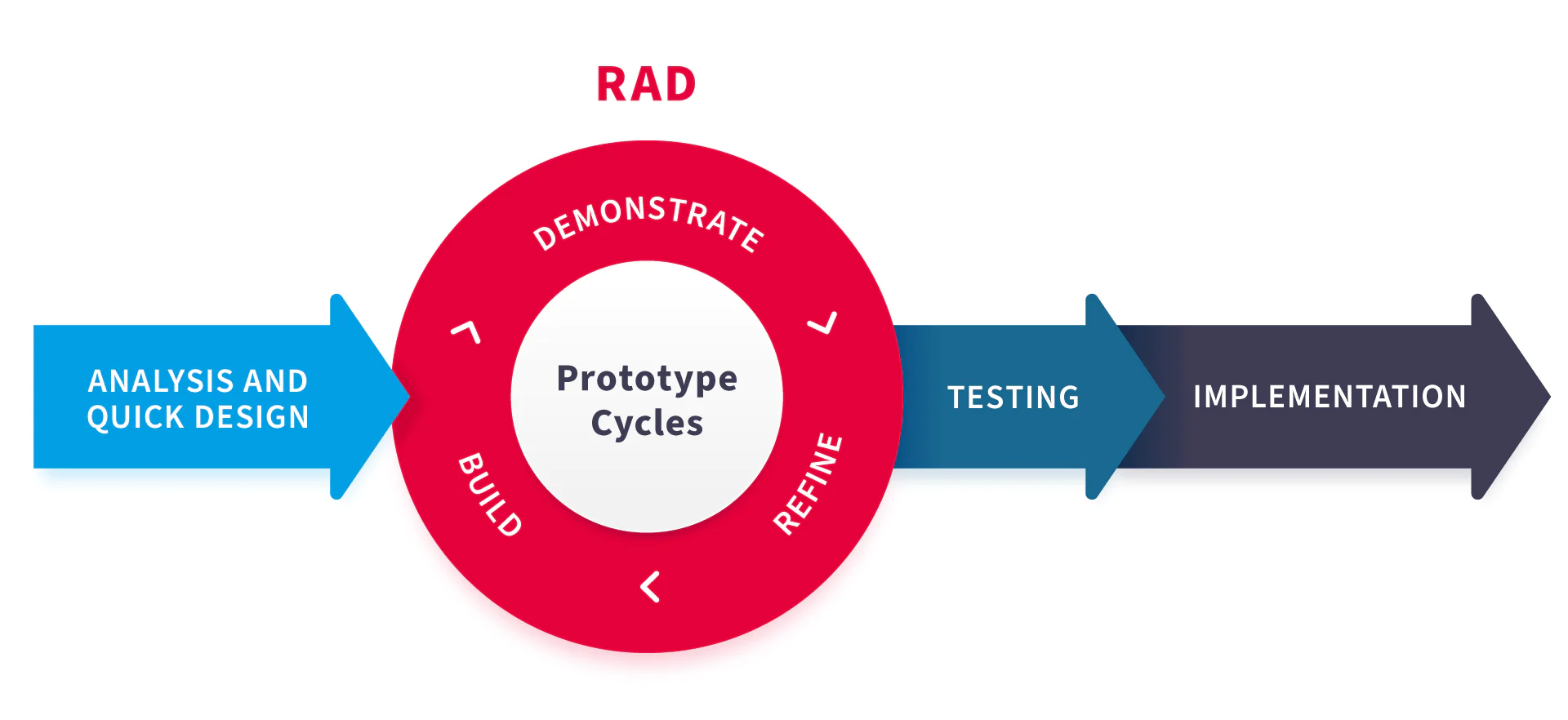
Rapid Application Development in Business: Benefits


What Is Rapid Application Development (RAD)?

Not every brand has a six month to year time frame for getting their application launched in the market. It might happen that the app idea you have come up with, has the potential to attract a lot of competition from the industry.

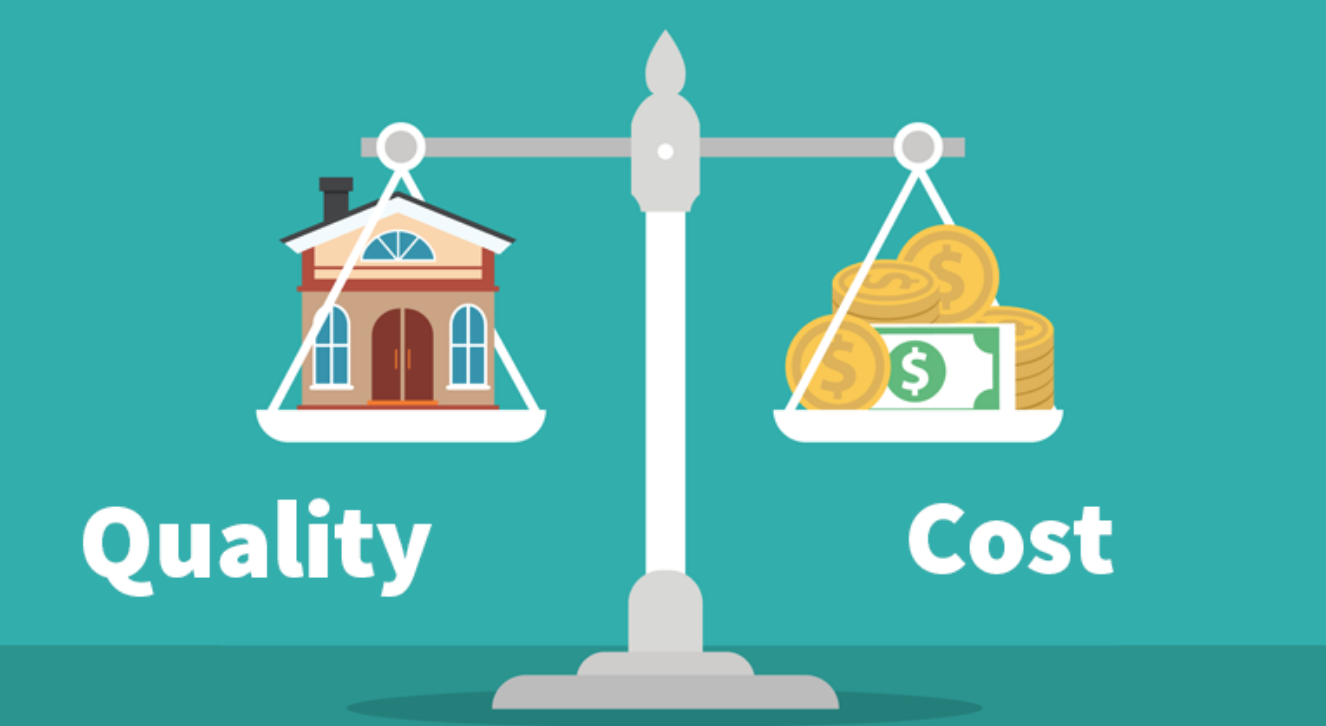
So what do you do? Do you compromise on quality and deploy an app that is a peek into your concept? Or do you extend your time and increase the probability of coming face to face with greater competition?

None of it.

We get a lot of queries from brands looking for strategic mobile app consultancy for finding ways to deploy apps in the least possible time, without compromising on the app quality or paying hefty amounts. The solution that we offer them is, – Rapid Mobile Application Development Platform.

This article is dedicated to the concept where we will be looking into the various phases and characteristics of rapid application development using the RMAD model.

What is RMAD Model?

Rapid Application Development: Advantages and Disadvantages – NIX United

Rapid Mobile Application Development (RMAD) means using code free tools to expedite the process of creating mobile applications.

RMAD can be seen as the mobile version of RAD model, which is based on a concept that high quality products development can be expedited by using processes such as reuse of software components, early prototyping, and lesser formality in team communication.

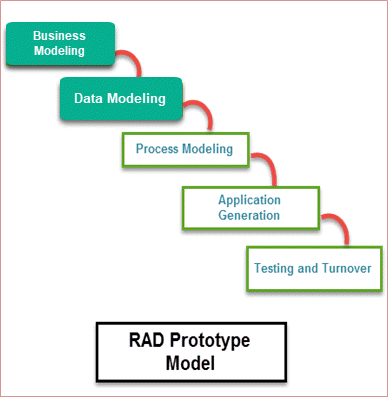
Phases of RAD

What is RAD Model? Phases, Advantages and Disadvantages

  1.       Business Modelling
  2.       Data Modelling
  3.       Process Modelling
  4.       Application Generation
  5.       Testing and Turnover

1. Business Model

The main business plans are decided and their need of achievement is determined. The sort and flow of information are settled between various business models. The questions regarding what information will be required to choose the kind of data structures and how the communication gap bridges between various business administrations be set up is resolved during this process.

2. Data Modeling

The next stage includes review and analysis of information objects as compared to the business model. The credits of these data collections are characterized and their relevance to the business is plainly mapped out.

3. Process Modeling

The data sets and business models are adjusted to create a flow of information for different business models. The process for development and change, both are determined. In this stage, the process structure for adding, erasing, changing or retrieving a data set are set up at one place.

4. Application Generation

In this model, automated tools are utilized for the construction of the software, that is to convert the processed and data models into prototypes

5. Testing and Turnover

RAD is famous mostly because of its focus on the testing and turnover. Each prototype is tested by the user and every feedback is used to optimize the current structure and integrate changes as per the feedback.

For a brand that is looking for a smaller launch time and has a low feature mobile app, Rapid Application Development (RAD), with its USP of delivering quality apps in the least possible time, comes in very handy. There are a number of reasons that come attached with this that has brought in a demand for RMAD among the businesses.

Let us look at some of the pros and cons of rapid application or low code no code app development that is turning brands into the direction of the in-trend approach.

Benefits of Rapid Application Development

1. Quick Delivery

Can Losing Weight Make You Run Faster?

Under the Rapid Mobile Application Development Process, the whole project is segregated in modules, which are treated as an individual prototype. Each of these prototypes are tested instantly, before being winded together. This helps in faster delivery of an app which is tested to ensure lesser bugs.

The primary benefits of RAD is a faster development life cycle, and a better turnaround time of the software product. This is achieved by rapid prototyping, and by using automated tools like Computer Aided Software Engineering or CASE tools, that enable the developers to re-use previously generated codes, thus saving the time needed for manual coding. The CASE software tools are a major contributing factor in reducing the delivery time in the RAD methodology.

2. Fast Action on Market Analysis

A Comprehensive Guide to Market Research: 4 Proven Methods | Hotjar Blog

Since every module is treated as a separate prototype, brands can easily get it reviewed by the end users, without having to wait for the final product to be launched. Also, since changes are to be made on one module out of the supposed 5, the maximum portion of the app remains unchanged.

3. Reduced Waste Time

Real Life Examples of the 7 Wastes of Lean (Plus 1)

When developing mobile apps, it is found that the elements like wait times, task switching, handoffs, and defect solving contribute to extension of the app development cycle time.

The RAD process comes with rapid app development tools that help with visual development, on the spot testing and deployment. All these processes and supporting tools together bring substantial reduction in waste time.

4. Better Quality and Low Production Cost

7 WAYS TO REDUCE MANUFACTURING RELATED QUALITY COSTS

Even though the Rapid Application Development Process comes with compromises related to range of features in the app and its scalability, the overall quality of the app is better when compared to their counterparts.

Since they provide greater reduction in error by using prototyping and automation tools, there is a reduction in errors and bugs.

One of the advantages of RAD model involves the use of reusable software components, which ultimately leads to lowering the cost range that goes into the programming of the mobile app.

5. Aligned IT and Business Teams

Why Your Company Can't Afford To Ignore Team Alignment

IT professionals across the globe admit to spending half of their time on rework. The occurrence of rework happened because of the change in views between the IT and Business Team. Rapid Mobile Application Development eases the process by bringing both the IT and business together, in all the processes – Requirement Analysis, Development, QA, and Production (As shown on the right side of the image above). Since the method works on bringing development and validation to operate side by side, rework is immensely reduced and cost overrun is protected.

6. Faster Release of Product Versions

Rapid Mobile App Development makes use of a method known as timeboxing, which controls the features that are to be deployed in the present, and the next-level versions of software products.

The method helps with releasing product versions in the least possible time, by keeping the next version features added in the app development process.

7. The Innovation Pyramid

As of recently, businesses have observed the advantages of RAD just at the application level. However, RAD benefits are significantly more noteworthy at the enterprise level. To get that, you need to look at enterprise applications from the point of their rate of change, as clarified by Gartner in their Pace-Layered Application Strategy. Gartner has characterized three application categories, or “layers,” to recognize application types based on their rate of change. A close examination uncovers that these layers likewise indicate the extent of focus and financial plan traditionally accorded by undertakings.

Parting Words

So, here were the seven benefits that have brought Rapid Mobile Application Development in the business decision of brands looking to develop quality apps in the least possible time.

Want help with expediting your Mobile App Development Process? Contact our Team of Experts today, or Hire a well-known mobile app development company, who knows the ins and outs of the development process.

If you are looking to develop an app with an up to date and all the latest technologies of the current time, you should partner with known mobile app development services that are well-adapted with the changing market needs. You can also opt for remote companies like mobile application development company USA. But make sure you choose the best to get quality results.

Have you launched and deployed an app following the RMAD process? Let us know in the comment below.

Mobile Apps Backend Development for Busy People: Guide

Awesome Facts that will make you be a Back End Developer

With the advent and popularization of mobile apps, the focus has now started shifting on not just developing an amazing app but also on understanding the underlying factors that differentiate amazing apps from a common one. Every detail of an application that provides an effortless experience is incomplete without the mention of its efficient mobile app backend architecture. In that context, read this article as a guide to what makes Backend development so important, what are the software stacks that make its backend architecture for mobile app, and the tools that help develop a strong backend process.For those who are here just for the tools, we will come to the tools part, but only after a few scrolls.

Let’s start with what Backend server for mobile apps mean and how it is different from Frontend development?

Frontend VS Backend Development

If you ask a developer how frontend and backend development is different, the reply that you will get is that frontend uses codes to make an app look pretty and the backend writes codes to make it work.

But there are a number of underlying things that both the app development processes are based on –

Basically, applications that are installed from the Play Store or App Store on your smartphone are frontend applications. Be it Instagram, Facebook, or Calculator each application on your smartphone is a frontend mobile application. How? Frontend applications permit you to connect directly through buttons, text fields, flips, and so on. Since they work on mobile phones), they are mobile applications, too.

A Front-end developer is accountable for translating app’s designs to a code which is required to display it properly on the browser. The job grew more meticulous with the introduction of responsive web design. The person not only needs to ensure that the look is supporting all the current browsers’ and mobile platforms, but should also note how the design is looking in other computer resolutions and browser widths.

While you have known about the frontend developer, now let’s know what the backend developers does –

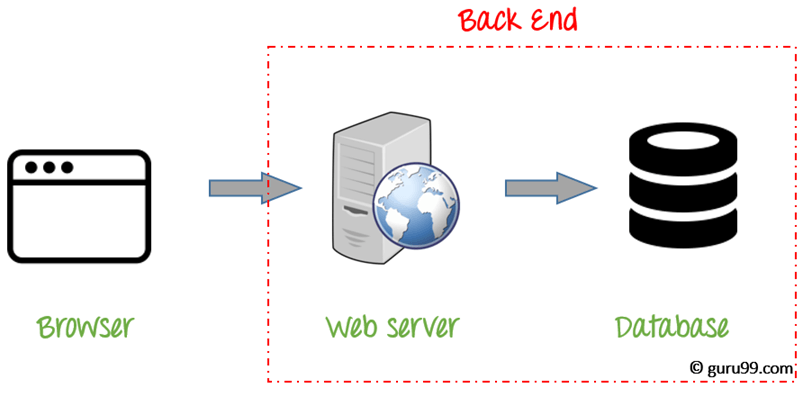
In a layman’s language you can assume the backend as an extra application for your mobile application i.e. the backend section works differently. It is a piece of software that runs on machines called servers. Backend development for mobile applications empowers the main working of the application. It incorporates things like servers, databases, middleware, and so on.

A back-end developer is accountable for the mobile app server connecting the content one sees on the site to the CMS and develop the logic needed to make everything work as supposed to. On the design front, they are responsible for converting the designs and the front-end development process in the CMS setup, giving the clients an intuitive method to handle their app content. If they make the mobile app backend architecture very simple, chances are that the clients will not have control. And if they make it complex, the possibility that clients’ get lost in the design becomes high.

Here is a visual to show the difference between a Frontend and Backend Developer.

Front End Development, Back End Development, and Full Stack Developers


Now that you know the difference in Frontend and Backend development, let us understand about backend development of mobile app functions:

Mobile Application Functions That Are Provided With Backend Development

What is Backend Developer? Skills Need for Web Development

There are many things you need to ensure prior to incorporating a mobile backend for app development. The most basic function to utilize while creating mobile applications are:

Cloud server – Today everybody can afford having cloud servers that come with various sizes and are stored in a protected location. The most popular cloud servers are Google App Engine and Amazon AWS, they are ordinarily utilized by large organizations and are reliable.

Custom server – You can generally make your own server for your mobile application, or you can also ask a software development company like Anteelo about SaaS. It can have its IP address and store explicit data. In such a manner you will consistently have full control over a custom server but will require additional time on monitoring.

MBaaS – Mobile Backend as a Service (MBaaS). If you prefer not to write your own backend servers or put resources into a cloud-based server, that is your option. These days there are numerous independent MBaaS providers that offer incredible functionality and an analytics framework to monitor your applications.

After knowing about mobile app backend development functions, let us now move on to how backend architecture and mobile app server actually work.

Architecture and Server- Working

Gear up, we are now going to delve into the technicalities of custom backend development and prepare you for your next backend developer job and to have a discussion with your development team before you start working on that next big app project of yours.

In layman terms, backend development is preparing your mobile application to work as it was intended to. Now to make it possible, there are some concepts which form the server or Backend’s side ‘Software Stack’.

Before I get into that, I will take another minute of yours to tell you that the look of the backend varies from application to application. The points of differentiation can be counted down to use of data warehouse, cloud based servers, containerization, BaaS providers or usage of APIs to replace complex processing.

With that out in the open, let me take you back to the mechanics of the Backend.

Breaking Down Backend’s Software Stack

Instead of taking you down the rabbit hole, let me simplify and break the backend’s technology stack in its four components – database, server, software, and operating system.

Here are the details on the components –

Servers

USA Based Dedicated Servers | USA Dedicated Servers Hosting | US Dedicated Hosting - Temok

Whether your backend is in the cloud or on-site, a backend server for mobile app is the life vein of the network. These provide resources (shared) that the networks need to operate and work as a mobile app hosting platform as well. These shared resources might include – encryption and security, file storage, email, database, and web services.

Now, these servers use virtualization to get the provision to house various apps. Another term used in relation to servers is Containerization, which is the way server provision the operating system out to contain compartmentalized applications.

Database

Choosing the Right Database for Your Applications | PingCAP

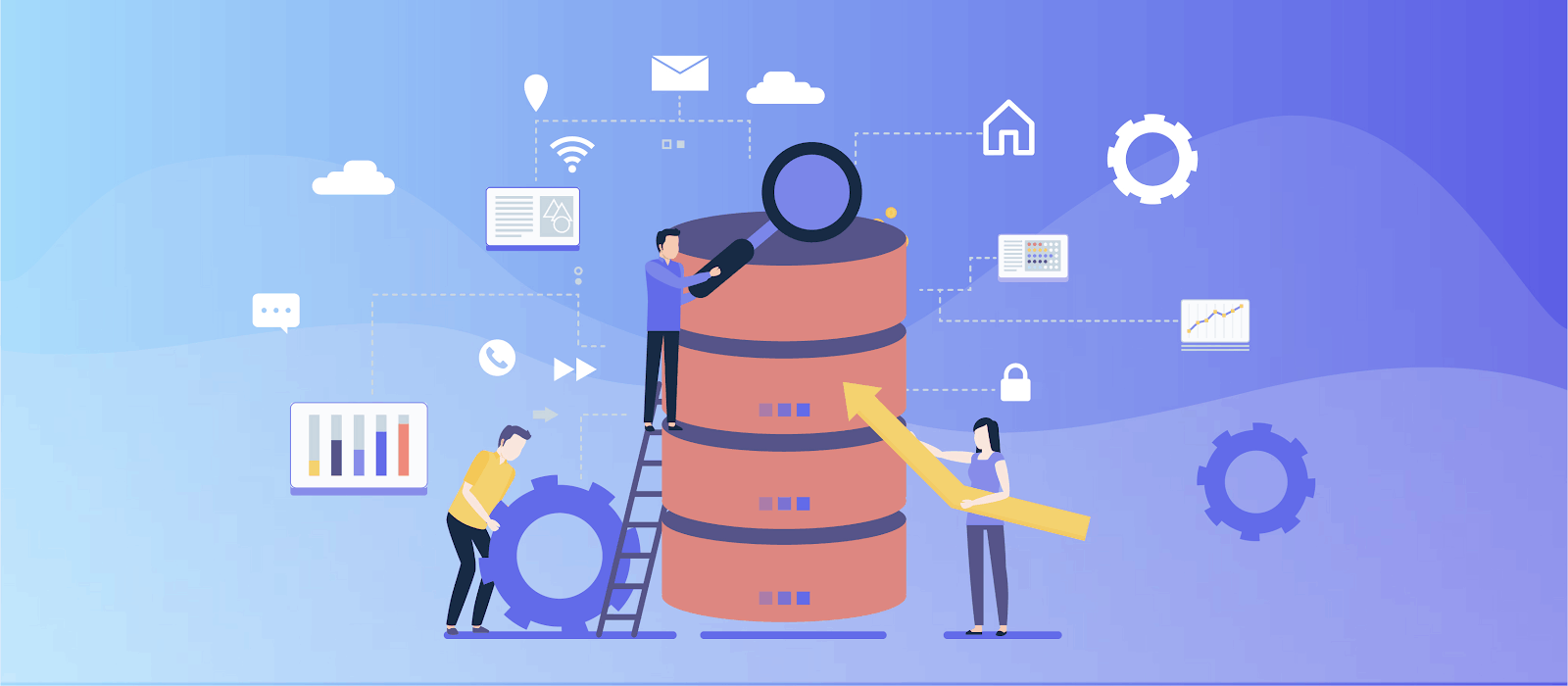
Database is what makes an application or website dynamic. Any time a user makes a request from the app, the database is supposed to accept the query, fetch the data, and give it to the app user.

Along with getting the information to a user, database is also responsible to accept new and edit the old data, as and when the user wishes.

Middleware

List of Companies Using webMethods, Market Share and Customers List

Middleware is a software that works on the server which connects an application’s frontend to its backend. It enables connectivity between the client and server. It can be organized in various layers – both business and presentation layers.

It lets the on premise apps and cloud apps interact and offer services such as error handling, and data integration. An efficient middleware can enhance business process management, user engagement, authentication, content, content management, etc.

To start with, these three are the main components that lay the basis of Backend Development.

Now for those still with us, let me now tell you of the best mobile app backend technology, the reason in calling them the best is because they have been used on a mass scale for a number of varying projects of all sizes.

Here goes the list (After the scrolls)

1. Web server tools

  • NGINX

NGINX | High Performance Load Balancer, Web Server, & Reverse Proxy

We use this open source software to do web serving, caching, reverse proxying, media streaming, and load balancing, among other things. It also functions as the proxy server to email (POP3, IMAP, and SMTP) and as a load balancer and reverse proxy for TCP, UDP, and HTTP servers.

  • Apache

Another open source software, Apache is used by over 50.1% of the world’s apps. The mobile app hosting platform has proven its reliability in the web server industry.

2. Databases tool

  • MySQL

MySQL | Most Popular Open Source Relational Database | AWS

The relational database, MySQL is an open source platform which is easy to setup, scales fast, and is free. Because of reasons like these, we have placed our trust in MySQL for all the database requirements.

  • MongoDB

Thousands of MongoDB databases compromised and held to ransom – Naked Security

The tool saves all the data in binary JSON format that makes it easier to pass the data between server and client. The tool is also a free open source NoSQL database system.

3. Git clients

  • SourceTree

Sourcetree | Free Git GUI for Mac and Windows

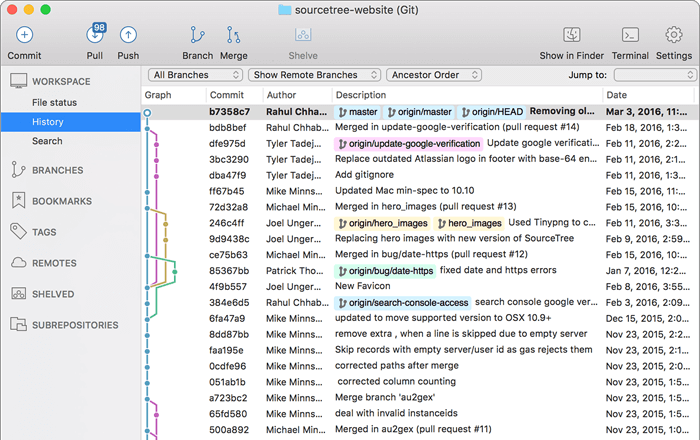
The tool simplifies how the developers interact with the Mercurial and Git repositories. It makes managing repositories more intuitive, giving people time to focus on coding.

  • GitHub client

GitHub Desktop | Simple collaboration from your desktop

The tool is used to write cross platform desktop apps that uses HTML, CSS, and JavaScript. It gives the developers a unified cross platform experience which is 100% open source.

4. Microservice platform tools

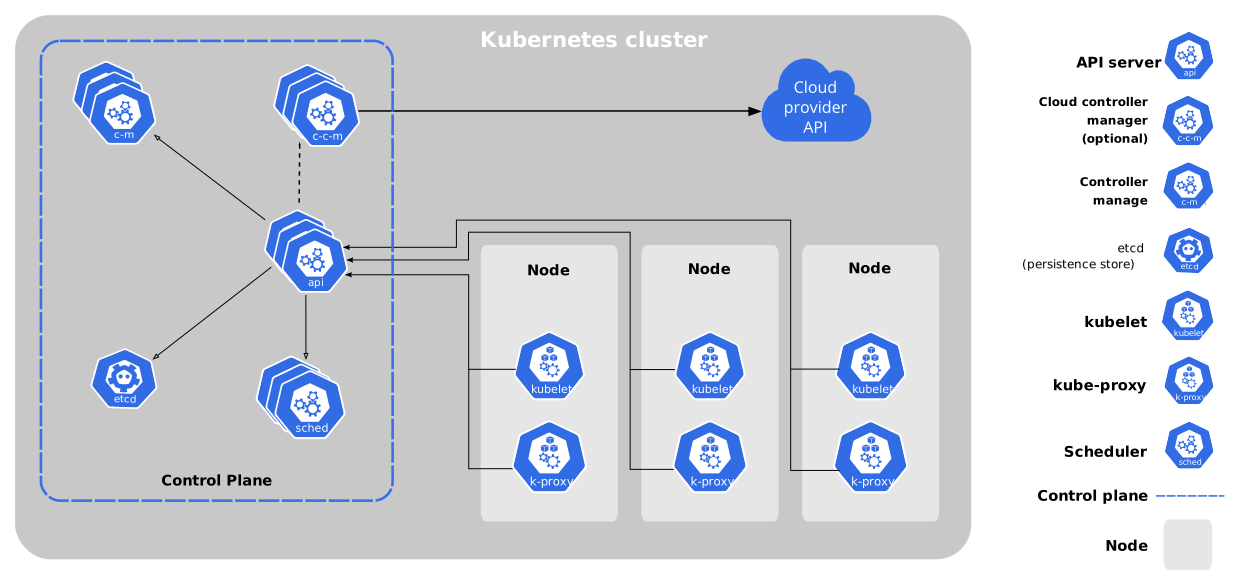
  • Kubernetes

Kubernetes Components | Kubernetes

The open source platform used for container cluster management aims at providing a space for scaling, automating deployment, and for operation of application containers across the cluster of different hosts.

  • Docker

Docker Tips & Tricks. Docker is great. Docker is awesome. I… | by Francesco Burato | NCR Edinburgh | Medium

Docker puts microservices in the picture by offering developers easy to use and fast packaging, deployment mechanism, and distribution to build compartmentalized apps. It also provides an ecosystem of tools like registry service, native clustering, and cloud service.

5. Local development environment

  • WampServer

File:WampServer-logo.png - Wikimedia Commons

The open source development environment tool allows mobile app development companies to make web applications using PHP, Apache, and the MySQL database. It comes in a package with SQLite and PhpMyAdmin to help in managing databases.

  • XAMPP

How to install XAMPP on Windows? - DEV Community

The open source web server solution stack comes with Apache distribution which consists of PHP, Perl, and MariaDB integrated together in one downloadable file. The XAMPP package has been designed in such a way that is extremely easy to setup and use.

6. Collaboration service tools

  • Slack

Slack Review: The Pioneer of Team Collaboration Software - UC Today

The famous cloud based collaboration and messaging app has been revolutionizing the enterprise communication since some time now. Popular because of its fun interface and rapidly expanding community of users, Slack continues to make developers’ lives pleasant and productive.

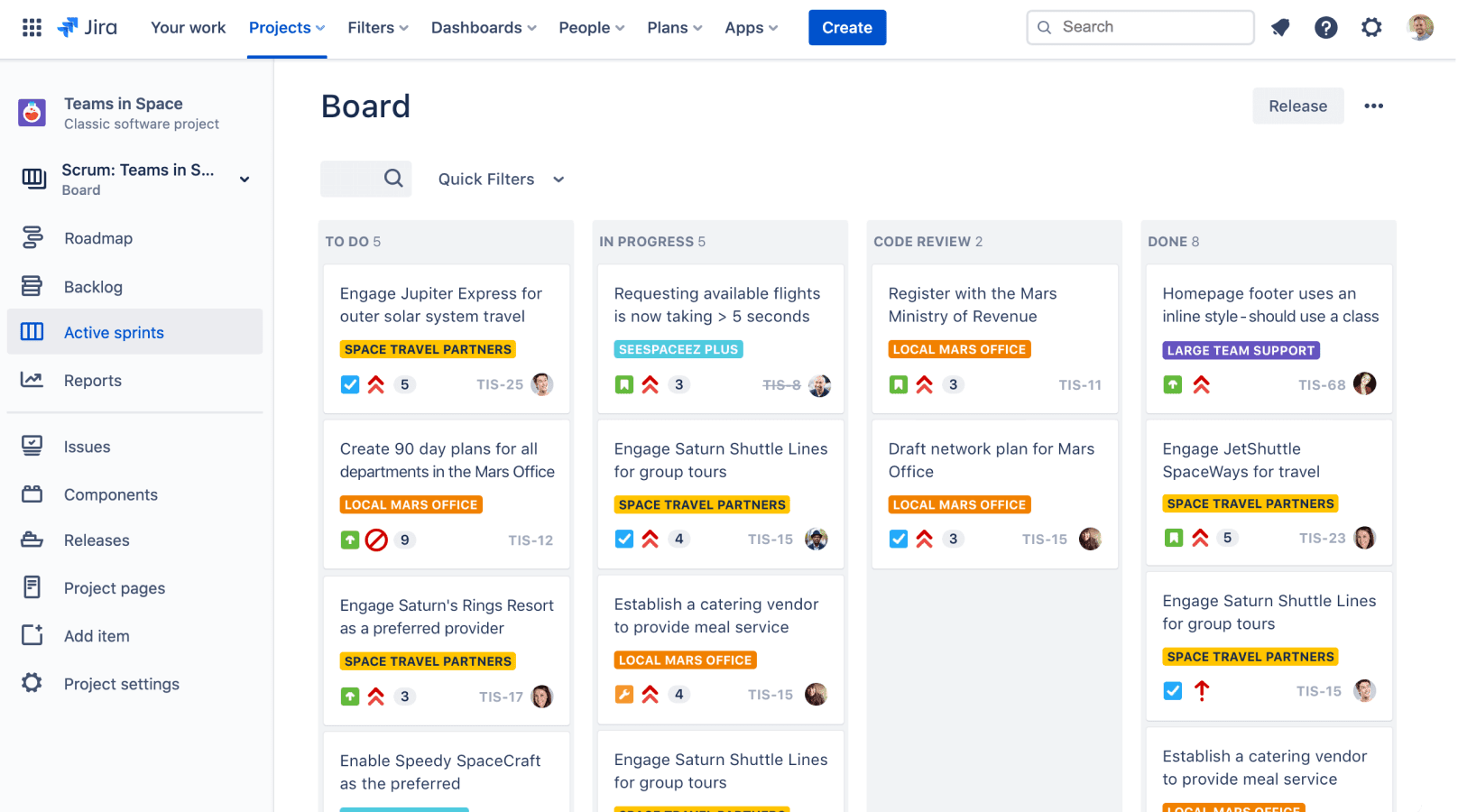
  • Jira

Jira | Issue & Project Tracking Software | Atlassian

The web based project management tool uses Scrum and Kanban to manage projects. The tool was made famous by Toyota back in the 1980s for supply chain management.

7. App performance test tool

  • Apache JMeter

Apache JMeter - Apache JMeter™

The tool can be loaded in the server to check the app performance and its speed under different conditions. Earlier, it was only used to test web apps but it is now even used for testing the app performances.

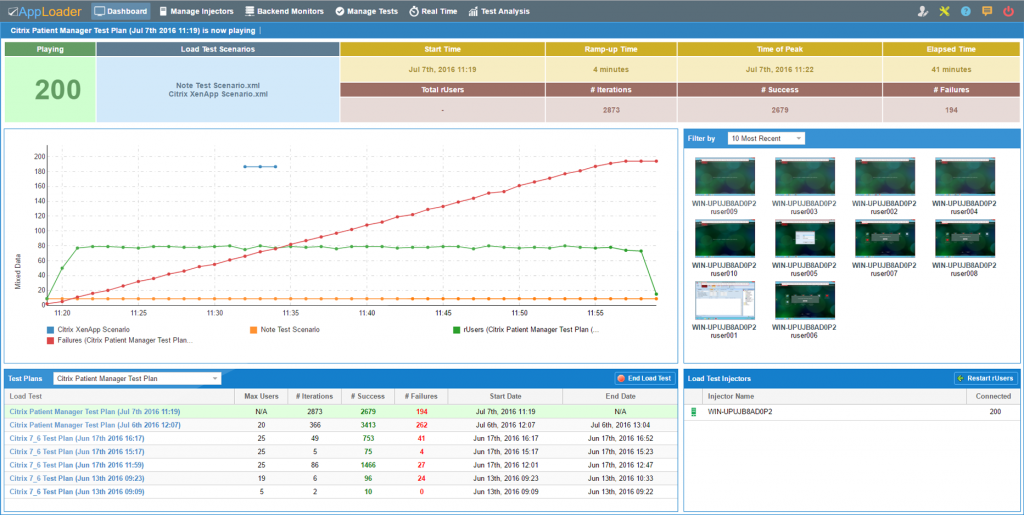
  • AppLoader

Apploader Pricing, Features, Reviews & Alternatives | GetApp

Another tool that we swear by is used to test the application by creating the exact same user experience from all the access points. The tool lets you test the complete business flow without having to add plugin or the need to write code.

Advantages of Backend Development

Role of the backend in app development service provides lots of advantages of stages of app development that you will get from MBaaS, which are as follows.

  1. Quick Development Speed
  2. Cost Efficient
  3. Focus on core business
  4. Better output in less time
  5. Reduced time to market
  6. An expanded app feature set
  7. Outsourcing of cloud infrastructure
  8. Continuous delivery and integration
  9. Performance and Security
  10. Privacy requirements like GDPR

A Quick Summary

We started with how Frontend is different from Backend and continued to the backend app development process. Next, we saw the components that lay the basis of Backend development and finally moved on the tools that makes it all possible.

Now, bringing an end to the guide, let’s touch base on APIs – the backend technology stack without which it is impossible to do Backend development.

APIs – The crucial part of Backend Programming

It is impossible to talk about Backend development, without a mention of APIs. It is through API that it connects applications, software, database, and services seamlessly. API has an indispensable role in the building of server side software architectures, allowing the software to interact and for the data to be transferred.

With this, we bring the guide to an end. Hope it imparted value to you. For any query you can contact us as we serve across the globe with our mobile application development company in USA, Europe, and Asia to help our customers and clients achieve their goals.

Mobile Apps UI Design Trends for 2018-Top 15

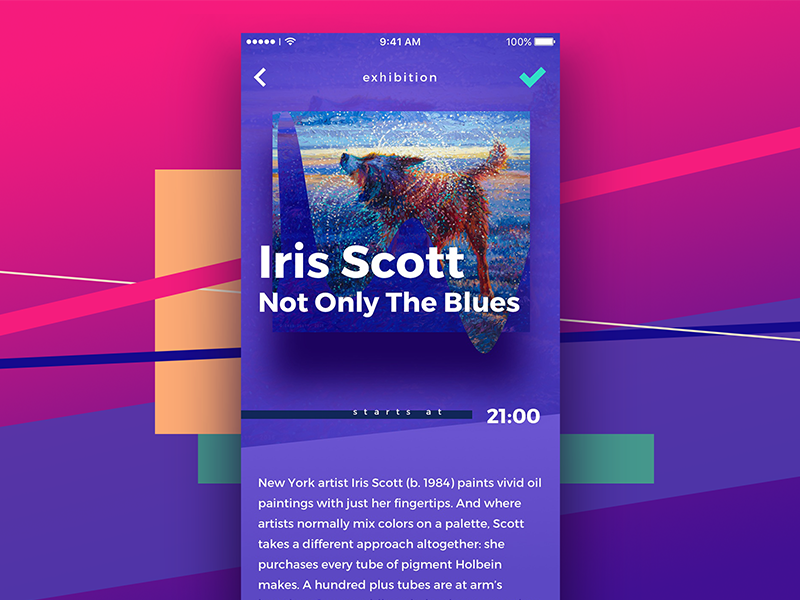
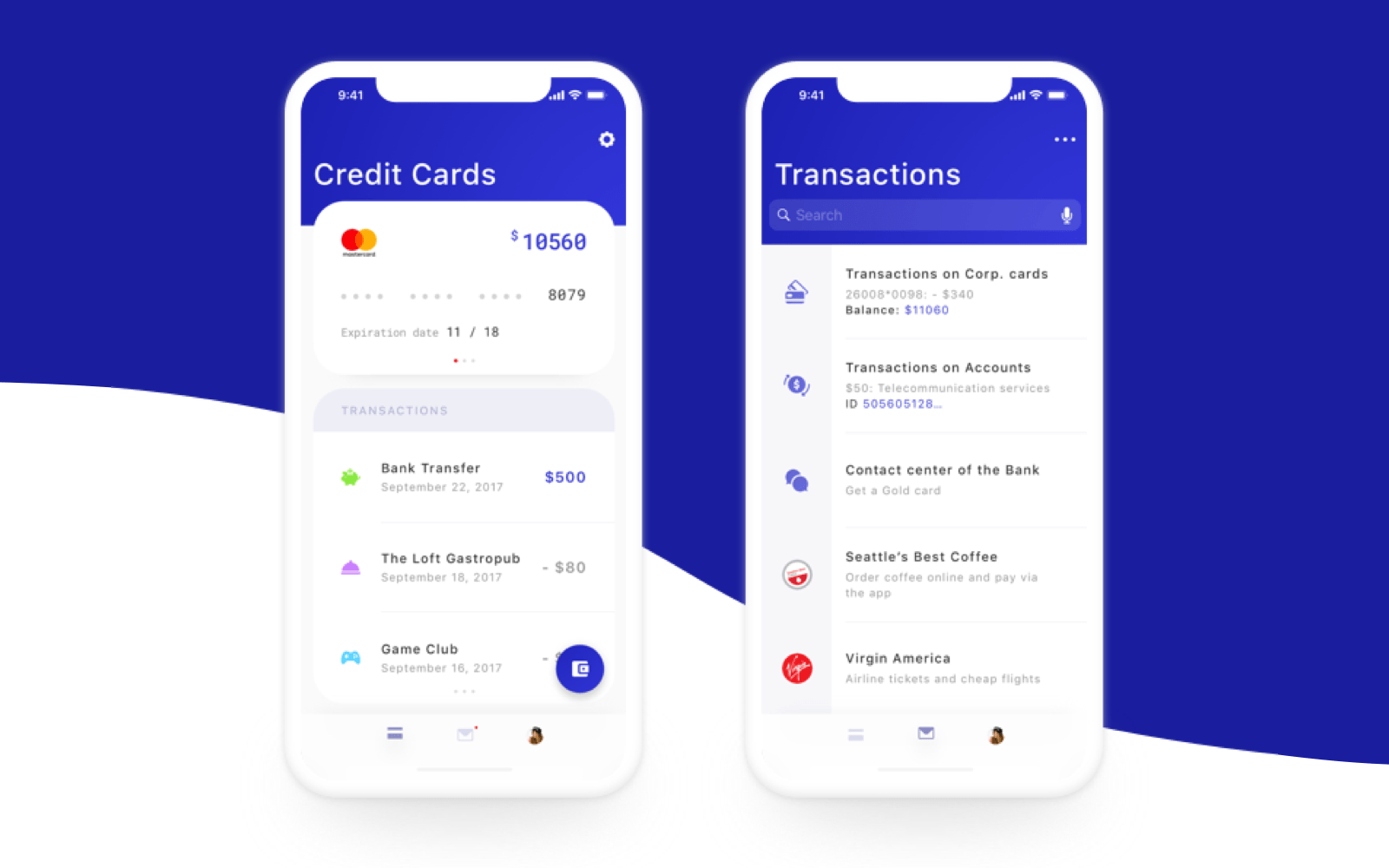
App designs, themes, templates and downloadable graphic elements on Dribbble

Mobile Apps Designs continue to change with the changing demand of the industry’s million users. In the race of catching and keeping the attention of the crowd of impatient users, the UI design market keeps coming with new ideas and keeps revolutionizing the old ways to make the experience innovative and value offering.

2017 bid adieu to a number of UI elements that were making the product design old and boring – hamburger menu, content with less to no images, safe colors. While 2018 will be all about on the face, no nonsense designs.

There has been a new found demand for mobile app design agencies that can understand and help keep the brands in trend, when it comes to offering uniquely innovative experience to the users.

There are a number of UI elements that have together made a list of Mobile App Design Trends 2018.

Let’s get on them to keep you on trend this year.

1.Vibrant Colors

Bright Colors in UI Design: Benefits and Drawbacks | by tubik | UX Planet

In 2016, UI designers reinvented flat designs in mobile apps and shifted their focus to offering greater personalization with their design elements.

Instagram was one of the first apps to modify their logo, move on from the flat, dull-muted tones to multi-colors. The trend was then trailed by a range of famous companies. Moving in the same direction, 2018 is going to be the time of vibrant colors, shooting up warmth, energy, and subtleties to your home screen.

It’s time for designers to be valiant and try out newer colors, but select and apply them wisely. Make sure the colors allow you to create unique, powerful, and eye-friendly experience.

2.Borderless Display

Future of UX Design: Trends That Really Deserve Your Attention

When Apple declared the launch of iPhone X with a borderless display, the major buzz was made around the effect of the design on UI design. They introduced the trend of transforming the usage of strict flat design ideas in mobile apps, boosting fluent storytelling. While it was still a lot restricted in 2017, Borderless Display specific designs have found themselves in the list of UI Design Trends of 2018. We will soon start seeing designs that cover the whole mobile from edge to edge.

3.Videos

50 Awesome Music & Video Player UI Designs – Bashooka

2017 witnessed a rise in the fame of video content format. Hubspot stated that 78% of people watch online videos per week, and over 55% see online videos every single day.

In the context of the mobile apps, designers will be adapting the video formats in their apps in 2018.

The human attention period has reduced from 12 to eight seconds. Video-based UI is a result of this change in span.

2018 will see more of video-based content and more platforms coming up with live video options to convey information and feelings.

4.Cards

Card UI design: fundamentals and examples - Justinmind

It was in 2015 that mobile devices overtook PCs as most used tools for surfing the web and doing the regular online activities. To cover the gap between desktop and mobile app usage, there had to be an element that would work well on both.

One of them is cards.

Although not an innovative addition in Mobile App UI Trends 2018, they play a crucial role in curating an effective UI design. Having all – video, photo, text, and link to a specific subject, cards are one of the most brilliant ways to display and organize large amounts of content on screen. Above all, they are aesthetic, easy to digestible, and properly-optimized for clicks and taps. This is why they have found themselves as the prime UI design mode on Pinterest, Netflix, and Newsfeed.

5. Sounds

PureMind | Sounds | Interactive design, App design, Sound

The newest element in 2018 UI Design Trends is sound layers. This trend are with respect to the sounds which users listen when they open a website, send comments, select emojis, etc. The sound element of UI design adds features like enjoyment and pleasure in user experience. 2018 has come with an expansion to this trend and is set to take user experience to new levels.

6.Big Typography

Big Typography designs, themes, templates and downloadable graphic elements on Dribbble

Typography is another feature for the UI designers to experiment when designing uber personalized app designs. When added with images, colors, video, animations, and innovative layouts, the element brings about exceptional user experience.

Solely because of the reason, Typography has become crucial piece of UI design world in 2018, helping designers transform from the traditional font styles to a more experimental, creative space. What you should expect this year, is fancy and bold fonts in place of done till death system fonts, which have been applied since forever.

7.Overlapping

Pattern 10: Create Overlapping & Collaged Elements - UI & Visual Design Patterns - Proximity School of Design

Overlapping of graphics, fonts, and colors not only makes UI design distinctive and eye-catching, but also add a false sense of white space. Creating an illusion of open space in the crowded real estate of a device, is the number one reason why designers are adding overlapping feature in their mobile apps.

Furthermore, in most cases, the overlapping of the same elements, combined with shadows, makes the mobile app interface designs impressive and fantasy like. All these reasons combined, make overlapping an important part of Mobile Application User Interface Design Trends 2018.

8.Gradients

Gradient designs, themes, templates and downloadable graphic elements on Dribbble

In 2018, one can expect to see bright vivid colors and much greater use of the gradients.

In the last some years, we have been seeing a rise in the number of app designers who are adopting color gradients in design when designing buttons, logos, and backgrounds.

The reason behind this adoption is when you chose a specific color, you can show a hierarchy while drawing a picture and combining it with different graphics and color gradients.

This sense of hierarchy will continue to make Gradients famous in 2018 as they did in 2017.

9.Opacity

30 Clearly Cool Transparent UI Designs – Bashooka

Same components tend to have diverse effects once you adjust or play around with their transparency level. When designing mobile app interfaces, adding opacity in components can be an excellent design work. Furthermore, the opacity settings for various graphics or colors can also help create colorful glass like texture to the app elements.

Overall, irrespective of how you add opacity to your UI design in mobile apps, they will see a concrete rise in demand in 2018.

10.Animation

5 phenomenal examples of motion design in UI | Inside Design Blog

Introducing motion design or animations in fonts, icons, buttons, and photos always have an optimistic impact on app users giving them more enjoyable experiences. The trend will continue in 2018.

11.Responsive Logos

Joe Harrison - Design & Interaction

The idea of modifying logos to fit in with the n number of devices, has been a very recent doing of the app design world. Brands have now started refreshing the logos in simplified, modern versions since last some years and making them responsive is the only logical next phase when it comes to meeting the today’s demands.

12.Real Life Photography

40 Best Photography Web UI Design Examples 2019 – Bashooka

It’s very energizing to see authentic, real-life images return to the mainstream again.

The demand for real photos rose greatly in 2017 and is set to grow massively in 2018, with brands seeking to bond with users, and designers looking to get rid of tawdry stock photos.

13.Highly-Detailed Vintage

Pin on APP UI

Vintage is nothing new, but its usage will grow stronger in 2018. Although it contradicts the mainstream need for minimalism, finely crafted images are timeless. This year, brands will be looking to attain top-shelf expression that shouts sophistication and distinction.

While not everyone’s cup of tea, food and beverage domain—specifically those involved with organic food and wine—will be leveraging the style in 2018.

14.Voice Enabled

How to Design Voice User Interface? (VUI Design Guide)

Voice-activated elements of apps helps simplify users’ operations. In 2017, apps with voice dependent services finally found their fair share of demand from the industry. The popularity of voice-activated mobile apps will only grow in 2018.Other than the voice-activated elements, fingerprint-activated ones will also play a very crucial part in defining mobile app interface designs for 2018.

15.Emoticons

Popup design - Daily Ui 16 by Ashley Saleem-West on Dribbble

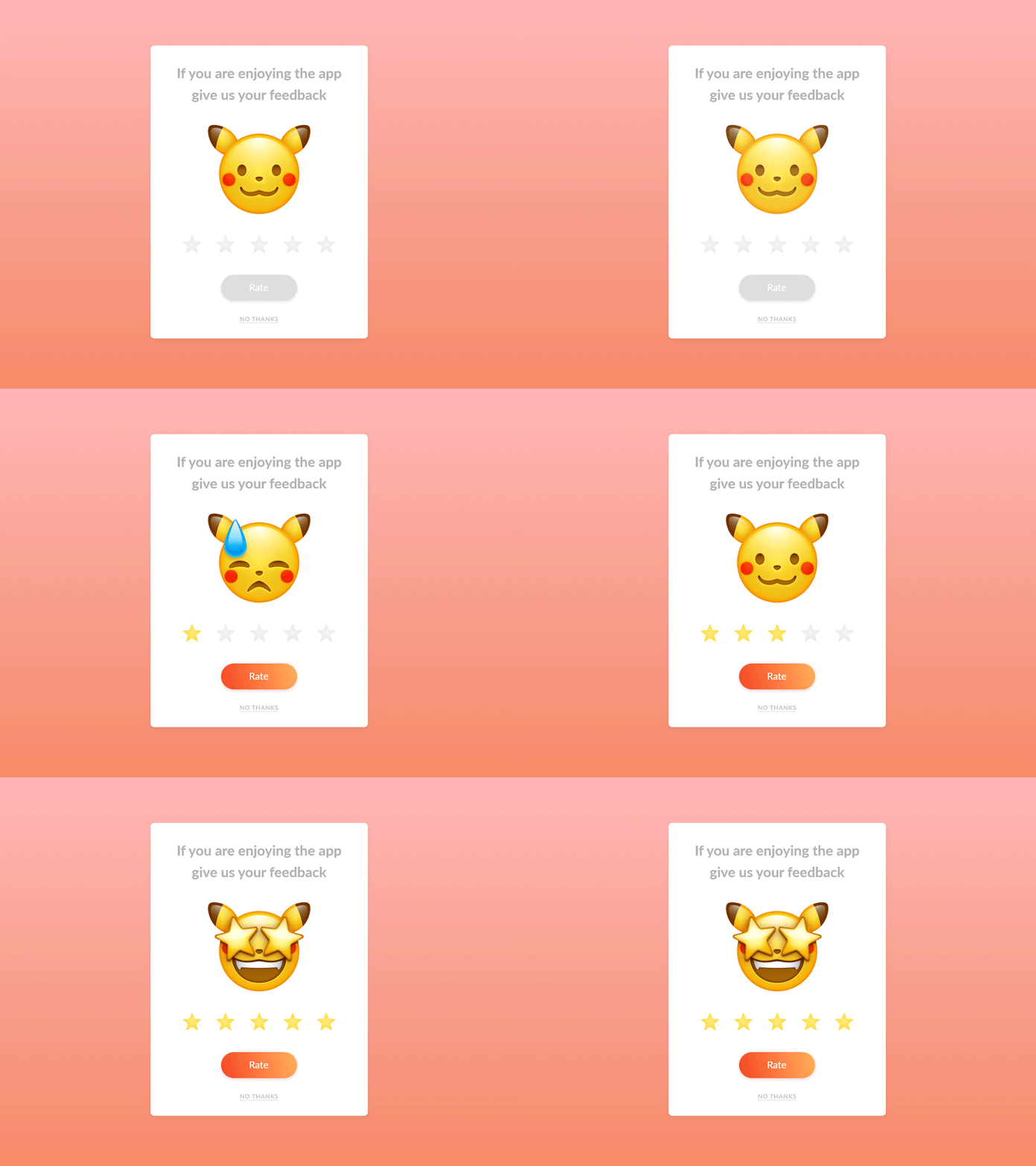
In 2018 we can expect to see emotional intelligence getting integrated in mobile experience to a much greater level. It is no more about animated effects that are shown when users complete any specific action. EI has now become a mainstream way to make users experience delightful and engaging.

In the year of mobile apps, we will see more emoticons in the list. They will see an integration with Face recognition elements that will be used for providing an array of reactions. One such technology that have been doing this perfectly is Animoji — the animated emoji that responds to iPhone X camera’s facial expressions.

Predictions for 2018: Surefire Mobile App

6 Surefire Digital Marketing Trends of 2021 | Trank Technologies

For a sector that has been on a roller coaster ride of innovation and growth ever since the launch of both Android and iOS platforms, 2017 was its year of activity. Last year came with a lot of new technologies and trends that were designed to make the app industry user friendly and innovative. If 2017 was about introductions, 2018 is about application and growth.

As the industry steps into 2018, there are a number of stats and facts that have followed it from 2017, which has set a platform that is open for exploration and innovativeness. With the foundation set on most of the new technology entrants, there is a lot to look forward to this year when the industry will reach maturity level.

Let us look at the 2018 Mobile App Predictions, as set by the Top Mobile App Development Trends of 2017 –

1. Gross Consumer Spending in App Store will cross $110 Billion mark in 2018

Google Play narrows consumer spending gap versus iOS App Store in Q1 2018

With mobile apps extending their reach to a greater number of industries, app monetization is on a rise. It is expected that the global consumer spending will cross $110 Billion, after growing at a rate of 30% every year. The trend is a hint towards how app economy has now reached its maturity level, where it is offering real value for which users are ready to pay.
2. Phablet will dominate the device category list on which mobile apps will be used

You don't know what a "smartphone" really is, and the Surface Duo proves it

Just like 2016, Phablets won the most active device race again in 2017, with 55% users opting for the device for working on their mobile applications. Seeing the increase from 41% in 2016, it is safe to assume that the device type will also rule 2018.

Second to the device type that is a blend of tablets and medium configuration phones, standing at 35% middle level phones were the ones most used.

3. Mobile Journey: What Apps Users will Move Towards and From Where

Irrespective of what Operating System the users were functioning in, almost half (46%) of the sessions started with Communication apps as soon as the device was unlocked. Next, the users moved to launch web browsers, which counts for 16% of the session time. Utility apps like App Stores, Contacts, Gallery etc. stands at the third operation of a session, with 10% of the total session time.

While these are the three categories users will continue to move around when their device is unlocked, Entertainment apps like YouTube, SnapChat, and Netflix will also find itself in the journey at 5.5%, but not at the start point. Along with the entertainment apps, gaming apps will also find itself amounting to 3.7% of the total device session time.

4. Independent Publishers will get Greater Discovery Opportunity

In June 2017, both Google and Apple announced changes to Play Store and iOS Store aimed at better showcase of editorial content and app curation. This has made both Play Store and Apple Store powerful platforms for the less famous apps launched by independent publishers.

This will give the lesser known apps an opportunity to be visible and come at the same level as that of their renowned app counterparts.

5. Demand for Video Streaming Apps will Continue to Rise

Streaming Now Accounts For 25% Of U.S. TV Usage 08/13/2020

2017 was an extraordinary year for Video Streaming apps. The app category has been single-handedly responsible for 85% and 70% increase in annual spending in iOS and Google Play respectively. Our expectation is that in 2018, the number of streaming apps on users’ devices will rise from just one.

The biggest names of the video streaming industry – Netflix, Snap, and Disney, etc. have announced their plans to continue investing in the category. This trend guarantees that the category will continue to witness steady growth in both engagement and revenue, with more players coming in to take a piece of the profitable sector.

6. Instant Apps will Continue to Give App Stores Quality Check

By giving users the freedom to first try and then install the apps that they actually use, Google will be adding the “Try Now” option to more apps than the current limited list. Clicking on it, users will get a preview of the app with very basic features, without the need to install the app on their devices.

Introduced in 2017, Instant Apps were limited to just seven to eight apps in the store, but in 2018, it will be available to greater number of apps – a move that will bring an inordinate focus on quality.

With this move, Google has taken the ball out from app publishers’ court and has put it in users’ court.

For an app to have a chance at getting installed in user’s device, it will have to give an outstanding first point experience in the Preview Mode itself. This has already started bringing in a greater demand for android app development companies that could help app getting installed right after being ‘Tried’.

7. The Session Rate per App will Continue to be Low

Mobile Web App Development Best Practices: A Tutorial | Toptal

As compared to 2016, the app session growth activity declined in 2017 to just 6% which was 11% in 2016. Even with the declining session rate, users now spending more than 5 hours on their smartphones, daily. But with a changed behavior.

As users are now spending more than five hours on their devices daily, they are dividing their time between new and old app experiences, instead of devoting to any specific app type. This movement has brought in a volatility in the session rate in a number of app categories –

Mobile App Usage Statistics 2021 for Growth & Success

Shopping category saw a rise by 54% as the consumers shifted their spending in mobile shopping apps. The adaptation of mPayment also played a major role behind the number. Media, music, and entertainment sat at 43% annual growth. While these categories rose to the occasion, Lifestyle and Gaming were the two categories that saw the least takers in 2017.

In another report by Vertoanalytics, it showed that the overall time spent has reduced in the social and news category, while it has risen for the travel and sports category. The trend hints toward the shift in content preference from once social centric to now sport and travel focused.

8. PWAs Will Lower App Bounce Rates and Give Faster Page Load Time

Why Performance and PWAs should be on your Roadmap — XWP

While being in the industry for quite some time, the adaptation of PWAs has been quite slow. The reason behind which can be attributed to lack of knowledge in the industry. But 2017 saw a number of brands investing in Progressive Web Apps, with all of them returning with similar experiences that showed – faster page load time, greater conversion rate, lower bounce rate, and higher page session time.

With brands getting acknowledged with the vast benefits that PWAs has to offer, 2018 will see not just a greater acceptance of the technology but will also witness a shift from Native Apps to PWAs.

9. Blockchain will Place Itself in a Range of App Types

Blockchain: Success Lies in Identifying the Right Use Cases

One of the most talked about technologies of our time, Blockchain, will find itself getting applied in a number of apps across a range of industries. From Real Estate to Healthcare and Payment, the technology will penetrate itself across a number of industries in 2018.

While the number of blockchain apps made live on the App Stores in 2017 were so few that they could be finger counted, the number will see a rise in 2018 with more brands exploring the security and ease benefits that the technology has laid its foundation on.

ASP.NET vs PHP: Make a choice for Your App Needs?

PHP VS ASP.NET: CRB TECH

Both PHP and ASP.NET has broad bases. They are used by huge number of developers and this makes it difficult for the new developers to choose either one of them. In one hand, PHP is a general scripting language on which developers rely to a great extent and on the other hand, ASP.NET has a brand like Microsoft attached to its name.

ASP.NET vs PHP is an argument that doesn’t seem to have an end any time soon. Since both are quite popular languages in the programming world. You must have seen a ton of articles on differences between ASP.NET and PHP by now but in reality most of those articles are biased.

However, in this article we will talk about both the programming languages, breakdown the terms in for better understanding and discuss which is better ASP.NET or PHP.

PHP

PHP is a recursive acronym for Hypertext Preprocessor. It is an open source programming language that is used for web development and can be embedded into HTML. The best thing about PHP framework is that it is great for beginners since it allows simple and easy coding techniques. On the other hand PHP is great for professional programmers as well because of all the advanced features it offers. PHP framework is said to be adopted by many businesses in the near future and you can look at the upcoming best php frameworks here.

Pros and Cons of PHP framework

The Pros and Cons of Virtual Events - The Moery Company

Pros:

One of the biggest advantage that PHP has is the rapid development. The market demands faster app development process and PHP gives the benefit to any mobile app development company that does multiple productions in one day. The framework is not only fast but ensures the security of the application. But the PHP developers have to make sure to use the framework as it is meant to be used to ensure application’s security. PHP is easier to maintain and has a huge community of developers that provides help whenever needed.

Cons:

PHP is prefered by developers for all the advantages it provides but they can’t ignore the disadvantages that comes with it. Slower execution, lack of ability to solve specific problems and time taking to master are some of the cons of this framework.

ASP.NET

7 Best Courses to learn ASP .NET Core and MVC in depth | by javinpaul | Javarevisited | Medium

ASP.NET is an open-source server side web development tool developed by Microsoft. The framework provides web development tools to produce dynamic web pages, web applications and web solutions. ASP.NET frameworks are written in .NET language and support Visual Basic.NET, JavaScript.NET and languages like Python and Perl. The framework also compatible with the previous version ASP.NET MVC.

Pros and Cons of ASP.NET frameworks

Pros and Cons of Neuromarketing. Every Friday in our office we have a… | by Dmitry Gaiduk | Medium

Pros

The pros of using ASP.NET include the flexibility to add and remove features as and when needed, the ease of setting up,  an open-source and cross-platform framework and compatibility with  other .NET frameworks. Microsoft has claimed it to be a highly popular framework soon just like Ruby and Node.js.

Cons

However, ASP.NET does have a few cons that may make its popularity a slow process. The framework does have problems when it comes to ease of making changes, documentation gaps, lack of supporting tools and lack of basic features since its too raw. These issues can be solved by ASP.NET developers, of course, by using external tools and methods.

ASP.NET vs PHP: The comparison

There is no doubt that both ASP.NET and PHP frameworks are great frameworks to work with but one may have few advantages more than the other. For professional developers this debate has already been settled based on their experience with each of the frameworks. But any budding developer might want to take a look at this comparison to decide which platform to start with.

Both PHP and ASP.NET provide multiple advantages and at the same time has some disadvantages. To decide which one is better than the other, we shall compare each of these two carefully. In this section we will discuss ASP.NET vs PHP: Which is better?

Performance

Java 9 Performance Improvements — Getting Started With Java Spring - DZone Performance

When it comes to the performance of a framework there is a misconception that the language of the framework determines its performance. However, this is not completely true. The performance of any framework depends on the way the coding was done.

The performance of ASP.NET is comparatively better than that of PHP. This statement may not be believed by PHP developers for the fact that many great websites have been built using PHP.

While that may be true but it does not dismiss the fact that ASP.NET allows parallel programming which lets chunks of code to run all at the same time whereas PHP does not support threading at all.

Market Share

Should You Use Market Share as a Metric?

The biggest difference between ASP.NET and PHP is the usage and market share. The chart below clearly shows that PHP has more usage popularity than ASP.NET. The websites built with PHP has been ranked among the Top 10k sites, Top 100k sites and Top 1M sites. Whereas ASP.NET hasn’t been awarded any titles that can beat PHP’s.

Security

Security Policy

Another huge difference between ASP.NET and PHP is the security options they both provide. Both the platforms provide security features to the developers however ASP.NET has built-in security features such as SQL injection. In other words, ASP.NET automatically does the work for you whereas PHP only provides you with the tools.

So to settle which is better ASP.NET or PHP security-wise, ASP.NET would be the right choice. The PHP developers are provided with the tool and if they wish they can structure their apps securely. Sadly, many PHP developers don’t care about it and that results in vulnerable apps.

Websites

Since it has been said earlier in the article that websites that used PHP has been ranked top as compared to ASP.NET built websites here are two lists to compare ASP.NET vs PHP websites:

Websites built using PHP

  • Facebook
  • Wikipedia
  • WordPress.com
  • Flickr
  • Yahoo!
  • iStockPhoto
  • Tumblr
  • Mailchimp

Websites built using ASP.NET

  • StackOverflow
  • Microsoft
  • GoDaddy
  • DELL
  • Visual Studio
  • Wild Tangent
  • Diply.com
  • TacoBell.com

Among these, some websites are extremely popular in both the lists but the majority of famous websites are PHP developed.

Cost-wise which is better, ASP.NET or PHP?

Operational Cost Cutting By Being on Swiggy | Indifi

In this area, PHP is a clear winner for the reason that PHP is an open source development framework whereas ASP.NET charges some fee for hosting. The fee charged by Microsoft owned ASP.NET is not high but when compared to PHP’s free usage, it can make developers skeptical towards ASP.NET.

The cost does not however stop ASP.NET developers from building websites using the framework. Another great way is to outsource the ASP.NET mobile app development services.

Community Support: ASP.NET vs PHP

Correct Community Support. Tips and suggestions

It’s a given that PHP has a larger community than ASP.NET because it’s free. But that is not the only thing to say about a good community. ASP.NET community consists of highly dedicated developers who are supportive of their community even though the numbers is not as high as PHP. Of course the PHP community regularly comes up with the solutions to the challenges faced during PHP web apps development process.

However, advantage of ASP.NET over PHP is that the ASP.NET developers have a community that is rather dedicated towards programming that having a large support.

Advantages of ASP.NET over PHP

How to create a new project in ASP.net - Truebodh Technologies

All the comparisons in the previous section point towards choosing PHP over ASP.NET. But this may seem unfair to those who are looking for reasons to choose ASP.NET over PHP. So what is the use of ASP.NET?

  • ASP.NET provides the freedom to choose from multiple languages such as C#, Visual Basic.NET, C++, etc.
  • The SQL security feature that ASP.NET provides is automatically applied to the applications and has unlimited data storage.
  • With ASP.NET you get multiple .NET libraries which is not the case in PHP development.
  • ASP.NET allows threading of codes which allows multiple codes to run at the same time.
  • ASP.NET developers are paid much better than any PHP developer because of there are less ASP.NET developers in the market.

As this debate of ASP.NET vs PHP comes to an end its time to decide which one is better than the other. Both the development frameworks are exceptionally great in the work they do and developers freely choose between them as per the need of the development process.

In many cases PHP has proved to be a stronger framework but has also had some weaknesses that can affect the development process to a great extent. We have also seen a completely separate section for the advantages in ASP.NET development which consisted of strong points of benefits for the developers.

PHP has a huge community and is a free framework to work with. On the other hand ASP.NET is likely to have more scope in the future since it has a huge company name Microsoft behind it.

But if you still can’t decide between the two, contact our team at Anteelo and we will help you out. We engage in both ASP.NET web app development and PHP mobile app development services which will help us give you the best solution for your problems. Take a look at our mobile app development guide for more information.

MVP App Guide- Mobile App Development for Startups

Mobile App Development - Step by step guide for 2021 and beyond

Mobile applications are, undoubtedly, the buzz in the entire business world. Today, every business is getting on mobile. But, is it wise to develop a mobile application? Is it a profitable deal, especially when you are a startup struggling to establish itself in the market? The answer to this question is quite difficult to say. You can’t deny the importance of having your own mobile app, as well as can not invest an exorbitant amount of money in a single idea itself. And this situation becomes more complicated when there is a risk of app failure even after pouring all your money and efforts into mobile app development. Remember, there are endless mobile applications in the market- you can’t expect the users to get entice with your app idea & choose it over others. Then what to do? The simplest way to tackle this situation, as per our experts, is to go for MVP – a concept that is bringing down the cost of mobile app development to a great extent.
MVP (Minimal Viable Product) App

What Is a Minimum Viable Product in Mobile App Development? | Dogtown Media

An MVP (Minimal Viable Product) is the product (or we can say app) with the least, vital features that target a particular problem using the minimum resources. It enables the start-ups to engage the first users, understand the audience’s needs, and make their application better using the feedbacks gained.

In other words, it is the smallest, quickest yet functional version of your app idea that can be taken into consideration to understand the viability of your app idea.

Talk about Uber, Airbnb, or Foursquare- almost every top-grossing app that is ruling the market today has undergone this phase. In fact, we recommend all of our clients to have a thought on developing an MVP, particularly in case of a complex app idea. Wondering, why? Check out the following points.

Benefits of MVP for Startups

MVP application is the ultimate investment for start-ups, due to the following reasons:

1.Testing the Main Idea at the Earliest

Top 25+ API Testing Tools | Nordic APIs |

There’s no denying the fact that we all find our ideas good enough to set the market on fire. But, are they really so? Will the users really find them fantastic? The best way to analyze this is to launch an MVP app in the market. Develop an application with just the sufficient features that define your main purpose and launch it in the market. If it offers impressive outcomes, take it to the next step. In the flip side, gather user feedbacks, do market research, and improve your applications so as to launch it in the future. This way, an MVP application can help you to understand the market validity of your idea and can save a lot of money on developing a ‘less-effective’ app.

2.Reaching Investors

11 Foolproof Ways to Attract Investors

It is always better to visit investors with a functional model than a diagrammatical representation or an idea in your head. When you present an MVP to the investor with your future plan, the investor can more likely link to your idea and get interested in it. He need not visualize the main idea- he can see the demand for your app in the market, and hence, can easily agree to your request and contribute to further app development process.

3.Making an Impact on the Market

Coronavirus Impact: Making Sense Of The Global Market Crash

When talking about mobile application development, you hit the market at once. You have to make extra efforts to immediately attract users. However, in the case of MVP, you can keep on attracting a group of people throughout. With the introduction of every new feature, you can attract more users, as well as entice the existing users. This way, you continue to make an impact on the market.

4.Minimum Development Cost

We all know that the more features & functionalities you include in your app, the more you have to pay for it. If you build a complete mobile application, it might cost you enough to make a hole in your pocket. But, here in MVP, you can test your idea in less than half of the mobile app development cost. Moreover, you need not make a one-time investment; you can invest in different sessions related to the integration of different features into the app.

5.Prevents Losing Interest

It usually happens that the development process takes so much time that you completely feel detached to the idea. In such a scenario, an MVP app is a great investment. It gets developed in lesser time, reaches the market, and keeps you interested in updating it with what the users want.

6.Saves Efforts Time

18 ways LearnUpon saves you time - e-Learning Feeds

MVP development not just saves the cost, but also the effort and time. It allows you to determine if your efforts are getting a required response or not. Wherever you find that the efforts are not bringing fruitful results, you can put it on end. This way, it allows the startups to use their potential in the right way!

Wrapping Up!

MVP, as you might have learnt by now, is a crucial element to consider for both startups and established brands. It can help you develop a mobile app successfully. But in case, you are looking forward for understanding various other elements that should be considered for launching an app successfully, have a look at this mobile app development guide.


Learn these 5 scaling RPA secrets to transform your organization

Robotic Process Automation (RPA) for Manufacturing: driving efficiency further - The Manufacturer

With robotic process automation (RPA) pilots almost everywhere, creating industrial scale has emerged as the new challenge for IT departments and shared service centres (SSCs) alike. The organisation, processes, tooling and infrastructure required to quickly develop a few in-house robots cannot simply be incremented at scale. Enterprises need to re-design their entire approach.According to a survey by HFS Research, the biggest gap in RPA services capabilities is not in RPA planning and implementation, but rather in post-implementation.

Here are five ways to meet the key challenges we hear from both IT and SSC executives about scaling robotics:

Top 5 RPA Questions that Customers Ask & Our Answers - CiGen | Robotic Process Automation | RPA

  1. Begin with the end in mind and start looking at an operating model strategy that supports the bots where they will eventually be running. However, whether you manage the bots from a centralised production environment or on agents’ desktops, there is no way around the IT department once you’ve decided to scale robots. IT departments have to make technical resources and support staff available; manage the configuration, software distribution and robot scripts; provide and maintain security access; plus track and respond to incidents. Unfortunately, it takes time and effort to configure such processes, and IT can have more pressing priorities, but presenting a clear operating strategy can help spur them on.
  2. If a business continuity plan has not yet been devised, it needs to be. If systems go down, the bots need to be re-started along with the entire software stack. Some organisations create mirrored environments they can switch to in case of extended system failures.
  3. Leverage the cloud. Cloud is generally acknowledged as the way forward for large-scale RPA operations. Cloud makes it possible to provision extra bots with one click, for example, to address sudden peaks in transactions. Cloud also enables efficient, consumption-based models. However, some large enterprises have ring-fenced clouds due to regulations in critical industries, such as in defence or banking, and this needs to be considered.
  4. Bring corporate security policies into force. Can hundreds of robots running in parallel access all corporate systems that require a human being’s credentials? They do not have an address, ID badge, a manager, an office, or a birth date – which may be mandatory to comply with existing corporate security policies. Corporate security policies need to reflect the new complexities.
  5. Realize that constant change is a rule, not the exception, for bots. Some companies leave the technical changes to IT, but manage the functional changes in the business units (finance, human resources, etc.) that own the business process, and this approach does provide more speed to resolution. For the same reason, the relevant business units can also maintain re-usable libraries of standard information. Things become more complex, though, when third parties are in the picture, like tool vendors, RPA consultants and/or business process outsourcing (BPO) providers. In fact, governance is most often cited by IT and SSC leaders as a key challenge here. It is common that RPA investments do not progress past development and test phases due to governance roadblocks. A preferred approach tends to be establishing a centre of excellence — typically within the enterprise SSC organisation — with responsibility over the policies, governance and tool/vendor selection for RPA. Still, once bots take a significant share of workload from human agents, does it make sense to keep the SSC and IT under separate organisations? And also, what is the impact on the human workforce? As we train bots to act as humans, businesses need to train and acclimatize their human workforce to co-operate with bots, understand how they operate and where to intervene.

In summary, RPA is a very hot topic currently and whilst a lot of the hype these days is around enabling technologies to accelerate the development of robots, the real challenge in scaling up your RPA digital workforce lies in better operating model design, a flexible cloud-based platform and of course, better appreciation of human nature.

Advantages of Developing an iPhone App for Your Company

Buy $25 Apple Gift Cards - Apple

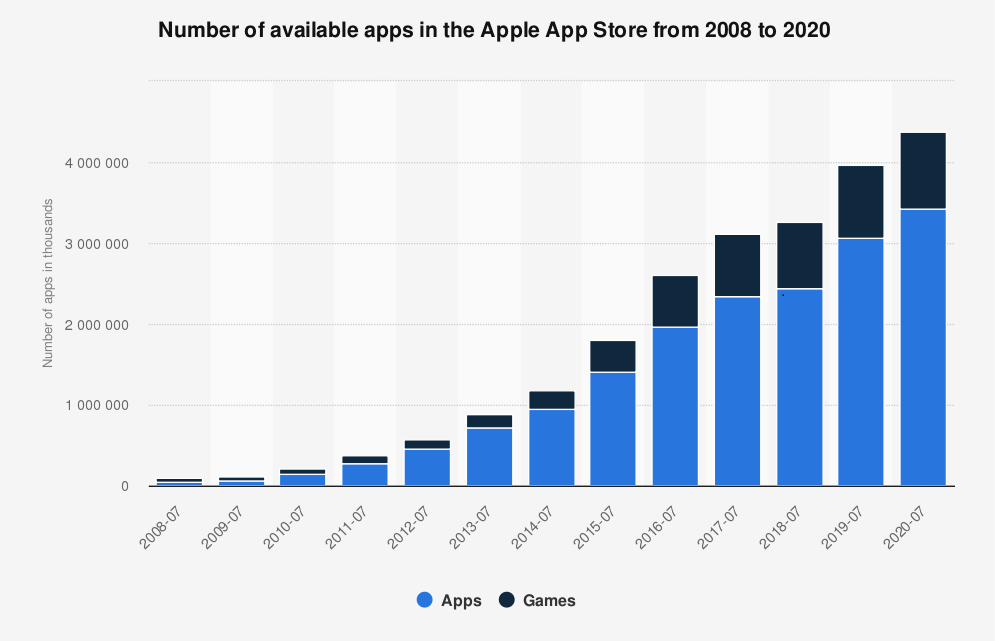
Apple has a tradition; every January, they disclose statistics to prove how well the App Store and iOS apps performed that year. This year’s announcements are an indicator of the staggering popularity and penetration of iPhone apps. Take a look…

  • There are around 2.2M apps in App Store.
  • On average, around 2,540 apps are released on App Store every day.
  • The App Store revenue recorded in Q2 2019 is around $$25.5B, which is nearly 80 percent more than what Google Play Store earned.

These and the plethora of other App Store statistics gives the same message: Apple’s business is thriving and iPhone apps are a people’s favorite. Businesses looking to capture market share in apps would be making a lucrative deal by investing in iPhone application development for businesses.

Apple’s closest rival, Android, also has great numbers to show. But iPhone’s reach and penetration are unsurpassed. In fact, according to BGR, there is a user defection trend among Android users.

Nearly 18 percent of Android users have looked into the advantages of the iPhone and switched to the iOS platform. These advantages included the iPhone is one of the oldest smartphones. The way the iPhone managed to maintain its iron grip on users by offering consistent performance and innovation.

iPhone apps are known to be high quality and revenue-generating.  Both startups and established brands are investing in iPhone app development in Virginia to meet their business needs and make a quick return on their investment.

Let us look at some of the perks of investing in iOS app development services and how iPad app development can expand business growth.

Benefits of iOS App Development

1. Better App Revenue

How to Increase Your Mobile App Revenue With Auto Renewable Subscription in IOS - BuildFire

iPhone apps have a greater ROI than Android apps. A fact that adds on to the benefits of iOS App development, to a huge extent.

To get the best of the revenue generation opportunities from your iOS application development process, keeping an eye on the mistakes, tips and tricks, and other related information would be a big advantage. Refer to our mobile app development guide formulated from the experiences of our experts to get an idea of everything worth knowing

2. Security of Enterprise Data

Enterprise Data Security Guide: Big Data, Cloud & Relational

Intrusion into a business’s sensitive enterprise data lodged in apps is a big risk with Android apps.  on the other hand, when you compare the iPhone vs Android on the basis on security,  iPhone apps, protect firmware and software through stringent security measures such as :

  • Integrated data handling systems.
  • Measures to prevent duplication of data.
  • Measures against loss of security due to data encryption.

iPhone users are cushioned against hacking and malware and this again counts under the advantages of iPhone over Android.

3. High-Quality Standards

Bion Corporation | Manufacturer and Supplier of Dietary Supplement

iPhone app development for business stays incomplete until the apps are built to pass the high-quality standards of Apple’s Play Store before they are made available to the market. When a user downloads an iPhone app, he can be assured of flawless performance and amazing experience. This trust and goodwill on Apple’s legacy have managed to garner a large and loyal consumer base for iPhone apps.

Android app developers dig into the open-source libraries and follow a non-standardized development approach. This results in apps that offer good user experience on some devices and less-than-satisfactory experience on others. iPhone users are welcomed by the same scintillating UX across all devices.

Plus, since the development of Android apps is slower, cost of Android app development is much higher than that of iPhone development. Businesses are forced to outsource android projects to the lowest bidder who can deliver substandard products. This is the reason why Apple play store personally vets each and every app before publishing and releasing it to the market.

4. Apps for all business needs

7 Reasons Why Your Business Needs a Mobile App | AllBusiness.com

Brands of all scales and sizes have recognized the advantages of having mobile apps for business. Consumers expect mobility and responsiveness from any business they deal with – something that comes attached with the process of iPhone app development for business. Mobile applications are the perfect gateway to reach consumers on the go and remain connected with them every moment.

iPhone apps, custom-built or off-the-shelf, are available to suit all business needs. Despite the fact that the cost of iPhone app development is somewhat higher than other options available, iPhone apps are found to be more lucrative for businesses due to their assured market reach and better-paying clients.

5. Established Customer Base

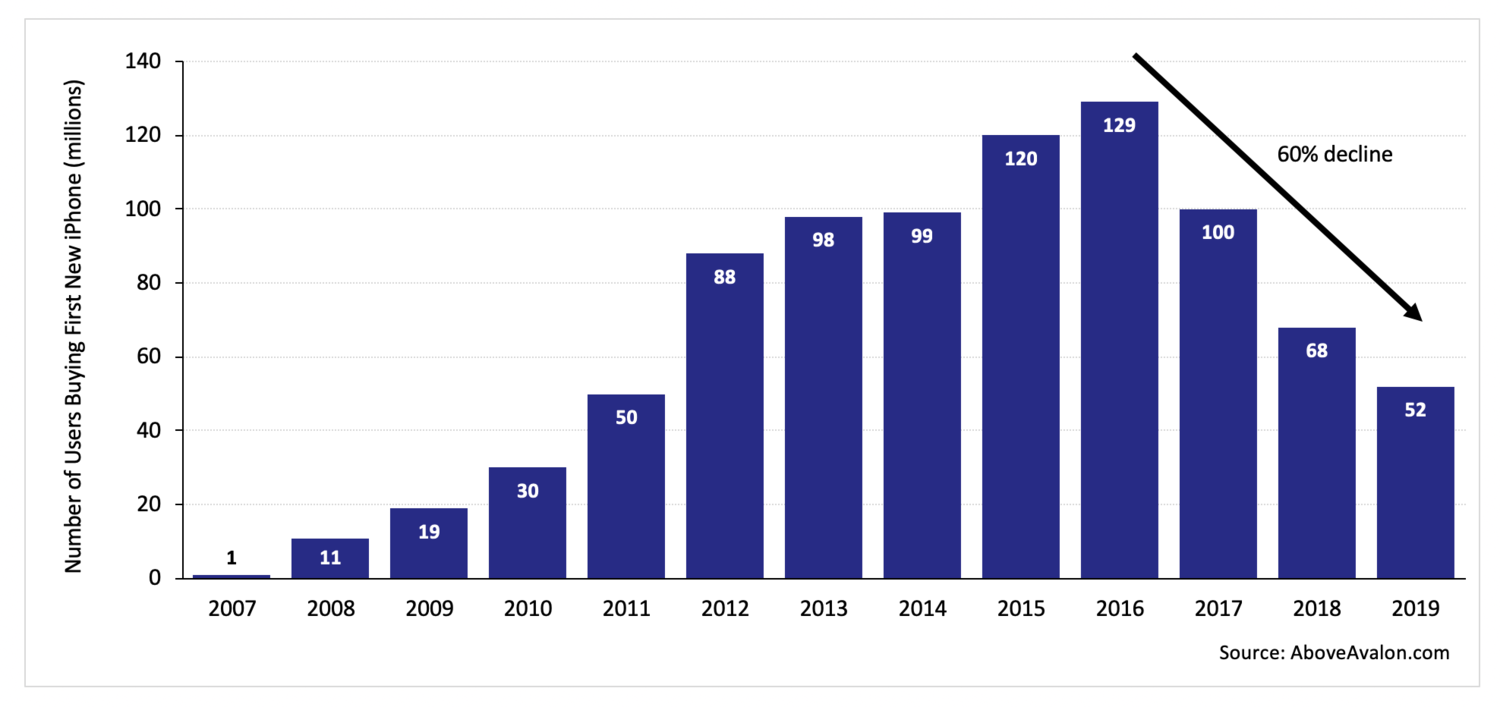
Above Avalon: Apple's Billion Users

The established user base is the one Apple USP which is also one of the prime benefits of iOS application development. Apple is a pioneer in technology and applications. Although 75% app users are Android users, Apple has a well-established niche of clients that swear by Apple’s quality and performance. In fact, it is said that once a smartphone user experiences iOS, they will never be satisfied by any other OS. Android apps have to battle stiff competition as there are too many apps crowding this segment.

6. Exemplary User Experience

User Experience Principles Make Apps Awesome | CleverTap

iPhone apps delight users with an excellent user experience supported fully by the inherent capabilities of Apple’s iOS. Total cohesion between software and hardware amounts to the great performance of iPhone applications. To top it all, comprehensive customer support and maintenance results in improved satisfaction among users through an app’s lifecycle. Something that again adds to the advantages of preferring iOS app development.

7. Tech-Ready Audience

Sterlite Tech Launches 5G Ready Smarter Network Technology at IMC 2017

iPhone users are found to be tech-savvy and open-minded towards innovation. This presents businesses with numerous opportunities to craft challenging applications that can create disruption in markets. Businesses that opt for iPhone app development can become market leaders and stride ahead of competitors.

8. Low Fragmentation and Ease of Testing

Does the perfect testing tool exist ? - Appachhi - Performance Testing Blog

Apple typically develops just one updation on its existing OS every year. Also, the number of Apple devices are lesser than Android-based ones. Hence, Android apps have to be tested comprehensively to work well on all the versions of Android OS. iPhone apps just have to meet testing criteria of the prevalent iOS versions. This considerably reduces testing time and guarantees a quick time to market for iOS apps.

Android market is seriously fragmented. Only 10.4% of Android users are using the latest OS version and the majority of users are still using three-year-old versions. This presents a grave problem to businesses. They have to spend in developing apps that are suited to all popular versions of the Android OS. Obviously, all this translates to a higher cost of app development.

Apple’s market is a consolidated one. Nearly 89.8% iPhone users are using iOS 12, the latest version of OS. This is a good chunk of a user base and practically viable for any business to reach. Something that triggers them to turn towards a reputed iOS app development company.

Besides, Low fragmentation in iOS also results in more scalable apps. And the newly introduced features keep on upscaling existing apps.

9. High Market Penetration

Everything You Need To Know About Market Penetration | Paperflite

Apple has a huge presence in developed markets such as US and UK. For a business to spread its wings and penetrate these markets, iOS apps can be a winning proposition. Apple’s legacy and quality are well-established enough to guarantee good success for your iOS apps. Google’s legacy in app domain is zilch. Android apps have to struggle with millions of new apps released to the market. Even after investing heftly in top rated android app development companies, it’s highly uncertain if the app will make sufficient revenue to recover initial investment, let alone make any profit.

10. Less Development Time

Agile Development: Getting started in 6 steps

When it comes to how long does it take to build an app, iOS apps take nearly 28% less time than Android apps of the same specifications. This is because Android apps have to be tested across at least 20 devices with varying resolutions, screen sizes, and OS versions. Naturally,

Android app’s development cycle is longer and payment for development apps depend on the location like charge of android app development in Florida might differ from that of Texas, California, and so forth.

iPhone apps guarantee market visibility, profitability, and customer loyalty. This added to the low iPhone app development services time, low production costs and affordable maintenance, makes the mobile app development process very beneficial for the businesses. Businesses can piggyback on Apple’s legacy to secure a prominent place in the competitive app market. What more can you ask for!

Frequently Asked Questions

1. What is the advantage of iPhone over Android?

When it comes to mobile app development, there are various benefits of choosing iPhone over Android. This included higher app revenue, lower development time, more loyal customers, upgraded security, and more.

2. Is Android or iOS better?

iOS is a better option over Android in terms of developing an application because:-

  • It has better presence in developed countries, like the USA and UK.
  • Apps developed on iOS platform are of high-quality, have more innovative features and security than what is found in Android apps.
  • The platform offers better revenue when compared to Android.
  • It needs less time and cost to develop an iPhone app than what is associated with Android application.

The Insider’s Guide to Repairing Your App’s Bad Reputation

How To Manage Negative Reviews Of Your Mobile App

In a time when the internet is filled with bits of advice telling entrepreneurs to opt for a mobile-first approach, can you really afford the source of your future business empire to have a bad reputation online?

The challenges that a mobile app startup face is already a lot to ignore and left unseen. And when you add the issue of bad app reputation in the mix, the whole app journey becomes a lot more haywire, instantly.

Answering how to protect your brand’s reputation in the dog eat dog world can be an act lot easier said than done. In a time when there is a constant race to win and then rule the already crowded space, it can get really difficult for you to maintain that nothing bad is said about your offering. Especially when a lot rides on it – Uninstall Rates, Abandonment, Decline in Downloads, etc. (Talking about downloads, know how to get million downloads on your app)

Every single day past the day when you launch your application act as a landmine. While you can be overly careful to never step on them, chances are that when you do, it would take a lot to recover from the damage.

In this article, we are going to give you the secrets of how you can manage your brand’s reputation, both on the app and in terms of your empire online.

Refraining from spilling out the secrets from any single POV, we are going to look at three different stages – Prevention. Manage. Secure – of mobile app reputation management.

Without further delay, let us get to it, straight-away.

Set up Listening Tools

5 Tools to Track Your Online Reputation

Much before you even approach the submit app button, you should set up the subscriptions for app monitoring tools – the first step to How to Monitor Your App’s Reputation.

The idea of these software is that they fetch everything that is being mentioned about your application online and at the same time, they update you of new reviews on the Play Store or App Store.

There are a number of application reputation management platforms you can opt for in the quest to be one step ahead of combating negative reviews about your brand – Rankur, Brandeye, Social Mention, amongst others.

Set a Team to Reply in Real-Time

How High-Quality Data Drives Better Customer Service Experiences | by Kristin Floridia | Better than sure.

Before your app hits the market, you need a team in place who would be responsible for answering all the app reviews in real time in the play store and app store. For one of the biggest way of how apps influence brand reputation is by not replying to the users.

Doing this will ensure that no bad mention goes unaddressed. Because an unaddressed review is in many ways equal to being a catalyst to a tarnished reputation.

Bring Troubleshooting Tips to Website

Web Application Performance: 7 Common Problems and How to Solve Them – Stackify

One of the root causes of genuine bad reviews and mentions of any brand is users not getting a solution to their problem. So, when you give them a platform full of troubleshooting solutions that they can apply and get a redressal, the chances of them passing a bad review will automatically be nullified.

So, we recommend is that you hire online experienced online mobile app reputation manager and brainstorm all the different scenarios that the users can face which can frustrate them and then work on troubleshooting guide to solve it for them in one place.

Being prepared for the somewhat inevitable time of negative feedback and mentions can be one of the most sound decisions that you can take in the app journey.

And now that we have looked at the precautionary tales, let us now get into the ways you can combat bad reviews on your app in real-time – whether they are in the stores or on the social media. Here are the tips for app reputation management when you are in the second stage.

Reply in Real Time

How to Reply to Google Play Reviews

This pointer here, to reply in real time, has to be the mantra of your mobile app reputation management. You will have to ensure that a team is always ready to reply on the negative feedback with a solution or an apologetic message.

No matter what technicality the problem’s solution calls for, your mobile reputation management strategy should ensure that the first level of message always goes through in real-time. None of your users should ever feel abandoned, for it would only leave room for more frustration and thus the bad word of mouth marketing.

Do Not Be Defensive

7 examples of the best way to respond to a positive review | ReputationDefender

A very important thing to understand when tackling bad reviews is that the users who are making them are frustrated. Now, no matter how small you believe the problem is and how invalid the users’ responses are to it, make sure your reply is always on a defensive note. No matter what word the users make use of, your reply always have to be on the softer side.

Keep the Reply Very Short

How to get busy people to reply to your emails

The number one formula in every guide to increase the prestige of mobile apps is to never use the comment section of the stores or any social media platforms as your way to reply paragraph-sized solutions or justifications to the complaining user.

Try to keep your comment very short and precise, for example, you can take 3 lines as your standard response size.

Take the Commentator on a Private Channel

How to Be a Good Gaming Commentator on YouTube (with Pictures)

Refrain from justifying or clarifying the miscommunication on a social platform which is open for everyone to see. After all, if you pass a negative message online as a brand, the user out of ego will only take it forward and beyond, in place of understanding the situation.

So, simply mention your email id in the comment and ask the users to contact there – thus taking them away from the platform where there is space for the good reviews to grow.

Reply When the Issue is Resolved

How To Resolve IT Issues When Time And Resources are Limited | Techno FAQ

Make it a mandatory process to reply to your customers when the issue is resolved in a timely manner. Even if it takes a week on end, make sure you come back to the comment and drop in a line saying that the issue is resolved now and that you are sorry that it caused inconvenience in the first place and that you value the association that they have with your brand.

Now that we have looked at the ways to combat and get your negative reputation in control while it is happening, it is now time for the last segment – Repair Damage. The part we look at mobile app reputation management solutions for after the plans are retouched and users are now content.

Experience Before Ratings

Understanding Online Doctor Reviews and Ratings | Beaumont Health

One of the most annoying things which only aggravates the frustration of a bad experience offering mobile app is when the app asks for reviews at every possible occasion.

While it is important to ask for reviews, it can backfire when you have not timed it right. So, let the users arrive at a particular app stage before you pop up the message to leave a rating.

Also, instead of directing them straight to the store, first give them the option to share what they are feeling in the app – this way you will be able to create a gap between negative feedbacks and the stores.

Influencer Marketing

AnyTag | Influencer Marketing Platform

If there is anything that marketing has taught us, it is the fact that when you attach a reliable face to a product, the trust sentiment automatically flows between the face and the product.

Following the same formula, it would help if you introduce an influencer into your mobile app promotion strategy.

After all is said and done, the one compressed secret to managing and reimaging your app’s image in the market and to achieve the fruits of your online app reputation management labor is to be present at all times in a non-defensive mode.

Are you facing a time of bad app reputation? Let us help you get to the root of it.

error: Content is protected !!