Ransomware attacks: 40% surge in Q3 2020

This year cyber attacks have increased many folds as compared to previous years due to new security challenges caused by the Covid-19 pandemic. The third quarter of the year has seen a huge surge in ransomware attacks. Globally, a total of 199.7 million ransomware attacks have been reported in the third quarter of 2020. 

According to cyber security experts, ransomware attacks have increased 40% to 199.7 million cases globally in Q3 of this year. Below we have mentioned some staggering statistics which will give you an insight into the present situation:

  1. The US observed 145.2 million ransomware hits in Q3, which is a 139% year-over-year increase.
  2. The cyber security researchers have detected new ransomware, Ryuk, with 5,123 attacks in just Q3 2019.
  3. Ryuk ransomware attacks have increased to 67.3 million in Q3 2020, which is 33.7% of all ransomware attacks this year.
  4. Though ransomware attacks have gained pace this year, malware attacks have fallen significantly. Cyber security researchers have recorded 4.4 billion malware attacks in a year-over-year comparison through Q3 – a 39% drop worldwide.
  5. The experts have detected a 30% rise in IoT (Internet of Things) malware attacks with a total figure of 32.4 billion attacks globally.


The above data shows a considerable decrease in malware attacks but that does not imply the disappearance of malware attacks. Because, this is just a recurring downturn that can easily adjust itself in a short amount of time, as per a cyber security report.

SCYTHE Library: Don't Get Comfortable Yet - The Declining Fear of Ransomware

The Strategy Behind Ransomware Attacks


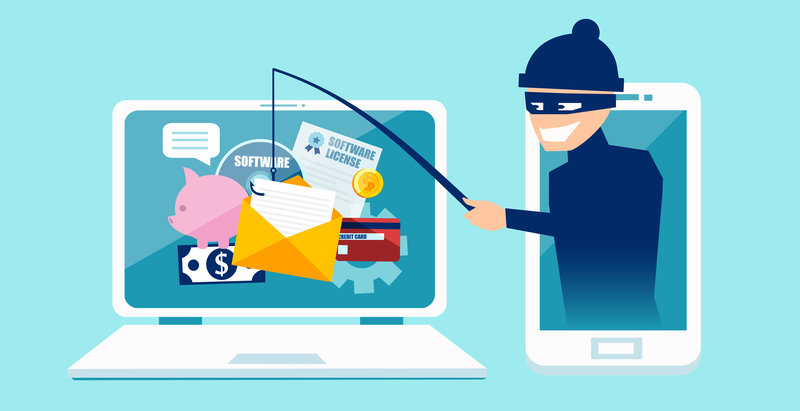
Ransomware is a form of malware that is installed into victims’ computers through malicious emails. It encrypts the victims’ data for which victims need the decryption key. The cyber attackers demand ransom, which can range from a few hundred dollars to thousands, payable in Bitcoin, for the decryption key.


There are a number of attack vectors through which ransomware can gain unauthorized access into victims’ databases. One of the most prominent ways used to access victims’ computers is phishing emails and email attachments. Cyber criminals make these emails look trustable and trick the users to open them. Once these emails are opened and attachments are downloaded, the attackers take over the victims’ computers.

Five Protective Actions Against Ransomware Attacks

Possible Best Buy Breach In [24]7.ai Hack | PYMNTS.com

By following essential preventive measures, you can easily keep the ransomware attacks at bay. All you need to do is to be careful about what you perform on your computer. Let’s walk through some “must follow” cybersecurity practices:

  1. Avoid clicking untrustable links: Never click on suspicious or untrustable links, attached in unsolicited emails.
  2. Build your data-backup: Create a separate data-backup in an external hard drive that is not connected to your computer, so that you don’t have to pay the ransom if a ransomware attack happens.
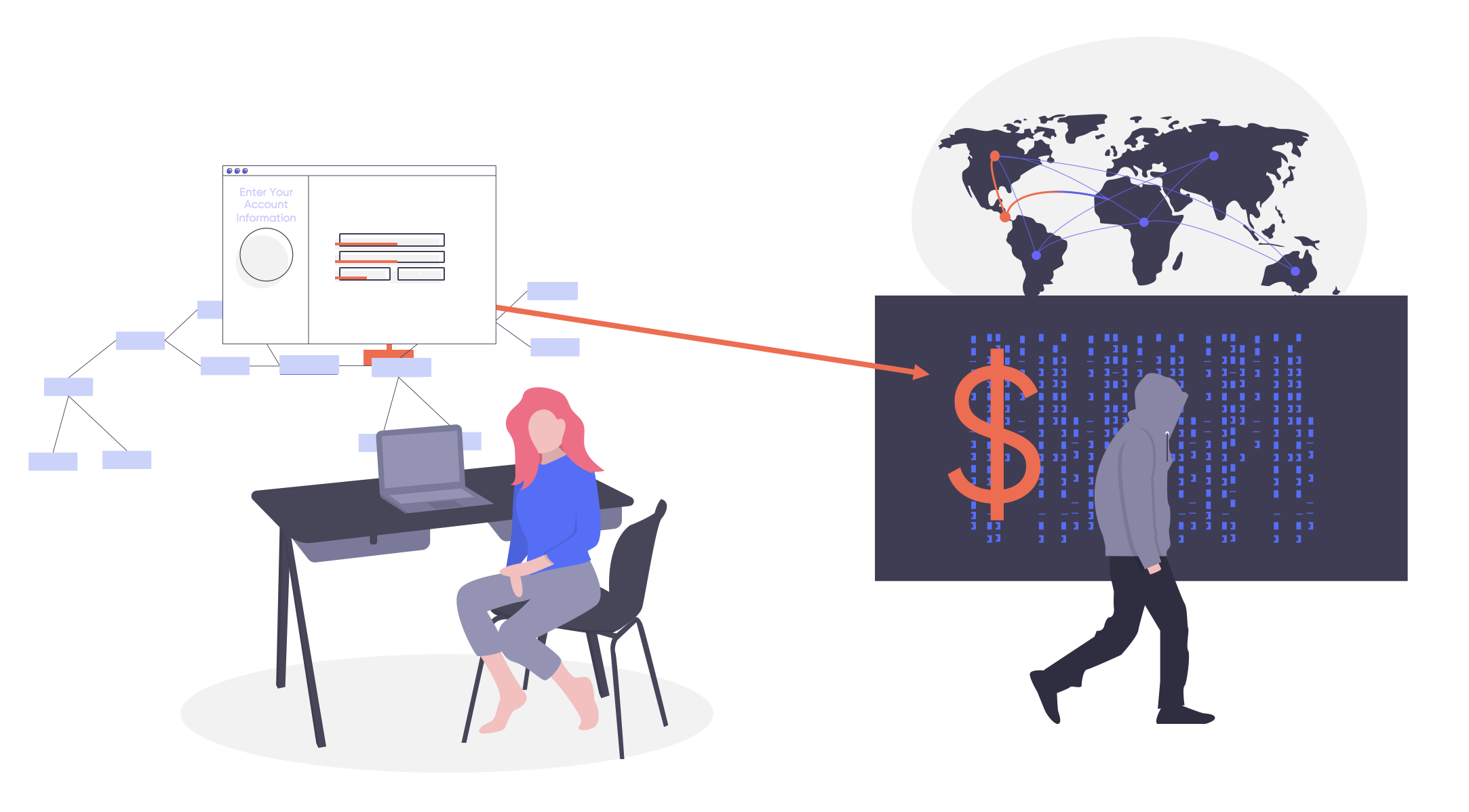
  3. Don’t disclose your personal information: Never disclose your personal information if you receive any call, text, or email which is asking for your personal details like banking information or any account information. Always verify the source of those contacts as cybercriminals steal personal data first to misuse it for malicious campaigns or financial frauds.
  4. Use content scanning and filtering software: It is advisable to use content scanning and filtering software on your mail server to prevent a ransomware attack. The software helps in reducing the likelihood of a malicious email reaching your inbox.
  5. Security awareness program for employees: As an organization, you would always want to secure your confidential data from all types of cyberattacks. Therefore, it is important to conduct a cyber security awareness program among employees that will disseminate detailed knowledge of attack vectors and how to reduce the chances of ransomware attacks.

Rising Web Application Attacks in India: A Concern

Web application attacks rise to account for almost half of all data breaches | The Daily Swig

Accelerating rate of cyber-attacks is no more an unfamiliar situation for us. Web application based cyber attacks are the most common. Akamai Technologies , a content delivery network, released a report in 2017 for quarter 3 which mentioned India at 7th position in the list of top 10 targeted nations for web application attack.

As per recent figures, i.e. for the data from 8th Nov 2018 to 15th Nov, 2018, India still continues to be among top 10 marked nations for web application based attacks.

Countries Attacks
Russia Federation 18,754,282
United States 15,512,265
Ukraine 5,176,643
Netherlands 3,606,021
India 2,724,440
Canada 2,101,396
Sweden 1,896,300
Germany 1,845,175
Bulgaria 1,538,136
United Kingdom 1,455,023

Source: Akamai Technologies State of the Internet Report

As per World Bank, the number of secured servers in India is 10,350 which, when put against 500 million internet users, is a clear indication of the need for better and secure infrastructure to be able to support the data surge.

The State of Web Application Vulnerabilities in 2017 | Imperva

Even at the earliest attempt, it will take a few years to remedy this problem. And still, it won’t guarantee an organizations’ safety. According to recent research, 75% of cyber attacks are web application based. Improper coding can stem serious concerns in web applications security. Such vulnerabilities allow attackers to gain direct access to servers to extract sensitive data from the database. In a framework where hackers have access to such sensitive data; with a bout of creativity and some human error, any web application can be susceptible to web attacks.

Preventing Web/Application Attack by Security Audit | Gsecurelabs

A web application can be secured by performing a vulnerability assessment and penetrating testing.  , Anteelo is an end-to-end cyber security firm provides a complete suite of manual and automated VAPT services.


Workplace importance of Cyber Security Awareness

For every organization, it is always necessary to maintain proper cyber hygiene. It is also vital for companies to remind their employees of the ongoing danger of cyber violations. Employees unintentionally cause data breaches because of cyber security unawareness which further results in increasing cyber risks. This year, due to the Covid-19 pandemic, cyber risks have increased many folds. These rising risks can be attributed to the companies’ resorting to the work-from-home (WFH) policy. Cyber security experts have warned that it is high time to prioritize security awareness training during this Cyber Security Awareness Month. Security awareness training not only prevents workers from placing the company at risk but also makes them the first line of cyber defence the organization.

8 Ways to Encourage Cyber Security Awareness - Delta Risk

The Importance of National Cyber Security Awareness Month

The world began to realize in October 2004 that cyber security is becoming a never-ending issue. Although it had been established in 2004 to raise cyber security awareness, it became a critical part of our life. This is how Cyber Security Awareness Month came into existence.

Every day millions of online users are hacked and their data is stolen from their devices. They are unaware of how to properly protect their web-equipped computers, so the National Cyber Security Association (NCSA) is helping to raise awareness on this issue.

Every year the NCSA tracks threats to the cyber security of America. The non-profit association pays attention to all aspects of vulnerabilities, from big public offices to individual home users. Anyone on the Web needs to learn how they can comfortably enjoy their cyber experience maintaining online safety.

The NCSA helps to raise understanding and awareness during Cyber Security Awareness Month, through brochures and blogs to workshops and security awareness training programs.

RH-ISAC | RH-ISAC Announces Commitment to Global Efforts Supporting and Promoting Online Safety and Privacy for Cybersecurity Awareness Month - RH-ISAC

Six Plan of Actions for the Cyber Security Awareness Practices

1) Building Constructive Attitude among Employees: It is of utmost importance to create a strong, constructive attitude towards cyber resilience among employees. Use stories to allow people to see how cyber security integrates with their lives. Encourage uplifting stories that enable people to take control of digital lives, work, and home, and to enjoy humor. Why is it so important? Because happy people will hear what you have to say more often! Use them all year round and get more involved in the role of cyber security in their lives.

2) Start Interaction between IT and Employees: 75% of employees claim that they either generally or nearly always obey their IT department’s advice. IT teams just have to make sure that they consistently provide these directions to start interaction between the IT department and employees.

3) Personnel Investment in Addition to Products: Businesses need to make efforts to flexibly and continuously improve the cyber knowledge of their employees. Therefore, organizations should invest in their personnel apart from brand promotion and product manufacturing.

4) Concentrate on Reducing the Threat and Making Training Fun: Sessions of educating the employees must be amusing. Customize preparation and integrate team humor in the cyber security awareness content. Lessons must be related to the individual life of the trainees. Using personal home safety and privacy examples can be related to their day-to-day office work and organization.

5) Customize Roles Specific Training: Each employee should be equipped with the know-how and skills required to recognize specific roles and react appropriately. In an organization, there are different roles of employees, department-wise. Therefore, customizing role-specific training will help to build robust threat intelligence against emerging and common cyber threats.

6) Make Cyber Awareness Practical and Accurate: Management must take up and protect the value of cyber security by direct communication with staff. When talking about the WFH policy, as an organization you must ensure that workers know how their behavior at home can also have an effect on the business. Explain the point of view of hackers. How can a person be a target? Which information may be of use to an intruder on social media accounts or other information that is accessible? What effect does it have on the organization or mission? Be specific to businesses, staff,, or the community regarding their safety impacts.

Employee Attraction towards Cyber Attacks

With the rapid development in technology and ever-increasing internet users, cyber security plays a critical role in every industry. Securing the IT infrastructure in an enterprise helps in maintaining smooth workflow and consistent business operations.

In recent times, cyber crimes have become extremely sophisticated and threat actors have come up with new ways to obtain access to an organization’s systems and sensitive information. All throughout 2020, everyone was battling to overcome the onslaught of challenges brought by the pandemic.


However, cyber criminals saw an opportunity and wholeheartedly exploited the panic and chaos caused by the pandemic to fill their own pockets. And these criminals took no time to launch back to back cyber attacks during the pandemic.

Which of Your Employees Are Most Likely to Expose Your Company to a Cyberattack?


These threat actors left no stone unturned to target the vulnerable companies that weren’t prepared to support a remote workforce securely. As a number of well-established companies became victims to various cyber attacks, 2020 witnessed several security incidents making the headlines.


Since companies are not willing to compromise with the health of their employees, remote working is expected to continue in 2021 and beyond. But the question is, how do companies survive the fight against cyber crime and secure their employees while overcoming the challenges posed by COVID-19?


Cyber Risks and Lack of Security Awareness Among Employees

Often organizations focus on upgrading the hardware and technologies to stay protected against cyber threats. In doing so, organizations spend millions of dollars on the latest security patches and upgrades. But just like our computers, humans store, process, and transfer information too.


Yet, if you compare the amount of time and money an organization spends on securing its computers and other electronic devices to the resources it focuses on securing its employees, you’ll see how huge the difference is!


Organizations typically invest a lot in installing antivirus and spyware software as well as upgrading the operating systems, applications, and browsers. Additionally, every company has help desks, support teams, and security technical teams to maintain all this software and hardware. But how much does an organization spend on securing employees? Very less.


Cyber security has become a massive issue in both private and government institutions. Looking into the core of the issue, it is not really about the technology or the systems. Technology and systems have become increasingly secure over the years.


Employees are the actual issue. Even though it is unintentional, most cyber attacks are caused by human error, whether it is a careless click on an unsolicited link or an innocent downloading of a corrupted file.


How to Fix these Cyber Security Loopholes? 

hacker attack every 39 seconds-min - Cybint

It may sound controversial, but the security teams are the last line of defense within an organization. Even though these teams face many cyber security challenges, it is the employees who form the first line of defense.


According to a report by IBM Security, human error is the main cause of 24% of all data breaches.


Therefore, it is imperative for every organization to train the employees to be aware of the prevalent cyber threats. This does not mean that organizations should implement such heavy security measures that will just create chaos and difficulties for the employees.


Rather, every organization should come up with a solution that makes the day jobs as easy as possible for the employees while making their IT infrastructure as secure as possible.


Here are some effective measures you can take to secure your organization:


  • Discover:  Start looking from a risk management perspective. Find out if there are any flaws in the organization’s cyber security framework. Conduct services like VAPT to discover and identify the loopholes within your organization’s network and IT infrastructure.


  • Practice healthy cyber hygiene: Implement basic cyber security protocols. Enforce a strong password policy, enabling multi-factor authentication for verification, using secure Wi-Fi, encrypting sensitive data, and regularly updating the systems with the latest security patches.


  • Lookout for malicious links: Think carefully before clicking on a link or downloading an attachment from an unknown source. An email can sometimes be from a threat actor impersonating a trusted individual. To protect yourself against malicious actors impersonating your email domain, set up tools like KDMARC and defend your domain against forgery.
  • Set up a firewall: As the name suggests, a firewall is a wall between the computer and the internet. It acts as the gatekeeper for all incoming and outgoing network traffic. Setting up a firewall protects the internal networks of your business against cyber threats.
  • Update on the latest risks: Keep up with the latest cyber hacks and threats news. It helps your organization stay up-to-date with the latest cyber security-related news. It also provides you with the cyber security preventive measures that your organization can adopt to avoid becoming a victim.
  • Train Employees: Educate employees to recognize social engineering attacks such as phishing, vishing, smishing, etc. To be more aware of the cyber threats evolving around the world and how to react when needs arise.


The Ultimate Solution to Make Employees Cyber Secure

Lack of Cyber Skills Holding Back the Growth of Small Businesses

There are several steps an organization can take to protect itself against cyber threats. However, it all comes down to how strong is your organization’s first line of defense – the employees. It has become essential for organizations to provide cyber security awareness training to their employees.


You can opt to educate your employees with tools that offers the most effective security awareness training materials. The tool generates awareness amongst employees about the common cyber threats wreaking havoc around the world.


“Cyber Security Awareness” – A priority among employees

12 Ways To Create An Unmissable Cyber Security Awareness Campaign

Cyber security awareness is an essential part of something that can be considered equivalent to the vault that has all your valuables in it. It is extremely vulnerable and requires attention. Since the last decade, cyber-criminals have shifted their focus from individuals to employees within organizations. These attacks have cost billions of dollars in thousands of reported cases. Some of the most infamous cases include:

Target

Arrows in the target clipart. Free download transparent .PNG | Creazilla

In 2013, Target became the victim of a third-party credit card data breach in which the vendor extracted the credentials outside of an appropriate use-case. The attackers leveraged the weakness present in the payment system of Target to access customer base and then install the malware. The attackers stole the personal information of customers including customer name, payment card details, credit card verification code etc.

RSA

AES and RSA Encryption Explained

In 2011, two groups of hackers launched a phishing attack on the employees of RS the security arm of EMC. These two groups had the support of the foreign government. This phishing attack compromised the SecureID authentication and extracted more than 40 million employee records.

These cases set a clear example of how mere negligence can destroy an entire organization.

What do reports say about such cases?

As per the report released by Kaspersky Lab, negligence of employees is

the cause of almost half of all the cyber-attacks and two-thirds of the data

Free Reports Cliparts, Download Free Reports Cliparts png images, Free ClipArts on Clipart Library breaches. 24% of the employees within the organization are not aware of the security policy that their own organization have. In the same research, 44% of the companies admitted that employees do not follow IT security policies properly. During the year 2017, 35% of organizations focused on staff training and it was the second most adopted approach to facilitate cyber security awareness.

  • An online marketing firm, Reboot, in 67% of the cyber attacks, attackers have more often targeted lower-level employees.
  • Cyber security ventures have predicted that by the year 2021, the cyber cost will cost $6 trillion globally. 42% of the large organizations and companies have accepted that they have been the victim of phishing attacks.
  • According to Symantec’s 2018 Internet Security Threat Report, 88% of all the attacks use emails with malicious attachments that have been downloaded by employees that resulted in a breach of server, device or network.
  • Watchdog says 72% of data breach attacks occur through email in organizations that have less than 100 employees.

How can organizations create cyber security awareness among employees?

Cybersecurity Awareness Training: Threats and Best Practices | Secureworks

  • These statistics are not just numbers but, have a very concerning relevance. This clearly justifies the age-old idiom of humans being the weakest link in the information security chain.
  • Organizations should focus on cyber security awareness among employees in order to prevent them against cyber-attacks.
  • Restricting access to confidential data and information can lessen the probability of the success of cyber-attack due to employee negligence.
  • Implement policies related to cyber security within the organization. It will be an add-on to the cyber security of the organization’s infrastructure.

However, one of the most effective strategies for increasing cyber security awareness is training employees. Cyber security awareness ensures that employees are ready to face cyber-attacks in real life.

Massive Cyber Attacks of 2020

The year 2020 has become remarkable in many ways, especially when it comes to the surge in cyber attacks. The Covid-19 pandemic has given an unprecedented opportunity to cyber attackers to hack and break down the organizations’ IT infrastructure. The work-from-home working module adopted by such organizations has been attributed to the rise of cyber attacks.

The security gap between the home and office network has played a key role to make way for the data breaches in 2020. This issue has resulted in the theft of confidential information, leading to the loss of millions of dollars for breached organizations.


Today, cyber attackers have come up with more innovative ideas to set a new trend in phishing, cryptojacking, ransomware attack, IoT attack, etc. According to a security research firm, 81 global firms from 81 countries reported data breaches in the first half of 2020 alone.


In fact, 80% of firms have seen an increase in cyber attacks this year. Coronavirus is alone blamed for a 238% rise in cyber attacks on banks. Phishing attacks have seen a dramatic increase of 600% since the end of February.


Whereas due to pandemic, ransomware attacks rose 148% in March and the average ransomware payment rose by 33% to $111,605 as compared to Q4 2019. (Source: Fintech News)

What is a cyber attack? Recent examples show disturbing trends | CSO Online


The Top 5 Cyber Attacks of 2020

We discussed how cyber attacks have dramatically increased today. Let us walk you through the five major cyber attacks that have happened in 2020 till now. These staggering cyber attacks have crippled some famous organizations across the world.


Software AG Ransomware Attack

German tech firm Software AG hit with $23mn ransomware attack | Greater  Kashmir

The second-largest software vendor in Germany and the seventh-largest in Europe, Software AG has been reportedly hit by a ransomware attack in October 2020. ZDNet reported that the German tech firm has been attacked by the Clop ransomware and the cyber-criminal gang has demanded more than $20 million ransom.

The report also says that the company has still not recovered from the attack completely. The company disclosed that the ransomware attack disrupted a part of its internal network. But services to its customers, including cloud-based services, remained unaffected. The company also tried to negotiate with the attackers but it all went in vain.

As per the statement released by Software AG, the company is in the process of restoring its system and database for resuming orderly operation.


Sopra Steria Ransomware Attack

Sopra Steria hit by new version of Ryuk ransomware

French IT service giant Sopra Steria was attacked by ransomware on the evening of 20th October, as confirmed by the company. Its fintech business, Sopra Banking Software, identified the virus which is a new version of the Ryuk ransomware and previously unknown to cyber security providers.


Sopra Steria claimed that it was able to confine the attack to a limited part of its IT framework, even though it caught the attack after a few days. However, following an in-depth investigation, the company did not identify any leaked data or damage caused to its customers.


Ryuk is one of the most inventive ransomware which has already targeted organizations like EWA, a US defense contractor, and Prosegur, a Spanish logistics firm.


Telegram Hijack

Telegram Hacked? Here is how to know and how to get it back

In September 2020, hackers gained access to Telegram messenger and email data of some big names in the cryptocurrency business. Hackers used Signaling System 7 (SS7), which is used for connecting mobile networks across the world, to hack the data.


According to cyber security experts, the hackers were most probably after two-factor authentication (2FA) login codes. They spoofed the short message service center (SMSC) of mobile network operators to send a request on location updates to at least 20 targeted high-profile victims.


This attack is believed to have occurred to obtain cryptocurrency. This type of cyber attack is well known in the cryptocurrency community but the users are generally aware of such requests.


Therefore, there are better authentication methods than just SMS or call-based 2FA in the cryptocurrency community. Cyber security experts think telecom standards must move away from using protocols like SS7, which cannot resolve modern issues.


Seyfarth Shaw Malware Attack

Legal Firm Seyfarth Shaw Suffered Ransomware Attack

The chicago-based leading global legal firm, Seyfarth Shaw LLP became a victim of an “aggressive malware” attack. This attack was later confirmed by the firm as a ransomware attack. The cyber attack reportedly took place on October 10, 2020, and downed the firm’s email system completely, as per a statement published by the company.


The firm claimed in its statement that there was no evidence of client data or firm data unauthorized access or removal. However, many of its systems were found encrypted, following which the firm shut down all of those as a precautionary measure.


The global legal firm notified law enforcement and the FBI has already started an investigation. Apart from this, no further information was revealed on how the attack occurred and what family of ransomware hit the firm.


Carnival Corporation Data Breach: 

Carnival Corporation Confirms Cyber Attack and Ransomware on Costa and AIDA  IT Systems | Crew Center

The world’s largest cruise line operator, Carnival Corporation reported a data breach due to a ransomware attack that took place in the month of August 2020. Hackers stole confidential information from customers, employees, and crew members at the time of the attack.


On August 15, 2020, the company detected a ransomware attack that breached and encrypted one of its brand’s IT infrastructure. Following the attack, the cruise line operator notified law enforcement and hired legal counsel and cyber security experts and launched an investigation.


Though the company claimed that no misuse of exposed personal data has come to light, the type of ransomware and how the attack happened have remained unrevealed.


How to Secure Your Organization Against Cyber Attacks?

The global transition to the work-from-home culture has made a way for cyber-criminals to execute incredibly advanced cyber attacks. Moreover, ransomware, phishing, DDoS, malware, etc., are amongst the most prominent forms of cyber attacks that we have experienced this year, till now.


Here are some of the “must follow” measures to secure your organization against emerging cyber attacks:


  1. Conduct VAPT periodically to check for exploitable security vulnerabilities in the IT infrastructure of your organization.
  2. Back up all the sensitive or confidential data and store it separately from time to time.
  3. Keep all the systems, software, and applications up to date with the latest security patches. 
  4. Restrict employees from sharing passwords at work openly and encourage them to use unique and strong passwords.
  5. Block email spoofing, spam, and BEC attack by securing your email domain with email authentication protocols like DMARC, SPF and DKIM.
  6. Run a cyber attack simulation campaign to assess the level of cyber awareness among employees. Then train them accordingly with the best-in-class security awareness training tool
  7. Make sure to implement the practice of using multi-factor authentication to maintain security and privacy.
  8. Restrict IT admin and access rights to limited employees. Ensure that they are adequately trained on the safe usage and encrypted storage of sensitive data.

Growing threat of E-Skimming Attacks

WooCommerce Sites Targeted by E-Skimming Attacks | CyberScout

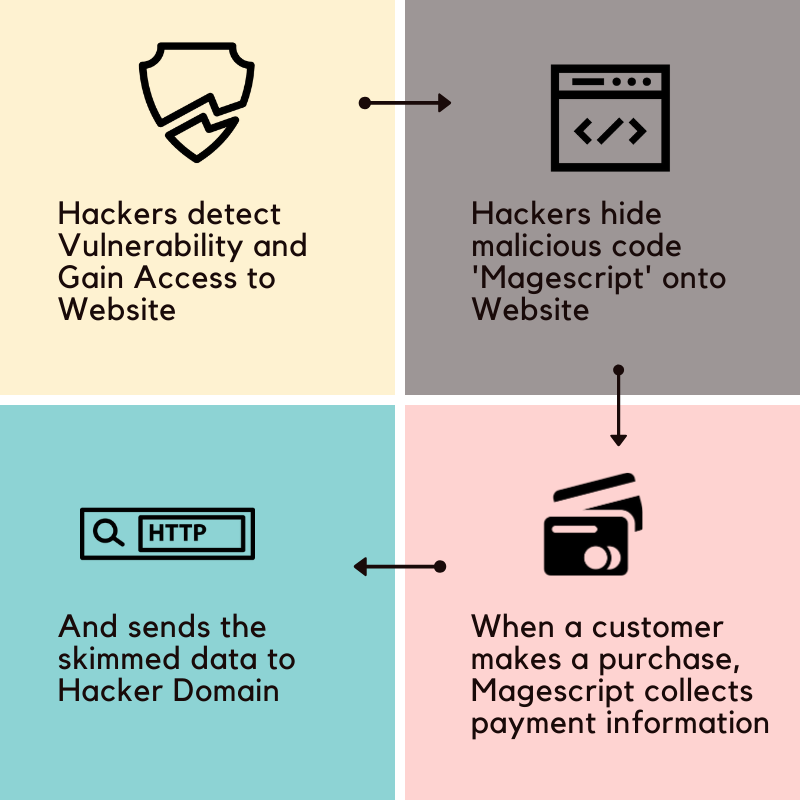
E-skimming has been an online shopping threat for a long time, keeping pace with the growth of e-commerce overall. The current global crisis presents another big opportunity for hackers to launch these strikes as people increasingly shop online. The nefarious cybercrime targets online payment systems to collect or “skim” the payment details of customers’ payment cards at the checkout.

What You Need to Know About E-Skimming | Inc.com

Unlike more traditional cyber attacks, where an entire customer database may be targeted in a single hit-and-run attack, skimming attacks continually intercept customer payment details at the point of purchase, making them harder to detect and often invisible to both customers and retailers.

Several criminal groups have become very adept at this kind of attack over the years, the most prevalent and successful of which is known as Magecart. Magecart is an umbrella term for a set of sophisticated criminal groups using similar malware and techniques — all with the goal of stealing credit card information from online retailers.

The Magecart groups are known to have been active since 2016 and have been behind some of the largest payment system attacks in recent years, including British Airways (2018), Newegg electronics (2018), the Atlanta Hawks Shop fan merchandise store (2019), Forbes magazine subscriptions (2019), as well as ticket-reselling websites for the 2020 Olympic Games and the Union of European Football Associations (UEFA) Euro 2020 soccer tournament (2020). Such attacks earned Magecart a position on Wired magazine’s “Most Dangerous People on the Internet” list in 2018.

How it works

New Cybercrime called E-Skimming is Targeting Businesses with Online shopping Websites | by Haniah Shafi | Medium

In most skimming attacks the threat actor introduces some additional code to a retailer’s e-commerce application. Recent attacks by the Magecart group have achieved this through the compromise of a trusted external third party whose code is legitimately included in the application, such as an external code repository, a chatbot or an advertising vendor.

So far, researchers have identified more than 40 different code-injection exploits, sometimes as small as 20 characters, which can be difficult to detect unless the application code is examined line-by-line for changes.

Attackers have also incorporated the use of valid SSL certificates tied to the domains that deliver malicious code, making traffic appear legitimate and preventing customers from receiving mixed content warnings when the website attempts to mix trusted, encrypted website content with malicious content that is served unencrypted.

A recent report has also described Magecart attacks where misconfigured access controls on Amazon S3 buckets allowed the attackers to tack their skimmer code onto existing JavaScript application code files.

Defending against card skimming

Defend against credit card fraud - Articles | Consumers Credit Union

The best proactive cyber defense an organization can implement to defend against card-skimming attacks all focus on hardening the e-commerce application stack and limiting what code is allowed to run.

  • Use a free online scanning resource to help spot suspicious connections being opened by scripts injected into the application. Browser developer tools can also be used to analyze contents and spot suspicious connections made during a customer session.
  • Use the Amazon “Block Public Access” option on any S3 buckets in use by the organization to prevent unauthorized changes to application files.
  • Define a Content Security Policy (CSP) that defines a list of locations that resources can be loaded from on your site. This should be applied to all sensitive pages, such as payment pages, login pages and other areas where users may enter sensitive information.
  • Verify any external scripts, such as those from advertising partners, using Subresource Integrity (SRI). This will ensure that any scripts included from external sources are hashed and checked against a known good value to ensure that they are the files that you expect to be loaded and if not, they are blocked from loading by the browser.
  • Make sure that all assets on sensitive pages use SRI. Using the “require-sri-for” directive in the CSP to enforce SRI on all scripts and style tags will prevent assets being included on these pages that do not have SRI enabled.

The activity seen from Magecart and similar adversaries demonstrates that these are a persistent and resilient threat. The lucrative nature of card-skimming attacks ensures that attacks will continue to evolve in both stealth and capability in response to security precautions. However, for many of the attacks we have seen from these groups to date, had the measures described above been implemented, they would have gone a long way toward preventing some very embarrassing and expensive breaches.

Digital Security Strategy’s guiding concepts

Energy Northwest and WizNucleus to Build Next-Generation Cyber Security Assessment Application – WizNucleus

Digital transformation represents the greatest opportunity for the enterprise in the 21st century. CEOs across the globe have digital innovation on their agenda as they seek to deliver innovative new business models, create new digital customer experiences, and optimize and automate their processes to enhance business performance.

BUT…digital technologies and the rapid pace of change in a digital world also threaten the enterprise through a growing cyberthreat landscape with a widening attack surface that exploits the very same digital technologies being used to transform the business.

To prevent cyberattacks from derailing your digital initiatives, we need to build security into the very fabric of the digital enterprise. Delivering secure digital transformation is about building security into the digital core platform which is the foundation for how we transform the business…put simply, we must become “Secure to the Core” and have a consistent framework for digital security transformation.

Deploying the right Cyber Defense

Cyber Security Awareness: 7 Ways to Cyber Attack Vulnerability | Kaspersky

One of the key imperatives for secure digital transformation is the ability to monitor every aspect of technology (both IT and OT) across the business. In short, we need to Monitor Everything.

The modern enterprise requires a plethora of security tools to secure their infrastructure and endpoints (networks, firewalls, servers, storage, devices, applications, data, etc). These tools generate an enormous volume of data each day, making it almost impossible to identify and respond to true cyberthreats in a timely manner.

Intelligent Security Operations can detect threats quickly, respond to attacks rapidly, and defend the enterprise from security breaches by applying intelligence and automation to handle the enormous volume of incidents we see across the globe.

To ensure a secure core, Anteelo’s approach is to provide next-generation digital services with a high degree of automation through a Security Platform that applies lean process, deep analytics and intelligent automation to the security information and event management (SIEM) process.

We often describe the underlying technologies within this platform as SOAR (security, orchestration, automation and response).

Cybersecurity Analytics, Intelligence, Response and Orchestration

IDC, meanwhile, describes these cybersecurity technologies as AIRO (Analytics, Incident, Response, and Orchestration). The AIRO technologies trace what is required in the Security Operations Center (SOC) to protect the enterprise network through to threat detection and formal remediation.

Whether your approach is “SOAR” or “AIRO,” either way we must apply automation and orchestration to cyber defences in order to keep up with the sheer volume of data and incidents generated across a wide array of infrastructure and endpoints.

Firms Need to be "Secure to the Core" Before Digital Transformation

In addition to monitoring everything with SOAR (or AIRO), we also believe in two more critical imperatives that are needed to secure the enterprise: Verify Everything and Encrypt Everything.

Verify Everything is about adopting a zero-trust approach to digital identity and access management. Enterprises engaged in digital transformation need a new approach if they are going to thrive in the digital world. The principle for security is no longer about the “where” it’s about the “who.” Success requires a comprehensive focus on digital identity management. Identity and access management can effectively establish a logical perimeter that enables digital transformation. The right identity and access management solutions prevent unauthorized access to enterprise information using multiple authentication methods with user access management and provisioning.

Privacy by Design

7 Principles of Privacy By Design | by Privacy Guy | Privacy Guy | Medium

Encrypt Everything is about minimizing the risk of unauthorized or unlawful processing of business-critical data and avoiding accidental loss and destruction or damage to data. All sensitive data requires encryption and/or tokenization using trust services (PKI, certificate and key management), encryption solutions, and rights management. The right data protection and privacy solutions encrypt sensitive data and prevents data loss from malicious cyberattacks.

So, to enable your digital transformation journey, remember these three key security principles: Monitor Everything (with cyber defense solutions), Verify Everything (with digital identity solutions) and Encrypt Everything (with data protection solutions).

How to Ensure Cybersecurity in the IoT Era

The impact of the Internet of Things (IoT) - Information Age

Without adequate security, all connected devices provide a direct gateway into our personal & professional networks. Is it possible to avoid theft of data?

Considering the pace we are all moving at, companies are continually striving to make everything connected virtually. Devices connected to IoT can ‘communicate’ with each other be it tech gadgets, smart phones, smart home equipment and machines, etc. But, without adequate security, these connected devices provide a direct gateway into our personal, corporate, and governmental networks where confidential data can be either stolen or destroyed.

Now that IoT has become a complete game-changer, cybersecurity is more relevant than ever and challenging at the same time. The question still remains, are we ready for such an increased level of connectivity? What are the IoT security risks?

Before we dive into the glaring security issues, let’s look at some IoT market statistics, shall we?

Essential Internet Of Things Statistics To Keep You Up to Speed

Number of IoT devices 2015-2025 | Statista

Overview of the IoT market

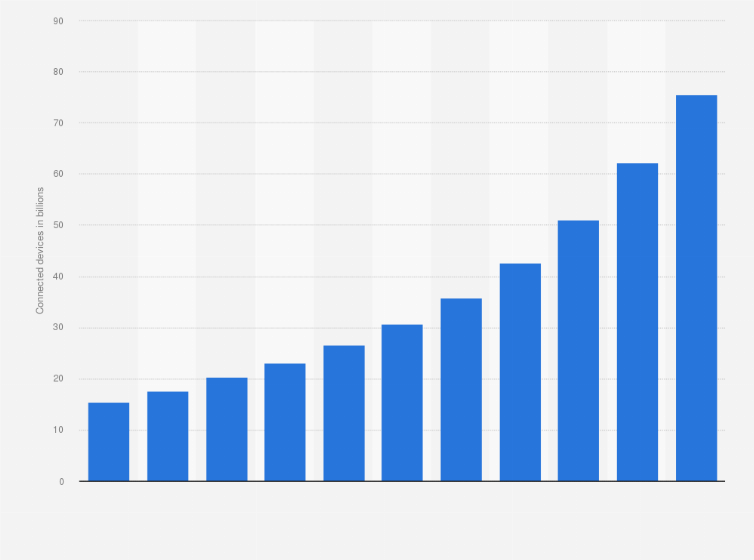
1.  The global market for the Internet of things (IoT) reached $100 billion in revenue for the first time in 2017, and forecasts suggest that this figure will grow to around $1.6 trillion by 2025.

2.  The total number of connected devices to IoT is projected to reach to 30.9 billion worldwide by 2025. Do note that this number includes active nodes/devices or gateways that concentrate the end-sensors, rather than consumer devices such as computers and cell phones.

3.  Due to the Covid-19 pandemic, the IoT adoption rate has increased, especially in the IoT in healthcare setup.

According to Microsoft’s 2020 IoT signals report, one-in-three decision-makers plan to up their IoT investments while 41% say their existing investments will remain the same.

Statistics about IoT security threats

1.  SonicWall, which blocks an average of 26 million malware attacks globally each day, recorded 40% rise in malware attacks during the third quarter of 2020 as compared to 151.9 million ransomware attacks globally through the first three quarters of 2019, marking 15% and 5% year-over-year declines, respectively. The report clearly indicates how IoT cyber security is compromised.

2.  According to the 2020 Unit 42 IoT threat report, 98% of all IoT device traffic is unencrypted, exposing personal and confidential data on the network. This is one huge example of IoT cyber risk.

3.  The same report also points out that 57% of IoT devices are vulnerable to medium- or high-severity attacks. Also, 41% of attacks exploit device vulnerabilities that again shows IoT security challenges.

Now that you are up to date with all the data that revolves around security aspects in IoT, let’s discuss the challenges of securing IoT devices.

Internet Of Things Security Vulnerabilities And Challenges

1. Insufficient testing and updating

10 Biggest security challenges for IoT

The major issue that comes with companies while developing IoT devices is that no one takes care of the security issue unless some major problem hits. Once IoT manufacturers launch a device they ensure that it is secure but over time it becomes prone to hackers and other security issues due to the lack of constant testing and updating. Hence, opening the door to IoT security challenges.

2.  Lack of compliance on the part of IoT manufacturers

IoT in Manufacturing: The Ultimate Guide

Let me explain this with examples you see in your day to day life. If you use fitness trackers, you must have noticed that bluetooth remains visible after the first pairing. A smart refrigerator can expose gmail credentials and a smart fingerprint padlock can be accessed with a Bluetooth key that has the same MAC address as the padlock device.

This can be labeled as one of the biggest IoT cyber security threats! Below are some security issues in IoT devices from manufacturers:

  • Weak and easily guessable passwords
  • Usage of old operating systems and software
  • Insecure and unprotected data storage and transfer
  • Technical issues in the hardware

3.  Botnet attacks

Cryptomining Botnet Steals AWS Credentials - BankInfoSecurity

Cyber security for IoT devices is very crucial since they are highly vulnerable to Malware attacks. They do not have the regular software security updates that a computer does. To perform a botnet attack, a hacker first creates an army of bots by infecting them with malware. Further, directs them to send thousands of requests per second to bring down the target.

Cyber security and IoT should go hand in hand in order to avoid a situation of attack. A botnet attack can easily cause a security threat for transportation systems, manufacturing plants, water treatment facilities and electrical grids, which can threaten big groups of people.

For example: A hacker can create spikes on the power grid by triggering a cooling and heating system at the same time. If this attack is planned on a big-scale it can create a nation-wide power outage.

4.  Data security and privacy issues

Privacy and Security: Current Challenges and Best Practices | 2019-07-01 | Security Magazine

Did you know that hackers did not spare a visionary like Elon Musk and a company like Apple which is known for its proud security claims. ? If such data comes in the wrong hands, it will not only lead to loss of money but also compromise intellectual property.

It was predicted that the Internet of Things will become a target-rich environment for hackers by 2020, attracting more than 25% of all cyberattacks. According to Microsoft, security aspects in IoT are lagging because 60% of employees use their personal devices for work purposes, and more than 80% admit to using unsanctioned web apps for work.

5.  Financial crimes

As Financial Crime Moves Online In India Analytics Becomes Essential To Finding Suspicious Behaviour -Vishal Goyal, Country Manager, South Asia, FICO - BW Businessworld

Electronic payment companies that deploy Internet of Things may experience a wave of financial crimes. It will be a challenge to ensure the timely detection of fraud.

Also, due to compliance and operational issues, it will be difficult for all financial companies to launch new models of workflow. That is, unless they improve their project lifecycle and risk management strategies that include a rising threat of IoT security breaches.

6.  Home invasions

Steps to Follow After a Home Invasion

You must be familiar with the concept of ‘smart homes’, which is a by-product of IoT. Cyber security for IoT becomes a huge issue when it comes to home automation. Due to unsafe devices and poor defense mechanisms, your IP addresses are trackable and it makes it easy for hackers to locate the address of the device.

7.  Remote smart vehicle access

Perfectly keyless for passenger cars

An IoT security challenge that is close to home invasion is the hijacking of your smart vehicles. This can lead to theft of personal data, vehicle theft, manipulation of safety-critical systems, etc.

Also, remote vehicle access can be a subject to ransomware, as a hacker may demand a hefty fee to unlock the car or to enable the engine. These malicious intrusions are obviously a huge threat to public safety as they can cause accidents.

Now that you have walked through the vulnerabilities and challenges that come with IoT, it’s time to talk about cyber security strategies that can help you overcome them.

How Can You Make IoT Connections Secure? 

1. Secure the network

How to Improve the Network Security for Your Home or Office

It is extremely important to secure the network that is a connecting bridge between the IoT devices and the back-end systems. This can be achieved by implementing security features like antivirus, anti-malware, firewalls and intrusion detection and prevention systems.

That being said, in order to sustain a smooth operation, there is a need for the IoT network to be protected and secured. You can effectively protect the network and secure it against attacks with the help of the above mentioned systems.

2.  Authenticate the IoT devices
How IoT can help fight COVID-19 battle – Geospatial World

One of the cyber security solutions can be device authentication features for the IoT devices. Features like- multi-factor authentication and biometric systems ensure that nobody can access your devices. A potential attacker will need personal information to gain access to information and this is where you have leverage.

It is of great significance to secure your devices and reduce the probability of your data getting into the wrong hands. When you implement the suggested security options, your IoT devices become well secured against external breach of security. Thus, you will be able to enjoy the numerous benefits of having IoT devices at home, in the office, in your automobile, and anywhere you want.

3.  Public key infrastructure strategy

What is Public Key Infrastructure (PKI)?

A public key infrastructure (PKI) allows the users to engage in secure forms of communication, data exchange, and money exchange. This type of engagement is carried out using public and private cryptographic key pairs.

PKI ensures the encryption of data through two — asymmetric and symmetric encryption — processes. In asymmetric, we need two keys, one key is the public key and the other key is the private key. If something is encrypted with the public key, then decryption can only be done with the private key and vice-versa.

On the other hand for symmetric both the data encryption and decryption is done with the same key. The data encryption and decryption ensure that data privacy is maintained and the chances of data theft are reduced to the bare minimum.

4.  Use IoT security analytics

IoT Security Analytics - NetSentries Technologies

You can drastically change the number of security issues you face by implementing security analytics. This involves collecting, correlating, and analyzing the data from multiple sources and can help IoT security providers by assisting in identification of potential threats.

Final Say

There is a lot of scope in IoT today and it is safe to say that the market will increase as per the projections, so now is the time to dive deep into the subject and understand it’s what’s and how’s. Also, with the discussion on IoT security challenges and solutions, we can conclude that securing applications is of paramount importance.

The security challenges must be managed, monitored and avoided by taking certain measures. You can go ahead and hire an IoT app development company that can help you overcome all your security risks, you can also choose the company based on the location, for example if you reside in the USA, then finding an iot app development company USA is better choice, as you will be able to know whether the company is genuine and knows its clients and customers choice.

Better using AIRO in security operations-For Analysts

Artificial Intelligence (AI) and Security: A Match Made in the SOC

The traditional security operations model is rapidly succumbing to the challenges and dynamics inherent in today’s cybersecurity market. Over the last few years, organizations have deployed a myriad of security technologies to combat specific threats, and as a result have inherited a collection of point product solutions with very little interoperability. This has made it difficult for operation teams to leverage these technologies as a common fabric for threat identification, correlation, detection and remediation activities.

This has also increased the amount of time it takes to detect and remediate a security breach. On average, it takes organizations nearly 6 months to detect a breach and another 2 months to remediate it. While organizations continue to operate in a reactive mode to security threats, the goal is to move to a model that is much more proactive and predictive in nature.

Compromising this goal is the lack of skilled security expertise needed to perform identification, detection and remediation activities. The talent shortage is most pronounced for Level 1 analysts in the security operations center (SOC), the “first responders” that must sift through volumes of data and determine which alerts require immediate action.

Types of Cyber Attacks: A Closer Look at Common Threats - Security Boulevard

Attackers are using sophisticated approaches to exploit vulnerabilities, and the volume and velocity of known and unknown attacks continue to rise. Organizations still demand “eyes on glass” to detect and respond to security threats, but the volume of attacks originating from multiple threat vectors, and the skills challenge they face has created a scale issue where level 1 SOC analysts are overwhelmed with the amount of data that must be analyzed. In some cases, SOC analysts are dealing with petabytes of data. In addition to the scale problem, the incoming data lacks context, which makes the task of prioritizing suspicious behavior for further investigation another challenge for SOC analysts.

The Business Benefits of AIRO

Working at Airo Security | Glassdoor

To effectively address these challenges, organizations must adopt a new approach for SOC operations that addresses the need to handle the volume of data and alerts more effectively. A move toward an intelligent SOC that utilizes AI, Automation, Incident Response and Orchestration (AIRO) to increase productivity and efficiency of SOC analysts and accelerate the time to detect and contain a security breach is directionally where the market is headed. AIRO consists of the following components:

  • Analytics: Driving contextual insight into threat dynamics
  • Intelligence: Collecting and indexing sources of information
  • Response: Initiating the proper response based on the nature of the security threat
  • Orchestration: Coordinating multiple toolsets to mitigate a threat and harden the network

Using AIRO tools, organizations can better leverage existing investments in security technologies by utilizing APIs to interconnect various platforms and correlate data from firewalls, IDS sensors, endpoint devices, and external threat intelligence feeds. AIRO tools complement an existing security information and event management (SIEM) tool by acting as middleware to integrate with existing  tools and provide greater visibility into indicators of compromise. This becomes increasingly important as corporate data moves from endpoint devices to on-premise infrastructure and multi-cloud environments.

AIRO tools ingest alerts from the SIEM and automate the responses to repetitive alerts, freeing up security analysts for the more challenging alerts that require human intervention. The tool should also provide valuable contextual information — such as asset information and threat enrichment data —  to effectively improve the security analyst’s decision-making ability by prioritizing threats that represent the most risk to the organization.

In today’s complex environment AIRO tools can make security analysts’ work more efficient, less burdensome and more accurate by leveraging automation, analytics and orchestration. By ensuring proper integration and interoperability with existing security technologies and centralizing visibility on a security platform, security operations teams can gain greater insight and move from a reactive security posture to a more predictive and preventative approach.

error: Content is protected !!