
Social Media Towards Its Next Evolution Set By Technology

What is social media? Here are 34 definitions... | Econsultancy

From a time when an old school telegraph was considered to be the hottest medium of establishing communication to now when Facebook has doubled down its effort on the development of a mind-reading device, social media has already crossed several stages of evolution. Stages that have established it as a sector that is here to stay and grow. One of the pivotal factors behind the unprecedented growth that the domain is witnessing both in terms of users and scope of constant growth is the technology used in social media.

These number projections are the direct result of the direct influence of technology on social media. The constant inclusion of communication and content creation, distribution aiding technologies like native mobile apps – getting business access to users’ camera and GPS – geotagging, AI for image recognition, etc. have helped shape the current stature of the social media domain on a global scale.

In this article, we will be briefly revisiting how far social media technology innovation has come since Six Degrees, the platform that ruled 1997 followed by a look into the new technologies for social media.

The Evolution of Social Media – A Timeline and Key Events 

The future of social media technology began in 1997 with SixDegrees.com, the first social media site. The platform enabled you to create a profile page, curate a list of connections, and send messages to your network. At its peak, the website was used by over one million users before being bought over for $125 million and facing an ultimate demise in 2001.

The failure of Six Degrees, like its success, was followed by a number of social media networks. Around the time and early 2000s a number of new social media platforms like Friendster, AmIHotorNot.com, MySpace emerged and witnessed their decline in the domain.

However, there were a few that, at the back of their strong business model ready for growth from day one. Here are some of the social media platforms that continue to come on top of the social media landscape in terms of user count –

In addition to these, there were some other key names in the social media technology evolution landscape – LinkedIn, foursquare. Grindr, Pinterest, Snapchat, amongst others.

An unvalidated fact behind the growth and sustainability of the selected social media platforms can be seen in the incorporation of the right technology in the domain. Let us delve into it deeper.

The Importance of Technology in Social Media

The role of technology in social media evolution, although starts with the advent of smartphones and laptops on a precise level, begins with mobile apps. In 2019 alone, it was estimated by a Lyfemarketing report that over 91% of all social media users use social channels through mobile devices.

There can be a number of reasons behind the rise in mobile application adoption for social media usage:

  • Convenience in terms of not having to open a laptop and opening the application within three clicks.
  • Integration with mobile in-built features like camera, location, microphone, etc.
  • Ease of capturing and sharing content

We believe that up until this point you must have gathered the need for social media application development. However, the list of the impact of technology on social media doesn’t just end with one component. There are a number of other technologies like APIs, geotagging, QR codes, etc which have contributed to making social media where it stands today.

Technology incorporation makes social media accessible, safe, and real-time in addition to making the sector operate seamlessly with users’ experience through the mode of automation, integration with other social media applications, and eCommerce.

With the benefits of technology and social media peeked into, let us move on to the list of technologies that are helping social media app developers take the sector to its next evolution set.

Technologies Driving the Future of Social Media

1.  RFID – Radio Frequency Identification Tags

RFID (radio frequency identification) • MASS Group

RFID, in layman terms, means a small computer chip that can store information about an individual or object. Every chip comes with a unique serial number that can be tied to the information present on the chip. Let us give you a practical application of this technology through this example – Suppose you are at a music concert and you scan your RFID device with an RFID device that has social features integrated into it. By simply bringing your RFID device to the other one, you will be able to Like a band on Instagram or Facebook or download a couple of their music tracks on your device.

The growing popularity of RFID in the event and eCommerce domain (through the mode of NFC) has led to a number of social networking app development companies integrating RFID into their mobile applications.

2.  Augmented Reality

What is augmented reality, anyway?

AR and mixed reality are some of the most popular social media application features. There are a number of use cases that social media houses experiment with when integrating AR with their applications but the one that has witnessed mass popularity is the use of face filters. Popularized by Snapchat, AR-driven filters are used by both individuals and businesses to deliver engaging content.

Another example of business-level usage of AR in social media can be seen in social media advertisements. Last year, Snapchat created an AR-based app for Snap Original where Bhad Bhabie interacted with the users as if they were interacting in the real world.

3.  Artificial Intelligence

Artificial intelligence and Machine learning made simple

Out of all the new-age technologies that you will read about impacting the social media sector, the one name which will be placed on the top is Artificial Intelligence.

AI is a prime component of every social platform active in the market today. This is the number one reason why the technology is now involved in the social media app development cost on a default note.

  • Facebook utilizes advanced machine learning for a number of tasks: recognizing faces in poss to targeting users for advertisements and even for strengthening their search functionality.
  • LinkedIn makes use of AI for offering job recommendations, suggesting people whom they’d like to connect, and sending them specific posts for their feed.
  • Snapchat uses the capability of computer vision for tracking physical features and overlaying filters that move with them in real-time.

These business examples are a validation of how AI is a crucial part of all the different genres of the social media domain.

4.  Blockchain

How Blockchain Is Influencing The Social Media ? | Mirror Review

Decentralized social platforms is one of the most up and coming genres of the social media sector.  There are a number of use cases of social media and blockchain convergence which businesses from both sides are experimenting with. Here are some of them –

  • The social media networks depend on ad-based business models that share a common shortcoming: the creators are unequally compensated for their content on the platform. A smart contract can be put into use here for ensuring that the creators get the amount that their content is worth without any delay or unannounced deduction.
  • There are businesses working towards combating internet censorship. Usually, based on a distributed ledger, the individuals will be able to read and curate their own content with a surety that no entity will be able to block access to content.

5.  IoT
IoT definition | Strate, School of Design

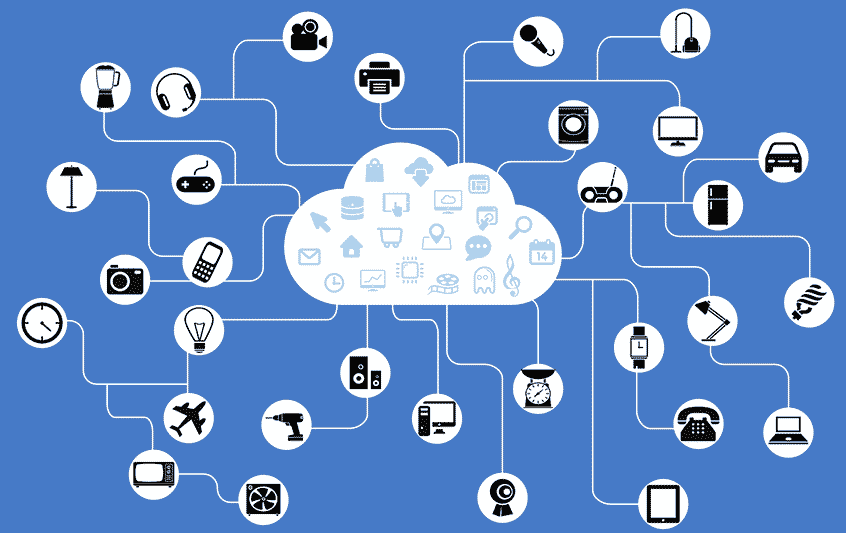
The last in our list of social platform and technology trends is the Internet of Things. The technology is used heavily for social media monitoring and marketing purposes by some of the top names in the industry like N&W, Disney, and Tencent, etc.

Organizations are constantly on the lookout for an IoT skilled social media app development company that would help them create solutions around real-time monitoring of data and insights coming in from social media to help them make better business decisions.

Here were the five technologies which are taking the social media sector towards a new evolution era – one that will be a lot more open and transparent in nature. Want to be a part of the revolution? Contact our team of social media experts.

Role of digital transformation in reducing business costs

What is digital transformation? | The Enterprisers Project

Digital business transformation constitutes the integration of digital technologies in all areas of a business. It integrates new operational processes with improved values delivered to the consumers. Did you know that by 2023, the spending on the technologies and services that enable digital transformation worldwide is expected to amount to 2.3 trillion U.S. dollars?The above-shown statists will help you understand the global digital transformation market revenue from 2017 to 2023. By inculcating a digital business transformation strategy, you will experience a cultural shift towards more agile and intelligent ways of doing business, powered by technologies such as advanced data analytics and artificial intelligence. Digital transformation for business growth in the current landscape is more a matter of necessity than a matter of choice!

How Are Businesses Going To Function Post Covid-19?

COVID-19 Testing: Understanding the “Percent Positive” - COVID-19 - Johns Hopkins Bloomberg School of Public Health

There is no denying the fact that the current pandemic has drastically affected the way an organization works. Let’s pay attention to the current truth of the business world, shall we?

  • Increasing operational efficiency and transforming the existing business are the most important business initiatives
  • 63% of organizations believe that delivering excellent customer experience as measured by customer satisfaction scores defines success as a digital-first business
  • Improving customer experience and increasing cybersecurity are also essential initiatives considering the pandemic

Can Digital Technology In Business Help in Cutting Unnecessary Expenses?

12 Ways to Cut Your Expenses & Save Money

If you want to keep your budget in control then without any doubt your biggest ally is technology! Digital business transformation solutions as a whole cover three major sectors – operation, strategy, and management. In the operations sector, one can start with processing data in the cloud, digitizing business processes and documents, and optimizing processes.

Digital transformation strategy changes the way business functions by focusing more on customer experience and needs. In the aspect of management, it revamps the entire business model of a company further taking advantage of the commercial and productive opportunities created by the current digital trends.

How digital maturity drives revenue?

If you completely understand the importance of digital transformation in business then you know how investing in technology can lead to higher revenue by providing your consumers the well-deserved value. A pattern that held true across all industries was that higher-digitally mature companies in this year’s sample were about three times more likely than lower-digitally mature companies to report annual net revenue growth and net profit margins significantly above their industry average.

7 Benefits Of Digital Transformation In Business

1. Revenue growth 

Focus on Profitability Not Revenue Growth – Pacific Crest Group

Companies that implement the digital transformation business model see an improvement in their efficiency and profits. Let’s talk numbers!

  • 80% of organizations that have completed the digital transformation report increased profits.
  • 85% say they have increased their market share.
  • On average, leaders expect 23% higher revenue growth than competitors.

2. Increased efficiency

Advanced Vision General Trading LLC

Software development companies open up the possibilities of what is working fine and what can be improved. Constant efforts are being made towards reducing the time of execution.

With the help of digital tools, companies can not only see efficiency in their workflows but also in their supply chain by integrating those tools at each stage of development of a service or product delivery. This process can be as simple as tweaking an existing process by including a digital checkpoint or as advanced as automating a process and remote monitoring the output at each stage via IoT devices.

The traditional ranges of productivity and efficiency have now indicated an increased possibility of cost improvements to about 25%. Not only this but incorporating practices like remote monitoring, robotization, and optimizing the entire workflow improves the labor costs in percentages above 60%.

3. Increased consumer satisfaction

6 reasons why customer satisfaction is important

DT drives customer experience towards ultimate brand resonance. This is not a secret anymore. Businesses across numerous sectors are using digital platforms for gaining insights into customers’ needs, using technologies to communicate directly with their customers, and inherently transforming customers’ touchpoints.

Here are some of the ground-level ways that digital transformation solutions entail for their consumers:

  • Personalizing the customer journey
  • Seamless omni-channel presence
  • Embracing automation to keep customers updated.

We simply cannot deny the fact that organizations that are able to leverage design thinking into their current structure will see a significant advantage in customer experience!

4. Improved data collection and analysis

6 Tips to Simplify Data Collection and Management - Leadspace

Data collection and analytics have opened up new windows for digital businesses. Data analytics tools make it easier to collect and analyze customer data and further result in making informed decisions. Data can be securely hosted on a cloud-based system, which will further allow you to save up to 50% when compared to traditional data management systems. It is one of the best ways to enhance your strategies by studying the online habits of your target audience.

5. Increased flexibility and scalability

Bigger, flexibility, resize, scalability, scalable, scale, upgrade icon - Download on Iconfinder

The impact of digitalization on business is such that it allows you to explore scalable alternatives. It breaks you free from the processes that come with old technology that accept manual inputs. Modern software and processes allow one to integrate various business parts, further making it more flexible. Tasks like service requests, providing support, or connecting the data can now be automated without manual intervention.

6. Enhanced reliability and reduced risks

Brokers: Reduce Risk with an Automated Transaction Review Process | Form Simplicity

From a technical point of view, the old technology cannot back up, maintain and protect the data of your company as well as of your customers. This will certainly make your business an easier target for cybercrime. Hence, as your organization will grow, the technology and processes have to evolve.

By upgrading to digital tools, you’ll see improvement in the efficiency and effectiveness of current risk- management approaches. Also, remember that digital risk initiatives can reduce operating costs for risk activities by 20 to 30 percent.

7. Increase agility

3 Ways to Embrace Technology and Increase Business Agility

Business transformation makes organizations more agile. You can improve speed-to-market pace and adopt continuous improvement and continuous deployment strategies. This will not only make innovation happen fast but also increase the rate of adaptation while providing a pathway to improvement. Also, let’s not forget that business transformation consulting firms will keep you at the top of your game among your competitors.

To Sum It Up

I have listed above the reasons such as automating tasks for improved efficiency and effectiveness, enhancing customer experience, increasing flexibility, scalability of your business, and reducing risks; but the most important thing is to keep your business objective in mind!

Below listed questions like –

  • What do you want to achieve via digital technology that you can’t in the present scenario?
  • What value addition do you want for your customers to experience that your current technology and processes are not allowing?
  • How do you plan to collect the data and use it for your target audience?
  • What manual tasks can be cut off by the introduction of digital tools?
  • What revenue growth do you expect if you invest in new technologies and tools?

In order to start the evolution process of your company, contact a digital transformation solutions provider now to transform your business journey strategically and as smoothly as possible!

THE EVOLUTION OF DESIGN THINKING

Who started design thinking? And where is it heading? In our Long Read, I feel design thinking’s growth from a niche activity to a mainstream practice. Pulling examples from the worlds of technology, public sector and finance, there is an endless argument   that we need design thinking and designers more than ever.

Design Thinking as a Strategy for Innovation %%sep%% %%sitename%%

The evolution of Design thinking 

Being Creative at Work - SharpHeels

There’s no birthday for design thinking. Despite important landmarks and significant claims and contributions from designers, projects and agencies like us, there was no big bang. In the old days, the term “design thinking” described the techniques and methodologies employed by designers to create abstract services and experiences. Now, it’s much broader in scope and application.

Design thinking was present a long time ago in any design education. The system of analysis and synthesis, sketches, computer renderings and models made in workshops was all about customer insight, concept creation, prototype-building and testing. These are the same processes and techniques that nowadays we call design thinking.

But in my very first job, I noticed that the business world was actually very disconnected from customers and design practice. The prominence was more to the engineering team rather than the end user.  Earlier design briefs (or I should call it User Interface briefs) focused on features and market research instead of user insight and testing. Unconscious decisions were made, resulting in marketing that over-promised and an operationally focused customer service.

The spread of design thinking

Design—Thinking—in—Action

Geoffrey Moore’s Law of Technology Adoption describes how an initial idea is spread by visionary early adopters (good example is Facebook began as Harvard sophomore and early adopters made it big). The idea traverses the “chasm” of slow adoption and then grows dramatically when those applications and contexts show evidence of success.

Design thinking began with the spread of design practice. When the pioneering agencies began to talk about service design and design thinking, early adopter organisations were quick to see the benefits. Economies moved towards creating value from services as well as products.

But for many years, design thinking remained the domain of the early adopters, because it was seen as threatening traditional, expert-based thought. It wasn’t until we created sustainable service and design thinking practices and the mainstream started believing that such “soft” techniques actually worked that design thinking took off.

Fast-forward to the end of 2015, when tech services giant IBM launched its design thinking methodology and recruited 1,000 designers worldwide, though they burnt close to $100 million in just a year and scraped everything later. But across the globe, design has become an important integrated element within companies and organisations.

Design thinking – in Technology

Why design thinking drives digital transformation | MyCustomer

Technology is an obvious application for design thinking. As a central part of our lives, technology has to be accessible, usable and appropriate to people other than the clever few who developed it. During my time at GreeneStep Technologies, the techniques of usable interface allowed me to shape the strategy and delivery of technology projects. Usability and beauty was a driver of revenue, not a “nice to have”. And this helped companies see the real business benefits and allowed them to successfully exploit the scale and reach of technology. The future of big ideas such as the Internet of Things is as much about trust and customer approval as it is about big data and networks.

…In financial services

White paper: Define product excellence with service design

The interest in design methodologies in business has been phenomenal. I am as surprised as anyone to find that at Barclays, design practice and design thinking are at the heart of how they develop digital banking services. The same goes with Fidelity USA, How many of us know they have a humongous UX centre where close to 60 creative minds put design thinking to work.

Barclays set up a centralised design office four years ago. Through a series of industry-leading products such as Pingit and Barclays Mobile Banking, it led the way in digital banking. Design is now integrated into every business – and designers are in great demand.

But with digitisation comes opportunity to do more than designing screens. Deconstructing processes, removing bureaucracy, putting the user at the heart of process and designing their service experience all change the nature of how we engage with customers.

…And in the public sector

It’s a lesson learnt by government too (Not to the fullest yet).

For the public sector, design thinking has been particularly attractive and at odds with traditional practice. Whether it’s obesity or mass transport, engaging with societal problems and driving real behaviour change is tough.

Customer empathy

7 Ways to Easily Boost Customer Service Empathy

I am amazed every day at how keen business leaders and managers are to use the tools of design and user research in projects and strategy. And it’s no fad. In a post-innovation world, where blindly pursuing new ideas is no longer the primary objective, empathy with customers comes top of the list.

We need emotional context to create clearly differentiated brand experiences that are simply more beautifully designed. This demand often comes from younger generations of employees who are frustrated with old corporate ways of doing things. And, of course, from customers, who increasingly articulate their thoughts and criticisms via social media.

The revolution of design thinking 

Design Thinking: Get a Quick Overview of the History | Interaction Design Foundation (IxDF)

This is an important moment in the journey of design thinking. Great progress has been made. We’re fed up that so many aspects of our lives have been designed by accountants, marketers, technicians or policymakers – those who care more about revenue, message, technology or politics than our real needs and desires. Design offers tangible benefits that complement, orchestrate and deliver human value.

But this is just the beginning. Tim Brown, CEO of IDEO, is often cited as the creator of design thinking (though he’d agree that we’d all been doing it anyway). In a recent speech at Central Saint Martins in London, Tim noted that business school students were great advocates of design thinking and a more creative, empathetic approach to management.

There’s great value in demystifying and sharing the tools of design. But it’s also vital to know when a higher level of skill and design thinking processes is required.

Design’s interest in deep user insight, rather than mass research, can therefore offer great value. The same goes for tools such as co-creation and prototyping. By piloting prototypes, you gain feedback and catch problems early in the process. In this way, design has the potential to impact on the success of an initiative or policy.

So, we’re surrounded by success and the embracing of design. Job done? Mission accomplished? No.

Designers are different

What Are The Different Types of Designers Are There In The World?

A designer will see things differently from an accountant, stakeholders or a technology creator. In creative workshops, business students would come up with a single concept and be happy with it, whereas a design-trained student would create five and iterate each idea before finding the ultimate solution.

In a world fascinated by processes that promise responsiveness and rapid development, as exemplified by agile, the role of the designer becomes ever more important.

The designer is a facilitator, a champion of human empathy and a guardian of quality and simplicity. Designers override organisational or technical decisions that can chip away at the customer’s eventual experience. It’s collaboration between all parts of the organisation that makes great design happen.

It’s time to love design 

Download Free png Chinese Stamp Tattoos, Chinese Seal Designs, Name Stamp Tattoo - DLPNG.com

There’s also a perception that design thinking and associated activities like service and customer experience design are somehow weak when it comes to aesthetics. But this should never be the case.

Now is the time to raise our ambition. The outputs of design thinking should be as beautiful as we can make them. They should be loved and treasured by all who use them. Rarely does this cost more, though it can take time to find talent and allow it to flourish. The results are always worth it.

Now that we love design thinking, it’s time to love design. Design of the detail, the delivery, the communication, the feel and the experience. People know design is their right and not a luxury; it’s merely humankind deciding how to make things as good as we can make them. This can be applied to an exceptional health service. Or to a transport system that’s empathetic to those who live around it as well as those who use it.

Design is the ultimate shared human activity, by us, for us. It’s time to love design, not just on its birthday, but every day.

Stay tune for what Anteelo has for you on this year’s DESIGN DAY!

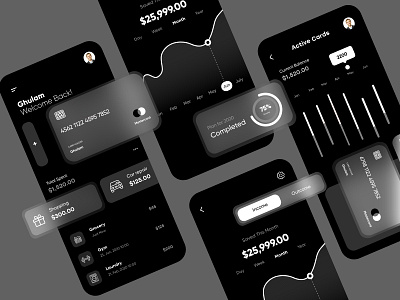
App designs, themes, templates and downloadable graphic elements on Dribbble

Inspiration: Smart Design – Products that Change Our Lives by  Clive Grinyer 

* Disclaimer: all the images are copy right of their respective owners, we have only used it for display purpose.

UI and UX – Critical Components of E-Commerce Success

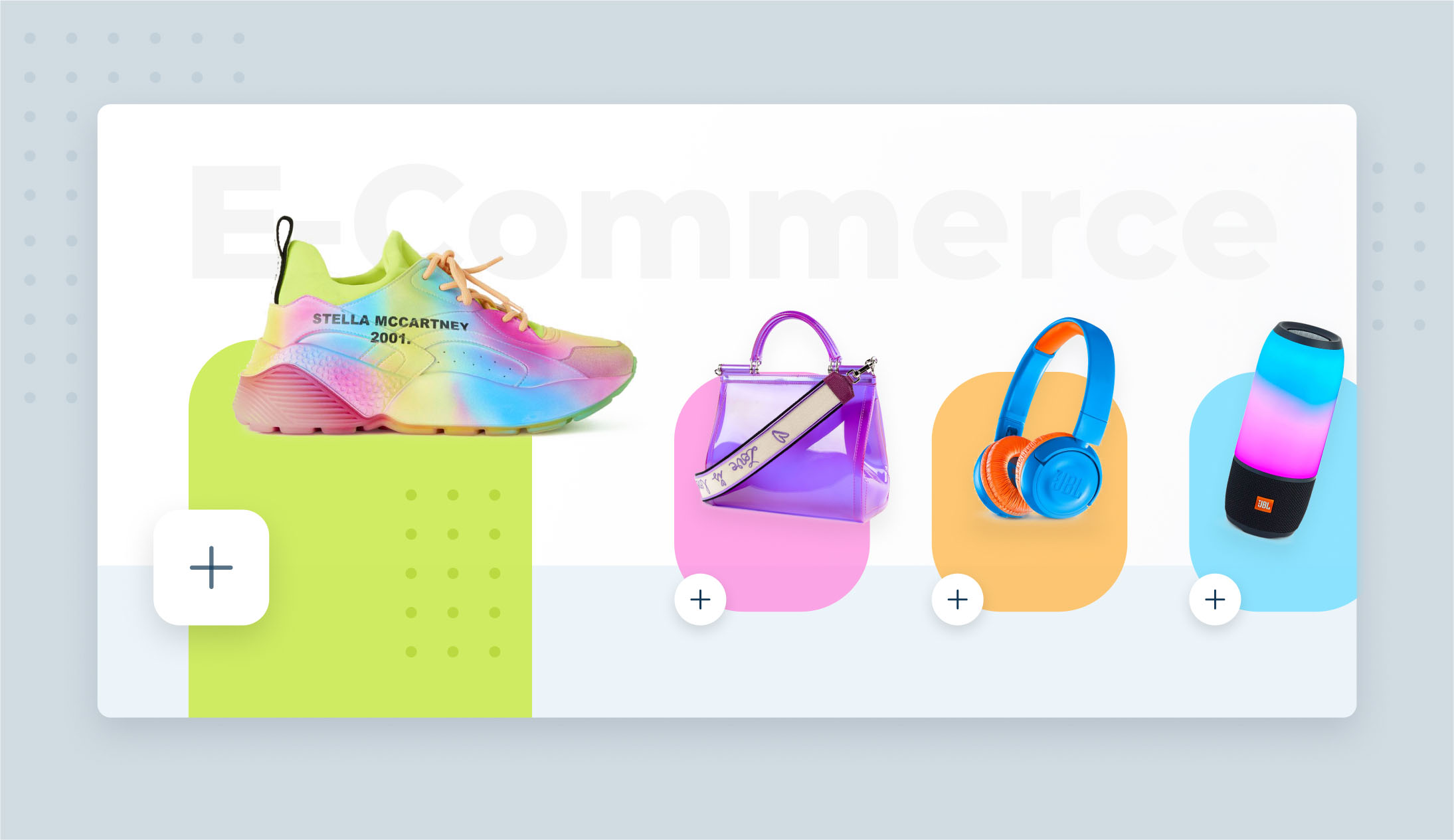
10 UX Design for E-Commerce: Principles and Strategies

The strong shift towards e-commerce in India is ever more evident with India stepping into ‘1 billion mobile user club’. According to a new Bloomberg report, country now has around 1.03 billion mobile phone subscribers.  SBI research report says the e-retail market was around USD 6 billion in 2015. And India expects 125 million online buyers with USD 19 billion (only through mobile) business by 2019.

One of the research held in India shows, ‘The largest digital properties in India (Facebook, Google) and e-commerce businesses have acknowledged that they receive 50% traffic from the web and 50% traffic via mobile (mobile web and app)’.  However, mobile traffic is growing at a much faster rate. But, we most definitely cannot ignore the fact that only 7.8% of mobile users have smartphones. But the non-smartphones users heavily use the Internet!

  • 125 million online buyers in India by 2019
  • Mobile Commerce sales to hit $19 billion by 2019
  • Just 8% of e-commerce addressable market lives in Top 8 cities, rest to be reached by mobiles.

E-commerce shoe store iOs application UI UX Design - UpLabs

The rapid change in e-commerce has strongly focused the entire design industry. Looking back, from print we shifted to web design and today we have stepped into the whole new era of designing for systems. It’s not just limited to that! We see highest level of personalization and customization taking place serving almost individual customer needs. The question here is ‘Who’ tracks the online behaviour and needs of your target consumer, ‘Who’ digs into the competitors product, ‘Who’ study the market trends and ‘Who’ gives you a solution that exceeds expectations?

5 Fundamentals of UX Design That Impact SEO - Usability Geek

The success mantra to stay ahead in the game for all online businesses lies in innovation and tactfulness of online platforms – the answer and key is with UX (user experience) and UI (user interface) experts. These are the people who ensure that your company makes a lasting impression on your potential consumers and convert them into loyal ones!

User should experience a complete bliss when they are navigating through your platform. An easy to use portal with all the necessary information and detail makes a big difference. These designers have an ability to get inside the heads of users and present you with answers to typical ‘What and How’s’ of your digital product! They are part researchers, observers, thinkers, developers and marketers. Remember, when you went to some website and in seconds, were fed up because you could not find the information you were looking for or you had to look up the entire page just to find one simple login; thus, is an example of a bad experience. Such that you would not want to go again. And then there are Websites like ‘Facebook and LinkedIn’ that generate high volume traffic mainly due to the enhanced user experience. Therefore, if you are interested in generating high volume traffic on your portal, you should ensure that it is user friendly and easy to navigate. And, more so serves needs of every individual customers in a way that they feel that they feel part of it.

A Complete Guide to E-Commerce Success - Spiralytics Inc

Like, Beauty is incomplete without brains. Similarly, UX is imperfect without a great UI! A great User Interface is the part of the web interface (portal or mobile) that faces the user when he looks at the portal. The use of effective and simple user interface design will be of immense help in achieving the objectives of going online. Right from colors, fonts, graphics, animations, wordings, placement, almost everything is so beautifully inter-related and in a flow that users are bound to fall in love with your product and portal. A good user interface not only increases the usability but also leads to the smooth completion of any task at hand thereby making everything enjoyable and flexible as per the requirements of users. The visual appeal of a UI on portal or mobile has a significant impact on users as its information Architecture doesn’t enable engagement on its own.

e-commerce business | e-commerce development | e-commerce success

To conclude, UX is as simple as making an online, digital world as human friendly as possible. And, UI makes it as pleasing as possible. The world of e-commerce, demands an expert guidance in offering a platform that would ensure that profits see an upward trend.

Impact of Digital on Brand DNA

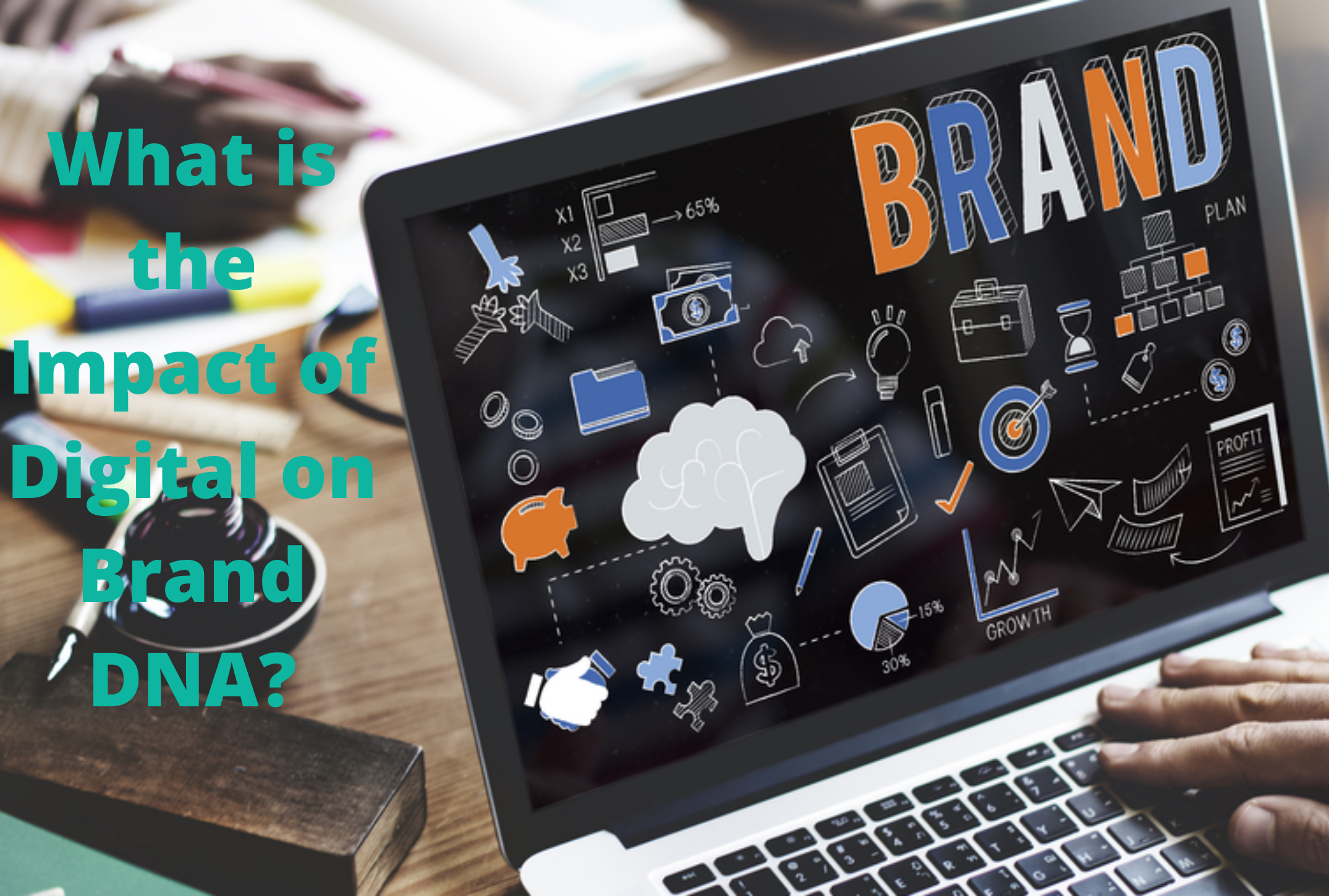
Digital on Brand DNA

“Brand is a CONNECT between consumers and companies”.  This is a very simple yet powerful definition.

This so called ‘connect’ has undergone a seismic change recently. This change can be attributed to continuous evolution of technology which has really simplified a consumer’s life. Brands are continuously finding it difficult to establish a connect with their consumers and more so in this digital age. Earlier, brands had fewer, what is popularly known as, “moment of truths”. Consumers didn’t have access to much information. Hence choices were also limited. Marketers hardly focused on their prospective consumers. Advertising was seen as a potent weapon as a brand building tool than customer satisfaction and other elements of brand building. Customers had very limited options to voice their feeling about brands.

Digital on Brand DNA

Digital has had a transformational effect on how brand business is done. According to Interbrand.com, Google was ranked 38th in 2005 out of top 100 brands whereas in 2009 it is ranked top 7th brand of the world. Considering the fact that Google stared its operations only in late 1998, it’s a huge achievement. Brands like Google, iPod, Facebook & YouTube have proved the notion wrong that brands take a long time to become the top brands.

Digitization has empowered the customers with unlimited tools to make them heard. Abundant access to information, thanks to Google, has left little room for brands to act smart with customers.

Brand Touchpoints model. Originally proposed by Alina Wheeler in... | Download Scientific Diagram

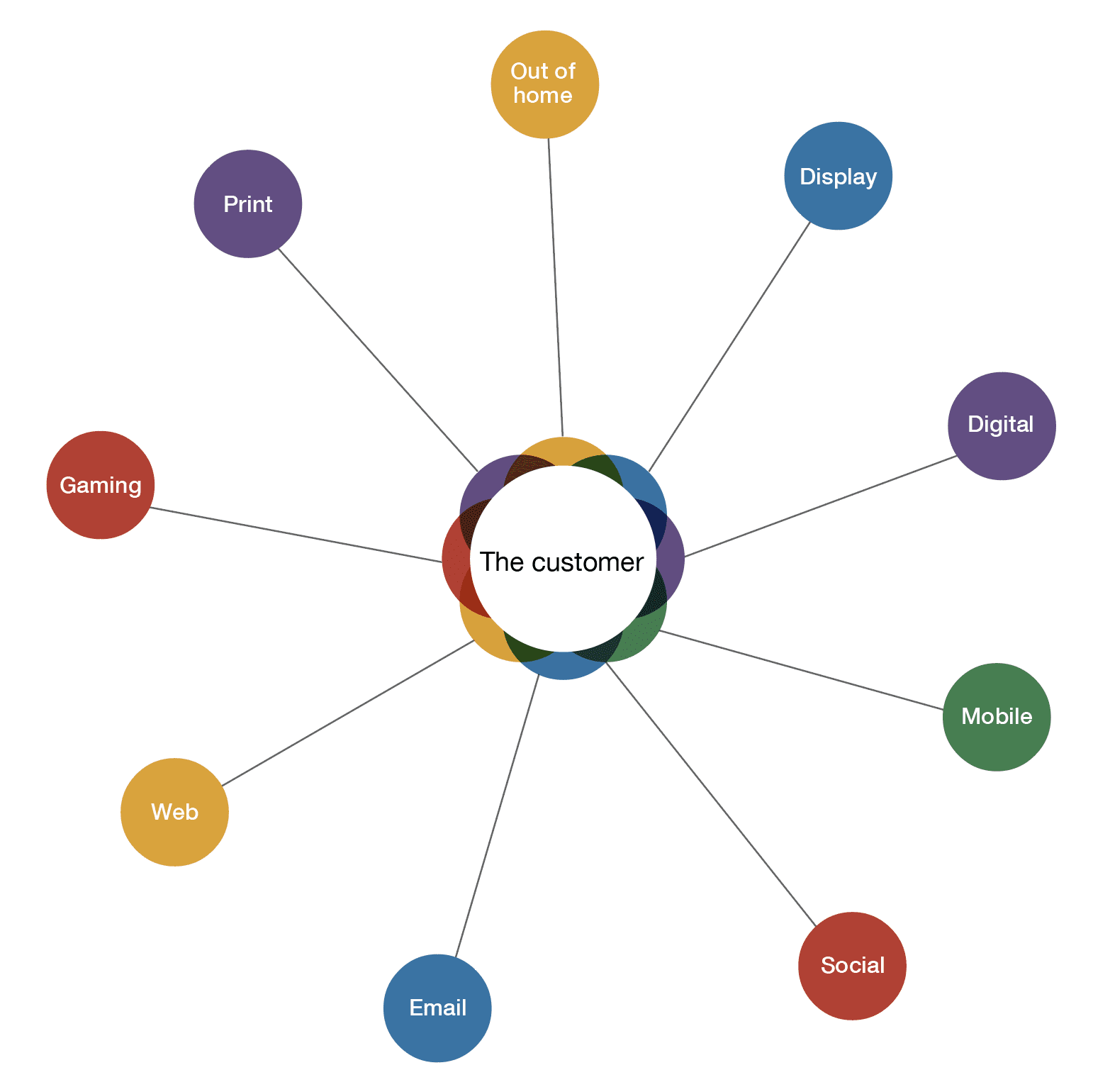
Brand touch points have increased in comparison to what they used to be. More interestingly, customers now have the power to make them heard at every such point through Facebook, Twitter, Instagram, Orkut to name a few. Brands are now aware that negative word of mouth spreads faster than positive word of mouth. Hence, brands are continuously employing “Online Reputation Management” tools to cater to disgruntled customers.

Digital has proved that brand building need not be an expensive activity. Brands are constantly exploring the power of ‘viral videos’ which are rather cheap to create and still give the brands great mileage. The recent “miss u maggi” campaign, by Nestle on YouTube has close to 1 million views so far and still counting.

Maggi - #WeMissYouToo – Campaigns of the World®

PR seems incomplete without ePR. Upsurge of blogs and review websites have made people trust their peer group more than the advertisements. Worse, users may give more credence to feedback posted by a stranger on a website more than what a brand is communicating.
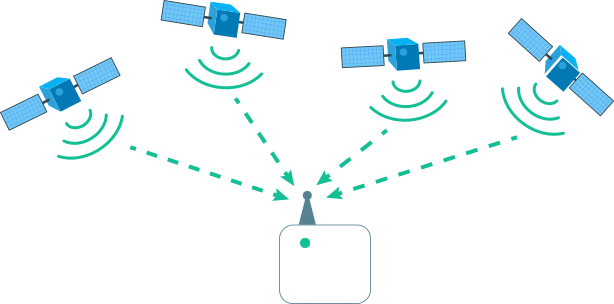
Today, marketers are in a better position to understand online behavior of the users that visit their sites. Web analytics tools can be of great help in understanding what pages are most visited by users, what is the path traversed by users before making some purchase on your website, how many users are coming through paid media versus how many users are coming organically etc. Never have brands got so many insights to serve their customer better, all thanks to this Digital Age.

5 Effective Brand Building Strategies to Attract Customers

Brand building has become more comprehensive today wherein customer satisfaction, customer experience, customer delight get equal, if not more, weight age which probably only advertising once enjoyed. Digital empowerment has changed the rules of the game. It has opened up a bag full of opportunities for the brands. It has taken brands a step closer to their customers. And the good news is that you can be a top brand in few years if you are updated about the game. You are closer to your customers than ever before. But the point is: Are you listening, do you even care to have a INTELLIGENT DIGITAL INTERFACE?

*All the content and images are sole property of their respective owners, This is just a knowledge sharing platform.

iOS 14 Privacy Features and Their Impact on App Distribution

Criticism of Apple Inc. - Wikipedia

Apple has a habit of introducing revolutionary changes year after year with every new operating system launch. 2020 was no different. In fact, in many ways, it was the most revolutionary year for Apple in terms of advancing user experience and privacy. In case you missed out on the features that the new iOS 14 updates comes with, head on to our article – How to prepare your app for iOS 14.

However, we can presume that by this time you must have gotten acquainted with the key aspects of iOS 14 privacy features. But do you know that the update will carry an impact on the process of how your partnered iPhone app development company handles your app development and distribution?

Let us talk about it in detail in this article today.

The List of Privacy-Centric iOS 14 Updates

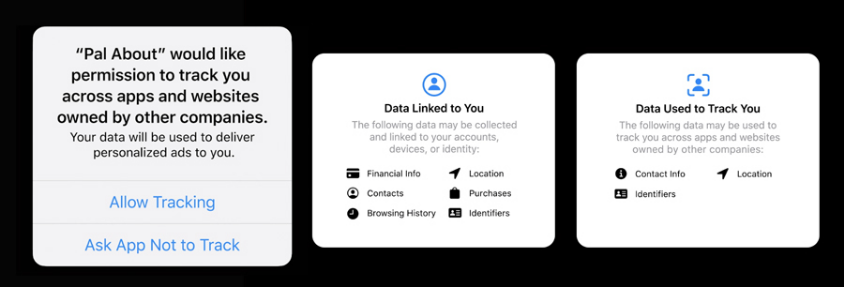
The biggest announcement that Apple has made in terms of the iOS update that will be made next year is giving users the option to clock IDFA identifiers at the application level. A move that strengthens the tech giant’s position in the Apple vs Android, which platform is a more secure debate, would require the apps to ask the users for permissions to gather and share users’ data.

There are other privacy-related moves as well, but let us attend to IDFA first.

1. Changes in IDFA and store-level control

Changes Coming to IDFA — Here's How to Future-Proof Your App Today

What is IDFA?

An identifier for Advertisers is a unique identifier for all mobile devices which is used for targeting and measuring the effectiveness of the advertisements on a user level across all the mobile devices.

What is the update about?

For every app install, users will have to opt into IDFA. When developing apps for iOS 14, app publishers will have to provide a summary of privacy practices on the basis of which users will decide whether they want to opt-in IDFA or not.

The impact of this update lies in ad campaigns becoming incapable of performing control recency, optimizing and measuring ad performance, or perform behavior-based segmentation. Additionally, the move is contributory to consent fatigue, which would increase the instances of users declining the data view request.

The impact of the update on the advertisers will be two-fold –

  • Retargeting to users will not work in the iOS application development process if the users opt-out of sharing their IDFA. Brands that don’t use deterministic variables like a phone number or email id (like Google and Facebook do) will witness a reduction in the targetable audiences.
  • Because of the limited access to IDFA, brands will not be able to show relevant ads to the users, a move that might direly impact user experience and ad monetization efforts of iOS app development.

2. Changes in app install attribution

4 Marketing experts discuss their mobile attribution strategies

iOS 14 comes with an updated SKAdNetwork interface that offers a method for Apple to notify the ‘ad network’ when a campaign creates app install conversion.

The impact of this update is the negligence of another type of app conversions for which a mobile app campaign would want to optimize other than app installs.

3. Control over geo-location access

Geolocation (article) | User data tracking | Khan Academy

Presently, iOS users have control over which apps access their location through the ‘Location Service’ setting. The new update will allow the users to opt-out of precise location sharing. And when that happens, only approximate geolocation data will be shared with the apps.

4. Privacy report highlighting ‘tracking’ companies

New Apple privacy ad highlights App Tracking Transparency | AppleInsider

Apple presently comes with the feature of Intelligent Tracking prevention or ITP which blocks cross-domain tracking. With iOS 14, there will now be a ‘Privacy Report’ passed to the users in addition to the ITP. It will tell the users which companies it is blockchain from viewing their data.

The impact of this update is more image-based than anything else. Brands have multiple use cases for tracking users – recency control, frequency capping, behavioral-based targeting, spend attribution, etc. But the update will give the users a perception that every company has the same tracking intent.

How is Anteelo Preparing for the Changed iOS 14 App Development Process?

iPhone app development has always been one of our strongest suits. We have always one of the first iOS app development company to run hypothesis testing on all the new updates. iOS 14 version is no different.

Our team of iOS app developers has deep-dived into how iOS 14 impacts app creation and promotion and while we have looked into the changes that we will have to make the app ready for iOS 14.

The primary step for us was to peruse the platform-wise recommendations for the iOS 14 update.

  • Facebook
  • Google
  • Apple

The documentations helped us get on top of the changes that were coming with iOS 14 and what we needed to do to prepare for them. Keeping technicalities aside, let us share our plans in terms of making your app pass Apple’s updated security principles in layman’s terms. But first thing first, let us look into the ways the app ecosystem is going to change in 2021.

The way iOS 14 influence app development will see the following things happening –

  • The space between organic and paid revenue and installs will get blurry
  • The efficiency of user acquisition and ad monetization will lower
  • The user-level ad reporting will become functionally impossible with iOS 14
  • Another impact of iOS 14 will be that retargeting campaigns will not be viable anymore
  • Apple’s SKAdNetwork is poised to become the source of ad attribution on iOS
  • Post-install events will majorly be attributable for around 24 hours

In light of these changes, the first thing that we will be focusing on is ensuring that the SDKs we use across our iPhone app development services are up to date. Virtually every SDK – analytics, attribution, and ad monetization, etc. will have to be updated for accommodating iOS14.

Secondly, we will shift our focus on top-of-funnel activities – like ad watch, tutorial completion, etc. – instead of button funnel-like subscriptions and purchases.

Lastly, we will be revisiting how we ask for consent from the users. After ensuring that the users are having a good experience within the app, we will plan strategically-timed push notifications explaining how the tracking will elevate their experience in the application. Here’s a snapshot of what that would look like –

Other than these, going by the statistics that over 30% of the iOS users have already disabled IDFA sharing, we will be exploring new approaches to help our clients retain their growth marketing expectations without relying on personal information. Here are some of them –

1.  Use SKAdNetwork for advertisement attribution

Apple has released SKAd Network that enables Apple to manage the attribution passed to the Registered Ad network. While there are ways to optimize and scale marketing with SKAdNetwork, like how it helps identify redownloads and track attribution, they are not very ideal because of multiple reasons –

  •  Allows only click-based attribution
  • No date stamp parameter is provided
  • The campaign IDs are limited to 100 per ad network.

2.  Non-individually identifiable IP address-based tracking

Another way brands can negate the iOS 14 impact on app distribution is by relying on the users’ truncated IP addressed for advanced contextual targeting and attribution. This way, they won’t have to identify any individual user.

If you are looking for an iOS application development company that is skilled to help migrate your existing application to iOS 14 while having a complete understanding and solutions to how iOS 14 impacts app creation, reach out to our team.

Role of Technology In Changing the Future of Consumer Lending

Consumer Lending | Accenture

Dive into the many changes that now stare at the lending-centric consumer financial services landscape and how technologies are fueling the shift. Every once a decade, technology innovation and customer demand merge in a way that drastically changes the consumer-facing financial service sector.

For instance, when The Motley Fool, eTrade, and Intuit came into the market some decades ago, consumers took it upon themselves to personally manage their finances and invest their savings in places that would get them maximum returns.

In 2021, the financial service industry is again staring at disruption. A number of technological and economic factors have developed a perfect situation where people are deciding how they want to manage their pay, pay for services and goods, finance a car or home, or even how they want to borrow.

To answer these changes and shape the future of lending, a number of tech-driven consumer-facing financial services companies have entered the market to address this consumer behavior shift. The entrants have become the reason why lending has become one of the most profitable finance app ideas.

In this article, we will be diving into the many changes that now stare at the lending centric consumer financial services landscape and how technologies are fueling the shift.

What is Contributing to the Evolving Landscape of Digital Lending?

The Future of Digital Lending in India | Aranca

The changing space of digital lending transformation is bringing a remarkable shift in credit analysis and bank loans. The rise of technology progress and big data has led to a series of alternatives coming into the market questioning the credibility of credit score – a prime factor driving the lending industry.

When we dive into the changes that are taking place in one of the slowest transforming financial services, we can find four factors fueling the digitalization of the consumer financial services space –

  • Changing consumer behaviors – especially the COVID-19 driven behavior
  • Rapid technological changes
  • Changes in compliance and regulations
  • Innovations happening in the space of simplification of operating models.

The combination of these four factors has given birth to a time where consumer insights are blended with product innovations to make fintech consumer lending a lot more inclusive. In addition to serving only the high credit-worthy consumers, the future of the credit industry is now powered to involve consumer segments with low credit history (low-income households, students, freelancers, etc.).

The digital lending landscape has grown to an extent that it can now be categorized into three sectors –

The ultimate aim of the technology-induced digitalization innovations happening in the sector – across the three subsets – is to digitize the entire customer journey (from KYC to reporting) at speed and at scale at a level where the traditional lending system could never reach.

How is Digital Lending Changing With Technological Advancements?

1. A new way of vetting applicants have come on the surface

15 Interview Questions to Ask Candidates | Glassdoor for Employers

New credit mechanisms are building on the proposition that traditional ways of applicants’ approval on the basis of FICO credit score is an incomplete sign of applicants’ creditworthiness.

By using artificial intelligence, new models are being developed. These models factor in information surrounding thousands of data points like employment history, education details, and spending habits to verify if an applicant will be able to clear the debts on time. On the basis of these insights, a new credit score is coming to the surface as the future of consumer lending.

2.  AI-backed strategy and sales streamlining 

4 Ways AI/ML can Improve Sales Manager Activities in CRM | Kreato CRM

Digital lenders have started asking their partnered fintech app development companies to use machine learning for enhancing loans by making underwriting decisions. The algorithms can help validate if the applicants are telling the truth about their income level.

The process is best suited for people having an insufficient credit history, less income, or anyone who is charged higher interest because of the lack of financial data. Machine learning is also being used heavily for its ability to detect fraud through analysis of customer behavior backed by the time they spend answering applications’ questions, looking at the price options, etc.

3.  Blockchain eliminating the need for intermediaries 

How disruptive Blockchain is for the Digital Advertising Industry?

Through the mode of blockchain, digital lending companies can develop a high trust, low-cost platform. With the complete loan process existing online, people will be able to keep a record of documents and transactions on an anonymous digital ledger platform thus eliminating the need for third parties and intermediaries.

4.  Cloud computing solving digital lending sector uptime concerns

How is Technology Changing the Future of Consumer Lending?

The most common corners of the lending sector are – security, storage, and 24*7 upkeep time. Cloud computing solves all these issues in addition to offering a series of additional benefits like

  • Secure connections
  • Cost-effective and time-efficient management
  • Disaster recovery
  • Simplified online processes
  • Automation of processes

While these technologies are playing a key role in bettering the state of digital lending, what is important for the sector to keep evolving. A way the sector can keep getting efficient is by knowing the trends that are waiting for them in 2021 as the future of consumer credit.

Digital Lending Market Trends 2021-22

1. NLP will better customer experience

9 Powerful Ways to Use NLP to Improve Customer Service

Smart lending systems will be using NLP for recognizing and understanding customers’ questions and converting them into actionable data. There are multiple applications that the digital lending companies will be experimenting with in 2021 –

  • Lenders will be able to offer advice to basic queries through a chatbot
  • They will use the technology for analyzing customers’ feedback, getting insights that can help them improve the customer experience.
  • Analyze the data to better the credit scoring accuracy

2.  Regulatory sandboxing

Poland gets regulatory sandbox

While the consumer lending sector needs constant innovation in order to develop and grow, it also needs regulation for ensuring security, safety, and ethics. Sandboxing is how both factors can be respected in the modern lending system.

It is the mode f testing innovative services in a controlled setting for the regulators to conduct their assessments before a complete rollout. The Compliance Assistance Sandbox (CAS) Policy, announced in 2019 highlights the process.

“After the [Consumer and Financial Protection Bureau or CFPB] evaluates the product or service for compliance with relevant law, an approved applicant that complies in good faith with the terms of the approval will have a ‘safe harbor’ from liability for specified conduct during the testing period. Approvals under the CAS Policy will provide protection from liability under the Truth in Lending Act, the Electronic Fund Transfer Act, and the Equal Credit Opportunity Act.”

3.  Greater omnichannel capabilities 

Technology will be seamlessly connecting the lender with borrowers through a self-service holistic digital experience. The year will see borrowers picking up on the half application form which they started on their phone, on their laptops.

Omnichannel capabilities that make it easy for them to jump from one platform to another without any shift in experience is what would help the digital lenders rule the year while becoming one of the key mobile app development financial services.

4.  Non-banking institutions will continue entering the space

We have already seen Amazon offering loans to small businesses and Apple announcing its credit card. All of these innovations are the advanced stages of companies’ capabilities and how they help their customers reach their goals.

The year will see the consumer finance market getting introduced with a greater number of P2P consumer lending organizations. Backed by the abilities of new-gen technologies like Blockchain and AI, consumer financing companies will be giving banking institutions tough competition.

Now that we have looked into the many ways consumer lending businesses are getting prepared to rule the sector through their partnership with a skilled fintech application development company, let us close the article by looking into some ways you can become the next big digital lender.

How Can You Become a Digital Lender?

Digital Lending Startups Leading The Fintech Revolution In India

There are a number of brands that have placed themselves in the future of the consumer financial at the back of their digital inclination.

Shifting from a traditional lending mindset to a digital bank-oriented one is not an easy task. There will be resistance to change, an unacceptance towards risk, and other things. A digital bank transformation will require a strategic foundation supported across all organization levels. As a lender, you will have to focus on offering an exceptional digital experience to your consumers. The last thing you would want is getting axed by Google on the Play Store at the back of a bad experience and lack of regulations-compliance assurance. Here are some things that we recommend on the basis of our extensive skill set as a financial software development company

  • Provide transparent information on the approval guidelines
  • Develop new training material, gen-z inclined communication about new policies
  • Provide alternate channels to your consumers. Don’t force them to visit branches.

The secret sauce of your lending business success will be transparency and communication. The more open your business is, the more will be the chances of your consumers to choose alternative lending models. We can help you strategize your lending process digitalization.

Android App Bundles Should Be Chosen By Businesses- Why?

Android Developers Blog: Recent Android App Bundle improvements and timeline for new apps on Google Play

Did you know that the Android App Bundle has become the gold standard for publishing on Google Play? Dig into its benefits.

When I first heard about this new upload format known as the App Bundle, I was very excited! Many of the issues that we developers faced like building APKs to target different API versions, device types, and so on- are now passed on Google Play.

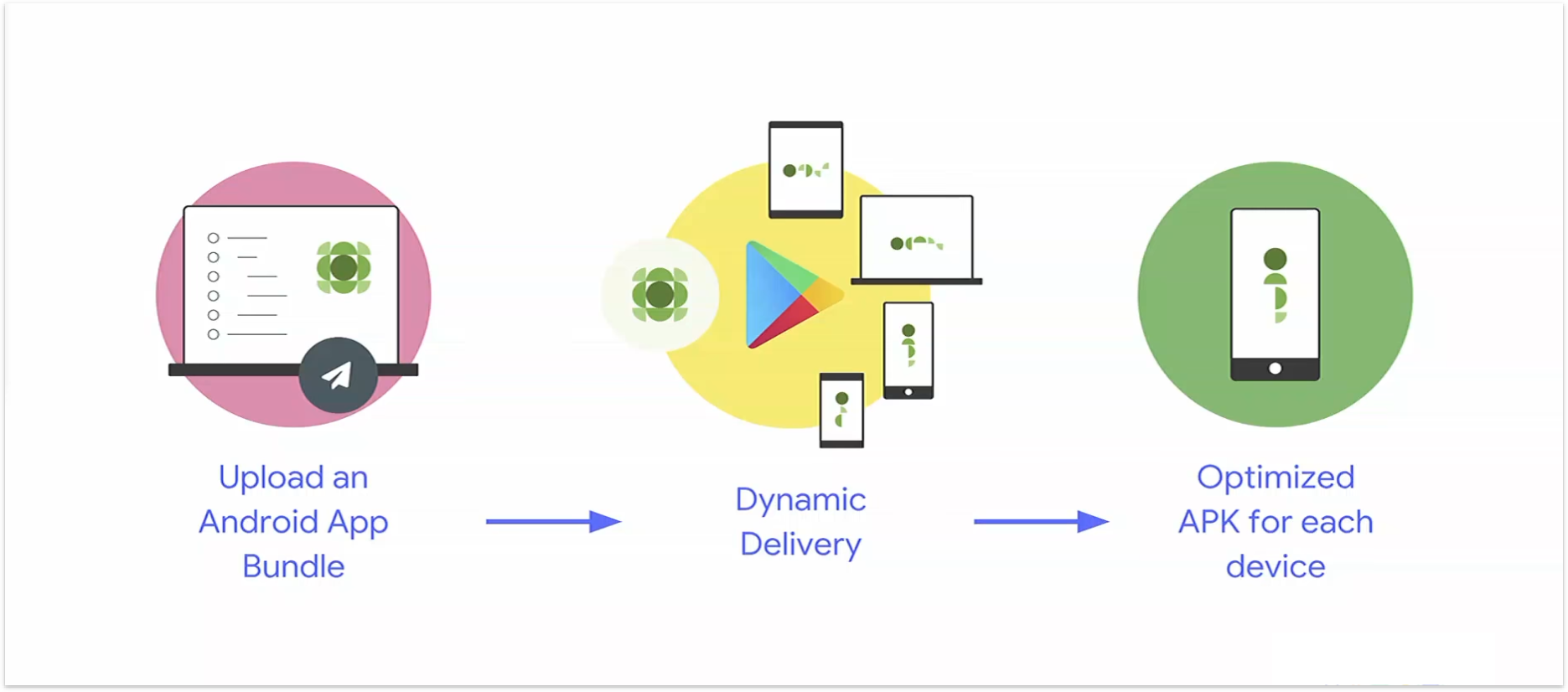
From this day on, developers will be able to use Dynamic Delivery for creating optimized APKs that satisfy the requirements of user’s devices and delivers them at the runtime for installation.

All this is being done through the Android app bundle app distribution format. Let us dive into what Android’s new, official publishing format is all about.

What is Android App Bundle?

Android App Bundle

Android launched a new official publishing format called android app bundles (.aab) and it offers a more efficient way to build and release your app. It also lets you easily deliver a great user experience in a small-sized app, this in turn also improves install success rate and reduces uninstallation rates.

Android App Bundles are Google recommended way for building, publishing, and distributing the application across different device configurations.

Did you know that the android app bundle has become the gold standard for publishing on Google Play? Over 600,000 apps and games currently use the app bundle in production, representing over 40% of all releases on Google Play including Netflix.

Let’s look into the benefits of app bundles now.

Benefits Of Using Google Android App Bundle

1.  Size Reduction

App size-reduction. Optimizing builds for lesser sizes | by Manoj Aher | Flawless iOS | Medium

App bundles help in reducing a significant amount of application size! On average, developers have witnessed a 20% size savings compared to APK. You can visit the new app size report in the google play console to see how much your app could save.

Did you know that, with the help of app bundle development, Adobe reduced the size of Adobe Acrobat Reader by 20%? Not only this, but some of these size savings by early adopters of app bundles show some jaw-dropping results. These results are what make Android app bundles a great way to build Android Go apps:

2.  Increased app installations and decreased uninstallations

Why Users Uninstall Apps: 28% of People Feel Spammed | CleverTap

Apps increasing size would not matter much if we had unlimited storage in our devices. But, as we know, it’s not the case. As the size of an app increases the number of installations decrease!

As a ripple effect of size savings with the help of xamarin android app bundle will increase the app installations. This also resulted in the increase of update rates, and very fewer uninstallations. 

 3.  Higher efficiency

How to Protect Efficiency in Your Business

App bundle development in android allows you to build one artifact that includes all of your app’s collected code, resources, and native libraries. So, you are no longer required to build, sign, upload, and manage version codes for multiple APKs. Hence, the efficiency is increased if you install an android app bundle on your device.

4.  Faster downloads

Faster Downloads through MediaFire's New Downloader - MediaFire Blog

Your app can be efficiently tailored to each device by Google Play which means the process of downloading and installing the app becomes faster.

5.  Integrated codes

Integrated Terminal in Visual Studio Code

With the help of the android studio app bundle, you can prepare for the 64-bit requirement without increasing the size of your app. As a result, Play will deliver the appropriate native code required for each device. 

6.  Increased engineering velocity

Heroes and Juniors: Increasing Engineering Team Velocity | by Marianne Bellotti | Medium

The entire process of creating an app is accelerated. From building dynamic and independent modules to designing, testing, and releasing it. The engineering velocity gets a major boost with the android app bundle unity.

For example, The Book My Show app declared that their app builds time (for a completely new build, without any caching) went down by 70% — this is because, with app bundles, it just dumps every resource into the bundle, rather than segregating them, like for APKs.

7.  Reduced manual effort

Reduced effort - Kainos WorkSmart

During android app development several manual efforts can be completely automated. Once the development is done, its link is uploaded and shared on a specific Slack channel automatically. No manual intervention is required.

8.  Dynamic delivery enabled

Dynamic Delivery in Android — Part 1 | by Siva Ganesh Kantamani | Programming Geeks | Medium

App bundles have introduced us to a new concept known as dynamic delivery. One can deliver conditional features at the time of installation on the basis of properties like device features (e.g., AR/VR), user’s country, or device’s version. Users are also given the facility to install features on an on-demand mode instead of the install time. They can even uninstall the features they no longer need.

This will help the users personalize their experience as per their requirements. This will also come in handy when you do not want to increase the size of your app in the long term. Further allowing us to make the initial size of our application smaller and then offering extra features only to the users who might actually make use of them.

How To Build and Deploy Android App Bundles?

Publish smaller apps with the Android App Bundle | Xamarin Blog

Unlike APKs, app bundles are a publishing format that entails all of your app’s codes. So, it cannot be deployed directly to a device. With the help of the android studio, creating a project as a signed app bundle is just a few clicks away!

To build app bundles, follow these steps:

Step-1: Start with downloading Android Studio 3.2 or higher. It is the simplest way to build app bundles.

Step-2: Add support for Play Feature Delivery by including a base module, organizing code and resources for configuration APKs, and, optionally, adding feature modules.

Step-3: Now, start building an Android App Bundle using Android Studio. You can even deploy the application onto a connected device from the app bundle through modification of your debug/run configuration and selection of the ‘deploy APK from app bundle’ option.

Step-4: Testing and publishing your app bundle will be the final step.

Test Your App Bundle

Once you create the android app bundle, you should test how Google Play will use it to generate APKs and how those APKs will behave when deployed to a device. You can use the following methods to test the same:

  • Test your app bundle locally by using the bundle tool. It will generate APKs from your app bundle and deploy them to a connected device.
  • Share your app with a URL. It is the speediest way of uploading your app bundle and sharing your app as a Google Play Store link with your testers.
  • Set up an open, closed, or internal test. This is another way of testing custom delivery options, like downloading app features on demand.

Final Words

The future has a lot in store for all of us and it is up to us to keep up with it! Without any doubt, I can tell you that the android app bundles are where the future lies. Being an android app development company, we can help you stay ahead in the game.

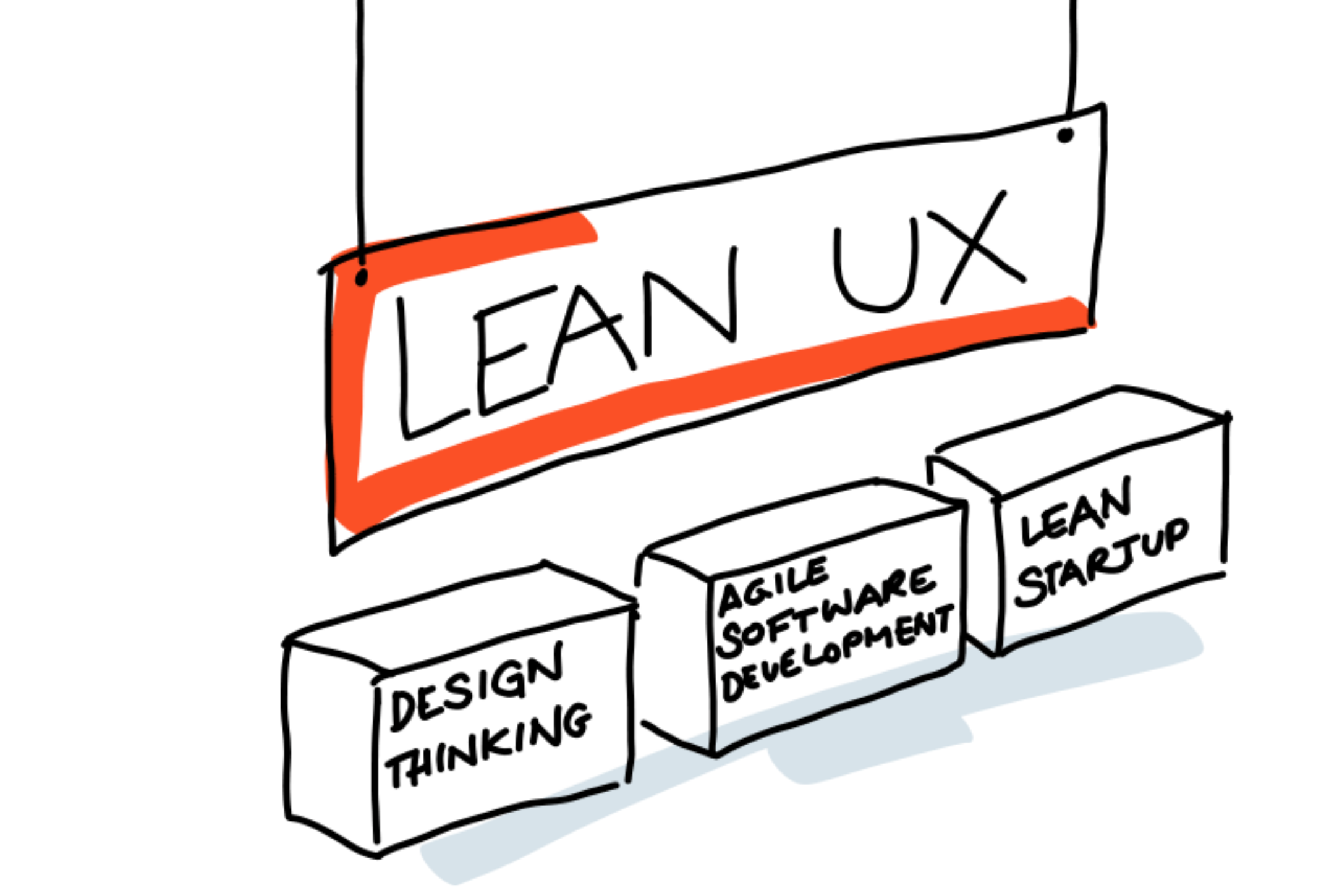
Lean UX – The Evolution of User Experience in the Lean Methodology

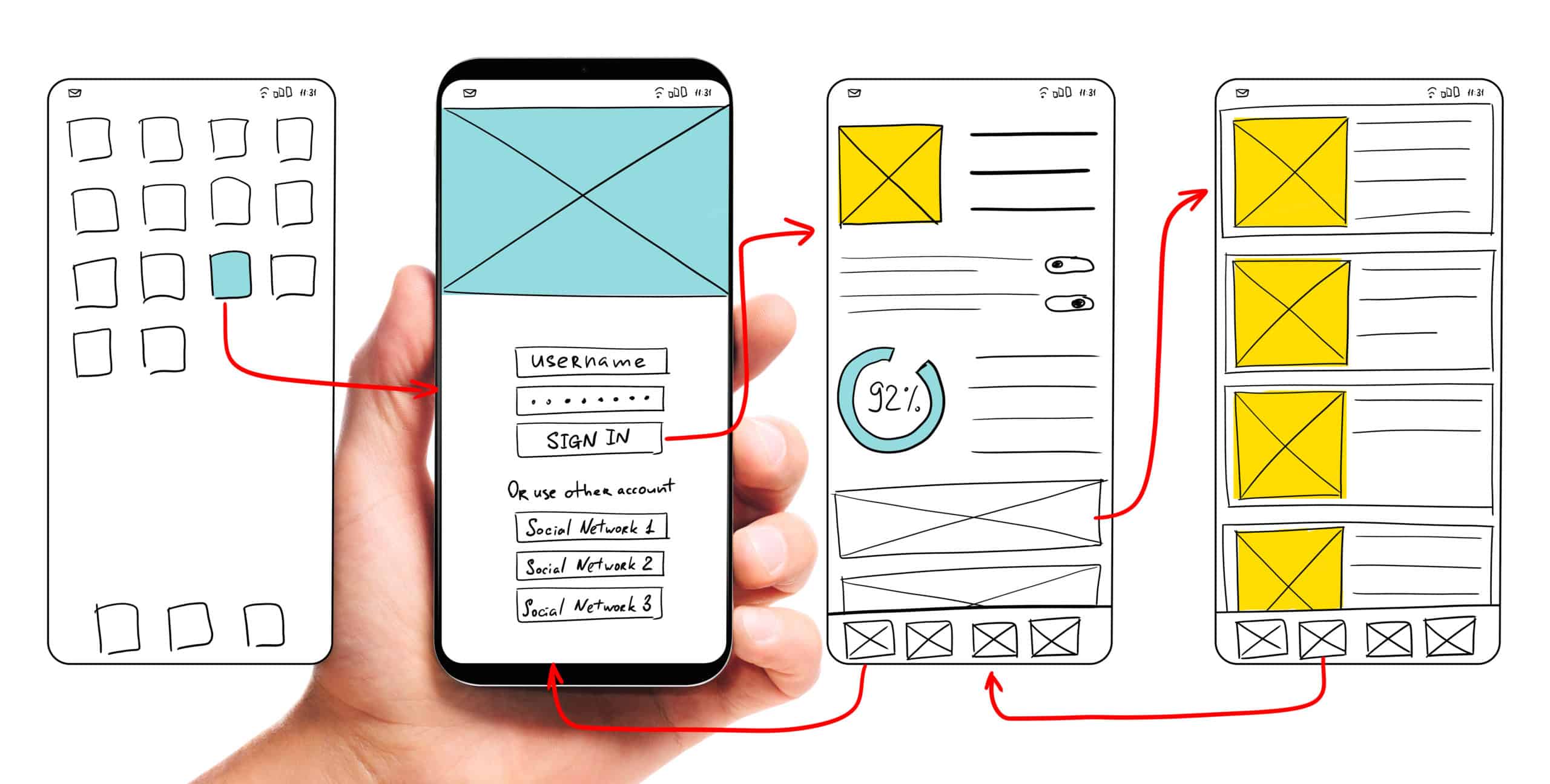
Lean UX

You’ve landed your first UX job. Now what? You’re probably excited about what’s in store for you in this career path – and a tad overwhelmed. I’ve written this article as an attempt to ease your nerves. Some of what you read, you may already be aware of. And if you feel some of them sound more like life hacks than design tips – it’s probably because they are.

Show Initiatives

If you’re new to the workplace, chances are the heavy-lifting hasn’t started yet. You’re relatively free, and it’s a great time for you to say yes yes to doing any and all kinds of work – even if it wasn’t part of the job description; even if you don’t think you’re good at it

Being forthcoming and approachable about the kind of work you’re open to doing signifies that you’re open to learning everything there is to the job. Say yes. Make mistakes. It’s all good. Most UX designer jobs are entry-level positions, hence having a host of ancillary skills will help you grow in the organisation faster. Opening yourself up to new kinds of work will only help you holistically as a designer.

Forget the job description; be a generalist

It’s easy to get caught up in the rat race, so here’s a protip- don’t!


It’s typical of the most design professional to get trapped in the title race that we forget to think about what eventually matters – our overall growth as a designer. An exceptional UX designer is almost always a generalist and being one involves proficiency not only in design but also in subjects like empathy, communication, content writing, business and strategy, just to name a few.

Find real users to test ideas on


One of the most neglected steps in the design process is testing your product on real users before launching it. Don’t get us wrong- having a revolutionary concept is great. But until you get feedback from someone who is going to use it every day, it will remain just – a novel concept! And no, your teammates aren’t your real users, their feedback isn’t going to help much.

Look for a mentor


Differing opinions can sometimes be key to new insights. You need to blend with the people and find someone who can speak to you candidly and help you navigate life in the organisation and profession alike. Scan your workplace or industry and find a mentor with the skills and professional drive that you wish to emulate. A good mentor can impart nuggets of wisdom that you may not find in self-help manual or guide.

Sketch first

No matter how far we get with technology there is no alternative for putting pen to paper. Since it’s still early days in your design career, refrain from designing directly on the screen. Even if you are a master at visualizing an idea down to the last pixel in your head, we end up losing many details by the time we reach the final product. Sketching is the quickest way to translate an idea in your mind into the real world. You can come up with multiple iterations of your idea quickly. No time is wasted figuring out which font size or color to use, or what kind of roundness a button should have.

Lean UX

Get into the habit of writing


Writing – stories, blogs, journaling – helps in bringing about clarity to your thoughts, which is difficult to achieve if it’s all just locked inside our head. In addition to sketching disparate blueprints, consider fleshing out concept notes that you can develop into products later. When you make writing a habit, you start to notice that it translates to your designs as well. Writing microcopy is an essential skill for UX designers, which can make or break their design. A product’s true value is almost always conveyed through the copy used. Creativity in the spoken word will help you refine your UX designer portfolio.

Get design inspirations, but do not copy

By habit, designs of most designers tend to get heavily influenced by sites such as Dribbble, Behance or by apps with “cool” interfaces. What they miss out to understand is that each design is created to solve a specific problem. It’s obtuse to mindlessly copy these designs without understanding the reasoning behind them. Try to adopt a problem-solving attitude to design; look at each product from a customer’s viewpoint and build experiences to keep them coming back for more. This methodology will give you a definite edge in the industry.

Seek and respect feedbacks


In your career as a designer, your thoughts and ideas will be challenged by your clients, peers, and sometimes by yourself (which I highly recommend doing). Defending the designs we make is almost a knee-jerk reaction we’re all guilty of, and while it is your job to communicate to the client why you did what you did, don’t get too attached to your designs. Instead, learn to love the feedback you receive and probe deeper to understand the underlying reason for the feedback. Being receptive to feedback will also help people around you feel more forthcoming in sharing their honest views.

Don’t stick to a single process

The traditional design process that we are used to struggles to keep up with the changing needs of stakeholders. Every new project comes with its own set of challenges – the client wants the product yesterday, they don’t have time for user research, and, likely, the design process you’ve sworn by all this time doesn’t fit in with the project plan. The only way to adapt to these changing needs is by adopting newer design processes that can positively impact the project. Read up about processes like Lean UX and Design Sprints. Read up about design strategy from the greats. They’ve changed the way we work and collaborate with teams and clients (and users) on a project. Understanding these processes and identifying when to apply them is key to becoming a master of your craft.

Attend workshops


Design workshops expose you to influential thought-leaders from the industry. They teach you firsthand about real-world problems and solutions. Also workshops are a good way to find a mentor from your field and speak of your interests to a wide variety of people interested in the design discipline.

Conclusion

One last thing, but it’s necessary. The first project you work on won’t be perfect – a lot of them won’t be. The first article you write won’t be perfect either. And neither will the workshops you conduct. And that’s okay. Perfection shouldn’t be your end goal. Design is an iterative process. And we’re all still figuring it out. Might as well enjoy the process while you’re at it.

Guidelines for Writing a Great Corporate Email

Email Marketing

We are living in a world where communication is taken way more seriously than ever before. Communication has been taken to a different level, from letters to mobile communication to emails to sms to Whatsapp to Snapchat and the list can go on.

Today the most basic form of communication is either email or chats or messaging (be it sms or Whatsapp). Although personally I do not favour the modern forms of communication since it kills the whole corporate feeling to it, I have come to accept it, as it is a vital part of corporate communication.

In today’s world, we communicate more in the form of written rather than verbal text because of which the language used and the correct use of grammar surfaces as of the utmost importance, especially while writing to clients.  Clients might just take the literal sense of what we say and miss the whole point altogether!. So here are 8 things, one should be careful about while writing a corporate email!

1. The KISS Rule

Keep it simple tattoo | Drawings, Sketches, Doodle art

Keep it simple silly. No one likes to read long paragraphs or a long story in an email. It’s best to keep it short, simple and crisp. That is how a client would like it. But when I say simple it doesn’t only mean the simplicity of thoughts. More than the content it is the presentation that should be kept short and simple.

2. The Formal/ Informal Email

 Writing Formal and Informal Emails

Depending on whom we are writing to, the tone and the content of the email changes.  The kind of client he/she is left for you to decide. Remember, sometimes we should be very subtle about our opinions because not everyone can take honest suggestions in the right way. Here’s a short example of informal vs formal writing.

Informal: It is a bad idea.

Formal: I am not sure if this would be a good idea.

3. Spelling

These Hacks Remind Us That Spelling Still Matters - Dictionary.com

This is where most of us go wrong. We depend a lot on the auto correct option but it’s not always a good idea. At times you need to double-check certain spellings, especially the client’s name while writing!

4. Never Say No

Never Say No

A client would never like to listen to phrases/words like; no, we cannot do it, it’s impossible, etc. So how would you convey a “no” to a client? There are a lot of ways to do it, here is one example: –

Instead of saying “we cannot do it” you can always say “what we can do instead.”

4. Proofreading

Strategies to Proofread Effectively

This one I would say is the most important part of writing emails, ALWAYS proofread what you have written. I know we live in a crazy – busy world and it is very easy to just press that send button but get into a habit of double checking what you have written.

5. Watch Your Grammar And Your Capitals.

corporate Email

We have to be very careful about not making silly grammatical mistakes. Like for example; we should not forget who we are addressing and keep the gender correct throughout the email. A “her” cannot be addressed as a “him”, so we need to watch out. Take care of your singulars and plurals too.

6. Punctuation

What is Punctuation? Useful Punctuation Rules & Punctuation Marks in English • 7ESL

Punctuations are something that could be overlooked if it is an informal email, however while writing to a client it needs to be attended to. As we are trying to create a good image to our client (especially your potential customers whom you are writing to for the first time.

7. Write Accurate Subjects

7 Tips to Declutter Your E-mail Inbox – So Happi Together

For easy access for you as well as your clients go the extra mile and write accurate email subjects. Create versions of documents so it’s easy to pick out the latest version of a design or copy, it will be appreciated deeply.

error: Content is protected !!