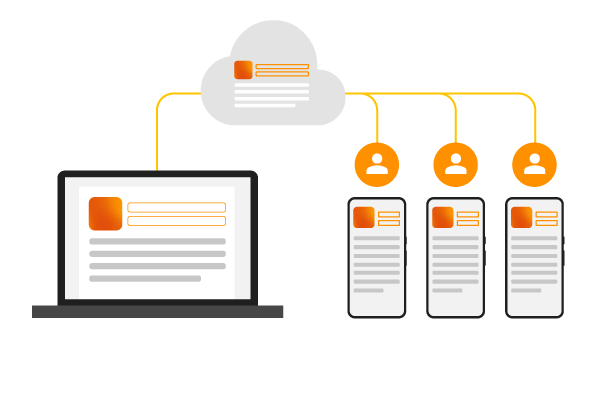
Traits that could make your Fitness App popular like Fitbit

Health & Fitness App Development Guide- Features, Tech & Functionality

From running away from Zombies to running after Pokemon, the users are becoming more than avid gamers. The majority of people today are using these apps to shed their weight, live a healthier life and get a perfect figure to flaunt in a swimming suit – and that also without spending a huge amount of money in getting gym memberships and adjusting their daily routines.

According to Flurry statistics, the health and fitness apps have become significantly popular in the past few years. A rise by 330% has been recorded in the adoption of fitness apps in last three years. Besides, it has been observed that users are accessing these applications at least twice a week and at most 10 times a week. And with the advent of wearables like fitness bands, the users are becoming more motivated to use these applications for enjoying their lives healthier. This, as a whole, has driven the demand for fitness apps like Fitbit.

If you belong to the fitness industry, this is a call for you to invest in fitness application development and leverage huge benefits from this lucrative opportunity. But before you begin with, you must be familiar with the features that can make your app popular like Fitbit app, about which we will discuss in this blog.

Features Your Fitness App Must Have

There are different types of fitness mobile applications – there are weight loss apps, nutrition and diet apps, on-demand personal trainer apps, exercising and workout apps, and so on. To decide the features, you must determine the type of app you want to develop firstly. However, the following can be considered as the basic features that can be included in all the types of application:

1. Account Creation

HealthifyMe App : SignUp & Get Upto Rs.100 In GooglePay Account + Refer & Earn Upto Rs.100 | Earticleblog

As fitness apps are for serving individuals, personal account creation is the foremost feature to consider. The end users must be facilitated with the opportunity to have an individual account where they can feed their personal data, choose all the elements/facilities they want, and track their journey conveniently. It is advisable to keep the profile creation process simple and seamless. The process should not be time-consuming and complicated. The best way to provide effective account creation services is to let the users sign up not only by email, but also by using social media credentials. This will ease the process while helping you to gather the required information and use. from this, if you are designing a fitness application with subscription options, let users store billing information and pay easily via payment gateway integrated into your mobile application.

2. Social Media Sharing

Fitness app Strava really, really wants to be the social network for athletes - The Verge

Who doesn’t like to brag about his achievements on social media platforms? We all do it, right? Because of the same reason, social media sharing should be in your fitness application feature checklist. When the users could share their goals and achievements within the app, they will feel good about using the app and do ‘word of mouth’ marketing. Besides, people in their social media networks will come to know about your app and look forward to using it, which means cost-effective brand awareness and marketing.

3. Design

Fitness App designs, themes, templates and downloadable graphic elements on Dribbble

While designing a fitness app, the mobile app developers must ensure the simplicity, usability and interactivity. The design of the app must not be confused or the procedure must not be time-consuming as it would affect the user’s interest. The clickable and minimalistic icons should be considered for adding to the home screen so that the user could easily reach the different sections. The screen must be presented in the form of a sheet to help users easily find what they have done, what they are doing and what they have to do so as to achieve their target. The app should be interactive, gesture-focused and based on the color psychology, i.e., calm colors must be added to generate positive energy.

4. Personalization/Setting Targets

Health & Fitness App Development Guide- Features, Tech & Functionality

Every user has different body features, needs and expectations. Providing them with the same fitness course won’t be favorable. So, it is vital to facilitate them with the service of personalization. Let them set their own targets and timeline, decide which exercise/activity they want to practice and when, what supplements they will intake during this course, and so on. When fitness apps provide personalized features, users tend to be more consistent, and thus, the app goes viral.

Apart from this, you can also add VR technology into your application – allowing smartphone users to create a VR fitness room and workout in groups.

5. Notification System

11 Features that you must have in your fitness tracking app

A missed workout can hamper the user’s enthusiasm as well as interaction with your application. So, it is vital for every fitness app development company to invest in the notification system. With a perfect notification system, you can prompt users to use your applications regularly. Besides, it can provide you extensive know-how with which you can understand the user behavior and deliver a better experience. However, bear in mind not to push too many notifications that annoy users (the frustrated users would definitely leave your application for never returning back).

6. Gamification

Music in the gym and fitness stations make losing calories more a fun, right? What if you could get the same feel in a mobile application? With the concept of gamification, you can easily add fun elements to your app processing, making it more engaging. By incorporating different elements like Badges, Rewards, Leaderboards, and Progress bar, you can increase the user acquisition and retention rate.

7. Geolocation and Wearable Integration

If you are developing an outdoor fitness app, these two technologies are must to integrate into your application development process. Geolocation functionality will let the user know the path, traffic and minimal time required for going through the track. It will also help them to track the user activities such as no. of steps taken, cycling, swimming, etc. With this data collected using GPS, you can easily calculate and share the insights gained, because of which the users would start appreciating your application.

While integrating your app into wearables like smartwatches and bracelets will empower you to monitor user’s steps, heartbeat rate, pulse rate in real-time and provide valuable advice using these insights. Tip: There are various public APIs and developer’s kit for integrating wearables into your fitness app, like Misfit, Garmin Wellness and Pebble. Determine which one is apt for your app processing and look forward to using it.

8. Chat Feature
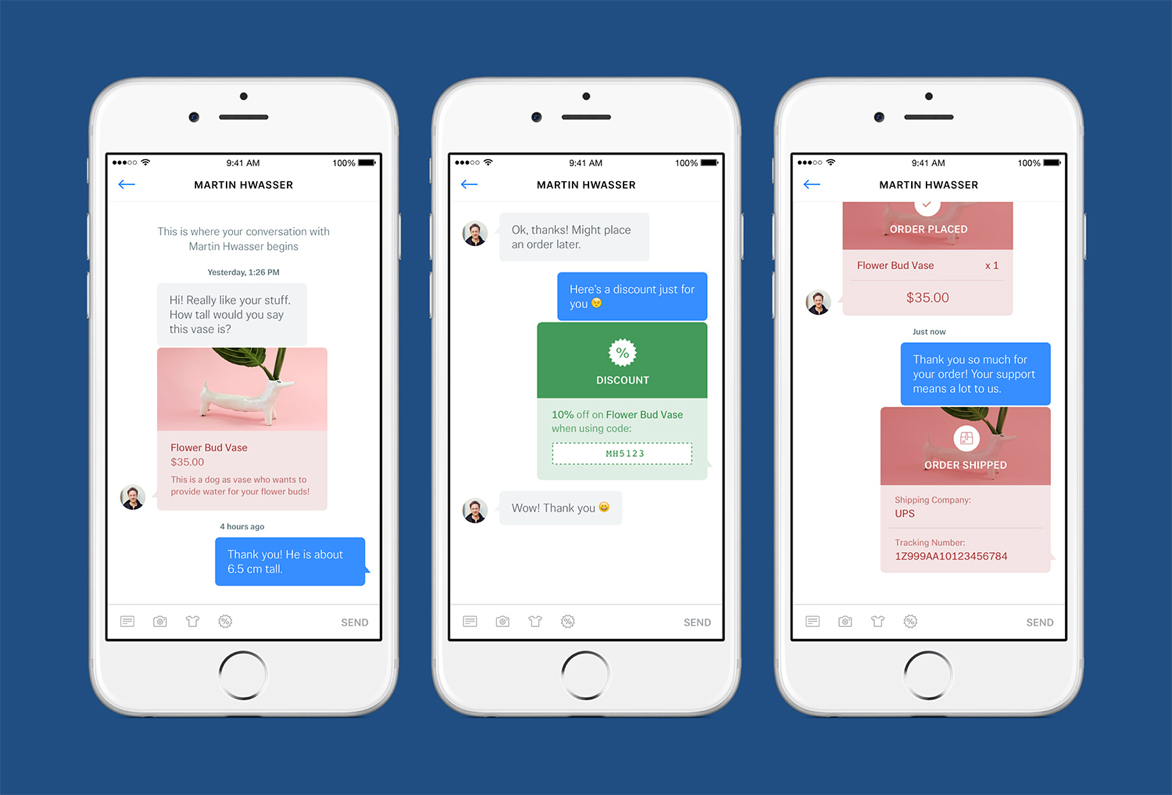
What Is In – App Chat?

With a chat feature, users will be able to interact with a team of fitness experts and get the best-customized solutions related to their health and fitness concerns. Besides, the users will be able to interact with other fitness freaks and create daily challenges based on their potential and needs. This way, the chat feature will boost user engagement and app success ratio.

9. Audio/Video Guide

Amp the workout experience with an audio/video guide. A guide, just like an instructor, will help the fitness application users to understand the right way to do exercise and workout. This will lessen the risk of injuries due to inappropriate postures, boost their experience and motivate them to perform exercises daily.

10. Activity Log

10 Best Workout Log Apps 2021 for iOS and Android

Recording the daily interaction of the app with the user is also a crucial factor to consider while designing a health and fitness mobile application. The recorded stats inform fitness freaks how much calories they have reduced and how much time is it required to reach their decided goal. This supercharges them to be more active and workout religiously.

Tip: To speed up the development process and cut down the cost, employ Google Fit APIs and HealthKit to access health and fitness related data.

11. Data Security

What Is Data Security?

Remember the data breach case of Strava app? The app aggregated the US military men sensitive information to provide personalized fitness and workout services. However, shared the information publicly without their consent. This incident has turned the smartphone users more conscious about the security and privacy policies of the mobile applications they use, which implies you need to work on the data privacy and security aspect.Optimize your app performance and ensure that there’s no data leakage point so as to win the trust of mobile users and prompt them to use your application. Also, make it certain that your app follows the guidelines of HIPAA and other such health privacy compliances.

12. Multi-device synchronization

11 Features that you must have in your fitness tracking app

Just like Fitbit, you can also embed multi-device synchronization feature in your application. This feature will be highly appreciated when the user does not have the synchronized fitness tracker but want to workout. Allowing them to sync another device will make it easier for them to practice religiously and reap the benefits. This will boost customer loyalty.

13. Reviews
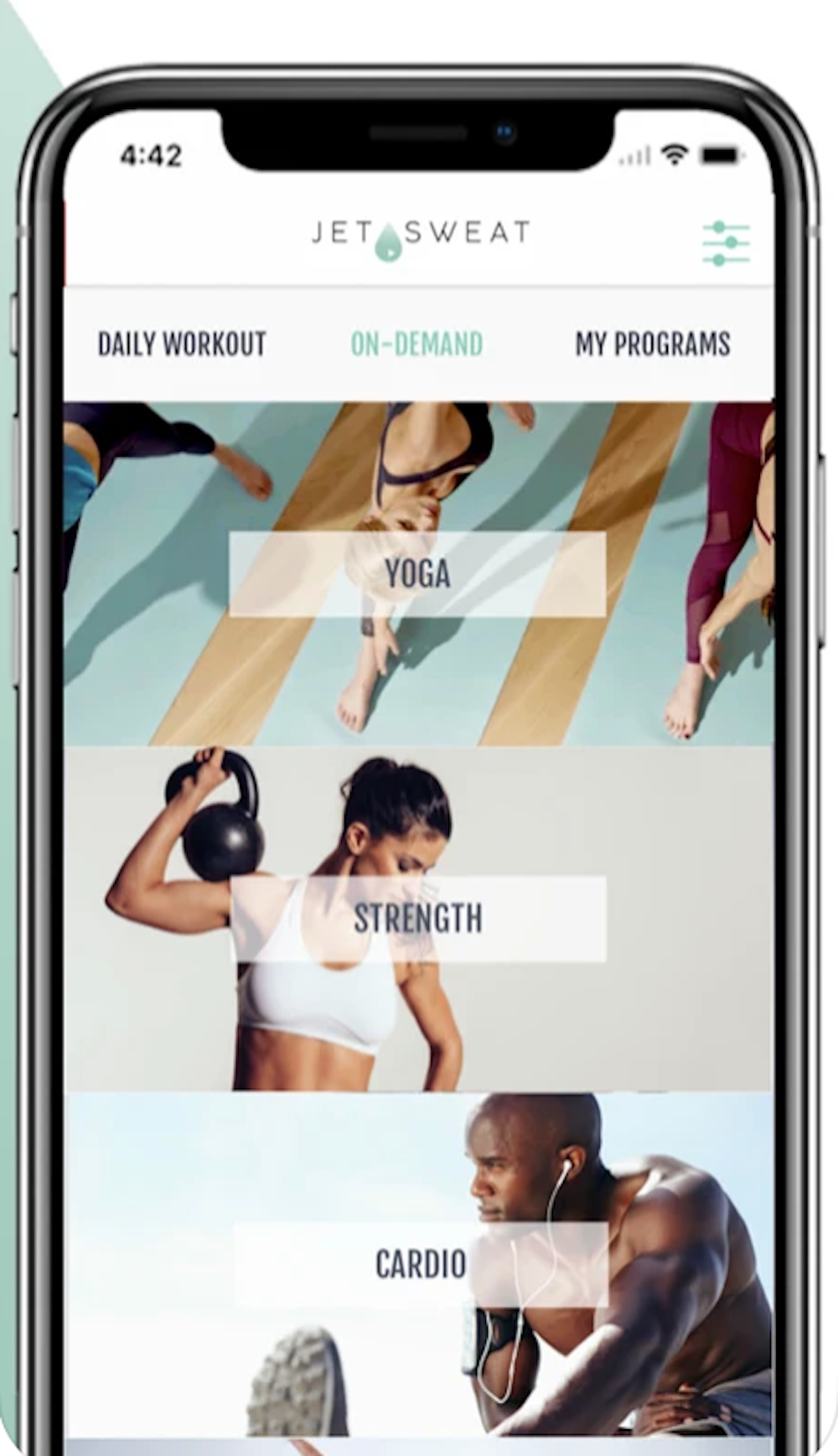
30 Best Workout Apps of 2021

The reviews section is of utmost importance to both the users and developers. By collecting feedbacks, the developers can easily find out what challenges users are facing while using the app, what are the glitches in the fitness application and how can they work on improving the customer experience.

Now, as you know the features that could make your fitness app popular and useful as Fitbit, take no time to plan the process and invest in the development process. If you already have the plan ready but are confused at the costing, Anteelo team would love to assist you. Our healthcare app development experts will understand your market needs and suggest the best tech stacks to include in your development project along with outlining the cost to build a fitness application.

Creating an MVP For Your Mobile App That Raises Funds

What is an MVP — And why is it important? - Venture Leap GmbH

Getting funded for an app idea that you strongly believe in is every entrepreneur’s dream. And, sadly the recurrent news of tech startups getting funds just on the basis of their app idea, doesn’t really help the case. In fact, it’s more scary than motivating.

To start with, forget about those tech startups and their ideas and concentrate on yours.

And now that your app idea has your undivided attention, let’s slide off another thing – the reason your startup haven’t set its feet off the ground it is because you are being unrealistic. Either you have not started working on your idea or you are a headless chicken running in all directions with no one point destination.

Either way, there’s a long way to go from here.

Let’s begin.

We will take you through the similar layout which we follow when entrepreneurs seek our Mobile App Consultancy service that revolves around ‘How to Get Funds’ issues.

We will begin with why you need funding and then we will move on to the element that investors look for when they put in their funds in an app idea, even though the world is now officially sitting on 5 million + apps (we will spend some time on this point) and lastly we will look into avenues where you can find investors for your mobile app.

Why Do you Need Funds in the First Place

How To Invest Money: The Smart Way To Grow Your Money

So you have an app idea that would work perfectly in changing the economic scenario of a village in the African subcontinent – as conveyed to you by your family and neighbors.

What you do is make rough estimates of the involved costs and time and approach an investor to get their money. Will this work? No.

You need funds to validate your idea in a real market with real users and find if they even need the solution (or it was a problem that only existed in your short sighted head).

Now, suppose you made an app to solve the real African issues and the users there accepted and saw a life change because of it, what next? Would you be able to scale your app outside of the one village with the X amount of money on you?

I guess we both know the answer to that.

You need funds to first convert your app idea into a full fledged app and then to keep growing it to reach the masses. Now, don’t be naive and think that your app will generate the money for you, it never happens at least not enough to make an empire out of your app idea.

But, if you are one of those businesses who are only creating an app for a local community and that too for social causes and have no intention to make money at the back of it, this article is not for you. So long.

If, however, you belong to the category of budding entrepreneurs who wish to make a name in the industry and earn millions and millions worth of revenue and billions of eyeballs, it is time I let out the secret of what Investors actually look for.

What Do Investors Look for in Companies/Ideas They Fund

343 Business Ideas to Start

The honest but soul crushing answer to this is that they invest in brands and entrepreneurs who have developed a relationship of that sort with them over the years. But, we know the percent is well under 5% and you along with the 95% of the new entrepreneurs are born to fight, so let’s roll up our sleeves and get that app dream of your some money.

Since you have been with us this long, it is time to let you on the secret to getting your desired amount of funds (if your idea is actually as amazing as you think it to be).

The Secret to Getting Funds on Your Mobile App Idea

*Cutting straight to the chase* What investors look for when deciding to credit their money into your – the amazing app idea innovator – bank account is validation.

Validation, both in terms of app usage ability and its acceptance level.

Will touch bases on both the validation points now.

To start with, the route to validating your app’s usage ability, you will have to launch it in the market of real users and that is where your weapon of mass funding comes in – Minimum Viable Product (MVP).

What is MVP?

How to Build a Minimum Viable Product (MVP)

To test an idea that you strongly believe in, which the world needs and would love, you develop a working, functioning model that you then pass along in the market to test the waters. This working, functioning model aka your guinea pig is the MVP.

You contact team of skilled mobile app developers and create an MVP with the basic features without putting too much of your time, money, and efforts into it and you gauge its engagement and feasibility that then defines if at all you should continue with the idea or tweak it around or the worst case scenario, drop it.

The secret is out: MVP is the tool that investors base their funding decisions on.

Now, the definition of MVP as – A product that is launched with minimal features that best describe the issues and the future of the application and your whole startup – comes with a string attached with many other questions such as – What features to use? How to know if the solution the app is offering even needed? All the features are unique, how can I remove even one?

Don’t worry, we will give you an answer to all your questions

Steps to Developing an MVP That Gets Funded

1. Know What You Are Validating

Do You Know Why Validating Your Code Is Important? - Vanseo Design

The first question when you start with your MVP development process doesn’t even start with its features. Sounds crazy, right? Bear with me here.

The first point of validation comes with knowing if at all there is a mass problem that would get solved with a mobile app. Suppose your app idea is to keep exam results and feedback on student’s performance on mobile.

The first question you will have to ask is if at all teachers have the time to first correct the papers and then upload them on the app and then add comments and if the students would be willing to see their results like this instead of in person.

Once you the answer to that, find out if the educational system would be open to a solution as this or if there will be any conflicts.

2. Talk to Your Real Users

Designers: Talk to your users on a weekly basis! | by Kay van Mourik | Life's a Picnic | Medium

Instead of restricting your talk to your aunt who teaches Math in a private school, expand your bases. Talk to teachers all over the city – of schools that are maintained by some private company and of those who are operating within the meagre means offered to them by the local government.

Find out the pain points in the process that starts with a teacher correcting the papers and ends at students getting feedback on their performance. Make a list of points that can be solved through mobility.

3. Know What Features to Add

30 Latest WhatsApp Hidden Features, Tips, and Tricks To Know In 2020 - Smartprix.com

Follow a Deconstructed Pareto Method to Decide on the Features that your MVP Should Consist of.

Once you have identified the exact needs your user group, and have a list of features – both primary and supportive – that would solve the need perfectly, ready on you, use the 80/20 Pareto Analysis rule to refine the list of features further. Keep the 80% features that would solve all the problems as your MVP features and keep the 20% features as a part of future updates.

This way you will be able to hit two birds with one stone. A. You will be giving your users exactly what they need and B. You will be adding the additional features, which they also needed, later; which would create your image as a brand that really listens to what its users asks of it.

Now that you know what goes into the blood and bone of a tool that would help generate funds, don’t wait. Get out of your chair and hit your app market and then don’t wait further when the app is launched.

As long as the buttons work, the app is functioning, and the user is able to move within as you want them to, launch the MVP.

With this, we have now come to a point where we answer the one question that is on every Entrepreneur or Start-up’s minds – Where to Find Investors to Fund My Mobile App?

Unless you are not waiting to hearing back from the Shark Tank producers to invite you on the show, here are the four more attainable and easy to reach platforms to attract investors and raise funds for your app

  • Kickstarter
  • Indiegogo
  • AppBackr
  • AppStori

Here we go. Now you have all the insights that you need to get started with to raise money for your app idea.

Go on now, go get big.

The Untold Story Behind Viral Addictive Apps

The Untold Story Behind Viral Apps

Development of an Addictive App that gets its first thousand users straight under 24 hours of its app store launch, is believed to be a privilege that is only bestowed upon the brands that have already established themselves in the crowded market, like Rovio or King.

However, the belief is far away from the truth. Every brand that knows the formula for creating an app that gets hooked in users’ minds, can become the next Rovio or King or much bigger.

But, is there a secret formula behind giving the users exactly what they need? An app that they would not just become a regular user of but would also make their friends and family follow with same dedication?

Here is the secret, backed by human psychology, to developing addictive apps

In his book Habit-Forming Products, Nir Eyal attributes app virality to the elements of a circle, which he calls a hook model.

The model helps understand the human psychology that works at making an app viral in the market.

Let us Look at the Model that Paves the Roadmap to Develop Addictive Apps:

Hook Model: The Secret to Creating Addictive Apps

The Hook Model - Simply Explained by Nir Eyal

The model portrays that there are four elements – Trigger, Reward, Action, and Investment which run in a circle and together lead to the conversion of an app or a product into a habit. Thus, making an app the most viral app in the app store.

These are the four elements explained in detail –

Trigger: For an app to become an addictive app, it should be able to hook the user using triggers. The triggers, which are divided into –

External Trigger: These simulations are based entirely on the outside information. Those triggers could be an ad image, notification,  a review or rating, recommendation, emails, or CTA buttons etc. These are how the user reaches an app or gets triggered to use any of the app’s functionality.

8 Types of Push Notifications with Great Examples

Internal Trigger: These are mainly the reasons behind the development of the app, i.e. they define the real intention behind the creation of the addictive app. For example: The apps could have been the response to users’ boredom (Social Media/Games/Music or Video Streaming), need to productivity (Slack), or for making a difference by introducing a unique concept (Sea Hero Quest).

Both the external and internal triggers affect each other. For example: One external trigger, like suppose an image of some beautiful top shown on a Facebook or TV advertisement creates an internal trigger, which then forces the users to order the top. Here, an advertisement, our external trigger, is directly responding to purchase, our internal trigger.

Action: Once your users get the push, the time comes to take a planned action. Now, the action entirely depends on the users’ ability and motivation. When the user’s desire to take action comes in sync with their capability to do so, it brings you one step closer to the realization that you have developed an addictive app. Just take a simple, real-time scenario.

The Untold Story Behind Viral Apps

Here are two real-life scenarios to help you understand the Action element of the model better –

  • Suppose you are feeling bored and are logged in some social app. Now the net connection suddenly becomes low and the app is not able to show the content. Here, even though the motivation for using the app is pretty high but the ability to stick with the app is very low.
  • Next, imagine you open an app that is offering news. You are able to read the articles and are even able to share the one you like with your friends. By a single tap on Facebook Share button, you are done with the sharing. Here, both the motivation and the ability to finish an action were present.

To develop addictive apps that mix motivation with ability, ensure that your app has bare minimum hooks to help keep all the users invested.

So what you can do to ensure that you hit upon motivation and ability at the same time? You do this by offering features even when the internet is low. Plan your app in a way that the users are able to work around the app even when the speed and network conditions are not in their favour. Allow them to continue what they were doing when the network reestablishes.

Reward: For doing even the simplest of the action inside the app, the user must be rewarded. The reward can be anything – appreciation, a form of acceptance, or special attention, all in return for an action, which they perform within the app.

The Untold Story Behind Viral Apps

Here is an example to explain the point:

Suppose you are enjoying your time in a puzzle game app and after reaching the 50th level, you get a notification saying that you are top 5th player of that round and then soon you start seeing praises flowing in from all directions in your notification feed and you get 5 extra lives to use in the game.

The puzzle game here is offering you appreciation in form of the extra lives and attention in form of all the messages you are getting from the other users.

You can offer a reward through your app in any form. For example:

  • A cashback
  • Name listed as the top player among other names
  • Free access to content

Investment: as soon as the user gets hooked on the app, they start investing. The amount of investment user has is directly proportional to their reaction towards the hook. The blend of triggers, ability, and motivation together create Hook, which is what keeps your user invested in your app. Hooks are the features that keep your users coming back to your app. They can be anything – Name Mention Tweets, comments/likes/share on Facebook, live stories on Instagram, or picture filter on Snapchat.

Good hooks work, irrespective of with what intent the users are involved in the app with.

So now that we know how the users’ psychology works and what elements your app must have, to make the users get hooked with it, let us now move on to looking into some other time tested ways that are known to have set the standards for the top mobile app development companies.

1. Develop Something That Users Would Get Inclined to Share

Guide to creating user personas - Justinmind

The number one way of getting the users hooked to an app is through giving them an app that they would love to share. Now, the kind of apps that users tend to share have either of these three and at times a mix of these features –

  • Apps Offer Some Value
  • Apps Evoke Emotions
  • Apps Offer Something Interesting

The route to offering all these features starts with a valuable app idea, the one that users would get some benefits off.

2. Select your Target Audience Right

How to create the right target audience for your Facebook ad | by Manjunath Bangera | Medium

The mobile app time belongs to the millennials. A generation that is impatient, loves everything that has a buzz and craves being updated with everything that is happening around the lives of people they admire or are even remotely acquainted with.

Snapchat, one of the most popular social platform, got their first 10,000 users through word of mouth of high school students and as the history of Facebook goes, the app was first launched to enable students to rate their classmates and schoolmates.

So, to successfully develop an addictive app, find a way to include millennials in it, one way or the other.

3. Have Sharing Buttons Visibly Present in the Right Places

The no brainer but sometimes gravely ignored secret of creating an addictive app is having sharing button placed at steps which the users would want to share.

How many times have you visited a mCommerce site, liked a product but have not been able to share it with your friends in a single click because the social APIs are missing? I am sure it’s a common occurrence. As users, we always end up copy pasting the product page link to another window.

If you want yours to be an addictive app, it is time to enable single click sharing to social platforms in your app.

4. Get a hold of your app analytics

The Ultimate Guide To Mobile App Analytics | Instabug Blog

You can only keep the users hooked to your app when you know why they are leaving in the first place. The right set of tools when integrated into your mobile app, will give you the numbers and highlight the problem areas.

Every information related to – the stage where your users left, the season in which your app saw maximum uninstalls or bounce rate, and even the acceptability of your app sharing reward can be measured and acted upon in time using the analytics.

While there are a number of other ways you can make users get addicted to your app, our secret as the top social media app development company for addictive apps, has been the inclusion of features that – make an app useful, make it different from what the users have worked around, and offer something that the users need in return of them sharing the app with their friends.

Although the framework, language, and tools that go into the development of an addictive app in no way different than what goes into creation of apps that get uninstalled after two runs, what brings in the difference is the development process that is followed and above all the app idea.

If you have an app idea that you know people will fall in love with, contact our team of developers who have developed apps that have hit the million download mark, today.

How might the Discovery Phase aid the survival of your Mobile App?

What is the Discovery Phase of a Mobile App Project?

With numerous mobile apps entering app industry daily, the biggest challenge for app developers is to make their app survive. How can one develop an app that beats 2.8 million mobile applications? How can one make his app stand out of the crowd when user hardly use 30 apps a month? How can one create a mobile app with lifetime success like Pokemon Go, Candy Crush and SnapChat?

One word answer to all of these questions is App Discovery.

App Discovery

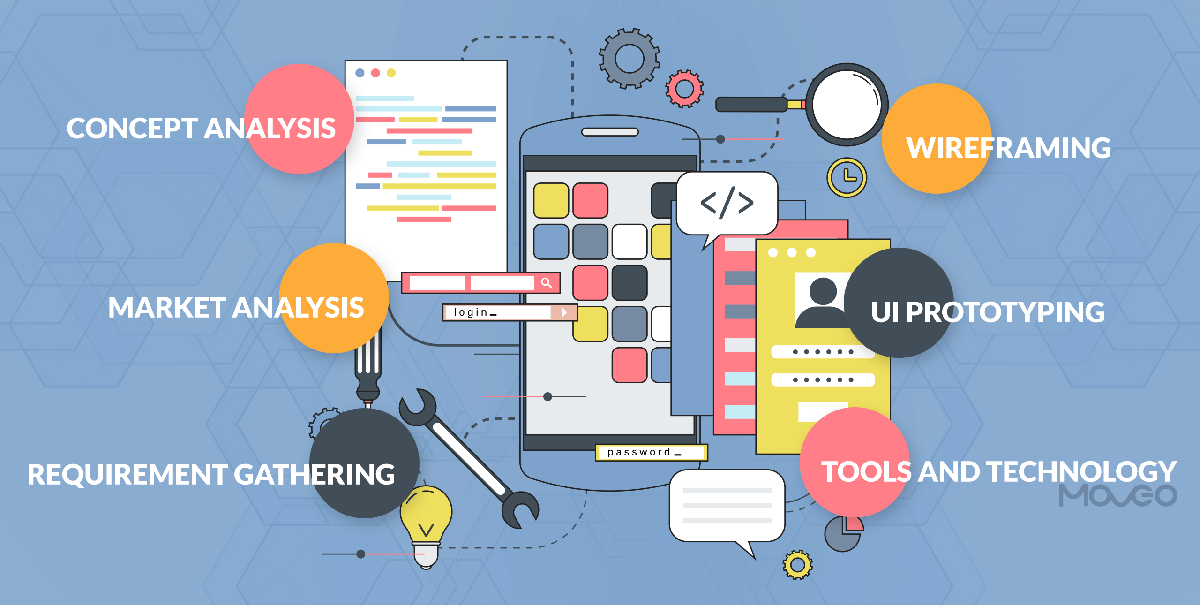
App Discovery phase, in simpler terms, is the phase where you put your app idea on paper. You consider your business objectives and user expectations and plan how your mobile app will look and feel. You define all the crucial requirements, estimate the cost of app development and all the major milestones. In a nutshell, you create an effective blueprint for your mobile app project.

To ensure impactful results, the mobile app developers should consider the following stages/steps of application discovery:

How Discovery Phase of App Development Can Help Your App to Survive Crowded Market

1. Concept Analysis – To determine if your app idea is feasible as per the business and technical aspect.

2. Market Analysis – To find out your target audience and market based on different demographics like Age, Gender, Income, Region, Occupation, etc.

In addition to Concept analysis and Market analysis, it is also profitable to invest your valuable time in Competitive analysis. It will help you understand competition your app will face and how to deal with it.

3. Requirement Gathering – To study and decide what features and functionalities you want to add in your mobile application. While deciding app features, mobile app developers should consider the needs and expectations of their end users. This will help in creating a user-centric application and hence, improve the chances of app survival.

4. Wireframing – Wireframe is yet another phase of mobile application discovery that you can’t miss. It let you design a visual layout of the app project and determine what features/specifications can be achieved by certain layout and UX.

5. UI Prototyping – This phase helps mobile application development companies to visualize the end product via graphic designs that empower target users to experience the in-app flow.

6. Development Tools and Technology – In this phase, you decide the technologies and tools to employ for building a successful mobile application.

Now, as you know the perks and stages of the App Discovery phase, let’s move to tips for effective app discovery. Ones which can be applied in addition to taking advantage of Apple’s App Clip, Google Instant Apps and similar discovery-friendly functionalities.

Tips for Effective Mobile Apps Discovery

1. Consider ASO

6 ASO Factors You Should Consider to Improve Your Ranking

Irrespective of endless marketers efforts, App Store is still the leading source of app discovery, which implies mobile app developers should learn and implement the best practices of ASO (App Store Optimization) to enhance app visibility.

2. Turn towards Social Media Marketing

Building Your Social Media Marketing Strategy for 2021 | Sprout Social

Employ social media networks to engage the target audience. Share the screenshots and short videos of your app to engage them. Allow users to share your posts/tweets on their timeline and get leverage of exciting offers.

3. Invest in Referral Marketing

Referral Marketing For Startups to Boost Conversions. | InviteReferrals

This mobile app promotion strategy is to attract new users while keeping the existing ones hooked with your mobile app. All you have to do in this case is to allure existing users to share the app with their near and dear ones and enjoy lucrative offers/incentives.

The most overwhelming example of this kind of app discovery practice is Dropbox. The app saw an uplift from 100,000 to 4,000,000 users within 15 months, all thanks to this method.

4. Team up with Bloggers

Why It Helps to Hire a Team of Bloggers

Finding bloggers with experience in your niche and asking them to write about your app is also an effective strategy. You can pay them for writing about your mobile application on their blogs, or can let them try a free version in return for the same.

5. Go for Third-Party Advertisements

How it started, how it's going: Performance advertising on Twitter

Apart from focusing on a respective app store, you can also submit your app on third-party app stores like Amazon app store and Samsung app store in order to increase your app visibility.

With the uprising competition, the need and searching style of consumers have also changed. As per Google’s recent research, users these days are becoming more particular of how and what they search in mobile apps. So, it is advisable to look into the app search trends before building a mobile application.

App Discovery Trends for 2018

Here are the top four app search trends that the top app development companies would be focussing on, in 2018:

1. App with Productivity and Convenience

Top 5 productivity apps in 2020

Smartphone users are looking for apps that make their daily life easier and effective, like note-taking apps, calendars, office suits, etc. Google disclosed that searches for apps with features like placing an order, discounts, and tracking orders have increased 120% YoY. This implies mobile app development companies can turn to productivity apps for enjoying better outcomes.

2. Apps that teach new skills

Key to Balancing Work and Family Responsibilities While Working from Home

Users are more interested in learning new skills or polishing their skills more than ever. As per the reports, searches for learning-based apps like ‘guitar learning app’ or ‘painting learning app’ has experienced a rise by 80% YoY. Besides, the language-related apps have seen an 85% YoY rise in searches. So, if you build an education mobile application or an app that let the users learn something new, your app will have higher chances of success in the market.

3. Health and Fitness Apps

The Essential Guide to Successful Functional Fitness App Development | by Dmytro Dvurechenskyi from openGeeksLab | Medium

With time, the smartphone consumers are becoming more fitness-freak. They are searching for more fitness practices and products than before. According to Google report, the searches for fitness shoes and activities like weightlifting has been increased by 135% YoY. Besides, users are searching for apps that improve their physical as well as mental health, such as meditation apps.

4. Finance mobile applications

5 Essential Elements That A Finance Mobile App Must Have - Bhupesh Kalra

Whether it comes to reservation, purchase or enrolling in a gym, users are looking for discounts and other offers. In other words, users are more conscious about finances and are looking for means to save more. Google revealed that brands with ‘free services’ and coupons facility have grown to 90% YoY. This directly indicates that personalized offers and referral marketing should be taken into consideration for app success.

While there are various other ways to enhance your app visibility and improve its survival chances, the above-mentioned are our favorite.

What are your favorite hacks to reach a wider audience and promote your mobile apps? Share your tips in the comment section below.

Must learn Blockchain Programming Languages in 2020

Top 5 Blockchain Programming Languages

Unless you are living under the rocks, it is likely that you would be familiar with what is Blockchain and what is its potential when it comes to reforming the tech world. The technology, that have been the driving force of Cryptocurrencies, has taken the front seat and come up with a myriad of options to mitigate the traditional challenges that a myriad of industries face, helping them grab better opportunities. It has proven to hold the potential to revamp the whole economy – be it healthcare, travel, education, or legal domain.A ripple impact of which is that today, both startups and Fortune 500 companies like IBM, and Accenture are putting efforts towards making their presence known in the Blockchain arena.

Because of this, rather sudden, mass adoption, the number of Blockchain jobs are increasing in the market exponentially. A clear indication of which is that a 517% rise is predicted in the number of Blockchain jobs in 2019, compared to 2018.

And, behind the curtains, the type of blockchain development platforms and programming languages are also evolving. While many traditional ones are proving to be undisputed leaders, many new entrants are bringing radical changes in the development environment.

This, as a whole, is making it necessary for all Blockchain enthusiasts to be familiar with the best Blockchain programming languages to headstart with. Something we will cover in this article.

But, before that, you will be able to earn brownie points if to go through a blockchain development guide to have a clarity of concepts, and to get familiar with the challenges developers come across while starting their journey in  this innovative technology.

Challenges You Might Face While Entering the Blockchain Development World

A. Resource Management

How to be a Great Project Manager - K2 Partnering Solutions

In the Blockchain arena, it is imperative for developers to ensure that they are familiar with real-time network demands and that they are well-versed with opportunities to handle remote and local queries. This, in turn, can be challenging for them to manage their resources efficiently and effectively.

B. Isolation

Another issue faced by Blockchain developers is that all the hash functions operate in a deterministic manner. Meaning, they do not act in two different ways depending on the circumstances.

In such a scenario, the development team has to opt Isolation mechanism to bring non-deterministic nature into their blockchain solution.

C. Lower Performance

Poor sleep tied to kids' lower academic performance | Arab News

Last but not least, Lower performance is also one of the challenges of Blockchain programming that developers often have to deal with. Especially when choosing the right Blockchain development language.

This is because some of the Blockchain operations are parallelizable, while others are not. Meaning, it becomes important for them to bring a language on table that is versatile in nature.

Now that you know what Blockchain programming problems you might encounter while heading your journey to Blockchain development, let’s jump to the core part of this article, i.e, unveiling of the top Blockchain programming languages.

15 Programming Languages to Consider for Developing Blockchain Applications

1. Solidity

Solidity — Solidity 0.4.24 documentation

Influenced from JavaScript, Powershell, and C++, Solidity is the first blockchain programming language that one must learn. Especially when they have to develop dApps or are looking to get into the ICO development game.

The Solidity programming language was developed by Vitalik Buterin, the mastermind behind Ethereum, and serves blockchain development firm with a myriad of benefits, such as:-

  • Developer-friendliness,
  • Accessibility to JavaScript infrastructures, debuggers, and other tools,
  • Statically typed programming,
  • Possibility of inheritance properties in smart contracts,
  • Precise accuracy, etc.

2. Java

How to develop a blockchain application if you only know Java | Corda

Java, the official language of Android mobile app development and a preferred option for backend development, is also considered a great programming language used for Blockchain development.

The language is derived from C-syntax and is widely chosen for building sophisticated Smart contracts and dApps because of its following properties:-

  • Robust support for OOP (Object-Oriented Programming) methodology,

  • Ease of memory cleaning,
  • Availability of ample of libraries.

Some of the best examples of Blockchain solutions developed using Java are NEM, IOTA, NEO, and Hyperledger Fabric.

3. Python

What is Python Coding? | Coding for Kids Ages 11+ | Juni Learning

Python has not only ruled the world of app development, IoT app development, and network servers’ development, but is also proving to be an asset in Blockchain-as-a-service arena.

The language, created in 1991, is widely used for dApps and Smart Contracts development because of ample of features it avails. Some of those features and functionalities are:-

  • Easy to learn,
  • Access to dynamic architecture,
  • Perfect for both base and scripting approaches,
  • Open-source support,
  • Efficient for Prototyping, etc.

Steem, Hyperledger Fabric, and NEO are a few popular Python based Blockchain projects that are prevailing the industry.

4. JavaScript

JavaScript Core Language Learning Path | Pluralsight

Considered for a wide range of app and game development needs, JavaScript is also one of the best Blockchain programming languages to keep an eye on.

The language, in the form of frameworks like Node.js framework, offers developers ample of benefits like:-

  • Easier and earlier entry to market,
  • Enhanced Scalability,
  • Availability of multiple JavaScript frameworks,
  • No hassle of integration of respective resources, and more.

5. PHP

PHP - Wikipedia

Released in 1995, PHP (Hypertext Preprocessor) is another programming language that every reputed mobile app development company recommend for creating Blockchain solutions.
The language, though considered as a backend development tech stack in the form of best PHP frameworks, is often used to develop blockchain solutions of different complexity range. Something that is a ripple effect of its huge open-source community and object-oriented features.

6. C++

Three Optimization Tips for C++ - Facebook Engineering

C++, introduced back in 1985 by Bjarne Stroustrup, is the best programming language for cryptocurrency development.

The language follows OOPs methodology and is highly used for developing cryptocurrencies and Blockchain Projects like Bitcoin, Litecoin, Ripple, Stellar, and EOS. Something that is a direct result of the following set of features and functionalities it offers:-

    1. Efficient CPU management and memory control,
    2. Ease of running parallel/non-parallel threads,
    3. Option to move semantics for copying data effectively,
    4. Compile-time polymorphism for enhanced performance,
    5. Code isolation for different data structures, and more.

7. C#

Five C# Features You Might Not Know

Created by Microsoft as a substitute of Java, the OOP language offer a huge number of features for enterprise-powered apps, cloud, and cross-platform development. The language comes loaded with features of C, SQL, and .NET frameworks, and is highly favored for Blockchain development because:-

    1. It is open source.
    2. Its syntax is easy to understand and learn – thanks to its identicality with C++ and Java.
    3. It empowers developers to write portable code across devices.
    4. It is cost-effective to use because of BizSpark program.

The programming language is majorly considered for building dApps, Smart Contracts, and infrastructure in Blockchain environment.

8. Go

Top 10 Online Courses to learn Golang/Go in 2021 — Best of Lot | by javinpaul | Javarevisited | Medium

Go programming language also lands in the list of top Blockchain coding languages with a blistering success.

The language is not just easy to comprehend, but also comes with the best features of JavaScript and Python such as user-friendliness, scalability, flexibility, and speed. Something that makes it the right option to deliver bespoke Blockchain solutions.

Two of the best Go-based Blockchain solutions prevalent in the market are Go-Ethereum and Hyperledger Fabric.

9. Simplicity

Simplicity: High-Assurance Smart Contracting

Created by Russell O’ Connor, Simplicity is a high-level Blockchain coding language that hit the market in November 2017.

The Simplicity programming language is based on Ivy and work with a Haskell-like syntax which makes coding easier and effective. Besides, it is highly mathematical in nature and makes the codeline human-readable. Because of which, it is highly used for developing Smart Contracts and blockchain solutions that works with both Bitcoin and Ethereum Virtual Machine (EVM).

10. Ruby

Interesting facts about Ruby Programming Language - GeeksforGeeks

Ruby is yet another top Blockchain development language to headstart your career with.

Developed by Yukihiro “Matz” in the mid-1990s, this high-level and general purpose programming language empowers developers to prototype their vision effectively and effortlessly through open-source third party APIs and plugins. The language also gives developers an opportunity to mix its features with that of other languages to build an enhanced platform.

It is highly considered by Asian developers for building Blockchain-based software and platforms.

11. Rust

Rust Programming Language

Though newbie in the Blockchain ecosystem, Rust is also being widely considered for building innovative, immutable, and secure solutions.

The language enables open-source developers to create quick and effective Blockchain frameworks. It also serves them with highly-capable mechanism of managing mutable states, amazing code optimization, better memory options, and concurrency-based opportunities.

12. SQL

The Best Way to Learn SQL - Learn to code in 30 Days

SQL (Structured Query Language) is also one of the top blockchain programming languages to consider in 2020.

The language was designed by IBM to make communication with databases like MySQL, SQL Server, PostgreSQl, and Oracle easier and efficient. It has more than 7M developers in the industry and is used for building secure and effective enterprise solutions in Blockchain domain. A clear evidence of which is Aergo.

13. Erlang

Erlang (programming language) - Wikipedia

Erlang is another top Blockchain coding language you must consider for a brighter future ahead.

The language, though less popular than reputed names like Java, JavaScript, and Python, serves Blockchain development companies with options like:-

    1. Unparalleled backend facility,
    2. Higher scalability,
    3. Immutability
    4. Inherent fault tolerance, and more.

Something that makes it the right choice for building peer-to-peer networks in a Blockchain environment.

14. Rholang

Documentation page for Rholang ? - Rchain network

Rholang is yet another impressive addition in the list of Blockchain programming languages. The language, unlike C++ or Python, operates with functional approach over Object-oriented. It also assess the whole app as a series of functions which are then solved in a sequential manner.

Because of this, it is a favorite of developers when they wish to build a high-level project like Smart Contracts.

15. CX

CX: The Next Generation Blockchain Programming Language | by Skycoin | Skycoin | Medium

CX has also entered the list of top Blockchain programming languages.

The language has the potential to work as a contractual digital intermediary, and comes loaded with features like simple error control process, and opportunity to use propelled cuts, pointers, and arrays. It also assembles over Go and give users an escape from executing discretionary codes, which has been a critical issue for present day businesses.

What’s more, the language integrates with OpenGL (Open Graphics Library) efficiently and helps developers reap better benefits in terms of GPU’s capacity.

So, these were some of the programming languages that can be considered for entering the Blockchain world and make the best of the flourishing opportunity. These languages, as already covered in this article, holds different potential and thus, can be used for building different forms of Blockchain and cryptocurrency-based solutions. It implies that you must know which language is best for what type of Blockchain development and eventually, polish your skills in the same.

Now, while learning through online tutorials and training programs is a good effort to be well-versed with its theoretical concepts, if you wish to do some practical stuff under the shade of a reputed Blockchain development company, connect our recruitment team for an internship opportunity today.

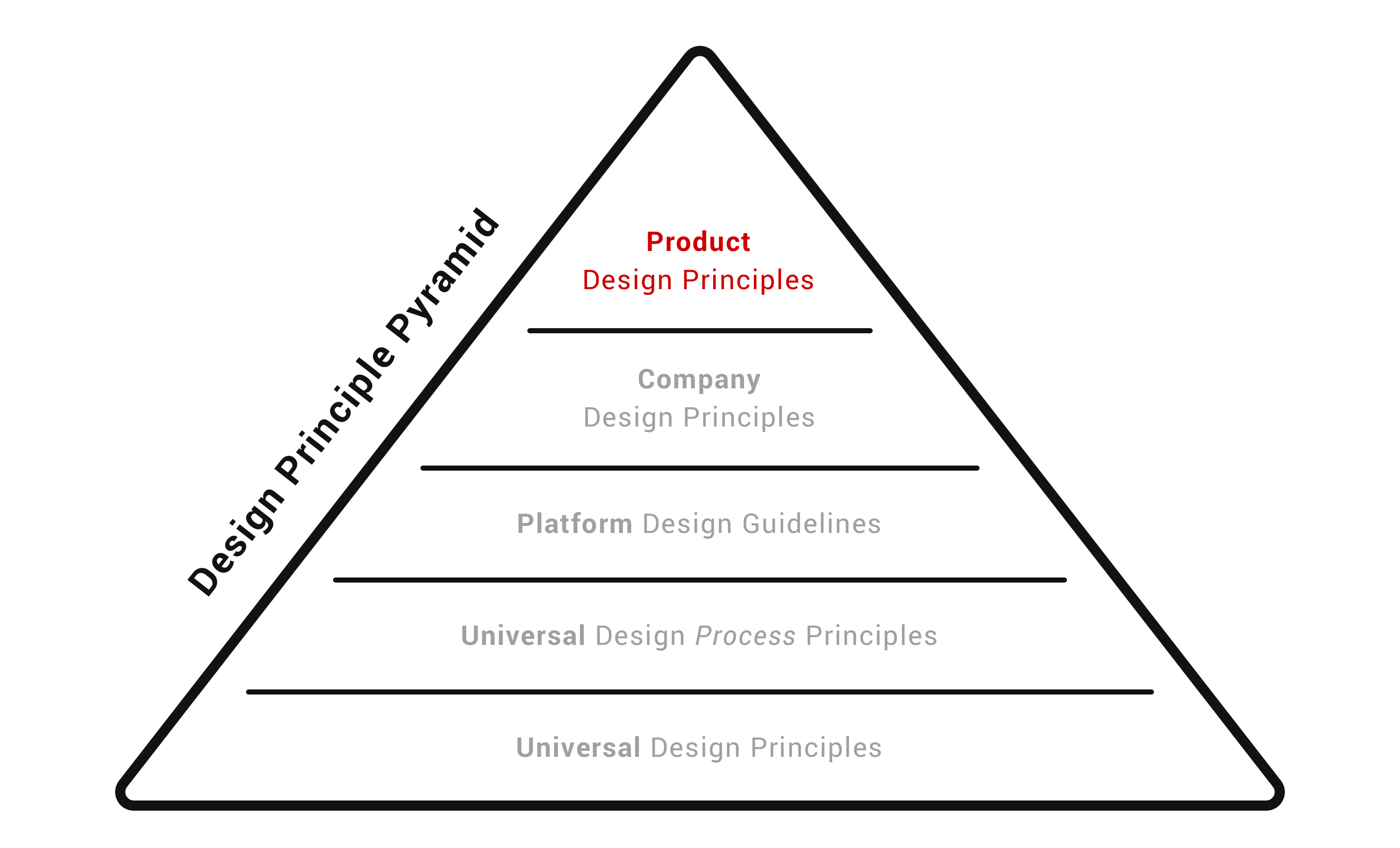
Simple Principles for Creating Better Designs

A guide to Design Principles and why you should create your own | by Christian Jensen | UX Collective

After countless tiring discussions, intense debates, exchange of verbal volleys and people yelling things in design standups like –

  • Huh…Whatya mean by the button should be smaller?
  • Have you heard of the word? hmm..whatyamacall it – hmm… consistency!
  • Step away from the design please…
  • What on the earth is wrong with using Lorem Ipsum…I love those profound Latin words


I exaggerate but our design standups highlighted the difference in our group’s design philosophies and what we valued. It’s not that designs were bad but they weren’t following our core design principles.

What led to a more frustrating experience was that the feedback sometimes even didn’t highlight the context and someone would blurt, “It just doesn’t feel right”.

Someone would ask – “What do you mean that it doesn’t feel right?”

Followed by silence, scratching of one’s beard, intense gazing at the ceiling, and then silent shrugging of the shoulders.

They knew one of the things was wrong with the design in discussion – lack of consistency or complexity or any such thing but they weren’t able to verbalize it well.

It was turning out to be a big problem – how do you lead effective design feedback standups without having a common language?

That led to the codification of our design principles to create a shared understanding of our design approach and what we value as a team. These principles enable us to have a common design philosophy and approach. It also facilitates in having meaningful conversations and giving each other valuable feedback about the design.

Not that our intense discussions have subsided but they have become more meaningful now

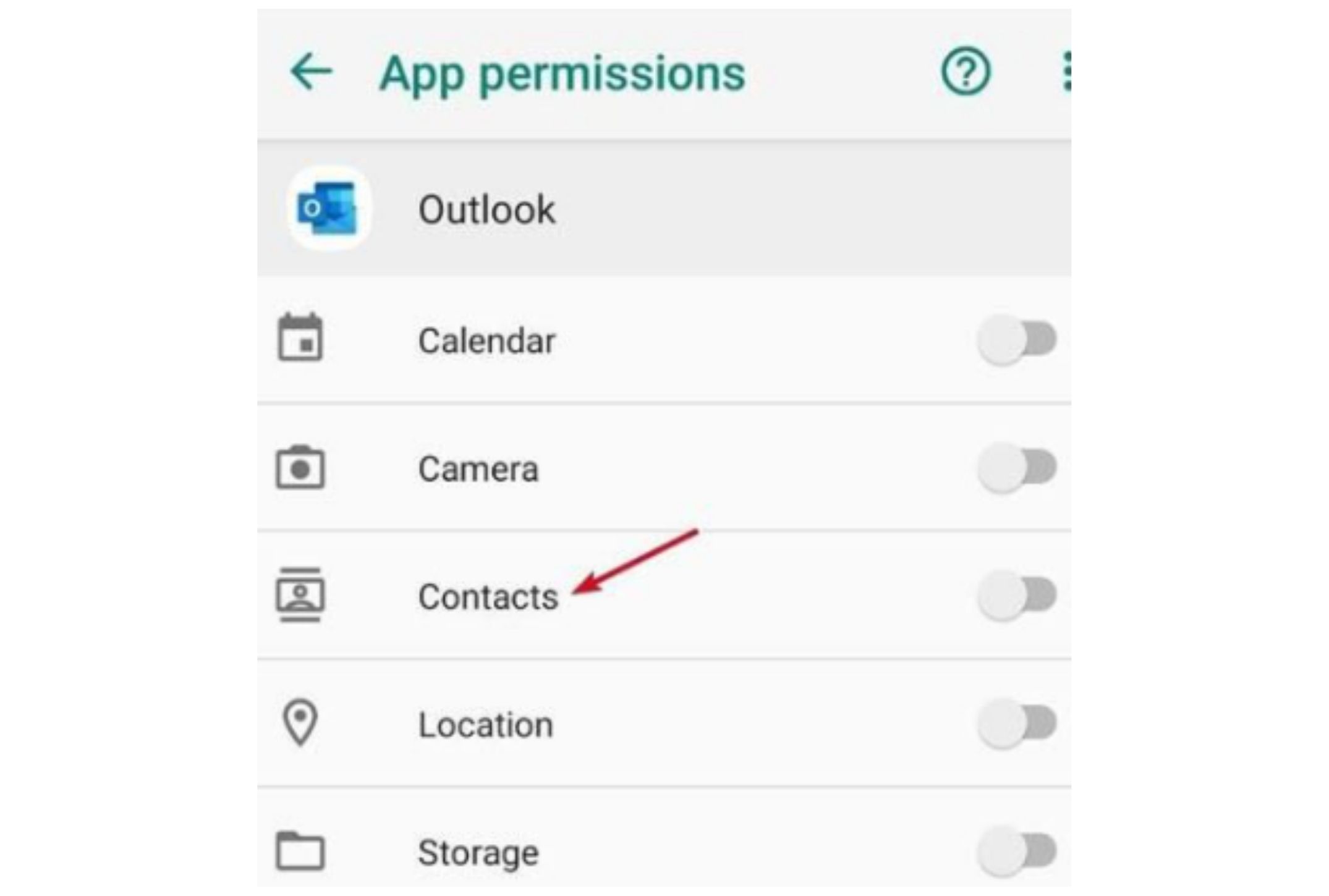
Syncing Contacts with an Android Application

How to Sync Google Contacts With Android: 4 Steps (with Pictures)

Syncing the phone book contacts in an android device with your application is being used by various android applications today. These applications include Whatsapp, Google+, Skype and various email applications. In this way, contacts syncing allows the user to access contacts from various social applications from the phone book itself.Now I will explain with an example Android application how the syncing process happens. This Android application runs in the background as soon as its launched and synchronizes itself with the device’s phone book contacts. Following is a screenshot of a contact synced with the app.

Clicking on MyData will take us to the desired screen on the application.


Contacts syncing requires three components to work in order which is:-

  1. Contacts provider
  2. Authenticator service
  3. Sync service

Contacts provider

Contacts provider is the standard access provider to the device’s data about people. All the contacts in the phone are managed by the contacts provider through tables that can be queried to get data. There are basically three tables that store data for a person.

These tables are-

Figure 1- Contacts provider table structure (Source)

  1. ContactsContract.Contacts is the table that contains the aggregated data from raw contacts rows that represents different people in the contacts list.
  2. ContactsContract.RawContacts table contains the person’s accounts and type data summary.
  3. ContactsContract.Data table contains other details corresponding to each raw contact like email address, phone number, etc.

I made use of the ContentProviderOperation to handle the table insertion operations on the table to add a raw contact and the data corresponding to my app and finally to apply the changes to the database as a batch operation.

Here is the sample code for the class that handles this functionality:

Authenticator Service

Tutorial: Build an Android Application with Secure User Authentication

The authenticator service is used to create an account for our app on the device. It plugs into the Android accounts and authentication framework through which an account type is created on the device corresponding to our app. Accounts for standard social applications like Whatsapp, Skype, Facebook, etc. can be found if you visit the accounts screen in settings on your device.

Sync Service

The sync service is made up of two parts the sync adapter and the sync service itself. The sync adapter is used to synchronize data between the server and the local database. My app doesn’t fetch any data from the server but still, it is required to implement the sync adapter. The sync service is what binds the sync adapter to the android sync framework.

The authenticator service runs in the background when the app is launched to create an account for the app on the device. The sync service is called in a periodic cycle to constantly sync the data.

When you tap on the Whatsapp icon on the contacts screen, it will take you to the chat screen of that contact. Similarly, in the phonebook contacts, your app icon can be seen which is clickable to access the app screens that correspond to that contact’s information on the app. The contact data can be sent through the intent extras to the activity that launches.

Learn How to Start Working with KAFKA and More

Top 10 Courses to Learn Apache Kafka in 2021 | by javinpaul | Javarevisited | Medium

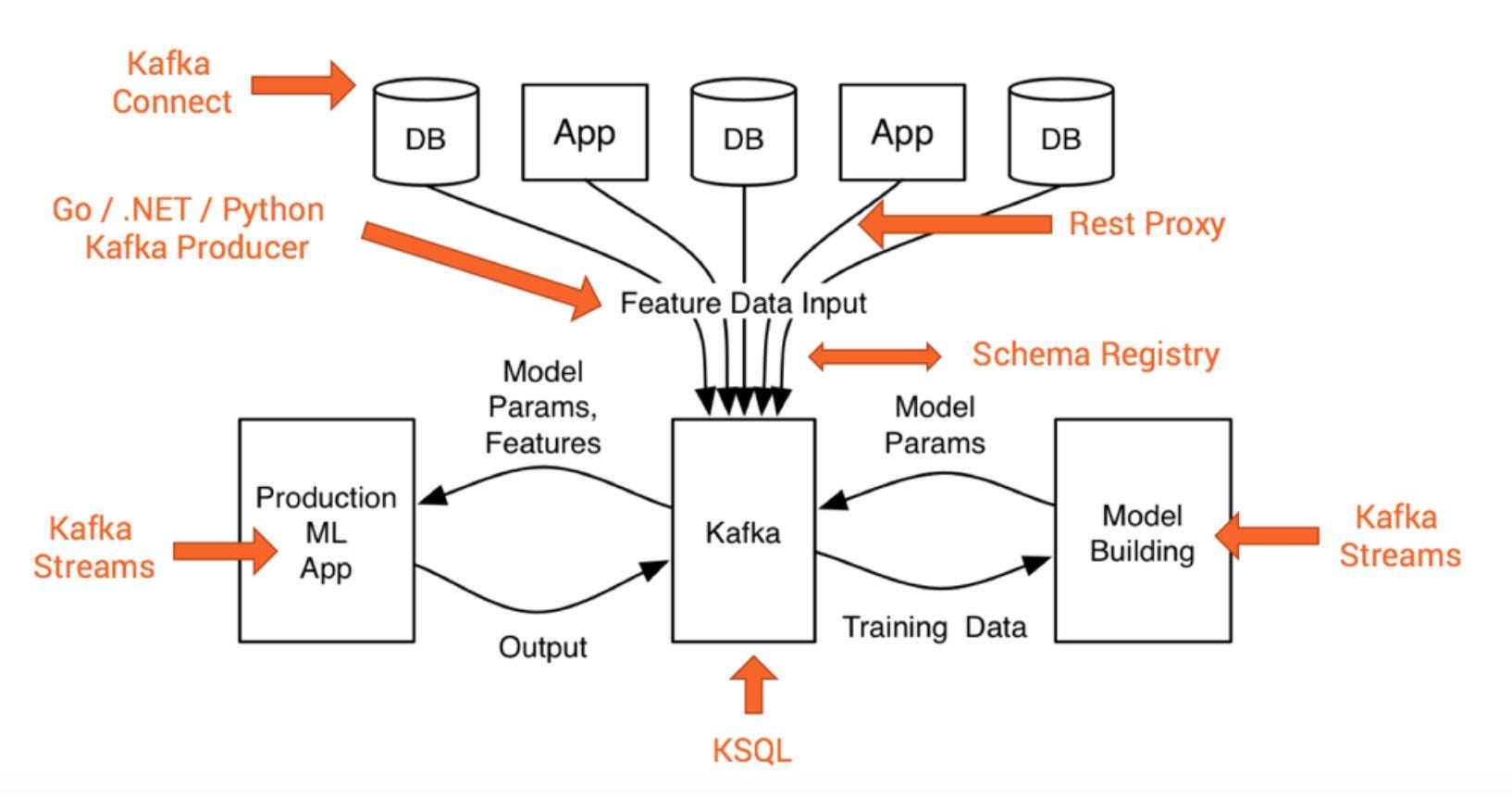
Kafka is a distributed publish-subscribe messaging system that is designed to be fast, scalable, and durable. It was developed by LinkedIn and open-sourced in the year 2011. It makes an extremely desirable option for data integration with the increasing complexity in real-time data processing challenges. It is a great solution for applications that require large-scale message processing.

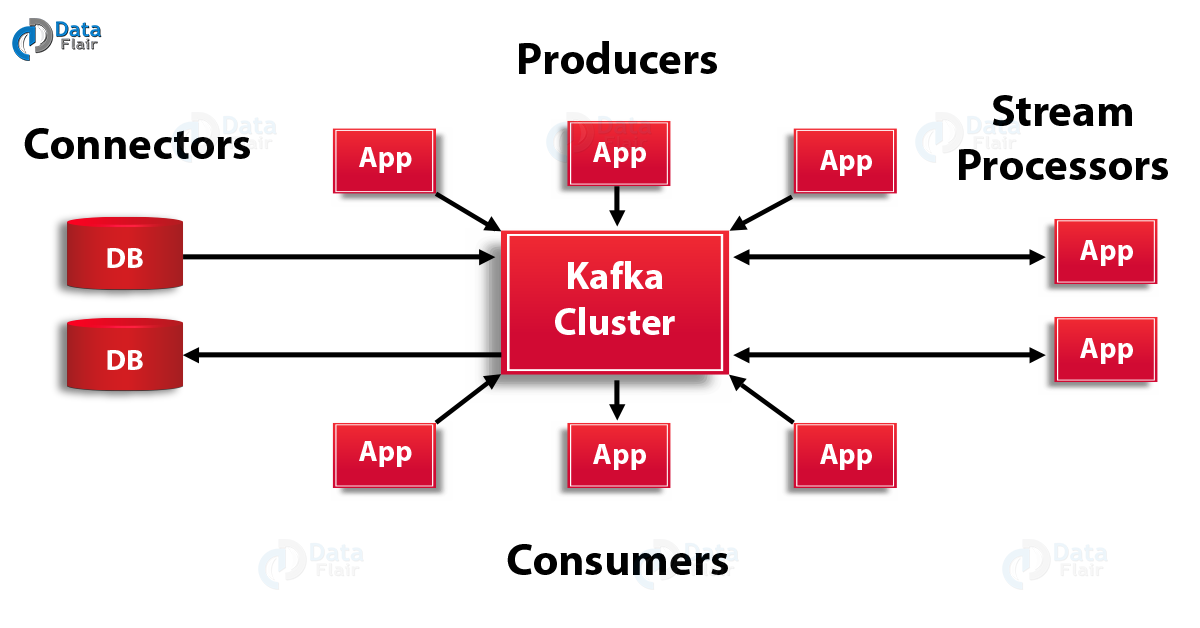
Components of Kafka are :

  1. Zookeeper
  2. Kafka Cluster – which contains one or more servers called brokers
  3. Producer – which publishes messages to Kafka
  4. Consumer – which consumes messages from Kafka.

Components :

Kafka Architecture and Its Fundamental Concepts - DataFlair

It saves messages on a disk and allows subscribers to read from it. Communication between producers, Kafka clusters, and consumers takes place with the TCP protocol. All the published messages will be retained for a configurable period of time. Each Kafka broker may contain multiple topics into which producers publish messages. Each topic is broken into one or more ordered partitions. Partitions are replicated across multiple servers for fault tolerance. Each partition has one Leader server and zero or more follower servers depending upon the replication factor of the partition.

When a publisher publishes to a Kafka cluster, it queries which partitions exist for that topic and which brokers are responsible for each partition. Publishers send messages to the broker responsible for that partition (using some hashing algorithm).

Consumers keep track of what they consume (partition id) and store it in Zookeeper. In case of consumer failure, a new process can start from the last saved point. Each consumer in the group gets assigned a set of partitions to consume from.

Producers can attach key with messages, in which all messages with same key goes to same partition. When consuming from a topic, it is possible to configure a consumer group with multiple consumers. Each consumer in a consumer group will read messages from a unique subset of partitions in each topic they subscribe to, so each message is delivered to one consumer in the group, and all messages with the same key arrive at the same consumer.

Role of Zookeeper in –

What Is Apache Kafka? | How Kafka Works | OpenLogic

It provides access to clients in a tree-like structure. It use ZooKeeper for storing configurations and use them across the cluster in a distributed fashion. It maintains information like topics under a broker, offset of consumers.

Steps to get started with (For UNIX):

  1. Download Kafka – wget http://mirror.sdunix.com/apache/kafka/0.8.2.0/kafka_2.10-0.8.2.0.tgz
  2. tar -xzf kafka_2.10-0.8.2.0.tgz
  3. cd kafka_2.10-0.8.2.0/
  4. nside Config folder you will see server, zookeeper config files
  5. Inside bin folder you will see bash files for starting zookeeper, server, producer, consumer
  6. Start zookeeper – bin/zookeeper-server-start.sh config/zookeeper.properties
  7. Start server – bin/kafka-server-start.sh config/server.properties
  8. creating topic –bin/kafka-topics.sh –create –zookeeper localhost:2181 –replication-factor <your_replication_factor> –partitions <no._of_partitions> –topic <your_topic_name>
    This will create a topic with specified name and will be replicated in to brokers based on replication factor and topic will be partitioned based on partition number. Replication factor should not be greater than no. of brokers available.
  9. view topic – bin/kafka-topics.sh –list –zookeeper localhost:2181
  10. delete a topic – add this line to server.properties file delete.topic.enable=true
    then fire this command after starting zookeeper
    bin/kafka-topics.sh –zookeeper localhost:2181 –delete –topic <topic_name>
  11. alter a topic – bin/kafka-topics.sh –zookeeper localhost:2181 –alter –topic <topic_name>
  12. Start producer – bin/kafka-console-producer.sh –broker-list localhost:9092 –topic <your_topic_name> and send some messages
  13. Start consumer – bin/kafka-console-consumer.sh –zookeeper localhost:2181 –from-beginning –topic <your_topic_name> and view messages

If you want to have more than one server, say for ex : 4 (it comes with single server), the steps are:

  1. create server config file for each of the servers :
    cp config/server.properties config/server-1.proeprties
    cp config/server.properties config/server-2.properties
    cp config/server.properties config/server-3.properties
  2. Repeat these steps for all property files you have created with different brokerId, port.
    vi server-1.properties and set following properties
    broker.id = 1
     port = 9093
    log.dir = /tmp/kafka-logs-1
  3. Start Servers :
    bin/kafka-server-start.sh config/server-1.properties &
    bin/kafka-server-start.sh config/server-2.properties &
    bin/kafka-server-start.sh config/server-3.properties &

Now we have four servers running (server, server-1,server-2,server-3)

PROGRAMMING

The program in java includes producer class and consumer class.

Producer Class :

Producer class is used to create messages and specify the topic name with an optional partition.

The maven dependency jar to be included is

We need to define properties for a producer to find brokers, serialize messages, and sends them to the partitions it wants.

Once producer sends data, if we pass an extra item (say id) via data :
ex :

before publishing data to brokers, it goes to the partition class which is mentioned in the properties and selects the partition to which data has to be published.

Consumer Class :

Topic Creation :

It is a distributed commit log service that functions much like a publish/subscribe messaging system, but with better throughput, built-in partitioning, replication, and fault tolerance.

Applications:

  1. Stream processing
  2. Messaging
  3. Multiplayer online game
  4. Log aggregation

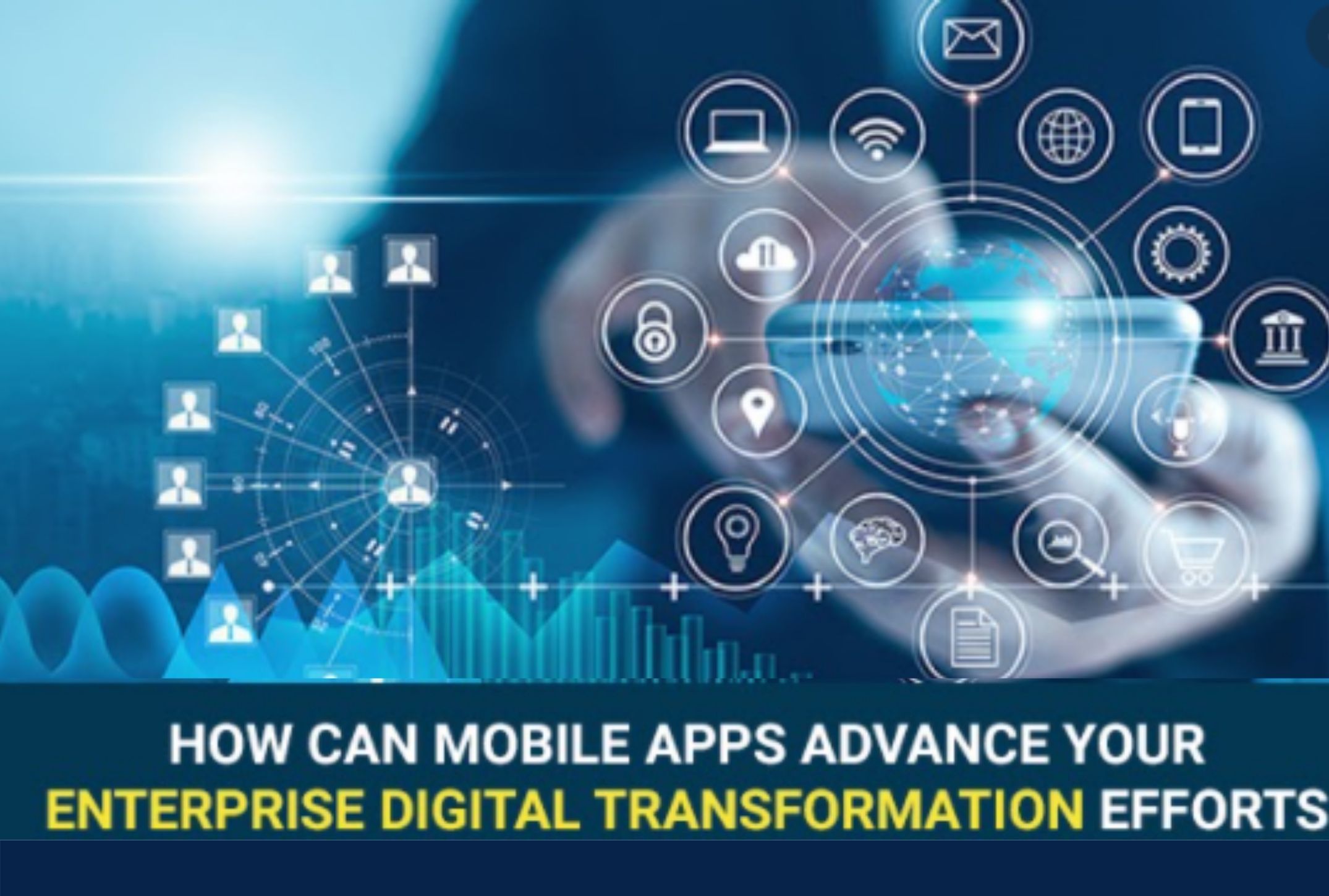
Advance Enterprise Digital Transformation Efforts By Mobile Apps

How can Mobile Apps Reinforce the Enterprise Digital Transformation

Irrespective of which industry you look at, you will find entrepreneurs hustling to kickstart their digital transformation efforts which have been lying in the backdrop since several business years. While a considerably easy move when you have to alter your digital offering according to the customers’ needs, things become a little difficult when you start planning digital transformation for your business. A difficulty that mobile applications can solve. There are two prime elements which businesses need to focus on when planning to digital transform their workflow and workforce: adaptability and portability. And by bringing their processes and communications on mobile apps, they are able to hit both the targets in one go. Here are some statistics looking into why enterprises need to count mobile application in, in their digital transformation strategy –

Although the above graph should be a reason enough to take mobile apps seriously, there are some other numbers as well.

  • 57% of the digital media use comes in through apps.
  • On an average, any smartphone user has over 80 apps out of which they use 40 apps every month.
  • 21% of millennials visit a mobile application 50+ times everyday.

While the statistics establish the rising growth of mobile apps, what we intend to cover in the article is the pivotal role mobile applications play in digital business transformation. To understand it from the entirety, we will first have to look into what is digital transformation and what it entails.

What is digital transformation?

Digital transformation means using digital technologies for changing how a business operates, fundamentally. It offers businesses a chance to reimagine how they engage with the customers, how they create new processes, and ultimately how they deliver value.

The true capabilities of introducing digital transformation in business lies in making a company more agile, lean, and competitive. The end of the long term commitment results in several benefits.

Benefits of digital transformation for a business

  • Greater efficiency – leveraging new technologies for automating processes leads to greater efficiency, which in turn, lowers the workforce requirements and cost-saving processes.
  • Better decision making – through digitalized information, businesses can tap in the insights present in data. This, in turn, helps management make informed decisions on the basis of quality intelligence.
  • Greater reach – digitalization opens you to omnichannel presence which enables your customers to access your services or products from across the globe.
  • Intuitive customer experience – digital transformation gives you the access to use data for understanding your customers better enabling you to know their needs and delivering them a personalized experience.

Merging mobile app capabilities with digital transformation outcomes 

How can Mobile Apps Advance Your Enterprise Digital Transformation Efforts | Pixeled Apps | iOS &amp; Android Mobile App Development

The role of mobile applications can be introduced in all the areas which are also often the key areas of digital transformation challenges that an enterprise faces.

  1. Technology integration
  2. Better customer experience
  3. Improved operations
  4. Changed organizational structure

When you partner with a digital transformation consulting firm that holds expertise in enterprise app development, they work around all these above-mentioned areas in addition to shaping their digital transformation roadmap around technology, process, and people.

In addition to a seamless integration with the digital transformation strategy of an enterprise,  there are a number of reasons behind the growing need to adopt digital transformation across sectors. Ones that encompasses and expands beyond the reasons to invest in enterprise mobility solutions.

The multitude of reasons, cumulatively, makes mobility a prime solution offering of the US digital transformation market.

Here’s how mobile apps are playing an active role in an enterprise’s 360 digital transformation.

How are mobile apps playing a role in advancing businesses’ internal digital transformation efforts?

1.  By utilizing AI in mobile apps

The benefits of using AI for bettering customer experience is uncontested. Through digital transformation, businesses have started using AI for developing intuitive mobile apps using technologies like natural language processing, natural language generation,  speech recognition technology, chatbots, and biometrics.

AI doesn’t just help with automation of processes and with predictive, preventative analysis but also with serving customers in a way they want to be served.

2.  An onset of IoT mobile apps

The time when IoT was used for displaying products and sharing information is sliding by. The use cases of mobile apps in the IoT domain is constantly expanding.

Enterprises are using IoT mobile apps to operate smart equipment in their offices and making the supply chains efficient, transparent. While still a new entrant in the enterprise sector, IoT mobile apps are finding ways to strengthen their position in the business world.

3.  Making informed decisions via real-time analytics

In the current business world, access to real-time analytics can give you a strong competitive advantage. Mobile applications are a great way for businesses to collect users’ data and engage with them through marketing transformation messages designed around the analytics based on their app journey.

You can use real-time analytics to know how your teams are performing, analyze their productivity, and get a first-hand view into the problems they are facing in performing a task and how it’s impacting the overall business value.

4.  Greater portability


Portability in an enterprise ecosystem enables employees to work as per their convenience. While it shows less impact in the short term, in the long run, it plays a huge role in how productive a team is.

By giving employees the space to work as per the time and location of their choice, you give them the space to boost their creativity fuel and in turn productivity. One of the results of using software that enabled our employees to work according to their terms and conveniences for us was greater business expansion ideas and an increase in overall productivity of the workforce.

Tips to consider when making mobile apps a part of the digital transformation strategy

If at this stage, you are convinced that mobile applications are a key part of digital transformation efforts, here are some tips that can help your strategies for increasing the ROI on your enterprise app –

Adopt mobile-first approach – the key factor that separates enterprise apps that are winning is how they don’t treat apps as the extension of their websites. Their software development process is strictly mobile-only. This in turn shapes their entire design, development, and testing processes.

Identifying the scope of mobility – the next tip that digital transformation consulting firms would give you is analyzing the operations and workflows for understanding which teams, departments, or functions would benefit from mobility the most. You should not start reinventing a process which works okay, you should look for areas which can be streamlined, automated, or valued through mobility.

Outsourcing digital transformation efforts – when we were preparing An Entrepreneur’s Guide on Outsourcing Digital Transformation article, we looked into several benefits of outsourcing digitalization to a digital transformation strategy consulting agency. But the prime benefit revolved around saving businesses’ efforts and time which goes into solving challenges like – absence of digital skillset, limitations of the agile transformation process, or the inability to let go of the legacy systems.

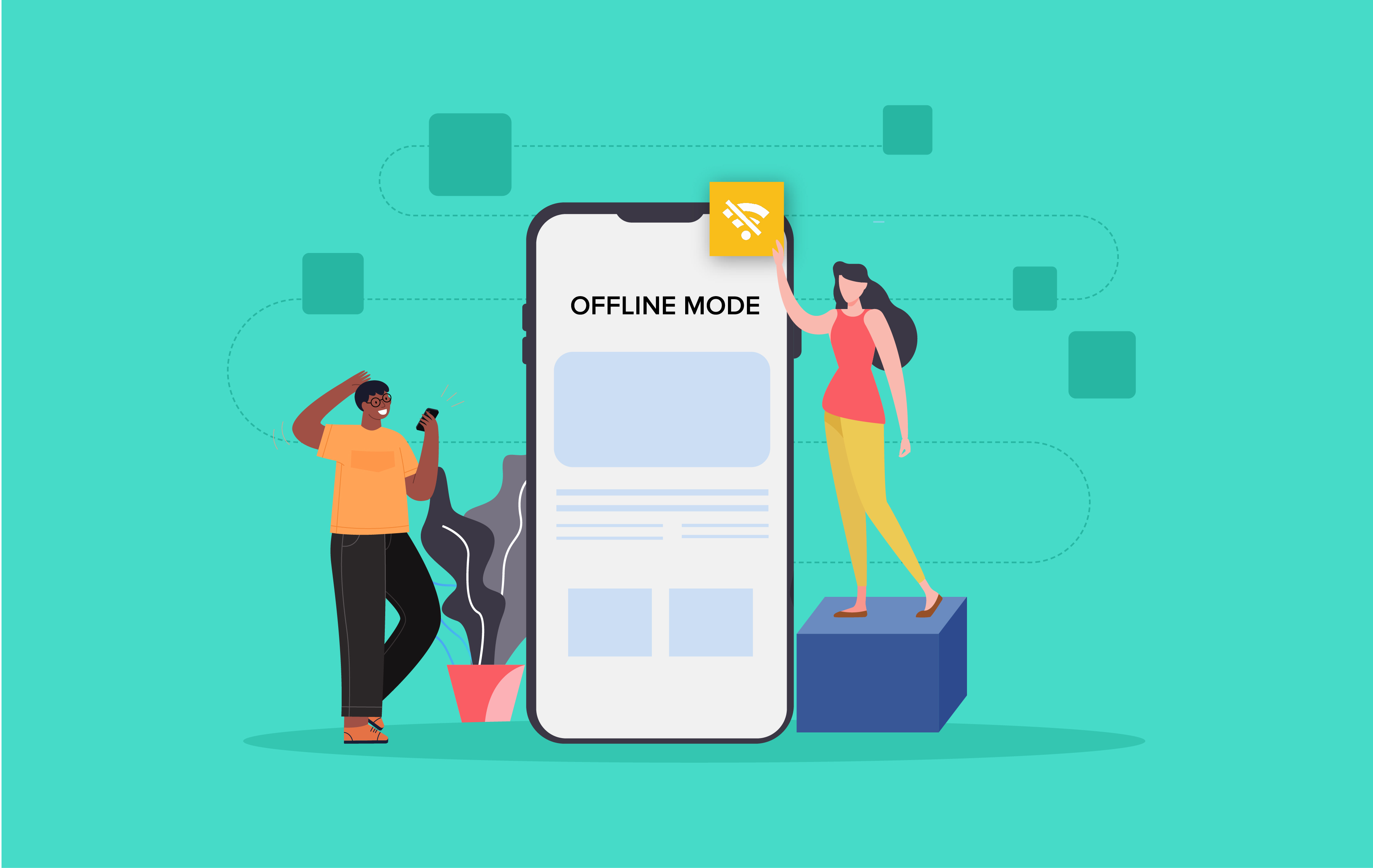
Offline-first Apps: Trending Customer Experience Strategy

Learning gets Truly Mobile with Effectus

Around the globe over $2.7 billion is lost yearly because of a poor connection and bad internet speed. On a micro level, if an app does not load well more than 75% of the users would leave it, and additionally, more than 45% of users strongly feel that they won’t return to the apps which didn’t load.

There is a strong negative emotion that users carry towards applications not optimized for limited connectivity. This, when added to the fact that quarantines across the globe have made people more reliant on the internet resulting in a massive drop in download and streaming speed, is a bad sign for the app industry. The omen of lowered connectivity has turned app entrepreneurs towards offline apps.

Before we get to the stage of dissecting what are the benefits of offline apps for businesses, especially in the current time, let us first peek into the state of internet connectivity across the US – a picture that validates the need for offline-first apps not just in the coronavirus times but till much after.

What are Offline first Applications?

Best Practices for Building Offline First Apps | NTSPL

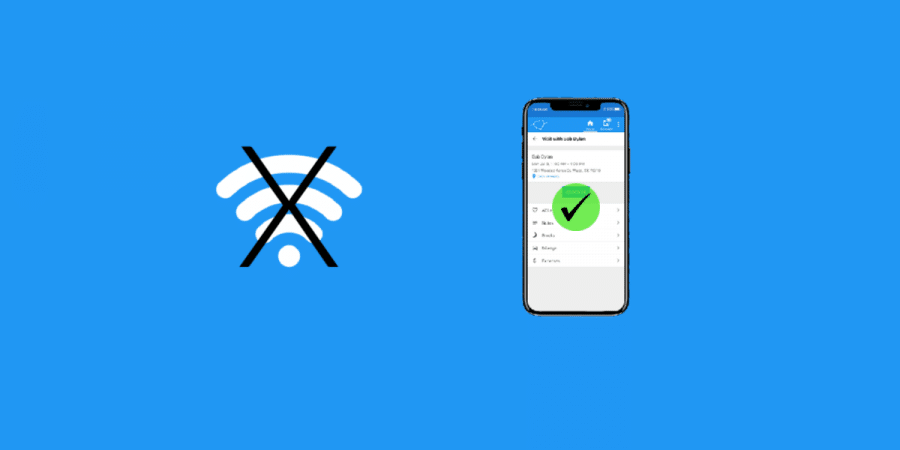
Majority of the mobile applications in the market access a database located on servers and provide requested data to the users. The offline mobile applications, while still needing a server connection do not require a consistent internet connection. In this case, data is downloaded on users’ devices and can be accessed offline.

On a technical level, the offline apps download updates from the server when a connection is available and simultaneously upload changes the users made when offline to the server.

An offline mobile application development process generally revolves around some assumptions:

  • Offline apps assume that the users are offline, meaning there will be low latency and unreliable network.
  • Fetching the resources over the network will be slower than fetching them from a local source.
  • The app must inform users of low network conditions but must not keep them from completing the objective.
  • Respecting users’ network and battery conditions, only the data which has changed from the last synchronization must be synchronized.

What Are the Benefits of Offline Mobile Application Development?

1. Seamless Online to Offline Experience

Mobile App Offline Mode | AxisCare

The first of the numerous benefits of offline mobile app development is that the user experience remains unaffected between high and limited connectivity. For a user the benefit of working seamlessly online and offline results into a greater loyalty and return visits.

2. Simplified Storage Process

Process Delivery Stock Illustrations – 8,771 Process Delivery Stock Illustrations, Vectors & Clipart - Dreamstime

When you store all the data on the server, you must ensure that there is a powerful network and stable connection. Additionally, the responsibility of providing the perfect condition also falls down on you.

While it is an unmissable stage, you can ease the work with offline app development. In this case, you will have to update information on the server when necessary and possible. The only thing you will have to worry about is choosing the best local database. You can either go with either of the react native local databases or make a choice between MySQL and MongoDB.

3. Faster Loading Speed

The Importance of Page Load Speed & 4 Ways to Improve it

Since offline applications do not rely on servers or internet speed, they load faster. The users get to enjoy working on the application irrespective of whether they are in a fluctuating network state or on airplane mode.

4.  Competitive Edge

One Way to Get a Competitive Edge | Red Pill Email

An application that is not dependent on an active internet connection is always a step ahead of competition compared to one that works only through the internet. This is the number one reason why brands like Google, Spotify, Kindle, etc. have an unmatched customer experience backing their growth.

Although the benefits of offline apps give an impression that an offline running app is the route of app success, you have to realize that it is not a universal solution to every problem that comes associated with an unreliable network. The custom application development approach makes the most sense when you are working around features and use cases that put your app in an active state in a no-network area.

But when your app relies on making financial transactions or keeping people updated with real-time updates like cricket scores or share market, going offline-first will deem to be unsuccessful.

Is Offline-First Application Development a Necessity? An IFTTT Answer

  • Your application will most likely be used in a poor connectivity area 

A good starting point when developing an offline-first mobile app is to know whether your app will be used in areas having poor signal – these can vary from apps that travelers use to being a key feature in enterprise applications.

  • Your app offers limited features which do not necessarily need to be performed online

If your application needs features that are dependent on being online at all times, it would be best to not work on an offline-first option. But if your application is more on data recording or consuming content – basically, one where interaction is not a mandate, you must go with the approach.

  • Your application offers a large set of content accessible through the search functionality

Searching for large data volumes can be difficult when your users are working with low and unreliable connections. You can better the experience by implementing a lightweight version of the online database.

If these three points stand true in your case – meaning taking an offline-first approach makes the most sense for your business, the next step would be to know how to get started. While your partnered mobile app development company would perform the technicalities, it won’t harm to be in the know-how of the changes that will happen in your app when it moves from online to offline state.

Developing Offline-First Mobile Apps: Ways & Considerations 

Show a Proper UI for the Offline State

Why every app should go offline-first | by Oursky | Oursky Team

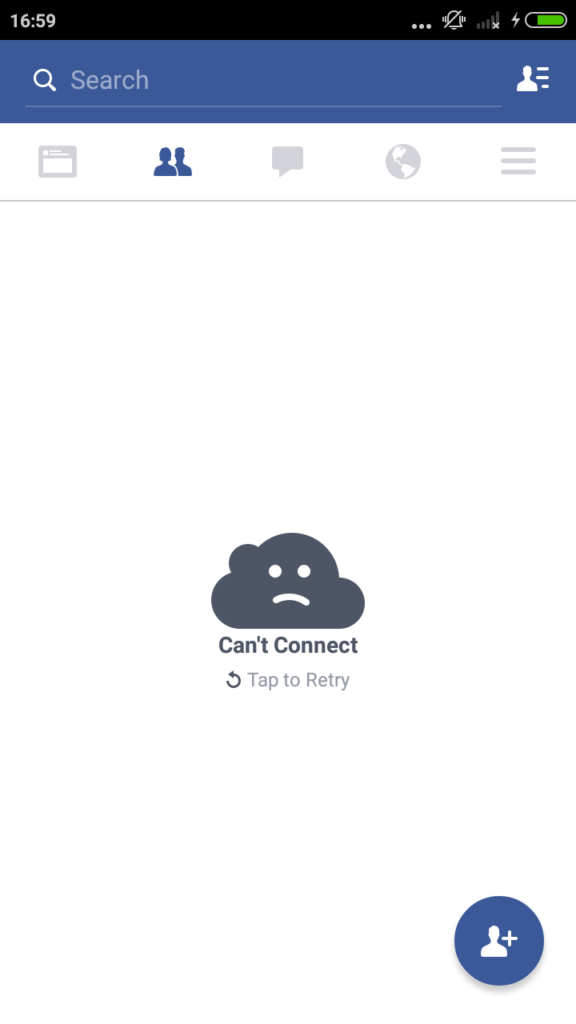
Communication is the key to a successful customer experience strategy. You should notify the users when the application detects low or unavailable network conditions. This can be done both by displaying a blank interface or via a popup message.

Make Static Information Available

✓ SSS Static Information → How to Print it【SEE MORE】

In the case of applications that work with limited connectivity, the static information gets downloaded and stored locally when it first loads. The information generally is of the kind that is not altered frequently.

An example of this can be seen in Google Maps. It comes with offline functionality that enables users to navigate locations on a map and expand to some level of detail even when the connection fails.

Create Cache of Commonly Used Dynamic Data

Introducing the Workers Cache API: Giving you control over how your content is cached

Unlike in case of static caching, dynamic cache data are expected to be updated constantly. To enable this in a limited connectivity environment, users’ information is stored temporarily in the local cache (a process most commonly seen in PWAs) – this prevents blank screen during the offline mode.

The approach, beside acting as a reason why big brands make use of PWAs, is used heavily by game developers and social media applications. Majority of the social media applications enable users to access their last newsfeed load.

Real Time Data Synchronization

Firebase Realtime Database | Store and sync data in real time

In this case, the data is uploaded automatically in place of manually. With the help of advanced synchronization protocols, the offline app that makes use of this method can transfer the changed data version and the actions taken to edit it?

Parting words

At Anteelo our answer to how to make an app offline lies in multiple considerations. We ensure that your application works with the best local databases, has a seamless workflow integration, faces zero data security and protection issues, and promises seamless connectivity.

Our developers are skilled in not just efficient online-first app development, which comes almost naturally to them, they also have the right mindset and technical know-how to build an offline-first mobile application.

error: Content is protected !!