
Astounding growth of Cybercrime in 2021

As organizations around the world continue to trudge through the disruption caused by the COVID-19 pandemic, cybercriminals keep coming up with even more menacing ways of dragging them down. According to research conducted by Cybersecurity Ventures, cybersecurity experts have predicted that cybercrimes will cost the global economy $6.1 trillion annually by 2021. With the pandemic serving as a catalyst, cybercrime is expected to soon become the world’s third-largest economy.While the ongoing pandemic has forced an unprecedented number of people to work from home and forgo the security of a well-developed IT infrastructure, cybercriminals have marked the unwary employees as the target of choice. Organizations were compelled to innovate and adapt so swiftly that the security didn’t get enough time to catch up, leaving businesses vulnerable to the cyber threats looming across the horizon.

India's first crime-criminal tracking network system launched: All you should know about it - Education Today News

Statistics on Current Cyber Threat Landscape

Owing to the COVID-19 pandemic and the sudden transformation to remote work culture, cybercrimes have risen like never before and are expected to rise even more as we move towards 2021. Following are some outrageous statistics showing just how severely these cyber attacks are affecting the global economy:


  • As per the research conducted by Cybersecurity Ventures, within months of the first lockdown due to the pandemic, more than 4,000 malicious COVID-related sites popped up across the internet.
  • According to Cybersecurity Ventures, a cyber attack incident will occur every 11 seconds in 2021. This is nearly twice the rate in 2019 (every 19 seconds), and four times what it was in 2016 (every 40 seconds).
  • As per Cybersecurity Ventures, Cybercrime is expected to cost the global economy $6 trillion annually by 2021, as compared to $3 trillion in 2015. This will soon make it the world’s third-largest economy, after the United States and China.
  • Cybersecurity Ventures predicted that ransomware damages will cost the world $20 billion by 2021which is 57 times more than what it was in 2015 ($325 million). This makes ransomware the most rapidly growing kind of cybercrime.
  • According to Cybersecurity Ventures, 91% of cyberattacks are launched through spear-phishing emails, which infect the organizations with ransomware.

What can Organizations do to Stay Secure?

As the rise in cybercrime is showing no signs of slowing down, it is essential for organizations to take the necessary precautions to avoid suffering any losses. The three most critical aspects of any organization include its people, processes and data. By focusing their resources on protecting these three elements, organizations can arm themselves against all kinds of prevalent and emerging cyber threats.
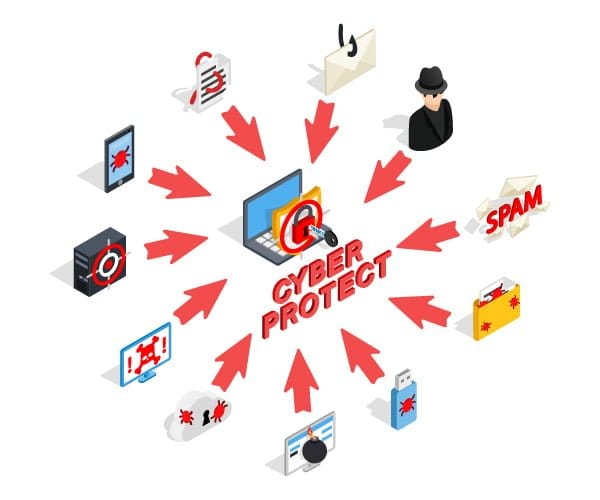
5 Ways to Protect Your Business Against Cybercrime - ITChronicles

Protecting People:

The best way of protecting your employees against cyber attacks is by educating them about the prevalent cybersecurity threats. Owing to cybersecurity unawareness, employees can unintentionally cause data breaches, leaving your company at risk. A report has revealed that implementing cybersecurity awareness training amongst employees significantly reduces human error, mitigating up to 90% of cyber risks.


With the dramatic increase in cyber risks due to the transformation to remote work culture, providing your employees with cybersecurity awareness training has become more important than ever. An organization cannot protect its finances, assets and reputation from cybercriminals without spreading awareness amongst its employees.


Protecting Processes:

It is essential for an organization’s IT department to continually monitor, review and update all organizational processes. Employees should be made aware of the consequences of installing applications or software in their systems without the knowledge or approval of the IT department.


Any known vulnerabilities should be constantly monitored by the organization. Companies can provide protected and locked systems to the employees working remotely. This can be an effective way of restricting them from installing any malicious software.


Protecting Data:

An organization must have a firm grasp on the data that it holds, processes and passes on. As per a recent study, companies share sensitive and confidential information with more than 500 third parties. The first and foremost step an organization should take is to conduct an inventory and ensure any information is shared strictly on a need-to-know basis.

Secondly, make sure to encrypt all sensitive data including employee information, all business data and customer information. This ensures that the data becomes useless in case it falls into wrong hands. Also, always create regular backups of all your data and store it securely outside your network.


As the rise in cybercrime is showing no signs of slowing down, individuals and organizations alike are equally at risk. Therefore, it has become extremely important to take the necessary precautions and keep essential cybersecurity tips in mind for defending yourselves and your organizations against these threats.
Ransomware attacks: 40% surge in Q3 2020

This year cyber attacks have increased many folds as compared to previous years due to new security challenges caused by the Covid-19 pandemic. The third quarter of the year has seen a huge surge in ransomware attacks. Globally, a total of 199.7 million ransomware attacks have been reported in the third quarter of 2020. 

According to cyber security experts, ransomware attacks have increased 40% to 199.7 million cases globally in Q3 of this year. Below we have mentioned some staggering statistics which will give you an insight into the present situation:

  1. The US observed 145.2 million ransomware hits in Q3, which is a 139% year-over-year increase.
  2. The cyber security researchers have detected new ransomware, Ryuk, with 5,123 attacks in just Q3 2019.
  3. Ryuk ransomware attacks have increased to 67.3 million in Q3 2020, which is 33.7% of all ransomware attacks this year.
  4. Though ransomware attacks have gained pace this year, malware attacks have fallen significantly. Cyber security researchers have recorded 4.4 billion malware attacks in a year-over-year comparison through Q3 – a 39% drop worldwide.
  5. The experts have detected a 30% rise in IoT (Internet of Things) malware attacks with a total figure of 32.4 billion attacks globally.


The above data shows a considerable decrease in malware attacks but that does not imply the disappearance of malware attacks. Because, this is just a recurring downturn that can easily adjust itself in a short amount of time, as per a cyber security report.

SCYTHE Library: Don't Get Comfortable Yet - The Declining Fear of Ransomware

The Strategy Behind Ransomware Attacks


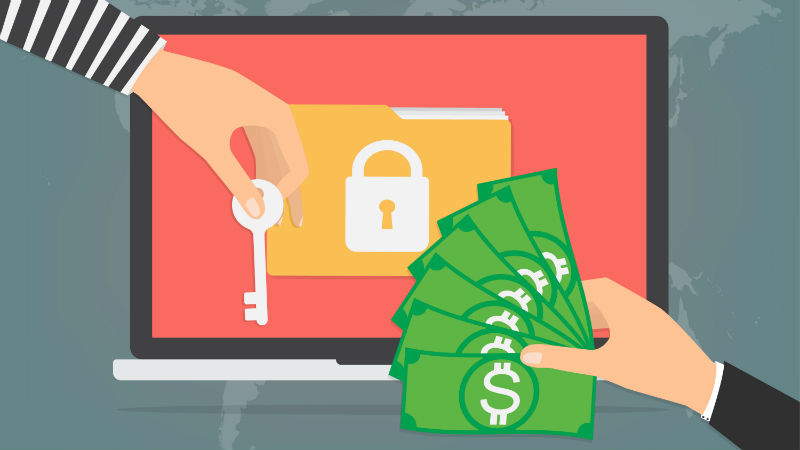
Ransomware is a form of malware that is installed into victims’ computers through malicious emails. It encrypts the victims’ data for which victims need the decryption key. The cyber attackers demand ransom, which can range from a few hundred dollars to thousands, payable in Bitcoin, for the decryption key.


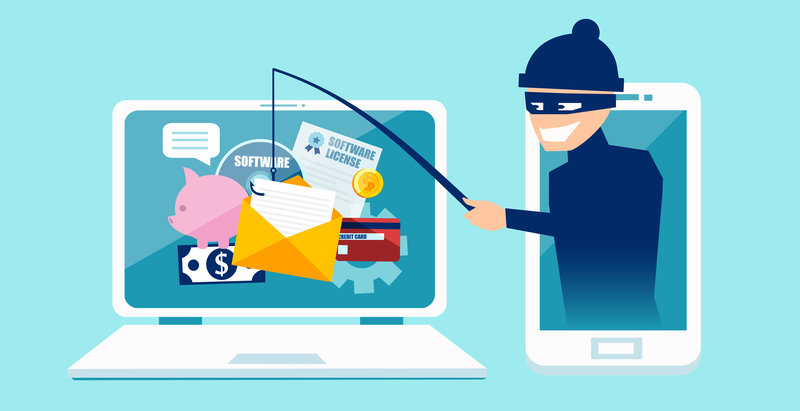
There are a number of attack vectors through which ransomware can gain unauthorized access into victims’ databases. One of the most prominent ways used to access victims’ computers is phishing emails and email attachments. Cyber criminals make these emails look trustable and trick the users to open them. Once these emails are opened and attachments are downloaded, the attackers take over the victims’ computers.

Five Protective Actions Against Ransomware Attacks

Possible Best Buy Breach In [24]7.ai Hack | PYMNTS.com

By following essential preventive measures, you can easily keep the ransomware attacks at bay. All you need to do is to be careful about what you perform on your computer. Let’s walk through some “must follow” cybersecurity practices:

  1. Avoid clicking untrustable links: Never click on suspicious or untrustable links, attached in unsolicited emails.
  2. Build your data-backup: Create a separate data-backup in an external hard drive that is not connected to your computer, so that you don’t have to pay the ransom if a ransomware attack happens.
  3. Don’t disclose your personal information: Never disclose your personal information if you receive any call, text, or email which is asking for your personal details like banking information or any account information. Always verify the source of those contacts as cybercriminals steal personal data first to misuse it for malicious campaigns or financial frauds.
  4. Use content scanning and filtering software: It is advisable to use content scanning and filtering software on your mail server to prevent a ransomware attack. The software helps in reducing the likelihood of a malicious email reaching your inbox.
  5. Security awareness program for employees: As an organization, you would always want to secure your confidential data from all types of cyberattacks. Therefore, it is important to conduct a cyber security awareness program among employees that will disseminate detailed knowledge of attack vectors and how to reduce the chances of ransomware attacks.

Rising Web Application Attacks in India: A Concern

Web application attacks rise to account for almost half of all data breaches | The Daily Swig

Accelerating rate of cyber-attacks is no more an unfamiliar situation for us. Web application based cyber attacks are the most common. Akamai Technologies , a content delivery network, released a report in 2017 for quarter 3 which mentioned India at 7th position in the list of top 10 targeted nations for web application attack.

As per recent figures, i.e. for the data from 8th Nov 2018 to 15th Nov, 2018, India still continues to be among top 10 marked nations for web application based attacks.

Countries Attacks
Russia Federation 18,754,282
United States 15,512,265
Ukraine 5,176,643
Netherlands 3,606,021
India 2,724,440
Canada 2,101,396
Sweden 1,896,300
Germany 1,845,175
Bulgaria 1,538,136
United Kingdom 1,455,023

Source: Akamai Technologies State of the Internet Report

As per World Bank, the number of secured servers in India is 10,350 which, when put against 500 million internet users, is a clear indication of the need for better and secure infrastructure to be able to support the data surge.

The State of Web Application Vulnerabilities in 2017 | Imperva

Even at the earliest attempt, it will take a few years to remedy this problem. And still, it won’t guarantee an organizations’ safety. According to recent research, 75% of cyber attacks are web application based. Improper coding can stem serious concerns in web applications security. Such vulnerabilities allow attackers to gain direct access to servers to extract sensitive data from the database. In a framework where hackers have access to such sensitive data; with a bout of creativity and some human error, any web application can be susceptible to web attacks.

Preventing Web/Application Attack by Security Audit | Gsecurelabs

A web application can be secured by performing a vulnerability assessment and penetrating testing.  , Anteelo is an end-to-end cyber security firm provides a complete suite of manual and automated VAPT services.


“Cyber Security Awareness” – A priority among employees

12 Ways To Create An Unmissable Cyber Security Awareness Campaign

Cyber security awareness is an essential part of something that can be considered equivalent to the vault that has all your valuables in it. It is extremely vulnerable and requires attention. Since the last decade, cyber-criminals have shifted their focus from individuals to employees within organizations. These attacks have cost billions of dollars in thousands of reported cases. Some of the most infamous cases include:

Target

Arrows in the target clipart. Free download transparent .PNG | Creazilla

In 2013, Target became the victim of a third-party credit card data breach in which the vendor extracted the credentials outside of an appropriate use-case. The attackers leveraged the weakness present in the payment system of Target to access customer base and then install the malware. The attackers stole the personal information of customers including customer name, payment card details, credit card verification code etc.

RSA

AES and RSA Encryption Explained

In 2011, two groups of hackers launched a phishing attack on the employees of RS the security arm of EMC. These two groups had the support of the foreign government. This phishing attack compromised the SecureID authentication and extracted more than 40 million employee records.

These cases set a clear example of how mere negligence can destroy an entire organization.

What do reports say about such cases?

As per the report released by Kaspersky Lab, negligence of employees is

the cause of almost half of all the cyber-attacks and two-thirds of the data

Free Reports Cliparts, Download Free Reports Cliparts png images, Free ClipArts on Clipart Library breaches. 24% of the employees within the organization are not aware of the security policy that their own organization have. In the same research, 44% of the companies admitted that employees do not follow IT security policies properly. During the year 2017, 35% of organizations focused on staff training and it was the second most adopted approach to facilitate cyber security awareness.
  • An online marketing firm, Reboot, in 67% of the cyber attacks, attackers have more often targeted lower-level employees.
  • Cyber security ventures have predicted that by the year 2021, the cyber cost will cost $6 trillion globally. 42% of the large organizations and companies have accepted that they have been the victim of phishing attacks.
  • According to Symantec’s 2018 Internet Security Threat Report, 88% of all the attacks use emails with malicious attachments that have been downloaded by employees that resulted in a breach of server, device or network.
  • Watchdog says 72% of data breach attacks occur through email in organizations that have less than 100 employees.

How can organizations create cyber security awareness among employees?

Cybersecurity Awareness Training: Threats and Best Practices | Secureworks

  • These statistics are not just numbers but, have a very concerning relevance. This clearly justifies the age-old idiom of humans being the weakest link in the information security chain.
  • Organizations should focus on cyber security awareness among employees in order to prevent them against cyber-attacks.
  • Restricting access to confidential data and information can lessen the probability of the success of cyber-attack due to employee negligence.
  • Implement policies related to cyber security within the organization. It will be an add-on to the cyber security of the organization’s infrastructure.

However, one of the most effective strategies for increasing cyber security awareness is training employees. Cyber security awareness ensures that employees are ready to face cyber-attacks in real life.

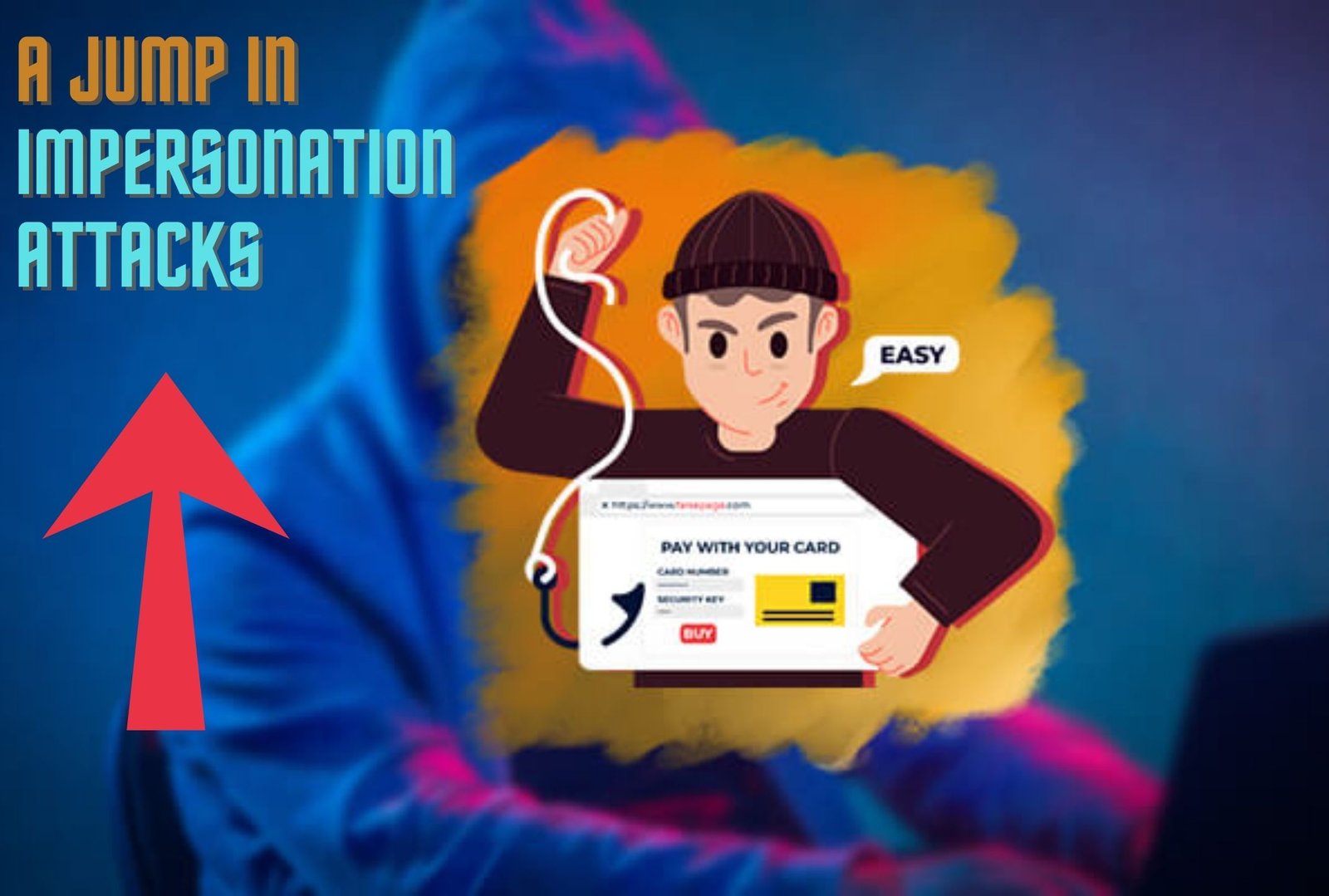
A jump in Impersonation attacks

Cybersecurity Training: Solutions & Services | NECThe word ‘impersonation’ refers to the act of pretending to be another person for a purpose or fraud. Impersonation attacks are a form of cyber-attacks where attackers send emails that attempt to impersonate an individual or company for gaining access to sensitive and confidential information. One of the popular forms of impersonation attacks is CEO frauds or business email compromise (BECs).

Till this date, a 70% rise was observed in the number of impersonation attacks.

Graph showing increase in proton conductivity with increasing pore... | Download Scientific Diagram

Globally, BEC attacks caused $12.5 billion of financial loss within the period of one year resulting in businesses losing valuable data, customers as well as money in the process.

Within a period of past 12 monthsit has been revealed that 94% of organizations have experienced phishing attacks with 45% of the organizations witnessing a visible increase in spear-phishing attacks with malicious URLs.

4 Phishing Attack Trends of 2019 - ID Agent

Over one-third of the organizations saw an increase in the number of attackers trying to gain access to sensitive and confidential information including theft of sensitive intellectual property or login credentials via email-based spoofing.

Impersonation attacks are a form of social engineering attacks where attackers use manipulation to access information. Attackers are required to do background research on the intended victim. A successful impersonation attack occurs in three steps. It includes:

  1. Targeting the victim

Why Don't We Just Ban Targeted Advertising? | WIRED

The most important step in deploying a successful impersonation attack is doing background research on the probable victim. In this era of technology, finding someone’s personal information is not a very difficult task. Social networking platforms such as Facebook, Instagram, Twitter etc. are some of the mediums that can provide victim’s personal information.

  1. Trust building

10 steps to building trust that lasts - Nan S. Russell - Municipal World

Once the attacker gets his hands on the required information, the next step is to build a relationship of trust with the victim. The attacker will impersonate someone who knows the victim.

  1. Deploying the attack

The best new anime of the 2010s decade - Polygon

Once the attacker builds up a relation of trust with the victim. Attacks are deployed by majorly using three tactics. This includes:

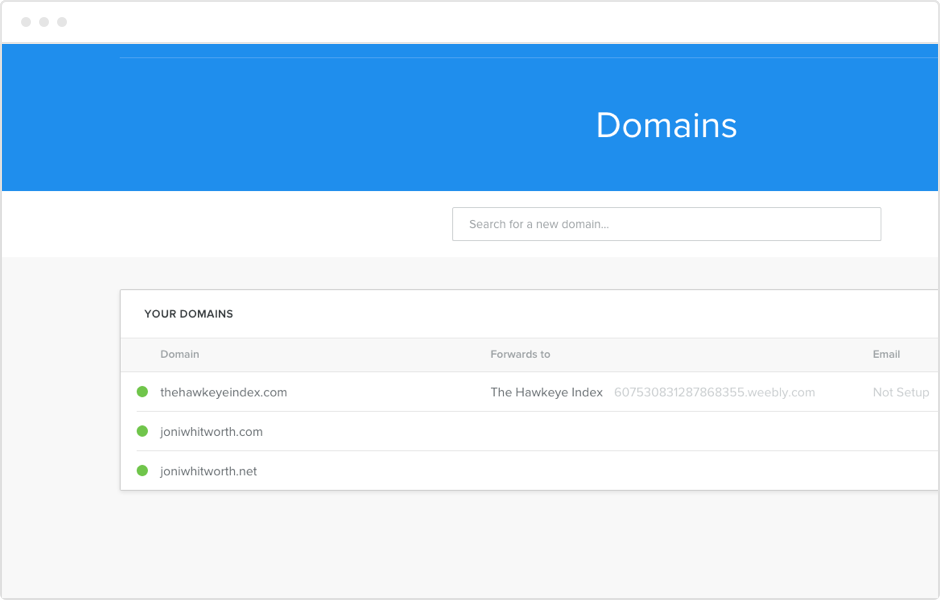
By Registering a look alike Email Domain

Free Domain Hosting with Weebly - Find Domain Names Today

The attacker can register an email domain that is similar to the actual email domain and create a new email ID using a name that is similar to the name of the person who is being impersonated.

Manipulating the Display Name

C++ Program For Store Employee Information And Display Using Structure

Majority of the mobile email clients only display the name of the sender, thus, making it very easy for the attacker to edit the display name and manipulate the victim. However, in desktop email clients, both the display name and email id of the receiver are shown and thus, this attack methodology is not very successful.

Using a Free Email Account

The 11 Best Free Email Accounts and Service Providers of 2021

Attackers send messages through free email account such as Gmail, Yahoo etc. The sender indicates that the victim has been locked out of their official account and need immediate help for getting the task done.

What can be done to avoid such impersonation attacks?

Providing cyber security awareness and training to employees

Security Training – WIDE ANGLE RISK MANAGEMENT IN NAIROBI KENYA

Organizations should take initiatives for providing proactive cyber security awareness training to the employees. Cyber security awareness and training tools.

Building cyber resilience strategy

Building cyber resilience: An imperative for surviving threats today and in the future - Smarter Business Review

It is important to build a cyber resilience strategy that can help in enhancing the cyber security of the organization including email domain security, web security, network security, endpoint security as well as data backup and recovery.

Business Contingency Plan

How to Create a Business Contingency Plan | Full Scale

Each business must formulate a business contingency plan in case your organization suffers from an unexpected event or situation. The purpose of a business contingency plan is to establish a strategic framework and response in order to recover from a cyber incident.

With the increasing sophistication in the attack methodologies, it has become vital for organizations to adopt security measures against cyber-attacks.

Massive Cyber Attacks of 2020

The year 2020 has become remarkable in many ways, especially when it comes to the surge in cyber attacks. The Covid-19 pandemic has given an unprecedented opportunity to cyber attackers to hack and break down the organizations’ IT infrastructure. The work-from-home working module adopted by such organizations has been attributed to the rise of cyber attacks.

The security gap between the home and office network has played a key role to make way for the data breaches in 2020. This issue has resulted in the theft of confidential information, leading to the loss of millions of dollars for breached organizations.


Today, cyber attackers have come up with more innovative ideas to set a new trend in phishing, cryptojacking, ransomware attack, IoT attack, etc. According to a security research firm, 81 global firms from 81 countries reported data breaches in the first half of 2020 alone.


In fact, 80% of firms have seen an increase in cyber attacks this year. Coronavirus is alone blamed for a 238% rise in cyber attacks on banks. Phishing attacks have seen a dramatic increase of 600% since the end of February.


Whereas due to pandemic, ransomware attacks rose 148% in March and the average ransomware payment rose by 33% to $111,605 as compared to Q4 2019. (Source: Fintech News)

What is a cyber attack? Recent examples show disturbing trends | CSO Online


The Top 5 Cyber Attacks of 2020

We discussed how cyber attacks have dramatically increased today. Let us walk you through the five major cyber attacks that have happened in 2020 till now. These staggering cyber attacks have crippled some famous organizations across the world.


Software AG Ransomware Attack

German tech firm Software AG hit with $23mn ransomware attack | Greater  Kashmir

The second-largest software vendor in Germany and the seventh-largest in Europe, Software AG has been reportedly hit by a ransomware attack in October 2020. ZDNet reported that the German tech firm has been attacked by the Clop ransomware and the cyber-criminal gang has demanded more than $20 million ransom.

The report also says that the company has still not recovered from the attack completely. The company disclosed that the ransomware attack disrupted a part of its internal network. But services to its customers, including cloud-based services, remained unaffected. The company also tried to negotiate with the attackers but it all went in vain.

As per the statement released by Software AG, the company is in the process of restoring its system and database for resuming orderly operation.


Sopra Steria Ransomware Attack

Sopra Steria hit by new version of Ryuk ransomware

French IT service giant Sopra Steria was attacked by ransomware on the evening of 20th October, as confirmed by the company. Its fintech business, Sopra Banking Software, identified the virus which is a new version of the Ryuk ransomware and previously unknown to cyber security providers.


Sopra Steria claimed that it was able to confine the attack to a limited part of its IT framework, even though it caught the attack after a few days. However, following an in-depth investigation, the company did not identify any leaked data or damage caused to its customers.


Ryuk is one of the most inventive ransomware which has already targeted organizations like EWA, a US defense contractor, and Prosegur, a Spanish logistics firm.


Telegram Hijack

Telegram Hacked? Here is how to know and how to get it back

In September 2020, hackers gained access to Telegram messenger and email data of some big names in the cryptocurrency business. Hackers used Signaling System 7 (SS7), which is used for connecting mobile networks across the world, to hack the data.


According to cyber security experts, the hackers were most probably after two-factor authentication (2FA) login codes. They spoofed the short message service center (SMSC) of mobile network operators to send a request on location updates to at least 20 targeted high-profile victims.


This attack is believed to have occurred to obtain cryptocurrency. This type of cyber attack is well known in the cryptocurrency community but the users are generally aware of such requests.


Therefore, there are better authentication methods than just SMS or call-based 2FA in the cryptocurrency community. Cyber security experts think telecom standards must move away from using protocols like SS7, which cannot resolve modern issues.


Seyfarth Shaw Malware Attack

Legal Firm Seyfarth Shaw Suffered Ransomware Attack

The chicago-based leading global legal firm, Seyfarth Shaw LLP became a victim of an “aggressive malware” attack. This attack was later confirmed by the firm as a ransomware attack. The cyber attack reportedly took place on October 10, 2020, and downed the firm’s email system completely, as per a statement published by the company.


The firm claimed in its statement that there was no evidence of client data or firm data unauthorized access or removal. However, many of its systems were found encrypted, following which the firm shut down all of those as a precautionary measure.


The global legal firm notified law enforcement and the FBI has already started an investigation. Apart from this, no further information was revealed on how the attack occurred and what family of ransomware hit the firm.


Carnival Corporation Data Breach: 

Carnival Corporation Confirms Cyber Attack and Ransomware on Costa and AIDA  IT Systems | Crew Center

The world’s largest cruise line operator, Carnival Corporation reported a data breach due to a ransomware attack that took place in the month of August 2020. Hackers stole confidential information from customers, employees, and crew members at the time of the attack.


On August 15, 2020, the company detected a ransomware attack that breached and encrypted one of its brand’s IT infrastructure. Following the attack, the cruise line operator notified law enforcement and hired legal counsel and cyber security experts and launched an investigation.


Though the company claimed that no misuse of exposed personal data has come to light, the type of ransomware and how the attack happened have remained unrevealed.


How to Secure Your Organization Against Cyber Attacks?

The global transition to the work-from-home culture has made a way for cyber-criminals to execute incredibly advanced cyber attacks. Moreover, ransomware, phishing, DDoS, malware, etc., are amongst the most prominent forms of cyber attacks that we have experienced this year, till now.


Here are some of the “must follow” measures to secure your organization against emerging cyber attacks:


  1. Conduct VAPT periodically to check for exploitable security vulnerabilities in the IT infrastructure of your organization.
  2. Back up all the sensitive or confidential data and store it separately from time to time.
  3. Keep all the systems, software, and applications up to date with the latest security patches. 
  4. Restrict employees from sharing passwords at work openly and encourage them to use unique and strong passwords.
  5. Block email spoofing, spam, and BEC attack by securing your email domain with email authentication protocols like DMARC, SPF and DKIM.
  6. Run a cyber attack simulation campaign to assess the level of cyber awareness among employees. Then train them accordingly with the best-in-class security awareness training tool
  7. Make sure to implement the practice of using multi-factor authentication to maintain security and privacy.
  8. Restrict IT admin and access rights to limited employees. Ensure that they are adequately trained on the safe usage and encrypted storage of sensitive data.

Reducing risk in digital transformation of Organizations

How to reduce risk in your digital transformation projects

Digital transformation and enterprise risk management can be thought of as parallel highways. That’s because any transformation effort will introduce new risks and change to the organization’s overall security posture. As organizations continue their digital transformations, the transformation of security and risk management must be an integral part of that journey. Organizations must integrate security and risk management into DevOps and Continuous Delivery (CD) processes. The ultimate goal is to have resilient systems that can not only withstand cyber attacks, but also carry out mission-critical business operations after an attack succeeds.

Taking the analogy further, imagine that each of these highways has three lanes: one for people, another for process, and a third for technology.

People in an organization form its culture. For digital transformation to succeed, many organizations will need to transform the culture around risk. That might include inculcating respect for personal information, and organizations consciously building digital services with privacy in mind. The workforce needs to be adept in using digital tools such as cloud, APIs, big data and machine learning to automate and orchestrate the management of a digital security threat response.

Process relates to how an organization overhauls its business processes to be agile and yet secure at the same time. This might involve moving from ITIL behaviour to DevOps or other proactive operational approaches. Prevention is important, but the ability to respond to manage digital threats is much more relevant, as this proactive behavior coincides with DevOps principles.

Technology can present new risks, but can also help address risk. Many top technology companies, for example, are using technologies to automate processes in a way that’s secure. Some common best practices include building loosely-coupled components wherever possible on a stateless/shared-nothing architecture, using machine learning to spot anomalies quickly, and using APIs pervasively to orchestrate the security management of digital entities in a scalable manner.

Three paths — people, process and technology — are changing how enterprises reduce risk.

From a CIO’s perspective, each new digital entity and interaction adds risk: Who is this user? Is this device authorized? What levels of access should be allowed? Which data is being accessed?

Leading organizations will securely identify these users, devices and other entities — including software functions and internet of things (IoT) endpoints — and they’ll do so end-to-end in an environment where services are widely distributed.

Major Trends that will affect Cyber Security

Key cyber security trends to look out for in 2021 - Information Age

Will this year be as tumultuous as 2020? Let’s hope not. But one thing won’t change: In 2021, as is the case every year, companies will continue to be challenged by new or evolving cyber security threats.

We expect 5 security trends that emerged or accelerated last year to demand even more attention from organizations this year. Here is a look at key threats, potential vulnerabilities and defense strategies in 2021:

Zero Trust becomes more relevant than ever

What is the Zero Trust Model of Cybersecurity, Really? | LogRhythm

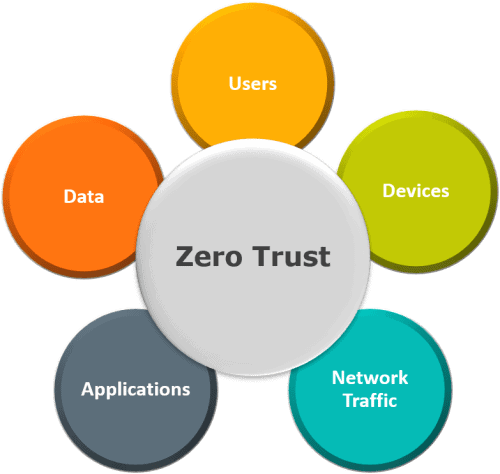
While the concept of Zero Trust has been around for over a decade, only now is it becoming a viable defense strategy. Today, every endpoint including remote PCs, smartphones, tablets, IoT sensors, containers, virtual systems and cloud resources is susceptible to attacks.

Traditional defenses are meaningless in an environment where the traditional network perimeter is slowly dissipating. It’s not just a matter if these assets will be compromised, but when. The only safe response is to trust nothing on your network and assume the environment is compromised. The premise of Zero Trust management is that to be secure, organizations must verify and authenticate access in a continuous manner.

In 2021, the rise of machine learning is paving the way for Zero Trust. Machine learning can be used to help document baseline user behavior and detect anomalies in actions. For example, if you normally log in from London, but today you’ve logged in from Hong Kong, the system recognizes this anomalous behavior, blocks access and triggers an alert to raise an investigation.

Applying Zero Trust will become an integral part of every organization’s business behavior as a way to future-proof the protection of data and assets.

Remote working is your new threat vector

Top 5 Remote Work Security Threats

As a result of government-mandated stay-at-home orders, remote working grew faster than anyone could have foreseen in 2020. Approximately 40 percent of the global workforce shifted to working from home or other remote locations. What’s more, the transition happened practically overnight and is expected to settle into a long-term trend.

Traditional security strategies, developed for staff working in the office within the same corporate network, are insufficient. In many cases, home routers and networks are not secure, and family members’ computing devices may be easily compromised.

What’s needed in 2021 is a new way of operating to work securely from remote locations. It will require changes in behavior, such as keeping access to corporate data from a home network to a minimum. Organizations must verify access to data and assets using various authentication methods that require human intervention and leverage new technologies, such as remote browsing or remote terminals, where no actual data is transmitted to the computing device at home.

Such changes, once unthinkable and impractical, will be crucial to securing work-from-home environments.

5G wireless offers new opportunities, enables new threats

Six Threats & Opportunities of the Disruption Called 5G

After being touted for years as wireless networking’s next big thing, 5G is finally becoming mainstream. Apple introduced its first 5G-capable iPhones in late 2020, and telecom providers worldwide have rolled out 5G services.

5G computing with its high-speed connections and improved network reliability should empower organizations to quickly deploy compute servers, IoT sensors and other devices on the edge in remote hubs.

The features of 5G, however, can pose new threats if not well-managed. If infrastructure is not carefully secured, adversaries can exfiltrate information very quickly and in large amounts from compromised environments, thanks to 5G’s blazing-fast bandwidth.

Another concern is that most endpoint devices are not designed to deal with a high-volume network, which means adversaries could use 5G bandwidth to easily overwhelm network assets through denial-of-service attacks.

Ransomware moves one step ahead

Five steps to blocking ransomware in its tracks | ITProPortal

Ransomware dominated headlines in 2020 and security experts have developed new tactics for responding to these threats. For example, by studying ransomware campaigns, security teams can deduce the decryption keys needed to unlock systems without having to pay the ransom.

Cyber criminals are aware of such countermeasures and are already developing ransomware encrypted at the code level. This means cyber security teams will have to wait for the code to run before it can be studied, thus slowing the development of countermeasures.

Attackers are also rewriting ransomware code to infect the firmware of computing devices and ensure perpetual presence in the victim’s environment. Code that is running at the firmware level may not be detected, stopped or removed by antimalware software.

As this malware cannot be simply overwritten, once a device is infected, the hardware must be either replaced or sent back to the factory to reinstall the firmware.

Cyber analytics drives more data-driven decisions

Finding Cyber Threats With Big Data Analytics | SIGNAL Magazine

Organizations are starting to understand the importance of using data to improve business decisions. Operational data can give insights about potential growth and cost-savings opportunities, and how to optimize business process.

Security operations, like other parts of business, are harnessing operational data to understand how business events tie to security events. Organizations can use cyber analytics and AI to predict when and where attacks are most likely to occur so they can then focus their investments to achieve the greatest protection.

AI systems must target aspects of operations unrelated to security that can be correlated with past security events. For example, an AI system might determine that most attacks occur 3 days before quarterly financial results are due to be publicly reported. With that information, organizations can proactively bolster security protections prior to the next public disclosure.

In 2021, such pre-emptive knowledge will help organizations plan ahead. However, to succeed they must thoroughly analyze and understand all the data they collect about operations and business behavior.

Thankfully, 2020 is behind us, but new threats await. Protecting enterprises this year will require new cyber defense strategies and tactics, and better threat intelligence.

Building A Cyber-Resilient Culture

Activating leadership to build cyber resiliency | Accenture

No enterprise is completely immune to cyber security attacks. Instead of focusing solely on preventing attacks, organizations should ensure they are able to respond quickly, recover and maintain operations. In other words, they should become cyber resilient.

Cyber resiliency requires establishing policies and processes that help an organization to survive and continue to execute its long-term strategy in the face of evolving security threats. Cyber resiliency should be part of a holistic approach to security that takes all aspects of the business into consideration, from employees and partners to the board of directors. Improving security is not a one-time project, but instead is a program of continuous improvement.

To become cyber resilient, enterprises must strike a balance between these three actions: protecting critical assets, detecting compromises and responding to incidents. Making the IT landscape cyber resilient requires investments in infrastructure, design and development of systems, applications and networks. At the same time, organizations must create and foster a resilience-conscious culture, of which security is an essential part.

How to build Cyber Resilience in your enterprise? - Estuate

An enterprise cyber resilience strategy includes three main components:

  1. Adapt business and IT systems to next-generation threatsEnterprises must prepare for global malware and ransomware attacks, as well as more subtle attacks, where the adversary lurks inside the network. Begin by defining your enterprise security architecture to address prioritized risks. Get a fresh baseline of your current security stance. For example, find out how your enterprise would recover from ransomware if multiple sites, the Active Directory, and backup platforms were to become encrypted. Evaluate critical applications and their dependencies on infrastructure; then define a communications and command structure to ensure business continuity.
  2. Update your security governance strategy. Governance is essential to successful security planning and key to attaining cyber resiliency. To ensure that your strategy measures up, incorporate strategies for protection, detection and response. Update and test business continuity and crisis management plans to cover new models of sourcing. Expand crisis management requirements to include all partners and suppliers. Make board members aware of cyber risks and the steps to effective cyber resiliency. Review and refine older access and software-patching policies and consider adopting role-based access control (RBAC) to more efficiently regulate access to computer and network resources.
  3. Create a resilience-conscious culture. Encourage all employees — not just the cybersecurity team — to adopt a cyber resilient mindset. Stress that employees are the first line of defense when it comes to threats such as phishing and malware. Promote collaboration across teams with pertinent information about security and threats. Coach employees to share knowledge with appropriate authorities and peers both within and outside of the enterprise.

Keep looking ahead

New threats are emerging as organizations adopt new technologies as part of ongoing digital transformation. Enterprises must be prepared and properly staffed to address these challenges:

Smart Yet Flawed: IoT Device Vulnerabilities Explained - Security News

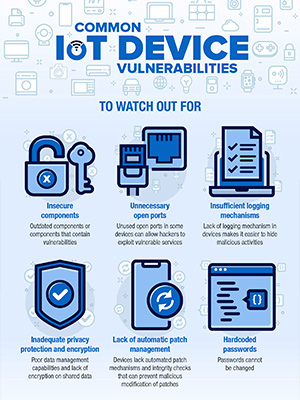
  • Internet of things (IoT) vulnerabilities. Consider system cyber and physical security requirements and resilience before widely deploying and depending on IoT systems. Use IoT gateways and edge devices to segregate and provide layers of protection between insecure devices and the internet to help manage the overall lack of IoT security.

Solutions for Enterprise - Antier Solutions

  • Blockchain complexities. Blockchain technology, by its nature, is distributed and resilient. But blockchain moves transactions toward a decentralized model, making it essential to control private cryptography keys. When embedding security into blockchain transactions, use role-based authentication and end-to-end encryption to properly protect data.

Day-in-the-life of an SOC Analyst: An Inside Look | Springboard Blog

  • Lack of Security Operations Centers (SOCs) resources. Examine the important role SOCs play in bringing together the resources needed to direct the defense. Define what constitutes suspicious activity, identify vulnerabilities, configure detection technologies, search for and validate active threats and ultimately notify affected parties. SOCs must manage and monitor identities, as well as ensure compliance with policies and regulatory requirements.

Some thoughts about “Shift Left” security in DevSecOps | Andrea Fortuna

  • Transition to DevSecOps. Consider adopting a comprehensive DevSecOps model that incorporates review and governance and supports faster release schedules and innovation. Determine whether your organization can commit to the requirements necessary for success, which include changing to a culture of collaboration, building security throughout the development life cycle and evaluating technical and business risks.

Achieving cyber resiliency should be a modular transformation that evolves from a well-defined strategy to a project roadmap. Make sure you define a strategic direction aligned with business objectives, outline a plan to achieve that direction, and ensure proper execution of that plan, including decision making based on risk management.

Digital Security Strategy’s guiding concepts

Energy Northwest and WizNucleus to Build Next-Generation Cyber Security Assessment Application – WizNucleus

Digital transformation represents the greatest opportunity for the enterprise in the 21st century. CEOs across the globe have digital innovation on their agenda as they seek to deliver innovative new business models, create new digital customer experiences, and optimize and automate their processes to enhance business performance.

BUT…digital technologies and the rapid pace of change in a digital world also threaten the enterprise through a growing cyberthreat landscape with a widening attack surface that exploits the very same digital technologies being used to transform the business.

To prevent cyberattacks from derailing your digital initiatives, we need to build security into the very fabric of the digital enterprise. Delivering secure digital transformation is about building security into the digital core platform which is the foundation for how we transform the business…put simply, we must become “Secure to the Core” and have a consistent framework for digital security transformation.

Deploying the right Cyber Defense

Cyber Security Awareness: 7 Ways to Cyber Attack Vulnerability | Kaspersky

One of the key imperatives for secure digital transformation is the ability to monitor every aspect of technology (both IT and OT) across the business. In short, we need to Monitor Everything.

The modern enterprise requires a plethora of security tools to secure their infrastructure and endpoints (networks, firewalls, servers, storage, devices, applications, data, etc). These tools generate an enormous volume of data each day, making it almost impossible to identify and respond to true cyberthreats in a timely manner.

Intelligent Security Operations can detect threats quickly, respond to attacks rapidly, and defend the enterprise from security breaches by applying intelligence and automation to handle the enormous volume of incidents we see across the globe.

To ensure a secure core, Anteelo’s approach is to provide next-generation digital services with a high degree of automation through a Security Platform that applies lean process, deep analytics and intelligent automation to the security information and event management (SIEM) process.

We often describe the underlying technologies within this platform as SOAR (security, orchestration, automation and response).

Cybersecurity Analytics, Intelligence, Response and Orchestration

IDC, meanwhile, describes these cybersecurity technologies as AIRO (Analytics, Incident, Response, and Orchestration). The AIRO technologies trace what is required in the Security Operations Center (SOC) to protect the enterprise network through to threat detection and formal remediation.

Whether your approach is “SOAR” or “AIRO,” either way we must apply automation and orchestration to cyber defences in order to keep up with the sheer volume of data and incidents generated across a wide array of infrastructure and endpoints.

Firms Need to be "Secure to the Core" Before Digital Transformation

In addition to monitoring everything with SOAR (or AIRO), we also believe in two more critical imperatives that are needed to secure the enterprise: Verify Everything and Encrypt Everything.

Verify Everything is about adopting a zero-trust approach to digital identity and access management. Enterprises engaged in digital transformation need a new approach if they are going to thrive in the digital world. The principle for security is no longer about the “where” it’s about the “who.” Success requires a comprehensive focus on digital identity management. Identity and access management can effectively establish a logical perimeter that enables digital transformation. The right identity and access management solutions prevent unauthorized access to enterprise information using multiple authentication methods with user access management and provisioning.

Privacy by Design

7 Principles of Privacy By Design | by Privacy Guy | Privacy Guy | Medium

Encrypt Everything is about minimizing the risk of unauthorized or unlawful processing of business-critical data and avoiding accidental loss and destruction or damage to data. All sensitive data requires encryption and/or tokenization using trust services (PKI, certificate and key management), encryption solutions, and rights management. The right data protection and privacy solutions encrypt sensitive data and prevents data loss from malicious cyberattacks.

So, to enable your digital transformation journey, remember these three key security principles: Monitor Everything (with cyber defense solutions), Verify Everything (with digital identity solutions) and Encrypt Everything (with data protection solutions).

error: Content is protected !!