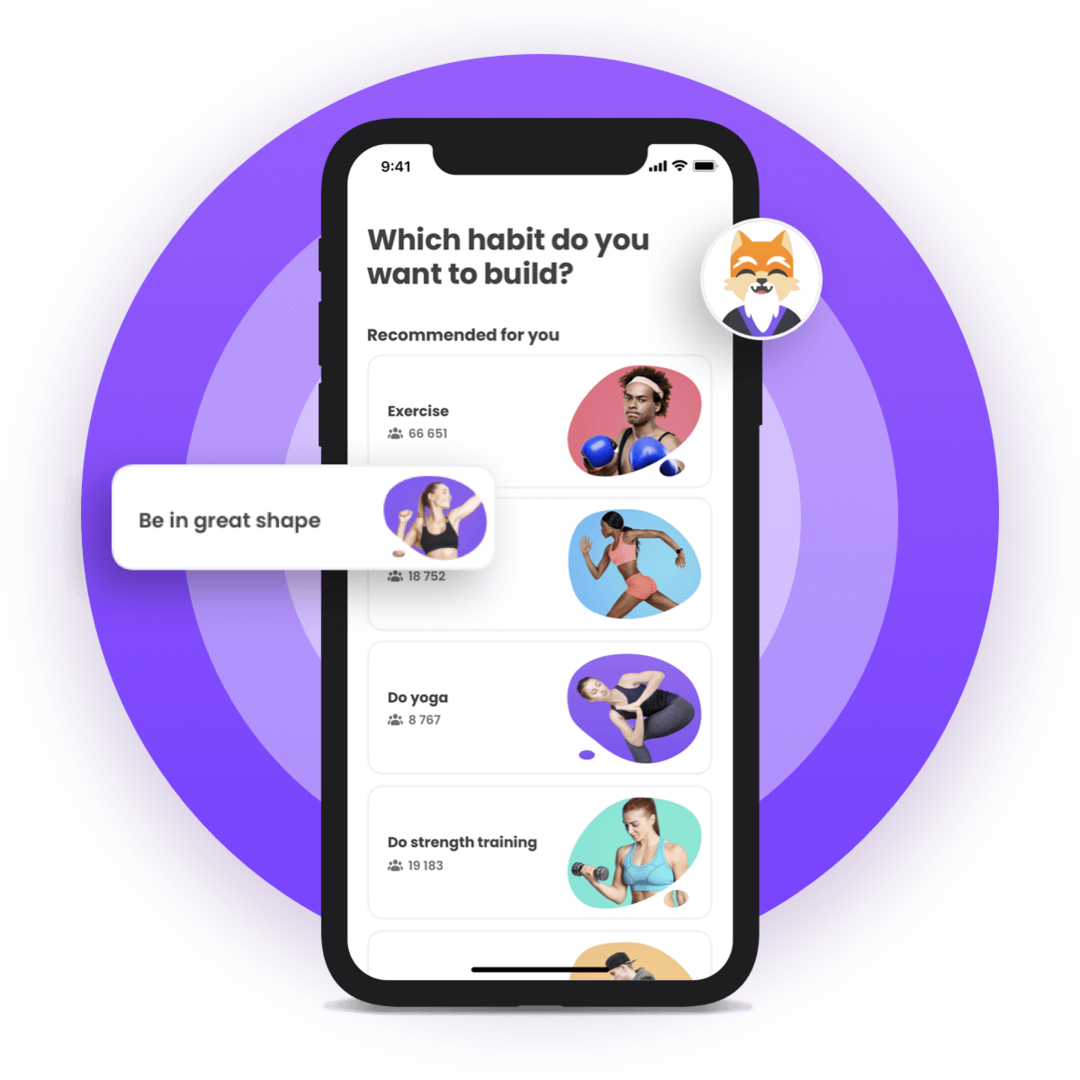
Cost to Develop an App Like Tinder: Determine

Best dating sites for 2021 - CNET

Gone are the days when love used to happen at the first sight. Now, dating apps like Tinder are gaining popularity to fill this gap by letting you find the person of your choice. Now love is just a tap away or more like a swipe away.

While apps like Tinder give its users the chance to fall in love, it puts the parent companies on a direct route to profit and escalated growth rates. In this article, we will be looking into Tinder-like app development in greater detail with the aim to give businesses an idea of how much it would cost them to develop a dating app like Tinder.

Tinder is a social dating app that allows people to find a match for themselves and then fix a date with the match with the help of a chatting feature incorporated in the app. Logging in to Tinder requires a Facebook ID so that the location and interests can be used to find the perfect match.

Even though Tinder was in many ways the Flagship brand of the mobility dating world, a number of apps soon followed the trend that the brand created.

Market leaders in the Dating App Category

Bumble - Date, Meet, Network BetterHappn | Privacy & security guide | Mozilla FoundationRaya, the dating app Hollywood celebrities use for finding love | NewsBytesHinge (app) - Wikipedia

  • Bumble dating app is one such app that is trying to give Tinder serious competition. What Bumble does better is that it provides an immediate chatting option to users, unlike Tinder where you have to wait for weeks to chat.
  • Happn is a huge competitor of Tinder giving incredible features like finding and connecting with someone who has crossed your path. The app uses GPS to track every move.
  • Raya is for the elite. The dating app development is done in a way that users are ‘accepted’ in the circle based on their social media strength and other factors.
  • Hinge works on the basis of connections and lets users find a match that is either a friend or a friend of a friend.

While there are many more in the market but the two biggest competitors of Tinder are Happn and Bumble dating app.

Despite the competition, the application receives one billion swipes per day. There are a number of reasons behind this happening and the most prime one is the feature set that Tinder comes with.

The feature set that Tinder comes up is soon becoming the standard that all the dating app development companies are following

  • The ‘swipe’ feature is great to indicate interest in a profile.
  • Tinder also allows Instagram integration making it easy to find someone’s Instagram profile.
  • Allows chatting with a match and fixing a date.
  • Tinder has special plans like Tinder Gold and Tinder plus for users who are willing to pay extra to add on some features.
  • Tinder uses geolocation which is quite different from any dating app development.

Now that we have looked into the various features that come as part and parcel of Tinder and other social media app development costs, let us now into the one feature that drives the complete revenue of apps that function as Tinder – Potential Matches.

After learning how does Tinder work, you must be curious to know how does Tinder find the perfect match for users. This is something many users think of when they get a match. Most of the matches do have common interests, location and age group. Let us look at the ways that Tinder dating app show potential matches:

How do apps like Tinder show potential matches?

1. The attractiveness of a user

Swipe Left (Tinder Song) by Skillitmusic

On the basis of the matches that any profile gets, its attractiveness increases. The more matches a profile gets, the more attractiveness. And they are listed the first to the other users when the app is opened.

2. Activeness of an account

When an account is new, matches a shown to it on the basis of most famous or attractive profiles. This is done to get them started by swiping right on the interesting profiles. This gives the mobile app a direction to sway their users in.

When a user interacts regularly after mutual liking then that activeness is also used as a factor to show matches to profiles.

3. Facebook profile

Full Details On Facebook's Overhauled Profile Pages | TechCrunch

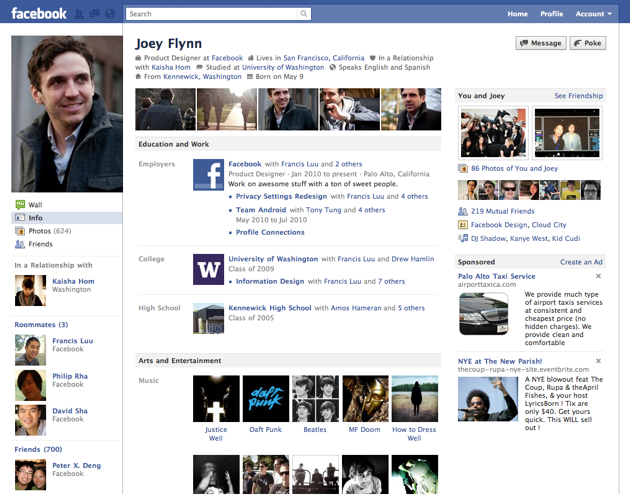
Facebook profile is another way through which the Tinder mobile app suggests potential matches. Some information is taken from the Facebook profile such as mutual friends or common interests and then those are used to suggest matches on the dating app.

4. Other factors

There are other ways the app finds a match for its users. Some of the suggestions that a user gets are of those profiles that have already swiped right on them and are waiting for the user to swipe right in order to get a match.

Now that we have looked into the functionality of the Tinder-like app, it is time to look into the technologies that are used in the making of one of the most popular dating apps of our time.

Tech Stack of Tinder Like App Development

  • Application & Data – AngularJS

AngularJS Query String handling using $location.search()

  • Utilities- Google Analytics, SendGrid

How to send an SMTP mail using SendGrid? | Arasu RRK5 Google Analytics Loopholes to Close ASAP

G Suite - 9to5GoogleZendesk Reviews | Glassdoor

While the above tech stack is specific to Tinder, you don’t necessarily have to rely on them for your app as well.

Now that we have seen how the app works and the ways it finds potential matches, let’s look at the money involved. There are basically four ways such dating apps make money:

How much money do dating apps make?

1. Subscription:

How to Cancel Tinder Subscription on iPhone and Android - REGENDUS

Some apps give users a trial period to use the app for free and after that period is over a subscription fee is needed to be paid to continue the usage of services. This is one of the most common ways to make money. Tinder launched Tinder Plus for users with additional features that seeing people who have swiped right on their profile. The subscription fee for under 30 years is $10 monthly and for people above 30 years is $20 monthly.

2. Ads:

Google's pestering ads get 'mute' button - BBC News

Ads are spaces for third party companies. For advertising on the apps like Tinder, which has a huge audience, advertisers have to pay a good sum of money. Although it hasn’t been disclosed officially by the app about the cost of ads on its mobile apps, a source found out that it costs $5000 and above for one ad placement.

3. In-app purchases:

What Does In-App Purchase Mean? | CleverTap

The in-app payment integration can be made by users to access certain special features such as emojis, icons, etc. This is a way of earning for apps like Tinder.

4. Premium plans:

What Is Bumble Boost? How It Works, How to Get It

When companies build an app like Tinder, they keep certain special features locked. These features can only be unlocked after paying a certain sum.

5. Others:

Dating apps have other features as well. For example, in Bumble dating app female users only see the matches for 24 hours after which the match disappears. So if the male users want females to see their request for longer, they will need to buy the extended time of 24 hours.

With this, you now know what it takes to develop an app that works just like Tinder and also the different ways you can make money off of your app. The next and last section that we are left to discuss is – How much would it all cost you before you start making profits on your app.

Let’s answer that for you.

How much does it cost to develop an app like Tinder?

Noting the features that are prevalent in the app, it can be assumed that the cost to develop apps like Tinder would come somewhere around $40,000 to $50,000. However, this is a very rough estimate. There are a number of factors that can increase or lower the mobile app development cost.

Now that you have gathered the complete understanding of not just the Tinder clone app market potential but also the answer of how to build a dating app like Tinder, along with the near actual cost estimate of the app development, it is time to use that information and contact our team of mobile app development experts and get your Tinder clone app made.

Travel App Development Revolutionizing Tourism Industry

Travel App Development: Tips, Features, and Things You Need to Know

The travel industry is one of the most burgeoning industries and with the rapid development of mobile apps, travel companies are leveraging mobile phones to enhance efficiency as well as agility in this increasingly competitive marketplace.

Travel mobile apps are affecting the booking as well as the planning process of the tourism industry. Nowadays, a large number of travelers are using travel mobile apps for research as well as for booking their holidays. With the availability of a well-developed travel app, people no longer have to rely on maps, guidebooks and compasses for traveling.

This is because, with a good app, you can research new places, book your tickets, find good eateries and all other travel related assistance.

What Makes A Travel App Successful?

When companies get their apps developed through a travel app development company, there are certain features that must be demanded. These are the features that make travel booking through mobile apps convenient:

Smart booking

Smart Booking App | Smart Booking System

Travel app development is done for the ease of travelers and the apps should include enough features to satisfy users. The travelers should have ease of booking with features like filter, price comparison, discount offers, bookmarking, push notifications, etc.

SEO Optimized

Best SEO Services Company in Hyderabad | TheEncrypts.com

When travelers search for a particular place they should be directed to the most relevant results. When the app is SEO optimized by any travel app developers, it becomes easy for users to get proper search results on the app.

This also lets the company understand what the travelers look for and how they move through the app. This information can be used to make the next big move in the business.

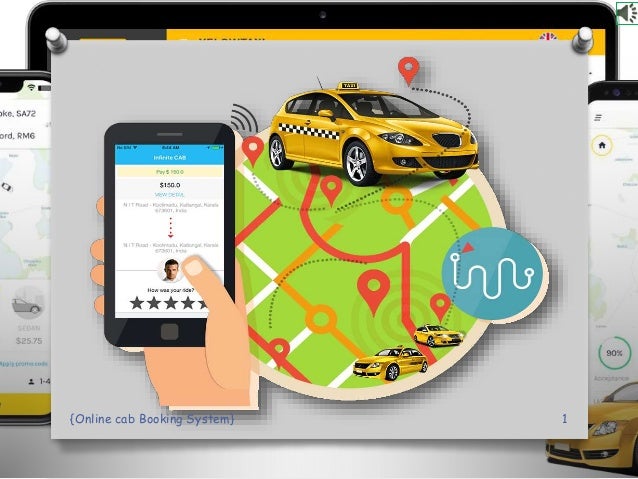
Allow cab bookings

online Cab Booking System PPT Presentation

Many tourism apps have flights, buses, or train bookings, and a very smart feature to add with these bookings would be an option to book a cab or taxi. This facility would give the users the comfort of booking a cab from the airport, bus stand, or railway station.

This is a great strategy but it also involves more addition of data to the app’s database. The travel app development should be done in such a way that the app can load the information without any glitches.

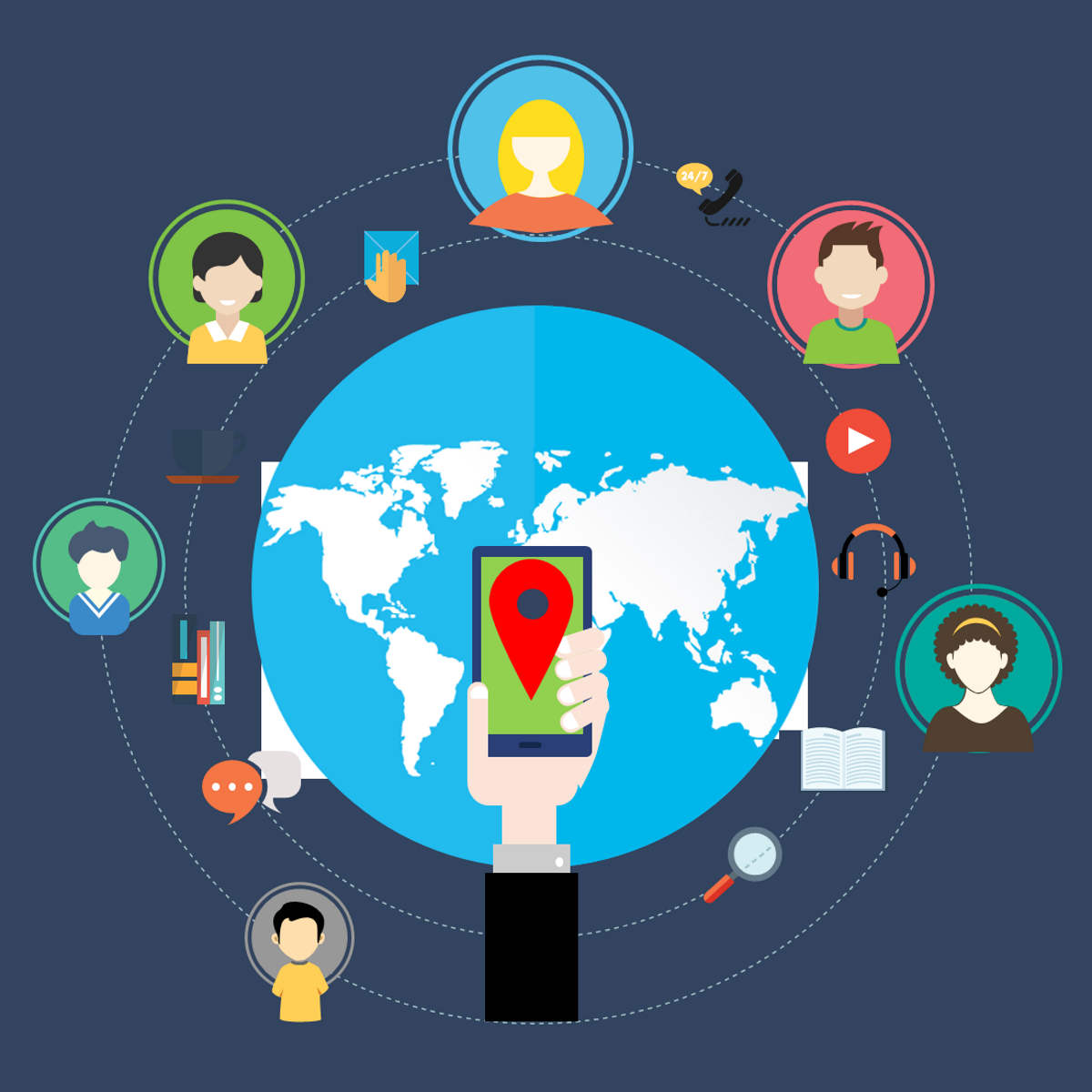
Include Geolocation

Using the Geolocation API in your Progressive Web App

When people are in a new place they are always afraid of getting lost but if the tourism app has the geolocation feature the travelers will move around freely. This feature is highly demanded by businesses when they go to for their tourism app development.

The feature allows travelers to find nearby places such as bars, restaurants, medical shops, etc.

Weather forecasting

Weather Forecasting: How Does Big Data Analytics Magnify it ? | Analytics Steps

The real-time weather forecast will be a great feature for traveling people. This feature will help them in making flight bookings, taking up adventure activities and also packing clothes accordingly.

Option to review

When a person wants to travel to a new place he always looks for feedback from travelers who have already been there. The option to review a place is another smart feature an app must-have.

Reviews not only give a beforehand idea about what to expect but also an option to choose whether the place is worth the visit or not.

Easy transaction

Trivago - How to Find and Compare Cheap Hotel Prices [2021]

A transaction through the app allows better and accurate storage of customer data. Apps are the new way to replace the traditional method of keeping receipts and documents.

But the travel application development process must pay attention to a load of information. That way the storing and accessing of data becomes smooth.

To create travel apps, these were the features that must be included for maximum user satisfaction.

Why are Apps your Best Travel Companion?

There is no exaggeration in saying that this increasing demand for travel mobile applications has effectively strengthened the kinship between the travel and tourism sector and the mobile app industry. There are still many travelers who are not sure of having a well-developed app, thus listed below are some ways apps can help during travel:

Useful Safety Information

A travel app keeps you informed about the current security situation of your chosen travel destination such as important notices on strikes or weather-related disturbances. Its 24-hour emergency service can help you at any time and this way you can have a safe vacation with your friends and family.

Instant Hotel and ticket Booking

What TripAdvisor's instant booking means for hotels | PhocusWire

There are many apps that offer you the list of the hotels with the accommodations prices. On the other hand, if you book your accommodation or hotel with the help of an app of that particular hotel, then you are at a higher chance to avail special discount which is generally available for few lucky travellers. Hotels have used travel app development agency to develop apps for their chain of hotels. Such apps give you complete description about the rooms with spectacular views. This way you can find the best room at the best price.

Apart from travel apps will let you know about the lowest airfare of a particular airline so you can book. In addition, you can find the best seats in the plane and it gives you the chance to make the booking of your taxis to and from the airport in a hassle-free manner. Apart from taxis, finding other public transport can also be easily done.

24/7 Accessibility

When you have an app, then you can use it anytime to acquire any kind of information and from anywhere. In other words, you can use it at your convenience and there is no need to worry about the issues of time zone. The apps developed by travel app development companies have special features that are added from a travelers point of view.

Best Way For Networking And Sharing

5 Easy Ways to Transfer Files Between Computers on the Same Network

With apps, you can stay connected with your chosen communities and you can easily share photos, videos and even exchange notes with your friends and relatives. Hence, there is no exaggeration in saying that this improves the experience of your travel.

How does App Help Travelers?

There is no doubt that mobile applications have changed the life of users. The tourism industry is a big scope for tech companies and hence we see many companies specializing in travel application development. Tourism apps help travelers in numerous ways. Let us look at the most important ones:

IoT based decisions

Improve Your Decision Making Using IoT and ML | by IoT Sense | Medium

Many travel app developers use IoT-based solutions for tourism apps such as geolocation. This feature helps users know and understand a new place without any confusion.

Travel cashless

Cashless Payment in Japan: Is It Widely Available? | LIVE JAPAN travel guide

One of the most important motive of tourism app development was to make traveling a cashless affair. With the use of one app travelers can book hotels, flights, cabs, buses, trains and even tickets to museums and plays. All this has become possible only because of the app technology.

Special services

The benefit of using mobile application for business is massive for business as well as for users. The travel app development procedure must have storage of data as priority. This is because apps store the record of users and hence allows businesses to determine which users are eligible for special offers and discounts.

Customised apps

With the increase in use of tourism apps, travel mobile app development companies have started getting demands for custom made apps to beat the competition and stand out.

When users give feedback, the companies use it as a guide to improve their applications which lets the business retain its customers and improve user experience.

Traveling as a community

5 Holiday Travel Tips from our Community | American Migraine Foundation

When travelers want to know about a certain place they look for feedback from other travelers who have been there already. This creates a social community for travelers who help each other by sharing important information such as things to not miss, precautions (if any) and any extra detail not mentioned to the travelers beforehand.

These are some of the benefits of travel apps and by witnessing all these advantages, it can be said that apps in travel industries are very advantageous because such apps have minimized the hassle of travellers with great instant service. Apart from helping tourists, it plays a pivotal role in generating a lot of revenue in the travel sector. Travel mobile app development companies are seeing success like never before and the reason is the vastness of mobile application and travel industry as a whole. So, to create travel app, has become a must-have for both commuters and travel companies.

However, all apps cannot be the same and thus, you should do a little research before downloading the app for enhancing your travel experience. You have plenty of options in app stores, but when it comes to choosing the best one, there is a need to check the rating of the app and also reviews about that particular app. So, do some thorough research and find the best app that suits your requirements.

Determine Cost To Develop A Chat App Like WhatsApp

Best Chatting app Development Company for Android or iOS

It was the year 1990 when the concept of instant messaging first hit the mainstream of the world. Fast forwarding 20 years, the year was 2009 when the impossible happened. A former Yahoo employee and his partner started working on an application that would become a revolution in instant messaging. The name was – WhatsApp, named to sound like ‘What’s up?’ Here’s a story of how getting rejected for a job at Facebook led two friends to make an application that they would sell to Facebook for a fortune worth $19 billion. And an evaluation of how much will it cost to create a social media chat app like WhatsApp. WhatsApp is the brainchild of two friends – Brian Acton and Jan Koum. In August 2009, with the release of WhatsApp 2.0, the number of active users suddenly spiked to 250,000 and it was then that WhatsApp had its first taste of success. It had discovered the nuances of getting viral.

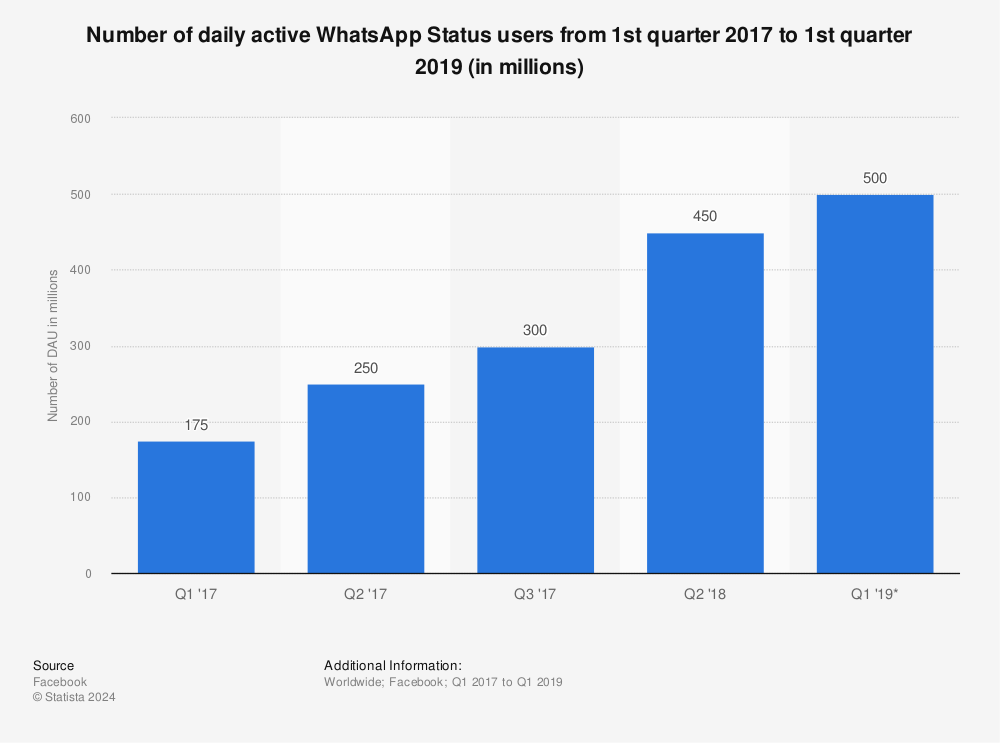
Starting from there, WhatsApp now carries the crown of being the most uninstalled application and has a total of over a billion users. In the present day, WhatsApp has reached a Million mark in terms of daily active users (DAU) and the numbers here speak for themselves. Not only that, these numbers are only expected to grow manifold, as per industry expert.

Timeline of WhatsApp:

WhatsApp Status daily active users 2019 | Statista

Through this timeline, we can see the tremendous growth that WhatsApp has shown over the years. When it entered the world market, there was no application on par with WhatsApp. Its Southeast Asian counterpart apps, such as WeChat, Viber, etc., were incredibly successful with their target audience, but the western world was untouched.

Traditional messaging was all that was there during those years, but with the innovation of Wi-Fi and other Internet services soaring high, there was a gap that could be filled in the world of instant messaging and WhatsApp was the first one to move forward in that direction.

One of the key reasons why WhatsApp was such a hit that it urged Facebook to acquire it as one of Facebook’s most expensive acquisitions was its sophisticated, all-covering, simple techstack that gave so much room for improvement while being at the top already.

It makes use of Ejabberd server for enabling features such as,

  • One-on-one Message
  • Store and forward (offline messages)
  • Contact List and Presence
  • Group chat – Multi User Chat (MUC)
  • Message Archive Management (MAM)
  • Personal event protocol (PEP) and typing indicator
  • Privacy settings, simple blocking extensions

Let us look at the rest of the stack for a better understanding of WhatsApp’s success.

  • Language- Erlang
  • OS- FreeBSD
  • Virtual Machine- BEAM
  • Servers- Ejabberd, YAWS(Multimedia storage)
  • Stack- LYME/LYCE
  • Database- Mnesia
  • Offline database- SQLite

Apart from the technical specification, WhatsApp success stories lie in the fact that after the launch of a basic model with real-time messaging, it went on adding features to the service which made WhatsApp become an indispensable part of 1.5 billion users worldwide which are still growing in number. Let us look at all of those features and the development costs associated with each one, as we go.

Basic WhatsApp Features and the Time It Takes to Develop Them

  • Registration

WhatsApp: registration process | Download Scientific Diagram

For registration on WhatsApp, once the user enters his/her credential, i.e., the name, country and phone number, the application sends a message of authorization. In the Android version of the app, WhatsApp reads and submits the verification code automatically. Once the registration is done, the app syncs all the phone book contacts automatically to display the ones available on the WhatsApp messaging platform.

Development Time :  50-55 hours.

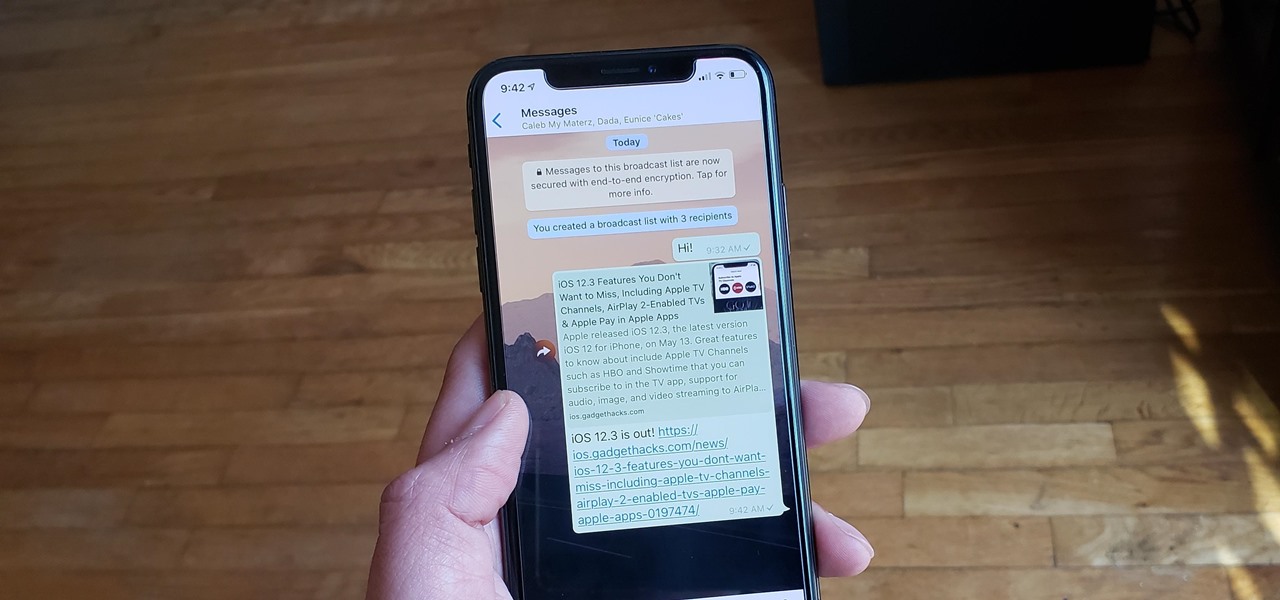
  • Real time messaging – One on one, group chat and Broadcast messages

Broadcast a Message to Multiple WhatsApp Contacts Individually at the Same Time « Smartphones :: Gadget Hacks

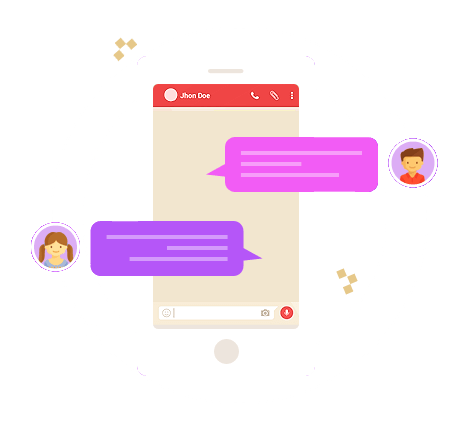
Since you’re willing to create your own WhatsApp-like app, it’s indisputable to incorporate a messaging feature, which can be one on one chat or a multi-user chat. WhatsApp developers use customised XMPP (eXtensible Messaging and Presence Protocol) which enables message delivery.

Also, WhatsApp chat enables Emojis, Stickers and GIF files.

Development Time : 210-220 hours (Both frontend and backend development)

  • Voice Calling

WhatsApp gets a new update for voice calls

WhatsApp’s free calling feature was added last year in January to attract more users to it. It uses Internet traffic to call rather than your data plan minutes or your money. WhatsApp uses the PJSIP library to implement Voice over IP (VoIP). This is an open source multimedia communication library written in C. The library uses high-level API by combining the SIP (signaling protocol) with a multimedia framework and NAT traversal functionality.

Development Time : 200-220 hours (Both frontend and backend development)

  • Video Calling

WhatsApp Video Calling Is a Good Effort That Needs Some Polish | NDTV Gadgets 360

Any mobile app developer can tell you how important a video calling feature is for any social media or social messaging application today. Those applications that did not have video calling features in their business plan are also looking at the possibility of adding them, like Instagram. And the video calling feature for WhatsApp is an important one for the field.

Development time : 180-220 hours (Both frontend and backend development, depending upon Android or iOS development)

  • Multimedia sharing

How to Make and Share a WhatsApp Status Video - Animoto

With WhatsApp, we can also share Voice notes, video files and photographs. To create a chat app like WhatsApp, you can add such features too, as they were part of the basic model of the application. The transmission procedure is performed by uploading a multimedia file to be delivered to the HTTP server (YAWS), then sends a link to the content together with its Base64 encoded thumbnail.

This is nothing a well established mobile app development company doesn’t know of.

Development Time : 40-50 Hours

  • Settings Column

WhatsApp privacy features: Enable these settings now to keep your chats safe

The settings part of WhatsApp consists of Privacy settings, account settings and profile settings. Where users can switch off or on the read receipts, change their profile picture or profile name, manage blocked contacts, delete their accounts, change status, change numbers, customise profile settings like chat notifications, etc.

Development time : 110-120 hours

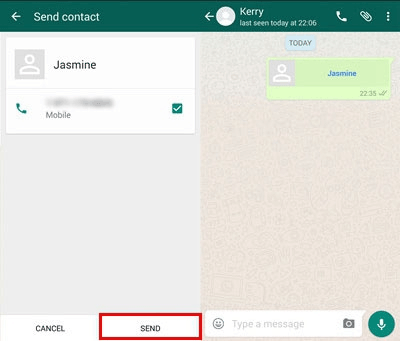
  • Contact Sharing

Share WhatsApp Contacts on Android and iPhone

This is a small feature where the users can send and receive contacts from their phone memories directly with each other. It adds on to the convenience of the app. The procedure for contact sharing is identical to the message delivery; the XMPP protocol is also engaged here. Hiring the best mobile app development company takes the load off your shoulder and give you an application worth your investment in the end.

Development time : 70-80 hours

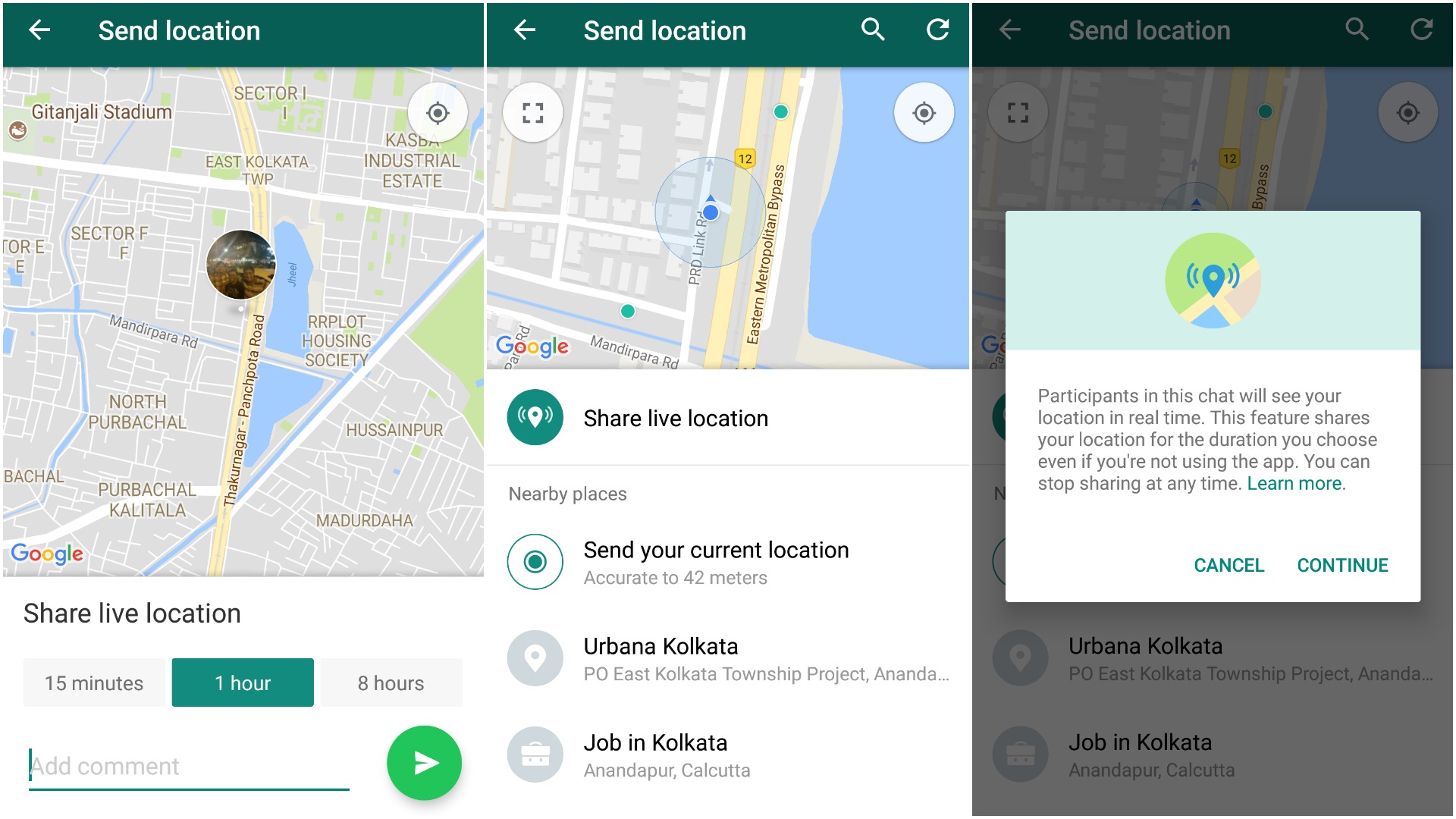
  • Location sharing

How to share live location in WhatsApp? | TechRadar

The geolocation feature can be integrated into the app to share your current location or the location of any place. Besides this, your live location can also be shared with another person for a designated amount of time. To display maps in your apps, Google Maps Android API is a way for Android developers; the Map Kit framework is offered to iOS developers by Apple.

You should hire a right mobile app development company who knows his way with all the necessities of mobile app development. A mobile app development company with an inhouse team of mobile app developer and UI/UX app designers is the best way to go.

Development Time : 25-30 Hours

  • Notifications

WhatsApp doesn't show usernames on notifications - Ask Different

On WhatsApp, the user is notified about a personal chat message or a group message through mobile app notifications. They can even enable the feature where they receive a chat-on-screen pop-up when the phone is locked. This feature can be incorporated through Google Cloud Messaging or Apple Push Notifications.

Development time : 15-20 hours

Summarizing:

This is an estimation for the stated features. This may vary for different mobile app development companies or Mobile app developers. Besides, there are a number of other, more advanced features that WhatsApp is going on adding to its application, such as, Whatsapp web, Camera filters, WhatsApp upi payment, end to end chat encryption etc. which have raised the bar high for other such applications. In fact, the team has also made it possible for mobile app developers to verify users on WhatsApp rather than on traditional SMS application.

It’s critical to put a dollar value to the entire development process of such an application in the first step. Although, WhatsApp’s MVP cost would be in the range of $40,000 to $50,000. However, this is a very rough estimate. And as the number of features alter, the mobile app development cost will alter accordingly.

Now that you have convened the complete understanding of not just the clone app for WhatsApp but the entire market potential and also the answer to how to create a chat app like WhatsApp, along with the near actual cost estimate of social media app development like WhatsApp , it is time.

It is time to use that information and contact our team of social media mobile app development experts and build a WhatsApp clone of your own or just to get a clearer estimate of the actual cost.

Mobile Apps Revolutionizing the Entertainment Sector

Media & entertainment sector now at Rs 1.26 lakh cr: FICCI-KPMG Report 2017 | Business Standard News

From news updates to live streaming, entertainment apps have got everything a person needs to sit back, relax and enjoy. All the things you need at the touch of your fingertip. Mobile applications are being used in every industry but the entertainment industry is taking advantage of this technology the most. The entertainment sector is all about engagement, content, and a massive audience.

It is very clear that the entertainment industry majorly depends on mobile applications and thus many mobile app development companies are focusing on entertainment app development.

Mobile app development agencies should keep few things in mind while entertainment app development: attractive designs, various sources of information, easy sharing options, and an option to interact.

Entertainment software development companies have taken this new path of entertainment app development where the market is highly profitable and has a bright future. A study shows that among the top 10 most used applications, entertainment apps take the first 5 positions.

In this article, we are going to look into the uprise of apps for entertainment in the mobile industry – the top apps and the reasoning behind their growth before looking into the features set that back their popularity.

  1. Trending apps in the media and entertainment industry
  2. How have mobile applications revolutionized the entertainment industry?
  3. Feature-set that makes entertainment apps engaging
  4. Future of mobile apps in the entertainment industry

Trending Apps in the Media and Entertainment Industry

Entertainment applications are a necessity today. We can always spot someone who is engrossed in such apps while commuting or having lunch at their desk. That is how media app development is done so that it can attract a massive audience. Some applications have turned into a trend now and we simply cannot do life without them. Let’s take a look at these rockstar trending apps in the entertainment industry:

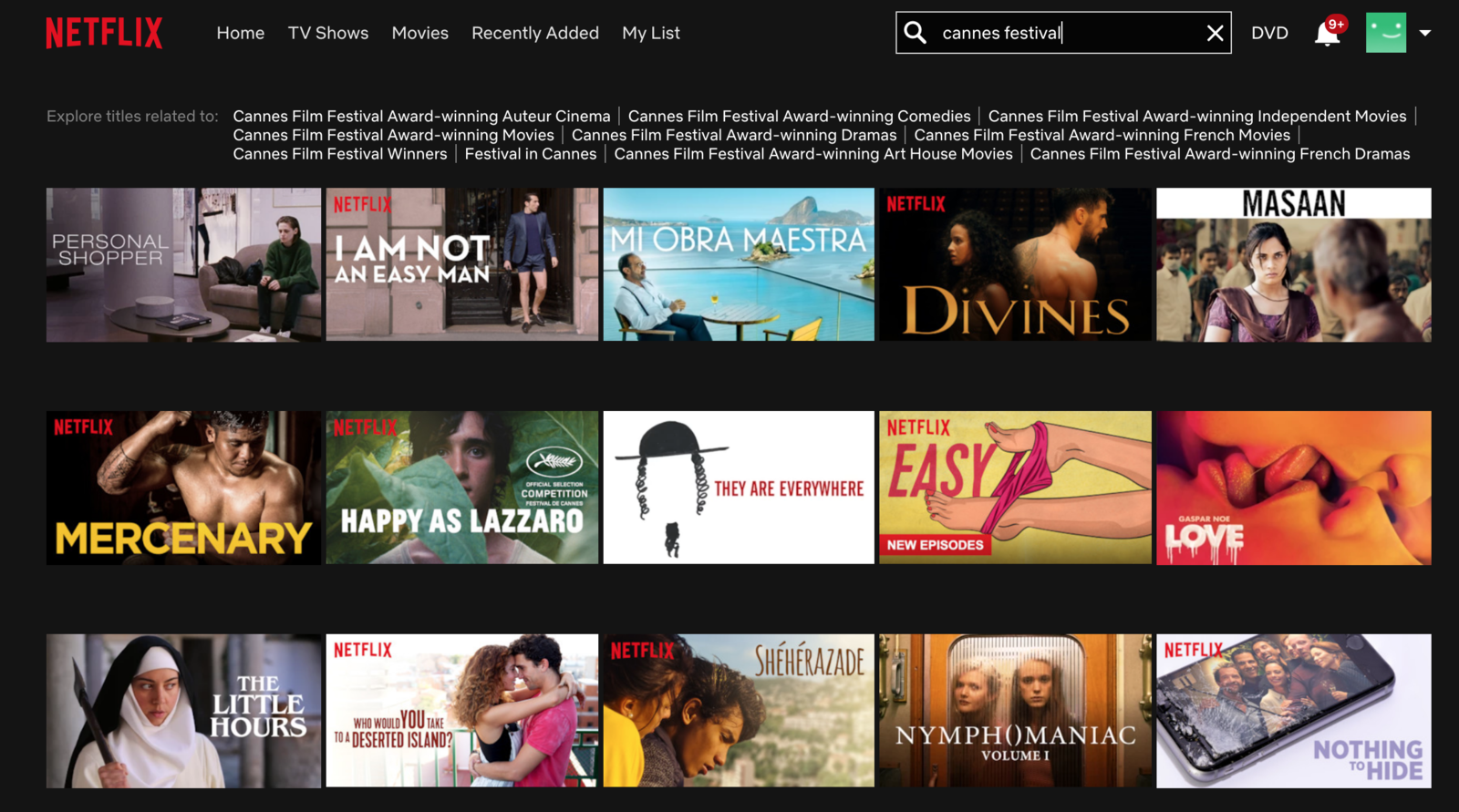
1. NETFLIX

Netflix Has 45% Fewer Movies (and 400% More TV Shows) Than it Did in 2010 - TV[R]EV

Netflix is an entertainment app that has an unlimited list of movies and sitcoms. The app can be used to connect to any TV and gives a high-definition experience to the viewers. This has completely changed the satellite TV game and has won the market. By revenue, Netflix is the world’s 10th largest company.

2. TED

TED - Apps on Google Play

TED has over 1400 videos that have inspired millions of people in the world. The videos on this app can be accessed from any mobile device. TED also has its own radio that runs on demand. The app has videos from various successful people who give their best life advice on this platform.

3. BOOKMYSHOW

BookMyShow Rejigs Leadership Team - BW Businessworld

Bookmyshow is an app that lets you book tickets for movies, concerts, stand-ups and theatres in India. It will also tell you about the upcoming shows according to the location that has been set. Almost every Indian uses this app to conveniently book tickets online to avoid the rush at ticket counters.

4. SPOTIFY

How Well Does Spotify Know You? - Digital Innovation and Transformation

Spotify is a music service app that allows you to legally listen to music and save many of them offline as well. With a user base of 24 million, this app is trending in the music section. You can browse through songs as per artists or genres. The recently updated app allows you to save up to 3000 tracks offline.

5. 9GAG

9GAG: Go Fun The World

9gag is a Hong Kong-based company. They run an application based on their web content that allows users to upload funny videos, GIFs, and images that are user-generated. The app has more than 10 million downloads on Google Play with a 4.6 rating. 9gag has seen a huge rise in its base audience since it launched its own mobile app in 2012.

How Have Mobile Applications Revolutionized the Entertainment Industry?

1. Tracking the trends

Tracking The Trends In Globalization | BizEd Magazine

The primary way mobile apps transforming entertainment is through making trends tracking easy. When social media wasn’t around, tracking the trends was quite difficult. But ever since social media got a grip on society, there is a new trend every day. Multiple social media applications have one complete section dedicated to the most trending topics on the application.

When it comes to the latest movies, games, music, and series, entertainment apps keep them on the top or trending section of the app so that users can learn what’s liked by the majority.

Entertainment is no more limited to time slots and closed doors. It is now available anywhere, anytime, and for anyone. Media software development companies are working progressively to improve the user experience by optimizing the applications.

2. Spreading and gathering information

Immunizing the public against misinformation

Applications like Facebook, Instagram, Twitter, etc. have become a great source of authentic and detailed information. From the latest news to life hacks, everything is available on these applications.

Entertainment app development is done keeping in mind that the users can exchange every form of media and information on the platform that is authentic and useful.

Youtube is another platform for sharing information through creative videos. There are multiple Youtube-based news channels, travel vlogs, and classes for the audience.

3. A Complete platform

Top four platforms for entertainment on the go- The New Indian Express

Entertainment applications are capable of forming a whole new platform for movies, music, gaming, live streaming, etc. This opportunity has given rise to many artists to showcase their talent and create a follower base.

Earlier making videos, music, or developing games was only done by professionals because they had access to platforms that launched these products but now application development is not as complicated as it used to be. Many platforms even pay the real talents for the influencing work they do.

4. Promotion Capabilities

A mobile app for the entertainment industry can prove to be an efficient method of promotion of an entertainment agency or of influencers looking to make it big in the sector. The fact that the majority of the people are always on their smartphones, the chances of high engagement with the app and in turn the brand is very high. Entertainment marketing is one of the easiest ones in the app industry to make popular – especially since the celebrities who are a part of the content on your application do half of the work of making your app popular among their fanbase.

Now that you have looked into the reasons that make mobile entertainment apps a right move for the media and entertainment industry and the popular entertainment apps, let us now look into the features set that are present in all the different types of entertainment industry incumbents.

Feature-set that Makes Entertainment Apps Engaging

1. Content flow

Entertainment applications have allowed the easy flow of content throughout the globe. Any creator can put their content on these applications and receive attention from audiences from all over the world.

One such example is Quora. An app that allows you to answer multiple questions as well as ask questions yourself. Another application is Wattpad which has given a platform to writers so that they can publish their books, journals, or short stories.

Other entertainment applications have allowed the free flow of content such as articles, blogs, videos, etc. Reading interesting content on the go is a facility that mobile applications provide and the users’ demand.

2. Gaming and music

The Crossover Between Music and Gaming – perunegro.org

Gaming is the most popular section in the entertainment industry. Not only have mobile applications made it possible for players to carry their games in their pockets but also have enabled real-time multiplayer options so that gamers can play together from all over the world.

This feature connects many players around the world via the internet and even has features like chatting and voice call. This is how mobile applications are reinventing the gaming experience. Even if your entertainment application is not a whole and sole gaming application, you can still use the feature to make your app experience more immersive and engaging. In fact, shareable micro games can be a great way to make your app popular in the market.

Music was only limited to cassettes, radios, and websites but not anymore. Applications like Spotify, Wynk, iTunes, etc. have given the opportunity to the audience to choose to listen to any music, anywhere and anytime. Some of these apps have free access to music as well.

3. Engagement features

Entertainment apps attract a huge audience because of their interesting features, type of content, and curiosity in each other’s life. The most-followed people on applications are celebrities since they have a huge fan base.

Mobile applications give fans a chance to interact with their idols and also keep a track of what’s going on in their life. This also helps businesses interact with their customers and attend to their needs and demands.

Engagement is the most important feature of entertainment mobile applications. Features like push notifications make it extremely easy for the users to remain updated on the new content launch on the application, in addition to any change in their subscription status.

4. In-app purchase capabilities

In-App Purchase - Apple Developer

In-app purchase features tend to be one of the most important feature sets of an entertainment application. Your users should be able to start, modify, or stop their subscriptions from within the app through the app of a secure payment gateway that has been designed to keep their financial information secure.

5. Social media integration 

One of the most common ways people find the next content to stream is through social media posts. This implies that in addition to having a solid social media campaign, you should also give your users the functionality to share the content that they like on their social media channels along with the provision of tagging your brand.

When integrating social media, it is extremely important to ensure that you make the experience as seamless for the users as possible  – meaning in your entertainment apps for mobile don’t ask them to log in multiple times simply to share the content online.

6. Content moderation facility

With history as our witness, even the most popular of the entertainment apps have come under scrutiny for posting content that hurts viewers sentiments. To safeguard your users’ interest, it would be beneficial to have a content moderation practice in place that would ensure that nothing pirated or hurtful gets live on your application without raising a red flag within your application.

7. Intuitive search functionality 

This Trick For Movie Lovers Will Change The Way You Use Your Netflix Account

What separates an average entertainment application from the one that ranks on top in the stores in the intelligent search functionality. Talk to your media and entertainment app development company in the USA about the integration of artificial intelligence addition in the application. This would help you give your users recommendations on what they should watch next – on the basis of what people who viewed the content they did watch next.

Future of Mobile Apps in the Entertainment Industry

Mobile phones are used for more than just calling. It has become a source of information, a necessity, and something without which human life doesn’t seem to be easy.

Applications are literally solving our daily problems from food to clothing to entertainment. Mobility is the future of technology and entertainment is going to be an unbeatable industry.

With all the information gathered so far, entertainment applications have a future that will bring them on the top, even beating the game applications. In near future, the mobile application economy will have more optimized apps and will rise to newer levels.

IoT, Augmented Reality, Virtual reality is all the features set to enter the entertainment apps development to enhance the user interface. One can only imagine for now what these latest technologies can bring to the audience and how fierce the competition is going to be for newcomers.

Optimization of your On-Demand App’s Performance

Alyssa Perez – Medium

The on-demand apps have made life easier for users and profitable for companies. The need for optimization for these apps has increased due to both – increased competition in the sectors and changing user overcrowding and now the users are looking for more features.

The on-demand economy has attracted startups, enterprises, and many investors as well. This shows how big the demand for such applications are. In this blog, you will learn all about how to optimize your on-demand applications to enhance its performance.

A glimpse into the on-demand app economy

On-demand applications are basically those that mediate customers with different service providers.

If you look into the on-demand economy statistics in depth, you will find a trend that has been on a rise ever since the inception of Uber and has, till date, never backed down. While the future of the sector has a similar story to share.

This growing demand for on-demand apps has not just brought an increase in competition (risk of failing) but also in the number of list of the sound on-demand app development company.

Since the domain is crowded with applications that fulfill all kinds of needs of customers, if one wants to stand out, their on-demand app’s performance should stand out as well – An aim which can only be achieved by optimizing on demand app development services.

Why should optimization of your On-Demand App be done? 

Optimization of app brings many benefits with the process – the reason why a sound mobile app development company suggests you optimize the app from time to time.

To understand the needs and demands of customers and fulfilling it will help in gaining a regular customer base. This also creates a positive image for the company since the services will always be changing with the changing market trends.

Following the On-demand app development process with optimization, makes revenue generation an effective and efficient process. The customers will be interested in the quality of services and word of mouth will quickly multiple audiences.

Apps that have Perfected On-Demand App Optimization

By now it must be clear why you should optimize your apps so as to stay on the surface in the sea full of apps. Let’s look at some of the on-demand apps that have their optimization game, on point:

UBER

Earn Money by Driving or Get a Ride Now | Uber India

Uber took the needs of the market very seriously and decided to provide ground transportation to the customers. It wasn’t until Uber that many such services came into existence. Ever since competitors have entered the market, Uber increases the engagement with its customers to cater to their needs which will keep them ahead in the market.

NETFLIX

Netflix - Review 2021 - PCMag India

With the Internet being the most significant source of entertainment and information, Netflix decided to present a platform for the users which they can access anytime, anywhere and watch anything with just an internet connection. Netflix gave flexibility to its users and is preferred more than television now.

POSTMATES

News Analysis: Uber Eats Postmates for $2.65B | Constellation Research Inc.

Postmates is a food delivery app that is used by workers who are too busy to go out for lunch. The app, presently valued at $1 Billion, is used widely mainly by the millennials’ demographics. They analyzed the need of workplace eating habits and used an app to connect workers with more than 7000 restaurants.

Now that you have seen what sets these companies apart, it’s time to look into ways you can join the league:

How to Optimize Your on-Demand App?

Increase engagement to keep up with the competition

Most companies fail to understand that engagement is crucial. If the companies fail to cater to the needs of the market, they will lose to the competitors.

Interaction and engagement is the best way to keep a track of the changing needs. It is advised to keep regular interactions with the target audience on to understand what they are expecting. This will also help the companies stay ahead in the game and improve overall image.

Apart from this, staying regularly connected with the existing customers is also important. This will increase trust and will help in improvements if any.

Maintain mobile app efficiency

How to Improve Mobile App Performance and Why It's Critical

By regularly improving and updating, an efficiency of the application increases. Bug fixes, re-designing and adding new feature can make the app more attractive. This will gather the interest of the users.

The user experience should be excellent and this can be done by fixing any issues users are complaining about, designing aesthetically and adding the latest features.

Constant monitoring and updating with simple and understandable features will be more beneficial than a complicated app. While designing and strategizing application the MVP should be kept in mind.

Simplify the value chain optimization

To ensure customer satisfaction, features and user-friendliness, amazing UI designs is necessary. The value chain must be well optimized to attract huge end users and retain them.

This concept entirely depends upon user convenience and the accuracy of application. The gap between the booking of service and delivering of service should be kept as less as possible after all the users chose the app for the same reason. The aim should be to make efforts to simplify the value chain to succeed in the end.

Keep pricing and marketing strategies flexible

Dynamic Pricing: Benefits, Strategies and Examples : Price2Spy® Blog

Uber follows a pricing strategy that is highly flexible and depends on the demand for the service. This allows them to generate constant revenue when the market is blooming as well as when it’s not. The concept of flexibility in any business model should be added to keep up with the changing market.

The demand is always fluctuating so the marketing should be done accordingly. This will also help in dealing with competitors when it comes to the substitution of services.

Evolve the WAN delivery continuously

The WAN delivery should be constantly reinvented because the delivery of goods depends on it. There can always be a change in the demand so it becomes important to keep up with the requirements.

WAN is the traditional way of delivery and has been replaced by cloud computing models but there are still many app developers using WAN delivery today. This shows how easily technology changes and that is one of the reasons it is advised to change with the changes in the market.

Use few small servers instead of a single big one.

A load balancer can be used with small servers to improve the performance of the app. When one big server is used the data takes time to be processed which increases the response time. If several small servers are used with a load balancer, it makes data flow easy and the balancer distributes data faster to the right server.

The load balancer has the function of preventing overloading of data in a single server and evenly distributing. The load balancer helps in terminating SSL, caching static files and supporting HTTP/1.x and HTTP/2.

Cache your data

Five Signs Your Cache-Based Database Architecture May Be Obsolete

Caching data is a method of storing the data that has been used frequently so that when it is needed the next time it can be retrieved from the storage memory instead of generating a new data again.

Caching the data can reduce some load from the server and also help users access files that they haven’t stored in their browser cache. This prevents an unnecessary transfer of data across continents by saving the once accessed files in a nearby server.

Cache also reduces load time by bringing the data physically close to the users. This is done by evenly distributing data among proxy caches.

Use data compression

Data compression helps in storing data in fewer bits than the uncompressed version which in return improves the performance of an application.

The use of compression standards such as mpeg4, jpeg, png, and mp3 is the first step one should take to prevent the slow performance of an application. These standards compress large data and make transfers easy and fast. Data compression reduces storage space which results in faster performance of an application.

You can also use compressors to reduce text contents like HTML, CSS, and JavaScript.

Monitor your work

Monitor your employees work time activities with OgyMogy spy app

The work doesn’t finish after an application is developed. Proper and regular monitoring of application is very important to attend to necessary changes. As said before, the market keeps changing and so does the customer demands and needs.

The users expect the new changes to be added to the applications and hence monitoring becomes a routine job. Monitoring the work closely will also help in the immediate fixing of any glitches that may have caused due to servers or database.

Monitoring the data should be done in real time to observe the issues while fixing them. It also prevents slow server or weak server connection. The routine monitor of work will help foresee any issues that may occur.

SSL and TLS optimization

WordPress HTTPS, SSL & TLS - An introductory guide | WP White Security

Google has placed SSL and TLS as a high ranking criterion. SSL and TLS are used to transfer data securely and privately between the web browser and web server. Its primary goal is security while transfer of data between two networks.

These protocols are likely to slow down and speed up the performance that is why optimization becomes important to enable functioning at high speed.

Some ways of optimization are OpenSSL, session caching, session tickets, running on standard commodity, IDS, etc.

These are not the only ways to optimize your on-demand app performance but these are some of the most important and basic ones.

The main aim should be to cater to as many customer needs as possible and to do that the above points can be used. A user judges an app and the business by the performance and responsiveness thus these two points should be kept in mind at all times.

Time to Bust These Enterprise Application Development Myths

5 myths of enterprise app development in a mobile-first world - Information Age

For any business to run smoothly and efficiently, there should be a mechanism through which it can handle the tasks like distribution, customer support, email-marketing, CRM and many more. Nowadays Enterprise apps are the most efficient solution to accomplish these tasks.

Besides streamlining the business processes, there are a number of purposes that investing in Enterprise Application Development solves – bring the whole team in sync and updated with the progress of a task, enabling real time secure chat platform, giving the employees a platform to save all the consolidated reports, amongst others.

Enterprise mobile apps are the need of the hour and it provides the best and the easiest solution to the most complex issues that arise in any business. But still, there are a few myths surrounding enterprise apps that prevent the companies from the implementation of the same. Even when enterprise apps have given the corporate world enough reasons to incorporate them into the everyday work process.

Before we move on to looking at the myths that surround the Enterprise App Development industry, let us first look at the reasons that make them irreplaceable.

Reasons Why Every Business Needs to Invest in Enterprise Mobility Solution

  • Enterprise Mobility Application Improves Efficiency and Productivity
  • Enterprise Application Development is a Boon for On-Field Employees
  • Enterprise Mobility Solutions Tend to Uncover New Business Insights
  • Enterprise Apps Make Job Management A Lot Easier
  • Enterprise Application Development Services Optimizes Field Service
  •  Enterprise Mobile App Provides Real-time Data Sharing

To summarize, it is the increased work efficiency and better streamlining of work processes that has brought in a high demand for enterprise mobility providers. When you look at the before and after picture of a business that didn’t have an Enterprise App earlier and the successful turn that the business took after, you will find a striking difference.

Here are some statistics that highlight the changes that businesses have witnessed after getting an Enterprise app with the help of a partnered mobile app development company.

  • 17.53% rise in ROI
  • 18.32% surge in employee satisfaction
  • 19.74% internal communication was improved
  •  21.2% rise in the employee loyalty count

Even after seeing the results of an after-enterprise app business scenario, there are businesses that still hesitate to look into this mobile app development guide and get their own Enterprise app developed by the best app partner.

And one of the biggest reasons behind them shying away from making the investment are the myths that surround the app development industry or sometimes even worse – Make businesses take wrong decisions, which takes them even farther away from reaping the app’s benefits.

Let us now look at what those myths are and what the reality is.

Enterprise Application Development Myths and Facts

Myth 1: The End Users Come at the End

5 Ways to Characterise Potential End-Users - QATestLab Blog

The Reality – A business that is aiming to develop an app that solves difficult work processes, needs to keep the end users in the loop from day one.

Only after discussing with your team what they are looking for in a solution, will you be able to give them what they want?

In addition to that, you will have to keep them in the loop to ensure that the functions of an enterprise application that are getting added in the app or simply the process flow that is there in the app is in line with their comfort level.

Myth 2: Enterprise App Development is a Costly Affair

How Much Does it Cost to Develop and Build an App

The Reality – It depends entirely on the business requirement. It is not just about the Enterprise App Development, the factors on which mobile app development cost is estimated is the same across all categories.

So, it entirely depends on the complexity of the features that you are planning to add in your enterprise application.

Myth 3: Having an Enterprise App is Not Important

5 reasons for having an enterprise app store | ZDNet

The Reality – The corporates that believe having an Enterprise app is not important, fail to understand that CORP, BYOD are some of the mobile revolutions which are not going to stop any passing day.

The right enterprise solutions are less about user preference and more about a medium to increase the bottom line productivity. The absence of mobility not just hinders the potential to bring the business on a success track but also restricts the competitive advantage count.

Myth 4: Enterprise Apps Are Not Safe

Reality – Gone are the days when having data on mobile was equal to keeping your data out in the open to be hacked and stolen. In the present time, mobile app development companies incorporate a number of different security measures in the whole app creation process, which ensures that the enterprise mobility solution is hack proof.

Modern day enterprise app development company incorporates disruptive technologies like Blockchain in their apps to ensure that the app is impossible to hack or be infringed without anybody knowing.

Myth 5: More the Features Greater the App Success

Key Features of a Successful Mobile App Nobody Told You About!

Reality – While it is true that the current mobile app market has become partial towards Super Apps – the one that has multiple functionalities to cater to a whole plethora of user needs, the same DOES NOT apply for Enterprise apps.

When it comes to investing in Enterprise Android app development or iOS application development, the success of the app category depends on offering limited features which hit upon very precise employees’ problems.

So, when thinking about the features, try and make sure that they are very limited and that you are not making the experience difficult for the users.

Myth 6: Enterprise Apps Cannot be Linked with a Legacy System

Legacy System Modernization: Your 101 Guide to a succesful migration

Reality – The time when mobile apps could not access the backend systems such as Oracle, SAP, MySQL etc without the presence of any API is long gone.

Solutions like enterprise level mobile backend as a service (MBaaS), makes it a lot easier for the apps to view and connect with the Legacy systems. The coming of MBaas has even solved API infrastructure concern to a great extent.

Myth 7: Enterprise Apps Need An Extra In-house Infrastructure Setup

On Premise vs. Cloud: Key Differences, Benefits and Risks | Cleo

Reality – The most common belief that businesses will only be able to incorporate enterprise apps in their work process when they have an infrastructural support is NOT true.

The apps providing enterprise mobility solutions are usually installed into the employees’ phones, which eliminates the need to install any infrastructural setup.

Myth 8: Can Only Be Used by the Millennials

The Customer Service Experience for Millennials and Gen Z | CommBox

Reality – This is the one myth that keeps most of the established corporates away from taking the advantage of Enterprise Applications.

But like all the other myths, this one is equally baseless as the mobile app design standard has evolved to a great extent. What was once focused on 18 – 40 years demographics, has now switched the bases to 5 to 80 years demographics.

Myth 9: Only Coding is Involved

When Coding Is Criminal | WIRED

Reality– It is commonly believed that developing a successful enterprise app depends only on coding. In reality, coding is only the fundamental prerequisite, but to design and develop an enterprise mobile app, you would obviously need a unique idea or plan, designs, graphics, and user experience, all of which requires a specific experience and expertise.

Myth 10: Enterprise Apps Need To Be Complex

Enterprise Apps: Too Complicated for Mobile Workers

Reality– It is one of the misunderstood myths of enterprises app development that these apps have to be complex. The idea is to keep it all basic, so that users do not face any problem or discomfort at any point. On the off chance, if you are just beginning the development process then you need not dump everything in your application in one go. All you have to do is to develop the simplest version first, and then catch up to the entire gamut slowly.

The most ideal approach to do this is by outsourcing to development companies or opting for the companies in your area with expertise such as enterprise app development services in USA or enterprise mobile application development company in New York or California etc., and let them build just the right app for you and your organization.

Myth 11: Expensive Graphics with Higher Rates

Running WSL GUI Apps on Windows 10 - Microsoft Tech Community

Reality─ As we are aware that the mobile app relies on graphic design, it doesn’t mean your app will get downloads by a large crowd and will get a high rate. With this, one requires to sum up the success rate of the app, for example, simplicity, user experience, functionality, and efficiency. If by any chance the app doesn’t fulfill the purpose, thus, it is important to work on UI/UX design and navigation of an app.

Myth 12: Advantages for Only B2C Apps

3 Key Advantages of B2C Mobile Apps

Reality─ With the number of smartphone users steadily growing, it is better to invest in mobile apps. Regardless of how your optimized mobile site is, it can be hard for the user to explore menus on a small screen. The smooth and predictable navigation offered by mobile applications is undeniably better than mobile-optimized websites. The expense of building a B2C mobile application can be lesser however the ROI of a B2C mobile application is higher.

Wrapping Up

So these were the 12 Myths that are keeping corporates from investing and getting the benefits of enterprise applications. With these busted, it is time to get your enterprise app developed and avail the profits that come attached to it.

If you are still confused or have questions, then it is better to consult with a reputed enterprise mobile app development company or contact us with your queries.

JavaScript Frameworks for Frontend Development-Guide

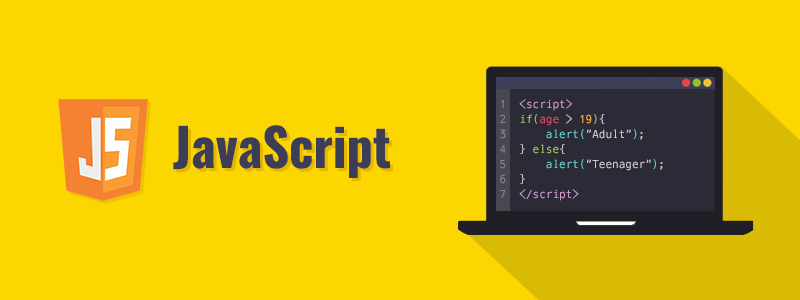
JavaScript Tutorial - An Ultimate Guide for Beginners

Backend and Frontend – The Two Foundational Components of Native Mobile Apps and Web Apps. While the former fuels the app, the latter defines how the app would act when in users’ territory aka on users’ devices.

While we have already covered the factors that power the Backend development of robust apps in article before, in this article we would be looking into the Frontend Development, especially JavaScript Frameworks, at great lengths.

There was a time when a website or a mobile app was made of simple static text site with little scope of interaction with other websites and apps. And the only scope of innovativeness came from minimal animation that hovered on the screen. That was the time of HTML and CSS.

But today, ever since the advent of JavaScript Frameworks, the scenario has changed. Today’s web apps play videos, interact with other apps, fill out forms, and do everything that makes it enough for users to remain invested without refreshing the page.

Seeing the advancements that the Top JavaScript frameworks have introduced the Frontend Development world with, a number of other languages/technologies have started flourishing.

The Options Businesses Have When it comes to Frontend Development of Web Based and Native Apps

When it comes to Frontend Development of Mobile Apps – Native, Web Apps, and the new App type that Google wants you to know about – Progressive Web Apps, there are a number of different technology options a business can choose from.

I know the article is to talk primarily on JavaScript Frameworks, but it is only fair to touch bases upon the other options that you have when it comes to Frontend Development of Web Apps.

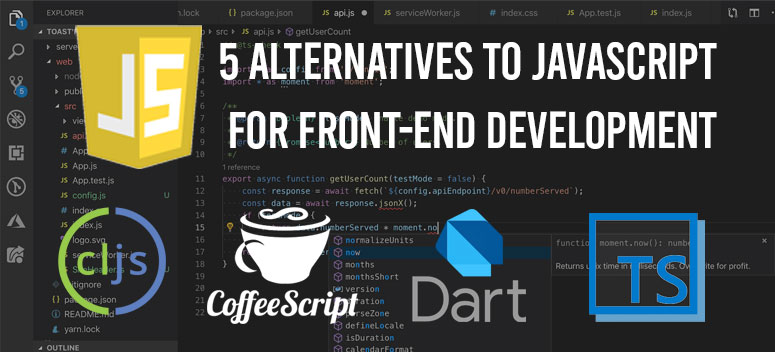
Here are the Top JavaScript Framework Alternatives that are worth paying attention to –

The Most Popular JavaScript Front End Development: How to Choose

JavaScript or no JavaScript, the Frontend Development Industry has a lot to look forward too.

Frontend Development Trends 2019

Advanced Chatbots

Most Advanced Chatbot Apps Powered By Artificial Intellect | by Dmytro Brovkin | Chatbots Life

The conversation based User Interface on Mobile and Websites is the number one trend of Frontend development of the present time. It is estimated that by 2020 85% of the customer interaction with a business will involve zero human involvement.

Motion UI
How Motion UI/UX Helps to Increase Attention Span of Users | by Ajay Kapoor | UX Planet

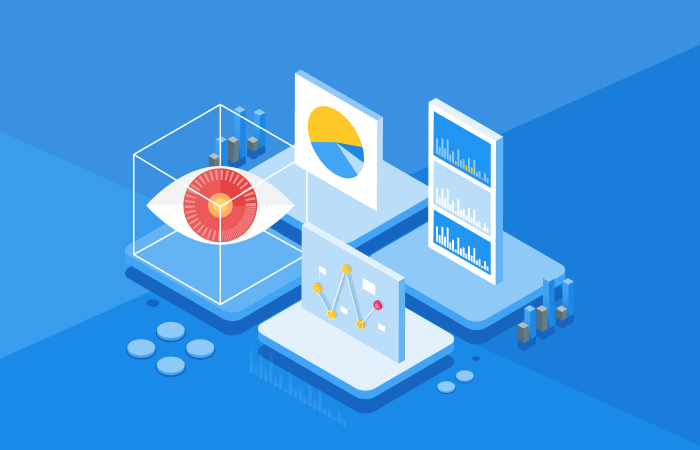
While material design would still reign superiority when we talk about interface design, the  incorporation of motion UI would breathe life into websites and mobile apps.

Prepared to catch user’s attention and to deliver information, the motion UI elements like  hovers, animations, modular scrolling, and page header transition can become the differentiating factor between a seamless and passable user experience.

Evolution of JavaScript

evolution-of-javascript - Surveying Group

Javascript is unquestionably the most famous languages used by the developers, which gives it a high position among the frontend developers, full stack developers, and the backend developers.

With the presence of scalable Javascript frameworks like Node.js and React.js, and the powerful package managers like NPM client and Yarn, Javascript Frameworks continue to be the primary technologies when we talk of frontend development in 2019.

Did you see how the ‘evolution of JavaScript’ has found its place in the list of Frontend Development trends?

Doesn’t it make you wonder…

Why JavaScript?

As we saw a few minutes back, there are in fact a number of alternatives that businesses have when it comes to technology to base their Frontend Development on. However, in spite of that, it is JavaScript that continues to witness mass adoption and there are valid reasons supporting the kind of growth that JavaScript Frameworks are getting. Let us look into a few of them

Why are Businesses, like us, Opting for JavaScript?

It is on Every Platform

Android vs iOS vs Windows – SK Info Techies

JavaScript Framework is present and used across a range of different platforms, in fact it is on every platform you can possibly imagine – Browser, Mobile, IoT, Desktop Apps, and a lot other.

Acts as the Best Foundational Language

Once you learn JavaScript, learning other languages becomes a piece of cake.

Can Handle Complexity

LinkedIn integration — amoCRM

The majority of world’s most popular websites like Paypal, Netflix, and LinkedIn, amongst others, work on one or other form of JavaScript Frameworks.

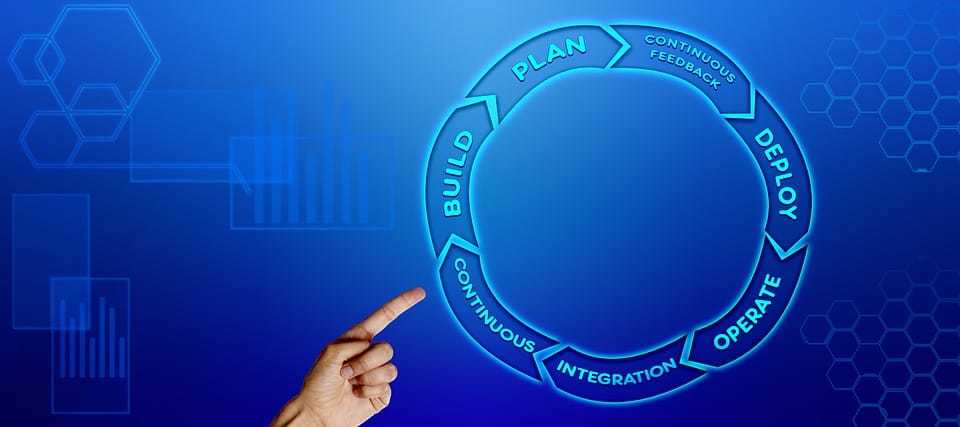
Faster Debugging = Faster Deployment

How To Deploy Faster With Fewer Errors Using DevOps Automation

Unlike other languages, JavaScript comes with the facility of feedback loop. Because it is built on browser, one can run the code and get instant results.

Reasons such as these and many others are enough for establishing JavaScript as a popular language – The one that is can be used in many different situations and many different platforms, with ease.

Because of the popularity and ease that comes tagged with JavaScript language, a number of frameworks have now found a place under the JavaScript umbrella with many other being developed to become a part of the family.

All in all, currently there are over 50 different JavaScript frameworks that can be used for the Frontend development of Mobile apps and when you add the web specific frameworks, the number grows by manifold.

With over 50s of JavaScript Frameworks used in the market, it is in fact difficult to come to a conclusion as to which Frontend Development frameworks would come out to be the best.

While different businesses would have different set of preferences when it comes to choosing a Frontend JavaScript Framework, at Anteelo, we focus our efforts on these Four – Angular framework. React. Vue. Node.

– The Fantastic Four –

Angular.js. React. Vue. Node

React vs. Angular vs. Vue: Which Should You Choose? - YouTube

Node.js - Wikipedia

The Reasons Why we Choose Angular.js, React, Node, and Vue for Frontend Development

Popularity – All the four JavaScript Frameworks are popular in the web and mobile app development industry and because of this popularity, they have the back of a strong developers’ community, which makes issue redressal a fast process.

Flexibility – Straight from Angular Framework and React Framework to Vue and Node, all these frameworks are used for the development of mid to high complexity level apps.

Ease of Adaptability by Developers – As compared to the other frameworks, these come with a comparatively lower learning curve, which makes the mobile app development process much faster.

Experience – We have developed over 100s of Mobile based apps using these top JavaScript Frameworks, giving us an in-depth idea of how they work.

Let’s take a look into them at much length –

Vue.js

Reverting Vue.js Form Changes - Client Resources, Inc.

If React Framework and Angular.js ever had a baby, it would look like Vue.js (not logo wise but features wise). The brainchild of ex Google employee Evan You, Vue.js has somehow managed to become the competitor of all three prime frameworks: Angular Framework, React.js Framework, and Ember Framework when it comes to Frontend Development – becoming the op JavaScript Framework in the process. Even without the support of any hot-shot tech name, the brand has been able to become really popular among the developer community.

Vue.js was conceived with the sole aim to make the interface development organized and simpler. And it does it so perfectly that it is now deemed ideal for the development of lightweight apps.

Acting as a legitimate child of React and Angular, the JavaScript framework shows features that are the best of both – While on one hand, it offers two-sided data binding facility of Angular Framework, on the other, it provides server-side rendering of React Framework.But then, like all things seemingly ideal, Vue.js also comes with its share of pros and cons.

Here they are

Pros –

  1. Rapid Adoption. In only a few years since its launch, a number of businesses have started making Vue a part of their tech stack.
  2. Low Learnability Scale. It is easier to get acquainted with the framework as compared to Angular JavaScript Framework.
  3. Rendering Support is Declarative
  4. Easier Integration with HTML Elements

Cons –

  1. Since it is a new project, there is still a lack of resources
  2. Relatively smaller community support, especially when compared with Angular.js and React Framework

Angular Framework

Angular (web framework) - Wikipedia

The one thing which all us developers agree with is that Angular JavaScript is the one framework that has the capability to powerful web applications Frontend Development.

Angular.js is a full featured JavaScript framework that comes with a series of business benefits such as quick production of code, convenient testing of app part, and the two-way data binding, which helps in reflecting the changes that happen in the backend immediately on the User Interface development.

Angular Framework keeps coming out with updates on a regular basis like Angular.js 6 comes with an improvement in the rendering engine for smaller and faster applications.

Even when hundreds of businesses are adopting Angular Framework, and it has set a dominating position in the Angular vs React.js framework comparison globally, there are some evidential pros and cons that come associated with this JavaScript Framework too –

Pros

  1. Material Design and PWA Support
  2. Stable long term support because of Google backing
  3. Two Way Data Binding
  4. Mobile focused approach to Web Development

Cons

  1. Apps developed in Angular Framework are notoriously famous for drawing device’s battery
  2. Needs more Optimization to tackle the present low performance issue
  3. Comes with high learnability scale

React Framework

We should know some core words of React.Js library. | by Mohammad Shaif | Medium

Backed by Facebook and Instagram, React Framework has become the most used/ top JavaScript Framework of the present time with over 1,000 contributions present on GitHub using it for Frontend development. Because of the use of a virtual DOM, the React framework provides a better performance boost to apps as compared to Angular.js.

Used by over 38% of the developers, worldwide, React.js. compared to other JavaScript Frameworks, has also grown to become the first choice of a number of prime businesses like Netflix, Paypal, Flipboard, and BBC, amongst various others.

Now, there are indeed a number of reasons that businesses like ours and WhatsApp swoon over React Framework usage in Frontend Development, but Flexibility is what tops them all. And the JavaScript framework stands true to the hype it has been able to create around its upper hand in developing Mobile Apps with advanced user interface.

Nonetheless, the framework, like the others, do not come sans advantages and disadvantages. Here are its pros and cons –

Pros

  1. Good set of Documentation and Online Resources
  2. Possibility of Server Side Rendering
  3. Easy Component Model
  4. Fast, Efficient, Flexible, and Small Sized

Cons

  1. It is essential to have Build Tools
  2. The chances of framework being incompatible with the other libraries and code that modifies DOM are very high
  3. The learning curve can be a little higher

Node.js

Node.js - Wikipedia

Node.js has over time become the top server side JavaScript Frameworks.

The idea behind Node.js is using event driven I/O to help remain efficient and lightweight at time of development of data intensive real time apps, which operate across a series of distributed devices.

The top server side javascript framework helps in building fast and scalable network applications, as it is capable of managing huge number of connections through high throughput – which ultimately brings out greater scalability.If you are looking for a fully featured JavaScript Framework environment with the presence of all the tools, Node.js would be your right option. In fact the popularity that Node.js is getting is making it one of the top JavaScript frameworks. Bringing it steps ahead in comparison to PHP and Golang.

I am sure by now you must have become acquainted with the drill. So, keeping up with the trend, here we go –

Pros

  1. The non-blocking IO ecosystem lets developers process multiple requests simultaneously
  2. Node.js developers community is extremely active, meaning access to ready solutions and codes in GitHub
  3. Made JavaScript full stack. Before Node.js, the platform was solely used for the development of client side.
  4. The one of the most popular server side JavaScript frameworks, Node is opposite of restriction. It lets you build every element of the app from the scratch.

Cons

  1. There have been instances of Node API instability
  2. It still does not support multi-threaded programming, which means it is not ideal when performing long running calculations, which ultimately leads to a decline in app performance.

So here were the four Frontend JavaScript Frameworks that we swear upon everytime a project comes along for Web App Development.

Other than these four, there are 11 Frontend JavaScript Framework that we can see competing for a place in the list to replace them. While they will take some years to come at a position where Angular.js and React js Framework and Node, Vue have placed themselves, they are 100% in preparation of coming neck to neck with the Fantastic Four in 2019.

In short, the next 11 JavaScript Frameworks have now become too big to ignore. And it is time that we give them their fair share of limelight, so here we go –

– The Sidekicks –

Ember.js

It's easy to build an app with Ember.JS - Open Source For You

Used in designing of a number of complex websites like Kickstarter, Heroku, and LinkedIn, Ember.js comes with the support of a huge online community, continuous rollout of updates and lastly, a wide appliance of the best practices of JavaScript.Ember.js is ideal for development of complex web apps, and the string-based templating system that it comes with contributes to a much faster boot time.

The Frontend JavaScript Framework is also concentrated on scalability, so that the developers can easily work on both – mobile and web apps.

Next.js

Next.js - Wikipedia

Next.js is not your common JavaScript framework. The framework was launched by React js team as a tool for the server-side rendering. Developers working with the mix of Next and React.js can help simplify the frontend development process.The popular server side javascript framework comes with a set of remarkable features like page-based client-side routing and automatic code splitting. Above all, Next.js comes with full CSS support, known as styled-jsx, to help make the styling of user interface development a lot easier.

Meteor.js

Advantages of Meteor JS For Web/Mobile Development

The full-stack client and server side JavaScript framework allows swift Frontend development of the end-to-end web and mobile applications in JavaScript. Because of its modular structure, the libraries and packages are used at pace. In context of performance, every one of the changes that happen in database are then instantly transmitted to UI. Currently, the framework is used for real time application development of companies like Mazda, Honeywell, and IKEA, amongst others.

Mithril.js

Getting started with mithril.js. First of all what is mithril.js… | by Odohi David | Spankie's Blog | Medium

Mithril.js has a series of similar features as React.js. Mithril offers you hierarchical MVC elements and various safe-by-default templates that come with intelligent DOM differences that goes into checking of high performance rendering. The JavaScript Framework also comes with two very impressive features for Frontend Development – URL Routing and Customizable Data Binding.

Polymer.js

Community - webcomponents.org

The lightweight framework is designed to enable you to take complete advantage of the Web Components. Polymer has the web components which are a part of HTML standards that promise longer existence as compared to ReactJS.Polymer.js works best when you need to combine your app with other frameworks & platforms and when you need to work with JavaScript standards.

Aurelia.js

The Durandal Inc. product, is being advertised as a next generation UI framework. It is deemed to be one of the developer friendly and advanced front end JavaScript framework of the present time.The JavaScript framework APIs are designed for consumption not from just today’s needs but also from future web programming languages. It supports ES2015, ES5, ES206 and Typescript as well, which gives developers high flexibility.Aurelia also comes with an extensible HTML compiler, which lets the developers create customized HTML elements and take take control of template generation with the support of dynamic loading, data binding, and batched rendering.

jQuery

Is jQuery for You?. What it is, who should use it, the pros… | by Rachel Lum | Medium

The popular android app development framework, although old, but is still holding a prevalent position, and the 300k downloads that it sees everyday is a sign of it.

Even though the frequency with which updates were rolled out have been lowered immensely, a new version, v4.0 is planned with a series of changes such as –

  • Rewrite of the speed framework
  • Rewrite using the next gen JavaScript
  • All new event module design

Backbone.js

Backbone.js

The framework is one of the most famous one among the JavaScript Framework developers’ community. And the reason behind the popularity that the framework has been able to gather for itself are pretty straight forward – The framework comes with usability modules that are very easy to understand  and have an extremely simple learning curve. Using Backbone, you can make single page apps with the help of the traditional web libraries. They are developed on the idea that the server side functionalities should always flow via APIs as it minimizes the number of codes that should be composed for achieving the complex functionalities of sophisticated web app frameworks.

Socket

The client and server side javascript framework has been getting in a lot of attention from the frontend development community, making it one of the most popular JavaScript frameworks. Socket allows you to take advantage of a real time communication among the server and client. It is divided in two parts – client library running from browser and the server library that is built on Node.js.

Socket allows you to implement real time binary streaming, interactive set of document collaboration, instant message platform, and the real time stats of project and apps.

Titanium

The framework allows mobile app developers to create native apps with the help of web technologies like JavaScript, HTML, and CSS. It is one of the best JavaScript Frameworks  today with their apps being on over 460,587,474 devices and with more than 91609 developers working on it.

Knockout

Knockout.js Example | Knockout.js Development

The last JavaScript framework that we believe will hold its position of being a popular choice of framework is Knockout.js. The framework helps developers build rich and responsive display and an editor UI with clean underlying data model. Apps that have section of UI which update dynamically can benefit greatly from Knockout framework. There are three features that come associated with Knockout, which contribute to framework’s popularity in the frontend development domain –

Dependency Tracking – The JavaScript framework updates the right sections of the UI as and when the data model changes.

Declarative Bindings – The feature lets you offer complex and dynamic User Interface Development with the help of arbitrarily placed binding contexts.

Trivially Extensible – It lets you use custom behaviours as part of new bindings for convenient reuse.

So here were the 4 JavaScript frameworks that we rely on and the other 11 JavaScript frameworks that will be making a prominent appearance in 2019 along with the Fantastic Four.

Now coming to which one of the most popular JavaScript frameworks you should go with, when taking a decision, compare the architecture, performance, documentation, learning curves, community support, and organization.

These 15 Famous Apps Migrated from Java to Kotlin-Reasons

Java: How do I get along with Kotlin ? | by Ashwin S | AndroidPub | Medium

Google in its I/O 2017 Developer Conference announced that it will now officially base its Android App Development process on Kotlin – the language developed by the JetBrains team of programmers based in Russia.

The features that Kotlin comes powered with –  Interoperability with Java, Conciseness, and Android Studio support – were enough for Google to validate developing android apps with Kotlin, something that the tech giant continued to highlight in I/O 2018 by scheduling sessions on the Android new programming language.

Just days after the announcement of Kotlin becoming the official language of Android at the I/O 2017 developer conference, the programming language found itself in the list of top programming languages that will define 2018.

Between 2017 and mid of 2018 (the present time) the language has seen an exponential rise in demand from both developers and businesses. The realm report that surveys mobile app developers globally also found that 20% of the Android apps that were built on Java before the Google I/O 2017 conference, were then migrated on Kotlin. A movement that has brought in a surge in demand for Kotlin app development agencies.

In the October of 2017, we covered Kotlin in depth in one of our blogs, head on there to read the article where we dissected Kotlin and highlighted ways it is better than most of the other programming languages.

Taking what was started in 2017 forward, the Android industry in the present day is staring at the rise of the number of Kotlin based apps, with the portfolio consisting of a number of hot-shot brand names.

In this article, we will be looking at 15 companies that were using Java earlier but now use Kotlin, and this way, give you an idea of why it’s time for you to follow the lead to.

But before that, here are the business benefits that you can enjoy by focusing on android development with Kotlin.

What are the Business Benefits of Choosing Kotlin – The Official Programming Language for Android Apps

6 benefits of Kotlin for building server-side applications - DEV Community

1. Improved Code Maintainability Meaning Faster Development Time

When we compare Kotlin vs Java, we can find Kotlin to be more concise meaning it can solve more problems with fewer lines of code. It means that the engineers can read and change the code much efficiently.

There are a number of features that come associated with Kotlin, which make the language more concise – Smart Casts, Data Classes, Properties, and Type Interface.

2. Lower Instances of Application Crashes

Open source Android Apps written in Kotlin offer better security over those coded in Java. This is so because Kotlin averts the common programming mistakes in design, which results in lesser application crashes and system failures. Also, since Kotlin works on a fail-fast system, any issue that can lead to failure are reported instantly.

The fail-fast compiler that Kotlin comes with searches for bugs and prevent them from coming again.

3. Shrinked Codebase Leads to Easy App Maintainability

Android apps made with Kotlin calls for a lot less number of code lines as compared to Java, which ultimately not just saves the app development time but also the app maintenance time and efforts.

Apart from these Business Benefits, there are a number of advantages that come associated with Android Kotlin.

Seeing these myriads of benefits that Android apps made by Kotlin bring with themselves, the Android mobile app development industry has now eventually started moving to the adoption of Kotlin Programming Language. A move that has been bringing about a transition from Java to Kotlin.

Kotlin Developers that have made the switch from Java to Kotlin have realized a series of benefits that have also become the reasons why it is time for the android mobile application development industry to start making the switch.

Why is the Android App Development Industry Moving from Java to Android’s New Programming Language?

This is Why –

1. Mass Adoption

Even though Kotlin – the new language for Android Apps is a new entrant in the industry, there are a number of companies – established and new alike – that have migrated from Java to Kotlin to take advantage of the benefits that the language comes with.

*More on That Later.

2. Concise

Android mobile apps developed in Kotlin language are very concise. The resulting code of a Kotlin programming language reduces the total number of boilerplate codes, which enhances productivity to a great extent. Also, there is a lot less room of error, while the resulting code is a lot safer and reliable.

3. Better User Experience

Kotlin programming language makes your app a lot more stable by removing the bugs and reducing the instances of app crashes. And when your app is launched with these issue missing, the user experience only enhances.

4. Designed to Fail-Fast

This time around, Google has brought changes in its new programming language for Android Apps. They have made Kotlin fail-fast.

A fail-fast system immediately reports any issue in coding that is most likely going to lead to failure. When a problem emerges, the fail-fast system fails immediately, making it impossible for the Kotlin developers to move ahead with the mobile app development process.

5. Kotlin for Android is a Developer’s Retreat

Kotlin programming language, in its latest 1.4 release, has made the Android App Development process a breeze for the developers. The language now offers a new flexible Project Wizard for easy creation and configuration of varied types of projects, a new compiler mode known as explicit API mode that aids creating well-defined and consistent APIs, and much more.

All these benefits cumulatively have resulted in making Kotlin the answer to ‘What programming language are Android Apps Written In’.

The fact that Google has introduced free courses to learn Kotlin, will do wonders for the adoption rate. It is so much so that the probability of you using some apps built with Kotlin is extremely high.

Here are the 14 Android Apps That are Made Using Kotlin for Android 

1. Pinterest

Pinterest

The popular photo-sharing app, Pinterest is one of the biggest names that have used Kotlin for Android App Development. The brand officially moved from Java to Kotlin and showcased the benefits of the move at Droidcon NYC 2016.

2. Postmates

News Analysis: Uber Eats Postmates for $2.65B | Constellation Research Inc.

The on-demand food delivery app also recently shifted to Kotlin for its Android version of the mobile app. The reason for this switch from Java to Kotlin can be attributed to the fact that the language is famous for supporting high scalability and is known to be engineered around a fail-fast mechanism.

3. Evernote

Best Note Taking App - Organize Your Notes with Evernote

The note-taking and task organization app, Evernote has also joined the league of apps built with Java that has turned towards Kotlin.

4. Corda

Corda Partner Program. By Ricardo Correia, Head of Partner… | by The R3 Team | R3 Publication | Medium

Corda, the open source blockchain project that helps Blockchain app developers create interoperable blockchain networks is also based entirely on Kotlin.

5. Coursera

Coursera's Mission, Vision, and Commitment to Our Community | Coursera

The world-renowned online courses app, Coursera is also partially based on Kotlin. The app has millions of active users who use the platform to take courses on a range of different topics.

6. Uber

Earn Money by Driving or Get a Ride Now | Uber India

The global leader in the on-demand commutation market, Uber has also invested in Kotlin app development for Internal Tooling processes such as annotation processors and Gradle plugins.

7. Spring by Pivotal

Download Free png Spring Framework Logo - Spring Boot, HD Png Download - 1280x329 ... - DLPNG.com

The Spring Framework offers a comprehensive configuration and programming model for the development of modern-day Java-based enterprise apps – on every sort of deployment platform. The framework uses Kotlin to provide more concise APIs

8. Atlassian | Trello

Sync Jira with Trello | Atlassian Marketplace

While Trello is not planning to do a full code conversion of the old codebase, the new code that they are using is made using Kotlin. Since there is great interoperability between Java and Kotlin, the brand is able to work with both.

9. Basecamp 3

New in Basecamp 3

Basecamp developers have admitted witnessing a huge difference in code quality and speed ever since they made the switch from Java to Kotlin.

10. Twidere for Twitter

Twidere for Twitter/Mastodon - Apps on Google Play

Twidere is a full feature open source Twitter client app that customizes the theme, manages the unlimited accounts, and filters unwanted tweets. Developed in Kotlin, the app has been able to bag 100,000+ install rate because of its smooth performance.

11. Shadowsocks

Shadowsocks - Wikipedia

The secure cross-platform socks proxy helps user surf the internet securely and privately. The app with 1,000,000+ downloads on the Play Store also joined the list of apps made with Kotlin.

12. Simple Calendar

The ad-free fully open source calendar app is also amongst the Android apps made in Kotlin.

13. Kickstarter

Kickstarter

The app helps musicians, artists, designers, filmmakers, and other creatives find all the resources and the support that they would need to convert their ideas into a reality. With thousands of active users, the app is powered by Kotlin.

14. Square

Square Point of Sale - POS - Apps on Google Play

Ever since Kotlin was approved by Square for their Android Applications, the payment platform has become the evangelists of Kotlin for Android.

15. Gradle

Gradle - Wikipedia

Gradle is the custom build tool that is used for developing the android packages (apk files) by providing the custom build logic and managing dependencies. And recently, Gradle introduced Kotlin as the language for writing the build scripts in. Since Kotlin gives support for both IDEA and Eclipse, Android’s new programming language gives the Gradle users full IDE support for refactoring to auto completion and everything in between.

Get your app’s name added in the list, get in touch with our team of Android Kotlin experts today.

Now that we have looked at the benefits that come attached with developing apps using Kotlin and how their a number of hot-shot apps that are benefitting from this association, we have come to the end of the article where we will talk about the pointers that you should look out for BEFORE you plan to join the league of those famous apps by migrating to Kotlin.

What Do You Need to Know Before Migrating Your Java App to Kotlin?

A. Is your team ready to make the switch?

Shifting the development method from one programming language to another comes with a learnability curve. So, before you make the switch, ensure that your hired development team is adept and experienced in building Kotlin apps.

B. Is your app architecture made of loosely coupled components?

When you make a change in the programming language, it can result in deletion, creation, and merging of some artifacts and classes that make your mobile app architecture a mess. And the more loosely coupled your app components, the more difficult it would be to make changes and then test them.

Once you have ensured that both the pointers are in place, you no more have a reason to not turn your Java-based application into one of the finest Kotlin apps, like the app industry’s top leaders did.

EOS vs Ethereum: Which is the Best Smart Contract Platform

Ethereum vs EOS | Comparing Two of the Biggest Dapp Platforms - UNHASHED

Getting into agreements in a sans Blockchain world involves an active participation – which comes attached with a price tag – of intermediaries, something that in one way or the other limits the horizons a business can reach in terms of extending their business relations. Cut to the era of Blockchain. Blockchain, along with its sidekick Smart Contract enable businesses to develop a decentralized ecosystem that allows them to make agreements without the involvement of any third party intermediary – Ergo, New Horizons now comes into the picture for Businesses to penetrate in.

Although Smart Contract seems so have received its fair share of hype only after it came under the shadow of Blockchain Technology, the concept had already made its appearance twenty years ago when Nick Szabo, a cryptographer wrote an article about it.

So what are Smart Contracts exactly?

Smart Contract is a computer program that is stored inside a Blockchain. They are coded in a way to automatically control asset transfer between two (or more) parties, when the predefined conditions are met.

What is a Smart Contract Platform Supposed to Do?

Smart Contract Development Company India | SignitySolutions

A Smart Contract Platform is a platform which provides support for creation and execution of smart contracts. There are many names in the list of smart contract platforms in the market today – Ethereum, EOS, NEO, Hyperledger Fabric, Cardano, Stellar etc.

Out of all these platforms, today we will be focusing our attention on the oldest and most adopted – Ethereum and the new and hyped platform, which claims to be more efficient than Ethereum – EOS.

In this article, we will be comparing the two powerful platforms – EOS vs Ethereum – head on to fathom which platform has the potential to go farthest.

Both EOS and Ethereum are Turing complete Smart Contract Development Platforms that are leveraged by businesses for Smart Contract and Decentralized Applications Development. While Ethereum charges gas fees in form of Ethereum currency for allowing businesses to run their Apps or Smart Contract on their platform on per transaction basis, EOS charges some EOS cryptocurrency only at the initial stage and don’t charge any network development or transaction fees.

Ethereum

Ethereum cheat sheet: Everything you need to know - TechRepublic

Ethereum is an open blockchain platform that allows developers to build and execute Smart Contract on Blockchain. To enable blockchain app developers to implement smart contracts on Ethereum, the platform has launched its own contract oriented programming language called Solidity.

The platform uses the proof-of-work consensus algo, which it plans on upgrading to the proof-of-stake consensus.

Ethereum, aside from being the leading smart contract and decentralized application development platform, also has its Ethereum cryptocurrency platform called Ether.

EOS

What Is EOS?

The brainchild of Daniel Larimer (the name behind Graphene Technology and the first developer to have implemented the POS consensus), EOS platform works on a similar model like Ethereum but comes with a number of differentiating factors.

EOS makes it possible to process greater number of transactions on a per second basis than Ethereum. The platform, feature wise, is a lot more scalable and includes elements like sharding, plasma, and the comes with the benefits of the proof of stake (dPoS and TaPoS) consensus.

Like Ethereum, EOS has its own EOS cryptocurrency platform as well, named after the platform itself – EOS Cryptocurrency

With this, you are now up to speed with what both the platforms are and now (finally) it’s time to get on to what we came here for – to answer the question on every Blockchain enthusiast’s mind ‘EOS vs Ethereum: Who Will Win the Title of Best Smart Contract Platform’

EOS vs Ethereum

1. Design Philosophy

How to migrate a smart contract from Ethereum to EOS- The Cryptonomist

Ethereum

Ethereum has been developed as a neutral platform. It doesn’t come packaged with features, which allows users to develop their own feature based sub-protocol within a contract. This prevents instances of bloating in an application.

EOS

EOS comes with functions like app/blockchain communication tools and cryptography implementations. It features a range of different options varying from web toolkit to help with interface development to the self-describing database schemes.

2. Governance

Why good governance is essential to infrastructure | Infrastructure Investor

Ethereum

Ethereum is presently working on a Proof-of-Work consensus with the plans to move to a hybrid of Proof-of-Work/Proof-of-Stake. Ethereum makes it mandatory for developers to adhere to the code and solve major disagreements through forks.

EOS

EOS uses Graphene technology that makes use of the delegated Proof-of-Stake (dPoS and TaPoS) consensus. For resolution of disputes, EOS will come with la egally binding constitution which would establish a common jurisdiction.

3. Scalability

Ethereum

Ethereum network has till date achieved around 25 transactions per second and it can increase to upto 50 to 100 tps.

EOS

EOS has been able to achieve over 10,000 to 100,000 transaction per second in stress testing. The platform, which is based on Graphene technology, uses parallelization to enable scalability and for allowing million of transactions to run together per second.

4. Network Fees

Ethereum

Ethereum charges fees, in the valuation of Ether (the Ethereum Currency), in return of using storage, calculation, or bandwidth. The required fees in Ethereum fluctuates and the miners are given the option of selecting transactions that depend on the fee size.

EOS

EOS will make of ownership model, where the EOS token holders will get a proportionate share in storage, network bandwidth, and in processing power. They will have the provision to upgrade by buying more EOS.

EOS platform though, will charge zero network development and transaction fees. Users will only have to purchase the EOS token in the initial phase.

5. Denial of Service

Government websites infected with crypto mining malware | Synopsys

Ethereum

In Ethereum, Miners select the high fees transactions for adding them to Blockchain and since there is a limited bandwidth and computing power, probability of low fee transactions getting blocked out are very high.

EOS

Ownership of EOS tokens gives the users a proportional stake in storage, network bandwidth, and the computing power. In EOS, even the startups that have a very little stake invested in the platform also get guaranteed, reliable computational power and bandwidth.

So here were the points of difference that define the underlying ecosystem of both EOS and Ethereum.

Seeing this, it is safe to assume that EOS, once fully functional and adopted, holds the potential to replace Ethereum in the near future, if the latter doesn’t introduce updates to make its platform more user centric instead of profit centric.

While that is about the future, if Ethereum wants to come points ahead of EOS sooner, it will have to make amendments in its architecture by introducing features akin to Operating system architecture of EOS. In fact, the DOS incident that happened back in 2016, could have been avoided completely if Ethereum was indeed an Operating System and not a state machine.

While saying EOS will replace Ethereum in the coming future is still a statement less of surety and more of probability, the differentiating factors that EOS comes packaged with, bring the platform very close to winning the race to becoming the best smart contract development platform.

EOS Features that Bring it Points Ahead of Ethereum

1. Zero Transaction Fees for End Users

0 Number PNG Transparent Images | PNG All

While EOS users should own or rent some cryptocurrency to use the platform, they don’t have to pay anything to perform a transaction. A factor that works in favour of the B2C users, who no more have to pay to make transactions on their decentralized applications.

Also, since there is no entry fees, businesses that lack the technical know how can also confidently enter the world of Smart Contracts.

2. Scalability

The transaction per second number that EOS is aiming for is far more than what is offered by Ethereum. While in case of Ethereum it is 15 tps, EOS stands at 1000 – 6000 transactions per second.

EOS uses asynchronous communications and separate authentication from the execution itself to achieve speedups.

3. Governance based on Stake

Differing opinions about parliamentary hearings on bank frauds | IPN

EOS Cryptocurrency Holders have the right to vote on a change of protocol, with the vote count being proportional to the amount of cryptocurrency that they hold.

Are these differentiators enough to validate that Ethereum time is coming to an end? Is Ethereum passing the baton to EOS? Well…. Not in so many words.

It has now become a matter of time. If Ethereum is able to work on its obvious scalability issues and act on its image – that although it works great, it works on a limited scale – through updating its ecosystem while there’s time, it will survive the race.

For now, we will have to leave it on time to declare the clear winner of this smart contract race. Because the current state of both the platforms are that there are some decentralized applications that will need the speed and scalability that EOS offers and there are some that would need the privacy and censorship resistance that Ethereum offers.

Choose Mobile App Technology Stack (Comprehensive Guide)

What is a Tech Stack? (+Tips on How to Choose One)

If you are even a month old in the world of mobile application development, the probability of you have not heard of the concept of Technology Stack is very minimal.

No matter what mobile app development process you are planning to follow, it would never turn fruitful until you get together a set of robust technology stack. Technology Stack is what decides the future of a software product.

Well, we will get to the exact definition of tech stack in a while. For now, here’s the snippet – The present and future of your mobile app depends on nothing but your mobile app technology stack.

Defining and choosing the technology stack for app development at an early stage helps entrepreneurs achieve their ultimate business objectives much more easily.

In this article, we will be looking into the concept of technology stack for mobile application in more detail, while throwing the light on the importance of knowing the technology stack that your mobile app would be based on. We will also talk about the tech stacks that power the apps on the basis of their type.

But first things first.

Let us quickly refresh our understanding of mobile app technology stack.

What is a Mobile Development Technology Stack?

Mobile App Development - Android App Development Service Service Provider from Thane

The complete technology stack for mobile application development can be divided into four areas. And these are also the areas that also constitute the anatomy of an application.

Here are the four components which together make one Technology Stack –

Frontend Development – The interface on which users interact with the mobile app

Backend Development – The part which takes the user input, processes it, and convert it into an output

Development Platform – The place where interfaces and libraries come into the picture to design and develop the mobile application.

Additional – The technology elements that affect app performance, security, and robustness.

Now that you know what mobile app technology stack stands for, let us now look into the reasons why it is important for businesses to sit with their partnered mobile app development company and look at the technology stack that would be put into their mobile apps.

Why is it Important to Find the Best Tech Stack for Mobile App?

There are a number of elements that are dependent on the selection of the right mobile app tech stack. The probability of whether your app is robust or will it be able to scale to different operating system versions, relies heavily on the technology combination that you choose for its development.

Any wrong or hasty, uncalculated decision with respect to the selection of nothing but the best technology stack for mobile application, will affect its current performance and future growth prospects negatively.

While these are the issues attached at a much deeper level, which you would face only when you are deep inside the mobile app development process, there are a number of first level issues attached with the wrong choice of the mobile app technology stack as well.

Since you now know what tech stack is and why it is important to know the technology stack, let us come to the section where we look into the technology stack that powers the development of powerful, scalable, and innovative mobile and web apps that comes out of the factories of any skilled app design company and their development domain.

Native App Technology Stack

Native apps are known for their robustness and performance. The quality standards that a business usually looks to achieve in their mobile journey are the ones that their investment in Native App Development perfectly solves.

Native Apps allow businesses to integrate the device’s in-built functionalities in their mobile app, without calling for an external third party API.

Now, when we talk about Native app, we usually talk in the context of Android and iOS App development. The two platforms come with different capabilities, which call for different technology stacks as well.

Let us look at the most commonly used mobile app technology stack that goes in the iOS app development and Android app development.

Android Tech Stack

Should I Start with Java or Kotlin as an Android Beginner? - Coding in Flow

Programming Languages: Kotlin and Java

Although Kotlin is the official programming language for Android app development, Java language is still used to a great extent by many android app development company. The popularity that Java sees makes it one of the best technology stack for mobile app development.

However, Kotlin is also not lying too behind in the popularity race. With time, Kotlin has become a lot more stable option for the developers to workaround in the Android studio. The fact that the language is clean, lightweight, and much less verbose is making it a solution to all the Java problems.

Toolkit: Android Developer Tools & Android Studio

Download Android Studio and SDK tools | Android Developers

Android Studio gives developers the feasibility of editing code, debugging, flexible build system, performance tooling, and an instant deploy system.

The platform enables you to focus entirely on building high quality and unique apps.

With help of the Android Developer Tools, you will be able to gain complete support for the whole Android app development process. Along with that, it allows developers to use multiple on-device debugging tools, emulators, graphical UI builder, and a completely scriptable test automation support.

Android SDK

Journey of building My First SDK! | by Anukool srivastav | Medium

In order to write programs with the latest features, the developers are made to download and then install each version SDK for a specific phone.

Using this Android tech stack, developers have been able to increase the app count to over millions and have made the Android app development industry the one that businesses opt for when they are looking to reach the masses.

iOS Tech Stack

Programming Languages: Swift and Objective-C

Swift - Apple Developer

The most preferred languages that find themselves being a part of the iOS mobile app development technologies are Swift and Objective-C.

Objective-C being the superset of C language provides a dynamic runtime environment and object-oriented capabilities.

Learn Objective-C - Best Objective-C Tutorials | Hackr.io

But we recommend Swift over Objective-C, simply because the language is a lot more functional and offers codes which are a lot less error-prone. It also consists of dynamic libraries which are uploaded directly to memory, cutting down the initial app size and increasing its performance.

Toolkit: Xcode and IntelliJ AppCode

AppCode: Smart Swift/Objective-C IDE for iOS & macOS Development

Toolkits are the full feature environment that allows one to create both mobile and desktop apps. The ones that are most commonly used by the iPad and iPhone app developers are IntelliJ AppCode and Apple Xcode.

iOS SDK

SDK Icon PNG Image | Apple ios, Icon, Ios

The iOS SDK consists of an API which acts as the link between platforms that they run on and the software application. The iPhone SDK offers tools used for Apple’s touchscreen interface and for the proprietary iOS operating system.

At the back of this technology stack, Apple app development industry has been able to brand itself as the market that businesses head out to generate revenues on their mobile apps.

While this was for Native apps, there is one app type which calls for a different set of full stack mobile development altogether. The apps we are talking about here are Hybrid Apps.

Although they are not used to a great extent anymore, there are still a small class of entrepreneurs who select them at the back of their low cost and time to market advantage.

Hybrid App Technology  Stack

▷ Cómo Cargar un Archivo JS Externo en HTML | Silver Sites

Hybrid apps are usually developed with the help of the standard web techniques like CSS, HTML5, and JavaScript. They usually consist of two sections – Backend and Native shell. These apps can run on all platforms and tend to provide access to API and acquire device storage and a camera etc.

The three frameworks that are most commonly used for the development of Hybrid apps include – Cordova, Sencha Touch 2, and Ionic.

Now that we have talked about both Native Apps and Hybrid Apps, it is time to move our focus on the Tech Stack for Cross-Platform App Development

Cross-Platform App Tech Stack

Cross-platform app development means using the same code to develop apps that would then run on multiple platforms – Android, iOS, and Web.

Businesses usually go with the cross-platform app development because of the simple fact that they are able to operate around a greater demographics. All the while taking advantage of the low development cost and faster go to market time.

The cross-platform application technology stack is usually made up of these major technologies’ combinations –

A. React Native & TypeScript or JavaScript

Why TypeScript with React? | Building SPAs

React Native is a JavaScript framework that is used for writing mobile apps which work like native apps. When you use React Native, the application logic gets written and runs on JavaScript or TypeScript.

B. Xamarin & C#

Xamarin - Wikipedia20 years anniversary of C# programming language. What the future holds. - Avenga

Xamarin allows development engineers to share 90% of codes across a series of major platforms. The tool uses C# as the main language.

Now that we have looked into the tech stack that powers the development of a variety of app types, ranging from Native apps to Cross Platforms and Hybrid Apps, it is time to look into something that matters to a mobile app development company more than knowing the tech stack: Knowing How to Choose the Best Technology Stack for Mobile Application.

How to Select the Best Tech Stack for Mobile App?

The ideal mobile application development technology stack that can power your product for success is an outcome of careful consideration and analysis of a number of factors. Here are the factors that tend to influence the mobile app technology stack choice for the development of a mobile app –

1. App Considerations

There are a number of factors that vary from one app to another –

  • The device on which the app would function
  • The network condition it would run in
  • The user experience you are aiming to achieve
  • The estimated go to market time
  • The platform would run, amongst others.

All these app elements clubbed together help decide the set of framework, library, languages, and the software that would be combined to develop the mobile

2. The Goal of Mobile App

Motivational mobile app | Goalmap

The choice of tech stack for mobile application development also depends heavily on the goal that your mobile app is going to achieve.

There would be a stark difference in the mobile app technology stack choice when you are looking to develop a high latency app vs a quick response, low latency mobile app.

A mobile app that is dependent on heavy load processing call for a much robust tech stack than the ones that operate around streamlined interactions.

3. Development Team Skill-Set

5 Options For Developing Your Team's Skills

There are a number of languages and frameworks that tend to give the same result but have some differentiating factors that separate one from the other. Now, when you are to decide between two similar-ish tech stack, the ideal thing to do is to rely on the developer’s skill-set.

If you introduce a tech stack that your team is not acquainted with, it will increase not just the development effort and time but also the cost of mobile app development. While on the other hand, introducing a mobile app technology stack that your team is comfortable with, will help expedite the process while saving the quality.

4. Technology’s Parent Company

The parent company of the technology stack that you are going with also makes a lot of difference in the choice.

There are some brands that offer a lot better documentation and community support than the others. Like, Google, Microsoft, and Adobe are known to offer a lot better community support and advanced development options than Facebook with React Native.

5. The Choice to Operate on Multiple Platforms

Which Phone is Best? Android vs Apple iOS vs Windows 8

The technology stack of an app that runs on one platform would be a lot different than of the one that runs on all – Android, iOS, and Web.

The level of scalability that you will have to introduce in your mobile app to make it portable on other platforms, e.g. in case of Hybrid App or Cross-Platform App Development, would call for a different toolset than one that would go into the development of a Native app.

6. Security Level of the Tech Stack

Every mobile app development technology comes prepared to combat the security-related vulnerabilities that an app can come across after it is launched it is market. The problem comes when you choose a technology stack which is not sufficiently documented or which requires writing long line of codes.

And then there comes the element of developers’ skills. No matter what technology stack you are including in your mobile app, hackers will find their way in, if the app is not developed in a secure manner. So along with the tech stack, your app developers team need to be skilled as well.

7. Compatibility with the Existing Technologies

Going with a mobile app tech stack that is in line with the technology that you are using in the project is very important. Especially if you are introducing a new tech stack after the mobile app development process has started.

Apart from checking the compatibility of the tech stack with the current project, you should also check how compatible would the tech stack be with the tools that you might be planning to add in the app at a later stage.

With this, you now know everything about technology stack that you need to get started with your first mobile app development project. Now no matter which technology you end up using, make sure that they work well with your present app structure and prepares your mobile app to be innovative and scalable.

FAQs About Mobile App Technology Stack

Q. What is meant by technology stack?

Technology stack is the collection of tools, languages, frameworks, and APIs, etc that come together to develop an entire software.

Q. What is app stack used for?

Mobile app technology stack is responsible for the success of the entire design, development, and maintenance process. A wrong decision on this front can lead to your app’s demise in the market much before its natural survival timeline.

Q. What technology is used to develop mobile apps?

The technologies used to develop an efficient mobile app are mainly divided into three subsets which are – Backend, Frontend, Development, and Additional.

Q. What is the best platform for mobile app development?

There can not be one answer to this question. The choice of the best platform depends on a number of different factors like the support of tech stack, design capabilities’ software, users’ demographics, etc.

Q. How to Choose the Best Technology Stack for Mobile App?

There are multiple factors that you will have to consider to establish which mobile app tech stack will best suit your need.

  • App Considerations
  • The goal of the mobile app
  • Skill-set of the team
  • Security considerations
  • Compatibility on multiple devices.
error: Content is protected !!