How might the Discovery Phase aid the survival of your Mobile App?

What is the Discovery Phase of a Mobile App Project?

With numerous mobile apps entering app industry daily, the biggest challenge for app developers is to make their app survive. How can one develop an app that beats 2.8 million mobile applications? How can one make his app stand out of the crowd when user hardly use 30 apps a month? How can one create a mobile app with lifetime success like Pokemon Go, Candy Crush and SnapChat?

One word answer to all of these questions is App Discovery.

App Discovery

App Discovery phase, in simpler terms, is the phase where you put your app idea on paper. You consider your business objectives and user expectations and plan how your mobile app will look and feel. You define all the crucial requirements, estimate the cost of app development and all the major milestones. In a nutshell, you create an effective blueprint for your mobile app project.

To ensure impactful results, the mobile app developers should consider the following stages/steps of application discovery:
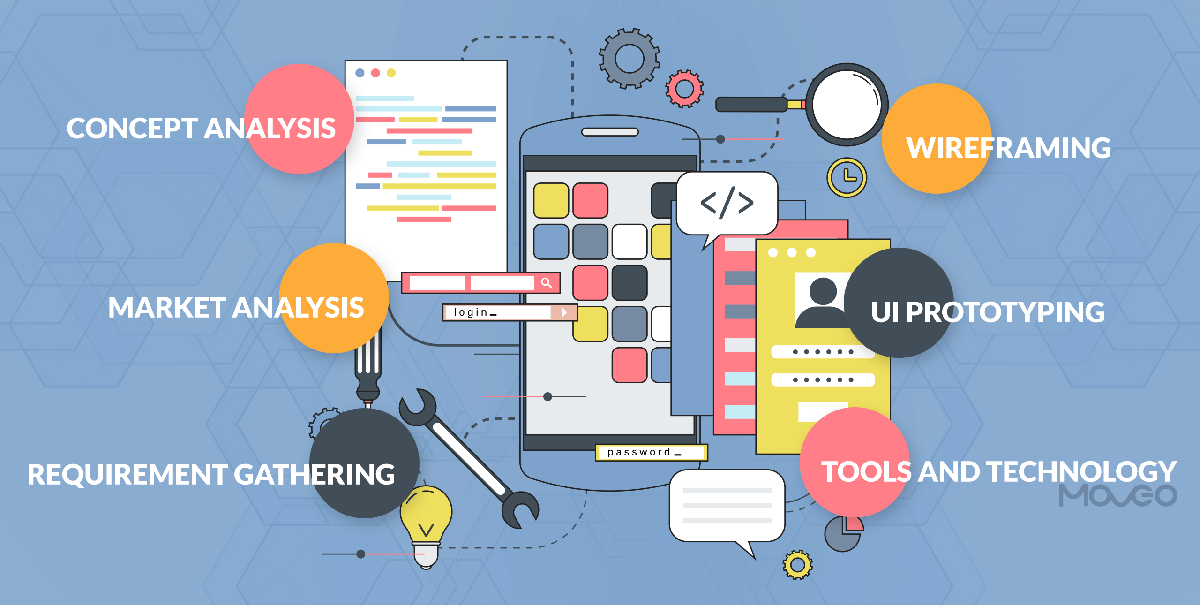
How Discovery Phase of App Development Can Help Your App to Survive Crowded Market

1. Concept Analysis – To determine if your app idea is feasible as per the business and technical aspect.

2. Market Analysis – To find out your target audience and market based on different demographics like Age, Gender, Income, Region, Occupation, etc.

In addition to Concept analysis and Market analysis, it is also profitable to invest your valuable time in Competitive analysis. It will help you understand competition your app will face and how to deal with it.

3. Requirement Gathering – To study and decide what features and functionalities you want to add in your mobile application. While deciding app features, mobile app developers should consider the needs and expectations of their end users. This will help in creating a user-centric application and hence, improve the chances of app survival.

4. Wireframing – Wireframe is yet another phase of mobile application discovery that you can’t miss. It let you design a visual layout of the app project and determine what features/specifications can be achieved by certain layout and UX.

5. UI Prototyping – This phase helps mobile application development companies to visualize the end product via graphic designs that empower target users to experience the in-app flow.

6. Development Tools and Technology – In this phase, you decide the technologies and tools to employ for building a successful mobile application.

Now, as you know the perks and stages of the App Discovery phase, let’s move to tips for effective app discovery. Ones which can be applied in addition to taking advantage of Apple’s App Clip, Google Instant Apps and similar discovery-friendly functionalities.

Tips for Effective Mobile Apps Discovery

1. Consider ASO
6 ASO Factors You Should Consider to Improve Your Ranking

Irrespective of endless marketers efforts, App Store is still the leading source of app discovery, which implies mobile app developers should learn and implement the best practices of ASO (App Store Optimization) to enhance app visibility.

2. Turn towards Social Media Marketing

Building Your Social Media Marketing Strategy for 2021 | Sprout Social

Employ social media networks to engage the target audience. Share the screenshots and short videos of your app to engage them. Allow users to share your posts/tweets on their timeline and get leverage of exciting offers.

3. Invest in Referral Marketing

Referral Marketing For Startups to Boost Conversions. | InviteReferrals

This mobile app promotion strategy is to attract new users while keeping the existing ones hooked with your mobile app. All you have to do in this case is to allure existing users to share the app with their near and dear ones and enjoy lucrative offers/incentives.

The most overwhelming example of this kind of app discovery practice is Dropbox. The app saw an uplift from 100,000 to 4,000,000 users within 15 months, all thanks to this method.

4. Team up with Bloggers

Why It Helps to Hire a Team of Bloggers

Finding bloggers with experience in your niche and asking them to write about your app is also an effective strategy. You can pay them for writing about your mobile application on their blogs, or can let them try a free version in return for the same.

5. Go for Third-Party Advertisements

How it started, how it's going: Performance advertising on Twitter

Apart from focusing on a respective app store, you can also submit your app on third-party app stores like Amazon app store and Samsung app store in order to increase your app visibility.

With the uprising competition, the need and searching style of consumers have also changed. As per Google’s recent research, users these days are becoming more particular of how and what they search in mobile apps. So, it is advisable to look into the app search trends before building a mobile application.

App Discovery Trends for 2018

Here are the top four app search trends that the top app development companies would be focussing on, in 2018:

1. App with Productivity and Convenience

Top 5 productivity apps in 2020

Smartphone users are looking for apps that make their daily life easier and effective, like note-taking apps, calendars, office suits, etc. Google disclosed that searches for apps with features like placing an order, discounts, and tracking orders have increased 120% YoY. This implies mobile app development companies can turn to productivity apps for enjoying better outcomes.

2. Apps that teach new skills

Key to Balancing Work and Family Responsibilities While Working from Home

Users are more interested in learning new skills or polishing their skills more than ever. As per the reports, searches for learning-based apps like ‘guitar learning app’ or ‘painting learning app’ has experienced a rise by 80% YoY. Besides, the language-related apps have seen an 85% YoY rise in searches. So, if you build an education mobile application or an app that let the users learn something new, your app will have higher chances of success in the market.

3. Health and Fitness Apps

The Essential Guide to Successful Functional Fitness App Development | by Dmytro Dvurechenskyi from openGeeksLab | Medium

With time, the smartphone consumers are becoming more fitness-freak. They are searching for more fitness practices and products than before. According to Google report, the searches for fitness shoes and activities like weightlifting has been increased by 135% YoY. Besides, users are searching for apps that improve their physical as well as mental health, such as meditation apps.

4. Finance mobile applications

5 Essential Elements That A Finance Mobile App Must Have - Bhupesh Kalra

Whether it comes to reservation, purchase or enrolling in a gym, users are looking for discounts and other offers. In other words, users are more conscious about finances and are looking for means to save more. Google revealed that brands with ‘free services’ and coupons facility have grown to 90% YoY. This directly indicates that personalized offers and referral marketing should be taken into consideration for app success.

While there are various other ways to enhance your app visibility and improve its survival chances, the above-mentioned are our favorite.

What are your favorite hacks to reach a wider audience and promote your mobile apps? Share your tips in the comment section below.

Must learn Blockchain Programming Languages in 2020

Top 5 Blockchain Programming Languages

Unless you are living under the rocks, it is likely that you would be familiar with what is Blockchain and what is its potential when it comes to reforming the tech world. The technology, that have been the driving force of Cryptocurrencies, has taken the front seat and come up with a myriad of options to mitigate the traditional challenges that a myriad of industries face, helping them grab better opportunities. It has proven to hold the potential to revamp the whole economy – be it healthcare, travel, education, or legal domain.A ripple impact of which is that today, both startups and Fortune 500 companies like IBM, and Accenture are putting efforts towards making their presence known in the Blockchain arena.

Because of this, rather sudden, mass adoption, the number of Blockchain jobs are increasing in the market exponentially. A clear indication of which is that a 517% rise is predicted in the number of Blockchain jobs in 2019, compared to 2018.

And, behind the curtains, the type of blockchain development platforms and programming languages are also evolving. While many traditional ones are proving to be undisputed leaders, many new entrants are bringing radical changes in the development environment.

This, as a whole, is making it necessary for all Blockchain enthusiasts to be familiar with the best Blockchain programming languages to headstart with. Something we will cover in this article.

But, before that, you will be able to earn brownie points if to go through a blockchain development guide to have a clarity of concepts, and to get familiar with the challenges developers come across while starting their journey in  this innovative technology.

Challenges You Might Face While Entering the Blockchain Development World

A. Resource Management

How to be a Great Project Manager - K2 Partnering Solutions

In the Blockchain arena, it is imperative for developers to ensure that they are familiar with real-time network demands and that they are well-versed with opportunities to handle remote and local queries. This, in turn, can be challenging for them to manage their resources efficiently and effectively.

B. Isolation

Another issue faced by Blockchain developers is that all the hash functions operate in a deterministic manner. Meaning, they do not act in two different ways depending on the circumstances.

In such a scenario, the development team has to opt Isolation mechanism to bring non-deterministic nature into their blockchain solution.

C. Lower Performance

Poor sleep tied to kids' lower academic performance | Arab News

Last but not least, Lower performance is also one of the challenges of Blockchain programming that developers often have to deal with. Especially when choosing the right Blockchain development language.

This is because some of the Blockchain operations are parallelizable, while others are not. Meaning, it becomes important for them to bring a language on table that is versatile in nature.

Now that you know what Blockchain programming problems you might encounter while heading your journey to Blockchain development, let’s jump to the core part of this article, i.e, unveiling of the top Blockchain programming languages.

15 Programming Languages to Consider for Developing Blockchain Applications

1. Solidity

Solidity — Solidity 0.4.24 documentation

Influenced from JavaScript, Powershell, and C++, Solidity is the first blockchain programming language that one must learn. Especially when they have to develop dApps or are looking to get into the ICO development game.

The Solidity programming language was developed by Vitalik Buterin, the mastermind behind Ethereum, and serves blockchain development firm with a myriad of benefits, such as:-

  • Developer-friendliness,
  • Accessibility to JavaScript infrastructures, debuggers, and other tools,
  • Statically typed programming,
  • Possibility of inheritance properties in smart contracts,
  • Precise accuracy, etc.

2. Java

How to develop a blockchain application if you only know Java | Corda

Java, the official language of Android mobile app development and a preferred option for backend development, is also considered a great programming language used for Blockchain development.

The language is derived from C-syntax and is widely chosen for building sophisticated Smart contracts and dApps because of its following properties:-

  • Robust support for OOP (Object-Oriented Programming) methodology,
  • Ease of memory cleaning,
  • Availability of ample of libraries.

Some of the best examples of Blockchain solutions developed using Java are NEM, IOTA, NEO, and Hyperledger Fabric.

3. Python

What is Python Coding? | Coding for Kids Ages 11+ | Juni Learning

Python has not only ruled the world of app development, IoT app development, and network servers’ development, but is also proving to be an asset in Blockchain-as-a-service arena.

The language, created in 1991, is widely used for dApps and Smart Contracts development because of ample of features it avails. Some of those features and functionalities are:-

  • Easy to learn,
  • Access to dynamic architecture,
  • Perfect for both base and scripting approaches,
  • Open-source support,
  • Efficient for Prototyping, etc.

Steem, Hyperledger Fabric, and NEO are a few popular Python based Blockchain projects that are prevailing the industry.

4. JavaScript

JavaScript Core Language Learning Path | Pluralsight

Considered for a wide range of app and game development needs, JavaScript is also one of the best Blockchain programming languages to keep an eye on.

The language, in the form of frameworks like Node.js framework, offers developers ample of benefits like:-

  • Easier and earlier entry to market,
  • Enhanced Scalability,
  • Availability of multiple JavaScript frameworks,
  • No hassle of integration of respective resources, and more.

5. PHP

PHP - Wikipedia

Released in 1995, PHP (Hypertext Preprocessor) is another programming language that every reputed mobile app development company recommend for creating Blockchain solutions.

The language, though considered as a backend development tech stack in the form of best PHP frameworks, is often used to develop blockchain solutions of different complexity range. Something that is a ripple effect of its huge open-source community and object-oriented features.

6. C++

Three Optimization Tips for C++ - Facebook Engineering

C++, introduced back in 1985 by Bjarne Stroustrup, is the best programming language for cryptocurrency development.

The language follows OOPs methodology and is highly used for developing cryptocurrencies and Blockchain Projects like Bitcoin, Litecoin, Ripple, Stellar, and EOS. Something that is a direct result of the following set of features and functionalities it offers:-

    1. Efficient CPU management and memory control,
    2. Ease of running parallel/non-parallel threads,
    3. Option to move semantics for copying data effectively,
    4. Compile-time polymorphism for enhanced performance,
    5. Code isolation for different data structures, and more.

7. C#

Five C# Features You Might Not Know

Created by Microsoft as a substitute of Java, the OOP language offer a huge number of features for enterprise-powered apps, cloud, and cross-platform development. The language comes loaded with features of C, SQL, and .NET frameworks, and is highly favored for Blockchain development because:-

    1. It is open source.
    2. Its syntax is easy to understand and learn – thanks to its identicality with C++ and Java.
    3. It empowers developers to write portable code across devices.
    4. It is cost-effective to use because of BizSpark program.

The programming language is majorly considered for building dApps, Smart Contracts, and infrastructure in Blockchain environment.

8. Go

Top 10 Online Courses to learn Golang/Go in 2021 — Best of Lot | by javinpaul | Javarevisited | Medium

Go programming language also lands in the list of top Blockchain coding languages with a blistering success.

The language is not just easy to comprehend, but also comes with the best features of JavaScript and Python such as user-friendliness, scalability, flexibility, and speed. Something that makes it the right option to deliver bespoke Blockchain solutions.

Two of the best Go-based Blockchain solutions prevalent in the market are Go-Ethereum and Hyperledger Fabric.

9. Simplicity

Simplicity: High-Assurance Smart Contracting

Created by Russell O’ Connor, Simplicity is a high-level Blockchain coding language that hit the market in November 2017.

The Simplicity programming language is based on Ivy and work with a Haskell-like syntax which makes coding easier and effective. Besides, it is highly mathematical in nature and makes the codeline human-readable. Because of which, it is highly used for developing Smart Contracts and blockchain solutions that works with both Bitcoin and Ethereum Virtual Machine (EVM).

10. Ruby

Interesting facts about Ruby Programming Language - GeeksforGeeks

Ruby is yet another top Blockchain development language to headstart your career with.

Developed by Yukihiro “Matz” in the mid-1990s, this high-level and general purpose programming language empowers developers to prototype their vision effectively and effortlessly through open-source third party APIs and plugins. The language also gives developers an opportunity to mix its features with that of other languages to build an enhanced platform.

It is highly considered by Asian developers for building Blockchain-based software and platforms.

11. Rust

Rust Programming Language

Though newbie in the Blockchain ecosystem, Rust is also being widely considered for building innovative, immutable, and secure solutions.

The language enables open-source developers to create quick and effective Blockchain frameworks. It also serves them with highly-capable mechanism of managing mutable states, amazing code optimization, better memory options, and concurrency-based opportunities.

12. SQL

The Best Way to Learn SQL - Learn to code in 30 Days

SQL (Structured Query Language) is also one of the top blockchain programming languages to consider in 2020.

The language was designed by IBM to make communication with databases like MySQL, SQL Server, PostgreSQl, and Oracle easier and efficient. It has more than 7M developers in the industry and is used for building secure and effective enterprise solutions in Blockchain domain. A clear evidence of which is Aergo.

13. Erlang

Erlang (programming language) - Wikipedia

Erlang is another top Blockchain coding language you must consider for a brighter future ahead.

The language, though less popular than reputed names like Java, JavaScript, and Python, serves Blockchain development companies with options like:-

    1. Unparalleled backend facility,
    2. Higher scalability,
    3. Immutability
    4. Inherent fault tolerance, and more.

Something that makes it the right choice for building peer-to-peer networks in a Blockchain environment.

14. Rholang

Documentation page for Rholang ? - Rchain network

Rholang is yet another impressive addition in the list of Blockchain programming languages. The language, unlike C++ or Python, operates with functional approach over Object-oriented. It also assess the whole app as a series of functions which are then solved in a sequential manner.

Because of this, it is a favorite of developers when they wish to build a high-level project like Smart Contracts.

15. CX

CX: The Next Generation Blockchain Programming Language | by Skycoin | Skycoin | Medium

CX has also entered the list of top Blockchain programming languages.

The language has the potential to work as a contractual digital intermediary, and comes loaded with features like simple error control process, and opportunity to use propelled cuts, pointers, and arrays. It also assembles over Go and give users an escape from executing discretionary codes, which has been a critical issue for present day businesses.

What’s more, the language integrates with OpenGL (Open Graphics Library) efficiently and helps developers reap better benefits in terms of GPU’s capacity.

So, these were some of the programming languages that can be considered for entering the Blockchain world and make the best of the flourishing opportunity. These languages, as already covered in this article, holds different potential and thus, can be used for building different forms of Blockchain and cryptocurrency-based solutions. It implies that you must know which language is best for what type of Blockchain development and eventually, polish your skills in the same.

Now, while learning through online tutorials and training programs is a good effort to be well-versed with its theoretical concepts, if you wish to do some practical stuff under the shade of a reputed Blockchain development company, connect our recruitment team for an internship opportunity today.

Mobility integration and risk management challenge in healthcare

10 Top Healthcare IT Certifications - Healthcare Management Degree Guide

Providing mobility to busy clinicians is increasingly recognized as an essential part of delivering care to patients. There are, however, issues regarding development, integration, and security that need to be overcome.

Consideration must be given to the user interface. If it isn’t intuitive and user-friendly, adoption will be lower, and an investment in a solution that is not adequately used is wasted. In addition to a focus on usability, the organization must prepare clinicians for any workflow changes mobility will bring about and provide the right support and training to ensure a high level of adoption.

It’s also important to consider integration with legacy systems. Developers will need to ensure that the solution works with the various healthcare systems of record employed by the organization. That raises some interesting questions about whether current systems need to be updated to integrate with the solution. Will the mobile solution allow for bi-directional flow of information? And if that’s made possible, what is the source of truth for information?

For example, while speaking to a patient’s spouse, a doctor might find out that the patient has an allergy to peanuts. But there’s no information in the system indicating any allergy. It should be possible to update the patient’s records in real-time so other clinicians can immediately see that information. Conversely, clinicians’ access should be limited to their function. For example, nurses should have the right to view and administer medication information but not to prescribe medication (other than those approved by their registration and qualification).

Fast Healthcare Interoperability Resources (FHIR) standards are driving a new level of data interoperability and aggregation, enabling records to be provided to mobile users in real-time. But, organizations will have to look at their underlying systems of record, not just mobility.

Risk management

Laying the Foundation for Strong Healthcare Risk Management

As healthcare organizations prepare to embrace mobility, it will be important to ensure that corporate policy is addressed governing access to patient data — where, when, and by whom. The right governance structures need to be in place for implementation to ensure that organizations adhere to policies about how patient information is accessed and how records are tracked with mobility.

A breach of patient data would be a serious issue. One way to guard against that might be to implement secure sign-in options such as multifactor sign-in and biometric login. But that does require the device to support such functions as facial recognition software and/or fingerprint readers.

While organizations might worry about the loss or theft of a device, there are fairly simple ways to address this. For example, it’s possible to enable mobile access without storing data on the device. And even if data is on the device, it should be encrypted when stored, sent, or received to prevent interference or misuse. Device and application profiles can also enable data to be wiped from the device remotely or enable the device to be locked or formatted to prevent further use.

Preparing for mobility

Preparing for Emergencies When Using a Wheelchair: Healthcare - Braze Mobility

Clinicians want mobility and while challenges exist, there are many ways to overcome them. Ultimately, mobility allows clinicians to access records and data in real-time and to send important patient information back into the systems of record in real-time.

Mobility has been successfully implemented in other industries and in some digitally advanced healthcare organizations. The objective should be to allow mobility to become commonplace to improve healthcare workflow and enhance patient care.

Mobility stack up-ROI weight against overall healthcare outcomes

How To Calculate The ROI Of Mobile App - Techcronus

There is growing evidence that mobility brings significant benefits to clinicians. However, some of the common sticking points with any new technology are cost and choosing the right solution for the organization.

Let’s start by assessing the financial factors or return on investment (ROI) and what approach to mobile makes the most sense.

There’s a cost to making mobility a reality and healthcare organizations must weigh up whether the investment will yield the returns expected. However, the ROI on mobility should be looked at from higher level, one that affects the healthcare institution and even healthcare overall. One of the purposes of mobility is it improves data availability, which in turn should result in fewer unnecessary tests and treatments and less delay. If a hospital isn’t doing unnecessary tests, this not only reduces costs but potentially frees up beds sooner for the next patient. Mobility also enables workflow efficiencies and ensures more accurate information is available as and when required, improving clinical care and reducing readmissions.

It should also be remembered that most facilities have a budget for technology advancements, so rather than thinking about mobility as an additional cost, it should be considered as part of the overall package of advancing the organization’s technology capabilities.

What investment makes most sense?

10 Best Investments In 2021 | Bankrate

If an investment is considered worthwhile, the next question is, what or which mobile solution should organizations invest in and how will this decision be made?

The investment decision will depend on the size of the organization and its needs. For example, a hospital will have a different mobile focus than a community organization. Decision-makers need to ask what will make the biggest difference to a mobile workforce and enable them to achieve better and more efficient workflow, 24/7. The advantage of mobile is it allows users to access information without being deskbound.

Before choosing the solution, it’s important to first identify the problems that need to be solved and pick a solution that best fits the users’ needs, within the confines of the organization’s budget. Thought should also be given to the longer-term needs of the organization, such as the expansion of telehealth services and hospital-in-the-home capabilities.

Does BYOD make sense?

BYOD explained: The good, the bad and the who-knows | ITProPortal

There’s also the cost of the hardware to consider. Will the hospital or healthcare organization be supplying the device or will clinicians be encouraged to bring their own device (BYOD)? How will mobility work with the health facility’s current internet services? Are WiFi speeds and connectivity suitable for mobility?

It seems likely that this will become the preferred option for several reasons: Most clinicians have their own mobile devices and people typically are more comfortable using technologies they are familiar with. Furthermore, they typically upgrade more often than an organization might, and BYOD delivers a cost reduction to the organization.

While healthcare facilities may relinquish some security and control with BYOD, there are new alternatives and solutions. Devices are increasingly offering dual SIM compatibility and dual user profiles, which means clinicians can use a different SIM at work to the one they use privately. And the organization can implement greater controls over work-based SIMs/profiles. It’s also not difficult to block certain sites and applications when a device works off the organization’s WiFi. Mobile application management tools now have a host of features to support a BYOD model compared to the traditional mobile device management tools.

One concern might be that users won’t update their devices as often as is required for solution updates. This can easily be addressed with version control. Yes, that means those who aren’t willing to upgrade won’t have access, but data integrity should never be compromised. A flexible way to address the situation of users not wanting to use their own device or upgrade it as needed is to provide a bank of corporate facility devices that can be used on a day-to-day basis.

As with any new technology approach, there are always barriers, but in the long run the benefits to clinician efficiency and progressive care of patients is to enable mobility.

Dynamic nature of work- Digitally Transforming

The changing nature of work - The Monday Briefing

Long-anticipated, digital transformation is redefining jobs and roles. Digital technologies have transcended simple process acceleration and are deconstructing our old notions about work and the workplace.

Multiple gigs instead of one role

How to manage multiple gigs at the same time – Wired

Mobile technologies in particular have catalyzed the development of the gig economy. What constitutes a job, who is an employee, and how work gets done is being completely reshuffled by the ability to work anytime, anywhere — because the digital workplace doesn’t recognize physical or occupational boundaries.

In this new gig model, one person is no longer constrained to one role. An employee can wear many hats and be involved in activities that span many roles; much of the work that gets done is accomplished by teams who switch roles and tasks seamlessly. Collaboration happens intuitively and digitally across corporate, physical and geographical boundaries. As workers exercise more independence and pick jobs they’re truly interested in, businesses can focus resources and investments and gain the flexibility to contract with specialists as needed.

Center of innovation and change

Center for Innovation & Change - University of Evansville

Here’s another difference: The workplace is becoming an important center of innovation and changes through vehicles like crowdsourcing and cross-corporation collaboration. Employees want companies to rethink how they manage and reward employees. Companies that understand the digital workplace have learned to embrace those employees who are interested in change and technology and to adopt them as beta customers to accelerate innovation. Early adopters can help companies spot new use cases, products and technologies that can have broad application in the enterprise.

Crowdsourced help

10 Tips for Getting the Best Results from Crowdsourcing | Volusion

These trends and others have given IT organizations a lot to think about. IT can choose to stay the course with traditional policies and approaches, but this likely won’t end well. Today’s users won’t think twice about bypassing IT in favor of preferred devices and channels. Crowdsourced assistance is maturing and becoming more common. In the IT support space, for example, users are more likely to Google the answer to a problem — or contact a friend — than to wait for the company’s help desk to respond.

To prevent the inevitable friction between IT and users — and ultimately shadow IT, information silos, and productivity loss — IT should embrace crowdsourced help and introduce curation and knowledge management processes to ensure the correct answer is easy to find and productive help aligns with IT governance.

For example, gamification has been successfully used to reward good assistance and encourage participation from anyone with valuable experience. Whether in the form of badges, leaderboards, or points, employees are encouraged to help each other. An employee-run forum for technical support can award points to those employees who help others resolve their issues and close support tickets. Whether using points received for great help or awards based on the number of resolutions, a contributor can spend their reward in the company store.

Showing users their usage patterns can shape behaviors as well. A dashboard that details the number of Skype minutes a user consumed (encouraged) versus more expensive conference bridge minutes (discouraged) is a simple way to guide users toward the tools that are the most efficient and effective.

The workplace has changed, and with it, worker expectations. To get all the benefits from the new innovation-driven workplace, IT needs to offer employees the experience they expect or face the wrath of a digital mob.

User Adoption for a Chat Support Channel

The 10 Live Chat Benefits You Need to Know (Backed by Research)

In general, chat adoption rates are still not as strong as clients would like. Those who simply built a chat option with the expectation that user would adopt it by themselves are seeing between 7% to 12% of their volume via chat.

Most of these organizations are doing nothing to promote chat as a support channel, assuming that users would gravitate to chat as many of them already have in their personal lives. That’s a mistake because, when it comes to social behavior adoption patterns, it is important to realize that users do not behave the same way in the workplace as in their private lives. User who would potentially prefer chatting will fall back to calling the service desk if that is what most of their coworkers do. After all, one of our strongest drivers as human beings is our desire to fit in amongst our group of peers.  The weight that the old adage “When in Rome, Do as the Romans Do” has in our decision-making is often underestimated.

10 Best WordPress Chat Plugins | Elegant Themes Blog

The key, then, to overcome adoption barriers, is to find ways to modify the behavior of a small percentage of the population – enough that the social trend starts to pull the rest toward the new desired behavior. (This is why group subscriptions to gyms are often more successful than individual promotions). Studies by Alex Pentland and the MIT MediaLab suggest that the frequency of contact and level of trust between the individuals is much more important than the pure number of people pushing the adoption of new behavior. One of their research studies found that user adoption of a new tool (a company social network in this case) was almost guaranteed if the user received at least three invitations from their trusted peers in a short period of time.

So, what does it take to specifically increase the chat channel adoption? Here are a few approaches:

  • Promote it. Remind users not only that the chat support channel exists, but that it’s good. (You should, of course, also make sure that it actually is a good service.)
  • Identify service advocates within the user community.  Make them part of the promotion of the new channel and reward them for getting people to use the service. This can generate a domino effect, helping the social trend accelerate over time.
  • Make chat very accessible and easy to use. If picking up the phone on my desk is faster or easier, nothing will make me stop that behavior when I have an urgent issue. So, instead of giving chat the usual set of barriers — accessible only through a service portal that requires you to open a browser, find the URL, log in with credentials you may not remember, find the button on the page, provide basic info all before getting in a queue — why not allow direct access to support on a medium where users already chat, like Skype? This way, you tap into the built-in mental pattern that tools like Skype generate in our brains (I need to talk to someone, so I look for them in Skype, I chat with them).
  • Add innovative features that can make chat more appealing. For instance, AI virtual agents and automated translation would make service available 24×7 while improving quality, speed and accuracy.
  • Expose users to metrics on their personal contact behavior to incentivize the new behavior. For example, a campaign that makes them feel “out of touch” with the social norm can help. Instead of telling them “you should chat” or “chat is great,”  it’s better to tell them “most users in your department chat with the service desk as the first channel” or  “80% of your peers found chat more effective at resolving IT issues.”

With these recommendations, voluntary adoption of chat can increase from those averages around 10% to those around 20% or 25%.  And as virtual assistant technology becomes more available, embedding a chat function within a Skype or Microsoft Teams environment becomes a more viable option. These virtual assistants contain a good library of responses built into an AI engine and will greatly enhance usability.

Microsoft Teams or Skype For Business?

As things continue to evolve, many contact channel policies will change.  We expect to see a day when all IT issues are first sent to the virtual agent before trying any other channel. Some companies may not even make other channels readily available to users. Instead, built-in integrations with a virtual assistant could enable users to request a chat with a live agent as a secondary option, or automatically log a ticket without human interaction.  When paired with automated translation services, this will result in a smooth, seamless “chat-first” channel, and radically change how we think about global service desks in the future.

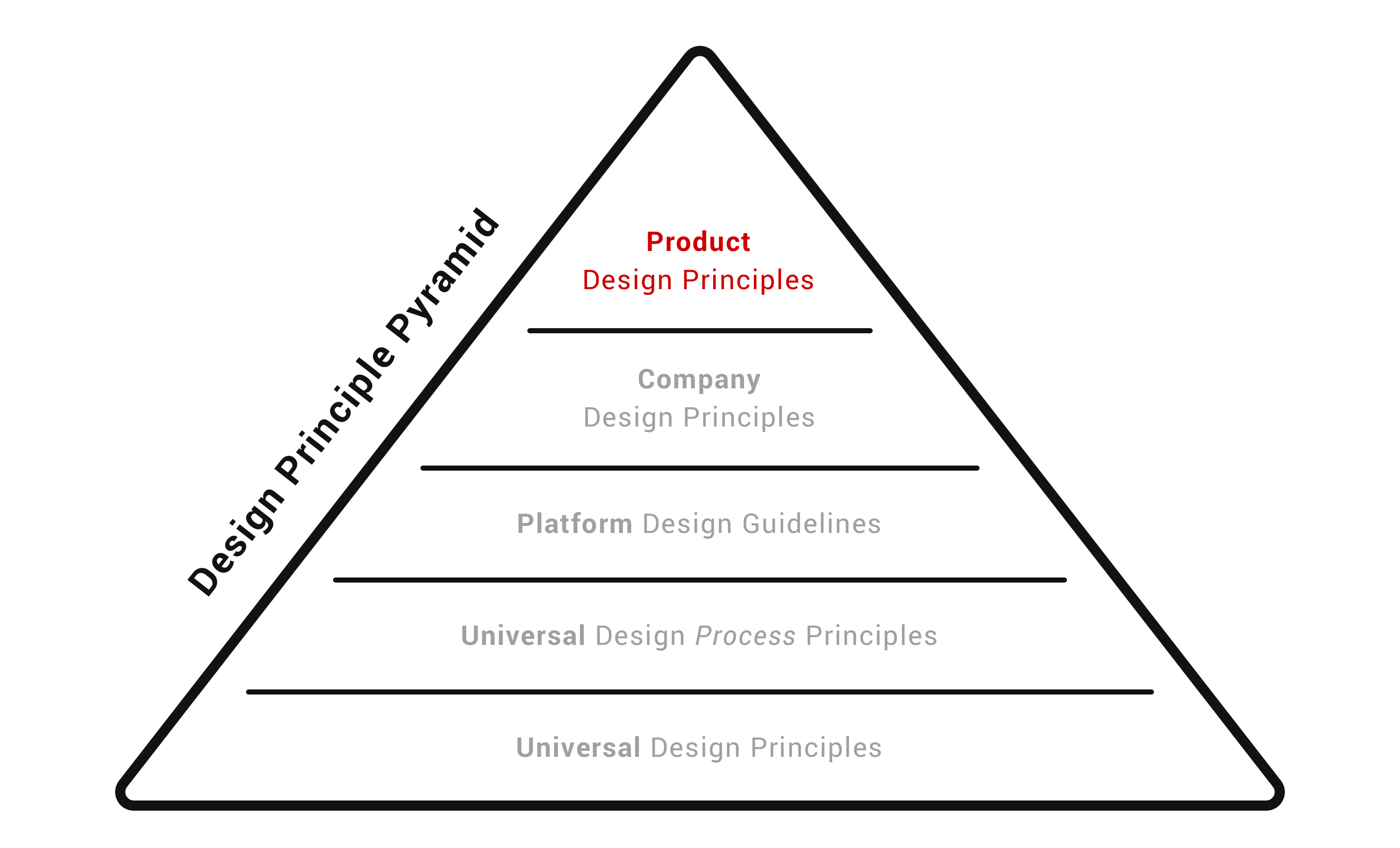
Simple Principles for Creating Better Designs

A guide to Design Principles and why you should create your own | by Christian Jensen | UX Collective

After countless tiring discussions, intense debates, exchange of verbal volleys and people yelling things in design standups like –

  • Huh…Whatya mean by the button should be smaller?
  • Have you heard of the word? hmm..whatyamacall it – hmm… consistency!
  • Step away from the design please…
  • What on the earth is wrong with using Lorem Ipsum…I love those profound Latin words


I exaggerate but our design standups highlighted the difference in our group’s design philosophies and what we valued. It’s not that designs were bad but they weren’t following our core design principles.

What led to a more frustrating experience was that the feedback sometimes even didn’t highlight the context and someone would blurt, “It just doesn’t feel right”.

Someone would ask – “What do you mean that it doesn’t feel right?”

Followed by silence, scratching of one’s beard, intense gazing at the ceiling, and then silent shrugging of the shoulders.

They knew one of the things was wrong with the design in discussion – lack of consistency or complexity or any such thing but they weren’t able to verbalize it well.

It was turning out to be a big problem – how do you lead effective design feedback standups without having a common language?

That led to the codification of our design principles to create a shared understanding of our design approach and what we value as a team. These principles enable us to have a common design philosophy and approach. It also facilitates in having meaningful conversations and giving each other valuable feedback about the design.

Not that our intense discussions have subsided but they have become more meaningful now

Syncing Contacts with an Android Application

How to Sync Google Contacts With Android: 4 Steps (with Pictures)

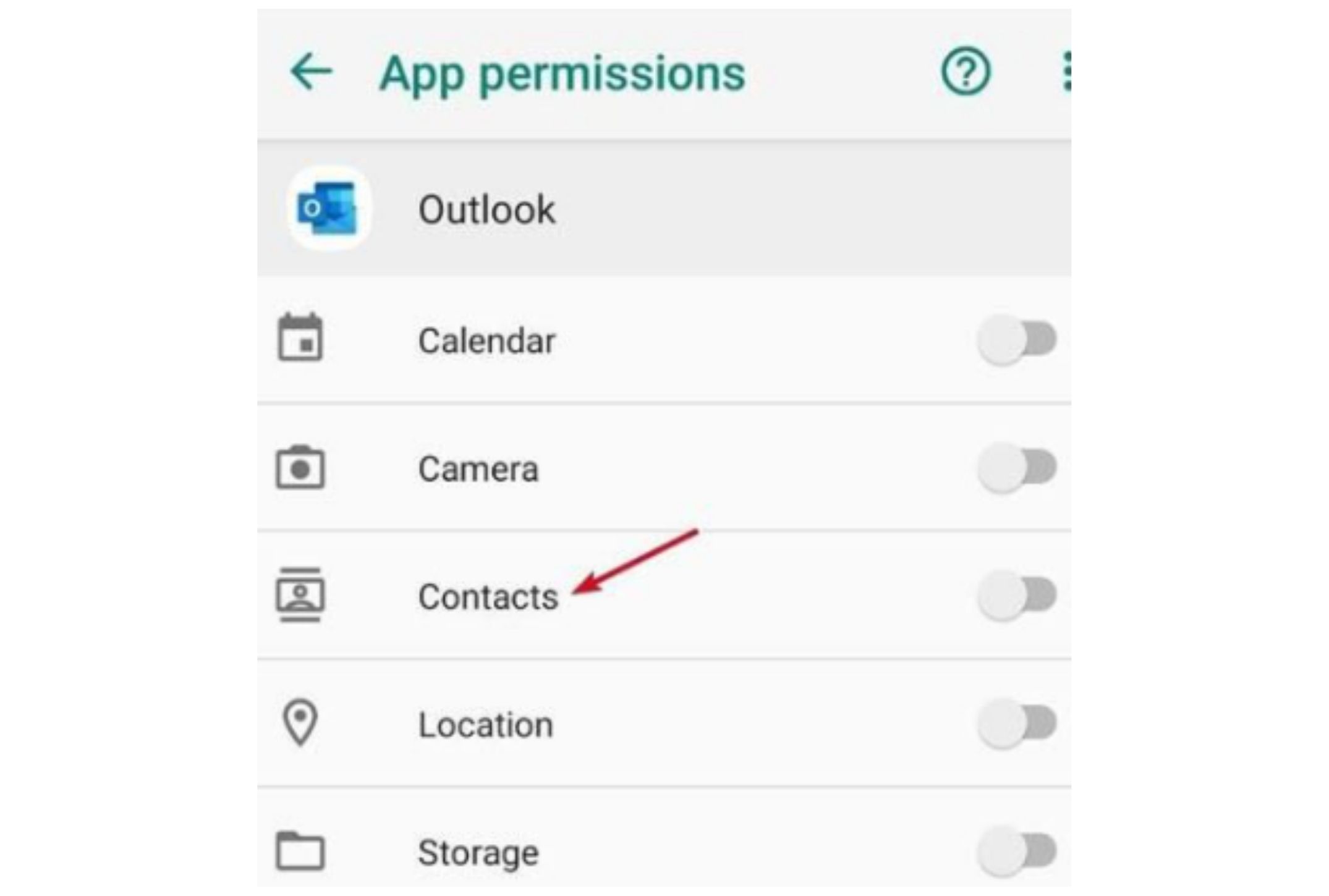
Syncing the phone book contacts in an android device with your application is being used by various android applications today. These applications include Whatsapp, Google+, Skype and various email applications. In this way, contacts syncing allows the user to access contacts from various social applications from the phone book itself.Now I will explain with an example Android application how the syncing process happens. This Android application runs in the background as soon as its launched and synchronizes itself with the device’s phone book contacts. Following is a screenshot of a contact synced with the app.

Clicking on MyData will take us to the desired screen on the application.


Contacts syncing requires three components to work in order which is:-

  1. Contacts provider
  2. Authenticator service
  3. Sync service

Contacts provider

Contacts provider is the standard access provider to the device’s data about people. All the contacts in the phone are managed by the contacts provider through tables that can be queried to get data. There are basically three tables that store data for a person.

These tables are-

Figure 1- Contacts provider table structure (Source)

  1. ContactsContract.Contacts is the table that contains the aggregated data from raw contacts rows that represents different people in the contacts list.
  2. ContactsContract.RawContacts table contains the person’s accounts and type data summary.
  3. ContactsContract.Data table contains other details corresponding to each raw contact like email address, phone number, etc.

I made use of the ContentProviderOperation to handle the table insertion operations on the table to add a raw contact and the data corresponding to my app and finally to apply the changes to the database as a batch operation.

Here is the sample code for the class that handles this functionality:

Authenticator Service

Tutorial: Build an Android Application with Secure User Authentication

The authenticator service is used to create an account for our app on the device. It plugs into the Android accounts and authentication framework through which an account type is created on the device corresponding to our app. Accounts for standard social applications like Whatsapp, Skype, Facebook, etc. can be found if you visit the accounts screen in settings on your device.

Sync Service

The sync service is made up of two parts the sync adapter and the sync service itself. The sync adapter is used to synchronize data between the server and the local database. My app doesn’t fetch any data from the server but still, it is required to implement the sync adapter. The sync service is what binds the sync adapter to the android sync framework.

The authenticator service runs in the background when the app is launched to create an account for the app on the device. The sync service is called in a periodic cycle to constantly sync the data.

When you tap on the Whatsapp icon on the contacts screen, it will take you to the chat screen of that contact. Similarly, in the phonebook contacts, your app icon can be seen which is clickable to access the app screens that correspond to that contact’s information on the app. The contact data can be sent through the intent extras to the activity that launches.

Learn How to Start Working with KAFKA and More

Top 10 Courses to Learn Apache Kafka in 2021 | by javinpaul | Javarevisited | Medium

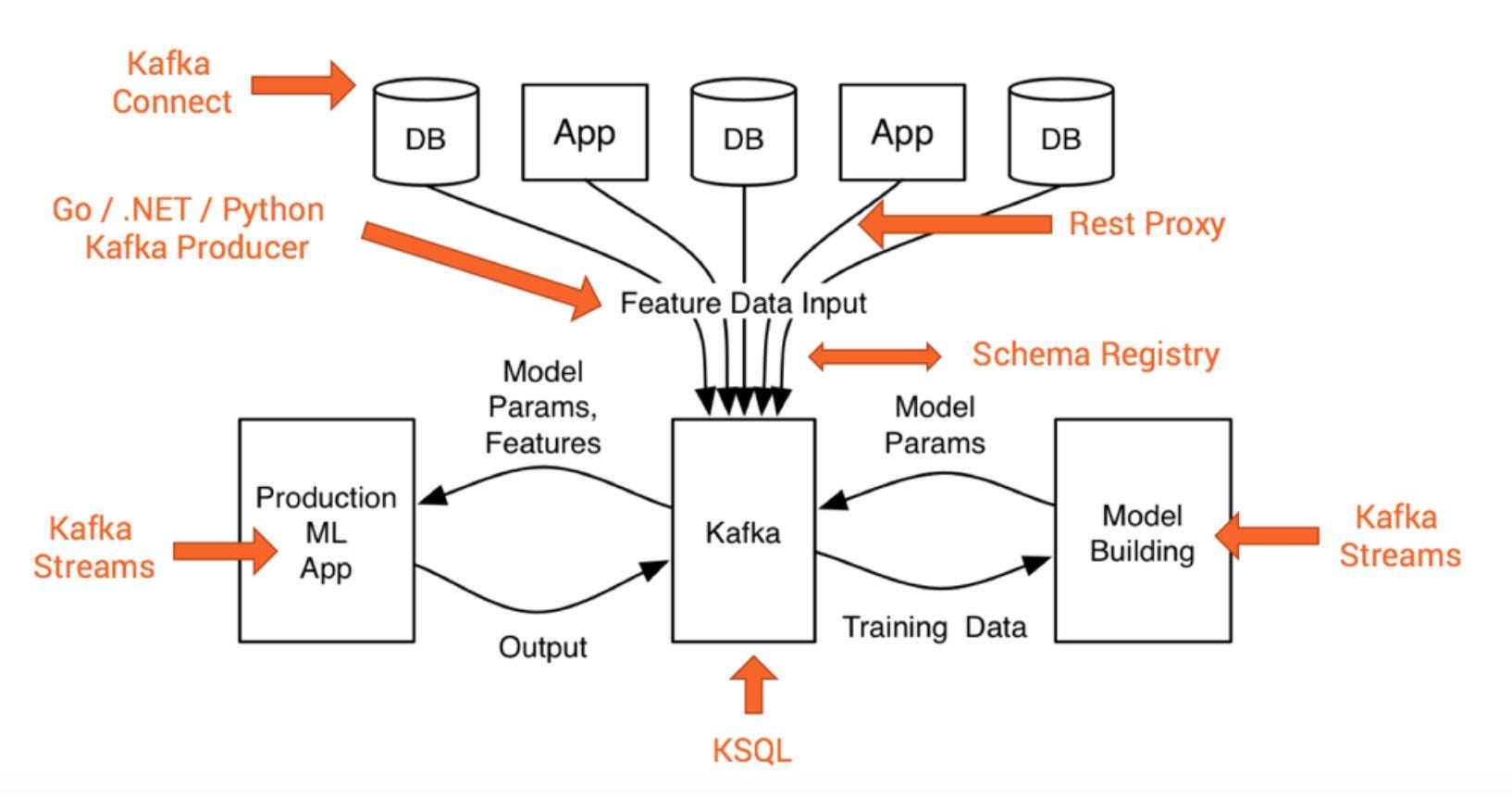
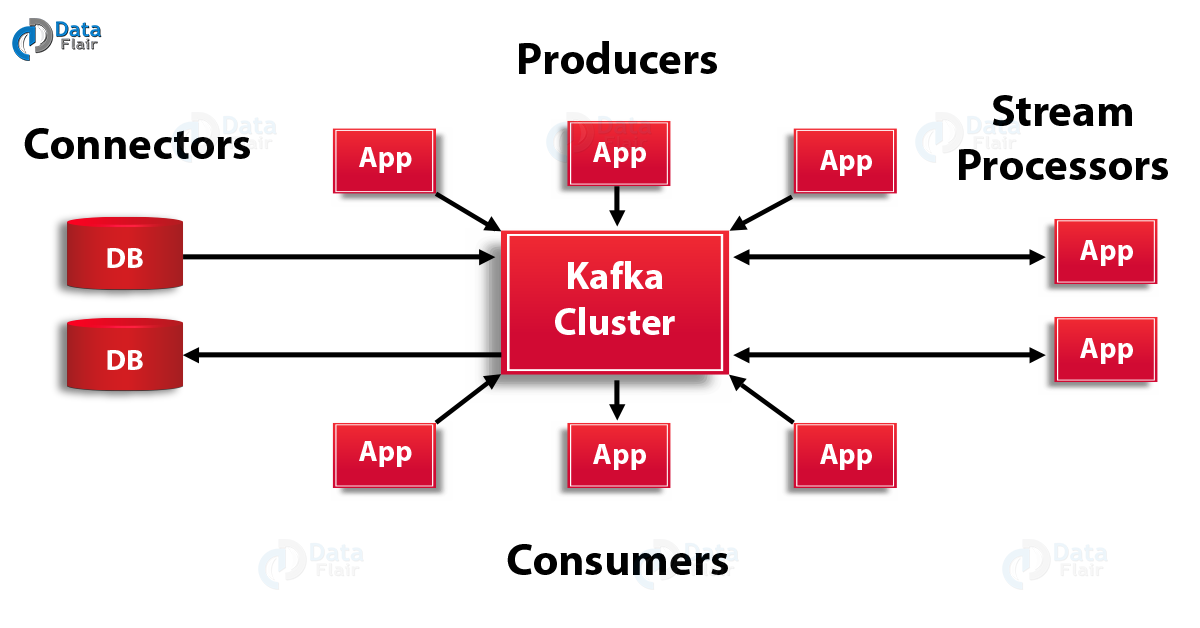
Kafka is a distributed publish-subscribe messaging system that is designed to be fast, scalable, and durable. It was developed by LinkedIn and open-sourced in the year 2011. It makes an extremely desirable option for data integration with the increasing complexity in real-time data processing challenges. It is a great solution for applications that require large-scale message processing.

Components of Kafka are :

  1. Zookeeper
  2. Kafka Cluster – which contains one or more servers called brokers
  3. Producer – which publishes messages to Kafka
  4. Consumer – which consumes messages from Kafka.

Components :

Kafka Architecture and Its Fundamental Concepts - DataFlair

It saves messages on a disk and allows subscribers to read from it. Communication between producers, Kafka clusters, and consumers takes place with the TCP protocol. All the published messages will be retained for a configurable period of time. Each Kafka broker may contain multiple topics into which producers publish messages. Each topic is broken into one or more ordered partitions. Partitions are replicated across multiple servers for fault tolerance. Each partition has one Leader server and zero or more follower servers depending upon the replication factor of the partition.

When a publisher publishes to a Kafka cluster, it queries which partitions exist for that topic and which brokers are responsible for each partition. Publishers send messages to the broker responsible for that partition (using some hashing algorithm).

Consumers keep track of what they consume (partition id) and store it in Zookeeper. In case of consumer failure, a new process can start from the last saved point. Each consumer in the group gets assigned a set of partitions to consume from.

Producers can attach key with messages, in which all messages with same key goes to same partition. When consuming from a topic, it is possible to configure a consumer group with multiple consumers. Each consumer in a consumer group will read messages from a unique subset of partitions in each topic they subscribe to, so each message is delivered to one consumer in the group, and all messages with the same key arrive at the same consumer.

Role of Zookeeper in –

What Is Apache Kafka? | How Kafka Works | OpenLogic

It provides access to clients in a tree-like structure. It use ZooKeeper for storing configurations and use them across the cluster in a distributed fashion. It maintains information like topics under a broker, offset of consumers.

Steps to get started with (For UNIX):

  1. Download Kafka – wget http://mirror.sdunix.com/apache/kafka/0.8.2.0/kafka_2.10-0.8.2.0.tgz
  2. tar -xzf kafka_2.10-0.8.2.0.tgz
  3. cd kafka_2.10-0.8.2.0/
  4. nside Config folder you will see server, zookeeper config files
  5. Inside bin folder you will see bash files for starting zookeeper, server, producer, consumer
  6. Start zookeeper – bin/zookeeper-server-start.sh config/zookeeper.properties
  7. Start server – bin/kafka-server-start.sh config/server.properties
  8. creating topic –bin/kafka-topics.sh –create –zookeeper localhost:2181 –replication-factor <your_replication_factor> –partitions <no._of_partitions> –topic <your_topic_name>
    This will create a topic with specified name and will be replicated in to brokers based on replication factor and topic will be partitioned based on partition number. Replication factor should not be greater than no. of brokers available.
  9. view topic – bin/kafka-topics.sh –list –zookeeper localhost:2181
  10. delete a topic – add this line to server.properties file delete.topic.enable=true
    then fire this command after starting zookeeper
    bin/kafka-topics.sh –zookeeper localhost:2181 –delete –topic <topic_name>
  11. alter a topic – bin/kafka-topics.sh –zookeeper localhost:2181 –alter –topic <topic_name>
  12. Start producer – bin/kafka-console-producer.sh –broker-list localhost:9092 –topic <your_topic_name> and send some messages
  13. Start consumer – bin/kafka-console-consumer.sh –zookeeper localhost:2181 –from-beginning –topic <your_topic_name> and view messages

If you want to have more than one server, say for ex : 4 (it comes with single server), the steps are:

  1. create server config file for each of the servers :
    cp config/server.properties config/server-1.proeprties
    cp config/server.properties config/server-2.properties
    cp config/server.properties config/server-3.properties
  2. Repeat these steps for all property files you have created with different brokerId, port.
    vi server-1.properties and set following properties
    broker.id = 1
     port = 9093
    log.dir = /tmp/kafka-logs-1
  3. Start Servers :
    bin/kafka-server-start.sh config/server-1.properties &
    bin/kafka-server-start.sh config/server-2.properties &
    bin/kafka-server-start.sh config/server-3.properties &

Now we have four servers running (server, server-1,server-2,server-3)

PROGRAMMING

The program in java includes producer class and consumer class.

Producer Class :

Producer class is used to create messages and specify the topic name with an optional partition.

The maven dependency jar to be included is

We need to define properties for a producer to find brokers, serialize messages, and sends them to the partitions it wants.

Once producer sends data, if we pass an extra item (say id) via data :
ex :

before publishing data to brokers, it goes to the partition class which is mentioned in the properties and selects the partition to which data has to be published.

Consumer Class :

Topic Creation :

It is a distributed commit log service that functions much like a publish/subscribe messaging system, but with better throughput, built-in partitioning, replication, and fault tolerance.

Applications:

  1. Stream processing
  2. Messaging
  3. Multiplayer online game
  4. Log aggregation

Advance Enterprise Digital Transformation Efforts By Mobile Apps

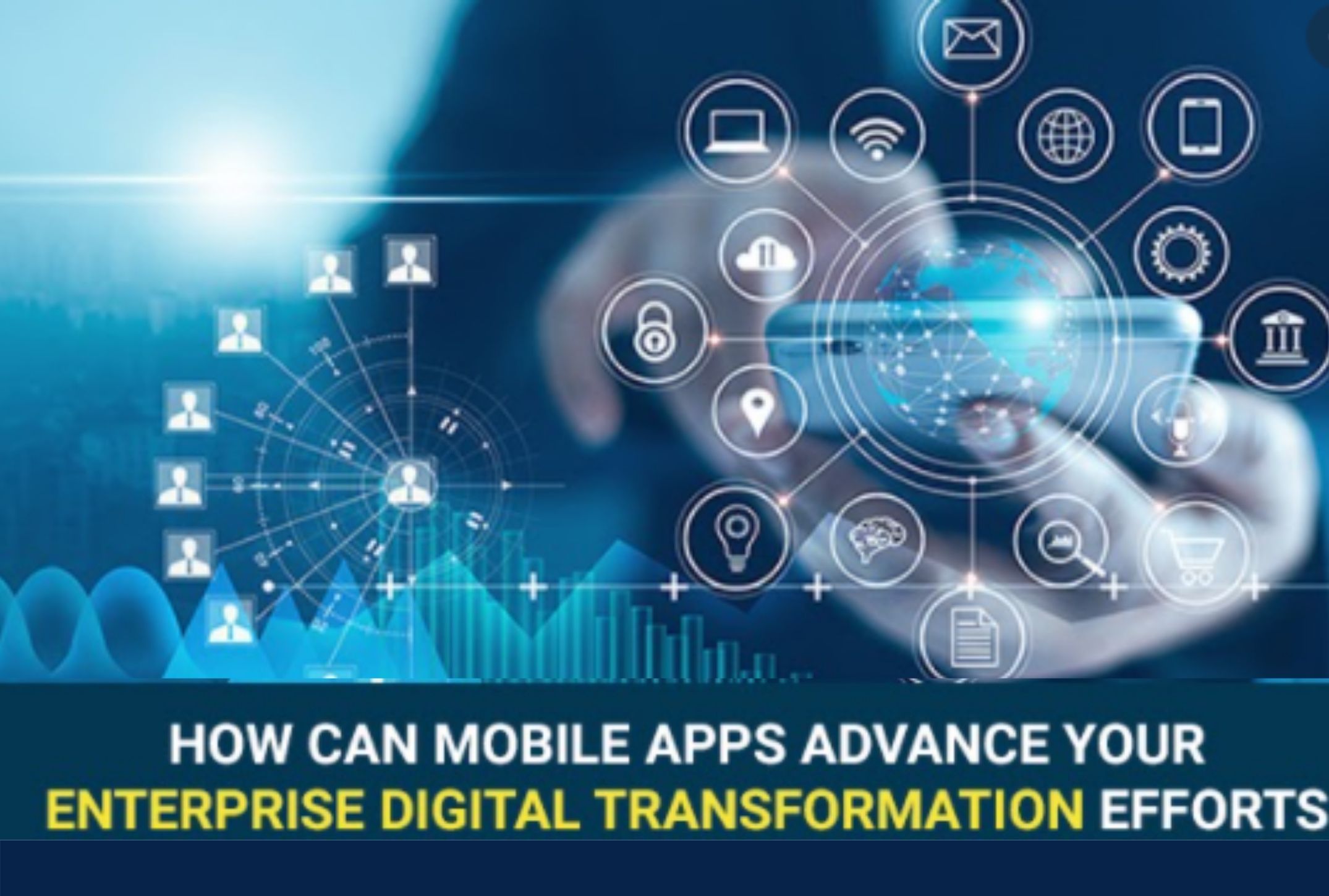
How can Mobile Apps Reinforce the Enterprise Digital Transformation

Irrespective of which industry you look at, you will find entrepreneurs hustling to kickstart their digital transformation efforts which have been lying in the backdrop since several business years. While a considerably easy move when you have to alter your digital offering according to the customers’ needs, things become a little difficult when you start planning digital transformation for your business. A difficulty that mobile applications can solve. There are two prime elements which businesses need to focus on when planning to digital transform their workflow and workforce: adaptability and portability. And by bringing their processes and communications on mobile apps, they are able to hit both the targets in one go. Here are some statistics looking into why enterprises need to count mobile application in, in their digital transformation strategy –

Although the above graph should be a reason enough to take mobile apps seriously, there are some other numbers as well.

  • 57% of the digital media use comes in through apps.
  • On an average, any smartphone user has over 80 apps out of which they use 40 apps every month.
  • 21% of millennials visit a mobile application 50+ times everyday.

While the statistics establish the rising growth of mobile apps, what we intend to cover in the article is the pivotal role mobile applications play in digital business transformation. To understand it from the entirety, we will first have to look into what is digital transformation and what it entails.

What is digital transformation?

Digital transformation means using digital technologies for changing how a business operates, fundamentally. It offers businesses a chance to reimagine how they engage with the customers, how they create new processes, and ultimately how they deliver value.

The true capabilities of introducing digital transformation in business lies in making a company more agile, lean, and competitive. The end of the long term commitment results in several benefits.

Benefits of digital transformation for a business

  • Greater efficiency – leveraging new technologies for automating processes leads to greater efficiency, which in turn, lowers the workforce requirements and cost-saving processes.
  • Better decision making – through digitalized information, businesses can tap in the insights present in data. This, in turn, helps management make informed decisions on the basis of quality intelligence.
  • Greater reach – digitalization opens you to omnichannel presence which enables your customers to access your services or products from across the globe.
  • Intuitive customer experience – digital transformation gives you the access to use data for understanding your customers better enabling you to know their needs and delivering them a personalized experience.

Merging mobile app capabilities with digital transformation outcomes 

How can Mobile Apps Advance Your Enterprise Digital Transformation Efforts | Pixeled Apps | iOS &amp; Android Mobile App Development

The role of mobile applications can be introduced in all the areas which are also often the key areas of digital transformation challenges that an enterprise faces.

  1. Technology integration
  2. Better customer experience
  3. Improved operations
  4. Changed organizational structure

When you partner with a digital transformation consulting firm that holds expertise in enterprise app development, they work around all these above-mentioned areas in addition to shaping their digital transformation roadmap around technology, process, and people.

In addition to a seamless integration with the digital transformation strategy of an enterprise,  there are a number of reasons behind the growing need to adopt digital transformation across sectors. Ones that encompasses and expands beyond the reasons to invest in enterprise mobility solutions.

The multitude of reasons, cumulatively, makes mobility a prime solution offering of the US digital transformation market.

Here’s how mobile apps are playing an active role in an enterprise’s 360 digital transformation.

How are mobile apps playing a role in advancing businesses’ internal digital transformation efforts?

1.  By utilizing AI in mobile apps

The benefits of using AI for bettering customer experience is uncontested. Through digital transformation, businesses have started using AI for developing intuitive mobile apps using technologies like natural language processing, natural language generation,  speech recognition technology, chatbots, and biometrics.

AI doesn’t just help with automation of processes and with predictive, preventative analysis but also with serving customers in a way they want to be served.

2.  An onset of IoT mobile apps

The time when IoT was used for displaying products and sharing information is sliding by. The use cases of mobile apps in the IoT domain is constantly expanding.

Enterprises are using IoT mobile apps to operate smart equipment in their offices and making the supply chains efficient, transparent. While still a new entrant in the enterprise sector, IoT mobile apps are finding ways to strengthen their position in the business world.

3.  Making informed decisions via real-time analytics

In the current business world, access to real-time analytics can give you a strong competitive advantage. Mobile applications are a great way for businesses to collect users’ data and engage with them through marketing transformation messages designed around the analytics based on their app journey.

You can use real-time analytics to know how your teams are performing, analyze their productivity, and get a first-hand view into the problems they are facing in performing a task and how it’s impacting the overall business value.

4.  Greater portability


Portability in an enterprise ecosystem enables employees to work as per their convenience. While it shows less impact in the short term, in the long run, it plays a huge role in how productive a team is.

By giving employees the space to work as per the time and location of their choice, you give them the space to boost their creativity fuel and in turn productivity. One of the results of using software that enabled our employees to work according to their terms and conveniences for us was greater business expansion ideas and an increase in overall productivity of the workforce.

Tips to consider when making mobile apps a part of the digital transformation strategy

If at this stage, you are convinced that mobile applications are a key part of digital transformation efforts, here are some tips that can help your strategies for increasing the ROI on your enterprise app –

Adopt mobile-first approach – the key factor that separates enterprise apps that are winning is how they don’t treat apps as the extension of their websites. Their software development process is strictly mobile-only. This in turn shapes their entire design, development, and testing processes.

Identifying the scope of mobility – the next tip that digital transformation consulting firms would give you is analyzing the operations and workflows for understanding which teams, departments, or functions would benefit from mobility the most. You should not start reinventing a process which works okay, you should look for areas which can be streamlined, automated, or valued through mobility.

Outsourcing digital transformation efforts – when we were preparing An Entrepreneur’s Guide on Outsourcing Digital Transformation article, we looked into several benefits of outsourcing digitalization to a digital transformation strategy consulting agency. But the prime benefit revolved around saving businesses’ efforts and time which goes into solving challenges like – absence of digital skillset, limitations of the agile transformation process, or the inability to let go of the legacy systems.

error: Content is protected !!