Machine Learning Career Paths: 8 Demanding Roles in 2021


An Introduction to Machine Learning | DigitalOcean


In 2021, the focus on digitalization is as strong as ever before. Machine learning and AI help IT leaders and global enterprises to come out of the global pandemic with minimal loss. And the demand for professionals that know how to apply data science and ML techniques continues to grow.

In this post, you will find some career options that definitely will be in demand for decades to come. And there is a twist ― AI has stopped being an exclusively technical field. It is intertwined with law, philosophy, and social science, so we’ve included some professions from the humanities field as well.

Popular ML jobs to choose in 2021

What are the possible careers in machine learning? - Quora

Programmers and software engineers are some of the most desirable professionals of the last decade. AI and machine learning are no exception. We have conducted research to find out which professions are the most popular and what skills you need for each of them (based on data from Indeed.com and Glassdoor.com).

1. Machine learning software engineer
3 Fast Facts: What You Need to Know About Machine Learning as a Software Engineer | CodeIntelx

A machine learning software engineer is a programmer who is working in the field of artificial intelligence. Their task is to create algorithms that enable the machine to analyze input information and understand causal relationships between events. ML engineers also work on the improvement of such algorithms. To become an ML software engineer, you are required to have excellent logic, analytical thinking, and programming skills.

Employers usually expect ML software engineers to have a bachelor’s degree in computer science, engineering, mathematics, or a related field and at least 2 years of hands-on experience with the implementation of ML algorithms (can be obtained while learning). You need to be able to write code in one or more programming languages. You are expected to be familiar with relevant tools such as Flink, Spark, Sqoop, Flume, Kafka, or others.

2. Data scientist
Data Scientist Salary: Starting, Average, and Which States Pay Most

Data scientists apply machine learning algorithms and data analytics to work with big data. Quite often, they work with unstructured arrays of data that have to be cleaned and preprocessed. One of the main tasks of data scientists is to discover patterns in the data sets that can be used for predictive business intelligence. In order to successfully work as a data scientist, you need a strong mathematical background and the ability to concentrate on uncovering every small detail.

Bachelor’s degree in math, physics, statistics, or operations research is often required to work as a data scientist. You need to have strong Python and SQL skills and outstanding analytical skills. Data scientists often have to present their findings, so it is a plus if you have experience with data visualization tools (Google Charts, Tableau, Grafana, Chartist. js, FusionCharts) and excellent communication and PowerPoint skills.
3. AIOps engineer
Is AIOps the answer to DevOps teams' ops prayers?

AIOps (Artificial Intelligence for IT Operations) engineers help to develop and deploy machine learning algorithms that analyze IT data and boost the efficiency of IT operations. Middle and large-sized businesses dedicate a lot of human resources for real-time performance monitoring and anomaly detection. AI software engineering allows you to automate this process and optimize labor costs.

AIOps engineer is basically an operations role. Therefore, to be hired as an AIOps engineer, you need to have knowledge about areas like networking, cloud technologies, and security (and certifications are useful). Experience with using scripts for automation (Python, Go, shell scripts, etc) is quite necessary as well.

4. Cybersecurity analyst
How to become a Cyber Security Analyst in 2021

A cybersecurity analyst identifies information security threats and risks of data leakages. They also implement measures to protect companies against information loss and ensure the safety and confidentiality of big data. It is important to protect this data from malicious use because AI systems are now ubiquitous.

Cybersecurity specialists often need to have a bachelor’s degree in a technical field and are expected to have general knowledge of security frameworks and areas like networking, operating systems, and software applications. Certifications like CEH, CASP+, GCED, or similar and experience in security-oriented competitions like CTFs and others are looked at favourably as well.

5. Cloud architect for ML
Running Ansys Cloud

The majority of ML companies today prefer to save and process their data in the cloud because clouds are more reliable and scalable, This is especially important in machine learning, where machines have to deal with incredibly large amounts of data. Cloud architects are responsible for managing the cloud architecture in an organization. This profession is especially relevant as cloud technologies become more complex. Cloud computing architecture encompasses everything related to it, including ML software platforms, servers, storage, and networks.

Among useful skills for cloud architects are experience with architecting solutions in AWS and Azure and expertise with configuration management tools like Chef/Puppet/Ansible. You will need to be able to code in a language like Go and Python. Headhunters are also looking for expertise with monitoring tools like AppDynamics, Solarwinds, NewRelic, etc.

6. Computational linguist
IJCLNLP International Journal of Computational Linguistics and Natural Language Processing

Computational linguists take part in the creation of ML algorithms and programs used for developing online dictionaries, translating systems, virtual assistants, and robots. Computational linguists have a lot in common with machine learning engineers but they combine deep knowledge of linguistics with an understanding of how computer systems approach natural language processing.

Computational linguists frequently need to be able to write code in Python or other languages. They are also frequently required to show previous experience in the field of NLP, and employers expect them to provide valuable suggestions about new innovative approaches to NLP and product development.

7. Human-centered AI systems designer/researcher
Human-Centered Machine Learning. 7 steps to stay focused on the user… | by Jess Holbrook | Google Design | Medium

Human-centered artificial intelligence systems designers make sure that intelligent software is created with the end-user in mind. Human-centered AI must learn to collaborate with humans and continuously improve thanks to deep learning algorithms. This communication must be seamless and convenient for humans. A human-centered AI designer must possess not only technical knowledge but also understand cognitive science, computer science, psychology of communications, and UX/UI design.

Human-centered AI system designer is often a research-heavy position so candidates need to have or be in the process of obtaining a PhD degree in human-computer interaction, human-robot interaction, or a related field. They must provide a portfolio that features examples of research done in the field. They are often expected to have 1+ years of experience in AI or related fields.

8. Robotics engineer
An Overview of a Career as a Robotics Engineer |

A robotics engineer is someone that designs and builds robots and complex robotic systems. Robotics engineers must think about the mechanics of the future human assistant, envision how to assemble its electronic parts, and write software. Thus, to become a specialist in this field, you need to be well-versed in mechanics and electronics. Since robots frequently use artificial intelligence for things like dynamic interaction and obstacle avoidance, you will have plenty of opportunities to work with ML systems.

Employers usually require you to have a bachelor’s degree or higher in fields like computer science, engineering, robotics, and have experience with software development in programming language like C++ or Python. You also need to be familiar with hardware interfaces, including cameras, LiDAR, embedded controllers, and more.

Bonus: AI career is not only for techies
AI is NOT FOR THE TECHIES ALONE - Consulting Insight | Magazine for Consulting World | Management Consulting | Engineering Consulting

If you don’t have a technical background or want to transition to a completely new field, you can check out these emerging professions.

1. Data lawyer

Data lawyers are specialists that guarantee security and compliance with GDPR requirements to avoid millions of dollars in fines. They know how to properly protect data and also how to buy and sell this data in a way that avoids any legal complications. They also know how to manage risks arising from the processing and storing of data. Data lawyer is the professional of the future; they stand at the intersection of technology, ethics, and law.

2. AI ethicist

An AI ethicist is someone who conducts ethical audits of AI systems of companies and proposes a comprehensive strategy for improving non-technical aspects of AI. Their goal is to eliminate reputational, financial, and legal risks that AI adoption might pose to the organization. They also make sure that companies bear responsibility for their intelligent software.

3. Conversation designer

A conversation designer is someone who designs the user experience of a virtual assistant. This person is an efficient UX/UI copywriter and specialist in communication because it is up to them to translate the brand’s business requirements into a dialogue.

How much does an ML specialist make?
Machine Learning Engineer Salary | How Much Does an ML Engineer Earn? | Edureka

According to Indeed.com, salaries of ML specialists vary depending on their geographical location, role, and years of experience. However, on average an ML specialist in the USA makes around $150,00 per year. Top companies like eBay, Wish, Twitter, and AirBnB are ready to pay their developers from $200,000 to $335,000 per year.

At the time of writing, the highest paying cities in the USA are San Francisco with an average of $199,465 per year, Cupertino with $190,731, Austin with $171,757, and New York with $167,449.

Industries that require ML/AI experts

Today machine learning is used almost in every industry. However, there are industries that post more ML jobs than others:

  • Transportation. Self-driving vehicles starting from drones and ending up with fully autonomous vehicles rely very heavily on ML. Gartner expects that by 2025, autonomous vehicles will surround us everywhere and perform transportation operations with higher accuracy and efficiency than humans.
  • Healthcare. In diagnostics and drug discovery, machine learning systems allow to process huge amounts of data and detect patterns that would have been missed otherwise.
  • Finance. ML allows banks to enhance the security of their operations. When something goes wrong, AI-powered systems are able to identify anomalies in real-time and alert staff about potentially fraudulent transactions.
  • Manufacturing. In factories, AI-based machines help to automate quality control, packing, and other processes, while allowing human employees to engage in more meaningful work.
  • Marketing. Targeted marketing campaigns that involve a lot of customization to the needs of a particular client are reported to be much more effective across different spheres.


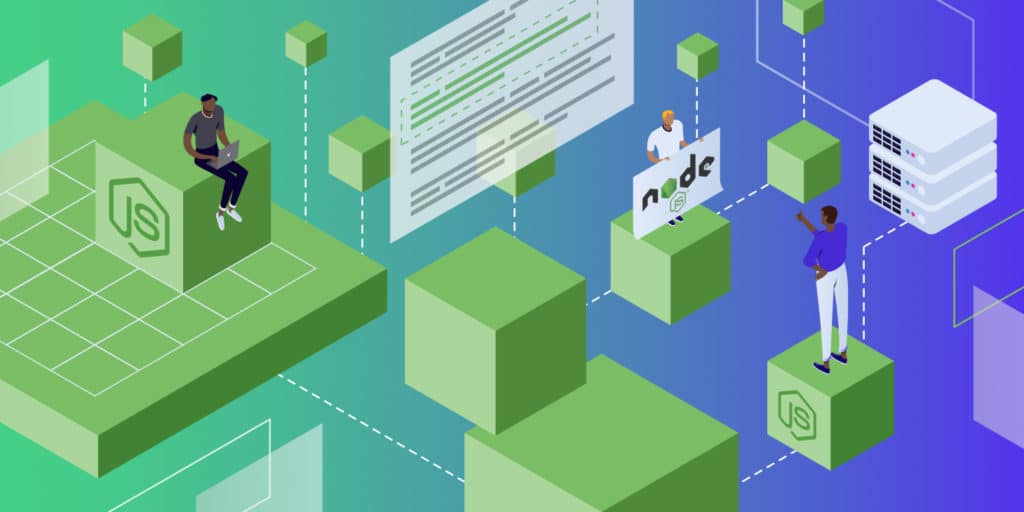
Why Choose Node.js for your Next Product Development?

Why Choose Node.js for your Next Product Development?

In little over a decade, Node.js has emerged as a top-developer choice for web application development. Its pros make it a superlative alternative for cross-platform development by integrating a 2-way client-server communication channel. Without plunging into the technicalities, let us know the top Node.js development statistics that substantiate its superiority over the competition:

  • Node.js is highly popular in the US, with 6.3 million websites using it.
  • It has found use cases in companies such as Amazon, LinkedIn, Tumblr, Netflix, and PayPal.
  • 85% of the developers that use Node.js, do so for web app development.
  • Research suggests that this open-source JavaScript runtime environment reduces development costs by 58%.

It gives programmers the leeway to use JavaScript to create command-line tools for server-side scripting. However, if you need further convincing, here are 12 reasons why Node.js development is at the peak of its powers and seemingly unshakable in the immediate future.

Reasons Why Node.js for Web Development is the Perfect Choice

Why Choose Node.js for your Next Product Development?

The internal workings of this open-source runtime environment involve package management, unified APIs, native bindings, and threading. Below we elaborate on how such technicalities result in productive work.

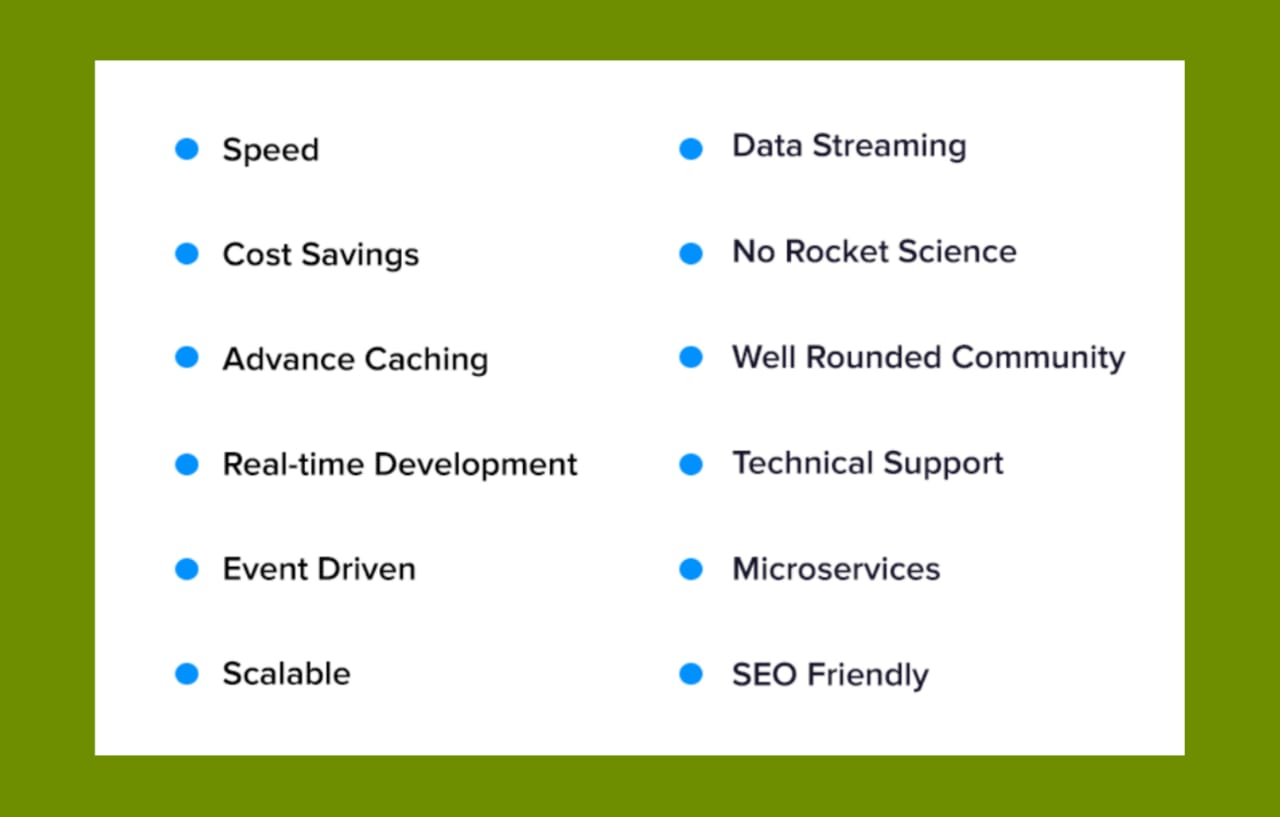
Speed

The V8 engine, developed by Google, powers Node.js. It allows for JavaScript code to be converted to machine code and contributes to development time savings on program executions. Products for web app development with Node.js can handle a significantly higher number of parallel connections.

Thanks to Node.js app development, Paypal was able to reduce its app response time by 35%. With such an anomalous increase in application productivity, the company processed double the number of user requests.

Cost savings

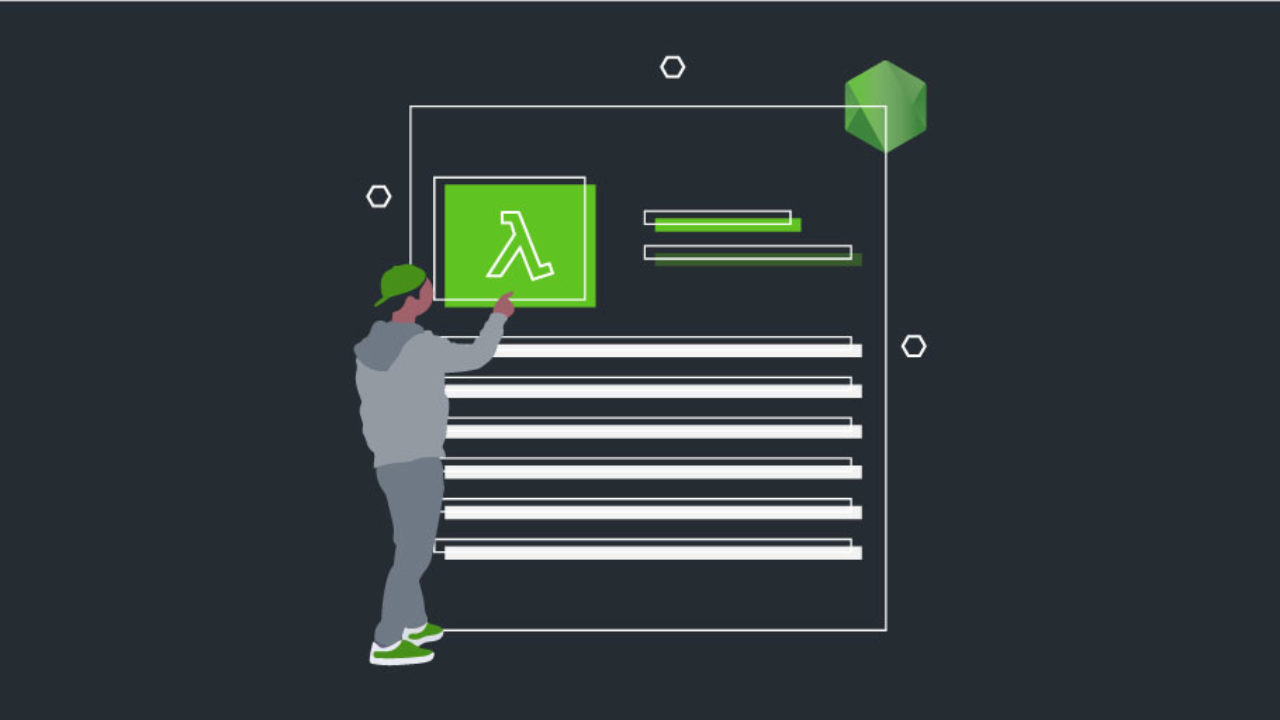
AWS Lambda with Node.js: A Complete Getting Started Guide – Stackify

As a web development company, Anteelo receives multiple inquiries from prospects to hire dedicated Node.js developers. But our product suite consists only of such services whose proof is in the pudding. Upon conducting a cost-benefit analysis, we found that Node.js’s development costs far less than anything else out there. Its memory footprint is smaller in comparison to PHP or Java servers. A server built on Node.js runs on an event-driven loop which saves a huge portion of the Random Access Memory (RAM) and in turn hardware/software resources.

Advance caching

Ask any Node.js developer and they would probably point to the caching capabilities as its greatest asset. It can cache single modules. But what difference does that make?

It eradicates the need to re-execute code as servers call for the first module. Caching allows websites to load faster and alleviate the user experience.

Real-time development

Free Cliparts Messenger App, Download Free Cliparts Messenger App png images, Free ClipArts on Clipart Library

Real-time apps are such that provide dynamic, spontaneous engagement environments for users. Examples include gaming apps, messenger apps, etc. Their development involves a lot of event-based programming and communication with a non-blocking server. Developers can maximize their efforts towards real-time web application development using Node.js as it uses asynchronous operations to optimize the coordination with the CPU and the memory.

Event driven

What Is Node.js and Why You Should Use It

The platform is event-driven i.e. all its developed APIs in the Node.js library are asynchronous. But what does this mean?

A server based on Node.js does not wait for the Application Programming Interface to return data. Instead, it calls the API, following which the built-in notification mechanism of Node.js aids the server to procure the return-call from the previous API.

Scalable

We are a Node.js web application development company and prescribe its use in areas like data streaming applications, JSON API-based applications, as well as single-page applications. We do so keeping in mind its scalability. Node.js web application development makes for ultra-high-speed computation speeds due to the V8 engines.

Node.js uses microservices with which it divides an application into finer processes. These processes can be allocated in parallel to multiple teams so that they can be developed in sync with the rising user requests. Faster background processes translate to low-lag operations and an increased footfall of user traffic.

That said, never use Node.js for CPU-intensive processes.

Data streaming

Product development is not as simple as people put it. As a Node.js development company, we learned it the hard way. Input-Output (I/O) handling is a key component of software engineering. With the tendency of web frameworks to classify HTTPO requests as whole data, I/O handling gets trickier to integrate.

But that is not the case with Node.js mobile app development which supports I/O bound applications. While using apps built on Node.js users can transcode multimedia files simultaneously as they are being uploaded onto the server.

What makes this a manageable procedure is a provision that writes data streams onto WebSockets.

No-rocket science

Most of the programmers these days are familiar with JavaScript. As Node.js app development is a JS-based runtime system, it is relatively easier for amateur coders to make the switch. They can achieve the same results as working with Django, PHP, or spring boot in much less time and devoting far less computational resources.

Well-rounded community

In a StackOverflow survey, Node.js was voted rank #1 for two years running in the miscellaneous technology category. This goes on to show how well-knit and widespread the developer community is on this tool. Constant upgrades keep people coming back for more, and access ready-to-use plugins and code-bytes accessible on GitHub.

Technical support

Another reason why professionals prefer Node.js for web development is that its parent team offers long-term support. As per convention, following the release of each version of Node.js, the code is maintained for the next 18 months. Instead of continuing to add new features, this period is utilized to fix bugs and collect user feedback for future releases.

It is reported that long-term platform support is prioritized by 62% of developers.

Microservices

On prior occasions, we’ve touched on the topic of microservices and monolithic architectures. Enterprise-grade projects have an inclination towards implementing the microservices-based architecture. This serverless approach pays dividends in the long run and is also supported by Node.js.

SEO-friendly

A Guide to SEO-Friendly URL Structures and Parameters: The Basics

More often than not, developers adopt a backwards approach when it comes to SEO practices. They design a website and then  re-design it to become pro-SEO. But that doesn’t have to be the case with Node.js. Its built-in features offer such pre-packed codes that are in tandem with search algorithms.

Another reason for using it is that it’s free!

Knowing and understanding the above mentioned points, as a Node.js development company in the USA we can say with authority that open source is the way ahead. In addition to being free, it offers state-of-the-art toolsets that include Redux and Flux. It is highly integrable with open source libraries.

Typical Projects to Start with Node.js 

As a Node.js development company, we suggest the following projects to train your in-house team on the platform.

Single page apps 

Present-day web applications bear an overloaded semblance partly due to the fact that they have to process client data. Working in this environment ensures faster response times between the server and client-side. This is a founding tenet that every single page app is based on.

Conventional web apps

An amateur Node.js developer could begin with writing conventional web applications. It allows streaming HTML data effortlessly.

Proxy development 

Why Choose Node.js for your Next Product Development?

While offering Node.js development services our experts have experimented with installing Node.js as a proxy server and it worked like a knife through butter. It helps in the case of apps that rely on external services to import/export data.

Final Thoughts

As a web development company, Anteelo has the firepower to kickstart Node.js-centric product development in full swing. With 600+ personnel joining forces from home virtually (till the pandemic lasts), we’ve handled cross-border projects and made a name for ourselves. But all that was possible only with the collective efforts of our growth hackers, who have what it takes to push through for technological superiority.

Top 10 Android App Development Trends To Watch Out In 2021

12 Mobile App Development Trends to Look For in 2021

Are you an entrepreneur who is looking forward to making or getting their Android mobile app developed? Let’s dig into some trends & stats. When it comes to developing mobile apps, no doubt the Android operating system gets all the attention, an attention that is well deserved.

Are you an entrepreneur who is looking forward to making or getting their mobile app developed?  If yes, then you surely need all the deep insights to know about the latest android app development trends.

Let’s dig in for some stats and read on further to discover the popularity of Android apps and the sector’s trends.

  • The fact is that today, Android is one of the most vitally used mobile OS that has captured almost 85% of the market share.
  • The Google Store has 3.04 + million applications, that range from web browsers, daily tools, social media platforms, complex games, enterprise mobile apps etc.

These figures clearly state that the app developers need to be aware of the hottest trends in mobile app development and incorporate them in their Android apps at the earliest, simply to provide users a unique experience.

Top Android Application Development Trends To Watch Out In 2021

The android apps continue to see implacable changes, that are primarily dominated by the user experience and constant innovations brought in by Google. As an entrepreneur, you would need to exemplify these trends for staying ahead of the competition.


1. Android Instant Apps

Top 10 Android App Development Trends To Watch Out In 2021

Although instant Android apps are not very common, slowly and surely, these app display types are picking up the pace. Android Instant app provides software developers with Android Instant Apps SDK and App Links Assistant that permits them to build mobile solutions from scratch or convert the existing apps into Instant Apps.

A working example of the type can be seen through the following – the Instant app allows users to try different games on the applications without installing that app on the device, exciting right?  The advantage of these apps is that they are compatible across all gadgets, require less storage space, and have a pleasant user experience and user interface.

Instant apps are the future and one of the biggest trends in mobile app development that helps the user use the app without actually compromising on space on their smartphones. This is the technology that is designed to drastically help and push the adoption of multiple sectors like eCommerce and games further to secure a place in top android app development trends of 2021.


 2.  Navigation Component

Top 10 Android App Development Trends To Watch Out In 2021

Navigation refers to the multiple interactions that allow the user to move around in the different sections and app’s content pieces. Android jetpacks come with components of handy navigation that helps the developers to implement the navigations. The implications could range from a simple button, click to an intricate pattern such as a navigation drawer.

The navigation component’s further benefit is that the component allows a predictable and consistent user experience, as the developers who implement them, follow the stated navigation principles.

3.  Blockchain Technology 

Top 10 Android App Development Trends To Watch Out In 2021

The blockchain technology has been making rounds for many years; however, it has finally come into action. The blockchain technology provides the enhanced solutions of the decentralized app development that eliminates any unauthorized access and pushes transparency.

The blockchain technology market is said to grow at 62.73% CAGR by 2026 making $52.5 billion. Decentralized apps (Dapps) are an open source, smart contract based software applications that run transactions on blockchain. These applications run on decentralize blockchain and the data cannot be changed or erased in it. These apps are the future of mobile app development; they enable faster payment, reliable data records, and are tamper proof.

With the help of blockchain technology, an android app development company can maintain robust security protocols. This inclusion is fast becoming a part of the trends in android development especially in the financial segments such as currency exchanges, banks etc.

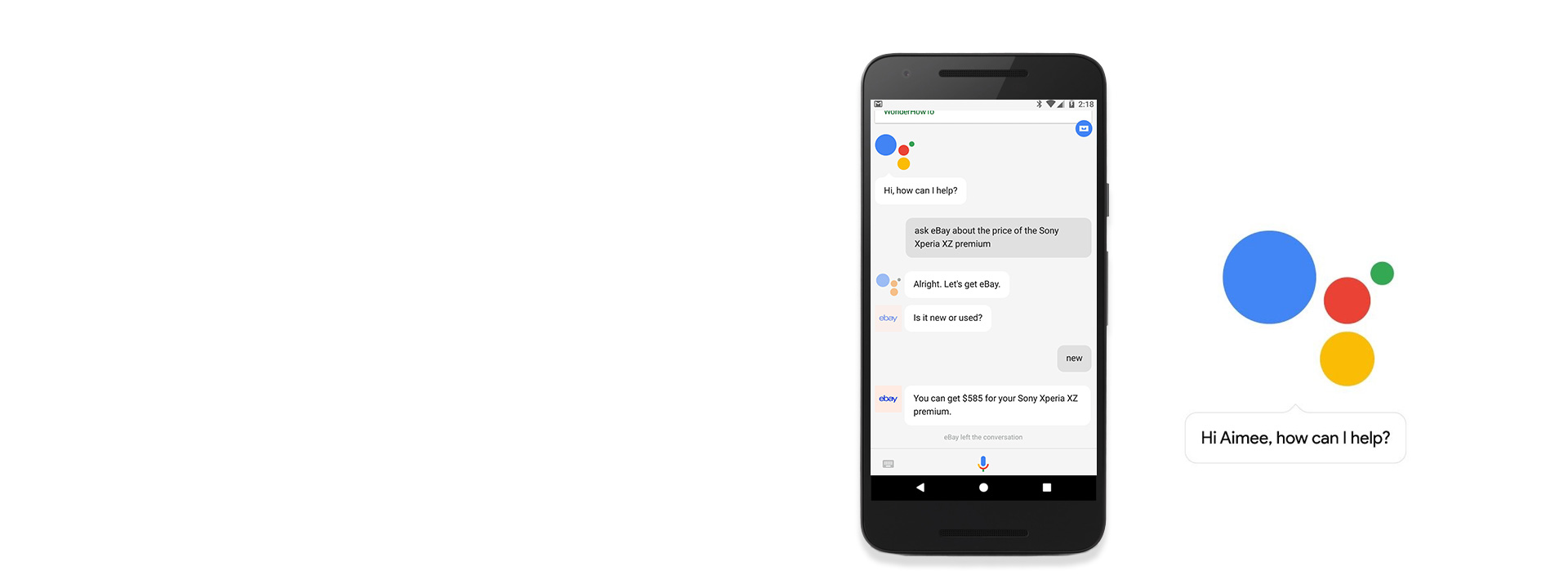
4.  Google Assistant/Chatbot

Custom Google Home Bot & Google Assistant Bot For Business | NCRTS

In the coming years, we will see that many business owners would be keen on integrating their app services with the Google Assistant. The primary advantage of investing in such an integration is that it provides users with faster ways of accessing the app directly. By using the Google app actions, the users get access to an app’s deep-link which allows them to perform specific activities inside the application from the Google Assistant.

Google, in 2020 announced that they will release a new feature for google assistant at CES. The new feature called “Scheduled Actions” will permit users to communicate with smart devices through google assistant like turn on/off a smart device, make a coffee, etc. The feature will be capable of controlling 20 home devices including lights, coffee machines, AC units, and many more.

5.  Multiplatform Development Through Flutter

Cross-platform mobile app development using Flutter

Google has introduced a new technology naming Flutter, which is being touted as the future of android development. Flutter is a cross-platform framework that helps in developing beautiful apps with a single codebase.

Many developers have been selecting this platform to build mobile apps due to its flexible nature. The primary reasons to choose Flutter are that it is effortless to learn, has a native design, etc.

It is one of the preferred frameworks for minimum viable product development. This means that instead of spending extravagance on two different apps, you can quickly build an app on native platforms such as iOS or Android.

With the latest update Google took flutter beyond mobile and to the web. Flutter developers are now able to target macOS, Windows and Linux and other embedded devices. The desktop support provided by flutter also includes plugins that support various platforms.

The new Flutter and Dart update have been released with Substantial Performance Improvements from its contemporary releases. Flutter is prepared for creating apps for iOS, Android, Fuchsia, web & desktop with new platform support. Moreover, they are in talks with Ubuntu for Linux apps, Microsoft’s Android Surface Duo, and Windows 10X which will be made accessible soon.

Some prominent progressions made in Flutter in 2021-21 are:

  • decreased size and latency
  • less janky animations, and quicker treatment of UTF-8 strings
  • mouse cursor support
  • new widgets such as Interactive viewer making pen
  • zoom and drag-n-drop
  • range slider and date picker revamped
  • integrating flutter to the current application made suitable with Pigeon
  • improved help for Metal on iOS, and new Material gadgets.

6.  Internet of Things

Global 5G IoT Market Size, Share, Growth, Trends | Industry Report 2028

The key mobile app development trends 2021 is the implementation of the IoT (Internet of Things). In Android, these trends end up translating into many of the Android things that allow the developers to build the devices on the top of the known hardware platforms such as Raspberry Pi. The best part is that developers do not require any prior knowledge of embedding the system design to start. Instead, the developers can develop the apps using Android Studio and Android SDK.

The introduction of 5G will open the door for more devices, and data traffic. According to some reports the 5th generation wireless network technology is expected to connect 1.5 billion devices globally in the coming years. It is also stated that the global IoT connections will triple to 25 billion by 2025, while IoT revenue globally will quadruple to $1.1 trillion.

With that said, IoT will focus on developing smart parking lots, street lights, and traffic controls apart from advancing the hospitality and industrial sectors.


7.  APM & EMM

Mobile App Development Trends to Follow in 2021 & Beyond

APM (Application Performance Management) and EMM (Enterprise Mobile Management) are two primary elements of mobile enterprise development. These technologies are primarily used to reduce mobile apps’ slowness. With the overall rise in mobile application development trends, they have become the quality tester for mobile apps.

With the upcoming trends, APM will reflect the application behaviour, measure statistics for devices and Oss that are used, and screen user performance to figure out which application features are exploited. With the application landscape and business infrastructure moving to cloud, APM will also provide powerful tools to monitor resources utilized by apps, associate the retrieved data with user insights, and adjust performance with business processes.

EMM will incorporate mobile device management, app management, application wrapping and containerization, and a few components of enterprise file synchronization and sharing.

From the work from home context, EMM has grown many folds and is looking into automation of processes, workflow optimization, easier and smoother communication flow, and exchange of data

8.  Motion Layout

Swipe right on Motion Layout. How to get into the swiping game with… | by Cedric | Bumble Tech | Medium

The layout used by the developers to manage the motion and the widget animations in the apps. This tool is a part of the Constraint Layout library and is compatible with Android 4.0. With these libraries, the team can quickly fill up all the gaps between the complex motion handling and layout transitions, as these tools are known to offer high-end and useful features.

Developers will be seen using Motion Layout to create multiple interfaces that use the animations, helping them understand what is going on with the app.

9.  Beacon Technology

This is the future: Beacon Technology! | by DeCode Staff | DeCodeIN | Medium

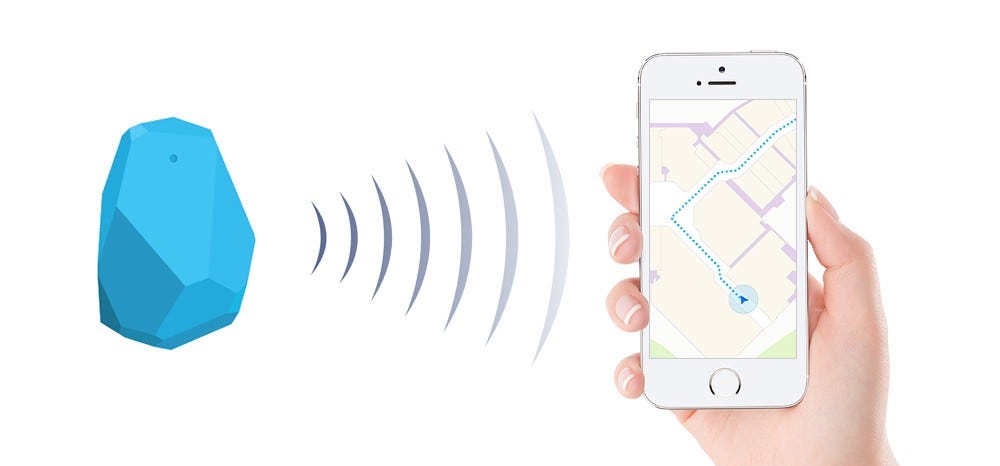
Businesses have slowly started to immensely use Beacon technology, as it helps businesses target potential clients uniquely. Beacons are the transmitting gadgets that get connected with mobile devices, in that particular range. The technology allows the companies to send various notifications regarding the special offers, nearby hotels etc.

Beacon technology transformation from a push marketing strategy to an opt-in strategy is useful for many industries. The technology can be applied on-cloud and at-area, which is helping it to gain traction and promote its growth in the coming years.
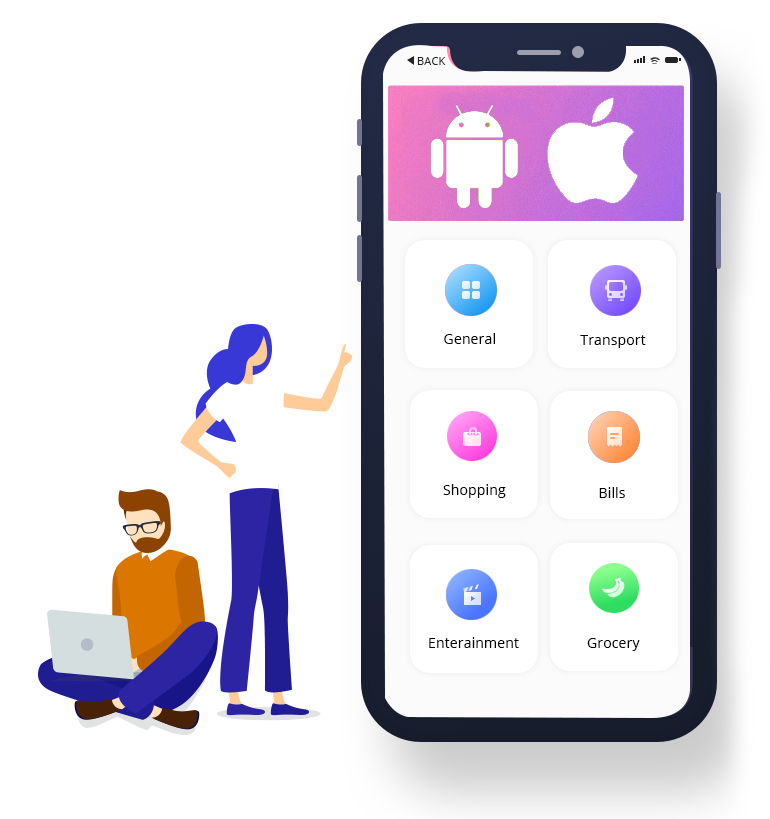
Beacon-based notifications are helping out businesses to connect with their users in a highly contextual manner. The beacon technology trend in 2021 will see the coming of beacon enabled airports and mobile payment using beacon.

Some companies are predicting the rapid development and use of iBeacon and other similar gadgets for marketing.

10.  Android Enterprise

Android 10 is out, but history says you likely won't get it for ages (if at all)

Digital transformation is now the need of the hour in 2021 for enterprises. The Google-led initiative – Android enterprise helps the workers to use the Android apps in their workplace. The Android Enterprise program helps the developers with the APIs and various other tools needed to integrate support for Android into the solutions of enterprise mobility management.

Wrapping Up

Each year comes with newer innovations and ideas, and these trends keep on rolling back and forth. Looking at the above latest trends in android app development, we can undoubtedly claim that the Android Operating System is growing at a rapid speed towards providing the users a seamless experience.

Given the trends for mobile app development, businesses are opting for app development and are looking for an estimate of the cost.

In-Depth Detail About Logistics App Development Cost

How Much Does It to Develop an on-Demand Logistics App? - TekGeekers

We’ve come a long way, haven’t we?

From standing in long queues just to send a parcel to doing so with a click on our smartphone’s screen. And from the operators’ point of view, they are saved from the pain of monitoring all the logistics and transportation operations – all the time.

It’s all a result of the fusion of the transportation and logistics industry with the mobile app development domain.

But how?

How do these mobile applications perform a multitude of tasks single-handedly and efficiently? What features make them so great?

Well, this is something that we will discuss here.

Don’t get anxious, since I know what you are here for – the most-awaited answer to “how much does it cost to develop an on-demand logistics ( or management) app?” But before we dive straight into the answer, how about a little detour?

Let’s back up to gain a little perspective on the current condition of the market and analyze how beneficial it is going to be for you if you blend in on-demand with logistics app development.

Table of Content

  1. Transport and logistics industry market statistics
  2. Top players of the Logistics market
  3. Types of mobile apps for logistics companies
  4. Logistics mobile apps in the news
  5. Benefits of Having an app like Uber Freight
  6. Must-have features of an app like DHL
  7. Technology stack used for logistics app
  8. What does the Logistics app development cost?
  9. Future of Logistics app development

Transport and logistics industry market statistics

“It’s all about numbers”

I have always found numbers to be the most convincing factor in business. And the logistics domain possesses some promising ones as well.

According to MarketWatch, the global logistics market is predicted to grow by $287.1 million between the years 2020 to 2024. This is equivalent to the increasing CAGR of 5%. In fact, the year-over-year growth rate for 2020 is projected at 4.13% by the end of the forecast period. Moreover, this CAGR is considered to be the highest during the 2019-2023.

In fact, a report by Transparency Market Research, it was mentioned that the logistics industry is expected to be worth $15.5 trillion by the year 2023 – something that paints the future of on-demand logistics app development in a positive light.

Moreover, upon analyzing the transport and logistics industry stats, we found that logistics/trucking holds the highest market share of 35%.

Top players of the Logistics market

Carriers - Find Truck Loads Faster and Easier | Uber Freight

In-Depth Detail About Logistics App Development CostDHL Express shipping - nopCommerce

United Parcel Service - WikipediaIn-Depth Detail About Logistics App Development CostTruckTrack | AngelList Talent

Types of mobile apps for logistics companies

1. Fleet Management

In-Depth Detail About Logistics App Development Cost

This type of logistics application caters for recording the data and information related to vehicles and fleets. As a result, these apps must help in organizing, managing and coordinating vehicles from the central information system in order to keep the overall fleet operation hassle-free and running. Applications like these are also known to reduce costs, boost performance while providing compliance with government regulations.

2. Logistics on-demand

In-Depth Detail About Logistics App Development Cost

Applications that fall under this category are all about goods delivery as per the users’ requirements. These apps not only fulfill users’ needs instantly but also help in building connections.

3. Warehouse mobile apps

In-Depth Detail About Logistics App Development Cost

Warehouse mobile apps are designed to store a huge amount of data related to the products stored in the warehouse. It does it in such a simplified way as to make it easy to access any data any time.

4. Tracking and forwarding applications

In-Depth Detail About Logistics App Development Cost

These applications target to deliver information related to real-time concerning routes and delivery of the goods and products. This means that it also displays drivers’ location which is a rather prominent feature.

Logistics mobile apps in the news

  • Airbnb has expanded its reach to warehousing by introducing the “Flexe” app. In May 2019, the application raised $43 million in fundings in order to help online retailers take on Amazon.
  • Uber announced in Sept’2019 that it will spend $200 million to expand its Uber Freight trucking venture – Another reason to believe this is a growing field.
  • In January 2020, a Kenyan logistics startup called ‘Sendy’ with an on-demand platform raised around $20 million in a funding round backed by Toyota.

Benefits of Having an app like Uber Freight

Knowing why one should even invest in logistics mobile apps is as important as it is for a business to know the cost of logistic mobile app development. Let’s shed some light on the benefits first.

1. Vehicle tracking

In-Depth Detail About Logistics App Development Cost

Accuracy plays a pivotal role in determining the quality of the services – delivering goods at the right places and time. In this case, geolocation poses as one of the important features of the logistics app. The admin or users would be able to track the real-time location of the vehicle while simultaneously notifying the customer as well. In the case of emergencies, GPS could also be used.

2. Fleet and warehouse management

In-Depth Detail About Logistics App Development Cost

Effective management of fleets and warehouses is an ideal way to prosperity for any business operating in this domain. It can help with improved productivity and functioning. Such applications can store data way more effectively than the manual process, with low chances of data loss or misplacement. All in all, developing a transport and logistics app will eliminate inaccuracies and errors that come with manual processes.

3. Easy online booking

Easy Booking - Videos | Facebook

Since everything is on mobile now,  providing your customers with the facility to do everything on their tiny screen what they used to do on their desktop/laptop is the need of the hour. Booking cargo or a parcel is something that can be done online with the help of on-demand logistics app development.

4. No paperwork

No Paperwork by Amanda ☻rtiz on Dribbble

As pointed out before in the second point, managing and handling the paperwork is such a pain, especially, in the transportation and logistics business. Having a dedicated mobile application for this purpose solves this issue entirely and streamlines everything.

5. Helps in confirming the whole process

In-Depth Detail About Logistics App Development Cost

Probably one of the prominent uses of such applications is the real-time confirmation of the delivery process. While using an on-demand delivery app, the company and the customers, both can confirm if the product was delivered on time or delivered at all.

6. Promotes professionalism

Why Professionalism Matters ~ By Richard L. Gabriel - The Docket

If something that should matter the most to a company is its brand image. Having an on-demand logistics app not only facilitates your users but builds their trust in your company.

Must-have features of an app like DHL

There are three panels that need to be designed and developed in the logistics app development. Let’s look at each one of them while discussing the must-have features.

Note: These three panels are essentially three applications, which when combined work as one whole product. Consequently, it is a prominent factor when it comes to calculating transportation and logistics app development costs.

User Panel 

Customer registration – Registration can be done in two ways – A. By creating a new account altogether and B. By registering with existing social media accounts. Giving this option to the users will impart a good impression.

Customer Attributes & Registration: The Perfect Combo For B2B

Vehicle selection – It is an important feature to integrate into the on-demand logistics apps. This helps users in selecting the vehicle as per their requirements, i.e., be it a van, truck, trailer, container truck, and so on.

5 things to keep in mind when selecting a vehicle

Scheduling and managing booking – Here users will be able to book a vehicle to avail of services immediately and can also pre-book by mentioning the date, time and location of pick-up.

10 Best Free Appointment Scheduling Software for Salons & Clinics

Multiple payment gateways – The more options you give, the better experience you are likely to provide your users. This is also true in this instance.  Providing users the choice to pay for the services via Credit/Debit card, online wallets, etc. will encourage them to use your app more often.

Multiple payment gateways on your site - Time to switch?

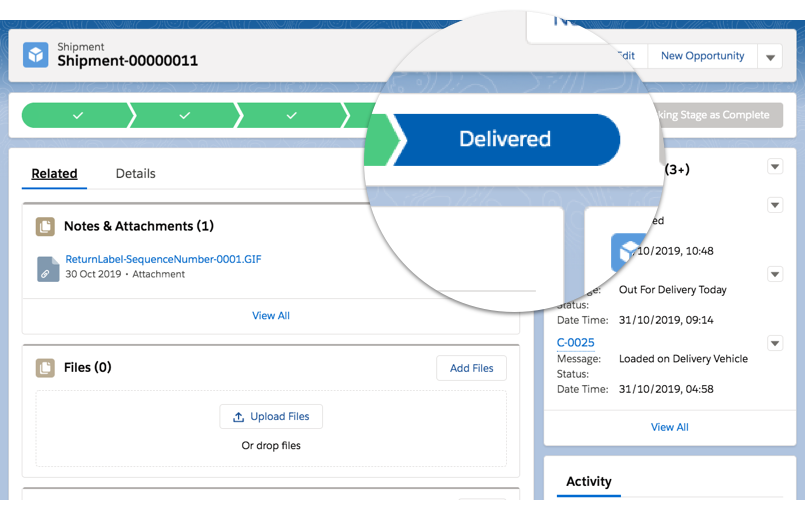
Tracking shipment – Rather a crucial feature, tracking facility is something your users are already expecting from your app. So, make sure to implement it in your end product.

Shipment Tracking Docs | Zenkraft


Drop-off location – Always allow users to enter the drop-off location of their parcel either manually or with the help of GPS.

Jpg Download Maps Locations By Icon Direction Location - Icon - Free Transparent PNG Clipart Images Download

Real-time alerts – Push notifications are a great way to inform users about useful and important information while engaging them on your application.

Real-Time Tags & Alerts - Log Management Made Easy | Logentries


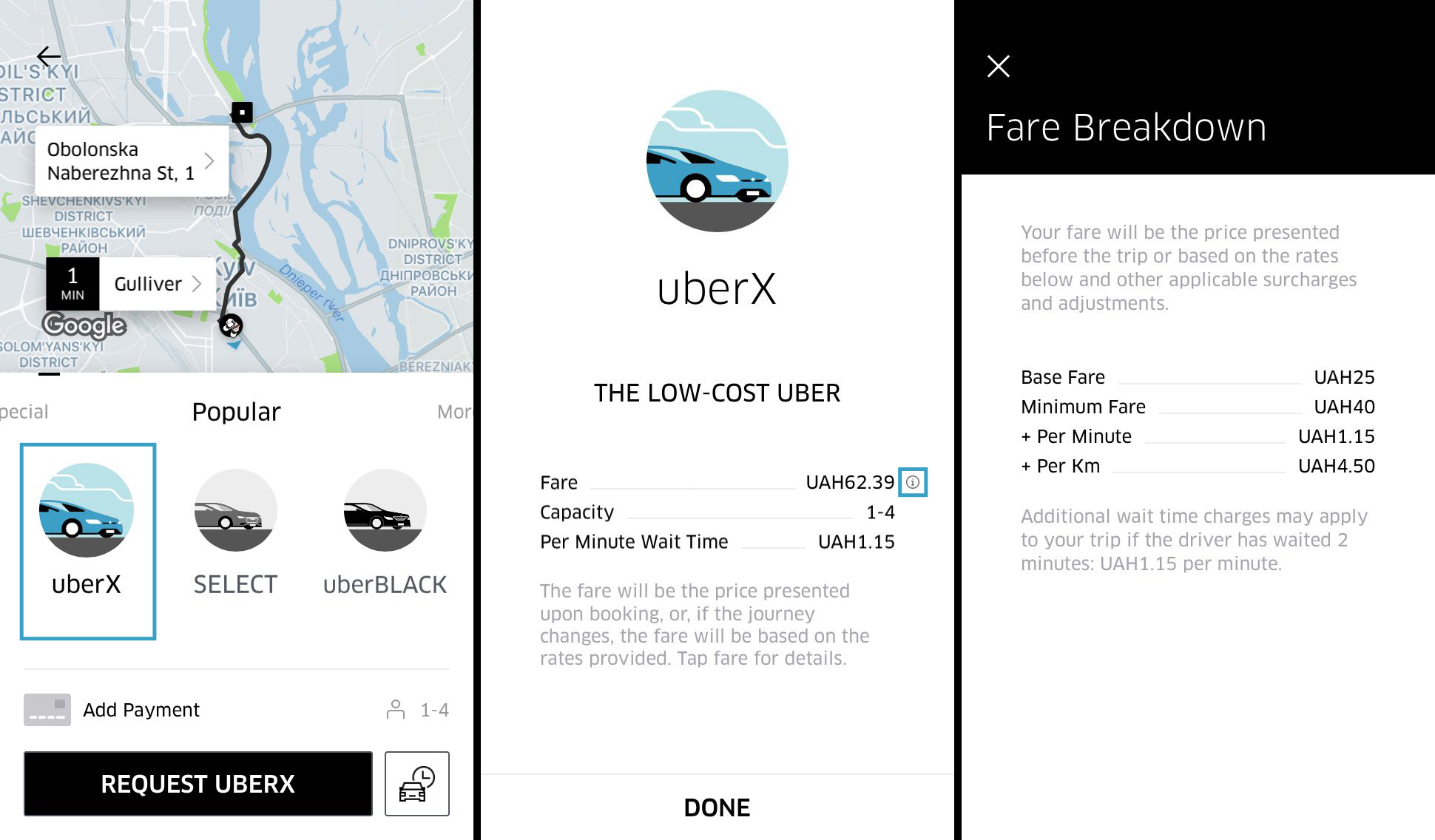
Estimate fare charges – It is important for users to know beforehand the value they are expected to pay for the services. In this case, employing an in-build fare calculator will prove immensely useful. It will calculate the cost of services based on the size and weight of the package.

Trip fare: Know Before You Go | Uber Blog

Access to history – This feature will allow users to revisit their previous transactions and invoices to keep everything on track and record.

Viewing Transaction History- Classic Account Management


Ratings and reviews – It would help customers if they find this feature in your app. This way, users can rate and review the services and give feedback that can help other users.

Understanding Online Doctor Reviews and Ratings | Beaumont Health


Driver/Dispatcher Panel

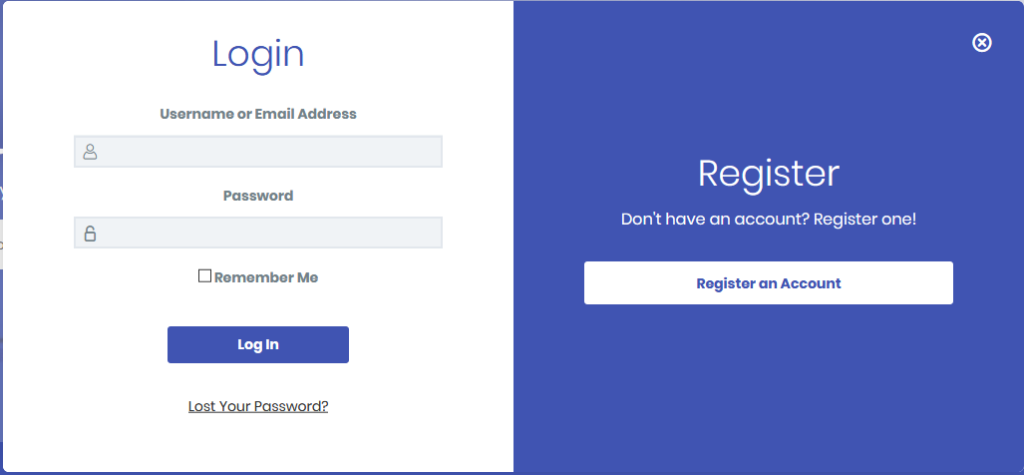
Login/Register – Like users, drivers can also signup using existing email IDs or social media accounts.

Setting custom LearnDash Login & Registration redirection pages - Theme Spirit

Manage requests –This feature allows drivers/dispatchers to accept or reject any request or order based on their preferences.

Start managing your incoming requests like a pro by taking these 4 steps - Corrus

Make available or busy –Just like a DND feature, this will help the drivers or dispatchers show their availability/ unavailability for services using many options like marking self available, etc.

Surge: Couriers can more money when it's busy | Uber Blog

Consignment details – Getting insights of the consignment to be delivered is a crucial element that would help your app become popular if you employ.

Tracking & Tracing

Manage profile – Probably one of the most basic features is to enable the drivers to update the information on their profiles.

Manage Your Customer Profiles for Better Sales and Support | Acquire

Navigation –This is a crucial feature for the driver/distributor side of the logistic application. It gives information regarding the best route to the customers’ addresses to facilitate on-time delivery.

5 Best Offline GPS Navigation Apps For Android - Gizbot News

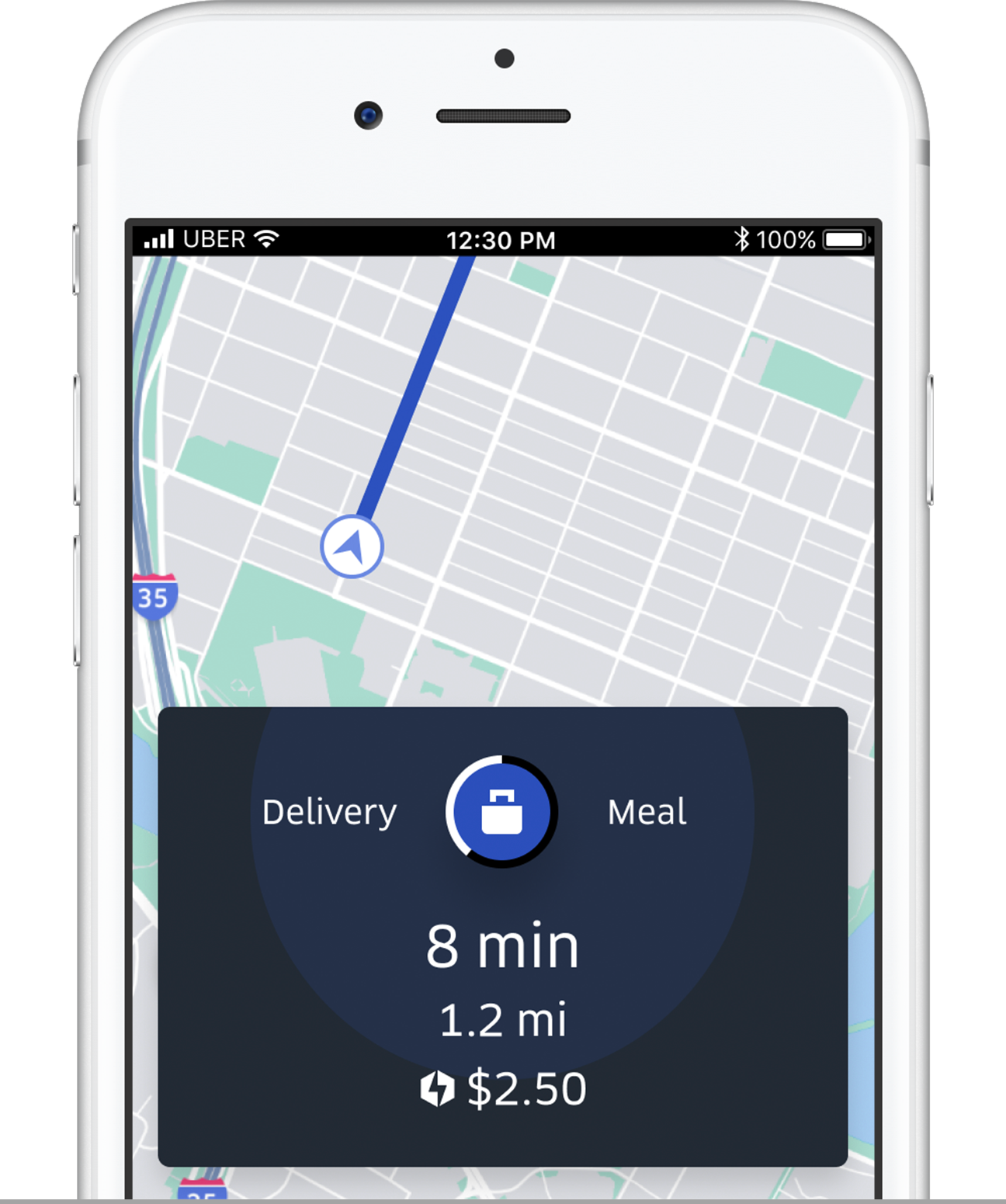
Mark delivery –Allowing the dispatcher this feature will enable them to send alerts to both the parties (customer and admin) regarding the delivery of the parcel.

Delivery Mark Reviews 2021: Details, Pricing, & Features | G2

Freight/shipping details –All the details related to freight (weight of goods, fuel consumption, distance covered, toll charges) and shipping (name, address, contact number, destination) all can be accessed by the dispatcher/driver via this feature easily.

Sea Freight Shipping Services | Ocean Transportation

Access to history – It would be best to offer this feature since it will help them revisit past transactions and invoices.

Admin Panel

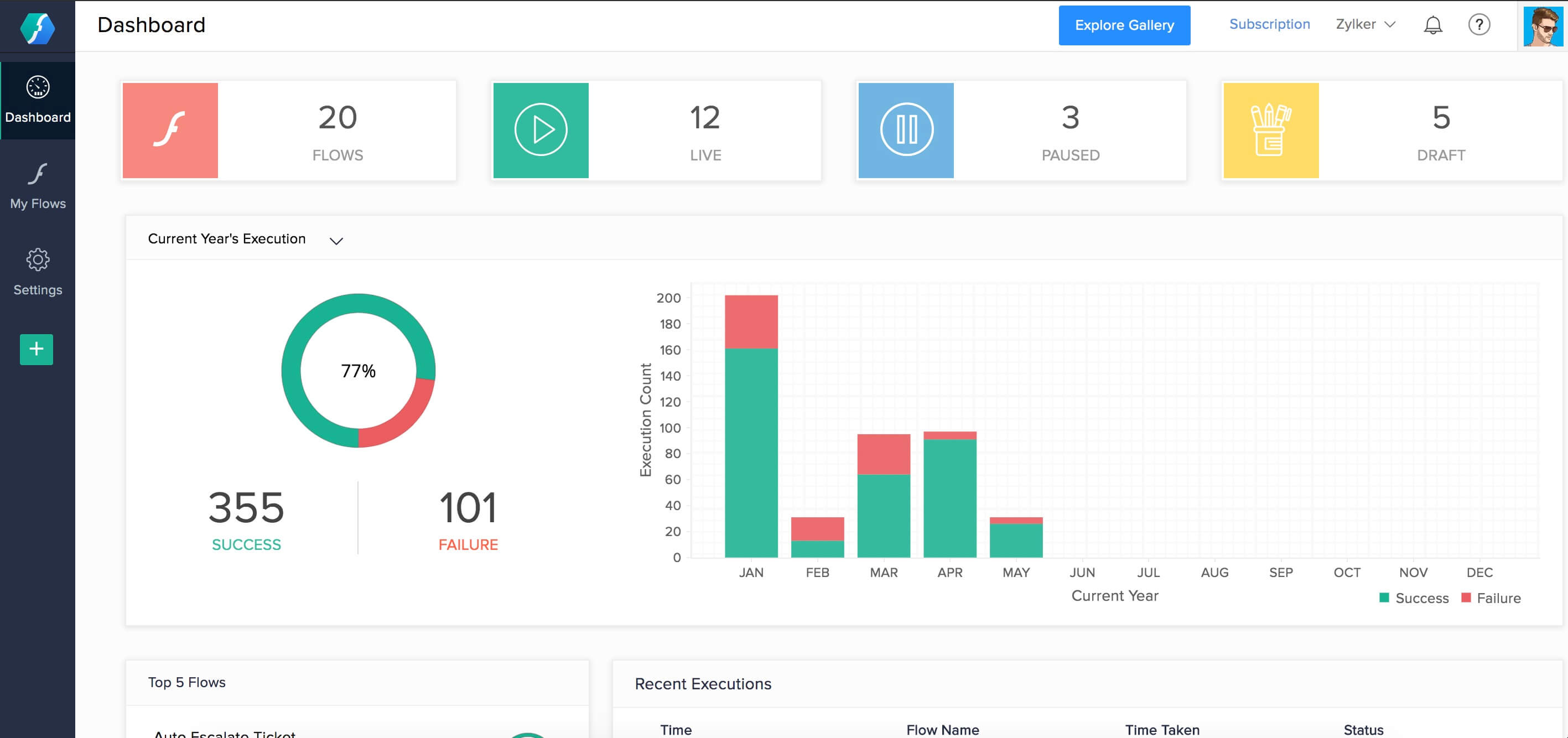
Dashboard –It displays every critical information related to the users and drivers. The admin is able to also see pending and completed orders with real-time data.

Zoho Flow dashboard

Fleet/Vehicle management –With this feature, it will become possible for the admin to introduce new vehicles for the shipment and even update the existing ones details with image, etc.

Car Fleet Management Template » EXCELTEMPLATES.org

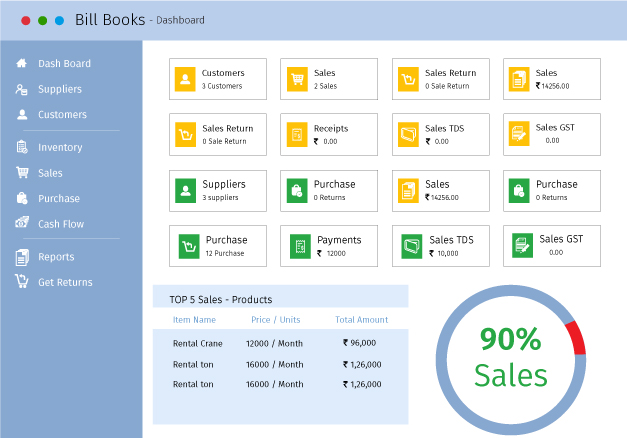
Manage invoices and payments –With this invoice management feature, the admin will be able to generate and update invoices.  Moreover, admin can also manage payments, i.e, approve the payments received by the drivers and analyze other similar transactions.

Bill Books - Billing Management Software - Manage your business sales, purchases, payments and customers

Drivers monitoring –This feature helps in managing and assigning tasks to the drivers/dispatchers and monitor their on-road time, activities, and pending requests.

Jaguar Land Rover tech has car monitoring driver's concentration

MS features –Under this feature, all the user queries related to the services or drivers, and any improvements required by the users are recorded and handled by the admin.

Additional features

Get a quote –According to the available deals and services, customers can request a quote from the service provider in order to get an idea for the cost and time of the services.

In-app Chat –This might be an additional feature but it is a crucial one as well. This will facilitate your users since they will not have to seek another resort for the purpose of contacting the service provider.

Chat support –Chatbots now play a huge role in the B2B and B2C sectors. Most of the applications providing any kind of service or products are equipped with chatbot app development. This is something that we at Anteelo highly recommend.

Multilingual Support –Popularly known as a practice related to the localization of mobile applications, providing multilingual support can boost the popularity of your application globally.

Link and upload documents –For dispatchers, this feature will be a big hit since they will be able to upload important documents related to shipping such as insurance documents, etc.

Note: All these additional features incur higher logistics app development costs.

Technology stack used for logistics app

One of the challenges of developing a logistics mobile app is determining which tools are essential and will render impeccable results, something which an on-demand app development company like Anteelo knows best.

Starting from the top, in order to create a robust Frontend development, many mobile app developers prefer to use Swift, Java, CSS, Bootstrap as their programming languages. Whereas, for the backend development languages like JavaScript, Ruby, AngularJS, and Python with their impeccable mobile development frameworks are used.

As for the database, HBase, Mail Chip Integration and MongoDb are used, while Azure, Google, and similar technologies are used for Cloud facility. Speaking of Application and data, development tools such as jQuery, Groovy, and AngularJS are employed.

Now that we are done with getting familiarized with crucial aspects surrounding the logistics industry and app development, let’s get down to business – getting the answer to the cost to build logistic apps.

What does the Logistics app development cost?

As I had mentioned above, the ultimate cost of app development relies on the factors related to the on-demand logistics app development process of the application.

Along with an answer in digits, we will encounter a detained account of the factors contributing to the final cost.

Backend and frontend development

In-Depth Detail About Logistics App Development Cost

The choices you make for Backend and frontend development will play a pivotal role in determining the cost of your logistics application. To be more specific, it all depends on your choice of frameworks, tools, and technologies.

You can either go with Monolithic or Microservices. However, let me put it out there that the cost of frameworks for microservices tends to be higher than monolithic. Nevertheless, it is all worth it since it is more efficacious in providing highly scalable logistics applications.

Choice of the tech stack

In-Depth Detail About Logistics App Development Cost

You might already know that the tech stack you choose for development is going to affect the cost. Speaking of programming languages, hiring developers for some languages like Swift, Golang, and R is quite expensive. Similarly, those languages that are new will have fewer libraries and frameworks, adding to the overall tasks of the development.

 Type of application

Since it is an on-demand application, the development cost for it also tends to be higher than any other category, say social media, m-commerce, etc. It is because this single application consists of three whole separate panels, which require a number of resources equal to three applications. So, evidently an on-demand logistics app is going to cost more than other non-on-demand applications.

Platform (Android or iOS)

In-Depth Detail About Logistics App Development Cost

The choice of platform you choose would fall either for Android or iOS. Strictly speaking, developing for the Android platform can be a little more costly as compared to iOS due to the amount of fragmentation Android is subjected to.

There is a third option available now – cross-platform app development. By choosing this, your application will be able to work incredible on both the platforms rending performance falling no shorter than a native app. Plus, it is cost-effective as compared to developing the app separately for both platforms.

Development Team Size

How to Determine the Right Size of Your Software Development Team | Customer-centric product development and innovation

There is no need to tell you that the cost of development will be lower when you choose a team of freelancer developers as compared to an established on demand mobile app development company.

However, established companies have an edge over freelance developers – the assurance of the prolific quality of mobility and digital solutions.

Location of the company

In-Depth Detail About Logistics App Development Cost

The location plays a pivotal role in deciding the ultimate cost of logistics app development. It is an established fact that the hourly rates of development tend to get higher when moving from east to west.

In light of the above statement, there are few countries such as India that are home to some prestigious and insanely efficient mobile app development companies that offer their services at reasonable prices.

Now comes the most-awaited part. The estimated cost of logistics mobile app development can range between USD 70k to USD 80k.

Future of Logistics app development

The future of the logistics industry

All the current statistics and predictions on logistics app development only paint a positive picture of the future of on-demand logistics app development. Since the advent of mobile app development in the logistics industry, things have become smooth-sailing and processes have become streamlined.

In fact, the next big thing for this industry is the extension of AI into it, as per the AI technology trends. We can expect AI-induced logistics applications that will further facilitate the logistics and warehouse management while being equally helpful in transportation. Another next-gen tech that will disrupt the logistics domain is none other than IoT.

Going forward, the emergence of numerous types of on-demand logistics applications will eventually make the logistics industry prosperous. If there was ever the right time to invest in the logistics app development, it is Now. So, with the estimated cost to build the logistic app, it would become easier to make a firm and well-contemplated decision.

Minimal Apps Design: A Complete Guide For Beginner’s

A Beginner's Guide to Designing Minimal Apps - Appinventiv | Android app design, App development, Mobile app development companies

Perfection is achieved, not when there is nothing more to add, but when there is nothing left to take away.

– Antoine de Saint-Exupéry

There was a time when adding too many elements into the mobile app was a norm. But, with time, user behavior has changed.

Users have started inclining towards minimal interactions and elements; hoping to interact with limited things while enjoying the same level of services.

This changed need in turn has made it imperative for app designers and UI UX design agencies to incorporate the concept of minimal app design and build engaging designs with limited elements.

In this article, we will talk about the much talked about designing concept starting with the simplified definition to what is minimalism.

What is Minimalism?

Minimalism in app design, as depicted from the name, is described as a process that operates on the ‘less is more’ principle. Here, the least possible elements are added to your app design, such that it forms the most atomic form of the application. Meaning, you cannot achieve the core functionality of the application on removing elements further.

The concept has gained a huge momentum in the UI/UX design world because of the number of benefits it offers.

What Should Minimal UI Design Look Like?

Minimal UI for maximum impact. How Minimalist Design Can Power Your… | by CanvasFlip | UX Planet

Minimalist web and mobile UI UX app design should be brief, clear, and consistent. The communication of the program’s segments should be pointed toward solving the customer’s problem, be it texting, online shopping or something else, which infers user convenience.

Generally, minimalism powers UI/UX professionals to track down a legitimate method to say more with fewer means. To accomplish such an outcome, you need to follow certain minimalist UI design principles. They’re direct, simple, and consistent.

Benefits of Minimal Design in App Design Process

Pastel Photo App | Photo apps, Mobile app design inspiration, App design inspiration

Delivers a polished message

When multiple elements are added to a screen, it is likely to confuse users and make  it hard for them to understand the core value you wish to deliver. But, on the flip side, minimalism, when added to the mobile app interface makes it nearly impossible for users to not be able to understand what message you wish to deliver.

Fast load of app screens

Naturally, when unnecessary components are eliminated, an application turns out to be quicker. This brings the advantage of minimum to zero instances of application crashes. When the performance of an application is improved, the experience improves, eventually expanding the timeframe of usability of applications on consumer’s devices.

Eases navigation process

Another reason why minimalist web and mobile app design is going viral is that it enhances app navigation.

Users interact with less elements on a screen. So, there’s less chances of them finding an alternate navigation path and get distracted.

Requires less maintenance

Since the time, effort, and cost required for app maintenance varies with the no. of elements available on the screen, the value gets lowered in the case of minimalist UX design.

Enhances brand value

Last but not least, a minimalist app design helps brands increase their app stickiness. Through the design concept, users are able to stick to the interface for long, and all the while, their interest keeps spiking.

Concise call to action

On account of the moderate plan technique, any accentuation will be striking. The conciseness and simplicity of the interface permit you to take the user’s attention to what you truly need them to see.

Need your users to utilize your application for any reason? Or do you need them to subscribe to your top video? Whatever be your activity, its call would project itself delightfully onto the application.

Knowing the benefits of using minimal UI design, I am sure you would be keen to get started with the implementation of it in your app design.

But, wait!

Before asking your hired mobile app design and development company to follow the Minimal Design approach, it will be useful to get a head start by looking into how different apps are leveraging advantages from it.

Popular Apps Using Minimal Design Concept

Google Calendar

Calendar | Google Blog

Google calendar uses the grid layout to show all the information in a simplified and organized style. Also, an analogous color scheme is opted to give a fresh and positive look to the interface.

Instagram

What Is Instagram and How It Works: a Beginner's Guide

Instagram embraces the concept of white space and added the simplest form of icons to give a pleasant feel to the target user base.

Airbnb

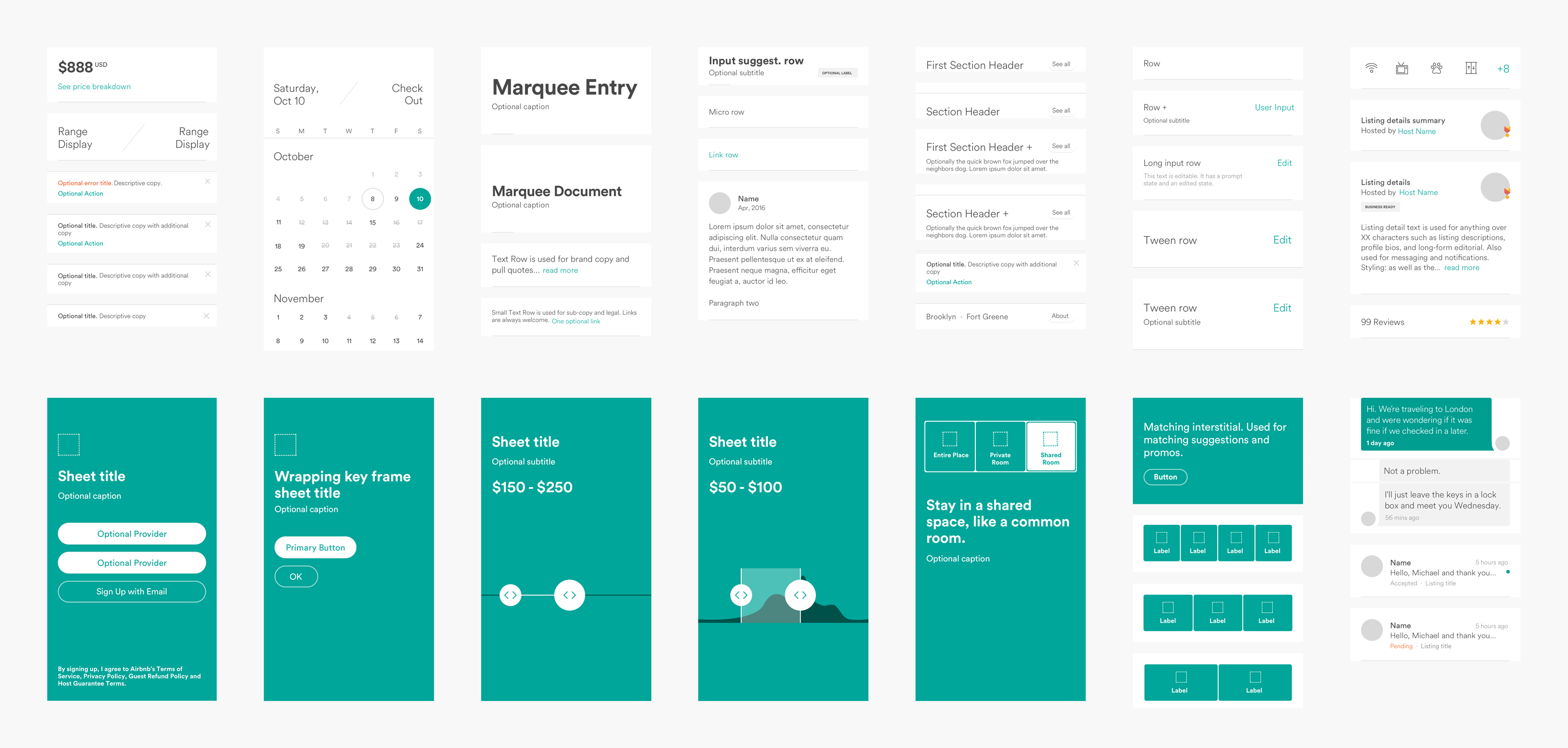
pngkey.com-airbnb-logo-png-605967 - TheRiver.Asia

In Airbnb, a single typography is being used to make the app interface look clutter-less. Also, icons are used smartly to define a purpose.

Medium

The typography, photos, and every element are used in a grid format in the Medium application.

Lyft

Lyft - Wikipedia

Lyft is an apt example of how to add an analogous color scheme into your app design plan to bring out the best outcomes without investing heavily in terms of app design cost.

With this covered, let’s dive deeper into the technicalities of Minimal designing – starting with the core features of Minimalism design concept to keep an eye on.

Characteristics of Minimal App Design

The Rise of Minimalism in App Design | by Austin Mikael | Prototypr

1. Simplicity

A minimal app design uses less and not complicated elements, which gives a simple and clean look to the application.

2. Clarity

It not only looks simple, but also simplifies the process of getting an understanding of the core app purpose.

3. Functionality of each element

Every element on the app screen performs some action, and not just makes the app look attractive.

4. Expressive visual hierarchy

The elements in the case of minimal app design are placed such that they showcase a visual hierarchical structure.

5. Higher attention ratio to proportions and composition

The UI/UX design is created by keeping The Golden Ratio into consideration.

While these are the traits that an application designing through Minimal design approach shows, let’s turn towards the elements it compose of.

Elements of Minimal Design to Watch Out for While App Development

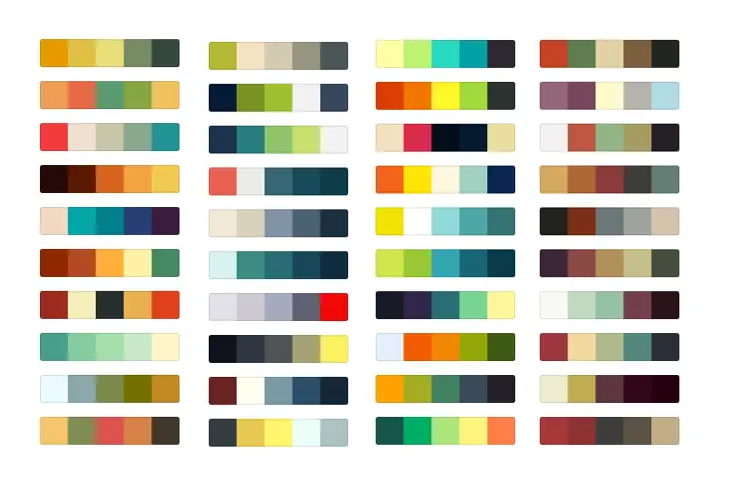
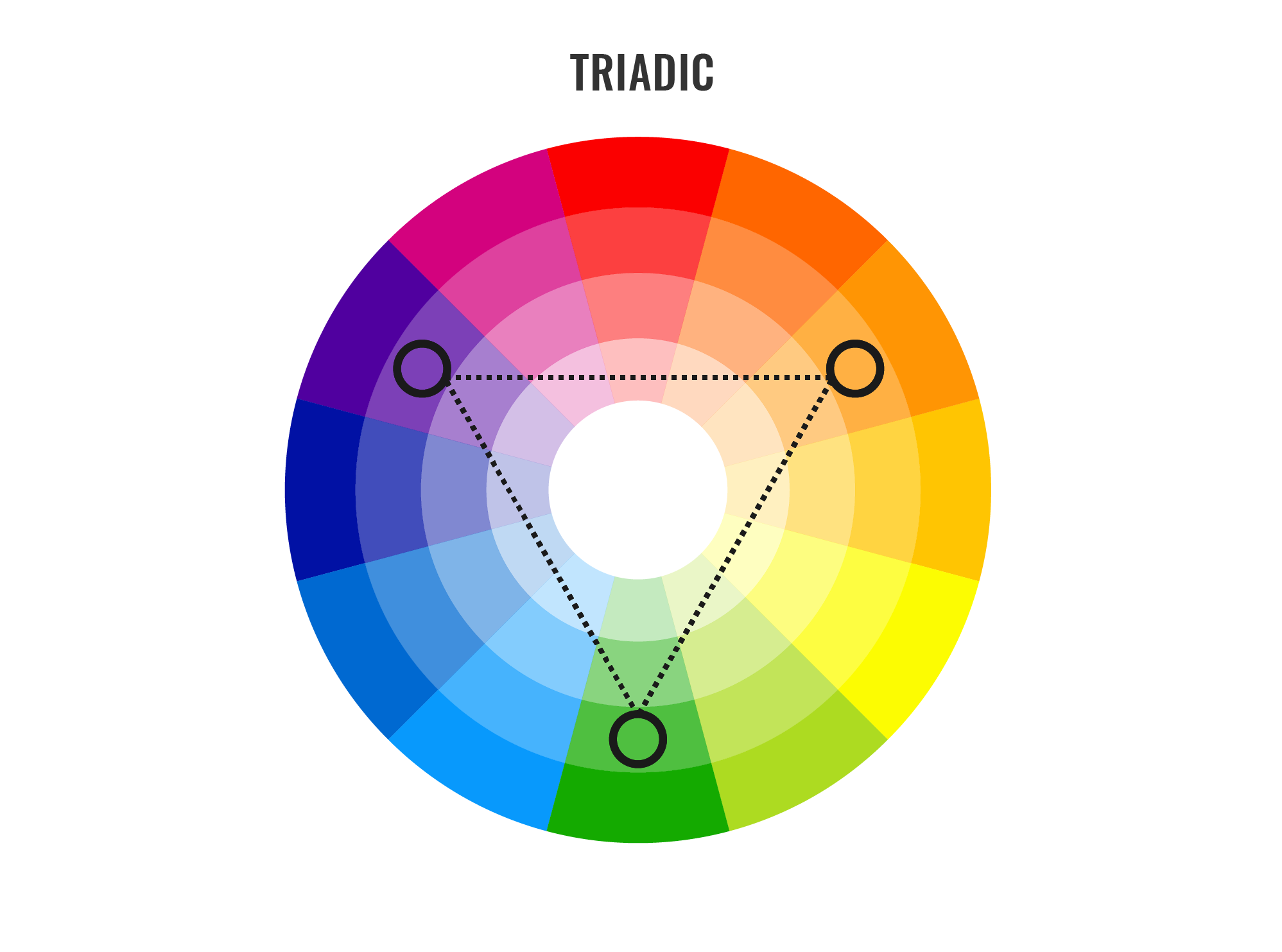
Color scheme

Generate Free Color Palettes for Your Images & Pick Your Color Scheme | Adobe Spark

One of the primitive elements of minimal design is the color scheme.

The type and quantity of colors you pick for your app’s interface leaves a major impact on the target user base, on the emotional front. If your application has too bold or too many colors at the same place, the app might seem cluttered and confusing. While, on the flip side, calm colors or a single color on the interface might make the app appear boring and affect user retention rate.

In such a scenario, the two ways you can build engaging app interface are:-

  • Use Monochromatic Colors Scheme – Multiple colors are created from changing the hue brightness and saturation of the same color; making it easy on the eyes.
  • Opt Analogous Colors Scheme – Three adjacent colors on the color wheel are used to create different aspects of the application.

Typography

A beautifully illustrated glossary of typographic terms you should know

Another element that gives a different aspect to minimal designs is Typography. Defined as the technique of representing written words, it improves communication between users and the app interface.

If picked wisely, it can bring more eyeballs on your app screen. While, on the other side, it can give a disorganized and negative feel to the users, especially when going with multiple typography fonts.

In such a scenario, having knowledge of the best typography tools as well as the idea of how many typography one should consider for building a sophisticated look is necessary.

White Space

When talking about implementing minimal design in apps world, another element that designers and developers need to focus upon is the white space. Considered as the space between text lines, it gives a clear and clutterless impression to the app interface; making users feel positive about interacting with the page.

 Icons

Get Pichon - Free Icons - Microsoft Store

Iconography is a visual language used to address functionality and content. A good icon is simple with visual components that are easy to spot and comprehend. Since bar symbols fill in as navigation to different sections of the application, it’s essential to indicate which section is active by highlighting the icon.

Enhancement

Enhancement is yet another mobile app UI design tool element that builds up minimalistic design in the mobile app world. That means, the way you bring more focus on a particular image or text while multiple being present on the page.

Now as to what exactly Minimal design in app means and which and how apps are introducing it into their app design, let’s look into some tips and practices you can consider to create minimalistic interfaces of your application.

Best Practices to Build Minimal Design for Your App Effortlessly

Go for flat design

Working while on-the-go | Illustration character design, Character flat design, Outline illustration

Following Flat Design in your app design is the foremost method to introduce minimal design in your application.

A Flat design, unlike other designing styles, focuses on using limited 2D elements and avoiding shadows, textures, or gradients. This makes it easier for the designed images and other visual elements to look neat, take less space, and enhance usability in the interface.

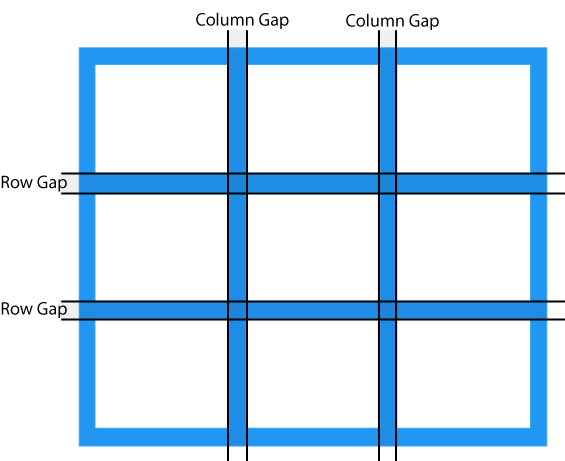
Make a grid layout

CSS Grid Layout

Another factor that every UI/UX app designer must consider while creating minimal app UI designs is Grid layout.

The layout not just adds convenience to the app interface, but also highlights the visual elements. It also serves designers with an ease of maintaining the same feel throughout the page in case of responsive design.

Remove extra elements

One of the best practices for minimalist design is to ensure that no unnecessary element is added to the screen. Meaning, only those elements are introduced to a screen that serves a purpose there.

Now, when it comes to deciding which elements to keep in the design and which one to remove, here are the two tips to keep an eye on:-

  • Do not add images unless they aid in making your message clear to others.
  • Use simple and limited words to communicate, such that meaningful information is being served to the audience.

Do not oversimplify design elements

Simplicity leads to minimalism. However, this does not mean that you have to oversimplify your app design.

This is because an over-simplified user interface can make it difficult for users to understand the purpose of your application. Also, it can break the navigation flow, which can further result in lower app engagement and retention rate.

So, it is a must for UI/UX designers to ensure that they keep a balance between simplicity and minimalism while designing their mobile application.

Employ negative space

Negative space, i.e., the white space created due to removal of extra elements from the interface, is the backbone of the minimal design.

This element, when employed smartly, plays a crucial role in preventing distraction, increasing engagement, and delivering the right message to customers. However, this is possible only when you focus on the following requisites:-

  • Content to be on the left side.
  • Focus on Hierarchy of elements.
  • Interaction made simple, without compromising on information.
  • Variations in negative space maintained for different resolutions.

Pick the right icons

Icons, when employed wisely, help designers cut down the need for content, enhance the visual appearance of the application, and add to the accessibility.

So, designing the right app icons and implementing them at the right places in your app design is also an effective way to get higher profits.

Write crisp content

Content Writing Tips: Create and Curate Quality Content Seamlessly - Crisp Results

As already shared in the ‘Negative space’ pointer, writing simple and succinct text copy improves the app metrics. An extension of it would be to express your thoughts with limited yet meaningful and catchy words.

Go for bold typography

Typography in app UI design, just like icons and other visual elements, also helps in enjoying minimalism in app design. Especially in the form of bold typography.

The bold typography shifts users’ attention to the focused words and helps in crafting a high visual experience. So, do not forget to introduce them into your app design plan.

Embrace the idea of contrast

Using contrast elements helps designers create a visual hierarchy and bring attention on particular design elements. So, it is again a good practice to invest your time and effort into building a contrast interface.

When talking about embracing the power of contrast, it is good to introduce black, white, or dark backgrounds with bright and colored typography and pictures. It is important to note here that if you are thinking of incorporating dark mode design theme, the contrast rules would be entirely different.

Use limited colors

Using Color Schemes in Mobile UI Design - SitePoint

Using too many colors on the same app screen leaves a negative impact on users. So, to ensure that your design imparts a positive vibe and engages a wider audience, use limited colors. The best way of which is to use different shades of the same color.

Likewise, using bright colors alongside soothing and complementary hues, simple typography, and less-complicated animations can also help you achieve minimalism in app design.

Focus on concise and intuitive navigation

When it comes to working upon the navigation element, many designers often turn towards techniques like hiding some part of the navigation. This might help to keep the design minimal but reduces the discoverability of menu elements. This makes users confused somewhere in their journey and fail to experience the kind of user experience you wish to offer after ux reviewing process.

So, it is necessary to go with the philosophy, “measure thrice, cut once” while designing your app navigation.

Embrace functional animation

Importance of Functional Animation in UX - Qode Interactive

Another factor to watch out for while ensuring minimal design in the app is to embrace the idea of functional animation.

This element of motion design is added to the user interface as a part of any functionality. And is focused on improving discoverability and delivering a meaningful purpose, without asking for more space.

Follow operating system design guidelines

The Official UI Design Guidelines & Patterns for Each OS - 2018 | by Sam Bible | Medium

Both Apple and Google have set rules around the type of design that a standard application should have. Considering those design guidelines while introducing minimalism in your application can also be an effective way to ensure higher success rate.

Ditch some rules

Last but not the least, bending some rules of minimalism design is also a good practice. This is so because when you break some rules, you get the freedom to experiment with your design and add creativity to it, aiding in bringing more eyeballs on your app page.

10 Quick & Actionable UI UX Tips for Mobile App Design

Blur effects

The blur effect emerges as a logical answer for a minimal product design UI, permitting a specific measure of play with the layers and hierarchy of the interface. Blur makes it simpler to make layers of data in the UI. This likewise offers minimal designers an ideal chance to explore different overlay solutions.

One app, one typeface

Guide for designing better mobile apps typography | by Andrey Zhulidin | UX Collective

More typefaces seldom bring about better client experience. Actually, blending several different fonts can make your application appear to be fragmented. Decreasing the quantity of font styles on a screen can uncover the power of typography. One of the mobile app design tips is that when designing an application consider how you might make the typography amazing by playing with weight, style and size.

Simple background

Web designers some of the time create complex background themes, like those including photograph pictures. However mobile app design service providers have long deserted such a training in favour of simple and monotonicity. Very bright background under restricted space confounds the way toward exploring the application and slows down the loading stage, which isn’t acceptable.

Simple navigation

Simple Steps for Creating a Fixed Navigation Bar | Design Shack

There are no intricate patterns of features, pages, or functionalities however just conveniently arranges experiences. Thus, through this clients will get to explore from one module onto the next flawlessly and complete things quicker than they would otherwise.

Declutter UI

It is wise to keep best app UI design mess free. Clarity is a significant attribute of a mobile design. An excessive amount of design components like buttons, text, images, etc. can make any mobile application complicated and incapable to utilize. Keep it basic and minimal, or else you will not be able to convey the message to the user in a clear and concise way.

Accessibility

Why Web Accessibility Is Important and How You Can Accomplish It | by Oyetoke Tobi Emmanuel | Facebook Developer Circles Lagos | Medium

With organizations taking measures to make products accessible for everybody, minimal designers need to have sympathy and provide different experiences to various individuals through the similar mobile plan. A well planned item ought to be accessible to various users like users with low vision, any sort of visual deficiency, motor and hearing impairments. With comprehensive app design features, individuals with disabilities can explore and interact with your product.

Thumb zone

With each new mobile release, the screen size has expanded, holding the gadget with one hand and browsing the application is getting troublesome. Thus, the mobile application design ought not be aesthetically planned but additionally should focus on the movement of the fingers and thumb.

Remember all zones when mobile application design is being made. Wider the phone, more hard for the user to hold the phone with one hand and tapping on targets if they are out of reach zone.

Set expectations

Set High Expectations with Your Employees in These Three Areas - MAP

Numerous associations with a webpage or application have outcomes: clicking a button can mean spending cash, erasing a website, or making a disapproving remark. What’s more, is that with clicking a button there are ramifications, there’s additionally anxiety.

Thus make sure to tell users what will happen after they click that button before they do it. You can do this through a nice design plan.

No extra details

All components of the minimal design play out specific functions: a circumstance where each UI detail fills a particular need. It implies you can securely dispose of application segments with no direct undertakings. They’re unnecessary.

This additionally applies to the content, i.e. decrease the quantity of words utilized and communicate as briefly as possible.

Intuitive app interface

Top UI/UX Trends to Make your App more Intuitive

The entire issue boils down to the last important point that is the making of an easy to use interface.

Eventually, no one needs to feel dull and moronic, and unplanned usability would provide the user with simply unwanted impressions. In this manner, your application interface ought to be intuitive, working on all devices in a comparable coherent manner. What’s more, is that accomplishing responsiveness in planning minimal applications isn’t so difficult.

Conclusion

Minimal app design has been a popular approach for some years now and is likely to be one of the UI/UX trends as well. So, it is advisable for everyone who wishes to enter into the UX/UI domain or are getting their application designed to focus on this concept and elevate the chances of success. Something for which you can refer to the rules and practices shared in this article. Or simply, connect with our UI/UX design company in USA.

The 15 Best Android Libraries for 2020

15 Best Android Libraries of 2020 for Android Development

Thor had Mjölnir and Sherlock Holmes had his wit, but what do Android app developers have?  – I’ll tell you, it’s the incredible libraries.

In brief, Android frameworks and libraries (or just libraries in general),  are a set of implementations of behavior that are written in programming languages and have a well-defined interface.

These libraries generally include documentation, configuration data, message templates, help data, pre-written code and subroutines, values, classes, to name a few.

One of the major reasons for using these libraries is to expedite the development process, i.e., develop an astounding app without any unnecessary or additional efforts. These libraries provide developers with basic pre-written codes and other important elements that can be used instantly rather than performing these tasks from scratch.

So, if you have just started your career in Android apps creation and want to know about popular libraries that are a go-to tool of almost every Android mobile app development company,  then this article is what you needed.

Here are the 15 best Android libraries for developers.

Dependency Injector Library

Before we move onto the list of best and latest Android libraries 2020 for Dependency Injector, why don’t we take a moment and understand what Dependency Injector is?

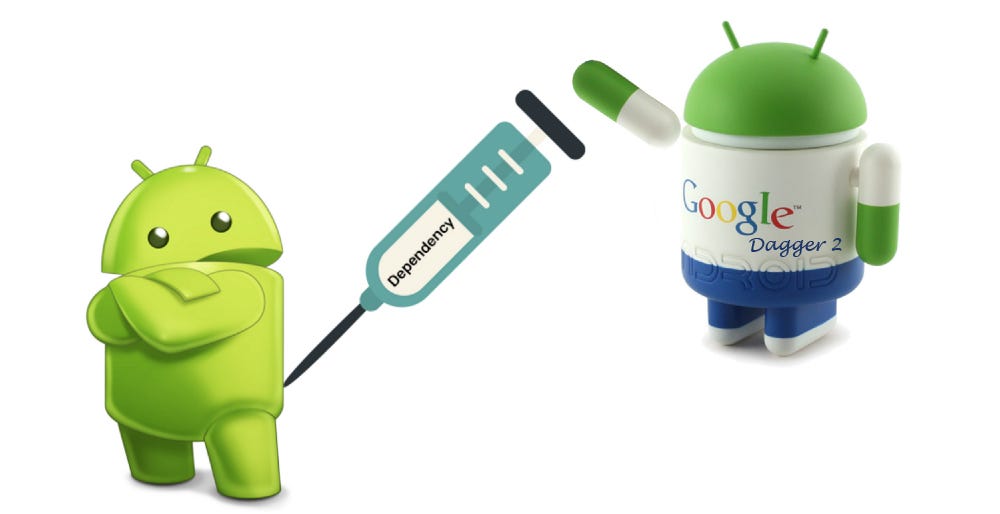
1.   Dagger 2

Dagger 2 to the RESCUE — Dependency Injection | by Chirag Chavda | Medium

One of the great things about Dagger 2 is that it majorly relies on using Java annotation processors along with compile-time to estimate and analyze dependencies. On the contrary, other Java dependency injection libraries suffer from limitations such as relying on XML, incurring performance penalties during startup, or facing validating dependency issues at run-time.

Another advantage of Dagger 2 is that it simplifies access to shared instances.  For example, once you declare in Dagger the singleton instances like MyTwitterApiClient  or SharedPreferences, you can easily declare fields with a simple @Inject annotation:


Networking

Here are the tools that you need for establishing any kind of network communication within the Android app.

2.  Retrofit

Conclusion of my adventures with Retrofit 2 | by Mateusz Dziubek | AndroidPub | Medium

Retrofit is a type-safe REST client for Android and Java, intelligently mapping an API into a client interface with the help of annotations. Previously, if you wanted to make a network request, you needed to execute an Async task class and then use HttpsUrlConnection in order to fetch data, something that was not ideal when dealing with APIs returning large data. This is now resolved by Retrofit.

One can effortlessly manipulate endpoints and headers, add a request body and query parameters, and select request methods – all with just annotations in Retrofit. Moreover, this Android library also takes care of parsing to POJOs by using converters.

Start by adding dependency to your apps build.gradle file –


After adding the dependency to your app build.gradle file, you must add a dependency for converters that you intend to employ.


Image Loading

Image loading libraries are a knight in shining armor combating with the problem of “out memory errors” in Android apps caused by loading multiple images at a time. Let’s look at the best Android libraries options out there in this category.

3.  Picasso

Moving on from Picasa

Maintained by Square, Picasso is a trusted and widely used Android image library. Picasso claims to allow for hassle-free image loading in the application—often in one line of code.

Some of the pitfalls that Picasso takes care of include handling ImageView recycling and downloading cancelation in an adapter, facilitating complex image transformations using minimal memory, automatic memory, and caching.

Additional features that makes Picasso a popular choice among Android app developers are –

  1. Picasso automatically detects adapter re-use and the previously canceled download.
  2. It easily and effectively transforms images to make them fit better into layouts and reduce memory size.
  3. For more advanced effects, one can specify custom transformations.

4.  Glide

Best strategy to load images using Glide — Image loading library for Android | by Salmaan Ahmed | AndroidPub | Medium

Glide is yet another praised image loader and one of the best new Android libraries for developers, managed by Bumptech. Not just this, but it is also recommended straight by Google.

Glide not only provides animated GIF support while handling image loading and caching but also helps in fetching, decoding, displaying video calls, images, and these GIFs. It also includes a flexible  API allowing developers and programmers to plug in any network stack, as its default stack is HttpUrlConnection.

This library primarily aims at making the scrolling process for any list of images as smooth as it can be. More so, it is also effective in case you need to fetch, resize, or even display a remote image.

Scanning

In order to integrate scanning features while developing custom Android apps and increase their functionality level, developers prefer the below-mentioned libraries.

5.  Zxing

ZXing Project: QR Code Generator - Online Ad Tools

Acronym for ‘Zebra Crossing’, ZXing is a barcode image-processing Android library that is implemented in Java, with ports to other programming languages. This library also has support for the 1D product, 1D industrial, and 2D barcodes.

Google also uses ZXing in order to make millions of barcodes indexable on the web.  It also forms the basis of Android’s Barcode Scanner app and is integrated into Google Book Search and Google Product.

 6.  CAMView

CamView for Android - APK Download

This is an effective alternative to the ZXing barcode scanner. It is an Android camera easy access library with an embedded QR scanner which is based on ZXing.

CamView library possesses a set of components (views in simple words) which are set to be put to your layout files, allowing developers and giving immediate access to-

  • Live preview video feed from the device camera
  • Scanning barcodes with the help of ZXing’s built-in decoding engine
  • To perform your own camera live data processing

View Binding

The need for view binding libraries first surfaced when the need to reduce the boilerplate code when assigning views to variables arose. As a matter of fact, the number of libraries worth mentioning for this purpose is numbered and two of the most prominent of them are –

7.  ButterKnife

Butter Knife — A viewbinding library for Android | by Velmurugan Murugesan | Medium

Developed by Jake Wharton, ButterKnife is a renowned view binding library helping in assigning ids to views very effortlessly, hence avoiding the excess of findViewByld. The statement- “Butterknife is like Dagger only infinitely less sharp” signifies that view binding is sort of dependency injection. The only difference is that in ButterKnife annotations are employed to generate boilerplate code.

The code below shows that ButterKnife eliminates the need for things like onClick and onTouch while replacing them with auto injected code.


8.  Android Databinding

Android Jetpack:Empower your UI with Android Data Binding | by Temidayo Adefioye | Medium

In-built to the Android Support Library, the Android Databinding library requires the least of Android Studio Version 1.3 in order to work. Unlike ButterKnife, this view-binding library for Android does not use annotations. It allows you to bind UI components in the layouts to data sources in the app with the help of declarative format instead of programmatically.

Here layouts are defined in activities with code that needs UI framework methods, i.e., look at the code below. It calls findViewById() to find TextView widget while binding it to userName property of the variable viewModel.

Debugging

Almost an indispensable step in the app development process, debugging an application before its final release is as important as it gets. For this purpose, let’s have a look at some useful libraries.

9.  Stetho

Download

Stetho claims to be a “sophisticated debug bridge for Android applications”. The use of this library is not limited to just Network inspection, Database inspection, JavaScript Console, etc. but developers use it to have access to the Chrome Developer Tools features that are natively part of the Chrome desktop browser. Moreover, developers can choose to enable the optional dump app tool offering a powerful command-line interface to application internals.

Reactive Programming

In Reactive programming, data is released from a component (a source if you will) to the other component known as Subscriber, assisting in handling asynchronous tasks efficaciously. So in short, these libraries help with transferring data from source to subscribers. Some of the widely used Android app development libraries for this purpose are –

10.  RxJava2

The curious case of RxJava Disposables A.K.A. what happens when you dispose a Disposable | by Piotr Zawadzki | stepstone-tech | Medium

If you are looking for a library that helps you in implementing reactive programming (create reactive applications), then RxJava is an ideal choice for you. It is officially described as “a library for composing asynchronous and event-based programs by using observable sequences”.

This library is considered unbeatable by Android app developers because it simplifies the process to chain async operations, opens a more explicit way to declare how concurrent operations should work, is able to highlight errors sooner than other libraries, among other things.

Drawing

There are hundreds of new libraries being developed every day, but very few are able to impress developers and prove potent. Here are some Android apps graphic libraries that have stood apart from the crowd.

11.  MPAndroidChart

GitHub - PhilJay/MPAndroidChart: A powerful ? Android chart view / graph view library, supporting line- bar- pie- radar- bubble- and candlestick charts as well as scaling, panning and animations.

MPAndroidChart is an impeccable Android chart/graph view library. It supports radar, line, bar, bubble, pie, candlestick charts along with scaling, animations, and dragging.

If you are looking for its iOS counterpart then, Charts is the one for iOS app development.

12.  Holo Graph library

HoloGraphLibrary - A Free, Open-Sourced Graphing Library for Android | Daniel Nadeau

It is another new graphic library which is continuously becoming a favorite of many Android app development companies. This library is ideal for adding impeccably designed graphs and charts into Android applications. It includes –

  • LineGraph view (which looks something like this) –
  • BarGraph View
  • PieGraph View
  • MultiSeriesDonutGraph View

UI Components

User Interface is a prominent and with no-space-for-negligence aspect of Android app development. New innovations and advances have surfaced over the years in the UI domain, one of which is Gravity View.

13.  Gravity View

GitHub - gravityview/GravityView: The best, easiest way to display Gravity Forms entries on your website.

A very ‘in’ concept in the market is the gravity view. This is a library that is used for image tilting using sensors. Gravity View library’s goal is to utilize the motion sensors of Android devices, allowing users to perform certain functions by rotating their device.

This Android UI library was first used in the famous application “Fynd” and has continued to become a favorite of many to date. You need to be operating Android 3.0 and higher in order to use this library. Moreover, if you need to use it for non-gyroscope devices, then you can do so with the help of the Accelerometer sensor.

Testing

Testing your project is a way to become sure of the competence and efficacy of your mobile app. You can use these libraries to test your mobile app before you ship it to the market.

14.  Espresso

Espresso Testing On Android - RIIS

A part of the Android testing support library, Espresso is evidently a test framework that enables developers to build user interface tests for Android applications. Implying that this library lets you write tests and check whether the text of a TextView is similar to another text or not. It imparts the impression of a real user using the app, running both on real devices as well as emulators.

In order to use this library, you are required to add dependencies to the app module build.gradle file.

Once you have done this, you can set the instrumentation runner and sync the Gradle files, followed by creating a rest file –

15.  Robolectric

How to write Android unit tests using Robolectric | by Erika Tan | AndroidPub | Medium

Robolectric is another unparalleled unit testing library. What this library does is that it handles inflation of resource loading, views, including other things. It makes the tests created in the library more efficacious and potent in performing functions that real devices with  Android framework dependencies perform. In a sense, Robolectric simulates the Android SDK for the tests, eliminating the need for additional mocking frameworks like Mockito.

Now again, you need to add the dependency in your app’s build.gradle file, followed by creating a sample test class –

These libraries have made it to this list based on the popular recommendation of the Android developers. Their features, functions, and performance together emit excellence in their niche of purpose.

Choosing a descent pricing strategy for your Mobile App

5 Easy Steps to Creating the Right Pricing Strategy | Inc.com

For every Apprenuer, building a great mobile application takes center stage. Since the startup app development process has been repeatedly talked about, a considerable amount of time and effort is spent on discovery, design, and development.

Sure, providing value to the end-users is the prime goal behind any app but pricing a digital product is an equally important aspect, one that should not be overlooked. It should be carefully determined to build a profitable and scalable mobile app business.

Product pricing strategy in marketing plays an instrumental role in getting your app the initial traction and visibility in the app store. How you determine the price of your product decides the success of your app in terms of the number of downloads and user retention in the long run.

But it is like walking on a tightrope-  apps that are offered for free or at a relatively lower price gather greater market share and can penetrate in the market seamlessly while apps that are offered for a higher price have the potential to garner a good ROI.

So, how do you decide the right product pricing strategy? A lot of factors come into play when ascertaining the price for your app- market research, the value and functionality of your app, and the market competition. All this coupled with an understanding of consumer psychology is a must to run a successful mobile app business.

If you plan on building an app, or your product is in the development pipeline and you have not given much of an afterthought to this equally essential aspect, do not worry, we will break down what is a product pricing strategy, the popular pricing models for mobile apps and help you strategically determine the right price for your application.

What is a product pricing strategy? 

Webinar "The art of pricing" | SKIM

Pricing strategy is how you make money from your mobile application. Every breakthrough idea has some business model behind it. While initially, you may only be concerned about rapidly launching a Minimum Viable Product, having a pricing strategy in place will only help you build a robust product.

Pricing a digital product may seem like an easy task, but it certainly isn’t. Play Store and App store are sprawling with millions of mobile applications and the types of pricing models for apps have evolved over time. But before we delve too deep into the types of mobile app pricing strategies and discuss their pros and cons, we would like to share some valuable insights that will help you make the right choice.

Product Pricing Strategy for Mobile Apps

1. Human Behaviour and psychology

Brain,Organ,Human Behavior PNG Clipart - Royalty Free SVG / PNG

Human psychology plays a fundamental role in determining the price of your product.

Consumers are keeping up with the rapid strides in technology. It is the growing rise in consumerism that steers the scope of advancements. Customers today are well-read, well informed and they always strive to make a conscious decision.

For every product, there are ten other alternatives available in the market, so how do you assure a customer will choose your product?

Simple, you must ensure that the perceived value of your product is greater than its price.

A customer should always feel that the price of your product is right and tapping into this segment becomes all the more easy when they do not have a reference point to begin with.

Before taking a decision, we humans tend to compare products with the alternatives available in the market and assess them for their pros and cons.

So, when determining the mobile app pricing strategy you must take into account other products available in the market, characterize your value proposition and ensure you are offering a greater value than your competitors.

2. What the market is willing to pay

What is Willingness to pay and its role in business or marketing?

The right pricing strategy should revolve around what the market is willing to pay. And to determine that, you must test your product at different price levels and see how the market responds.

An application has a recurring revenue stream. To stay competitive you need to tap on new functionality and offer regular updates. So it is essential to holistically view the recurring revenue model and not worry about the revenue per price point.

More often than not, mobile app developers offer a product for free to garner a huge user base and generate revenue from advertisements. But later on, when you offer an upgraded product for a certain price you had already devalued the product and can’t really sell it for more because the perceived value is low.

So, the ideal approach is to test your product at various price levels and see how the market reacts to it.

3. Build a product that users want

How to build products with expert users | by Donna Choi | UX Collective

A product should be built with an aim to address user concerns and it must solve their problem. When you build something that users truly want, it is easy to decide the price. Look for factors that can enhance the value of your app- a stellar design, a splendid user journey.

To determine the mobile app pricing models you need to know the app development cost, which involves factors like the actual cost, the value the product offers and the money required to thrive it.

Having a sound knowledge of the current market trends is equally crucial and rolling out new updates and enhanced functionality is the key when opting for a penetrative pricing model.

4. Study the market and competitive landscape

Market Analysis for Startups : Step by Step - Ingenious Zone

Market-driven pricing is a great approach to arrive at an optimum price point for your mobile application. Studying the competitive landscape and analyzing your user base can help you discover opportunities where the competition is lacking.

For instance, launching your app at a relatively lower price than your competitors gives you an advantage in the market.

Understanding the market demand for a product and viewing it from the customer’s perspective helps a great deal in deciding the right price.

It is crucial to establish early on what makes your product special and what value does the competition in the market demand from your app.

5. Robust marketing strategy

The New Era of Marketing Strategy

In today’s fast-paced environment, the power and reach of social media is expanding every day. In such a scenario, backing your pricing strategy with a robust marketing strategy is more like a necessity. Having an understanding of the current market trends along with a marketing strategy in place helps in maximum user acquisition. To retain users in the long run, rolling out enhancements in every quarter is a good strategy.

So, leverage the power of social media to create the buzz around your product and gain initial traction. Don’t be fixated on the top of the funnel, it is ideal to look at things holistically. Curating rich content for social media platforms ensures the word about your app reaches far and wide and generates the maximum number of downloads.

6. Affordability

What do we mean by affordability? - GamCare

Besides offering the desired functionality, your app should be affordable for customers. It is only fair to offer value to your customers at a decent price.

Penetration pricing strategy helps businesses attract new customers due to the low cost. It is considered a classic strategy because it uses behavioural psychology to drive customers to purchase the product. The pricing for any digital product should also take into account the sustainability of your business.

7. Understand what your product and target customers demand

Identify market problems | Products & customers' needs

It is crucial to realize early on that no one size fits all. What may have worked for someone else, would not necessarily work for you. There will be new opportunities that you can tap into to app development for startup.

Think out of the box, be unconventional in your ways, and look out for alternate models to generate revenue.

For instance, the wide pool of data generated from your app could be of value to someone. Healthcare apps generate a huge amount of data that is useful for doctors and researchers.

8. Paid vs free

Bitdefender Free vs Paid 2020 Edition Comparison

Deciding, whether to launch an app for free or paid, involves a couple of factors, like the required amount of users. If you want to gather a huge user base at once, free is the go-to choice.

With paid apps, users expect more features and functionalities. They certainly do not like paying each and every time a new enhancement is rolled out.

Also, when the customers pay to avail in-app purchases, you must ensure it offers sufficient value.

Taking cues from what the competition is doing is a good practice to establish yourself in the market. You cannot choose a paid pricing model when others in your niche are offering similar functional apps for free. However, if your app has advanced functionality and a unique proposition which is not found in similar apps, users can be willing to pay more.

Types of Pricing Strategies for Apps

1. Free

Free Rider - Overview, Examples, Prisoner's Dilemma

We don’t usually get a lot of things for free. The ‘Free’ tag is not just a pleasant surprise but also a great tool to attract a large pool of customers. The same applies to the free app pricing model.

As the name suggests, these apps are free to download, and in most cases, the primary source of income is through advertisements. Free apps are often seen as a great tool to attract a large pool of users and retain them in the long run. They are meant to facilitate communication and customer service.

Depending on the purpose of your application, there are two types of free pricing strategies to choose from. The former is a Completely free strategy, which is used when you already have a well-established product or a service in place. In such a scenario, the app is an add- on tool for the users. The goal behind completely free apps is not to make money directly from the app but redirect potential customers to other revenue streams.

For instance, free apps involve features like coupons, discount notices and other pertinent information which encourages users to take action. The app is used to spark interest, support the marketing strategy and drive users to other revenue channels.

The latter is an In-app advertisement strategy. In this strategy, the apps are offered for free but users see adds while using the app. Primarily, gaming apps use this strategy to generate ad revenue. With in-app advertisements, the key is to ensure that the advertisements that are being displayed are relevant to the users.

There are services through which you can easily filter the ads by user relevance and format and ensure the ads in your app actually pique the users’ interest.

According to Statista, mobile app pricing statistics indicate that the distribution of free and paid apps is such that 96 percent of apps in the Google Play store are freely available whereas in iOS 90.3%  apps are free.

2. Freemium

Freemium conversion issues? Why you need to address the penny gap - GoSquared Blog

The freemium pricing model is a modified version of the free pricing strategy. This model is highly popular and widely used by businesses. Freemium apps can be downloaded for free but include limited functionality and features. To generate money from these apps, in-app purchase opportunities are created. There are three freemium strategies to choose from depending on the tiers, features, and incentives.

  • Two-tiered approach – It includes apps that customers can download and use for free but there is a premium functionality that can only be availed upon payment. This strategy is widely used in gaming apps where users have to buy in-app currencies, extra lives or upgrade to additional levels.
  • The second model includes apps which offer full functionality but only for a limited period of time. The idea behind this strategy is that users can see the vision and get familiar with the app’s utility, and after a while, they will be willing to avail the services.
  • The last model includes apps where all the features and functionalities are free except it comes with built-in advertisements. The catch here is that a small amount is charged from users to offer an advertisement free app.

3. Paid

8,726 Paid Stock Photos, Pictures & Royalty-Free Images

The name clearly gives it away, for paid apps, customers have to pay to download the app. Due to the huge popularity of free and freemium apps, the paid model is considered least effective.

In case you opt for a paid pricing model, it is essential to back it up with a compelling marketing effort. To drive users to purchase your app over a free equivalent, you should have an effective marketing strategy in place. Besides the description of the app in the app store, a potential customer must be equipped with the value you are offering with your product.

With a paid app, users tend to have higher expectations. But once you manage to attract a user, they will turn into a loyal customer if your app offers the perceived value.

To leverage the paid pricing strategy, many brands opt for a week free trial. It is a good tactic to approach potential long-term users by showcasing what your app is all about and giving them the opportunity to make a choice.

4. Paymium

BCIO by Paymium | Your Gateway to the Internet of Value

Paymium is the amalgamation of freemium and paid model. For paymium apps, the users not only pay for the app but also pay an additional cost to avail an added functionality. Although it is not a widely used strategy, it does have the potential to generate great revenue streams.

This pricing model works well for music and social networking apps. This strategy can rapidly gain traction if exciting content, unique functionality, and useful features are introduced on a regular basis.

Conclusion 

The app market is growing by leaps and bounds. To penetrate in the market with ease and carve a niche, you must choose the right pricing strategy for your mobile app and take the aforementioned insights into due consideration. Pricing model plays a fundamental role in determining an app’s success. It is essential to choose the right monetization strategy as early as possible. Your product pricing strategy should meet market and user expectations, offer the perceived value and help you accomplish business goals.

How To Market A Brand with A Mobile App

Mobile App as a Brand Marketing Channel: Benefits Apps Provide to Brands - Custom Mobile | Web App Development | Vancouver | Toronto

Gone are the days when advertising was considered the most prominent marketing channel to promote a brand. With rapid transformations in the digital landscape, having a strong mobile presence has become a necessity for businesses to thrive.

Mobile apps have emerged as an effective marketing solution. A mobile app not only helps automate business but also provides better customer service. With apps, brands do not have to struggle to establish themselves- they can foster a deep connection with netizens of all demographics and age groups, promote brand awareness and garner the right market visibility.

Studies show that more than 50% of customers who regularly use a branded app are more likely to buy from the company.

It is relatively easy to target a mass audience base with other marketing channels but targeting each individual based on their unique preferences is the need of the hour, and it has become all the more possible through mobile apps.

A branded app is a powerful approach to facilitate brand promotions in a persuasive way. By using a mobile app as a brand marketing channel, you can reap huge benefits. It keeps users engaged and you can enjoy higher conversion rates.

Why should Brands go online?

Brands Online Sales: Fashion and lifestyle brands facing another crushing 20-30% decline in online sales amid second Covid-19 wave - The Economic Times

According to a report, smartphones account for 70% of the mobile time out of which 90% of smartphone time is spent on applications. Most people today have access to their phones wherever they go, which implies that you can reach your target audience almost anytime, anywhere through a mobile app. This doesn’t necessarily apphttps://appinventiv.com/blog/mobile-app-as-brand-marketing-channel/ly to other marketing channels, some of which are limited by the restricted availability of the devices that they depend on.

Brands have realised the potential of what a mobile application can do and that goes beyond simply selling a product or service. This discovery has opened up new marketing avenues. It provides businesses the opportunity to engage with their audience in new and creative ways and turn them into loyal customers.

Studies show that desktop internet usage is dropping and mobile internet usage is rising significantly. Although mobile websites get more visitors, visitors tend to spend

Mobile app industry is flourishing. It is estimated that by 2021, there will be roughly 7 billion mobile users worldwide. (Source) With the advent of disruptive technologies such as AI, AR VR companies are finding new ways to market their products. Artificial Intelligence allows mobile apps to store user data in order to recognise and preempt their preferences, needs and choices.

Mobile apps are a powerful marketing channel for brands. It helps companies connect with the audience, convey brand messages, keep users engaged and create customer loyalty in a crowded marketplace.

Today brands are using mobile apps to improve offline experiences for their customers and boost sales. According to a recent survey, 75 percent of customers engage more with loyalty programs that provide rewards in a mobile-friendly way.

So, if you are still not going mobile for marketing, it’s time you consider the many benefits a branded app has to offer.

Benefits of Mobile platforms as Marketing tools 

There are a number of ways how mobile apps help businesses. They humanise companies, lead to better interactions between brands and customers, and increase loyalty and sales.

1. Enhancing Brand awareness and visibility

Why Do You Need Product Stickers/Labels for Brand Awareness?

Businesses are often on the lookout for an effective platform through which they can market their brand. Apps enhance brand awareness and visibility and can strategically increase the customer base.

Once an application gets installed on a mobile device, users will come across the brand logo frequently, thereby enhancing visibility and awareness. The more often a user interacts with a brand’s app, the sooner they tend to buy their products and avail their services.

If you want to get users talking about your unique app, you must ensure that your app provides all the features that your target audience is looking for.

The app should be interactive and keep users coming for more. Afterall, it all boils down to effective frequency- the more people are introduced to an app and the more they interact with it, the more chances that they will actually buy.

2. Forming a connection with your Customers 

How to Make a Personal Connection with Customers

Engagement is extremely crucial and a mobile app helps you form a deeper connection with your customers and prospects.

With declining attention spans, it has become significantly important to curate compelling personalised content and keep your users coming back for more.

An effective way to engage your users is to frequently offer them fresh Personalised Content. Users are interested in content that is relatable and piques their interest. In this rapidly changing environment, user preferences keep on changing and to establish yourself in the market you need to keep up with them.

Regardless of the type of application, a brand must invest in personalized in-app content. One way to ensure that happens is to create and study customer personas to better understand what type of content works best for your audience.

Another effective strategy is Push Notifications. Push notifications have the power to capture user attention and make them check out what’s new in your app. They encourage customers to use your app. The key with push notifications is to make them compelling. A push notification must be of some value to the end user no matter if it’s a copy, a promotion or some perk. Don’t overdo the notifications or it may irritate the users.

3. Collecting Data about Customers

See Why Businesses Can't Do Without Customer Data Collection

A good marketing strategy revolves around analysing customer behaviour. If your app solves a pain point for the user, they are likely to share their data with you.

You can use mobile app as a brand marketing channel to monitor users, their personal shopping behaviors, engagement levels, browsing habits, locations, mobile app usage, favorite hours and much more.

This way you can collect valuable user insights, analyse through the data, understand the needs of the customer and improve your product quickly.

You can collect user data in the following ways:

  • Onboarding: You can have a basic questionnaire during registration which includes pertinent information about age, preferences, habits and more.
  • By offering Bonuses:  It is an ideal approach to swap discounts, bonuses or special offers as a reward for completing small questionnaires.
  • In- app Behaviour:  Marketers can always keep track of the marketing process in a closed loop by monitoring and analysing user’s in-app behaviour. For brands it has become relatively easy to collect user data based on purchases and reviews of the product.

This way you can evaluate the data and change your brand development strategy based on user feedback.

The Starbucks mobile app widely uses this opportunity and monitors in-app user behaviour. As of April 2019, Starbucks claims 16.8 million active loyalty program members. It all became possible by analysing user data, looking for new avenues and rolling out strategic data-driven initiatives to target users.

It is essential to have a review/ feedback section. Allow your users to tell you what exactly they want from your app. Iterating and improving the product the way your target audience wants it reaps excellent rewards.

4. Increasing Customer Loyalty

5 Ways to Earn & Build Customer Loyalty | WordStream

Rewarding frequent customers is a great marketing strategy. Getting customer loyalty has become a challenge for a number of brands. A mobile app is the right tool to increase your customer loyalty.

When you reward frequent customers, it encourages them to buy more and they are more likely to share your brand with their fellow friends. This strategy can be easily implemented using push notifications or via in-app messages.  Loyalty rewards help in establishing a strong connection and turns users into loyal customers.

5. Scaling up your target Audience 

6 Effective Ways to Reach Your Target Audience (Updated May 2019) - GRIN - Influencer Marketing Software

The Internet is not just breaking boundaries but making things that were impossible a decade ago happen in real-time. Mobile apps enhance the user base, not just in their country of origin but also across the world.

Through geo-targeted push notifications, localisation and location based brands can send specific messages to their target user audience. Location based call to action via region or location mapping feel more personalised to the user, grow the target audience and can drive more sales.

6. Increasing Sales Ratio 

Turn Your Amazon Side Hustle into a Full-Time Gig (6-Step Guide)

Applications enhance customer experience by making the buying process simpler, convenient and intuitive, thereby resulting in the increase in sales ratio.

But an app doesn’t have to necessarily offer purchases to boost sales, it can do so by offering loyalty programs and additional services.

Domino’s faced a serious sales issue back in the mid-2000s. With the wave of digitalisation, Domino’s decided to go mobile. Besides making significant improvements in the quality of their product, Domino’s created a branded mobile app that was extremely responsive and rendered a delightful experience.

It resulted in the app’s contribution to half of the company’s online sales in 2015.

When Domino’s started facing issues with retaining their customers and witnessed a rise in the bounce rate, they came to us. We worked on their UX, refined their UX Strategy and brought a steep rise in their conversion rate by 23% and significantly increased their session time.

7. Social Network Marketing through apps 

Promote App On Social Media With 6 Easy Ways - Netsavvies - Digital Marketing Agency in Ahmedabad

Mobile connectivity has become essentially important and the ability to synchronise it with social networks provides businesses a higher chance to disperse the content and make it go viral. Mobile apps allow users to easily share the brand’s content across all social networks.

For instance, PUMA’s empowering Propah Lady campaign created a ripple effect on the social media and gained a huge amount of followers and brand customers.

Common Mistakes to avoid when making a mobile app for Brands 

The advantages of a mobile app for business are endless. Sure, you can create a unique app and get users to download it but it doesn’t necessarily guarantee that the user will return to your app.

According to Statista, 25 percent apps downloaded by mobile app users worldwide are only accessed once after download.

So, how do you ensure that users keep coming back to your app for more?

The underlying reason why most users abandon a branded app is either poor UX or it focuses more on novelty value and lacks functionality. So, here are some common mistakes that you should avoid when creating an app and to establish it as an effective brand marketing channel.

1. The app doesn’t provide any value to the user

The $4 Billion App That Doesn't Value Privacy, Security or Accessibility | Centre for International Governance Innovation

Every app operates on a pain point and it is designed to solve a specific user problem. This holds true for branded apps as well. If your app is a means to place advertisements on your customers’ mobiles, you are doing it wrong.

A branded app should solve user problems in one manner or another. It is only when you create a useful product that provides some value on an ongoing basis, that users will keep coming back to the app. The ideal approach is to know your target audience, study their needs and determine what they expect from your app.

2. The app lacks special offers 

The Best Calendar Apps for Android | Zapier

The idea behind a branded app is to create awareness and enhance customer loyalty. If a branded app doesn’t offer discounts, special offers and other app usage benefits, customers will most likely abandon the application.

3. The app is difficult to use

What Is Signal Private Messenger? | Signal Vs. Telegram App

The simplest way to identify a good app is how convenient and intuitive it is for the customers. If the app is complicated to use regardless of the functionality it offers, it won’t appeal to a mass audience.

4. The app lacks updates

How to Update WhatsApp on an iPhone or Android Device

It is essential to keep up with the rapid shifts in technology and implement the same into your app. If you change your marketing strategy, website design or provide better branding, you must ensure that you have enough resources to make the same updates on your app.

5. The app doesn’t move beyond the desktop experience 

The 15 Best Mac Apps You Should Download Now: Free and Paid | WIRED

If you consider an app as a smaller version of the website with the same features, you aren’t leveraging the app as a right marketing channel. A branded app is more than a novelty value and must provide important features and information.

6. The app doesn’t provide a personalised touch 

13 more effective alternatives to “just touching base” emails | RingCentral

Today a wide variety of content is available on the Internet and with ever decreasing attention spans, it has become significantly important to provide a personalised touch with your application.

Through a branded app you can target each individual based on their unique preferences and get closer to your customers. By sending personalised push notifications you can retain your users and turn them into loyal customers.

How to establish a Mobile App Marketing Strategy?

Having an app marketing plan is extremely crucial when creating a branded mobile app. So, dig deep and understand what your business needs. There are many types of mobile apps but the crucial factors that come into play when creating a branded app are as follows:

Acquisition: You must ensure that when a user onboards and shares their personal information on your app, they come across a variety of useful mobile features that add some value to their life.

Engagement: Your app should be able to capture user attention, engage customers with the brand and keep them coming for more.

Conversion: Besides engaging customers, your app should focus on driving users to conversion.

Next thing that you need to figure out is the product pricing strategy. Product pricing strategy or mobile app monetization plays an instrumental role in getting your app the initial traction and visibility in the app store. The app pricing model determines the success of your product  in terms of the number of downloads and user retention in the long run. It is essential to take into account the cost and value, run a competitor audit, gauge the estimated demand and analyse the cost of user acquisition before opting for a pricing model.

Considerable App Marketing Strategies That Drive App Downloads

Here’s our Insight on how to choose the right pricing strategy for your mobile app project

Making a branded app is one thing but you also need to understand that the mobile app ecosystem is a challenging environment.

It is a given that regardless of how well crafted your application is, it will not get its spot under the sun until it is marketed right and there is a buzz around it much before it hits the stores and users’ devices.

So, how to promote your brand with mobile apps?

Well, here’s a definitive mobile app promotion guide that will help your market your brand

A Brand Marketing Channel for the world’s largest Furniture retailer IKEA

The IKEA Go To Marketing Strategy: Why It Works & How It's Shifts | WCD

The lack of mobile app as a brand marketing channel is often felt by startups and established enterprises.

For IKEA, we developed an impeccable solution that helps walk-in customers go through the products catalogue. With a simple and comprehensible user interface, the application displays the products straight from the inventory, eliminating the chances of disharmony between the customer demand and the product supply.

Moreover, it offers customers access to product discounts and offers all in one place.

We solved the problem that IKEA was facing, and with our effective solution customers got a catalogue that displayed all the store offers and discounts in one place and retailers got the contact information of hundreds of store customers for sending them marketing collaterals.

Conclusion

A mobile app is considered a brand’s own marketing platform. It establishes a direct marketing channel and allows marketers to reach a wide range of users around the world. If you are still not leveraging mobile apps as your brands marketing channel, you are certainly lagging behind. It is time you explore the new marketing avenues and jump on the wagon.

How to Create a Messaging App Like Telegram?

Anteelo-How to Create a Messaging App Like Telegram?

Messaging apps have always been popular.

But when Facebook acquired WhatsApp, startups’ third eye of innovation opened. And we saw a new slew of messaging apps entering the sector and the existing ones expanding their business model.

Facebook’s acquisition of Whatsapp, which was one of the biggest business deals of 2014, presumed to make Facebook all the more profitable, ironically flamed the demand for Telegram application – one that was operating as a sidelined app before.

Users who were already wary of Facebook in terms of how it used their data, switched to Telegram – the app which offered end-to-end encryption of messages. And within no time, without any single point promotional effort, the download rate of the messaging app increased by 1.8 million users.

Between then and now, the messaging industry has not just acknowledged Telegram as a top player but is finding answers to how to build a chat app like Telegram. Especially its flagship incorporation of Bots in messaging app but also an encryption architecture that makes it impossible to hack.

Today, we are going to look into the different facets of Telegram like messaging app development, helping you get to the bottom of what made Telegram successful and the roadmap you will have to follow to become a success.

Table Of Content:

  1. Telegram App Outlook
  2. Must-Have Features for Telegram App Development
  3. Telegram App User Experience Module
  4. Technology Stack of Telegram Application
  5. How Much Does it Cost to Develop an App like Telegram?
  6. How Does Telegram Makes Money? What is the Telegram Business Model?
  7. How To Make Money With An App Like Telegram?
  8. Business Level Challenges In Making An App Like Telegram

Telegram App Outlook

Anteelo-How to Create a Messaging App Like Telegram?

While the above image surmises the Telegram market share and its basic level synopsis, in order for you to get a complete understanding of the application, you will have to look at the business from the inside – who constitutes its users, which companies it competes with and what makes it stand out in the otherwise competitive messaging space.

Knowing what the business stands for will help you understand how to create a messaging app like Telegram.

Who Uses Telegram Application?

The prime difference between Telegram vs. WhatsApp chat applications is that Unlike WhatsApp which specifies that the users should be 18 years of age and above, Telegram has posed no such restriction on the platform. People of any age can interact with the application. Purpose wise, Telegram is used for both personal and business purposes by its users. The set of features that the app works with makes it a competitor of both WhatsApp and Skype.

The application is active in a number of nations, but it is most actively used in the Asian nations.

The primal reasons why users opt for Telegram application are:

  • Encryption of message, which highlights the brand’s focus on users’ privacy
  • The fact that they are not backed by any agency that would have the need for users’ data to support their business model.

Who Are Telegram App Top Competitors?

Telegram messaging app sees competition from both business messaging and personal messaging app front. So, the app has competitors in both WhatsApp, Facebook messenger and Slack, Skype for Business.

Must-Have Features for Telegram App Development

Being a messaging app, the features and functionalities that Telegram app comes with is similar to other messaging app platforms operative in the industry.

To revise, here are some of the features of a messaging app which Telegram app also shares within their ecosystem – Login, Text functionality, Creation of Group, Ability to make calls, Notifications, Sharing of Live Locations, etc.

Admin-Side Features of Telegram Application

In addition to these features, there are some functions of a messaging app like Telegram that help the brand stand ahead of its competitors.

Here are what those Telegram specific features are:

1. Multi-Platform Availability

Anteelo-How to Create a Messaging App Like Telegram?

The application is not only active on Android and iOS, but also Web. So, can take the help of either an app development company or take an iPhone development route to get started with the process of when you build Telegram clone app.

2. End to End Encryptions

Anteelo-How to Create a Messaging App Like Telegram?

Telegram is one of those few messaging apps that use end to end encryption to safeguard the information shared on the platform.

3. Multiple Accounts

Anteelo-How to Create a Messaging App Like Telegram?

The app allows users to log in from multiple accounts and use the application from different numbers, instead of restricting their usage on one number, like in case of WhatsApp messaging application.

4. Chatbots

Anteelo-How to Create a Messaging App Like Telegram?

Telegram was one of the first messaging platforms to include the functionality of chatbots within the application. The bot helps users with a number of tasks starting from reporting the recent news to enabling in-app purchases.

5. Cloud Storage

Anteelo-How to Create a Messaging App Like Telegram?

Telegram works on cloud storage. And since cloud storage is known to be dynamic, it allows users to access their data from anywhere once it is saved in the app, without asking them to back-up their data.

This cloud storage facility also enables them to track their sessions and download files any time they see fit.

6. File Type and Size

Anteelo-How to Create a Messaging App Like Telegram?

The maximum data size that you can transfer within the application is of 1.5 Gigabytes. The app also does not stop users from sending over specific file types. This makes the platform a go-to messaging apps for people who uses rare file types.

7. Multiple Groups Creation

How to create a group and channel in Telegram - Quora

There are two types of groups which you can create on telegram application:

Normal Groups – Ones where you add people from the contact list. These can have 200 bots and members

Super Groups – Every group can be promoted as a Super Group which is private and can have over 100,000 members and bots.

While the features that Telegram comes packaged with, already creates a distinction between the famous messaging app and its competitors, what truly sets it apart is the user experience that it offers to its stakeholders.

Telegram App User Experience Module

Anteelo-How to Create a Messaging App Like Telegram?

The application, straight from its onboarding page, highlights the best of its offerings and showcases what the users will get when they’ll install the application.

From the moment you sign in, the whole user flow that follows, makes the application an example of a focused, minimalistic mobile app.

The colour combination and icons, text combination that Telegram uses is also directed towards making it an easy in and out experience for the users.

Elements wise, they have not added multiple functionalities in the application that would take the focus away from messaging or making video calls.

Creation of an application that can support an expensive feature set and minimal design standards like Telegram app does, calls for a technology stack that is hand-picked to provide a safe ecosystem for millions of users to interact and share data in real-time without any lags and breaches.

Let us look at the probable tech stack that Telegram app operates on next.

Technology Stack of Telegram Application

Anteelo-How to Create a Messaging App Like Telegram?

Telegram application is assumed to be made on some of the most robust technological combination of the modern time, which includes C++, Cocoa, JavaScript, and Objective-C etc.

How Much Does it Cost to Develop an App like Telegram?

Anteelo-How to Create a Messaging App Like Telegram?

Even though the factors that affect mobile app development cost remains same in case of Telegram app like it would in any other app, the cost of Telegram application is several numbers ahead of the developmental cost of messaging apps like WhatsApp, Android Messages and Facebook messenger etc.

The reason behind a greater cost of developing chat app like Telegram is the backend technologies it works around and the measures it takes to keep the data secure and unhackable.

Additionally, the fact that the app witnesses millions of users being active on the platform in real-time, performing multiple actions like messaging, making calls, making in-app payments, shopping, etc. makes the designing and development of the application all the more cost inducing compared to other apps in the same category.

How Does Telegram Makes Money? What is the Telegram Business Model?

Anteelo-How to Create a Messaging App Like Telegram?

Business/revenue model is the core structure of any business. This offline business necessity holds equal prominence in the online/ mobile space as well.

Businesses, irrespective of what category they operate in and what user size backs them need inflow of funds to keep the operation afloat – At least that is what we have grown to believe in.

Telegram, opposedly, did not had a single source of revenue planned for themselves till much recently. Meaning, the Telegram revenue model was something that never existed in the company’s books.

Right from the company’s establishment, the founder, Pavel Durov has been very clear that Telegram will never be a money-making business. The aim would always be on offering a safe, encrypted platform for people to interact in. This is the reason why the brand never saw funding coming in from only source nor any other mode of revenue generation. Telegram is till date working on the money that Pavel received upon selling his social media platform.

But as the rule of the business goes, you cannot grow your business forever until you maintain a balance between expense and revenue. Telegram took its first step monetization 3 years back where the team developed and released paid stickers on iMessage and the money which is being earned through the medium is being used to pay designers and developers.

Now while the amount earned through this Telegram revenue model route is not enough, the brand assures users that it will introduce non-essential options but will never turn towards advertisements option to earn money for making profit is not their end goal.

But just because Telegram’s founder had a financial back doesn’t mean you would to. In order for you to survive in the industry, you will have to look into multiple ways to earn money on your Telegram clone app.

How To Make Money With An App Like Telegram?

There are four most-applied ways that are a part of chat application monetization model, through which messaging apps generally make money and how you can too. Here are what those ways are:

Advertising 

Anteelo-How to Create a Messaging App Like Telegram?

Partnering with brands to show their ads on the app is one of the most incorporates ways to earn money on your app. Everytime a user clicks on an app, you get money in return from the business.

In-App purchase 

In-App Purchases: a mobile app developer′s key to ′consumer lock-in′ | Science| In-depth reporting on science and technology | DW | 13.03.2015

You can add elements in your application like Stickers or Gifs which you can allow your users to purchase in monetary terms.

In-App money transfer

5 Money Transfer apps available on Android, iOS | Technology News – India TV

Although this would require you to expand your messaging app business, but you can create a structure for your users to send money to other users from within the application. This way, while you will get a portion of the transaction fees, they will not have to jump to other applications to perform the task.

Gaming 

What if gaming is social media? - We Are Social

This too, like in-app money transfer would require you to expand your business offering. In this part of the application you can give your users the ability play games within the application by making payment – either to play the game or jump to the next level.

Business Level Challenges In Making An App Like Telegram

The challenges that startups might face when developing a complex application like Telegram are majorly four-fold. Two of those issues are such which would need a technical solution while there are two issues which have to be solved by the business itself.

Choosing the Platform 

Android or iPhone or Windows Phone ? - Irish Apps

While Telegram is available on all – Android, iOS, and Web, the maximum installs that it gets is from Android. While Telegram has reached a business level where it can afford lags in terms of low traffic, for a startup, it will be very important to choose between Android and iOS platforms to start with and then decide whether or not to expand into the Web platform.

A wrong decision on this front can lead to startups losing a good portion of their limited money in vain.

Database Choice especially on Concurrency Grounds 

The next technically inclined challenge that businesses can face would be in terms of the database choice. An issue that emerges with developing architecture of messaging apps of all types and complexities.

Ideally, they should prepare for a Telegram like messaging app development process that would prepare the app to can handle multiple users in real time, assuming they are all performing the most server draining tasks like uploading large sized documents or doing video calls.

As a mobile app development company that specializes in the development of complex telegram like messaging app development, we make use of Microservices architecture instead of Monolithic to ensure that the app never crashes and is ready to hold millions of concurrent users, with all of them performing highly complex tasks.

Raising Money for Development and/or Expansion

The technicalities, minimalist design, and complexities that Telegram like messaging app development process comes attached with doesn’t just make it a time taking affair but also a highly costly one.

While Telegram had a financial backup to manage their operations, assuming you are a startup that doesn’t have the same privilege, you will arrange for funds to build Telegram clone app.

Attracting Users 

10 Cheap and Interesting Ways to Attract More Customers to Your Small Business - Smallstarter Africa

Telegram claims that it has till date not spent a dime on the promotion of the messaging platform. The mediums that have helped them spread their business actively and attract new users are:

Telegraph

It is a publishing tool which lets users develop fully formatted post along with media files. Additionally, the Telegraph posts are supported by the Instant view functionality, making it easy to access content within the application.

Gaming Platform

Telegram comes with a Gaming platform that allows you to develop HTML5 games with minimal sounds and graphics. These games are then loaded on-demand like web pages instead of asking to be downloaded on the users’ devices.

Telegram Passport 

The service lets users store their personal data like passports, national IDs, receipts, and bills etc. on the cloud which is protected with end-to-end encryption. The messaging platform itself cannot access the data, which makes it an attraction point for security focused users.

Bot APIs

ft_py_webapi - How to set up a web API using python, flask and JSON - shafis.in

The API enables developers to connect their program to Telegram system. They also give mobile app developers a space to create their own bots, which can even be powered by Artificial Intelligence.

While Telegram has taken an unconventional route to promote their application, you can follow the usual practices to promote your application – advertisements, creation of website, using social media to promote the app, pushing it on product sites like Producthunt, etc.

We can help you find solutions to all these issues and many other unsurfaced ones. Get in touch with our business consultants today.

Mobile App Promotion Strategies for Startups

Mobile App Promotion Strategies | CleverTap

The mobile app ecosystem is a challenging environment. Year after year thousands of apps enter the app sector and compete for the pivoted top 10 listing.

One of the biggest fundamental mistakes an entrepreneur preparing for the top spot can make is not paying attention to the mobile app promotion stages. Or treating the process less than the number of effort required for the design and development process.

The question in the present mobile app state is not What is mobile app marketing, why is it necessary or how it works? But, what are the right app engagement methods.

It is a given that no matter how well crafted your application is, it will not get its spot under the sun until it is marketed right and there is a buzz around it much before it hits the stores and users’ devices.

Achieving the promotion utopia is not easy. But let us help you get there.

Here is an app marketing guide to help you market your mobile app.

But before you get to the stage of mobile application marketing, there is some homework which is required to be done to answer how to market an app successfully.

Prerequisites for Mobile App Promotion

Identification of app objectives and target audience 

Exploring your Target Audiences for Mobile App: How to Go About it

Much before you get to the stage of finalizing the right app marketing strategy and determine associated budget, you should flesh out who your target audience is. You need to explore and learn what are their pain points, what are the existing solutions available in the market, where are they lagging, and how your application can overcome them. In other words, you need to invest your efforts into product discovery, creating user personas, and much more.

Whilst this is the first step towards developing a mobility solution, it won’t hurt to revisit the findings when you are nearing the stage of mobile app marketing.

Do the keyword research

How to Do Keyword Research for Your Business Blog - Raka

Identifying the right set of keywords is a very important part of the app promotion process. One that you’ll find in every app marketing guide. Your application will stand a much better chance if you know what language your users will use to reach your mobile app through natural searches.

Since this is just the homework stage, you need not pay heed to the positioning portion of the keyword as of now.

The strategies for mobile app promotion are primarily made of two stages – Pre-Launch and Post-Launch marketing. Now, unlike the design and development part of the process, where the efforts reduce once the app is deployed, the efforts needed both before and after the app launch stages, in case of app marketing, are the same.

Let us look into the pre and post launch mobile app marketing tips.

Pre-Launch App Marketing Strategy

This is the stage which would enable you to create awareness about your application in the market. Here are the things that will have to be covered in the pre-launch app marketing stage.

Finalize a release date 

Android 12: Release date, betas, features, and news | ZDNet

A good starting point would be to finalize the release date of the application. Having a time frame in mind would help devise better mobile app promotion strategies. When deciding on the launch date, consider all holidays and events happening around the date, this will help ensure that the app is not getting overshadowed.

Build A Great App Landing Page

15 beautifully designed responsive mobile app landing pages | Webflow Blog

Mobile app landing pages have become some sort of a must-have for businesses looking to generate eyeballs right once the development phase starts nearing its end. The benefits of creating a promotion landing page can be manifold. First, you can use all the information collected on the page for conversion purposes. Next, you can use the content on the page for SEO purposes – improving the app’s ranking on the search engines.

Outreach initiatives 

Outreach Initiatives and Event Planning Committee | Student Government Association | Wright State University

One of the app marketing tips that works best in favour of promoting an application is the outreach initiatives that a business takes. While it would be a lot more beneficial for a startup to start rolling out Press Releases (PRs) and Articles from the stage where the app’s beta version is out, it’d be beneficial to start creating a list of prospects to reach out, in advance.

You should have a ready list of PR professionals, bloggers, and social media influencers before you start with steps to promote an app. It’d also help your mobile app marketing strategy to keep a few pitch ready with you beforehand to then send to the agencies.

Open social media profiles 

8 tips for expanding your social network - .:: PALLETIZED COWORKING - WAREHOUSING - FULFILLMENT ::.

While assumed to start once there is a link to download the app, ideally, the stage where you create social media profiles should occur 1-2 months prior. This will help you with avoiding mistakes while promoting your app on social media channels and leverage higher benefits.

Now, when talking about the same, you should start with identifying who your target audience is and which platform they frequently visit. On the basis of that information, open social media profiles and start posting content on them to keep the users’ interest in place.

Besides these pointers, there are a few things that you will have to cover from the development front as well. Let us look into them. 

Make the app easily shareable

Create Easy Shareable Stores with RealTimes App — All for the Boys

On the development front, it should be made easy for users to share your application to their friends and family. For this, you will have to ask your partnered mobile app development company to add native elements, which would make it possible to share the app through Message, WhatsApp, or other social media platforms.

Implement app analytics 

The Ultimate Guide To Mobile App Analytics | Instabug Blog

When talking about app success, it is not always about higher app downloads. Various other mobile app KPIs must be taken into account.

In relation to the same, there should be an app analytics section inside the application which would make it possible for you to keep track of how the app is performing when the time comes. Adding analytics at a later stage will be a lot more difficult compared to adding it at the development stage.

Enable push notification

Enabling desktop push notifications – Insightly Help Center

The prominence of the role that push notifications play in reaping higher benefits of marketing an app is undeniable. It can be your go-to tool for ensuring the app is always on the top of users’ minds. But in order for it to perform what you expect of it, you will first have to incorporate it in your application:

  • Register with the push notification service of the operating system;
  • The OS service offers an API that enables the app to interact with the service;
  • Add SDK to the app.

Post-Launch App Marketing Plan

The efforts that you put in the name of pre-launch app marketing is only half of what you will have to do for post-launch marketing. Now, when we talk about post-launch app promotion techniques, we basically talk about two primary approaches: Organic and Paid.

The idea here is to get as many downloads on your application as possible. For, the ranking of your app on the store will ultimately depend on the number of downloads it has received. But a thing to note here is that there is no list of the best ways to promote an app. It will all ultimately depend on your app type, what you are looking to achieve, and the budget you have set for the mobile app development process.

Paid Promotion Activities

How To Promote Your Business: 20 Proven Strategies - BuildFire

App-install campaigns 

The app-install ads when driven with the right app marketing strategy and in the right place and time tend to draw massive benefit for the application on the download count front. What is difficult in this method is determining reasons behind higher app uninstallation rate and take preventive measures for the same. But the returns that can be expected from this approach are massive.

Pay per click  

Pay per click tends to have a massive impact on mobile app promotion, if and when done on the right platform. While one approach would be to promote the app on search engine, what we recommend is promoting the application on other applications – this has shown to offer greater benefits to businesses.

Email campaigns 

Depending on the demographics of your target audience, eMails can be a great start for establishing your marketing strategy for app launch. By sending the details and values of your app to people who either subscribed to your landing page earlier or through cold emails can be a great way to get attention on your application.

Organic Promotion Activities 

App Store Optimization

App Store Optimization - Tips to optimize your app store listing | GoodBarber

When we talk about organic Android/iPhone app marketing, the foremost strategy that strikes the mind is ASO or App Store Optimization. The idea of ASO is to work on the app’s store page in a way that it is fit to appear in the search list and enticing enough to be downloaded by the users in one go. The end goal of ASO, however, should be to ensure that the application gets featured on the Play Store.

Apply for awards 

Awards are a sign that the product is quality focused and is bound to add great value to the app user acquisition marketing strategy for apps. In many ways, they also play a role in getting greater downloads.

Here are some of the websites that accept awards application on the basis of its design, features, and other criterias:

Here are some of the websites that accept awards application on the basis of its design, features, and other criterias:

  • Appy Awards;
  • Best App Ever Awards;
  • Apple Design Awards;
  • Appsters Awards;
  • The Webby Awards;
  • Best Mobile App Awards.

Gain visibility 

Promotion Strategy: How To Promote Your Business [2021]

There are a number of app marketing ideas you can turn to for gaining visibility on your application. Here are a few of them –

  • Submit the application on promotion websites like Rate My Startup or Launching Next. these will help you in gaining reviews from entrepreneurs and other users.
  • Publish the app on alternative app stores like Amazon etc. (Note that this can only be a part of your Android app marketing strategy)
  • Conduct contests and giveaways to push the interest that you app is getting.
  • Keep in touch with the press to continue keeping your brand in the news.

Localize your mobile app

Though English is mostly the language that an app is drawn around, do not restrict the language as the only language. Many people in the world, even in the USA itself, do not use English as their native language – an event that affects the mobile app usage charts.

It is important to localize your mobile app according to the relevant regions – ones where your users belong. But when doing it, do not rely on auto-translation. There are a number of app localization agencies like  ICanLocalize, Babble-on, Tethras, Localeyes, etc, which can help bring the app to a global market.

The pre-launch app marketing strategy and post-launch app marketing plans you read above work amazingly well for getting million downloads on your app. But the hard work and effort doesn’t end there. You will still have to work around ensuring that people who install your app don’t abandon it.

While it would help to know the reasons why people uninstall apps, what we recommend is investing your time in mobile app reputation. There are three primary ways to attain it: Setting up listening tools, setting a team to reply to users in real-time, and bring troubleshooting tips on app and the landing page. But before these three, you will have to guarantee an optimized app performance.

error: Content is protected !!