Designing the Right Forms

When I think about forms, I remember the ones that gave me shudders more than the ones that were a cakewalk. And one major difference between the two which I can recall is that the easy ones talked to me in a human language, while the difficult ones looked like I was filling out a form for buying land on Mars.

*sigh*

What’s even more distressing is that these forms still continue to haunt us, even in the digital world. Wasn’t life supposed to become easier in the digital age?

So what can be done to save the world from bad forms?

Design with Empathy.

Usability experts and UX researchers have figured out common mistakes that designers make while designing forms. So, the ball is in our court now. It’s upon us, the creators of forms, to make sure that no form should deteriorate the experience of users.

Before I begin, I want you to go to your design repository and pick up all the forms that you have designed till today. Look at them and answer the below questions for me-

  • Are there any questions that sound confusing to you as you read them now?
  • Are you asking for too much irrelevant information from the user?
  • Have you given enough choices to the users in your multiple-choice questions? Is there a field where they can write their response if none of the options match their answer?
  • Did you give instructions to the user to help him/her understand the form & its purpose?
  • Did you add a disclaimer in the form about how you are going to use/not use this information for other purposes?
  • Did you ask for personal information? Like blood group, marital status- which was, somewhat, not needed for your perusal?

With this exercise, I want you to put yourself in your users’ shoes and answer this- how would you feel if someone asked you to fill this form? Bored, panicky, irritated, satisfied, happy?

Whatever your response is, it will help you figure out your mistake and design better web forms. But first, let’s see what are the common problems that we see in present-day forms-

They lack human conversation

Most web forms lack empathy while conversing with users. They present questions with are confusing, long or just burdensome. But it doesn’t have to be like that. Forms, like any other means of communication, should flow with ease. They should be clear, concise, sometimes clever, and at all times cooperative.

They ask for too much-unrelated information

We all love data but hate filling forms because they ask too many questions. People dread filling forms that ask for too much personal information.

Think of it this way- you meet a stranger while you are on a holiday. You indulge in some small talk but after that, the stranger picks on you and starts asking personal questions- like marital status, hobbies and your source of income. Does it freak you out? Of course!

Web forms are quite similar to that weird stranger.

They lack coherence and character

Nick Babich says-

“A form is a type of conversation. And like any conversation, it should consist of logical communication between two parties: the user and the app.”

Users who land on your form are here to start that conversation. But, when small things like input fields, alignment, spacing, text color, labels are inconsistent and look visually cluttered, it puts them off. It creates confusion and they either skip it or fill incorrect information.

And the list is probably endless. The only conclusion that we can draw from here is that bad forms are omnipresent- a form for registration, another one for a newsletter, a bigger and more complex one for the checkout process.

So, now the mental model is such that when the users come across three to four bad forms while interacting with the website, they assume that it’s going to be a waste of time and effort. They don’t even like the idea of ‘filling a form’. This is the major roadblock to designing forms– how to design a form so that people want to fill it?

We might help you with some suggestions. Here are 7 ways in which you can design better forms by keeping our end users in mind-

Know your users

Most forms on the web are “for anyone, for everyone”. Blame it on our mindset that just wants to collect more and more data, just for the heck of it. More signups=more users. But does more users equals loyal users? Certainly not!

In that mindless race to collect more user information, we often spoil the experience for the real users- the ones whose aspirations we want to meet. So, it’s important to know who is your targeted audience, why they visit your website and what do they want to achieve with the form? Do they want to purchase a product? Or, do they want to receive promotional offers in email?

Avoid collecting unnecessary data

When you ask for users’ personal information, it raises a red flag in their mind and they immediately start weighing if they should leave or continue. For instance, if you’re filling a form for becoming a blood donor with Red Cross and they ask for your email id, wouldn’t you wonder why they need your email id and not your phone number?

Now, as a blood donor, I would want to be notified on my phone, not my email id. And if a form asks me for my email id I would think- will they send me regular emails? Damn! My inbox is already full of spam emails. Should I proceed or skip?

So, carefully devise the questions that you want your users’ to answer. And if there’s a reason behind collecting specific personal information, mention it explicitly in your form.

Explain why you are collecting personal information

Information such as date of birth, address, physical characteristics (e.g. body weight, birthmark), marital status, sexual preference, religion, income, socioeconomic status, cultural background, and educational background are all considered to be sensitive personal information.

So, be aware of what information you’re asking users to fill in the form. Chances are, most users will drop out of the form if you ask them for too much personal information.

Ask questions that are easy to understand

Every user on the web is different. They belong to all age groups and they have their own reasons to browse the web. Some are experts, some are naive. Therefore, it’s important that your form doesn’t feel intimidating to any of them.

If you use abbreviations or terms that are regional or are understandable only to a certain age group, it will confuse people. They will either skip that part or answer whatever they feel is right.

Write labels that help users in answering

Labels are the text which identifies text fields, checkboxes, drop-down menus, and every other information field in a form. They instruct and inform the user about the information that they need to fill in. So, through them, you can communicate the action you want the users to take.

Therefore, make sure that labels are written in a language that helps even the first-time users in answering the questions easily. However, don’t write too long sentences. Labels should be crisp and short. As an example see Amazon’s previous sign-in page as compared to the current one with shorter, better labels.

Group related things together

Grouping related information in logical blocks helps users understand the flow of questions. When you group similar information, users are more likely to grasp things in a better way.

Consider the example below- in the first one, every field is thrown into the user’s screen and it feels a bit overwhelming. The first thought that will come to your mind is- “Am I supposed to fill this entire thing?”

However, when you group things together with proper labels, users understand what part of the information they are filling in personal, account-related, contact information.

Help them when they make errors

When users don’t have a clear understanding of what they need to do with a particular input field, they are more likely to make errors. So, it’s important that you don’t scare them with a red mark. Instead, guide them to success. Make them aware of the correct way with a helpful message.

For example- Facebook helps its users marvelously when they enter a wrong password. if the password that they have entered is incorrect, the interface reminds them that they had changed it a while back.

There are many more ways to simplify the form design. However, there aren’t any fixed steps to follow which will always lead to creating better user experiences. The only thing that you need to keep in mind is- keep it short. And simple. Users love it when they are left to do more without putting much ‘thinking’ into the process. So, respect their time and they’ll respect your designs.


2020’s Finest Startup Ideas

Startup ideas for 1000 € | Institute of Entrepreneurship Development

Regardless of how well paying your job might be, finding the best side business thoughts and in the end turning out to be completely financially independent is significantly important than incredible compensation and strong advantages. Picking the way of being an entrepreneur, and taking a shot at discovering extraordinary business thoughts, is unquestionably more hazardous than being content with holding a 9-5 employment. It requires far more penance. Be that as it may, when you’re receiving the lifestyle rewards of working for yourself and hustling your way into getting fundamentally more cash with your business thoughts than you ever could at your normal everyday job, the difficult work will have all been justified, despite all the trouble. In this way, let’s talk about some trending startup ideas for 2020.

Top Startup Business Ideas

You can now start a business from scratch without investing a lot of money. Following are the best startup ideas for businesses in 2020:

Plastic Recycling or Alternatives

13 Plastic Packaging Alternatives | The Strategy Distillery

What if you can build a big business and save your environment at the same time. Sounds impossible, right?

But it is possible with the Plastic Recycling business. “Rethinking Plastic” has become a global consumer trend for the year 2019. Businesses that help people in lowering plastic waste find it easy to strike cords in their hearts.

You can recycle any plastic material or offer its alternative at competitive prices so that a consumer prefers to buy your product over the old fashioned plastic one.

For example, you can recycle plastic straws to make a lot of appealing decorative items. Plastic Recycling business requires less investment but will give you good returns.

According to the report from Statista, the value of the recycled plastic market will amount to nearly $57 billion all over the world in 2024.

Buy and Resell Used Goods

12 of the Best Websites/Apps To Buy And Sell Second-Hand Products In India in 2021 | AllTop9.com

If you are someone who loves sales, flea markets or local auctions, then it can be a great startup idea for you.

You can buy antiques, art pieces, collectables, retro clothes, and furniture, etc. at low prices and resell them at higher prices to the respective market at much higher prices.

But if you want to grow your business, then you have to become an expert on the value of goods and the right place to sell them.

According to threadUP, the secondhand economy (a $24 billion market in 2018) is projected to grow to hit a staggering number of $64 billion within the next 10 years.

Senior care services rank as one of the best Startup Ideas for Businesses in 2019. Although seniors are expected to live longer lives as compared to previous generations, unfortunately, it is not valid. They are expected to spend more time in hospitals, daycare or sickness.

Fortunately, they are wealthy and can afford to pay for the services required to maintain their lifestyles. This includes continuing to live at home in their communities. According to research by the American Association of Retired Persons (AARP), nearly 90% of seniors want to live at home near their friends and family.

Many affluent seniors suffer from various health issues and find it challenging to drive and perform household chores such as cleaning, cooking or caring for their pets.

Therefore, plenty of opportunities exist for entrepreneurs who wish to start their own business from scratch.

Senior Care Services

Personal Care Service in Delhi NCR | Samvedna Senior Care

Not all senior citizens are taken care of by loved ones and a significant number of them could utilize companionship and care-taking services all the time. At this age, senior citizens feel very vulnerable and regularly need to stay at home yet may require help because of handicap or action limitations. In the event that you’re passionate about this, this could be a considerable business idea for you.

Senior care services rank as one of the most trending Startup Ideas in 2020. Although seniors are expected to live longer lives as compared to previous generations, unfortunately, it is not completely true. They are expected to spend more time in hospitals, daycare or sickness. Which would affect their physical as well as mental health?

Home or Office Renovations

Fox Mill Addition and Renovations - Transitional - Home Office - Chicago - by Matthew James Carpentry & Design Inc. | Houzz

If you love construction and enjoy turning people’s dreams into reality, then Home Renovation business will suit you the best.

Almost everyone nowadays wants to renovate their homes or offices, but it is tough to find good contractors. It is a type of business that will do well even in the worst economic conditions.

According to Statista, an average homeowner in the US spends $3000 per year on home improvements. One of the most significant advantages of renovation business is that it requires less capital investment in tools and equipment than new construction. It is a perfect choice for individuals looking for a home-based business.

Virtual Reality

What Is Virtual Reality? (+3 Types of VR Experiences)

If you are tech-savvy and love to experiment, then Virtual Reality is the perfect start-up idea for you. Hardware and software vendors are working profusely to introduce new VR products in the market, and it is estimated to become a $40 billion market by 2020.

There are unlimited uses of Virtual Reality for either business or personal enjoyment. Real estate market is a great example.

Providing a virtual tour of an advertised house to a potential buyer can help in closing the deal. Hence, it can be a massive market for your Virtual Reality business to target on.

Some other examples include- 3D movies, gaming, social media, training and meditation. Even the trend of VR lounges is also growing on a rapid scale.

Meal Kit and Delivery

The Pros & Cons of Home-Delivered Meal Kits | Vitacost Blog

How many times have you ordered food online in the past week or month?

Whatever the number is, it must be higher than the number of times you have gone out to eat?

Yes.

Customized Healthy Meals delivery is becoming more popular day by day as people don’t have the time to shop and prepare healthy meals at home. It has already become a billion-dollar industry on its own.

The primary purpose of this start-up business is to make sure people get to eat healthy and fresh food whenever and wherever they want. If you enjoy cooking or love to bring a positive change in others’ lives, then meal kit delivery business will be the best for you.

Digital Detox

The Digital Detox to Take a Break from Social Media | eduyts

In today’s digital world it has become nearly impossible to stay away from modern gadgets. Life has begun revolving around smartphones and taken a toll on people’s health and lifestyle. The initial step towards coming out of this addiction is to accept that we are addicted to digital temptations. Luckily, countless individuals are attempting to detach and decrease their screen time. It has gotten well known to such a degree, that on the off chance that you look for the term Digital Detox on Google, you will get around 101 million outcomes. The year 2020 will be the time of advanced detox, and consequently, there are a lot of chances for new companies/organizations to assist individuals with eliminating screen time. For instance, a few new companies arrange a bunch venture out occasions to remove individuals from gadgets and find new encounters.

Luxury Pet Care

Luxury Real Estate Goes to the Dogs (and Chinchillas) - Mansion Global

This year we’re seeing extravagance in pet care, which is basically childcare or providing a better and healthy lifestyle for pets. Regardless of whether that is taking pooches for strolls in the open country, offering a rich settlement for felines while individuals leave or throughout the day dog-sitting services in a customized setting, many pet guardians presently need these services for their adored hairy little companions. Owners need the best services and care for their pets, and they couldn’t care less about the amount they need to spend on this. From dog-keeping to premium pet care organizations, there is a huge requirement for growing business people who love furry friends and can fulfil owners high expectations. It is a sort of childcare administration for pets.

Inclusive Beauty

Inclusive Beauty | Nordstrom

Gone are the days, when the market was flooded with make-up products for mainly 2 types of skin colour-Fair and Dark. Many international brands and models within the beauty industry such as CoverGirl, Missguided and Rihanna, have realised the importance of making beauty or skincare products for people with different gender, age, colour and race.

This type of industry is still quite nascent and hence offer a golden opportunity to aspiring beauty startups and beauty entrepreneurs.

Whether you want to start your make-up brand line for men or women of all colours, you can also begin to your vlogging channel to help women get their make-up perfect.

Internet of Things Security

How to improve IoT security | Network World

Various difficulties forestall the verifying of IoT gadgets and guaranteeing start to finish security in an IoT situation. Since systems administration appliances and different objectives are moderately new, security has not generally been viewed as top need during an item’s plan stage. Moreover, on the grounds that IoT is an early market, numerous product designers and makers are progressively keen on getting their items to showcase rapidly, instead of finding a way to assemble security in from the beginning.

Event Planning

Event management: 5 tips for planning a successful event | Cutting Edge PR Insights

One of the primary things you have to do is visit each potential area in which you intend to work. Work with the marketing manager to visit each site and realize what is accessible in every area. Start a database that will permit you to sort settings by differing highlights, for example, the number of individuals each site holds, AV hardware accessible on location, on the off chance that you should organize rental seats, and so on. At that point when you are starting to plan an event with a customer, you can discover what the key parameters are for the occasion and effectively pull up the three or four locales that meet the essential criteria. also, engagement parties, etc.

Vocational Consultant

Vocational Consultancy

On the off chance that you are leaving a corporate job with a decent understanding to begin your very own endeavour yet have no clue where to start, this one might be for you. There are a few people out there who need to figure out how to excel at a promotion interview or request for a raise, or just land a lucrative occupation. On the off chance that you have valuable tips for them, you can simply begin your very own consultancy and individuals will pay you great bucks to gain proficiency with the subtle strategies. In the event that you aren’t prepared to fire up your very own site or simply need to try out the waters, you should see joining to platforms such as The Muse or Coach Me where others are searching for individuals like you to guide them.

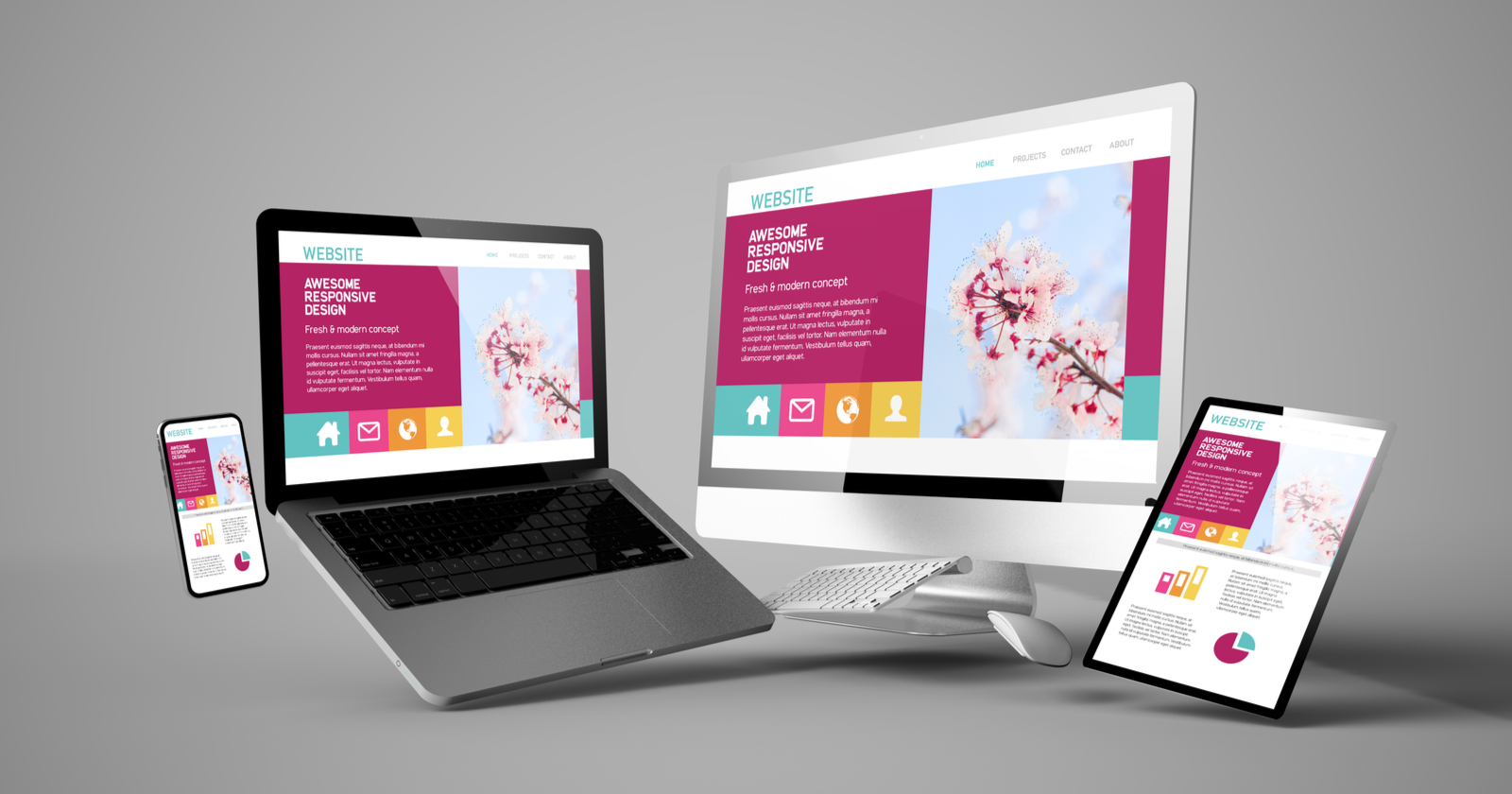
Web designing

Which Web Design Platform Is Right for You?

Web designing services have become a key piece of the market and have developed as the need of great importance. The main venture required in this business is a PC, internet connection, and significant aptitudes. An occupation as a website designer includes web organizing and content creation. You can complete this duty all the more easily when you are outfitted with the data, ability, and involvement with this area. You can likewise work from home as a freelance website designer.

So there you have it, 12 startup ideas that can help you get big bucks in your pocket. Most of us don’t have the advantage of having the option to leave our day job to seek after beginning a business idea today, without stressing over how we’re going to meet our money related commitments pushing ahead with no salary. That is the reason were an immense backer of continually beginning a side business while working all day, with the goal that you can test your way into your new product or services, get input, approve the thought, and start creating pay before you quit your day job. On the off chance that you can ace the craft of scaling one of these business thoughts while keeping your normal everyday employment, you’ll experience no difficulty succeeding once you’re completely independently employed. With such an extensive range of choices that span across different market segments, you should hopefully be able to find your next startup idea and transform it into a money-making machine.

CONCLUSION

_*:゚*。⋆ฺ*´Bio ideas*:゚*。⋆ฺ*_:. | Wiki | Aesthetic Universe Amino

The market is bursting with opportunities for tailored security solutions. So, gear up for your new and exciting startup journey. You can also go out and meet people and take advice from other entrepreneurs, but ultimately, you have to decide which business idea fits your budget and aspirations. And, if you still find yourself stuck or want to build your business idea, then Anteelo can help.

Top 23 FinTech Trends to Watch Out in 2020 -2021

Top 6 FinTech Trends That Will Shape The Industry

For the past few years, many variations of fintech trends have emerged with the implementation of cutting-edge technologies and tools. Various fintech subdomains have come into the limelight, while many banks and startups have realized the effects of fintech on businesses and changed their traditional processes.

However, this is just the beginning of a revolution.

In the 8 months lying ahead of us, many fintech trends are expected to come into the limelight. Numerous standardization and regulations are anticipated to immerse the fintech industry with new enjoyment and excitement, and make the market worth $309.98 Bn by the end of 2022.

Wondering what are these top fintech trends for 2020?

How will these trends revolutionize the future of fintech?

Let’s catch up here quickly.

20+ Fintech trends you must act on in 2020

1. Focus on unserved and underserved

Wealth Management for the Underserved: What Role Does FinTech | MEDICI

According to a report by the World Bank, around 1.7 Bn people are not a part of any formal financial system. They do not have any bank account of their own, a few reasons behind which are:-

  • 60% of people do not have enough money,
  • 30% of people never felt the need of a bank, and
  • 26% of people find accounts as an expensive affair.

This is the foremost area where the fintech leaders are focusing this year. Rather than entering the established market, the fintech startups are trying to enter new phases and win financial backing from investors this year. They are seeking innovative ways to communicate with people from different walks of life, understand their financial challenges, and come up with better funding opportunities to ultimately drive customer loyalty and profits.

A clear evidence of which is Uber.

On discovering that around 60% of their drivers lay constraints on their banking accounts 6 times a month, and send 25% of their earnings to their native countries while suffering from high fees, the company launched its fintech division – Uber Money. This enables the targeted audience, i.e, drivers and other freelancers to get real-time income, save a big share of each trip, and get better functionalities of bank account, debit card, and mobile banking application.

2. Automation and RPA

Robotic Process Automation – Everything You Need to Know - Part 1 - ITChronicles

Robotic Process Automation (RPA) is also one of the trends that will revamp the fintech ecosystem in 2020.

These bots will not solely continue to automate human repetitive processes, but also lower down common errors and inefficiencies, which will ultimately enhance productivity and ROI.

3. Reduced use of physical money

Why cash payments aren't always the best tool to help poor people

Another trend that will indicate higher use of finance technological services is decline in the use of physical money.

In 2016, only 1% of the transactions made in Sweden were using cash – a prime reason of which is that many businesses denied accepting cash payments. Likewise, the United Kingdom recorded the highest volume of cashless payments, i.e, of €10.67 Bn in 2017. And now, in the year 2020, this value will accelerate with the usage of more convenient solutions like contactless payments via NFC.

4. Continual development of Open Banking

Open Banking is here to stay | BankingHub

One of the top banking and  fintech trends for 2020 and beyond has to be Open banking. It leverages APIs that allow third-party developers to develop apps and services around the financial institution, in order to help users enjoy the online banking service via multiple platforms.

According to a Deloitte study, around 22% of banks have already deployed their own API platforms, while 39% are working on it. And many more are anticipated to enter this sector.

5. Implementation of Voice-Search

How to Optimize for Voice Search: 6 SEO Strategies for Success

The fact that by 2020, almost 50% of all searches will be voice-based on the Internet, is enough to give you a hint of the future of fintech and the role it is playing in transforming the banking and finance sector. Voice-based search in banking software will assist customers in easily accessing banking services, provide ways of encryption while supporting communication with NLP-powered voice assistants.

More and more industries and banking institutions are adopting voice search- one of the latest technologies used in fintech, and why wouldn’t they when it can save up to $3 billion.

6. Decentralized Finance

A Beginner's Guide to What is Decentralized Finance (DeFi)

Decentralized Finance (DeFi) is also one of the emerging trends in the finance industry.

In 2020, companies will rely upon different set of technologies such as distributed ledger technology (record-keeping decentralization), Internet of Things (IoT), Big data, online P2P systems (risk-taking and decision-making decentralization), and Edge computing to offer monetary interactions in a more decentralized manner.

This fintech trend has already been transforming the payment and settlements. And, in the coming years, it will also change the way capital markets, lending, and trade finance operates while ensuring advantages like enhanced speed, lower cost, and higher transparency.

7. Upsurge in mobile apps usage

How to Make Sure Your Mobile App Project Stays on Track During COVID-19 - The Proven Method

Not as surprising as others, mobile apps are also gaining popularity in the fintech industry and have proved potent for becoming a trend. With the incessantly growing popularity of mobile apps, many fintech companies have started to tie up with the best banking & finance app development company in order to create impeccable digital solutions. There are all kinds of innovations waiting around the corner which we will see throughout this year.

8. Next-gen digital-only banks

YONO biggest start-up by legacy bank, valuation at $40 billion: SBI chairman

A rapid increase has been witnessed in partnerships among Fintech companies and banking institutions, promoting the emergence of new financial intermediaries. Now, Digital-only banks are gaining unprecedented popularity, something that was not anticipated in this decade at least.

With an additional time economy option, these Digital-only banks offer an even more diverse array of services to their customers. No wonder, Digital-only banking is going to be one of the top fintech trends for the year, because of its connection with disrupting technology like Blockchain and cryptocurrency.

9. Improvement in Conversational banking

The Ultimate Guide to Conversational Banking in 2021

According to a study by Accenture around CUI (conversational user interfaces), it has been found that –

  • 64% of people prefer interacting via messages or emails over calling,
  • 64% users are more likely to buy or hire a service if they have chatted with the brand earlier too.

Because of this, banks and fintech organizations will emphasize more on conversational banking. They will come up with AI-based chatbots and other software that interacts with users on different messaging platforms like Facebook messenger and WhatsApp.

10. Higher downloads of Digital wallets

2019: Year of Mobile Wallets in India

Digital Wallets are effectively on a way to eradicate fiat money from the wallets. In fact, in a report by Grand View Research, it was revealed that the digital wallet market size was valued to be USD 16.65 Bn in 2013 and is predicted to reach USD 7,581.91 Bn by 2024.

Alone in 2018, the number of digital-wallet users was 440 Mn and has surely increased in 2019 and will continue to do so in 2020. To support this statement, look at the graph below depicting the rise in wallet users.

11. Application of AI and ML-powered chatbots and automated customer services

How Chatbots are Transforming Customer Service with AI

A generally accepted statement – AI is our past, present, and future clearly shows how humongous this technology is going to be, changing the face of every industry, including Finance and banking.

As per AI technology trends, the market size of AI in the Fintech market is predicted to increase from $959.3 Mn in 2016 to $7305.6 Mn by 2022, at a CAGR of 40.4%.

The technology, this year, is going to provide better services to everyone in the form of –

  • Chatbots

These are increasingly becoming a choice of financial institutions for customer support services. You ask why? Well, these chatbots in fintech domain are available to the customer 24X7 without incurring additional monthly expenses. They leverage the advancements of ML algorithms and NLP (natural language processing) to serve customers in all possible ways.

Another thing is that chatbots are incredible for enhancing customer engagement. Some of the chatbots used by popular banks worldwide are Ceba (Commonwealth Bank Australia), Erica (Bank of America), and Eva (HDFC Bank).

  • Customer Intelligence

AI-based customer intelligence is something financial bodies are gaining more and more interest in. It is because customer intelligence helps these institutions to have a deeper understanding of users through their banking relationships and transactions by analyzing data gathered via technology. Some organizations have already started implementing it in their analysis process while many will follow suit in 2020, making it a notable Fintech trend for 2020.

  • Regulators using AI to predict potential issues

In the year 2020, we may encounter changes in the way regulators perform certain actions. Since AI is prominent as of now, they are bound to turn to AI’s algorithm, data gathering, and analytics tools to compare scenarios and predict probable issues and risks.

12. Introduction of Blockchain in banking and fintech solutions

Blockchain Use Cases For Banks In 2020 | by Velmie | DataDrivenInvestor

This year, the role of Blockchain in the fintech sector will reach to the next level. The technology will bring disruptive changes to the fintech industry, making the market valued $6,700.63 Mn by the year 2023.

Many terminologies like the ones described below will go mainstream this year:-

  • Smart contracts

Without a doubt, a boon for the finance industry, Smart contracts (a decentralized financial technology) are quickly gaining popularity. They are an evolution of pen and paper contracts – more effective, more secure, and of course, immutable.

Wonder how they work?

Let’s take an example-

In smart contracts, parties sign smart contact by using cryptographic keys (digital signature as you will). Now, instead of using pen and paper, the contracts are encoded in computer language. And these codes are virtually tamper-proof, hence immutable contracts.

  • Crypto-To-Cash Conversions

Cryptocurrencies are becoming more prominent every day and institutional investors are expected to show their interest in cryptocurrency adoption. And this all is a result of new initiatives that have emerged to increase their real-world implications. New advancements may surface in 2020 targeting crypto-to-cash difficulty and may give us what we are looking for.

In fact, many digital-only banks or the banks collaborating with Fintech are already actively considering the possibility of cryptocurrency implementation in order to perform money operations.

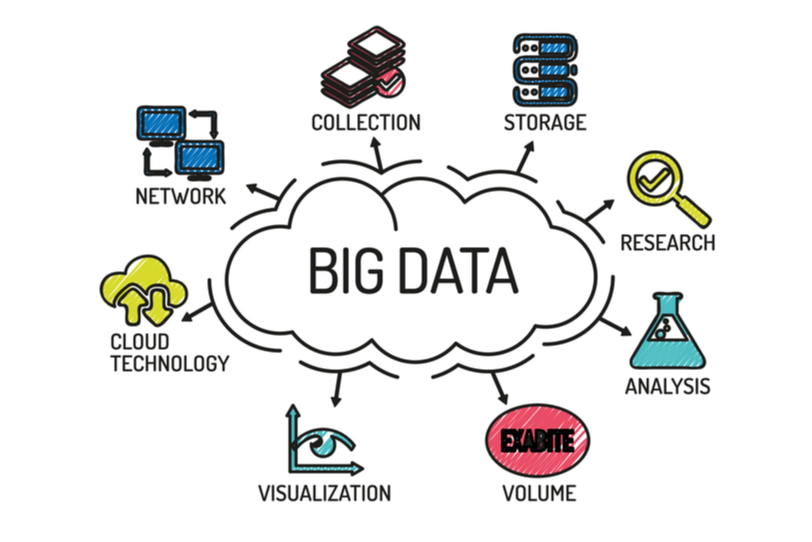
13. Incorporation of Big Data in fintech processes

How to Use Big Data in FinTech: Use Cases and Strategies | Mobindustry

The impact of big data technology on financial services is yet another thing that will be taken into consideration this year.

Big Data is one of the effective tools that fintech market players employ to circumvent the incumbents and revolutionize the industry. On a broader scale, the technology is helping fintech companies grow in numerous ways, including:-

  • Customer segmentation

With core focus on users’ convenience, fintech startups divide their target user base on the basis of different factors such as age, gender, location, online behavioral patterns, and economic health to determine their spending habit and build highly-customized and personalized offers and financial products.

  • Risk management

Predictive analytics is a robust tool that offers risk management and enables companies to avoid poor debt expense or make better decisions related to crediting. Fintech startups mine data to create risk profiles of consumers applying for financing to detect bad payers or poor investments.

  • Fraud detection

With the help of big data engines, fintech companies will be able to gain a better understanding of the consumers’ buying habits and online patterns which can further help with detecting and forbidding suspicious behavior more accurately and quickly.

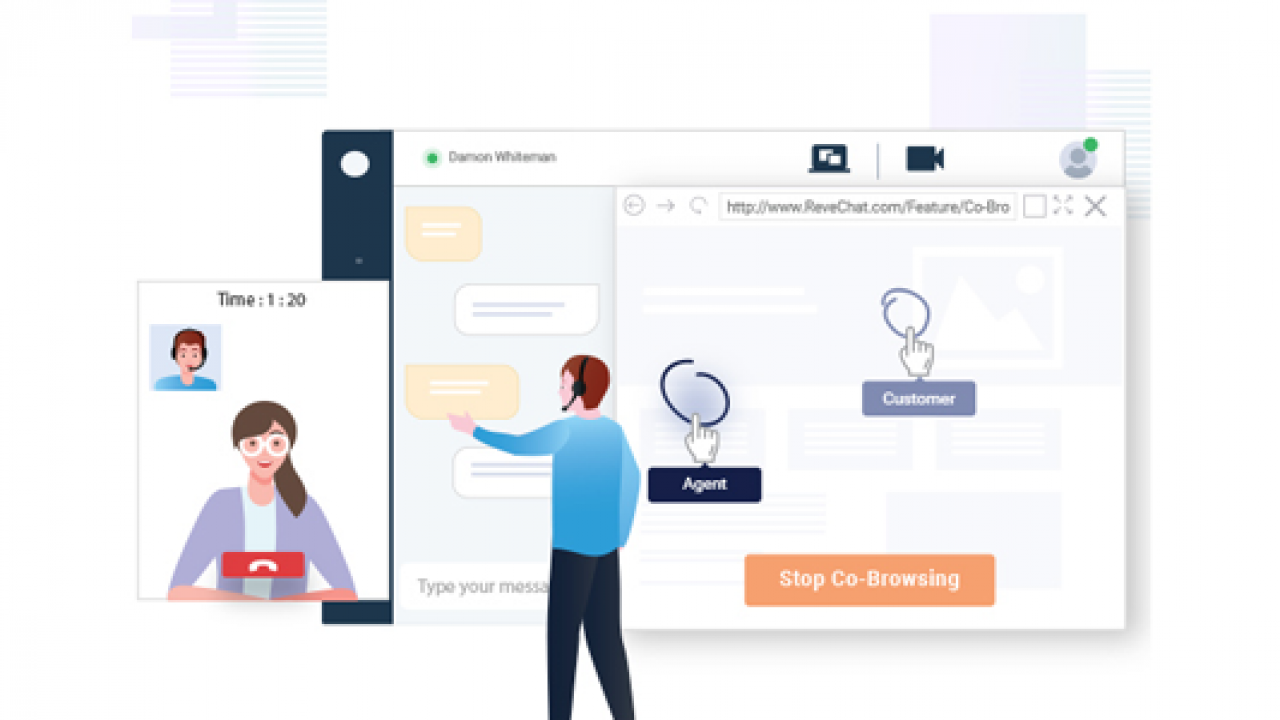
14. Advent of Co-browsing

What is Co-browsing and How Co-browsing Works?

The screen-sharing is generally the function where one party gives access to another party for sharing the device’s screen. With the help of co-browsing, users will be able to prevent others from gaining complete access to the device. Instead, it lets users share a particular web page with another party for mutual access. Something that is a boon for the finance and banking sector, as it is very useful in banking software.

With co-browsing intuition, representatives can easily assist customers with issues pertaining to the completion of bank formalities and documentation, to name a few. This is what makes it one of the banking tech trends for 2020.

15. Disruption of Payroll process

Earnin: Get $100, Cash Out Money Before Payday – Apps on Google Play

Around 59% of consumers struggle from paycheck to paycheck in the USA alone. This situation has created serious money concerns for many individuals who rely on payday loans or predatory lenders asking upto 400% rates for a two-week credit; making one of the financial technology trends of 2020 and beyond.

With the help of fintech companies, other organizations are improving the traditional ways of payroll. Companies such as Gusto, which has been valued at $3.8 Bn, have introduced a flexible Pay feature that allows employees to pick a date to receive their payroll. Another example at hand is the Earnin app allowing users to get access to their earnings before their scheduled payday.

16. Growth of Asian market

Growth Icon, Growth Clipart, Growth Icons, Growth PNG and Vector with Transparent Background for Free Download

The Asian market is rapidly becoming the biggest adopter of Fintech. As new Fintech companies start to emerge, we can expect great advances in the Asian market.

On analyzing the events of 2019, it was noted that China has emerged to be the global leader in the Fintech industry. With the world’s biggest population, the country has 800 Mn internet users – a combined percentage of countries like Mexico, Japan, Russia, and the US.

17. Enhanced ‘A’ rated life insurance carriers

Another financial service technology for 2020 related to insurance is the ‘A’ rated life insurance carriers. Now, the institutions will employ technology in a way as to eliminate the medical exam while simplifying the writing and underwriting of a new life insurance policy.

Some of the fintech startups are implementing up to $1 million of term coverage without any medical exam and only refer to the data collected on customers regarding the prescription history based on their medical questionnaire for passing approval.

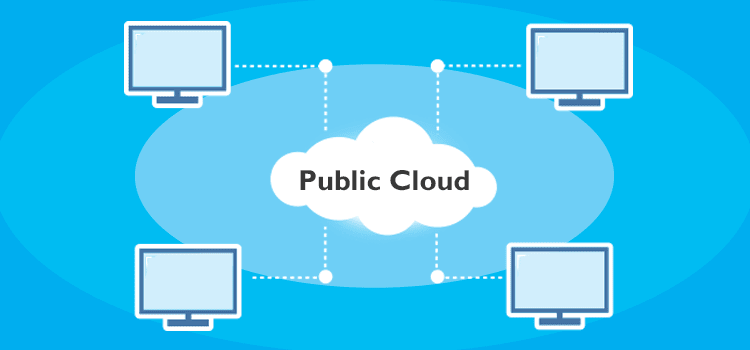
18. Public cloud to be the new infrastructure model

Why choosing Public Cloud will never go out of fashion… – ESDS BLOG

Even now, many financial institutions seek help from cloud-computing for an array of work and processes. They use cloud-based SaaS apps for things that may be deemed non-core like HR, CRM, and accounting. The core service infrastructures in areas including consumer payments, credit scoring, and statements are going to become utilities by 2020.

19. Cybersecurity as a pillar of fintech domain

Article: How to plan for your organization-wide cyber security skills — People Matters

Since everything is online now, there is a rapidly increasing threat of cybercrimes, something which all financial institutions, among others, want to avoid at any cost. In this case, there have been many advancements in this segment developing robust security systems to creating next-gen tools for data protection.

Cyber risk analytics has also merged to be an interesting implementation of AI in Fintech to detect probable threats. With what we have witnessed so far in 2019, it is without a doubt that improving cybersecurity is going to be one of the top Fintech trends in 2020.

20. Rise of Financial regulations and Regtech companies

RegTech s rise could be a watershed moment in the way financial services engage with customers-Amit Das - BW Businessworld

With consumers having concerns over data sharing with unknown third-party firms, the rise of RegTech firms and financial regulations will also be one of the fintech trends for 2020.

Currently, around 15% of the workforce of the entire financial sector is engaged in tasks around ‘compliances’. But, in the coming years, more regTech solutions will come into the limelight; offering finest services like compliance verifications, transaction monitoring, risk management, ‘Know-Your-Customer’ (KYC) or ‘Anti-Money Laundering’ (AML) practices, and more. And eventually, make the market size grow from $10.6 Bn in 2017 to $53 Bn by the end of 2020.

21. Partnership and collaborations will be on the rise

Partnerships and mergers among fintech companies are going to be one of the top fintech trends for 2020, according to Kathleen Craig, founder, and CEO of HT Mobile Apps (a fintech company). Startups and small organizations are coming to the realization that partnerships are more profitable.

More so, till now direct-to-customer fintech companies have been stuck on a particular piece of the market, but with these mergers, we can see a whole new spectrum of services they together may offer.

22. Sharing economy will become integral

What started with cars, taxis, hotel rooms, etc.will now expand its horizons to include financial services. The sharing economy is expected to become a huge Fintech trend for 2020.

Here, the sharing economy pertains to decentralized asset ownership and the use of IT to obtain suitable matches between providers and users of capital, instead of turning to a bank as an intermediary element.

23. Establishment of On-demand insurance economy

The Future of Insurance in an On-Demand World

The on-demand model has become one of the most in-trend concepts of this decade and will continue to do so in the coming one. In fact, on-demand mobile app economy statistics are legit proof of its popularity.

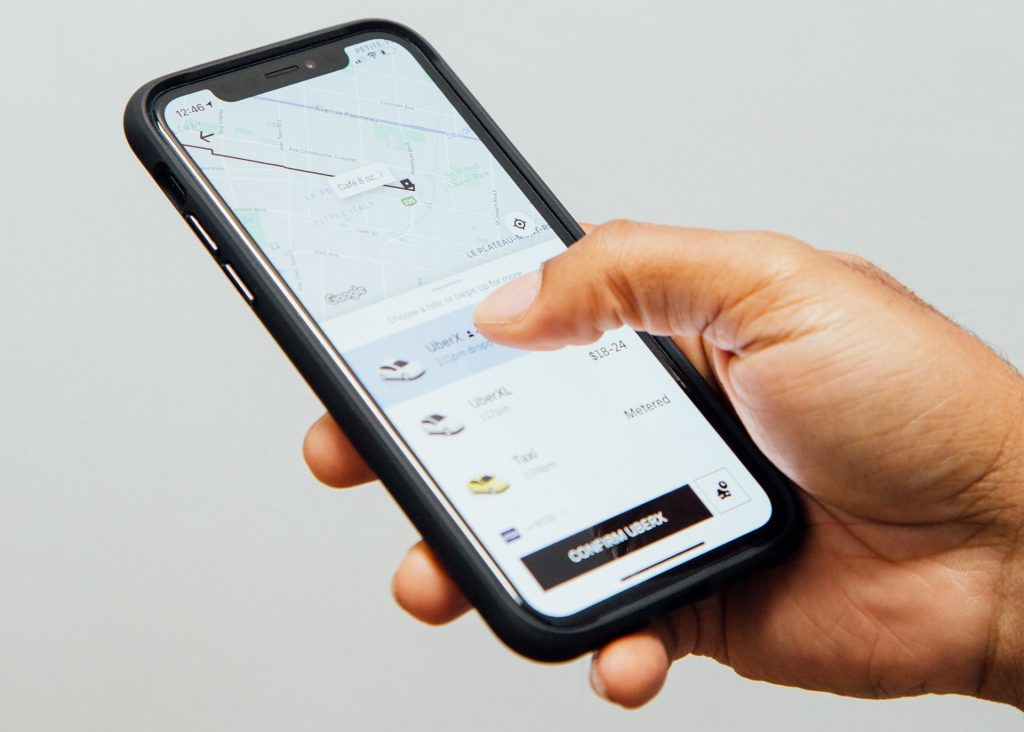
Just like you can get a taxi on-demand via apps like Careem and Uber, you can also avail insurance in a matter of minutes. Financial institutions have started to offer insurance facilities via mobile apps. Customers can easily apply insurance for real estate, car, and other belongings, simplifying and making the whole process more efficient.

While these are the trends that are forecasted to change the landscape of the fintech industry between 2020-2025, many more are expected to join the league. In such a scenario, it is advisable to visit this blog again in the future and get familiar with more disrupting fintech trends for 2020 and beyond.

Continue reading “Top 23 FinTech Trends to Watch Out in 2020 -2021”

How to Build An Appealing Mobile App Business Plan

The 8 Details to Include in a Convincing Business Plan | Prosper

Benjamin Franklin was an exceptional man with even exceptional wit and wisdom. Though the statement is subjective, it is apt in every situation involving planning.

A rather important part of the whole process of starting a company is devising an astute and accurate mobile app business plan.

A goal without a plan is just a wish. If you do not want your goals to become far-fetched wishes then you have to invest your time and efforts in creating a descriptive business plan for your app.

Now, I understand this is not something that you might be inherently proficient in since you are an entrepreneur and this is not necessarily your niche of expertise. So, if you are unsure of what you are supposed to incorporate in your mobile app business plan or even how to start one, refer to this detailed article to help yourself.

Nevertheless, before we start our discussion, I feel we first need to sit down and ponder on the “why” of creating a business plan for your mobile application.

Why make a mobile app business plan?

How to Write Business Plan for Mobile App Idea? - Mind Studios

Magnetizing investments

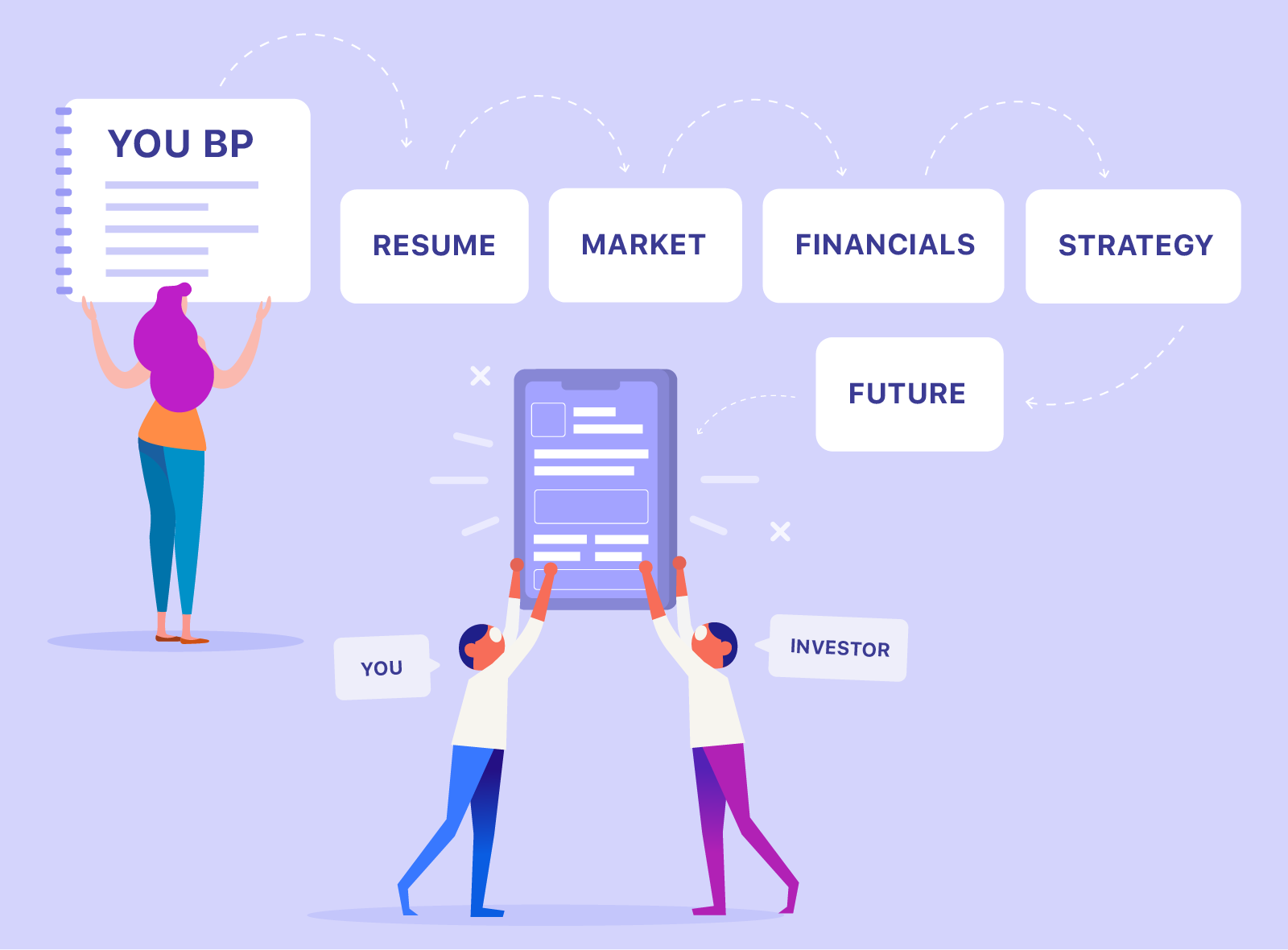
The most obvious reason why mobile app startups make a business plan for developing an app, as you might have surmised as well, is to bring in more and more investments. This is to attract investors and even start-up co-founders – the choice is yours to make, and sometimes you need to have the support of both.

An efficacious business plan will help your vision be represented in a crystal-clear way while displaying the scope of your mobile app concept and idea as well.

Reducing the risks

Un-planned actions pertain to risks, and risks in business are synonymous to cost-inefficiency and loss.

When you devise a business plan, you actually map out the whole journey of your business, something that can provide you great insights into the many unanticipated and probable risks.

Helps you keep everything in perspective

When making big decisions, it is common to forget and leave out certain important aspects that can make or break the foundation of your business at a much later stage. However, when you have a blueprint including a set of points acting as a reminder of those crucial aspects, it becomes easy for you to remember them. Business Plan is that blueprint.

Now, it’s time to move on to our main discussion answering questions such as “How to build Business Plan for a Mobile App Startup” or “How to Write Business Plan for Mobile App Idea?”

Steps to create a business plan for your mobile app

1.  Executive Summary

Executive Summary Template: What To Include

Essentially a short overview of your detailed mobile app business plan, this stage is something you must pay special attention to, since, this is going to be the first thing the potential investors will encounter.

Things that make this section ideal are – convey more while writing less, refrain from mentioning the working of the product, etc. Instead, focus more on market scenario, targeted users, and this-

  • Focus on problems addressed

‘Problems’ are something that always prevails. Meaning, there is always room for improvement and innovation. What you are supposed to do here is analyze the problems users are facing with the existing solutions and find out –

  1. the needs and demands of the users at the moment
  2. problems users are facing with the products similar to yours
  3. why these solutions fail to satisfy – what are they lacking that you can provide in a better and different way, and so on.
  • State your proposed solution

Try not to divert from the path of the problem while explaining its solution, i.e., do not go into the functioning and features of your app, rather stay focused on the problem and the ways in which your app addresses them.

  • Unique Value Proposition

This is where you can boast of the things that differentiate you from other organizations and businesses, something about your app that is unique in itself. Not just better but definitely different. For example, the USP for Domino’s Pizza is “You get fresh, hot pizza delivered to your door in 30 minutes or less or it’s free.”

  • End objective of your app

After everything’s said and done, it all comes down to this – The goals you  plan to achieve with your app.

You MUST state the vision of your app’s future, i.e., how many downloads you are initially expecting on your application, how much profit you are expecting, and much more. It is best to visualize your short-term plans and then improve your answer through metrics.

2.  Introduce your company

The next step while making a detailed and convincing business plan is to prepare your company’s information. Since the future is unpredictable, the things you have mentioned in the above section may not be as appealing to the investors as you may conjecture.

Firms like Y Combinator, TechStars, to name a few, are known to select startups for funding based on the team and the founders. So, you see how crucial this section just became for you. Moreover, it would add as a plus point if you could provide information about the MVP or a prototype you have developed.

The things you should cover here are –

  • Provide an overview

There are some questions that you need to address in this section to help investors understand your organization and develop trust in it.

  1. Type of entity – Are you an LLC or privately owned organization?
  2. Location – Where is it housed?
  3. Duration – When was the organization established?
  4. What is the team size of your company?
  5. Do you operate off-shore as well or not?
  6. What are the problems your company is currently going through?
  7. What is the ultimate goal of the company?
  8. What is your vision?
  • Take it from the top

Like a novel, you must tell the story of your organization while briefly touching on all the preliminary motivations, ideas, problems, etc. that you encountered at the time of its inception.

List everything about the history of your company that is worth knowing, since it could be a lot damaging if any crucial information is withheld from the investors and is revealed later. It can include the locations you have operated in, early hires, major pivots, product launches, and such.

  • Management team

Remember each and every person in your company is an important cog in your organization’s machinery. This is why you are required to mention the names of all the members of management with all the relevant information related to them, i.e., qualification, professional experience, expertise, KRAs while mentioning the organizational hierarchy.

  • Advisory panel

Almost every mobile app development company is backed by an advisory team. The panel consists of industry experts with years of experience under the belt. More often than not, they are the makers of some successful apps. Creating a list of such advisors can immensely improve your brand image and credibility, boosting the chances of getting funds.

3.  All about the Industry

All About the Real Estate Industry

Essentially, your end product is going to target a particular industry. Hence, it is obvious for you as an entrepreneur to know every grain of major information, from market history to current trends, related to your targeted industry.

  • Market size

The most basic thing that you must know and also showcase in this section of your business plan is the size of the market. This includes – total available market (market demand for the app), serviceable available market (number of users you can target say in 3 to 5 years), and serviceable obtainable market (the segment of your initial users in 6 to 12 months).

If you are wondering how to do so then, you can always refer to the credible data provided by some trusted third-party platforms, namely, Sensor Tower, App Annie, and Statista.

  • Keep updated with market projections

You need to understand the market’s past and present to gain insight into future predictions. The best thing to do here is to compare and analyze the market size of the past 5 years, mention the number of new entrants in the industry, the number of total fundings, and so on.

  • Competitors analysis

Competitive analysis is an indispensable element of any business on this planet. Regardless of the organization type, industry, size, etc. – all religiously perform this step.

Various models around this have been devised to gain the attention of angel investors. Out of the many, the one we recommend is the 2 x 2 matrix model, in which variables portray these four aspects: challengers, leaders, niche players, and visionaries. In order to highlight the execution and vision of the app as it progresses, these four elements are displayed via an x-y axis scale.

  • Self-assessment through SWOT

SWOT analysis, representing four components – Strengths, Weakness, Opportunities, and Threats is used for self-assessment by all organizations. It enables you to give a structured description of your company’s situation in an efficient way in your business plan for app development.

4.  Marketing strategy

Why You Need To Review Your Marketing Strategy After Quarter 1

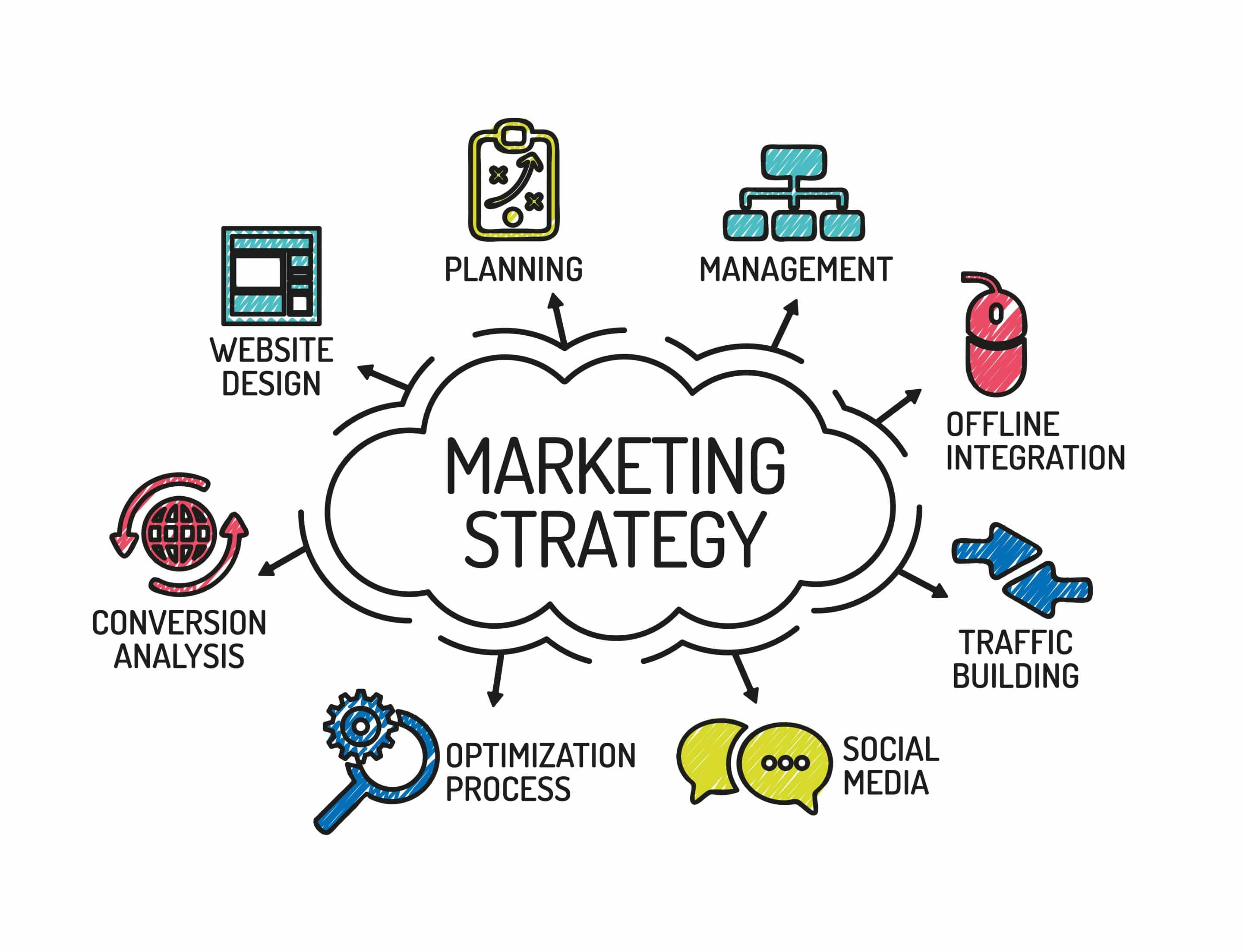
Acting as a bridge between your app and the end-users, a solid mobile app marketing strategy wields the most power. Your role is to devise such a marketing strategy that acts as a ‘deal-sealer’ between your firm and the investors. This will show the investors that you have the medium to make your app reach the users’ smartphones from an app store.

These are some points that you can include in your marketing strategy-

  • Describe the user persona first

Creating user personas is very beneficial. This is something you would be able to identify while you are doing your research on the market. In case there is more than one user personas, you must mention them in your app development business plan. The more in-depth it is, the more promising your business plan seems to the angel investors.

The said information is to be included in the user personas – Age, Gender, Occupation, Location, Income group, and Marital status. Other information that is classified as psychographic data includes attitudes towards money (price-sensitivity or value shoppers), the context of app usage, personal/professional aims, hobbies, preferred sites and apps, tech-savviness, and so on.

  • Customer acquisition strategy

Once you have identified the user personas of your app, you can determine your customer acquisition strategy. One thing you have to be absolutely sure about is your CAC (customer acquisition cost). You will be able to estimate the right cost once you have established which channels and campaigns you will employ in your marketing strategy highlighting your app’s USP (unique selling proposition).

Here are some channels that you can try to achieve great results –

  • Incentivized user downloads
  • Search engine marketing
  • Organic installs
  • Social media (Facebook/Twitter/Instagram) ads
  • Partnerships
  • PR
  • App store optimization
  • Content marketing
  • Push and in-app notifications
  • Retargeting campaigns
  • Mobile site redirection
  • Mobile app wall ads
  • Email marketing
  • Event marketing
  • Product driven growth

Change in product driven growth is one of the most common elements of pivoting a startup. If your business model needs a large mainstream user base, then it is of utmost prominence for you to build a referral program in your mobile app to leverage network effects. A well-known and effective example is Uber. For instance, Uber offers a coupon on the users’ next ride as a reward for referring to others and the referred person also enjoys coupons on the first ride.

  • Make a landing page

A landing page can really help you in numerous ways. One of which is that it can help you expand your horizons in terms of target users. It keeps the readers informed and updated about innovations and further updates of your app. One thing to keep in mind whilst doing this is to make sure it contains the name of your app, its description, promotional videos, etc.

{Also read: How to Create Success Story with your Mobile App Landing Page}

  • Define your key metrics

There are several metrics on the basis of which you can measure your business growth and popularity of your mobile app. This is something that you must include in the web or mobile app business plan. You have to be careful while picking the right metrics suitable for your business model. An example – if your app is a social media application, then your ideal key metrics should be the daily active users instead of the number of downloads.

5.  Operational strategy

Complete Guide to Operational Strategy – Welp Magazine

Stating the strategy regarding your daily operation imparts an impression of awareness and readiness on your part to the investors, something which always works in the favor. This also includes your strategy for customer relations.

You must describe and map out how you are going to handle customer services and maintain quality assurance. It also includes how you are going to perform the app development process and manage it. Other things to cover in this section are-

  • Users Process

You can mention information such as how your users are going to behave from the start to the end, i.e., when they first hear of your app and start using it.

  • Personnel plan

This outlines all the data related to the employees. It concerns how and when you will hire the employees, how salaries will be expensed, how will you set the hierarchy in the organization and so much more.

6.  Financial plan

Financial Planning in 5 Easy Steps: How to Do It Right

It is the stage where you could literally say “Let’s talk numbers”. What the investors would want to see in this section are the answers to the questions – how will you make money? What will be the cost to run the business? And how much funds do you need?

  • Devise an app monetization strategy

Just like for marketing, you need to have an efficacious mobile app monetization strategy, something that we have also covered in detail in our article named “How to choose the right pricing strategy for your mobile app project”.

  • Startup costs

According to CB insights, 19% of the startups fail because they get out-competed.  In the graph below, you would find that 29% of the startups get shut down as they run out of cash.

You can avoid this fate by analyzing the costs you may need. Similarly, it is crucial for you to mention to the investors all the details related to the costs and expenses you would be needing and for what.

Since the devil is in the details, here is what you should include – one time costs, recurring costs (rent, inventory, etc.), fixed costs (rent, utilities, etc.) variable costs (i.e, the salary of employees) and a lot more.

  • Funding needed

It is here at this stage that you are going to ask for the fundings and reveal all the information related to it. Address these questions in this section –

  • How much money do you require?
  • What percentage of equity are you proposing to give in return?
  • Is this going to be a convertible note or a preferred stock?
  • For what duration this money will suffice before you need to propose for another funding round?

Regardless of what category your mobile application belongs to, the business plan for each one is essentially similar, for the most part. A business plan is static in contrast to a business model, which is dynamic. This is because it is a document created only once and is not rewritten after the purpose is fulfilled.

Mistakes of Unsuccessful Developers

What are the common mistakes of unsuccessful developers

5 years ago when I started my career as a mobile developer, I had one thing in my mind. I wanted to be good at my job. I wanted to learn the art of programming and I wanted to explore new avenues. In the last 5 years, I have worked on a lot of interesting projects that have helped me become good at what I do.
On this journey, I have seen some of my colleagues who started with me but have now changed their career track. I talked to a few of them to understand why they changed their career path. Our conversations revolved around things that didn’t work out and things that did. I understood from our conversations that they had a fixed mindset rather than a growth mindset.

Stanford psychologist Carol Dweck, in her book titled Mindset: The New Psychology of Success has talked about these two mindsets in detail. In a fixed mindset, the person assumes that their intelligence and creative ability are static givens. So, if they fail at some task, they assume it’s because they are not made for it. On the other hand, a growth mindset thrives on challenges and looks at failure as another chance for growth and developing new skills.

You’ve probably read articles that talk about the mindset of successful people. In my opinion, such articles paint a dreamy picture of success. They make it look like– “do these steps to be a successful developer.” However, success is an elusive subject and one can’t achieve it only by following what others did.

Therefore, I decided to take a different approach and write about what kind of mindset makes you unsuccessful. So here are some common traits or thought-trains of unsuccessful developers. Be aware of them and try to avoid them–

They want to learn a new language overnight

Famous Programming Languages – Authors and History – MYCPLUS - C and C++ Programming Resources

It’s true that a developer should be a quick learner. One should be fast in picking up new languages, frameworks in order to implement them in projects.

But learning quickly doesn’t mean learning overnight. One can’t learn everything in a day.

For example – If you want to learn Java/Android, you have to spend time on it. You can’t learn all the concepts in a day.

Generally, people with this mindset don’t spend much time on a single concept and after spending a few days on it, they move to another one. And repeat the same behavior elsewhere. With this approach, you will definitely learn something about everything and you will be able to write a basic level program but you will never be able to solve complex problems.

So go an inch deep, rather than going a mile wide. Learn one thing at a time, but learn it well.

They wait to learn until they have a job/project

100 Computer Science Careers to Consider | Chegg CareerMatch

It’s a common misconception that one can only learn when they actually start working on a project. But that’s not true. You don’t need a job or a project to learn a new skill.

If you really need to learn something, start today. Explore ideas and opportunities where you can implement your learning. Make things functional, even if they don’t turn out to be as great as you imagined them to be. You will gain confidence and learn a lot more about your shortcomings simply by doing.

They keep repeating the same mistakes

MISTAKES, A Valuable Life Lesson

George Bernard Shaw said, “A life spent making mistakes is not only more honorable but also more useful than a life spent doing nothing”. And I couldn’t agree more.

But there’s no merit in repeating the same mistake again and again.

Developers with a fixed mindset keep trying the same thing with a similar approach. They feel that somehow, magically, things will fall into place. However, they don’t understand that repeating the same mistakes doesn’t result in successful outcomes.

If you’re tired of not getting outcomes, sleep over it. Sometimes you have to quit something to start in a better way, with a fresh mindset. Don’t stick to one approach. If things don’t work as they did earlier be flexible and change your ways of doing things.

They say yes to everything

A 2017 article in the New York Times talked about why you should learn to say NO more often. The article hits the right spot because it tells why being assertive is important in life. If you can’t do some work because you’re already swamped with earlier deadlines, learn to say No. It’s okay if someone is hurt because you said no. What’s more important is that you come out of the ‘yes’ culture and understand that it’s difficult to do everything that everyone wants. Be realistic and hold yourself accountable for whatever you commit.

Saying YES to everything just because you feel that saying NO will make you appear bad is a slippery slope. When you say YES, the other person believes you to get the work done. For you, it might just be one word, but for the other person, it’s a commitment. When you fail to deliver, the trust vanishes, and blame-game takes its place. The other person might feel cheated as they trusted you to get work done.

This is the mindset of unsuccessful developers. They think that by saying yes to everything they will please everyone in the team. On the other hand, they fail to understand that saying yes has to be followed up with great commitment and dedication.

They ignore documentation

What is Technical Documentation? Examples and Tips | CleverTap

Documentation plays an important role in developer life. It is common to talk that if you are working on a complex project, you should document everything. It will not only increase your understanding of the code but will also help you add more features in the future. Your documentation should be simple that takes less time and effort but explains everything beautifully.

Unfortunately, some developers feel that it’s a waste of time and don’t pay attention to it. As a result, when the code base increases in volume, they face difficulty in managing it.

The Advantages of Using the Aerospike Database for Business

Aerospike - Next Generation, NoSQL Data Platform

In-memory and NoSQL is a database combination that is being used by a number of businesses, across industries by companies relying on a plethora of architecture patterns.

The combination has also grown to become a favorite of applications dealing in real-time events and unstructured pool of data, like in the case of Machine Learning based applications.

A database that has emerged as an ideal name in the combination category is Aerospike database.

The enterprise grade database solves a series of challenges: The inconsistency of traditional NoSQL, Relational systems not having enough performance, and Mainframe being too costly and difficult to reach the internet scale.

In order to know how these advantages would translate into business benefits, it’s first imperative to understand what In-memory NoSQL means.

What is an in-memory NoSQL database?

Let us divide the concept into two parts: In-memory and NoSQL database for a better understanding.

NoSQL Tutorial: Types of NoSQL Databases, What is & Example

What is NoSQL?

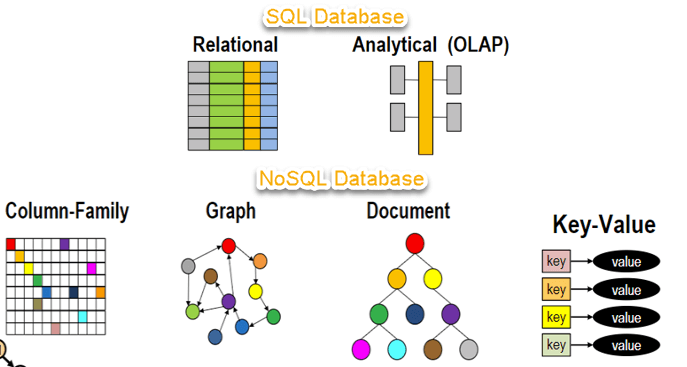
There are two database types: SQL and NoSQL. SQL databases are table based and work with a predefined schema. Meaning, developers have to feed in data in the form of a table (rows and columns) in the database. Additionally, a predefined schema (layout) has to be maintained.

The structure comes in extremely handy when the entities and the kind of data that they work with is static. Example: in case of Uber and Instagram, the information related to users and businesses are devised in a static format, thus relying on SQL.

While practical in a variety of conditions, they come with limitations, mainly around the need to follow set guidelines and layouts in terms of data input.

NoSQL was introduced to solve these issues.

They are anything but table based: key-value pairs, document based, or graph databases. They work around unstructured data. Meaning, nothing has to be predefined by the developers as queries for the database. Any form of data – image based, paragraphs, etc can be used.

It is devised for multiple operational needs –  real-time apps which interface with the customers or extend support to APIs in microservice pattern, and is heavily used in big data analytics. NoSQL enables high-performance, agile information processing at massive scale: a key feature for new class of operational databases. Apart from Aerospike, HBase and Caasandra are two of the best NoSQL databases.

What is in-memory?

There are two types of databases: One that relies on disks and SSDs for saving data and another that uses memory or RAM to save the data. In-memory databases are the latter. These databases are used in cases where the data has to be fetched in real-time (a feature that their counterpart doesn’t offer).

But since the data is stored on memory, there’s always a chance that the data might get lost when the server fails or faces a downtime. To handle such situations, the majority of in-memory databases persist data on disks by saving operations in a log or through screenshots.

Now that we have looked into what in-memory NoSQL databases stand for, let us get our attention to Aerospike.

Aerospike Database Explained

101 On Aerospike Data Base for Beginners | by Prabhu Rajendran | Everything at Once | Medium

It is a scalable, distributed database. The Aerospike NoSQL database architecture is devised to fulfill three primary objectives:

  • Creation of a scalable, flexible platform for the development of web-scale applications.
  • Offer the reliability and robustness (as in ACID), which is expected from the traditional databases.
  • Offer operational efficiency with minimum manual need.

Aerospike Architecture

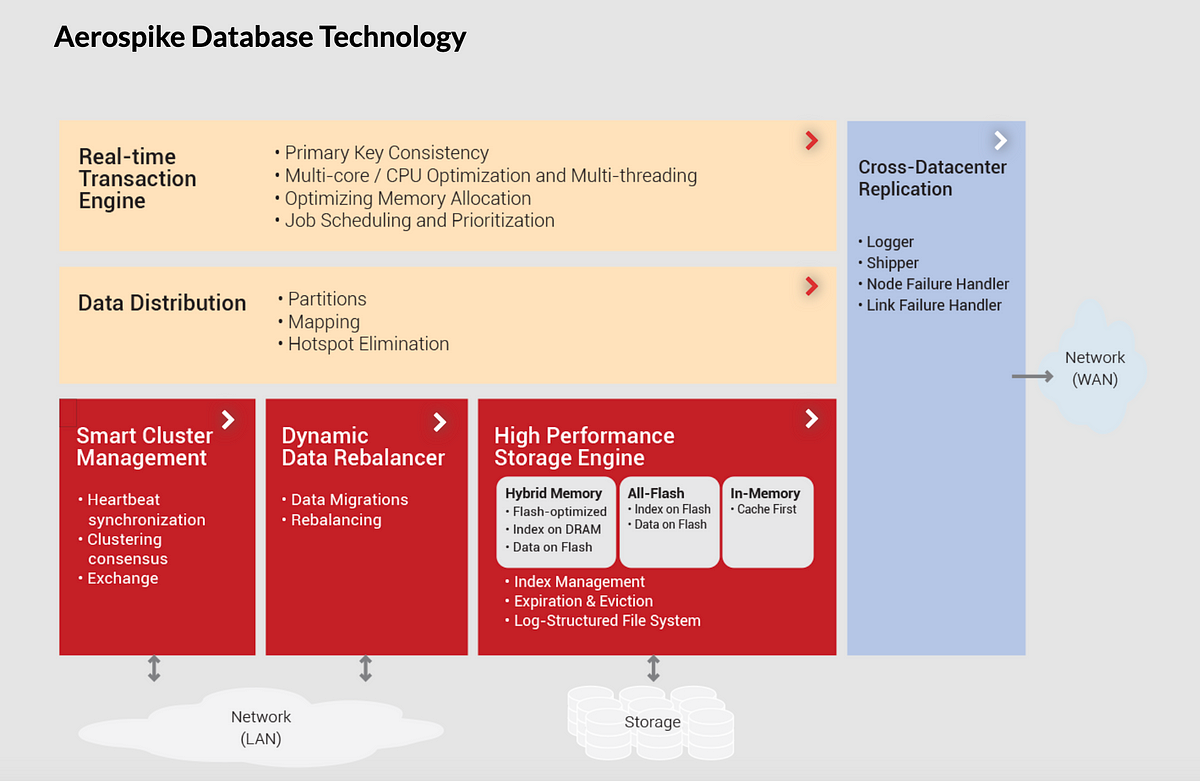
There are a number of elements and features which separates Aerospike database structure from other NoSQL databases. But, one key differentiator that makes it the first choice of world’s top companies is Aerospike’s hybrid memory architecture (HMA).

The index in case of HMA is saved in-memory while the data is stored in a persistent SSD and read from the disk. This, in turn, saves the space occupied in RAM, while keeping the data securely stored in the SSD.

The HMA in backend database in Aerospike architecture offers sub-millisecond latency and high performance with very less hardware spend. This results in lowering the total cost of ownership, enabling massive scaleup at low cost than pure RAM. This helps in the creation of rich and compelling UX which are key to determining success in the digital age.

Benefits of Aerospike Database for Business

Replaces Cache 

7,030 Replacement Illustrations & Clip Art

One of the key aerospike database advantage lies in high throughput and low latency makes it an ideal cache replacement platform. Cache is best suited when you work with static data. But, if the data is constantly changing, you will either have to deal with differences in database and cache or overwhelm database with writes.

Compared to Redis and Memcache, Aerospike data model comes with a built-in clustering which uses high performance SSDs. It also comes with the functionality of automatic cluster and transparent resharding, done through the mode of Aerospike Management Console (AMC).

User Profile Store

Aerospike Modeling: User Profile Store | by Ronen Botzer | Aerospike Developer Blog | Medium

When developing a marketing or advertisement app, you will have to store the users’ profiles. These profiles will come with information on recent user behaviours, partner cookies, segments loaded from analytics system, and a plethora of other data. The data in this category is usually between 1 to 10 KB. But, additionally, you will also require other frontend data such as – campaign budget, cookie matching, and status.

Optimized for Flash, user profile storage becomes one of the primal Aerospike use cases. It has helped form the user store for a number of popular advertising agencies such as Nielsen, AppNexus, Adform, and The Trade Desk. It is also much cheaper to operate Aerospike with large-terabyte scale compared to other databases.

Recommendation Engine

Building a Recommendation Engine: An Algorithm Tutorial | Toptal

For a recommendation engine to work right, you would need to use innovative mathematical formulas along with domain based knowledge for increasing the online engagement. If you are planning to develop one from scratch, you would require a fast data layer – one that supports various requests for every recommendation. It will also have to be flexible for you’d either need greater throughput or greater data as the system would evolve.

Aerospike in-memory database, with its following features makes up for an excellent database:

  • Large lists for recording behaviour efficiently
  • An optimized Flash support for handling datasets to petabytes from terabytes
  • Aggregations and queries for real-time reporting
  • Strong language support for Go and Python.

Fraud Detection 

Fraud Prevention Tools For Online Business

Detecting fraud is every business’s goal, especially when it is their users money or private information is at stake.

Ideally, an application gets 750 milliseconds to decide whether or not an event or transaction is fraudulent. Within this time span, a user profile and the transaction made has to be validated according to the rules set by data scientists. A single request more often than not leads to several database lookups. In such a situation, latency is the key.

When working on advanced algorithms that fraud detection requires, the tech stack is generally made of advanced libraries: ones that cannot easily push compute in databases which use SQL. Aerospike, with its low latency and NoSQL become an ideal database for such use cases.

Messaging and Chat 

The difference between chat and messaging

Messaging has become ubiquitous to mobile app usage. The definition of an ideal chat platform development is one that is available 24*7*365, have zero downtime, carry the functionality to share multiple data types, provide the option to save the chat history, all the while keeping it secure.

The fact that you can feed in different data types in Aerospike makes it fit for the job. But, it also comes with other benefits, such as:

  • Predictable performance against large transaction volumes
  • Industry-topping uptime and availability
  • Scalability with lower latency for handling increasing loads
  • Significantly low TCO
  • The Aerospike backup and restore function for cluster data

Internet of Things 

Internet of Things (IoT) - Brought to you by ITChronicles

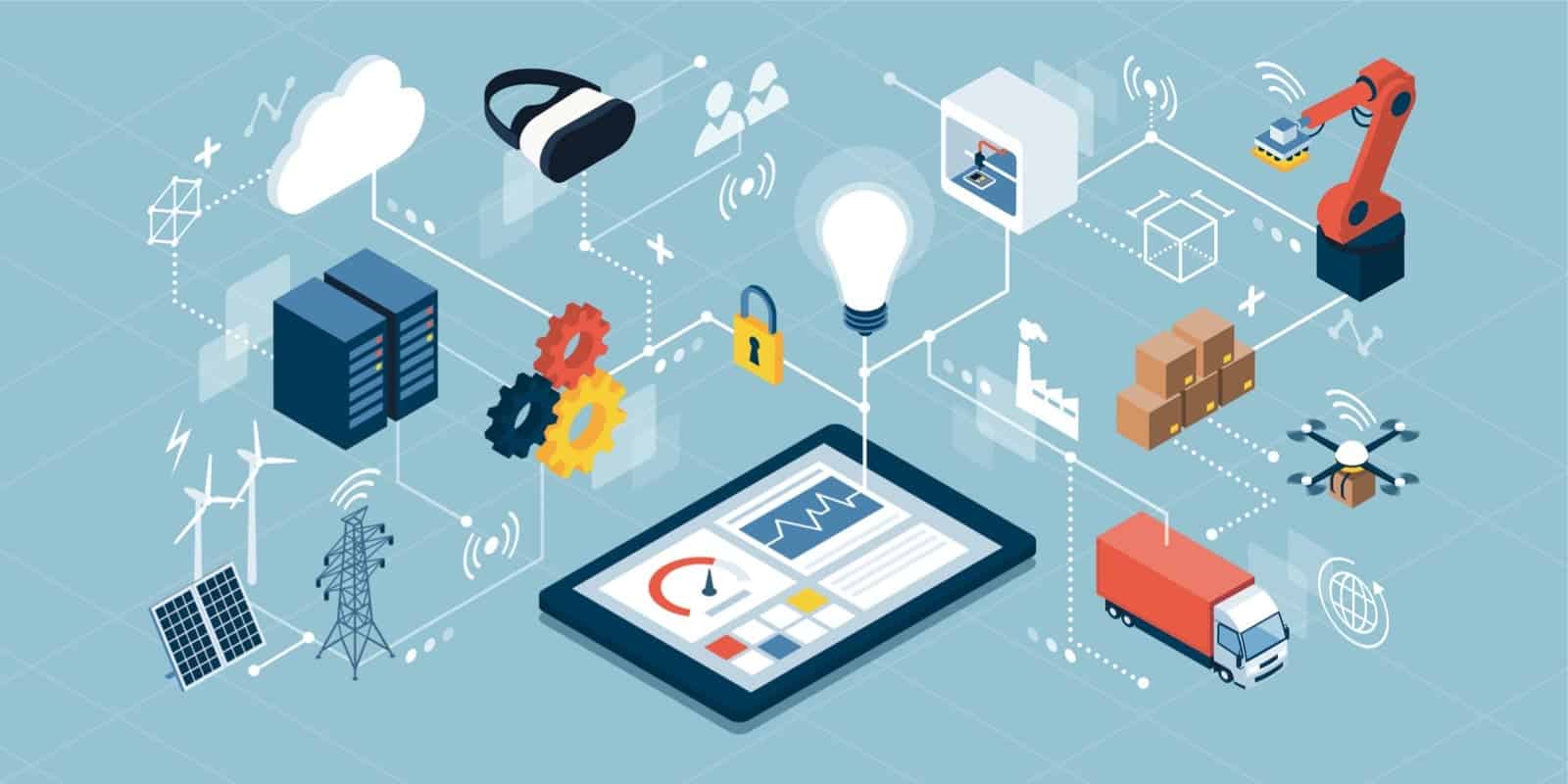
In the IoT environment, the IT system of an organization must collect and respond to over millions of inter-dependent processing events every single day coming in from thousands of devices, sensors, and apps.

The input types might include temperature, location, health, fingerprint, vibration, pH, flow, or even facial recognition. These inputs are even interconnected for providing enhanced monitoring, controlling, and feedback purposes.

The system latency, which collects this data should be extremely low (only a few milliseconds) for making the data available to the IoT app.

For the IoT trends 2020 to actually come true, it will be of prime importance that low latency is maintained and there is little to zero downtime, even if it is in the name of maintenance. Aerospike for big data analytics comes with the feature set to meet the low latency, high uptime and performance need of IoT.

TRENDS IN LOGO DESIGN

Logos are like puzzles, they don’t make much sense to the users when it comes to influence. They don’t contribute in persuading the users, however they play a crucial role in identifying a brand or a product. Depending on the brand’s familiarity, logos can provoke a lot of emotions, from nostalgia to relief, it could be anything. When companies try to introduce new logos, they often face backlash and complaints from the users, which shows they significance of logos.One thing that branding gurus say about classic brand logos is, “if it ain’t broke, don’t fix it”. However, at times it becomes a necessity to revamp the logos or even completely change it, if it is hurting the brand image. Keeping up with changing trends, styles, colour combinations, etc., requires a lot of effort and that might make the company look like it is behind the times. But, if a company revamps and changes the outdated logo, it gives an impression that the company keeps up with the times and is forward thinking.

Sophisticated logos containing multiple colours might look appealing in digital mode, but sometimes there comes a huge difficulty in scaling it up and down and placing it effectively. In such a situation, considering re-designing is a good option.

Change in a company’s portfolio, due to value, mergers, etc., can also prompt re-designing of logos. They are dedicated to choosing a new logo that best represents them. 

For instance, HeroHonda was a single company, but when they separated they obviously discarded the signature hero-honda logo and chose brand new logos for their respective companies.

Designs are extremely sensitive and prone to losing relevance at a higher pace. There goes a lot of cultural, psychological research behind designing a logo. It is essential to know what relates best to the brand/product.


Let’s take a look at the top logo design trends

BROKEN LETTERS

The broken letter logo caught the fire amidst designers not long ago. The reconstruction, deconstruction of alphabets in a geometric sense, slicing them aesthetically, this is all what broken letter logo is about. This represents a modern shift in design, wherein with a touch of creativity, logos are designed in a way that it is clear to the users as to what the brand stands for.

ANIMATED LOGOS

By far the hottest trends, logos designed with animation and special effects. As a modern world, where digitisation plays a crucial role, the brand that sells on the web is clearly on top. An animated or a moving gif logo surprises the users in a way they didn’t expect to be coming. How would you feel when you look at a logp thinking it to be still, rather you find it in an animated form? Now how does something like that not catch the users’ eyes?

GEOMETRICAL SHAPES

Clean lines and clear shapes are satisfying to the eyes right? It is like an oddly satisfying element in design. From squares to trapeziums, almost all the shapes are in trend and that too, for all kinds of design. We are inevitably drawn towards geometric shapes and our designer-mates like multi-use design shapes. It is like a simple yet effective element in design.

VIBRANT COLOURS; SINGLE SHADE

Adding pop of colours generously lead to the creation of quirky, eye-catching logos. Of Late, many brands have reinvented their image by adding vivid and vibrant singular colours to their logos. This addition of hues enables the brands to attract users’ attention and leave an impact.

GRADIENT

Remember those days when designers used to create 3D logos to catch those eyes? Sadly and happily, those days are long gone. Here we are with the concept of ombre, i.e., gradients. The subtle mixing of colours to create a beautiful effect, mostly starting with darker tones and ending with a lighter tone. It is very pleasing to the eyes and as a bonus, it also opens up a lot of creative possibilities.

SIMPLICITY IS THE BEST

If designed the right way, simple and crisp logos become impactful in a soothing way. “Less is more”, best suits such logos that have set newer benchmarks everytime in the industry. Art can be creative and can be sleek, simple at the same time. It is not an impossible task to achieve, all you need is balance. And the best part is, such logos work for all sorts of brands and businesses.

HAND-DRAWN

Personal touch always leaves a mark and hand drawn logos are the perfect example. It brings back an ocean of nostalgia and memories. Such kinds of logos bring about a variety of senses: humaneness, grounded feeling, playfulness, quirkiness and happiness. They aren’t restricted by letter or technology, they set your hands free. However, whilst designing such a logo, make sure that it makes sense, looks legit and does not get affected by the doctor-like handwriting.

Before designing a logo, make sure that you’ve researched well into the trends and highlights. But that is just to keep you up with the times, the design that you create should be entirely unique and should solely belong to you. It shouldn’t be like, “oh this looks like..” that’s a huge NO.

There are a lot of expectations from logos and so make sure to create a beautiful combination of the trends and your innovation. This will lead to the production of a modern-looking, timeless logo. 


WONDERS OF WORKING AT A DEDICATED DESIGN STUDIO

Working in the field of communications and PR, we have come across and have had the chance to look closely at how designers work. Designs have always had something about them which is extremely fascinating. Whilst observing various design departments, we found out why designers are the happiest and at their utmost satisfied state in a dedicated design studio.


INEVITABLE GROWTH-

Although the industry is still in its early stage, but, it is growing at a sheerly high pace. Professionally designed digital experiences are now considered the base layer for a business’ success and hence they are becoming even more crucial. The better part of it is that, designing is not limited to a specific field rather it is required by all kinds of domains that are entering and exploring the digital world. And in today’s world, there is no business without an online profile, so ultimately, every business needs the designing service. And so, UX/UI designer’s job is one of the highest requirements in demand now.

TRADITIONS OF A START-UP-

Majority of the design studios have just started out, in their early stages. And so they have cool new traditions. Generally they have small close-knit groups and they work crazy hours accompanied by frequent parties and celebrations. The bonus about working in the renowned design studios is that you get to work with different industries in the design department, therefore, you gain lots of experience.

E²: EXPOSURE AND EXPERIENCE-

Design studios make you learn and help you grow simultaneously and you indeed would do so as well, that’s a ‘for sure’. If you are working in an IT company or for a product, you would be adding value to one or two parts of the designing process. While on the other hand, if you work in a dedicated design studio, then you get to work in various projects from several industries. This way you’d keep on adding value to your profile, whilst learning and growing. What more to ask for than a priceless portfolio, that leaves companies with no choice but to work with you and get you on board.

SHAPING PERSONALITY-

Working in dedicated design studios requires for you to come face-to-face with clients. Where you converse with them, understand their needs and justify your design to them with a clear perspective. This does nothing but shape your personality and develop your communications. Having a great personality does leave an indistinctive mark on the client.

LEARN AS A TRAINEE TO WORK AS A BOSS-

As it is said, “with great power comes great responsibility”. It is really important for you to realise that when you choose to learn and work, you must also learn to work towards ownership. When you work on a project that is under your responsibility, you automatically learn to meet deadlines, expectations and to put up a great show. In all of this, you significantly learn discipline. Now because you are trying to produce substantial and efficient results, you will keep learning and updating your skills, because time doesn’t wait for anyone

ACKNOWLEDGMENT AND APPRECIATION-

Appreciation makes innovation easier. Designers get acknowledgement for their work, thus, leading them into creating new styles and setting new benchmarks. Being appreciated only fuels your brain to imagine and create. Now what more to ask for than a versatile pace in innovation. It’s definitely a plus, innit!

Before wrapping this up with the final thoughts, let’s answer one last question, that is likely to pop in your head while you read this piece. Money. To be fair, such studios do pay you really well. Although it does not pay an insanely high amount, like an IT company or a product would do. But the designing field needs passion and innovation the most and dedicated design studios present that with grace.

Now all you need to do is, reflect, think and decide.


Security Flaws in Web Application and its Mitigation

The inability to identify vulnerabilities in a web application can leave it unprotected against potential attackers, resulting in the most severe consequences. Web application vulnerabilities include a system weakness or flaw in a web-based application that leaves you susceptible to security attacks, risking the loss of valuable company or customer data.The inherent complexity of a web application’s source code increases the possibility of malicious code manipulation and unattended vulnerabilities. High-value rewards such as sensitive private data obtained by successful source code manipulation have made web applications a high-priority target for attackers. This makes it essential to thoroughly understand web security vulnerabilities and how to prevent them.

Types of Web Application Vulnerabilities

Common Web Application Vulnerabilities | EC-Council University Official Blog

Web application vulnerabilities are caused due to misconfigured web servers, application design flaws or not validating or sanitizing form inputs. They are prioritized based on their detectability, exploitability and impact on software. So, here is a list of some of the most critical web security risks according to the Open Web Application Security Project (OWASP):

  1. Injection: Injection flaws, including SQL, OS, LDAP and NoSQL injection, take place when a query or command with untrusted data is received by an interpreter. The hostile data by an attacker can trick the interpreter into accessing data without authorization or executing unintended commands. This can lead to the unauthorized viewing of lists, unauthorized administrative access and deletion of tables.


  1. Broken Authentication: This occurs when application functions related to session and authentication management are implemented incorrectly. It allows attackers to not only easily compromise passwords, session tokens or keys but also assume the identities of other users temporarily or permanently.


  1. Sensitive Data Exposure: Sensitive data can easily be compromised if special precautions are not taken when exchanged with the browser or some extra protection, like encryption at rest or in transit, is not implemented. Many web applications are unable to protect sensitive data properly, which allows attackers to steal or modify it, resulting in credit card fraud, identity theft and a number of other crimes.


  1. XML External Entities: Attackers can exploit poorly configured XML processors to access confidential data, inject additional data, create remote tunnels and execute applications. This vulnerability can also lead to Server Side Request Forgery (SSRF), denial of service attacks and remote code execution.

How to Execute an XML External Entity Injection (XXE) | Cobalt | Cobalt.io


  1. Broken Access Control: With access control, you can manage the sections of a website and application data accessible to different visitors. If these restrictions are not enforced properly, attackers can easily take advantage of these flaws to get access to unauthorized data or functionality. This can enable these attackers to access the accounts of other users, view sensitive files, change access rights and modify the data of other users.


  1. Security Misconfiguration: Counted amongst the most critical web application security vulnerabilities, it offers attackers an easy way into your website. Attackers can exploit unsecure default configurations, open cloud storage, incomplete or ad hoc configurations, verbose error messages with sensitive information and misconfigured HTTP headers. All operating systems, libraries, frameworks and applications can be susceptible to security misconfigurations.


  1. Cross-Site Scripting: This vulnerability occurs when untrusted data is included in a web page without validation. It injects malicious code into the web application and executes it on the client-side. It helps attackers execute scripts in a user’s browser to hijack user sessions, redirect the user to malicious sites or deface websites.


  1. Insecure Deserialization: Often resulting in remote code execution, deserialization flaws allow cybercriminals to perform a variety of attacks including injection attacks, privilege escalation attacks and replay attacks.


  1. Use of Components with Known Vulnerabilities: Various components such as frameworks and libraries run with the same privileges as the web application. Even if a single vulnerable component is attacked, it can cause server takeover and serious data loss. For this reason, a web application that uses components with known vulnerabilities can seriously compromise its defences, leaving it open to attack.


  1. Insufficient Monitoring and Logging: Insufficient logging and monitoring along with ineffective or missing integration of incident response can cause another major vulnerability. It can help attackers further attack systems, tamper, destroy or extract data and maintain persistence, pivot to more systems. According to security studies, it often takes more than 200 days to detect a breach. And it is usually detected by an external party instead of internal monitoring or processes.


How to Prevent Web Application Vulnerabilities?

How to prevent top 7 Web Application Vulnerabilities?

Organizations that do not properly secure their web applications are more susceptible to malicious attacks, resulting in information theft, revoked licenses, damaged client relationships and legal proceedings. There are several measures that you can take for securing your web applications:

  1. Web application firewalls (WAFs): WAFs are hardware and software solutions designed to examine and monitor incoming traffic for blocking any attack attempts. They offer the best way of compensating for any code sanitization deficiencies.


  1. Information gathering: Classify third-party hosted content and review the application manually to identify client-side codes and entry points.


  1. Authorization: Test your application thoroughly for path traversals, missing authorization, insecure, direct object references and horizontal and vertical access control issues.


  1. Cryptography: Secure all data transmissions, encrypt specific data, check for randomness errors and avoid using weak algorithms.


  1. Denial of service: Test for anti-automation, HTTP protocol DoS, account lockout and SQL wildcard DoS for improving your application’s resilience against denial of service threats. Use a combination of scalable resources and filtering solutions for protection against high-volume DDoS and DoS attacks.

Apart from the above measures, running a periodic Vulnerability Assessment and Penetration Testing is essential too. VAPT looks for possible and common vulnerabilities related to the platform, technology framework APIs, etc., and runs exploits on the web application to evaluate its security loopholes. It provides the organizations with reports on discovered vulnerabilities, the nature of the vulnerability, threat level, its impact and measures to eliminate it.


ECMAScript & its Features

ECMAScript is a term commonly used by developers for coding standard but most of us don’t know how did it come into the picture and why do we need it?
New Features in ECMAScript 2021 (with code examples) - DEV Community

Imagine a world without a set of rules for coding. Everyone would be writing their own codes, will have their own set of rules and when a new person enters the world of software development, he/she will never know which set of rules they need to follow. The situation will become chaotic!!

The same incident happened with Javascript. When Javascript was first created by Netscape then there was a war going on between all the browser vendors in the market. Microsoft implemented its own version of javascript in Internet Explorer and Mozilla implemented its own. Similarly, other browser vendors implemented their own versions.

All this created a huge problem for the developers. One version ran fine on Netscape but was a total waste on Internet Explorer or Firefox.

To solve the cross-browser compatibility, Javascript was standardized by the ECMA international and that’s the reason it got the name ECMAScript. All browsers eventually implemented ECMAScript (though it took a lot of time).

How is Javascript related to ECMAScript

JavaScript is actually the term most of the developers use for ECMAScript. Although there are other implementations available for ECMAScript like – JScript (Microsoft) and ActionScript (Adobe), but JavaScript has proven to be the best-known implementation of ECMAScript since it was first published.

Jeff Atwood (founder of Stack Overflow) coined the term “Atwood’s Law,” which states:

“Any application that can be written in JavaScript, will eventually be written in JavaScript. “

It’s more than ten years now, and Atwood’s statement still lingers on. JavaScript is continuing to gain more and more adoption. The “next generation” of Javascript is something known as ES6 (The 6th edition, officially known as ECMAScript 2015).

JavaScript==ECMAScript?. I'd like to begin this article by… | by Shreya Prasad | Medium

6th Edition – ECMAScript 2015

The 6th edition, officially known as ECMAScript 2015 is different because it introduces new syntax. Infact, a lot of new syntaxes.

Browser support for ES6 is still incomplete. However, we can still use ES6 features by using a pre-processor like Babel to cross-compile our JavaScript back to ES5 compatible code for older browsers, so there’s no reason to put off learning about it.

This update added arrow functions, promises, let and const, classes and modules and a lot of new features, but defines them semantically in the same terms as ECMAScript 5 strict mode. The complete list of new features can be found on http://es6-features.org

Learn ECMAScript 6 - Deep Understanding - Swiftcoding.com

Some of the new features that are introduced in ES6 –

Default Parameters

We do not need to worry about parameters taking 0 or undefined value since we can define defaults in the parameters’ list now. This also saves the overhead of sending parameters to each function call when we wish to use the defaults.

Block-Scoped Let and Const

‘let’ is a new ’var’ which restricts the scope of the variable to a block instead of the whole function. With ‘const’, things are easier. It’s just an immutable entity, and at the same time block-scoped like let.

Template Literals

It determines the way to output or append variables in a string. Now we have a simple bash-like syntax that makes the code look prettier.

Multi-line Strings

When writing a multiple line string, ES6 save a lot of typing efforts by its new syntax that uses ‘backticks’.

Destructuring Assignment

It provides intuitive and flexible destructuring of Arrays and Objects into individual variables during assignment so we do not need to write extra code for the assignment task.

Arrow Functions

Arrows are shorthand for functions using the => syntax. They are syntactically similar to C#, Java 8 and CoffeeScript arrows. Arrows would make your ‘this’ behave properly, i.e., ‘this’ will have the same value as in the context of the parent function – it won’t mutate.

Promises

Promises provide the representation of a value that may be made asynchronously available in the future. We can also combine one or more promises into new promises without worrying about the order of the underlying asynchronous operations.

Classes

ES6 provides more intuitive, OOP-styled and boilerplate-free classes. These classes encourage the prototype-based object-oriented pattern which brings support for inheritance, constructors, static methods and more.

Modules

ES6 includes a built-in module system which provides support for exporting values from modules and importing values to modules within the javascript code and without polluting the global namespace.

Spread Operator
The spread operator is an interesting way to build new arrays based on the values of existing arrays. It can:
  • Copy an array
  • Concatenate arrays
  • Insert new items into arrays

7th Edition – ECMAScript 2016

The 7th edition, officially known as ECMAScript 2016, was finalized in June 2016. New features include the exponentiation operator (**) and Array.prototype.includes.

Array.prototype.includes

The includes() method determines whether an array includes a certain element or not, returning true or false as accordingly.

Exponentiation Operator

The exponentiation operator works same as exponentiation in mathematics, it returns the result of raising first operand to the power second operand. For example – 5^10 or 7^12

Conclusion

There are a number of really great language-centric reasons to start writing your code in ES6 and ES7 now, but there isn’t enough room in a single blog post to enumerate them or go into the nuances of how they will make your life better.

error: Content is protected !!