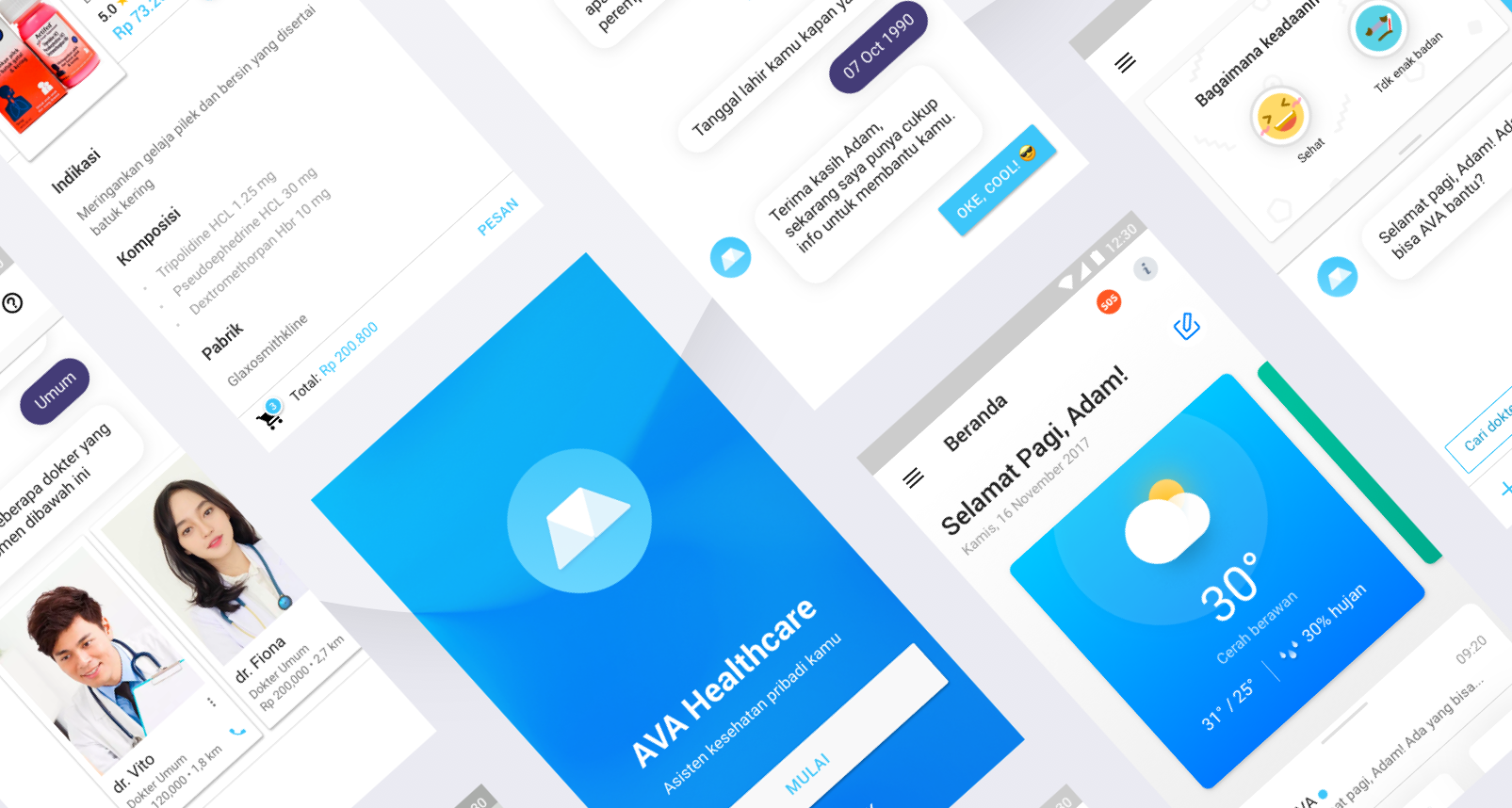
Insights on Designing Experiences in Digital Healthcare

UX/UI Case Study: Digital Disruption, Future of Healthcare and Wellness | by Fadhel Adam | Prototypr

With world in your palms, user experience is becoming a necessity in every domain. Everyone is looking for a memorable and seamless experience that is intuitive, intelligent and definitely a solution provider.

This is why today UX is gaining extreme importance and is playing a major role in simplifying the complexities. It is undoubtedly the foundation to success and all the passionate designers have proven this time and again. Many companies, be it product or service oriented are acknowledging the role of designing in the pavement of success like Fintech, Travel & Tourism, E-commerce, Enterprise Applications. But, there are few industries who needs to brace up like Healthcare, Oil & Gas, Insurance etc.

Today, I will share some insights from our experience in Healthcare and also touch upon the world of possibilities waiting to be discovered.

“How awesome it would be to have an intelligent system that calculates patients BMI, pointers of medical history, important notes of patients and then suggests drugs accordingly and doctors could pick up from that.”

Our first step in Healthcare UX

Insights on Designing Experiences in Digital Healthcare

We started in the field with ‘Context media’, a US based client that aimed at designing an interactive tab app that helped patients gain more knowledge about the chronic diseases. Though, it was not a big project but helped us touch the unanswered vacuum of the industry. Soon, we got our milestone project ‘Surgeon logbook’, a project of ‘Narayana Health’. Dr. Varun Shetty approached us to design an extremely simple app that would aid surgeons in maintaining their log book digitally. We spent hours with the doctors understanding their requirement (conscious and subconscious) and them. We were appalled User Experience in Healthcare to discover how healthcare industry was so heavily paper dependent in 21st century! With our mobile first approach and research, we were happy to unearth that the world of surgeon’s was looking forward to an App like this.

3 Years in Healthcare industry and after spending few thousand hours with doctors, nurses, surgeons and patients, we have been entrusted with immense knowledge and thrust to design many more healthcare products. We are on a mission to revamp health care with outstanding UX and ensure that it is way more accessible than shopping.

Let’s see the current scenario of EMR in Healthcare and later I have shared some tips for designing Healthcare products.

EMR – Electronic Medical Records

digital Healthcare

Today Healthcare is not just about cure it is more about prevention. We have power to access the knowledge with just a tap. But, it’s sad to observe that current Electronic medical records (EMR) in market is just another piece of software that can be used by doctors and patients only post formal training.

Seriously? Training for an EMR! We didn’t need any training for Facebook, LinkedIn, Amazon, did we? It’s not just about providing a technical solution but it is about providing a right solution that is empathetic towards users and intelligent enough to eradicate problems. Major software companies have spent months and years building EMRs, just to realize that hospitals, doctors and patients aren’t using it the way they were supposed to.

This is where User Experience Design and Emotional intelligent designs play a major role; every other day we read of medical errors that leads to loss of life, but with practicing a good UX practice, we can definitely avoid and overcome these errors.

Imagine an EMR with a seamless experience for doctor while he is prescribing drugs. The app that is as simple as an e-commerce checkout page and takes you through easy but essential steps. What if we design an experience where doctors can see side effects of drugs tailored to individual’s medical history before clicking Prescribe button. How awesome it would be to have an intelligent system that calculates patients BMI, pointers of medical history, important notes of patients and then suggests drugs accordingly and doctors could pick up from that.  It’s about time to add a layer of intelligence to the app by creating an algorithm that offers helpful suggestion to users. A great example would be Tapgenes app Designed by us that takes data from embedded health tracker from iOS and suggests how can we better manage health of ours and our loved ones.  This is way too exciting, I would rather stop, else I might end up building one.

 Anyways, here are some tips to ponder on before designing UX for healthcare.

Start with Design Thinking aka Solution Based Thinking Session
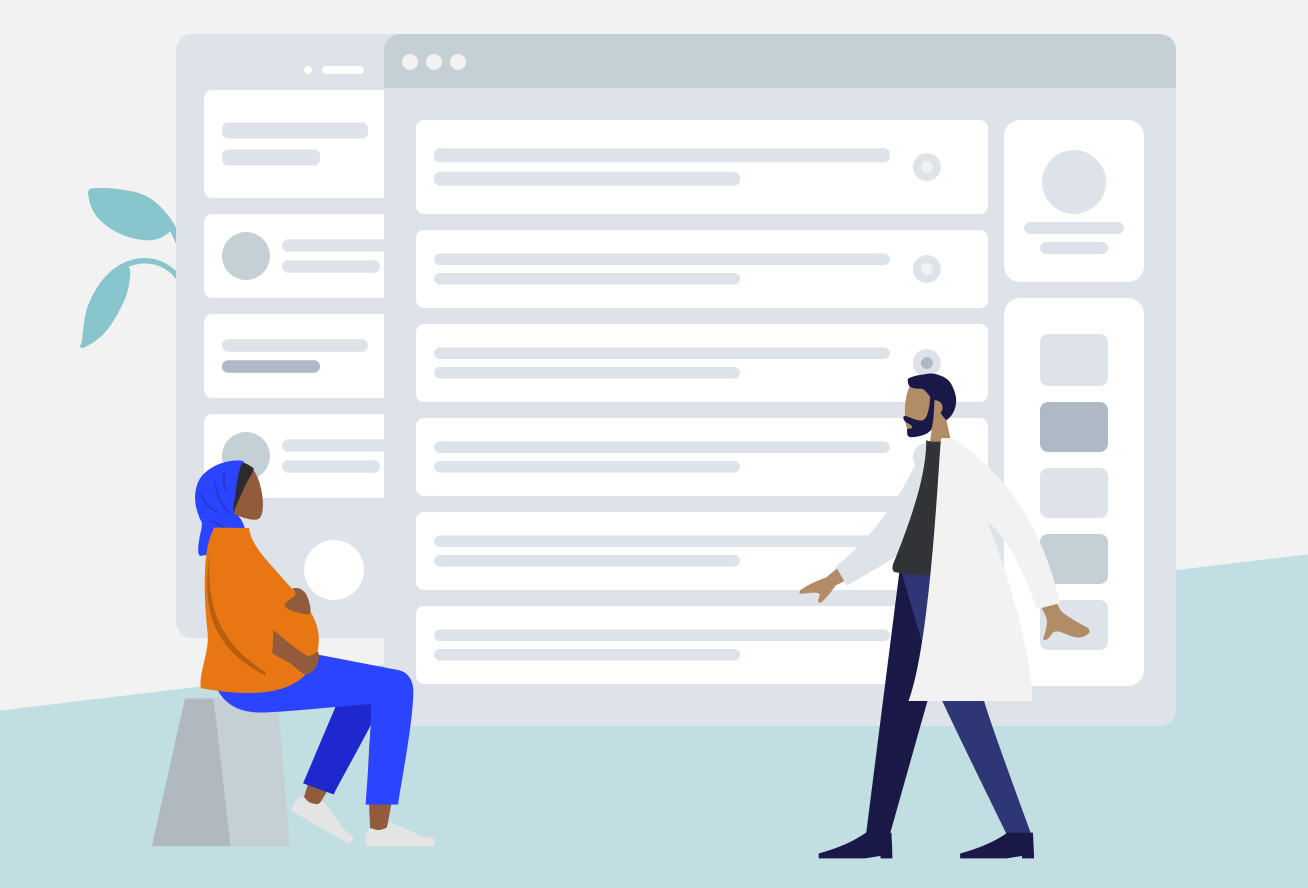
Digital Healthcare

This session with the stakeholders is the first and most crucial step. Involve the entire team, right from product owners, dev team and marketing team. Here are some links for a design thinking workshops.

Design Thinking. Thoughts by Tim Brown

What happens with a design thinking approach to healthcare? by Tim Brown

 Keep it device friendly

Insights on Designing Experiences in Digital Healthcare

Desktop version of EMR is history; let’s think of mobile or tabs. In one of our research, we found that doctors were more comfortable using EMR on iPad. IoT can be smartly used to supplement patient treatment through remote monitoring and communication, and to keep track of patients as they move through a healthcare facility or connect your EMR with smart wearables.

Create a UX Process

The UX design process in 6 stages | Inside Design Blog

Every project has its own challenges, be it budget, timelines or development constraints. It is very important to understand them, sit back and draw your process that is adaptive to the project. We followed following steps for one of the healthcare projects:

  • Empathy: Understand users (doctors and Patients) wants and needs.
  • Discover: Research, create user scenarios, interview stakeholders, users and others playing a major role, create personas, competitor analysis.
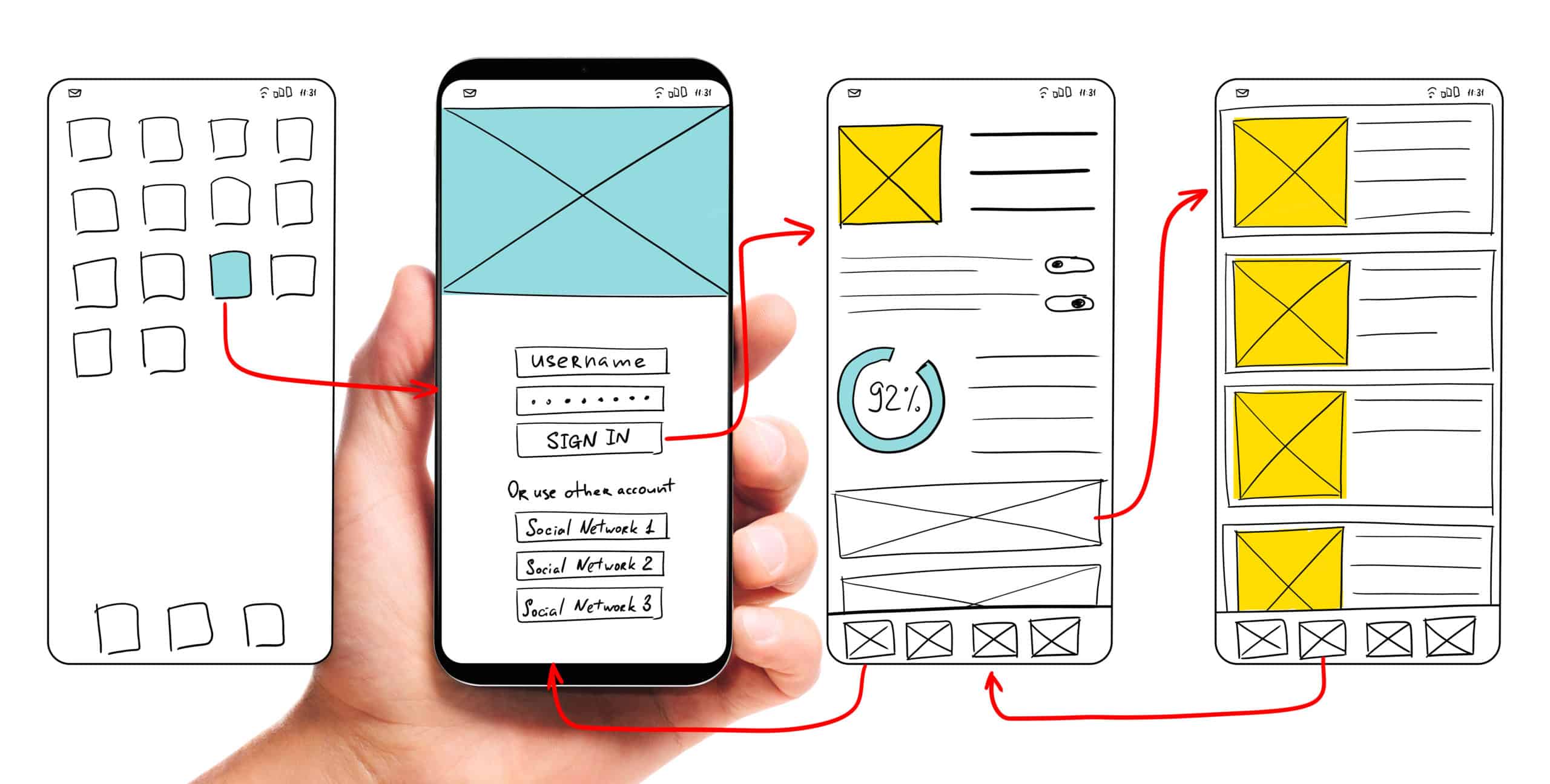
  • Define: Create user journey, process flows. wireframes, clickable prototypes.
  • Test: Wireframes can be turned into clickable prototype, test it before you fine tune the pixels, heuristic evaluation.
Know your Users and Know them better than them
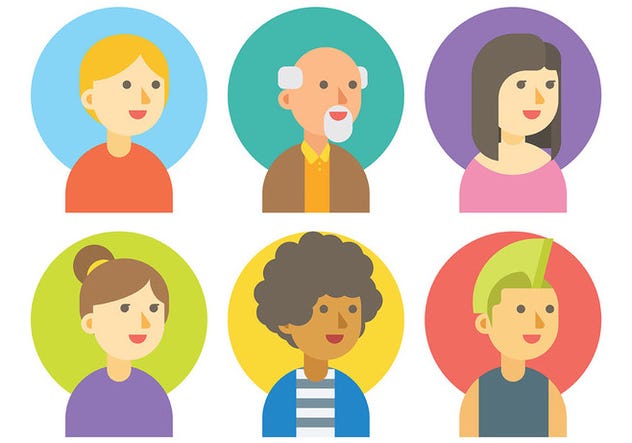
Why are personas so important in development? | by Mariano Cocirio | UX Collective

A good product is the result of good IA. Card sorting helps you group and organize necessary information by getting users involved. For example:  What information doctor needs before prescribing medicine and in which flow can be easily determined by having an internal discussion and also by involving doctors involved.

Our team at Lollypop loves this activity, as Card sorting is simple, cheap, fast and user-focused. Card sorting also helps in bonding with clients and knowing the users better.

Understand HIPAA Compliance – Health Insurance, portability and Accountability.

HIPAA Compliance: Health Insurance Portability Accountability Act 2021

Make sure you are aware of all the laws before you start designing fancy things. Few healthcare products fall under regulations that can impact the User Experience. Not being aware of these laws could delay the products release and could also lead to other issues. Understand the laws in handling and protecting personal healthcare information. Most of these laws are around who can access what information.

Once your personas are ready, map it to the roles and create user flows. Health insurances and their coverage are different in every country, it’s important to understand insurances role and regulations while building a product. As a designer be responsible and consider privacy of patient’s information.

Follow “Intelligent Devices, Dumb People” Rule

Yes, you read it right. We should not overweigh anyone to go out of their genre and become extremely tech savvy. Keep it simple, doctors are interested in treating patients and definitely not learning your software.

Conclusion

When you understand “What users need and not what they want” you are treading on a right path. We can order pizza, call for a taxi, maintain our finances, plan our holidays with few clicks, because, these products have appreciated the criticality of designing user centric interfaces and investing in UX to make the experience emotional intelligent. Now it’s time for healthcare to pace up and build an amazing product for hospitals and patients.

We will call it a winner when:
  • Patient would be able to maintain their health records and updates as seamlessly as FB posts.
  • Share medical records like sharing pictures in Instagram.
  • Doctors have all the information in few clicks.
  • Doctors can prescribe with easy reminders.
  • Doctors can concentrate on patients and not technology.
  • When doctors and Patients smile together.

THE EVOLUTION OF DESIGN THINKING

Who started design thinking? And where is it heading? In our Long Read, I feel design thinking’s growth from a niche activity to a mainstream practice. Pulling examples from the worlds of technology, public sector and finance, there is an endless argument   that we need design thinking and designers more than ever.

Design Thinking as a Strategy for Innovation %%sep%% %%sitename%%

The evolution of Design thinking 

Being Creative at Work - SharpHeels

There’s no birthday for design thinking. Despite important landmarks and significant claims and contributions from designers, projects and agencies like us, there was no big bang. In the old days, the term “design thinking” described the techniques and methodologies employed by designers to create abstract services and experiences. Now, it’s much broader in scope and application.

Design thinking was present a long time ago in any design education. The system of analysis and synthesis, sketches, computer renderings and models made in workshops was all about customer insight, concept creation, prototype-building and testing. These are the same processes and techniques that nowadays we call design thinking.

But in my very first job, I noticed that the business world was actually very disconnected from customers and design practice. The prominence was more to the engineering team rather than the end user.  Earlier design briefs (or I should call it User Interface briefs) focused on features and market research instead of user insight and testing. Unconscious decisions were made, resulting in marketing that over-promised and an operationally focused customer service.

The spread of design thinking

Design—Thinking—in—Action

Geoffrey Moore’s Law of Technology Adoption describes how an initial idea is spread by visionary early adopters (good example is Facebook began as Harvard sophomore and early adopters made it big). The idea traverses the “chasm” of slow adoption and then grows dramatically when those applications and contexts show evidence of success.

Design thinking began with the spread of design practice. When the pioneering agencies began to talk about service design and design thinking, early adopter organisations were quick to see the benefits. Economies moved towards creating value from services as well as products.

But for many years, design thinking remained the domain of the early adopters, because it was seen as threatening traditional, expert-based thought. It wasn’t until we created sustainable service and design thinking practices and the mainstream started believing that such “soft” techniques actually worked that design thinking took off.

Fast-forward to the end of 2015, when tech services giant IBM launched its design thinking methodology and recruited 1,000 designers worldwide, though they burnt close to $100 million in just a year and scraped everything later. But across the globe, design has become an important integrated element within companies and organisations.

Design thinking – in Technology

Why design thinking drives digital transformation | MyCustomer

Technology is an obvious application for design thinking. As a central part of our lives, technology has to be accessible, usable and appropriate to people other than the clever few who developed it. During my time at GreeneStep Technologies, the techniques of usable interface allowed me to shape the strategy and delivery of technology projects. Usability and beauty was a driver of revenue, not a “nice to have”. And this helped companies see the real business benefits and allowed them to successfully exploit the scale and reach of technology. The future of big ideas such as the Internet of Things is as much about trust and customer approval as it is about big data and networks.

…In financial services

White paper: Define product excellence with service design

The interest in design methodologies in business has been phenomenal. I am as surprised as anyone to find that at Barclays, design practice and design thinking are at the heart of how they develop digital banking services. The same goes with Fidelity USA, How many of us know they have a humongous UX centre where close to 60 creative minds put design thinking to work.

Barclays set up a centralised design office four years ago. Through a series of industry-leading products such as Pingit and Barclays Mobile Banking, it led the way in digital banking. Design is now integrated into every business – and designers are in great demand.

But with digitisation comes opportunity to do more than designing screens. Deconstructing processes, removing bureaucracy, putting the user at the heart of process and designing their service experience all change the nature of how we engage with customers.

…And in the public sector

It’s a lesson learnt by government too (Not to the fullest yet).

For the public sector, design thinking has been particularly attractive and at odds with traditional practice. Whether it’s obesity or mass transport, engaging with societal problems and driving real behaviour change is tough.

Customer empathy

7 Ways to Easily Boost Customer Service Empathy

I am amazed every day at how keen business leaders and managers are to use the tools of design and user research in projects and strategy. And it’s no fad. In a post-innovation world, where blindly pursuing new ideas is no longer the primary objective, empathy with customers comes top of the list.

We need emotional context to create clearly differentiated brand experiences that are simply more beautifully designed. This demand often comes from younger generations of employees who are frustrated with old corporate ways of doing things. And, of course, from customers, who increasingly articulate their thoughts and criticisms via social media.

The revolution of design thinking 

Design Thinking: Get a Quick Overview of the History | Interaction Design Foundation (IxDF)

This is an important moment in the journey of design thinking. Great progress has been made. We’re fed up that so many aspects of our lives have been designed by accountants, marketers, technicians or policymakers – those who care more about revenue, message, technology or politics than our real needs and desires. Design offers tangible benefits that complement, orchestrate and deliver human value.

But this is just the beginning. Tim Brown, CEO of IDEO, is often cited as the creator of design thinking (though he’d agree that we’d all been doing it anyway). In a recent speech at Central Saint Martins in London, Tim noted that business school students were great advocates of design thinking and a more creative, empathetic approach to management.

There’s great value in demystifying and sharing the tools of design. But it’s also vital to know when a higher level of skill and design thinking processes is required.

Design’s interest in deep user insight, rather than mass research, can therefore offer great value. The same goes for tools such as co-creation and prototyping. By piloting prototypes, you gain feedback and catch problems early in the process. In this way, design has the potential to impact on the success of an initiative or policy.

So, we’re surrounded by success and the embracing of design. Job done? Mission accomplished? No.

Designers are different

What Are The Different Types of Designers Are There In The World?

A designer will see things differently from an accountant, stakeholders or a technology creator. In creative workshops, business students would come up with a single concept and be happy with it, whereas a design-trained student would create five and iterate each idea before finding the ultimate solution.

In a world fascinated by processes that promise responsiveness and rapid development, as exemplified by agile, the role of the designer becomes ever more important.

The designer is a facilitator, a champion of human empathy and a guardian of quality and simplicity. Designers override organisational or technical decisions that can chip away at the customer’s eventual experience. It’s collaboration between all parts of the organisation that makes great design happen.

It’s time to love design 

Download Free png Chinese Stamp Tattoos, Chinese Seal Designs, Name Stamp Tattoo - DLPNG.com

There’s also a perception that design thinking and associated activities like service and customer experience design are somehow weak when it comes to aesthetics. But this should never be the case.

Now is the time to raise our ambition. The outputs of design thinking should be as beautiful as we can make them. They should be loved and treasured by all who use them. Rarely does this cost more, though it can take time to find talent and allow it to flourish. The results are always worth it.

Now that we love design thinking, it’s time to love design. Design of the detail, the delivery, the communication, the feel and the experience. People know design is their right and not a luxury; it’s merely humankind deciding how to make things as good as we can make them. This can be applied to an exceptional health service. Or to a transport system that’s empathetic to those who live around it as well as those who use it.

Design is the ultimate shared human activity, by us, for us. It’s time to love design, not just on its birthday, but every day.

Stay tune for what Anteelo has for you on this year’s DESIGN DAY!

App designs, themes, templates and downloadable graphic elements on Dribbble

Inspiration: Smart Design – Products that Change Our Lives by  Clive Grinyer 

* Disclaimer: all the images are copy right of their respective owners, we have only used it for display purpose.

UI and UX – Critical Components of E-Commerce Success

10 UX Design for E-Commerce: Principles and Strategies

The strong shift towards e-commerce in India is ever more evident with India stepping into ‘1 billion mobile user club’. According to a new Bloomberg report, country now has around 1.03 billion mobile phone subscribers.  SBI research report says the e-retail market was around USD 6 billion in 2015. And India expects 125 million online buyers with USD 19 billion (only through mobile) business by 2019.

One of the research held in India shows, ‘The largest digital properties in India (Facebook, Google) and e-commerce businesses have acknowledged that they receive 50% traffic from the web and 50% traffic via mobile (mobile web and app)’.  However, mobile traffic is growing at a much faster rate. But, we most definitely cannot ignore the fact that only 7.8% of mobile users have smartphones. But the non-smartphones users heavily use the Internet!

  • 125 million online buyers in India by 2019
  • Mobile Commerce sales to hit $19 billion by 2019
  • Just 8% of e-commerce addressable market lives in Top 8 cities, rest to be reached by mobiles.

E-commerce shoe store iOs application UI UX Design - UpLabs

The rapid change in e-commerce has strongly focused the entire design industry. Looking back, from print we shifted to web design and today we have stepped into the whole new era of designing for systems. It’s not just limited to that! We see highest level of personalization and customization taking place serving almost individual customer needs. The question here is ‘Who’ tracks the online behaviour and needs of your target consumer, ‘Who’ digs into the competitors product, ‘Who’ study the market trends and ‘Who’ gives you a solution that exceeds expectations?

5 Fundamentals of UX Design That Impact SEO - Usability Geek

The success mantra to stay ahead in the game for all online businesses lies in innovation and tactfulness of online platforms – the answer and key is with UX (user experience) and UI (user interface) experts. These are the people who ensure that your company makes a lasting impression on your potential consumers and convert them into loyal ones!

User should experience a complete bliss when they are navigating through your platform. An easy to use portal with all the necessary information and detail makes a big difference. These designers have an ability to get inside the heads of users and present you with answers to typical ‘What and How’s’ of your digital product! They are part researchers, observers, thinkers, developers and marketers. Remember, when you went to some website and in seconds, were fed up because you could not find the information you were looking for or you had to look up the entire page just to find one simple login; thus, is an example of a bad experience. Such that you would not want to go again. And then there are Websites like ‘Facebook and LinkedIn’ that generate high volume traffic mainly due to the enhanced user experience. Therefore, if you are interested in generating high volume traffic on your portal, you should ensure that it is user friendly and easy to navigate. And, more so serves needs of every individual customers in a way that they feel that they feel part of it.

A Complete Guide to E-Commerce Success - Spiralytics Inc

Like, Beauty is incomplete without brains. Similarly, UX is imperfect without a great UI! A great User Interface is the part of the web interface (portal or mobile) that faces the user when he looks at the portal. The use of effective and simple user interface design will be of immense help in achieving the objectives of going online. Right from colors, fonts, graphics, animations, wordings, placement, almost everything is so beautifully inter-related and in a flow that users are bound to fall in love with your product and portal. A good user interface not only increases the usability but also leads to the smooth completion of any task at hand thereby making everything enjoyable and flexible as per the requirements of users. The visual appeal of a UI on portal or mobile has a significant impact on users as its information Architecture doesn’t enable engagement on its own.

e-commerce business | e-commerce development | e-commerce success

To conclude, UX is as simple as making an online, digital world as human friendly as possible. And, UI makes it as pleasing as possible. The world of e-commerce, demands an expert guidance in offering a platform that would ensure that profits see an upward trend.

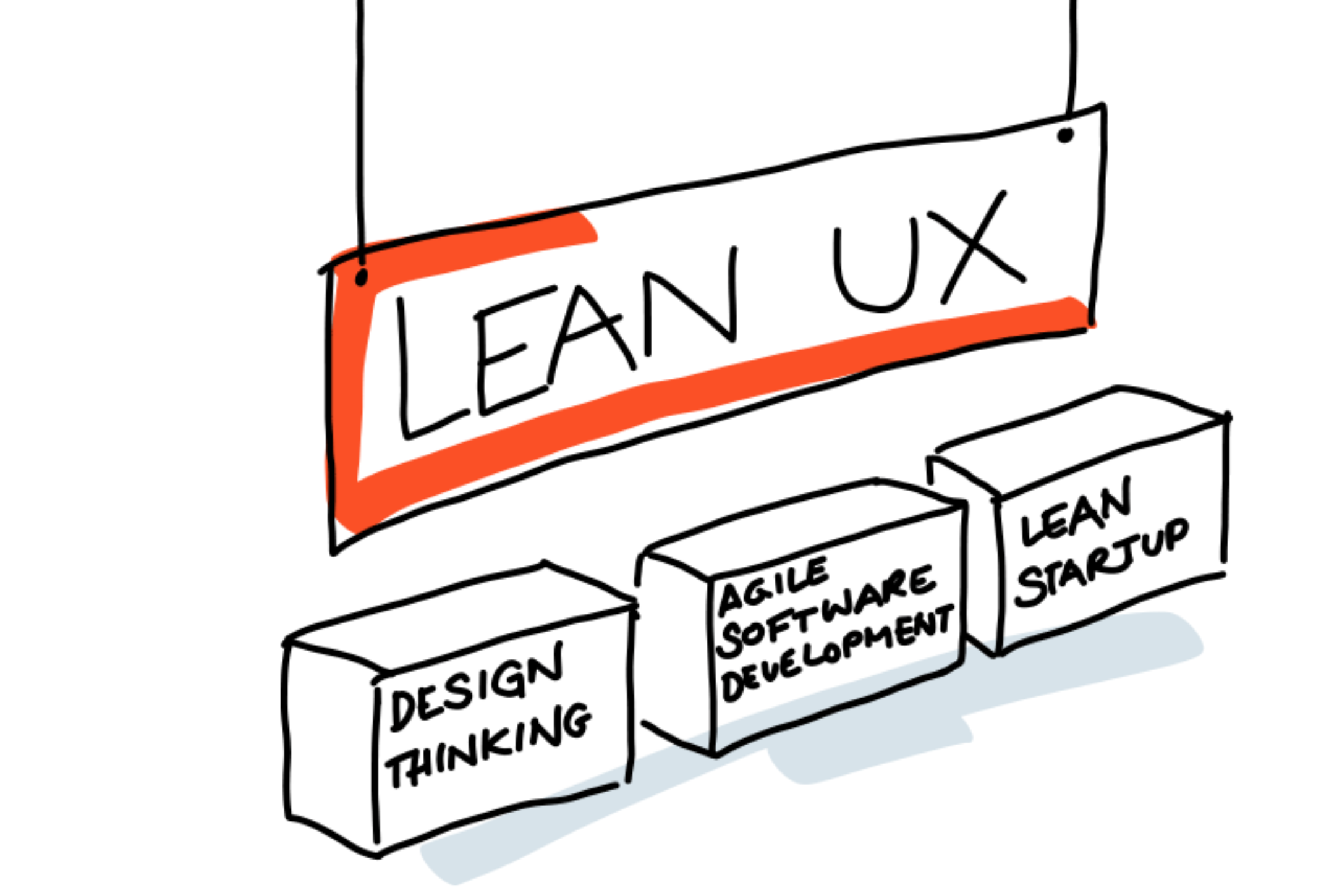
Lean UX – The Evolution of User Experience in the Lean Methodology

Lean UX

You’ve landed your first UX job. Now what? You’re probably excited about what’s in store for you in this career path – and a tad overwhelmed. I’ve written this article as an attempt to ease your nerves. Some of what you read, you may already be aware of. And if you feel some of them sound more like life hacks than design tips – it’s probably because they are.

Show Initiatives

If you’re new to the workplace, chances are the heavy-lifting hasn’t started yet. You’re relatively free, and it’s a great time for you to say yes yes to doing any and all kinds of work – even if it wasn’t part of the job description; even if you don’t think you’re good at it

Being forthcoming and approachable about the kind of work you’re open to doing signifies that you’re open to learning everything there is to the job. Say yes. Make mistakes. It’s all good. Most UX designer jobs are entry-level positions, hence having a host of ancillary skills will help you grow in the organisation faster. Opening yourself up to new kinds of work will only help you holistically as a designer.

Forget the job description; be a generalist

It’s easy to get caught up in the rat race, so here’s a protip- don’t!


It’s typical of the most design professional to get trapped in the title race that we forget to think about what eventually matters – our overall growth as a designer. An exceptional UX designer is almost always a generalist and being one involves proficiency not only in design but also in subjects like empathy, communication, content writing, business and strategy, just to name a few.

Find real users to test ideas on


One of the most neglected steps in the design process is testing your product on real users before launching it. Don’t get us wrong- having a revolutionary concept is great. But until you get feedback from someone who is going to use it every day, it will remain just – a novel concept! And no, your teammates aren’t your real users, their feedback isn’t going to help much.

Look for a mentor


Differing opinions can sometimes be key to new insights. You need to blend with the people and find someone who can speak to you candidly and help you navigate life in the organisation and profession alike. Scan your workplace or industry and find a mentor with the skills and professional drive that you wish to emulate. A good mentor can impart nuggets of wisdom that you may not find in self-help manual or guide.

Sketch first

No matter how far we get with technology there is no alternative for putting pen to paper. Since it’s still early days in your design career, refrain from designing directly on the screen. Even if you are a master at visualizing an idea down to the last pixel in your head, we end up losing many details by the time we reach the final product. Sketching is the quickest way to translate an idea in your mind into the real world. You can come up with multiple iterations of your idea quickly. No time is wasted figuring out which font size or color to use, or what kind of roundness a button should have.

Lean UX

Get into the habit of writing


Writing – stories, blogs, journaling – helps in bringing about clarity to your thoughts, which is difficult to achieve if it’s all just locked inside our head. In addition to sketching disparate blueprints, consider fleshing out concept notes that you can develop into products later. When you make writing a habit, you start to notice that it translates to your designs as well. Writing microcopy is an essential skill for UX designers, which can make or break their design. A product’s true value is almost always conveyed through the copy used. Creativity in the spoken word will help you refine your UX designer portfolio.

Get design inspirations, but do not copy

By habit, designs of most designers tend to get heavily influenced by sites such as Dribbble, Behance or by apps with “cool” interfaces. What they miss out to understand is that each design is created to solve a specific problem. It’s obtuse to mindlessly copy these designs without understanding the reasoning behind them. Try to adopt a problem-solving attitude to design; look at each product from a customer’s viewpoint and build experiences to keep them coming back for more. This methodology will give you a definite edge in the industry.

Seek and respect feedbacks


In your career as a designer, your thoughts and ideas will be challenged by your clients, peers, and sometimes by yourself (which I highly recommend doing). Defending the designs we make is almost a knee-jerk reaction we’re all guilty of, and while it is your job to communicate to the client why you did what you did, don’t get too attached to your designs. Instead, learn to love the feedback you receive and probe deeper to understand the underlying reason for the feedback. Being receptive to feedback will also help people around you feel more forthcoming in sharing their honest views.

Don’t stick to a single process

The traditional design process that we are used to struggles to keep up with the changing needs of stakeholders. Every new project comes with its own set of challenges – the client wants the product yesterday, they don’t have time for user research, and, likely, the design process you’ve sworn by all this time doesn’t fit in with the project plan. The only way to adapt to these changing needs is by adopting newer design processes that can positively impact the project. Read up about processes like Lean UX and Design Sprints. Read up about design strategy from the greats. They’ve changed the way we work and collaborate with teams and clients (and users) on a project. Understanding these processes and identifying when to apply them is key to becoming a master of your craft.

Attend workshops


Design workshops expose you to influential thought-leaders from the industry. They teach you firsthand about real-world problems and solutions. Also workshops are a good way to find a mentor from your field and speak of your interests to a wide variety of people interested in the design discipline.

Conclusion

One last thing, but it’s necessary. The first project you work on won’t be perfect – a lot of them won’t be. The first article you write won’t be perfect either. And neither will the workshops you conduct. And that’s okay. Perfection shouldn’t be your end goal. Design is an iterative process. And we’re all still figuring it out. Might as well enjoy the process while you’re at it.

Locks on Web Redesign: 5 Keys to Unlock

Locks on Website Redesigning: 5 Keys to Unlock

A website is the destination of your online business, and you should make sure your website is well-designed and compliant with the existing SEO guidelines. Year after year, new technologies, software, and ranking algorithms are introduced, which force website owners to make the necessary design changes.

Website Redesigning

When to Consider a Website Redesign | Mightybytes

If you are a website owner who is contemplating a website redesign, this article discusses five vital factors that you should consider for redesigning a website.

A Responsive Website Redesigning

Responsive Website Redesigning Services, With 24*7 Support, | ID: 6654188497

A clunky, laggy, and unresponsive design can turn off the visitors in the blink of an eye. On the other hand, a beautiful looking website that responds to the touches and actions immediately hook in the visitors. Moreover, Google has made it clear that a responsive design that increases session time would be one of the significant ranking factors.

Good website redesigning includes a clutter-free interface with plenty of white spaces and small but visible navigation buttons. A website with symmetric and well-organized pages catch the eye of all users and make an excellent first impression. A responsive design Also includes different landing pages optimized according to various devices that can give your website a significant boost in traffic, average session time, and rankings.

Summarizing, your website needs to satisfy these parameters for attaining an excellent, responsive design that impresses your visitors and improves your Google rankings.

  • Beautiful design
  • A lot of white spaces with small navigation icons
  • Diverse landing pages

Mobile Optimization

Mobile Optimization: Principles From Smart Marketers - Lander Blog

Apart from responsive design, a website should be compatible with all small screen and large screen devices. Around 50 percent of the total internet traffic is mobile traffic, and Google, in one of its recent algorithm updates, has mentioned that mobile compatibility is going to be one of the significant ranking factors for websites.

Therefore, your website should be well-optimized for mobile, tablet, and other small-screen devices. A website can be optimized for mobile devices by several methods like:

  • Updating robot.txt file
  • Updating the CSS code
  • Using mobile-optimization plugins
  • Creating a mobile version for your website

Speed and Performance

Good Performance is Good Design. It's time for designers to own… | by Mitch Lenton | UX Planet

Suppose you typed a search query on Google and clicked on one of the displayed search results. You’ve been waiting for ten seconds, but the page does not load. What will you do? Unless you are not a regular visitor to that website, you leave it in a flash. This behavior is standard and applied to all the users; therefore, a website must load fast.

The design of the website plays a vital role in determining its speed and performance. If a website has a dense, clumsy design with a lot of content, pictures, and videos on every page, it takes more time to load. On the other hand, if a website has a sleek and responsive design with minimal content and compressed images, it loads faster.

Luckily, you can access a lot of free tools like GTmetrix and PageSpeed Insights that allow you to determine a website’s load speed and tips to improve it.

Some tips to improve your website’s load speed and performance are:

  • Design plays a vital role in determining your website’s load speed. Your website design should be minimal, with only necessary items and pieces of information on the page.
  • The presence of excessive multi-media elements like high-quality images and videos can significantly reduce the load speed of a website. Try reducing videos and pictures on your website, and compress the photos if they are relevant and provide the necessary information.
  • If your website does not have appropriate storage, bandwidth limit, or a right hosting provider, it affects its loading speed. Make sure to check these factors if your website takes time to load.
  • Check your website’s speed and performance regularly and act upon the recommended fixes and suggestions.

Accounts and Social Media Integration

Top Benefits of Social Media Integration in Online Marketing - Lander Blog

Social media integration enables you to multiply the number of visitors visiting your website without putting in any extra effort. Adding share buttons on your website allows your visitors to instantly share your content with their friends and family, which improves your reach, traffic, and rankings.

Adding your social media handles on the website can help you connect better with your audience and allows you to share content on different platforms and in various forms. Providing an option to register and login on your website enables you to provide your users with personalized user experience, which is essential for building trust and improving brand reputation. You can further simplify the login process by providing the feature of logging in directly from social media accounts.

Social media and account integration can help you in the following ways.

  • It allows your visitors to share your content over different platforms.
  • It enables you to connect your visitors with your social media handles.
  • It enables you to provide your users with personalized user experience.

Analytics

How to Utilize Google Analytics to Improve Your Restaurant's Website

Analytics tools allow you to analyze the performance of your website and make necessary improvements. Different websites have different visitors of varying age, gender, country, device, and more. Analytics tools like Google Analytics and Monster Insights allow you to access all the information about your visitors, enabling you to understand their behavior and requirements.

Analytics tools also allow you to track conversions, funnel performance, session time, bounce back rate, back off rate, and other necessary information that can be vital for improving your website’s performance.

Some advantages of using analytics tools are:

  • It provides in-depth information (demographics) about the visitors.
  • It identifies the underperforming areas of your website, helping you take targeted actions.
  • It enables you to analyze your conversions, backoffs, bounce back rate, and average session time.
  • It helps you optimize your campaigns and strategies according to the visitors.

Conclusion

Website design is a significant ranking factor for websites as a responsive website design that provides visitors with a better experience. Although a good website design includes other elements like logo design & positioning and widget optimization as well, the aspects discussed above play a key role in determining the overall design and performance of your website.

Vietnam: An Up-and-Coming Digital Design Hotspot

Travel Clipart PNG Images | Vector and PSD Files | Free Download on Pngtree

Travelling gives you wisdom and experience that is beyond words and I am extremely lucky to have been able to tour to various parts of the world, though, most of it has been work related; Lollypop has made me explore European and Western world mostly to meet either new clients or catch up with the old ones. And, this time I feel like I have struck a jackpot – Vietnam!

This city has energy and vibes that is so enthralling that you have to take a step back and let the moment sink in. It’s fascinating how this place has witnessed endless battles, survived worst of the times and yet is one of the south-east Asia’s fastest-growing economies. Honestly, humans and economies never fail to appal me, Vietnam, labelled as a third world (by Western Economy) has fought three decades of bitter wars against them itself to gain independence. It just took me mere FOUR days, to have an absolute new outlook of this country. I have gained an unparalleled respect and love for this country. The constant urge to explore and discover this city made me dig a bit further and I have broken this article into 3 parts that amused me the most – City, People and of course Design.

CITY – Ho Chi Minh

vietnam

Fresh and sparkling; it just makes you fall in love with it. Though, it is 10 times poorer than India, it is way cleaner and better. I have nothing against my country but I have to mention this here because really it’s just about individual’s efforts and attitude that speaks for one’s country and we Indians need to learn this. Another amazing thing about this beauty is BIKES, I personally am a biker by heart and it was an unusual experience to realize that Bike here is the basic medium of travel with no social tags. Be it rich or poor everyone is on bike, there is absolutely no concept of classic, sports or adventure bikes, A Bike is A Bike, simple and plain. And, yes the best way to discover this city is to hop on a “Bike Taxi”.

A beginner's guide to Ho Chi Minh City's street food - Lonely Planet

Next thing that leaves you gaped is the Food; it is just everywhere for dirt cheap. You can gobble all the food you need for less than a quarter and I am talking about healthy, good and nutritious food, now that is what I call a heaven! The city has developed much beyond my expectations and I even heard that everyone is developing a good traffic sense. Unfortunately, during my travel it was raining and I had to travel mostly on taxi which was bit expensive.

PEOPLE

Ho Chi Minh City, Vietnam Stock Footage Video (100% Royalty-free) 32546005 | Shutterstock

A country is made of its people and the beauty of Vietnam equally reflects in its masses. The warmth and welcoming nature of everyone leaves a never fading smile on your face. There is a massive difference between Bangkok & Vietnam; Vietnamese are extremely soft, welcoming and warm hearted. But, the challenge here is of language and communication as not many are well versed with English and one can get stuck if you are outside the city limits. City thrives on service driven attitude and people love their 9 to 5 jobs with 2 hours of break; yes! 2 hours, 1 for food and another for quick power nap. They believe in moving with the flow and have little appetite for innovation. However, when you interact with locals, the keenness to learn and grow throws you off guard and you feel as if you are in a diamond mine, surrounded by precious gemstones.

DESIGN & IT

The best designers are generally rooted in the artists and Vietnamese art has a long and rich history, the earliest examples of which date back as far as the Stone Age. They are amazing when it comes to art and it is wonderful to discover how they are exploring new arenas of branching out; few have opted for print and animation but majority of them have chosen digital design. I was lucky enough to meet few designers and phew, saw some real exceptional work! The most marvellous thing was to know that all designers there knew UI Development by default; an artist turned designer with technical know-how, now that is what I call a master stroke. Here are some of the design samples from the designers I met:

1) This Designer here is amazing visualizer and perfect with design tools, the only challenge was communication gap.

Top UI/UX Design Works for Inspiration — #30 | by ✨ They Make Design ✨ | UX Planet

2) This one blew me away! Literally, think of anything that is related to design and she knows it all; an amazing artist, designer, animator and brilliant communicator. One of the jewels, I was talking about.

Pin on Designs

Though, designs and designers had great impact on me, one thing that did offset me a bit and that was lack of individuality and their own identity; the designs there are predominantly influenced by Western world. However, the willingness of Designers to explore this part of the world given the right opportunity has my hope pinned.

To conclude my experience, all I can say is that a little guidance now to these emerging designing sensations will most definitely take world by design storm. And, I am extremely glad to be discovering them at an early stage. And, I am definitely over-whelmed to realize that Designers around the globe are realizing their worth and they know this is there era.

Why Rich Animations is a great design trend

Why Rich Animations are crucial for design | Design, Animation, Design  inspiration

In today’s world, the animation plays a crucial role in communication. It is incredibly versatile and can communicate abstract, complex and multidisciplinary concepts in an effective and easy manner. Gone are the days when people said: “ Animation is just a small part of interface design or product design and it is not essential “. Today, they are not used merely as eye candy, but as a powerful tool meant to enhance user experience. They are like heartbeats that brings life and soul to interfaces and products.

Latest web developments have allowed animations to be implemented easily which has given us designers truckload of opportunities. Simple or elaborate, animation can fascinate the users at every step. In this blog, I would like to highlight 5 ways you can use rich Animation’s to bring life to your designs:

Storytelling and fun way to convey any message

Who doesn’t like Stories? Probably no one. Animation can be used for storytelling and through them, even the most difficult concepts can be conveyed easily to the users. For example, previously, most brands were using the tutorial videos to help their users understand the process and benefits. But, today, the animation is ruling this space; pick up any app they are generally supplemented with ‘Splash Screens’ or step by step messages to guide users through the usage of the app.


Furthermore, it adds up to the personality of a website or mobile app, basically, your digital presence. Whether it is a long scroll of seamless sections of a website or showcasing of vision and capabilities, your story or action can be told in a fun and elegant manner. For instance, one of our clients, Hakunamatata, in space of Information Technology & Services wanted to communicate their strength in the development space through a website, hence, to highlight this we used ‘Unusual Navigation’ and empowered with many micro-interactions.


We believe, the animated design is a story best told; it adds an extra zing of awesome sauce that pushes the designs over the edge, bringing the very design to life in a subtle and friendly way which prompts the user to interact and explore more.  You should check out this website to experience the zing I was talking about.

Interactive and Intuitive

Intelligent animations are very engaging and enable users to focus, get feedback, and communicate efficiently with the brand and its digital interface; this creates a pleasant illusion close to natural interaction as with physical objects. This is the very reason why Apple and Google give so much importance to animation and interactions in their guidelines.


Interactive animations put the user in the driving seat and impart a feeling of having complete control over the navigation while they go through an astounding interactive journey. This amazing website takes users through the interactive journey of  Rome’s history. It is the most engaging history book you would come across and a user would feel like they are living the entire era.


Another, important thing to take note of is how a designer can effectively declutter his designs by concealing and revealing options with smooth animations and interactions which can be very useful while designing content/options heavy designs. A classic example would be the Android tray pulling animation with options.

Visual feedback and Micro interactions

These days we see a lot of animations giving visual feedback in the form of effects, transitions, animated colors, icons, and seamless backgrounds. They provide an unmatched user experience, because a user knows he is hovering on a clickable button or a link, and not just some content. Using Animation, the user is made aware of the progress and other features in an instance. An animated interface has the power to entertain the user with a fun loader while they wait for the page to load, inform them with a progress bar, load the animated skeleton of the layout, seek attention with beautifully animated signals when needed, alert a user about an error, help them navigate and what not! Micro-interactions also evokes emotions and feelings for the action. Animation applied for micro-interactions are hardly noticed by the user, however, as with all the small and simple elements of the interface, a lot of intelligence and understanding goes into designing micro interaction which boosts user’s interaction with the interface.


 Great and beneficial for designers as well

Animations, not only helps the designer to make a delightful presentation of their designs, but it also enables the designers to discover a lot of potential improvisation while they prototype or animate their designs. I would say every designer should keep animations and interaction in mind while designing an interface, which is nothing but interaction designing.

When the designer does this, not only he takes the wireframes to the design stage, but he also takes the design to the next level for better development, where he has already visualized how a user is interacting with the interface. It speaks volumes about the attention to detail the designer has put into it, as he eliminates bugs, errors, missing links, and dig into a lot of innovative UX with his “ Interaction Thinking “.


An animated design is a living thing! Period.

Not only it is as satisfying as the ‘fidget spinner’, but it supports the very essence of real life interaction and it creates feelings and perception close to what we humans experience while interacting with a physical object.  It speaks to you, plays with you, emotes with you, and understands you- Just like your best buddy.


The animation is the future of design and interfaces, which is very obvious with the evolution of VR and AR interfaces, where animation is the key property used to design them. People don’t just buy products, they actually buy the interfaces, the lively designs, and those appealing interactions.

SVG, Canvas, WebGL? Visualization options for the web

So, if you are creating an innovative product or design, take heed as the future is animated designs. Technologies such as SVG animations and WebGL, which supports us designers to make use of rich animations and interactions to enhance and add life to designs, which eventually impacts millions of lives.

Hiring Challenges in Design Studio and How to Solve them

Hiring Challenges in Design Studio

Being an HR is one thing but being an HR in a design studio is a different ball game altogether. And, if you are hiring for the stream of UX and UI in India, the most sought-after skill today, well buckle up, it is not going to be an easy ride. But, after reading this article, I am sure you would be well prepared.

Fairly disrupted industry w.r.t. Quality vs. Cost

The first step for every HR is understanding the market space and expectations to chalk out an in-house budget for each role. But, like every other industry, this would not be an easy task. Since the industry is fairly new, you would come across many expectations that are exuberantly high as compared to experience. The best way to go about this is defining budgets based on your company’s standards and later it would just be a matter of finding a suitable candidate.

A readily available portal for hiring designers

We all are extremely used to various hiring portals that provide us with a varied number of services, but, in this industry, you must create your own channel. Use your networks, be more responsive and visible, visit design colleges and make ample use of references. This would definitely save a lot of your time and energy. Basically, keep your antennas switched on always!

Outstanding communication skills

This would come as a surprise but there will be instances where you would fall in love with designer’s creativity & skills but would be in two minds because communication would not be their strength. It’s advisable to chalk out the level of communication required for each role and your new team will be joining in no time because not every role calls for exceptionally good communication.

Designers are always BUSY

This is an amusing trait, you would find thousands of applicants but the ones who are willing to prove it out to the world and ready to go that extra mile is comparatively less. If your selection criteria demand’s some time off their current lifestyle don’t be disappointed if you do not receive a lot of responses. In fact, this would serve as an amazing yardstick in filtering out candidates.

Start-up Culture & Design Studio Culture – It’s Lethal

Most of the dedicated design studio in India are in Start-up phase and we all know that the culture is already laid back with a lot of flexibility. But, design studio goes an extra mile here because designer’s function differently and they are disciplined in their own way. But, sadly rest of the world does not function like this. So, hiring the right attitude and character becomes absolutely critical; next time when you are out on a look for some designer make sure this is always ticked off.

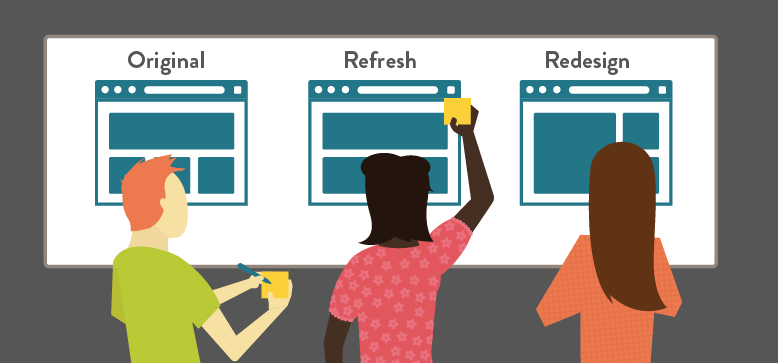
Redesign Mobile App for Market Domination In 15 Steps

App designs, themes, templates and downloadable graphic elements on Dribbble

App redesign is no joke. If you run a mobile-powered business then you are virtually on life-support while indulging in a UI UX overhaul. And if you do not realize that already, then there is all the more need for someone to point you in the right direction.

We assume you want a word by word, validated guide on an app redesign process and we wish there were simple answers. But a mobile app redesign is like your first proposal, you expect everything to fall in place, but there is always that big IF.

So as we share some of our partner experience (without violating the NDAs) you can expect it to be a little bit of both, fact-of-the-matter dope garnished with the necessary do-it-yourself stuff.

Define Your Approach (Please!)

How to Define Your Target Market in Design Projects

Sequence your design thinking to find the answer to the question “what is a good app design practice?”. A UI/UX redesign is preceded by brainstorming sessions held on rendering structural changes in an app. Whatever your reasons, the re-development process must stay malleable. For this reason alone, we’ll repeat ourselves for the umpteenth time, that Agile development is the way forward. It gives everybody a few extra inches to maneuver ideas and ad-hoc requirements that pleasantly come along. We’ll let the imagery do the talking.

Bring Everyone On-board

Collective decision making will make the process easier. Organizational heads should own up the responsibility to communicate clearly the what, why, and how of everything. You will have to sift through opinionated answers and earnest comments to find common ground between expectations and reality. The process will be tiresome, but will also let you discover the pain points of the app, its backlogs, and key development areas to concentrate on. Answers must address questions like:

  • What are the plus points of your app?
  • Why is it lagging, if at all?
  • Where are the functionalities that need the most damage-repair?

Set Out Tasks

Team Plan and Task Assignments - Annenberg Learner

Setting S.M.A.R.T goals is an inexorable step for apps that need redesign. Be specific in what you want from the new look. Set a measurable aim, the accomplishment of which can be weighed by numbers. This would keep you motivated. Do not exceed the time you commit to each parallel task for developing new functionalities. It’s for such days (and nights) that the vending machine had stalked up extra cans of caffeine.

Recycle Your App Design

Recycle App designs, themes, templates and downloadable graphic elements on Dribbble

Mobile app design best practices run high on the recycling quotient. Just because you are revisioning the design doesn’t mean it has to begin afresh. The current app was developed with considerable thought and effort. The idea is to preserve the features that offer the most value and disregard the outdated ones.

Base Your Decisions on Analytics 

7 steps to make data-based decisions with web analytics | Piwik PRO

High-level stakeholders won’t approve of anything unless they sense a concrete reason. Your arguments for change should be objectively backed and statistically proven. Some of the metrics that should be on your tips are app downloads, screen tracking, page views, event tracking, user sessions, in-app referrals, the list goes on. Read about the tools you can use to track app analytics for mobile apps that need to be redesigned. Embedded analytics will always be crucial for apps whether you redesign them or not.

Read Competitor Like a Book

Reading Competition Law Books | Chillin'Competition

This is where most people begin, mistakenly skipping the aforementioned steps. Now that you’ve come here it should be clear why (if at all) your competition is proving your nemesis. This has to do with a feature vs feature account that tabulates similarities and differences between multiple apps. Create a checklist to track and accord points for each feature. The scoring system will give you a realistic impression of your market standing.

Think Outside the Box

Formula – Think outside the box – 4D Blog

There is no affiliated gospel for mobile UI best practices. That said the mobile app industry is generally amuck with creativity. No harm in xeroxing a feature or two you like in an app from another domain.

Diagnose Problematic Areas

How to Get Diagnosed with ADHD: Good vs. Bad Evaluations

Having infiltrated the ranks of your opponents, you can narrowly point to the areas that require more work than others. The nature of the problems could be anything, from a genuinely bad user experience, non up-to-date onboarding practices evident in customer reviews, to hidden bugs and unnecessary pop ups. As you quest forward to redesign your app, begin leveraging this intel and fast track development by prioritizing job lists.

Act on Priority

Swot Analysis Stock Photo - Download Image Now - iStock

After identifying the most erring details it is time for remedying. One way to do so would be to pen down what’s going for you in a SWOT, Strength, Weakness, Opportunity, and Threat graph. This would enable sequential stacking for development cycles, focusing on the most pressing needs foremost. It is vital you ponder judiciously on this aspect while redesigning apps to avoid painstaking efforts later.

Create Wireframes

Premium Vector | People making web page design for website

Be it your in-house developers or an app design company partnering with you, creating wireframes comes naturally to all developers. Ink the ideas built up in your mind with hand sketches and share with all project collaborators.

Make no mistake, you are sharing the foundation of your renewed app architecture and encouraging improvements. Ideation must be clinical in nature and put the spotlight on newly adopted characteristics while preserving the best ones from the previous version.

Be Open to (Further) Change

Unlock 5.0 Guidelines: Here's how life in India changes from today under Unlock 5.0 - The Economic Times

There has been a barrage of introductions to the wireframe already, but wait there can be more. Re-engineering a product will have its ups and downs and to be honest, it is your call to decide how much is enough. Mature leaders are thick-skinned which helps them accommodate productive advice from peers.

But be careful, don’t let inaccurate feedback get the better of you emotionally. Whenever in doubt, roll the dice back to the storyboard and self-introspect if the steps being proposed will lead to positive change. If not, put your foot down and move over.

Test Aggressively  

FDA Approves Smartphone-based mHealth Platform For Urinalysis Tests

At Anteelo, it is our staple schedule to act as an app design agency for one client or the other. Rushing into releasing a spanking new version of the app proves self-destructive. As soon as an MVP is ready we open it to a closed group for user feedback. We do not follow randomization and neither encourage it. Rather, the users are handpicked as per the target audience of the app. As soon as they provide a nod of approval we move forward.

Remarket Your App

Google Ads Remarketing Best Practices

Taking a new version of your app to the market is like the launch of a new one. It is all about storytelling and giving users an excuse to look forward to rather than just updating their current versions without advance notice. What if some people liked the previous design? Apple could give any brand food for thought on reinventing the wheel. With minimal feature edits, each year, they throw a keynote event that is the most anticipated globally. No, we’re not asking you to break the bank for a national campaign, but have a look at this promo of iPhone SE. You’ll get the point.

Gather Feedback 

4 Methods for Collecting Customer Feedback | SEJ

If you’ve outsourced the redesigning project for your app, demand that the mobile app design company submit user feedback reports on the new version regularly. Why should you care for user feedback?

Because these very people fuse capital into your business and if they don’t take a liking to the so-called “improvements” you’ll face customer churn. But don’t jump to conclusions. Supervise your app downloads, page traffic, sentiment analysis, app store comments to tap the immediate customer pulse. Sooner or later, they’ll come to terms with the design, so our experience says as a mobile design agency.

There is no PERFECT Design 

We don’t intend to sound like a monk, but yes, everything is transient. As time fades, you’d have to repeat this cyclical process all over and do your thing. Never rest on your laurels, even if you receive critical acclaim for your work. We never let success get to our head despite having been acknowledged globally for innovation as a mobile app design agency. You can learn more about us as an app design firm reading over our collaboration with Domino’s. We revamped their UX strategy which led to a 23% increase in lead conversions.

Let’s Catch Up 

Ever since our inception as a mobile application design company, we have delivered industry-standard value for our clientele. Our technology stack is the latest you’ll find and for any deals on redesigning your UI/UX, we’d be happy to demonstrate what we can do for you.

14 Plus(s) of Django Framework

Opting for an appropriate web development framework is quite a hefty task. There are a lot of frameworks present in the market designed specifically according to the needs of the project. Every developer looks for three things while choosing a framework which is: the language used, tools present in the framework and the reputation that it has in the market. Django passes all the parameters with flying colors as it is the best in the class. For many businesses and organizations, Django is an easy choice. Django boasts the label of one of the most popular web-development tools today.

Django is a free, python-based, open-source web development framework that facilitates clean and rational designing of websites driven by databases. It reduces a lot of hassles that a developer has to face during the development of a website. It is used to develop minimal yet smart web applications. Simultaneously, Django enables developers to create web applications as required by fluctuating business prerequisites. Since it is developed by professional developers, it takes care of all the hassle involved in web development so that you can focus on making the application rather than digging the basics.

Pros of Using Django Framework for Web Development

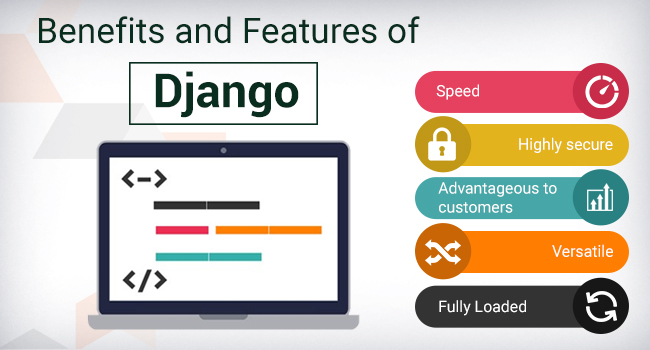
Benefits and Features of Using Django Web Development

Here are a few reasons why Django is the first choice when it comes to web development.

1. Backward compatible

Django offers the provision of working with its older versions and makes use of its older formats and features. Additionally, it has a comprehensible guide that walks you through all the information that you might need to know about the changes and trends of the Django framework, especially when the new changes become incompatible with the former ones.

2. Community Support

Django enjoys the support of a huge and very professional community of developers who have inside out knowledge of Django and are always ready to help. Having a large community has benefits of its own. It makes finding answers to problems much easier as there’s a great probability that the problem faced by you now has occurred to someone else too and now probably has an answer to it on one or the other forums. The community is very quick in answering the issues and fixing the bugs of fellow developers.

3. DevOps Compatible

DevOps is the blend of cultural philosophies, tools, and practices that increases an organization’s ability to deliver services and applications at high speed: evolving and upgrading products at a faster rate than organizations using conventional software development and infrastructure management processes.  Incorporating DevOps in Django is great as it fixes issues faster with enhanced operational support. It uses continuous delivery methodology to increase the efficiency of the system.

4. DRY and KISS compliant

Django religiously follows the ‘KISS’ principle which is “Keep It Short and Simple”.  In Django, it simply means that the code must be brief, easily understandable, and methods should not exceed more than 50-60 lines.  Similarly, ’DRY’ stands for “Don’t Repeat Yourself”, which means that the software patterns that occur quite often can be replaced with abstractions. In this manner, issues related to the code as well as repetition can be avoided. Additionally, reusing the code simplifies the development process thereby decreasing the overall production time.

5. Infrastructure

Django is independent and a complete set in itself. It means that it does not require any other external solution. It is everything, from an ORM to a web server. This enables it to use various databases and switch them accordingly.
6. REST framework

REST stands for Representational State Transfer framework which is a renowned toolkit for creating web APIs. This is an added benefit with Django as it is powerful enough to build a full-fledged API in just two or three lines of code. An additional benefit to it is that REST is immensely flexible. Therefore, data is not bound to any protocol and can return various data formats and manage several types of calls.

7. Secure & up-to-date

Django is constantly kept up to an elevated standard, following the most recent patterns in site development and security. That certainly addresses the inquiry “Is Django useful for web development?” — As security is a ‘number one’ in any to-do list. Django is customarily updated with security fixes, and regardless of whether you’re utilizing an older rendition of the system, its security is as intact as the new one. It’s no big surprise as Django has an LTS (Long-term Support) variant.

8. Simple

Django’s documentation is excellent. It was introduced with excellent documentation, and they are as yet kept intact in the same way, which makes it simple to utilize. Also, one of Django’s principal reasons for existing is to disentangle the development procedure: it covers the fundamentals, so you can concentrate on the details of your project.

9. Suits any kind of project

Unlike C# or Java, Django is no business solution. Still, it is appropriate for all kinds of projects regardless of their size.  A Django application can be a social media application with enormous traffic and heavy volumes of data or it could be a simple web application for handling logbooks. It can build anything as it has everything required to build every type of application. Additionally, Django is cross-platform also compatible with the majority of databases making it highly versatile.

10. Time effective

Django is ridiculously fast. It was built to slide the applications from imagination to reality in a blink. Django applications are both economical and efficient. Thus it is the right choice for developers who have major stakes placed on the due dates.

11. Time tested 

Django has been in the picture for years and in that tenure, it has emerged as the choice of a lot of businesses for their web applications. This confirms the fact that Django has already made an impression in the market and is here to stay for long. A few examples of applications built on Django are Disqus, Spotify, Instagram, and NASA.

12. Useful additional features

Django comes with everything inbuilt. It has all the features which are required to build a web application from scratch. There’s no need to spend hours on forming a frame since everything is already present in the framework.  It also has tools packages to help in going hands-on with pioneering technologies such as Artificial Intelligence, Data Analysis, and Machine Learning.

13. Versatile

Django is the master of all trades. It is capable of doing everything, from content management to managing scientific computing platforms; everything falls under the umbrella of Django.

14. Works on Python

As mentioned earlier, Django is a web framework which is written in Python. As a result, it brings with itself the simplicity of utilizing the syntax structure of Python and enables developers to build meaningful and viable web applications effortlessly. In this way, developers can easily reduce the development time required for building these web applications.

Summary

To summarize, Django aids developers to compose custom web applications in Python by offering several features, modules, and features. Contemporarily, Django is being rehearsed by various high-traffic websites like Google, YouTube, Pinterest, Spotify, and Instagram. However, Django, like other web systems, has its very own pros and cons. Therefore, the developers must recollect the precise requirements of each venture while evaluating the advantages and disadvantages of Django to choose the best Python framework.

error: Content is protected !!