All about Operationalized Analytics

Operationalizing Analytics

Organizations with a high “Analytics IQ” have strategy, culture and continuous-improvement processes that help them identify and develop new digital business models. Powering these capabilities is the organization’s move from ad hoc to operationalized analytics.

Seamless data flow

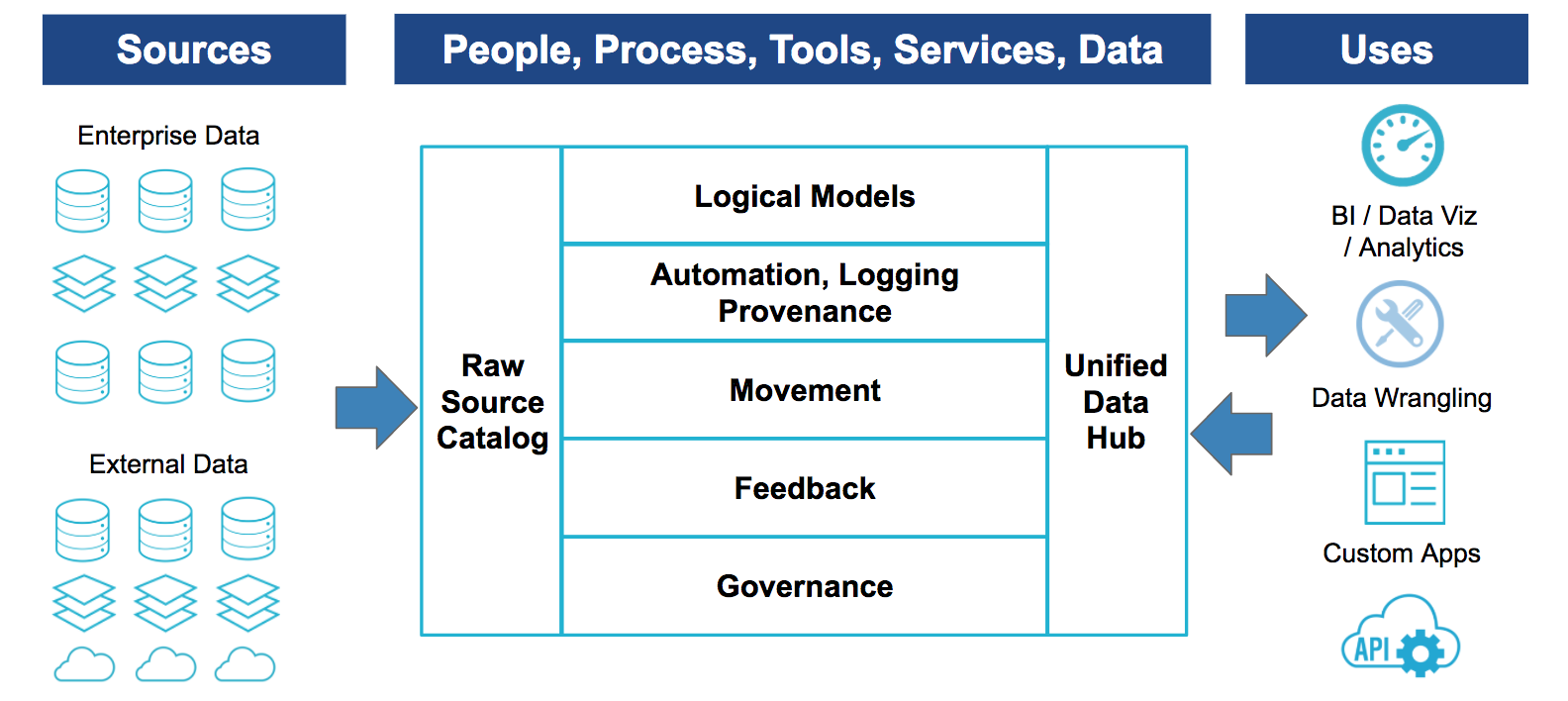
Operationalized analytics is the interoperation of multiple disciplines to support the seamless flow of data, from initial analytic discovery to embedding predictive and prescriptive analytics into organizational operations, applications and machines. The impact of the embedded analytics is then measured, monitored and further analyzed to circle back to new analytics discoveries in a continuous improvement loop, much like a fully matured industrial process.

An example of operationalized analytics is the industrialized AI utility depicted below. It enables automatic access and collection of data, ingesting and cleaning of the data, agile experimentation through automated execution of algorithms, and generation of insights.

DataOps


Operationalized analytics builds on hybrid data management (HDM), an HDM reference architecture (HDM-RA), and an industrialized analytics and AI platform to enable organizations to implement industrial-strength analytics as a foundation of their digital transformation.

Operationalized analytics encompasses the following:

  • Data discovery includes the data discovery environment, methods, technologies and processes to support rapid self-service data sharing, analytics experimentation, model building, and generation of information insights.
  • Analytics production and management focuses on the processes required to support rigorous treatment and ongoing management of analytics models and analytics intellectual property as competitive assets.
  • Decision management provides a clear understanding of, and access to, the information needed to augment decision making at the right time, in the right place and in the right format.
  • Application integration incorporates analytics models into enterprise applications, including customer relationship management (CRM), enterprise resource planning (ERP), marketing automation, financial systems and more.
  • Information delivery of relevant and timely analytics information to the right users, at the right time and in the right format is enabled by self-service analytics and data preparation. This improves the ease and speed with which organizations can visualize and uncover insights for better decision making.
  • Analytics governance is the set of multidisciplinary structures, policies, procedures, processes and controls for managing information and analytics models at an enterprise level to support an organization’s regulatory, legal, risk, environmental and operational requirements.
  • Analytics culture is key, as crossing the chasm from ad hoc analytics projects to analytics models integrated into front-line operations requires a cultural shift. Merely having a strong team of data scientists and a great technology platform will not make an impact unless the overall organization also understands the benefits of analytics and embraces the change management required to implement analytically driven decisions.
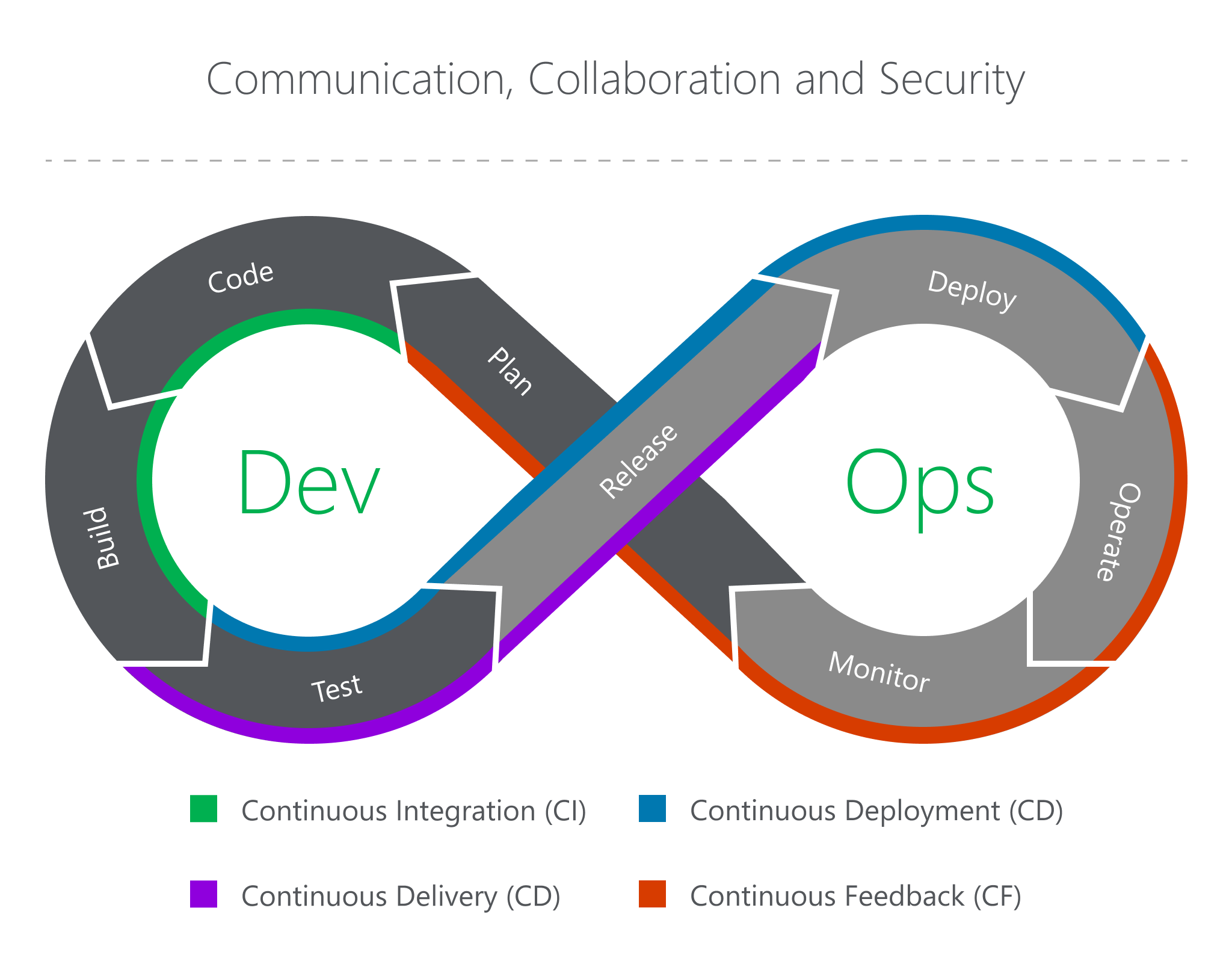
  • DataOps is an emerging practice that brings together specialists in data science, data engineering software development, and operations to align development of data-intensive applications with business objectives and to shorten development cycles. DataOps is a new people, process and tools paradigm that promotes repeatability, productivity, agility and self-service while achieving continuous analytics model and solutions deployments. DataOps further raises Analytics IQ by enabling faster delivery of analytics solutions with predictable business outcomes

Opening spend analytics data to decision makers reducing costs? Here’s Why!

Using Analytics for Better Decision-Making

Spend analytics information has traditionally been closely guarded by procurement. But this approach is arguably a lost opportunity for both procurement and the wider business.

Spending decisions are regularly made by other functions, so for a business to derive the best value and outcome from those decisions, spend analytics information must be used — not just viewed — by all stakeholders.

Before that data can be used effectively, there has to be cohesion and agreement about several key issues. The first issue: There must be a single version of the truth, with everyone working from the same data and analytics. Without a unified approach, different functions will make different decisions based on their own information, and the objective of improving value in spend decisions will be lost.

The second key point: There must be agreement on what is “good enough” for the purposes of the organization. That will vary from company to company. While some might want close to 100 percent accuracy of their spend analytics data, it’s important to understand that achieving close to perfect data will be costly, and it’s unlikely the company will get adequate return on investment. A “good enough” estimate of 80 percent data accuracy will give you enough insight to enable your people to make good spending decisions. It should also be noted that to achieve a single version of the truth and the required level of data accuracy, an organization should work with a specialist that has the data skills to create reliable spend analytics information.

Analytics

Simple access

Other key considerations: ensuring that the data is easy for everyone to access and easy to interpret so the right spend decisions can be made. The level of access and the depth of information must also be adjusted for the individual. For example, the chief executive will have a different requirement compared to a category manager or a buyer in a department. Equally, the information must be targeted to the skill level of the individual. Those with high-level analytical skills should have access to more in-depth spend analytics data, while others might simply want an-easy-to-understand dashboard or application.

The tools users can access are also important. For example, a voice recognition tool that allows users to ask the application a simple question such as, “How much do I spend with suppliers in manufacturing?” might be most useful for some individuals. If the tool is designed properly, it can provide the user with a chart or report with the required information.

If everyone involved in spend decisions has the ability to freely and easily access spend analytics data, companies can start to drive cost savings and achieve greater efficiencies.

Lowering costs and increasing value can be crucial for life sciences organizations where indirect spend is widely distributed across different functions. Without access to information that’s accurate and trustworthy, they can’t make the right buying decisions and won’t adhere to corporate procurement standards or processes.

In fact, most procurement managers are all too accustomed to different departments spending with suppliers that are not part of a purchase order agreement. The procurement managers can save themselves — and their organizations — a lot of pain by making information easily accessible, reliable and user friendly.

Here Is How You Can Prepare Your App for iOS 14 Update

All About Apple iOS 14 Update - Overview and Features

Set to release in the fall of 2020, iOS 14 was announced in the June of 2020 with a slew of changes and a series of groundbreaking announcements. Like clockwork, Apple comes with a multitude of industry transforming OS additions devised to make app experiences immersive, secure, and easy. But this time around, Apple has taken it up a notch with changes that would affect how advertisers target users.

While there are significant changes you’ll have to do to make the app UI ready like implement dark mode along with taking care of how to apply scene delegate, and modal presentation; in this article, we are going to look into how to get an app ready for iOS 14, especially in a way that it won’t gravely affect the app marketing efforts.

But before we head on to the part, let us recap the iOS 14 features.

List of iOS 14 Features 

1.  Home screen with an app library

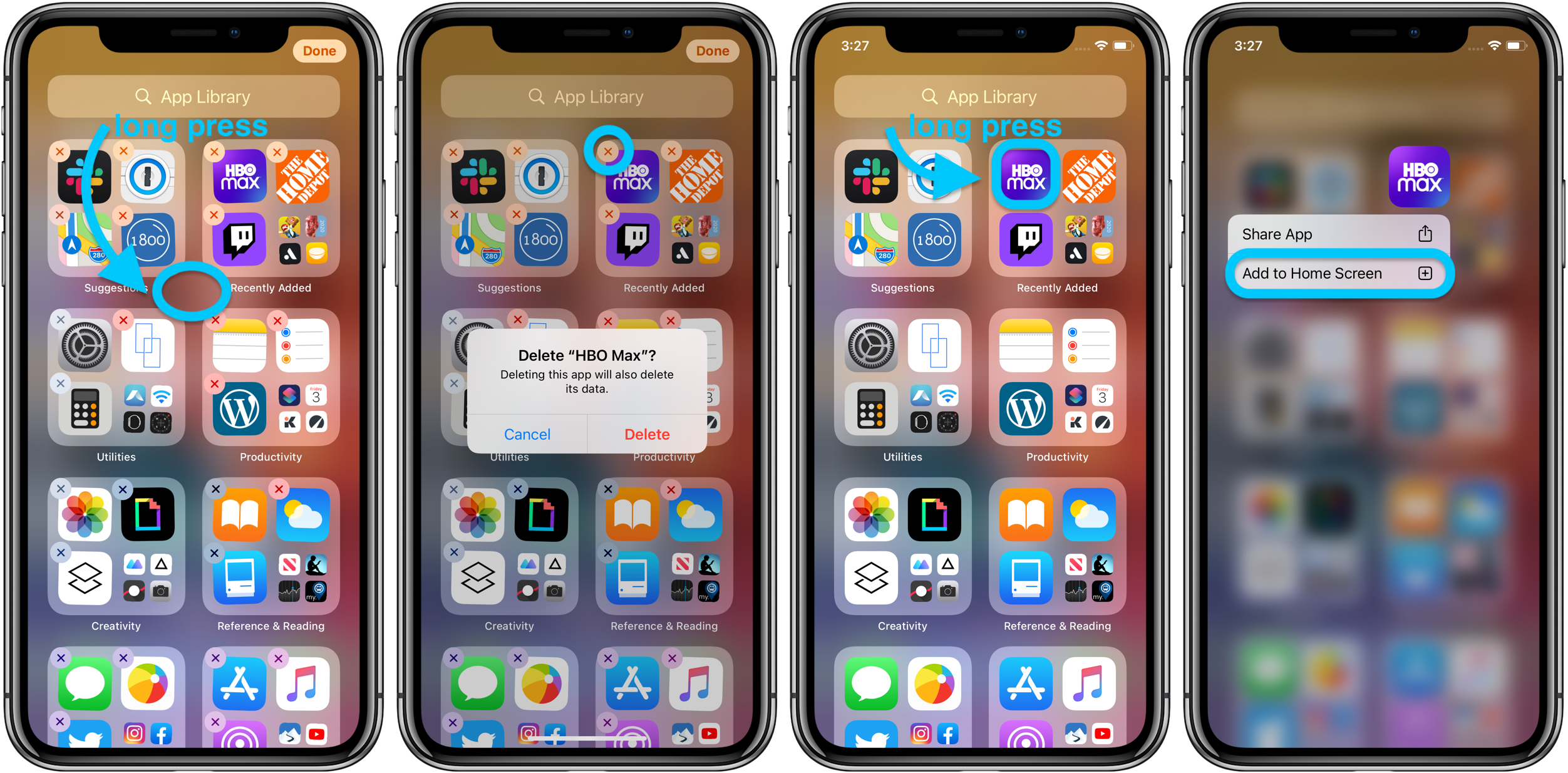
How to use the iPhone App Library in iOS 14 - 9to5Mac

Apple is changing the home screen with iOS 14. Users will be able to remove the applications from the screen or even remove the screens. The apps also stay in the App Library which is one swipe away from the final home screen.

App library groups all the apps in big folders which shows the recently used apps. It even enables the users to search for apps in the search box placed at the top of the screen. The folders are also automatically organized according to Health and Fitness, Social, etc.

2.  Overhauled widget experience

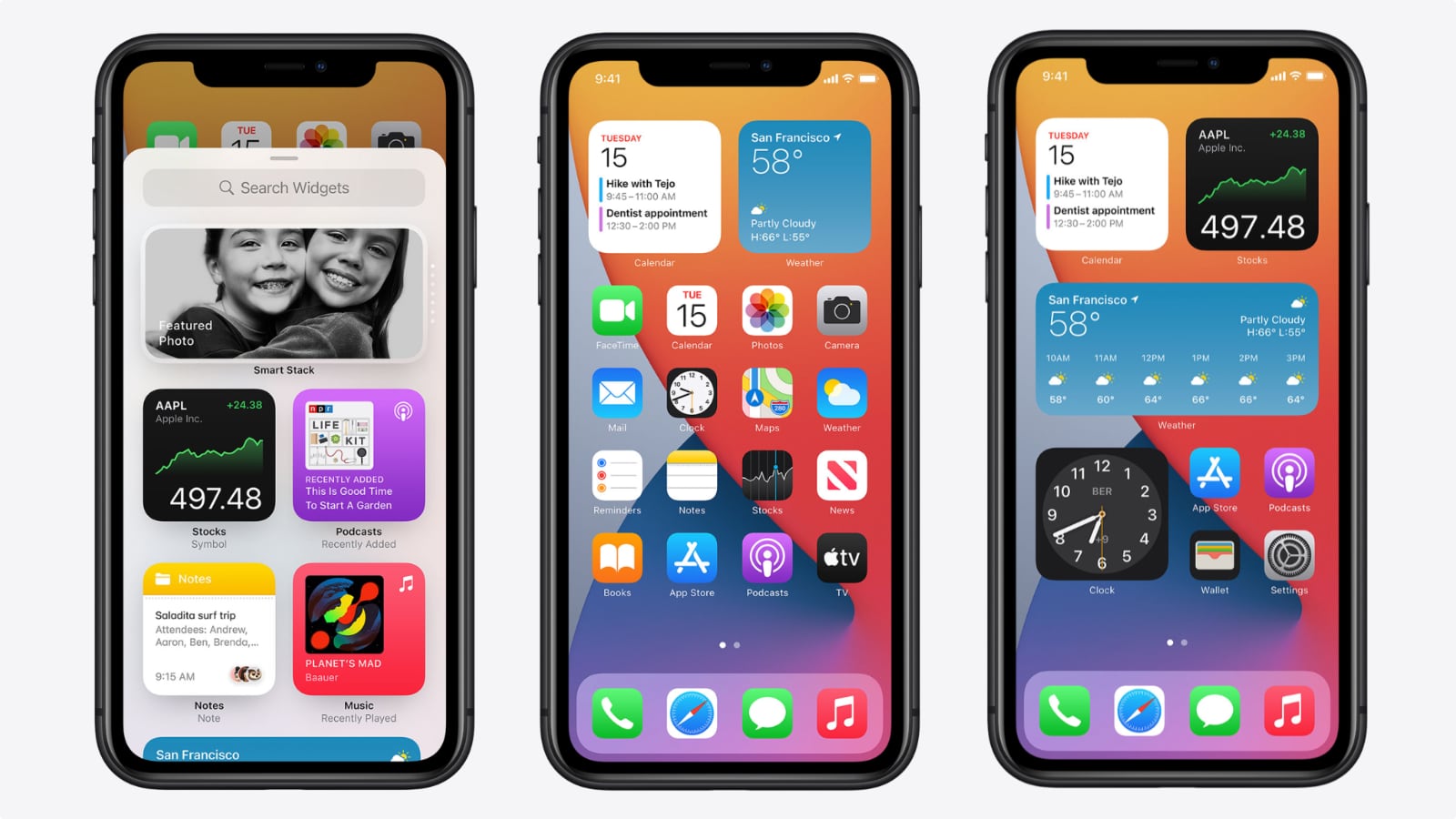
How to Use iOS 14 Widgets | Add Widgets to iPhone Home Screen

Widgets have been an integral part of the iOS ecosystem for a very long time but only at the backdrop as a vertical list of full-width boxes.

With iOS 14 the tech giant is changing the widgets experience. They are now designed to have a bunch of new sizes and with more information. Above all, they can be dragged to the home screen.

3.  Picture-in picture mode

How to use Picture-in-Picture Mode in Android 8.0 Oreo | Digital Trends

PIP mode is finally coming to the iPhone with the iOS 14 version. When making a FaceTime call or watching a video, you can easily swipe back to the home screen while the video or call screen will continue to appear on the screen.

The users can even move the box around the screen or simply swipe it aside to make the tab little.

4.  App clips

Configure and link your app clips | WWDC Notes

Taking inspiration from Google yet again, especially after Tim Cook agreed to relying on Google Search, Apple has launched App Clips with iOS 14. These are micro parts of the applications that enable users to use parts of apps without downloading, installing or signing up to the app to perform the tasks.

iPhone app developers create App Clips ensuring that the experience is under 10 MB. They are also encouraged by Apple to use the Apple Pay and Sign In with Apple facility to prevent users from creating or logging in the application. With the ability of getting triggered through maps, web, messages, QR codes, and NFC tags App clips can help businesses acquire new customers.

5.  Substantial privacy tweaks

The Complete Guide to Facebook Privacy Settings - Techlicious

Apple has always maintained a leg up in the Android vs iOS security faceoff and with iOS 14, the list of privacy features have been expanded.

Users can give the apps details of their approximate location instead of exact location. Additionally, when an application asks for photos, you can select to share specific photos instead of the complete library.

Taking privacy up a notch, iOS 14 update will show a green dot in the status when an application is accessing your camera and an amber dot when an application is accessing your microphone.

6.  Apple Arcade updations

Apple Arcade just got a huge update of new games, including some mobile classics - The Verge

It was only a while back when Apple Arcade was launched as a means to transform the gaming industry. With iOS 14, Apple is showing users games their Game Center friends are playing, accessing the recent games played, and making it easy to find and sort the Arcade games.

7.  Expansive ARKit 4 tools

Explore ARKit 4 - WWDC 2020 - Videos - Apple Developer

Apple is expanding AR tools for every iphone app development company with ARKit 4. Launched with iOS 11, the tools now enable developers to place Location Anchors to make AR objects occupy a place in the real world. Additionally, a device with A12 Bionic chip can perform facial tracking with a front camera even when it’s not a TrueDepth module.

They have also introduced a Depth API for iOS app developers to develop 3D mesh environments on iPad Pro having a LiDAR scanner.

Along with the above mentioned list of features, the process of getting an app ready for iOS 14 calls for an ios app development company to notify the users if the application is collecting a unique device code known as IDFA. The IDFA is a randomly generated code which Apple assigns to every device. The applications then use the codes for tying together the user activity.

Here’s an example of this in works: Through Facebook, a shopping app and weather app might access the identifier. The platform then uses the cross-app data for placing targeted ads for the advertisers in the app.

Facebook warned against the impact that the update would carry on how businesses promote themselves and monetize their advertisements. Facebook added, saying, “Because of advertisers’ reduced ability to accurately target and measure their campaigns, app developers and publishers should expect lower CPMs [i.e., views of their ads] on Audience Network and likely other ad networks on iOS.”

Let us dissect how iOS 14 would affect ad targeting in greater details.

How Will iOS 14 Changes Affect Mobile Marketing & What Can You Do About It?

By giving users the choice to opt-in IDFA, Apple has made it extremely difficult for businesses to make personalized advertisements. The event is even giving brands second thoughts on whether or not to migrate apps to iOS 14.

For the users who don’t opt for tracking, IDFA will return 0s, making the process useless. Ona  default mode, a user will be opted out right when they launch the app. Once they get the notification, they can decide to either opt-in or confirm opt-out on an app to app basis.

Several advertisement types like exclusion targeting, retargeting, segmentation, and lookalike audiences presently depend on the IDFA so this change will carry a deep impact on user acquisition and ad monetization.

Here’s how businesses can get their app ready for iOS 14 to take control of the opt-in IDFA update situation.

1.  Review present IDFA use

It is important for the advertisers to do a complete internal review of the present IDFA usage. There are a few things that you should ask your iOS application development agency to look at:

  • Look into the SDKs which are calling the IDFA, ensuring that you talk to the SDK providers if they have a solution for the IDFA requests.
  • Prepare and plan version release with updated SDKs.

2.  Prepare for consent

Gaining user content should be your next priority task. If the users opt-in, you would be able to return to the pre-iOS 14 stage with a greater competitive advantage of high consent rates. In fact, now would be the best time to get on the activity. You can:

  • Run test on user consent mechanic for existing and new users across apps. By getting on the task before the iOS 14 launch will allow you the space to run multiple design and content iteration of the pop-up.
  • You can do A/B testing on when to trigger the pop-up. The best bet would be to trigger it when the users have finished a specific activity in the app.
  • You can use an internal prompt in place of Apple’s pop-up. When a user says “yes” to the application’s internal prompt, the app can still prompt the users and then deep link them in the settings menu of the device to enable tracking in the app.

3.  Relook your BI stack

Your BI stack should be prepared for both consent and no consent situations. You should look into:

  • Which data sets are linked together for analytics and figure out a way to stitch them together once iOS 14 is released. We suggest our partners focus on the ADID, IDFV, and UserID.
  • While the apps working minus IDFA would be able to place the contextual ads, they will not be able to use personalized ads. Knowing their worth, we would recommend brands to run multiple scenario analysis of Plan Bs and Plan Cs if the ad revenue drops.

Besides these three preparatory steps, you should also consult with your app marketing partner about the updated ways on how to perform user acquisition and revisit the ways that can be adopted to increase the numeric value of the answer to how much money you can earn through an app.

The Biggest Cybersecurity Threats for 2020

The Biggest Cybersecurity Threats for 2020

Cybersecurity has continued to be a major issue throughout 2019 and as organisations begin to rely even more on IT, it remains a serious concern. While most companies are by now aware of how important cybersecurity is, many have yet to implement the necessary measures needed to adequately protect them. In this post, we’ll look at what security threats 2020 is likely to put in their way.

1. Lack of cybersecurity education

The Biggest Cybersecurity Threats for 2020

Perhaps the biggest cyber threat to any business is the lack of knowledge and understanding within a company about cybersecurity. Today, the digital revolution is affecting the working practices of employees throughout companies big and small. With more and more employees using connected technologies as part of their everyday jobs, it is more important than ever to ensure all staff are aware of what cybersecurity risks they face and how they can work in a way that will enhance security.

In 2020, expect to see more organisations putting cybersecurity strategies into place that include ongoing training for staff on the latest technologies and threats and, importantly, letting them know how to work responsibly and respond to incidents.

2. The threat of data breaches

Chris Vickery: AI Will Drive Tomorrow's Data Breaches | Threatpost

The enormous value of personal data to the criminal underworld means that data is a principal target for hackers. As a result, the threat of a data breach will continue to be one of the biggest issues that businesses will face in the coming years. This means companies will need to ensure personal data is secure end to end, from the moment it is sent to them to its safe disposal. The use of SSL certificates, encrypted data storage, logical access, password management and the rapid patching and updating of web applications is vital in this area.

For those who succumb to a data breach, tough fines, reputational damage and even lawsuits await.

3. Skills shortages

The Biggest Cybersecurity Threats for 2020

The complex nature of cybersecurity means that increasing numbers of organisations are employing the services of highly-skilled, security experts. Unfortunately, as these professionals are in short supply, there is a considerable skills gap in many companies just at the time when the need is the greatest.

In response, many companies are now implementing the use of intelligent, automated security tools that use advanced technologies to scan and block attempted intrusions, infections or other forms of attack like DDoS. These services can often be delivered by your service provider.

4. Leaky clouds

Leaky Cloud Buckets: How Enterprises Can Protect Against Data Exposure

The majority of enterprises use the cloud for at least part of their IT solution and it is increasingly becoming popular as the place to store data and run operational processes. However, its popularity has not been kept a secret from cybercriminals and the number of cloud-based threats has continued to rise.

In 2020, companies will need to maintain the security of critical data and make sure they have real-time threat intelligence in place, to minimise the risk of data breaches or critical operations being taken offline.

5. Mobile device risk  

Get off your mobile phone. 5 hours of daily use can lead to obesity and cancer - Lifestyle News

For many employees, the smartphone is now an essential work tool used not only to access the company system but to store important data. This puts organisations at risk from poorly secured connections, mobile malware and device theft. It is critical, therefore, that all mobile devices that can be used to access the organisation’s systems are secured. One solution is to ensure access is carried out via a secure web app.

6. IoT vulnerability

Top 10 IoT vulnerabilities | Network World

Mobiles aren’t the only remote devices that are vulnerable to attack; perhaps even more at risk are the IoT devices which have proliferated in use over the last few years and on which many organisations increasingly rely. They present a plethora of potential vulnerabilities that organisations need to protect themselves from, such as insecure wi-fi connections, hard-coded credentials, unverified firmware and unencrypted data. In addition, a compromised router or network attached storage server gives an attacker access to data and can serve as a platform to launch more attacks. In 2020, organisations which use the IoT will need to look carefully at how to ensure these vulnerabilities are protected against.

7. Rogue states

Rogue state | Military Wiki | Fandom

It is not just cybercriminals that are out to steal data and cause chaos, unfortunately, some governments are at it too – and these rogue states will have more advanced technologies, IT expertise and financial backing than the average hacker.

While cybercriminals are usually financially motivated, state-sponsored attacks can have a number of purposes, such as causing major security breaches to undermine companies, taking critical services offline using a DDoS attack, industrial or political espionage, spreading fake news to influence elections and even taking those who oppose them offline.

State-sponsored cybercrime is the new cold war and while major companies, public utilities, defence and political organisations are particularly at risk, all organisations need to be aware of their risk of attack and how to protect themselves.

8. Intelligent malware

Using artificial intelligence to prevent hacking! — Steemit

The war between cybercriminals and cybersecurity teams isn’t being carried out simply by the human brain anymore. Both camps are now using artificial intelligence (AI) and machine learning as tools in their armoury. Unfortunately, this means that cybercriminals are now able to create extremely sophisticated malware and methods of attack and at a pace that cybersecurity companies are finding challenging to deal with. It may only be a matter of time before one of these stealthy attacks strikes with devastating effect.

Conclusion

In 2020, cybersecurity will continue to challenge organisations big and small. We’ll see persistent risks like data breaches remaining high on everyone’s agenda, while the development of new technologies brings new threats, such as intelligent malware and IoT vulnerabilities. As companies expand their use of IT, we’ll also see a need to protect the cloud and mobile devices while ensuring that there are highly skilled IT experts driving security strategies and educating everyone else how to stay secure.

Redesign Mobile App for Market Domination In 15 Steps

App designs, themes, templates and downloadable graphic elements on Dribbble

App redesign is no joke. If you run a mobile-powered business then you are virtually on life-support while indulging in a UI UX overhaul. And if you do not realize that already, then there is all the more need for someone to point you in the right direction.

We assume you want a word by word, validated guide on an app redesign process and we wish there were simple answers. But a mobile app redesign is like your first proposal, you expect everything to fall in place, but there is always that big IF.

So as we share some of our partner experience (without violating the NDAs) you can expect it to be a little bit of both, fact-of-the-matter dope garnished with the necessary do-it-yourself stuff.

Define Your Approach (Please!)

How to Define Your Target Market in Design Projects

Sequence your design thinking to find the answer to the question “what is a good app design practice?”. A UI/UX redesign is preceded by brainstorming sessions held on rendering structural changes in an app. Whatever your reasons, the re-development process must stay malleable. For this reason alone, we’ll repeat ourselves for the umpteenth time, that Agile development is the way forward. It gives everybody a few extra inches to maneuver ideas and ad-hoc requirements that pleasantly come along. We’ll let the imagery do the talking.

Bring Everyone On-board

Collective decision making will make the process easier. Organizational heads should own up the responsibility to communicate clearly the what, why, and how of everything. You will have to sift through opinionated answers and earnest comments to find common ground between expectations and reality. The process will be tiresome, but will also let you discover the pain points of the app, its backlogs, and key development areas to concentrate on. Answers must address questions like:

  • What are the plus points of your app?
  • Why is it lagging, if at all?
  • Where are the functionalities that need the most damage-repair?

Set Out Tasks

Team Plan and Task Assignments - Annenberg Learner

Setting S.M.A.R.T goals is an inexorable step for apps that need redesign. Be specific in what you want from the new look. Set a measurable aim, the accomplishment of which can be weighed by numbers. This would keep you motivated. Do not exceed the time you commit to each parallel task for developing new functionalities. It’s for such days (and nights) that the vending machine had stalked up extra cans of caffeine.

Recycle Your App Design

Recycle App designs, themes, templates and downloadable graphic elements on Dribbble

Mobile app design best practices run high on the recycling quotient. Just because you are revisioning the design doesn’t mean it has to begin afresh. The current app was developed with considerable thought and effort. The idea is to preserve the features that offer the most value and disregard the outdated ones.

Base Your Decisions on Analytics 

7 steps to make data-based decisions with web analytics | Piwik PRO

High-level stakeholders won’t approve of anything unless they sense a concrete reason. Your arguments for change should be objectively backed and statistically proven. Some of the metrics that should be on your tips are app downloads, screen tracking, page views, event tracking, user sessions, in-app referrals, the list goes on. Read about the tools you can use to track app analytics for mobile apps that need to be redesigned. Embedded analytics will always be crucial for apps whether you redesign them or not.

Read Competitor Like a Book

Reading Competition Law Books | Chillin'Competition

This is where most people begin, mistakenly skipping the aforementioned steps. Now that you’ve come here it should be clear why (if at all) your competition is proving your nemesis. This has to do with a feature vs feature account that tabulates similarities and differences between multiple apps. Create a checklist to track and accord points for each feature. The scoring system will give you a realistic impression of your market standing.

Think Outside the Box

Formula – Think outside the box – 4D Blog

There is no affiliated gospel for mobile UI best practices. That said the mobile app industry is generally amuck with creativity. No harm in xeroxing a feature or two you like in an app from another domain.

Diagnose Problematic Areas

How to Get Diagnosed with ADHD: Good vs. Bad Evaluations

Having infiltrated the ranks of your opponents, you can narrowly point to the areas that require more work than others. The nature of the problems could be anything, from a genuinely bad user experience, non up-to-date onboarding practices evident in customer reviews, to hidden bugs and unnecessary pop ups. As you quest forward to redesign your app, begin leveraging this intel and fast track development by prioritizing job lists.

Act on Priority

Swot Analysis Stock Photo - Download Image Now - iStock

After identifying the most erring details it is time for remedying. One way to do so would be to pen down what’s going for you in a SWOT, Strength, Weakness, Opportunity, and Threat graph. This would enable sequential stacking for development cycles, focusing on the most pressing needs foremost. It is vital you ponder judiciously on this aspect while redesigning apps to avoid painstaking efforts later.

Create Wireframes

Premium Vector | People making web page design for website

Be it your in-house developers or an app design company partnering with you, creating wireframes comes naturally to all developers. Ink the ideas built up in your mind with hand sketches and share with all project collaborators.

Make no mistake, you are sharing the foundation of your renewed app architecture and encouraging improvements. Ideation must be clinical in nature and put the spotlight on newly adopted characteristics while preserving the best ones from the previous version.

Be Open to (Further) Change

Unlock 5.0 Guidelines: Here's how life in India changes from today under Unlock 5.0 - The Economic Times

There has been a barrage of introductions to the wireframe already, but wait there can be more. Re-engineering a product will have its ups and downs and to be honest, it is your call to decide how much is enough. Mature leaders are thick-skinned which helps them accommodate productive advice from peers.

But be careful, don’t let inaccurate feedback get the better of you emotionally. Whenever in doubt, roll the dice back to the storyboard and self-introspect if the steps being proposed will lead to positive change. If not, put your foot down and move over.

Test Aggressively  

FDA Approves Smartphone-based mHealth Platform For Urinalysis Tests

At Anteelo, it is our staple schedule to act as an app design agency for one client or the other. Rushing into releasing a spanking new version of the app proves self-destructive. As soon as an MVP is ready we open it to a closed group for user feedback. We do not follow randomization and neither encourage it. Rather, the users are handpicked as per the target audience of the app. As soon as they provide a nod of approval we move forward.

Remarket Your App

Google Ads Remarketing Best Practices

Taking a new version of your app to the market is like the launch of a new one. It is all about storytelling and giving users an excuse to look forward to rather than just updating their current versions without advance notice. What if some people liked the previous design? Apple could give any brand food for thought on reinventing the wheel. With minimal feature edits, each year, they throw a keynote event that is the most anticipated globally. No, we’re not asking you to break the bank for a national campaign, but have a look at this promo of iPhone SE. You’ll get the point.

Gather Feedback 

4 Methods for Collecting Customer Feedback | SEJ

If you’ve outsourced the redesigning project for your app, demand that the mobile app design company submit user feedback reports on the new version regularly. Why should you care for user feedback?

Because these very people fuse capital into your business and if they don’t take a liking to the so-called “improvements” you’ll face customer churn. But don’t jump to conclusions. Supervise your app downloads, page traffic, sentiment analysis, app store comments to tap the immediate customer pulse. Sooner or later, they’ll come to terms with the design, so our experience says as a mobile design agency.

There is no PERFECT Design 

We don’t intend to sound like a monk, but yes, everything is transient. As time fades, you’d have to repeat this cyclical process all over and do your thing. Never rest on your laurels, even if you receive critical acclaim for your work. We never let success get to our head despite having been acknowledged globally for innovation as a mobile app design agency. You can learn more about us as an app design firm reading over our collaboration with Domino’s. We revamped their UX strategy which led to a 23% increase in lead conversions.

Let’s Catch Up 

Ever since our inception as a mobile application design company, we have delivered industry-standard value for our clientele. Our technology stack is the latest you’ll find and for any deals on redesigning your UI/UX, we’d be happy to demonstrate what we can do for you.

Insurance+technology Sector’s Mobile Development App Guide

Why Collaboration Is The Future Of InsurTech - The One Brief
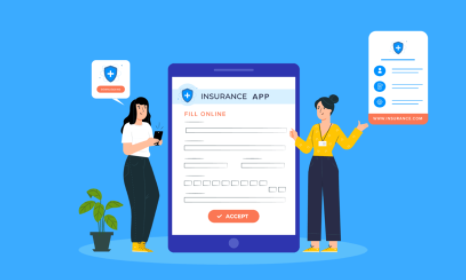
The insurance industry is known to maintain multiple touchpoints with its clientele. Thanks to business models that safeguard people from unexpected circumstances, they are detail-oriented and require heavy paperwork at most stages of customer enrollment.But the rapid, and recent, technological advancement has seen the finance sector introduce fleets of new digital solutions that place them right at the fingertips of people.

As a result of this wave of digital transformation, pre-existing companies and startups in the insurance market, are exploring the prospect of mobile applications. Lest we forget to stress, aggressively. The new insurance applications, if we can call them that, would need a touch of finesse considering the diversified nature of operations. So what should software developers concentrate on when it comes to Insurtech apps.

It is to answer this throbbing question that we have this mini mobile application guide ready for you to take your first steps towards creating innovation in your insurance business.

Why Does An Insurance Company Need a Mobile App? 

Insurance, by tradition, has been powered by middlemen. Although taking them entirely out of the picture may not be plausible, mitigating their involvement will grow profit margins, naturally.

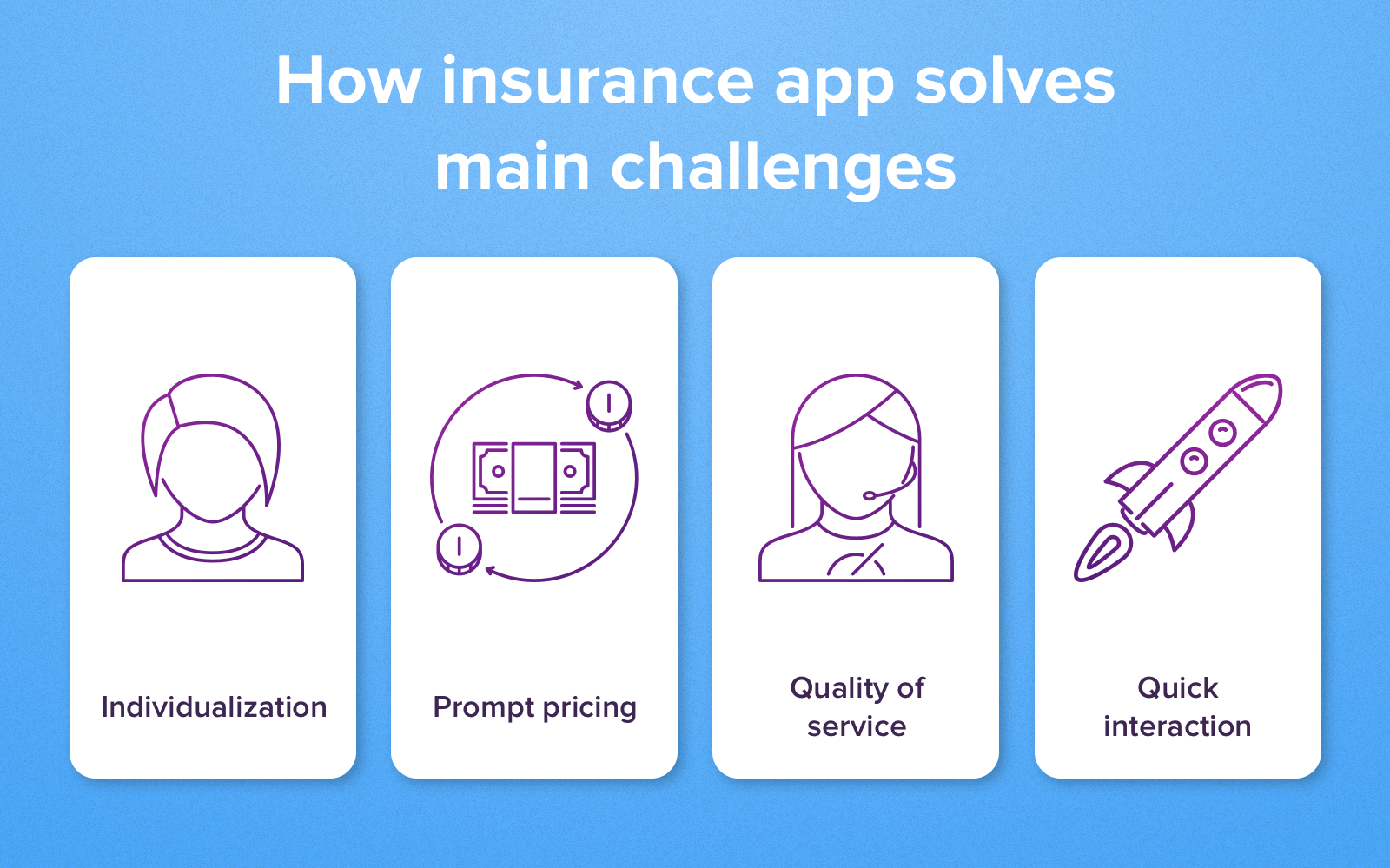
Mobile apps allow real-time B2C interaction, without intermediaries. The positivity also flows down to the customer experience, which can never be exaggerated. And insurtech would be too smart for its own good, not to explore this option.

There are three main components that play a vital role in formulating the proverbial pyramid of an insurance company. The pyramid. which had played a major role in helping Wefox raise $110M in 2019.

This includes first the insurer that incorporates and markets financial products. Second, are the third-party entities that provide the services covered by the insurer. And the third is the end-user, the customer who has opted in to be insured.

Mobile insurance solutions offer the following advantages to insurance companies at the top of the pyramid:

Establish Customer Contact 

Buyers are more conscious of spending than before. As per stats, 85% of the customers conduct online research before placing their purchase order. Insurance mobile apps make a fine impression in convincing people of instant support in dire need. A study discovered that up to 63% of its sample population was inclined to communicate with a chatbot. Therefore we have reason to believe registered policy-holders will favor to download and track policies over mobile. Building on this, they can draw a comparison between multiple products and shortlist the ones with better benefits.

Increase User Reach

Provide good customer service and turn clients into business affiliates. Referral programs can get you more buyers to loop in provided your mobile insurance solutions are state of the art. There are dual benefits to this. First, optimizing customer recruitment cycles would free up time for insurance agents to target bigger, better clients. And second, you can advertise your mobile insurance platform in related apps to target more customers with semantics marketing.

Study Customer Data 

Insurance App Development: Use Its Advantages To The Fullest

The insurance industry can tap into mobile analytics which they can analyse to an extent like never before. Insurance applications can easily gather the following types of structured data:

Identity Data – This includes name, D.O.B, physical address, telephone information, email Id, and or links to social media profiles such as Facebook, Twitter, LinkedIn, etc.

Quantitative Data – This is transactional data such as bank account details, credit score, frequency of payments, etc.

Descriptive Data – Insurers may need their customers to disclose property details, car ownerships. professional standing, educational background, along with the family tree.

Qualitative data – This includes subjective/behavioral details such as favorite color, hobbies, etc.

Collecting such vivid information, companies operating in the insurance market can subsequently filter the best-fit prospects for upselling.

Facilitate Convenient Services 

One of the most common KRAs of those in the finance-frontline is client visits. This could be either for background checks or personal form submission or a routine update of information. Be that as it may, the current COVID-19 crisis does not permit face-to-face screenings. Moreover, the coronavirus onset has led to a rise in demand for insurance applications. As per a study by Lincoln Financial Group, digital alternatives increase the likelihood of people opting in for life insurance. Make hay while the sun shines.

Universal Features for Insurance Apps

Insurance App Development: Use Its Advantages To The Fullest

Anteelo, as one of the renowned financial app development company, has appreciable experience in creating cutting edge on-demand digital products. Coupling experience with client feedback, we recommend against loading an app with features just to make it look fab. There has to be synergy between the color palettes, smart use of white spaces, typographic fonts, and strategic positioning of icons and images. Only then does an app have a life of its own. After taking care of such design elements we can refocus our aim towards integrating the right feature sets.

To give you an overview of the Fintech sector that is attracting investors’ attention,  there are four categories of apps that can be developed in the insurtech domain:

  • Life Insurance
  • Car Insurance
  • Travel Insurance
  • Health Insurance

Apps must have a strong backend. They should be able to withstand peak rises in traffic, or if the company decides to implement a new software system without many amendments to the architecture.

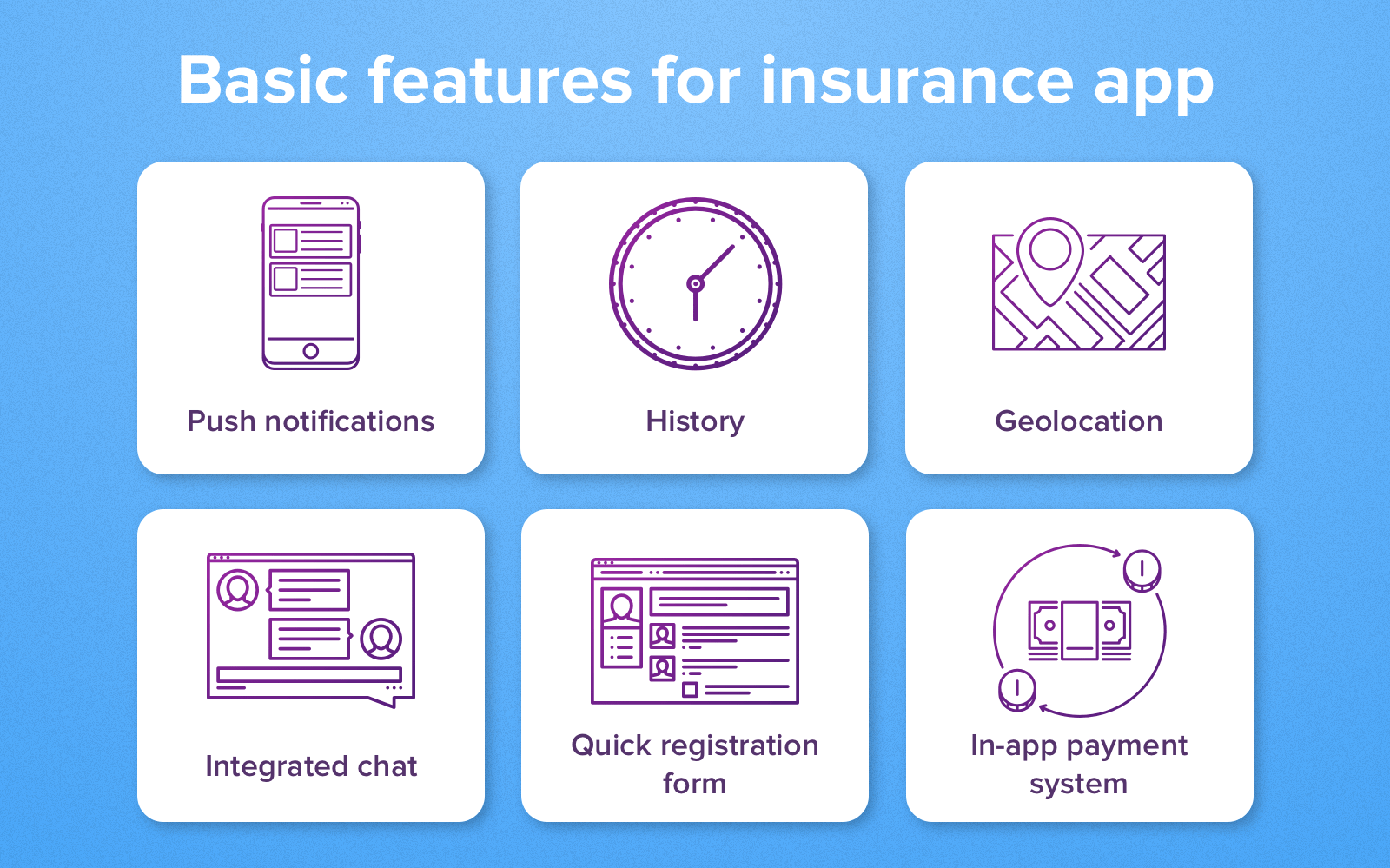
Based on our experience, we will first list the mutual features that can be found in all of the above categories. These features formulate the kernel of a general application guide for Fintech app ideas. Barring few niche specifications, the following features remain steady and ever-present especially during a fintech app development of any kind:

1.  Admin Panel

This is the introductory page where the basic information about the insured person is displayed. Make sure it is lean, clean along with clear call to action buttons. Take the Geico insurance app for instance. It’s a car insurance app and hence the profile page displays information related to vehicle IDs, roadside assistance, payment buttons and an option to switch policies. Pretty simplistic.

2.  Policy Details 

This page displays the details of the policy, the manner, and the extent of your benefits. Continuing the same example, since Geico is an auto insurance app, it displays information about several policies that a single user could be enrolled into such as one for the car, the other for a bike, and so on.

3.  Quote & Filters

A very useful feature particularly in finance app development. In the previous section, we listed the kind of data that an insurer could collect through a mobile app. The Quote tab offers a feature where the app can fetch your data from its records and either connect you to an insurance agent or directly state the price of a policy. Assuming the company has the resources to work with Big Data, it can pitch discounted prices or more benefits to customers based on their frequency of asking/exploring new policies.

4.  File a Claim

Integrating a claims-filing section remains the most prioritized stage of financial application development. The run-around days to lodge claims are a thing of the past. Submitting proofs should be as simple as clicking a picture, be it from the scanner of the app or the camera of the phone. If the entire process can be concluded on a single page, all the better.

5.  Payment Gateway

No points for guessing, integration of payment gateway is super necessary for any form of finance mobile app development. The gateway should accept payments from all major network providers such as Visa, Master Card, etc. In addition to that automated billing for EMIs or a single click payment process should be integrated.

6.  Customer Support 

Chatbots are not extraordinary anymore. Automated responses act as a quick-fix for run of the mill questions. But what about accidental circumstances. You can’t expect a user who’s stranded with a broken vehicle to rely on pre-feeded answers. As a result, integrate a Request a Call Back or Connect with a Representative option. Such in-app call functionality will serve to make the app what it actually is, a disaster averting, quick response machinery.

7.  Push Notifications

Businesses, in general, don’t miss opportunities to enter a new market segment, let alone insurance companies. The latter might even tweak its business models, should the need present itself. Whereas seasonal offers are heard of, the idea of a flash sale was experimented with by Liberty Insurance in the not quite distant past. You need an excuse for giveaways and so do the customers for buying your products. Therefore, send regular push notifications informing people of their outstanding sum and any upcoming policies they can swap their current ones with.

8.  Document Upload/Storage

How would the customer upload their documents, let alone a photo, if the Fintech application development did not incorporate it? Not only must the mobile app allow document upload from local file directories but also import, if need be, from third party servers as in the case of emails.

*Images Source

Based on this grind, we can say that the above features are commonly found in most Fintech apps, if not all. But what about domain-specific areas. Of course, the features would differ as would the architecture. But at a B2C level, we can broadly state in-app features for a few domains, as we’ve done below.

Where Does Your Business Go From Here?

To the stratosphere if you shake hands with one of the most promising Fintech app development companies. We don’t like self-glorification. It would suit you more to go through our comprehensive product suit and decide for yourself. But just so we know we did our bit, if there is anything under the sun in Fintech/insurtech, that you’re interested in, we’d be happy to burn our night lamp for you.

Lower Frontend Maintenance Cost Of The Mobile App

Front-End Development & User Experience | WebeMax

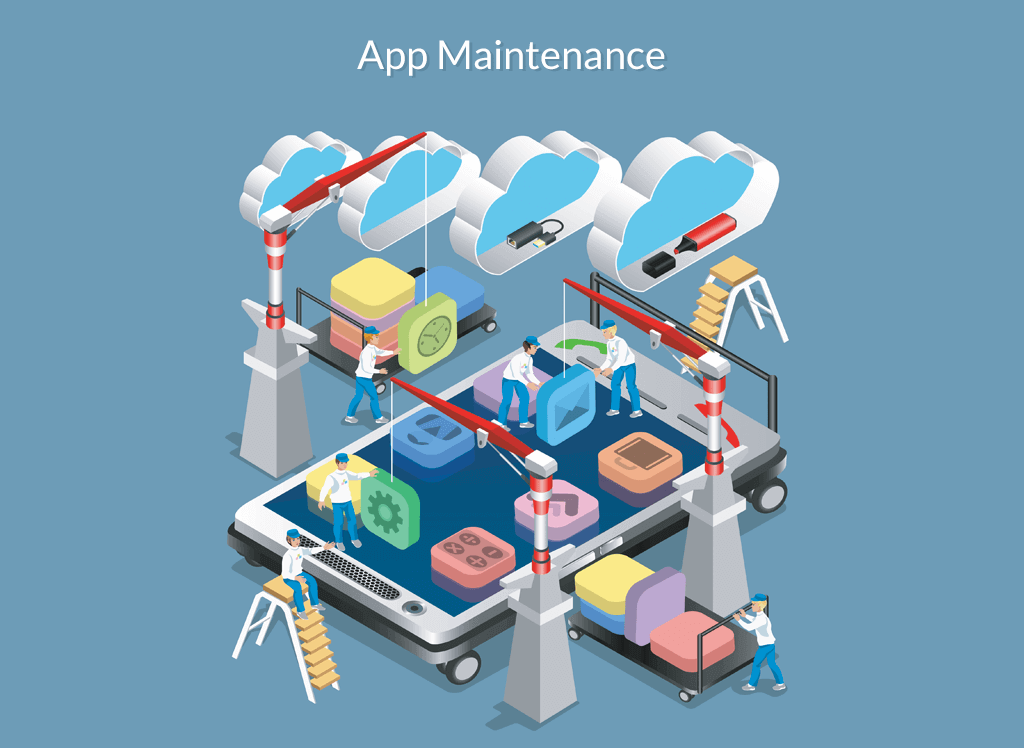
There are two types of software projects that come to any app development agency. One which is brand new and has to be developed from scratch and another is one which already exists in the market and has to be updated. In both cases, the benefits of mobile app maintenance are manifold.

While in the case of the former, you will have to spend little time in the whole update and maintenance process, the latter would require your frontend and back end team to come together and understand the product to its entirety before moving on to its updation. Either way, maintenance is a part of the overall mobile app development cost estimate.

In this article, we are going to look into the factors that make mobile app frontend maintenance cost expensive, how can the cost be lowered and ultimately move on to the steps of lowering of maintenance cost in case of Node.js, Angular, and React.js projects.

Table of Content

  1. Why is App Maintenance Process Important?
  2. What Makes App Frontend Maintenance Cost Expensive?
  3. How Can Developers Lower App Maintenance Cost in Angular, ReactJS, and Node.js?
  4. How can Project Managers Lower App Frontend Maintenance Cost?

Why is App Maintenance Process Important? 

Mobile App Maintenance: A Critical Element In Any App's Success

Improper mobile app maintenance plan leads to challenges in flexibility and stability, which sooner or later translates into application failure. When the code lacks quality or when developers use outdated tools, the app performance suffers and the users experience more app crashes and bugs. Moreover, it hampers app’s scalability capability and the overall next phases of app development.

In business terms, this means more technology and resources inclusion, greater cost, and delayed launch time.

Efficient maintenance, on the other hand, makes apps flexible and stable, enabling you to create new functionalities and improving the present ones. And thus, knowing when to update your app is extremely important.

What Makes App Frontend Maintenance Cost Expensive?

Besides the obvious – multiple types of frontend app maintenance, lesser app tests and absence of continuous maintenance, there are some other prevalent reasons that bring the cost of frontend maintenance up.

A. Non-Structured JavaScript 

JavaScript Essentials: Types & Data Structures | by CodeDraken | codeburst

There are many ways of structuring a JavaScript project, keeping it consistent is the most important part of Android app maintenance. A well defined structure enables developers to understand what is going on in the project at the first glance without making them search a particular file for hours on end. Even when the product is based on famous libraries like Vue or React, it has the probability of becoming chaotic as it grows.

In preparation of lowering the frontend maintenance cost, you should consider defining the style guide for project structure to use as a reference for the development team.

B.  Poor Code Quality

Premium Vector | Technology information programming system code

The quality of your code is very essential for defining your project’s success, even when keep aside the fact that it is a part of the list of OWASP Mobile Top 10 Risks. While things like identical file structure, consistent incidents, and semicolons are insignificant for a non-technical person, they hold great value when it comes to defining the project’s success.

This, in turn, tends to increase the app frontend maintenance cost in the future.

C. Back-Dated Third Party Packages

Programmers Team Code The Website From The Command Line Flat Vector Illustration, Digital, Illustration, Young PNG and Vector with Transparent Background for Fr… in 2021 | Website template design, App background, Data design

There is a high probability that your product uses open source libraries and third party packages. Since these external resources are updated rapidly, it is important that you too update their versions in your app in order to remove project dependencies’ problems because of vulnerabilities and issues. The new versions contain performance improvements, bug fixes, security enhancements, etc which ensures that the app is working up to its fullest potential.

D.  Non Automated Build Process and Deployment

The Eight Phases of a DevOps Pipeline | by JakobTheDev | Taptu | Medium

Build and deployment are the last stages before the app gets live. When they are not developed in an error proof manner, it might get expensive to kill the bug later. The absence of automated build and deployment pipeline slows down development to a great extent, while lowering the team efficiency. You should go with the implementation of a continuous integration which includes running automated tests for all the new commits. Doing this, enables you to identify bugs and solve them in real-time.

E.  Absence of Readme

Readme is one the most important files of a project. It makes the project requirement, its usage, and the development, deployment process clear. If you fail to keep it updated, your development team might end up spending multiple hours in solving issues that have been solved earlier.

How Can Developers Lower App Maintenance Cost in Angular, ReactJS, and Node.js?

  • Use the latest versions

Why You Should Always Use the Latest Version of WordPress | FastComet

All the three frameworks keep introducing new versions from time to time. Ensuring that you are using the most recent ones gives you a number of benefits – increased app efficiency, long term support from the parent team, access to all the latest functionalities and features – some of the key reasons for maintaining the frontend of an app.

  • Ask for clear documentation

Document Writing, Step by Step (with Templates) - Focus

Very few projects lasts with the same developers working on it till the end. Documentation plays a significant role here in the application development services for mobile as the developer who is new to the project has a clear understanding of the project and the work status, pipeline tasks are clear to them.

  • Ensure compatibility with third-party modules

10 best practices for implementing the Drupal coding standards | Anubavam

Making a list of third-party modules which are compatible with the chosen frontend framework can be a great start.You will have to proactively ensure that there is a plan B for the future where the modules will get a major update and it fails to be compatible with your chosen frontend.

  • Test before implementing new features

Bendigo Bank testing chart support after rating downgrade | CMC Markets

If you have to implement or rewrite some functionalities, first ensure that the app’s behaviour is tested in advance. For instance, if you have to rewrite a logic in your app, it’ll be easier to implement the changes when you are sure that the present functionality has been tested. This way, in case something stops working, you will know it instantly.

  • Use microservices

Introduction to Microservices - Comunytek

If the issue lies in the monolithic structure, you must extract microservices out of the app so that it can work separately. Every mini-app should serve its purpose right. It will, in turn, streamline scalability for you will be able to move the services around different machines and dev teams – a microservice benefit that is not possible in monolithic.

  • Improve the code quality

What Is Code Quality? How to Measure & Improve Code Quality | Perforce

If the app works fine but the code quality seems inconsistent or low, you must start with introducing conventions. Start by clearing the file structure by dividing it into logical units. It will be good to implement the static code analysis tools and use type systems. There are other things that you should follow to ensure a sound code quality:

  • A properly configured Continuous Integration and Continuous Deployment
  • Addition of linters in pipeline for ensuring poor/inconsistent codes are not put in production.
  • Code refactoring should be a must-have development process.

How can Project Managers Lower App Frontend Maintenance Cost?

As a non-technical project manager, you can majorly take only one step to avoid high maintenance cost in frontend – Hire an experienced frontend team which has the skillset to give you the desired quality and understand the importance of not delaying tests just for meeting deadlines. Even if you don’t have the necessary monetary resources to employ an entire team of frontend developers, you will have to at least employ one skilled resource for the task.

The other strategy to reduce frontend maintenance cost, while not so common, is building single page application.

14 Plus(s) of Django Framework

Opting for an appropriate web development framework is quite a hefty task. There are a lot of frameworks present in the market designed specifically according to the needs of the project. Every developer looks for three things while choosing a framework which is: the language used, tools present in the framework and the reputation that it has in the market. Django passes all the parameters with flying colors as it is the best in the class. For many businesses and organizations, Django is an easy choice. Django boasts the label of one of the most popular web-development tools today.

Django is a free, python-based, open-source web development framework that facilitates clean and rational designing of websites driven by databases. It reduces a lot of hassles that a developer has to face during the development of a website. It is used to develop minimal yet smart web applications. Simultaneously, Django enables developers to create web applications as required by fluctuating business prerequisites. Since it is developed by professional developers, it takes care of all the hassle involved in web development so that you can focus on making the application rather than digging the basics.

Pros of Using Django Framework for Web Development

Benefits and Features of Using Django Web Development

Here are a few reasons why Django is the first choice when it comes to web development.

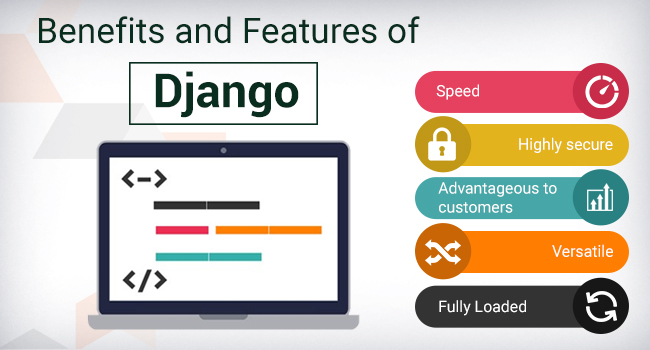
1. Backward compatible

Django offers the provision of working with its older versions and makes use of its older formats and features. Additionally, it has a comprehensible guide that walks you through all the information that you might need to know about the changes and trends of the Django framework, especially when the new changes become incompatible with the former ones.

2. Community Support

Django enjoys the support of a huge and very professional community of developers who have inside out knowledge of Django and are always ready to help. Having a large community has benefits of its own. It makes finding answers to problems much easier as there’s a great probability that the problem faced by you now has occurred to someone else too and now probably has an answer to it on one or the other forums. The community is very quick in answering the issues and fixing the bugs of fellow developers.

3. DevOps Compatible

DevOps is the blend of cultural philosophies, tools, and practices that increases an organization’s ability to deliver services and applications at high speed: evolving and upgrading products at a faster rate than organizations using conventional software development and infrastructure management processes.  Incorporating DevOps in Django is great as it fixes issues faster with enhanced operational support. It uses continuous delivery methodology to increase the efficiency of the system.

4. DRY and KISS compliant

Django religiously follows the ‘KISS’ principle which is “Keep It Short and Simple”.  In Django, it simply means that the code must be brief, easily understandable, and methods should not exceed more than 50-60 lines.  Similarly, ’DRY’ stands for “Don’t Repeat Yourself”, which means that the software patterns that occur quite often can be replaced with abstractions. In this manner, issues related to the code as well as repetition can be avoided. Additionally, reusing the code simplifies the development process thereby decreasing the overall production time.

5. Infrastructure

Django is independent and a complete set in itself. It means that it does not require any other external solution. It is everything, from an ORM to a web server. This enables it to use various databases and switch them accordingly.

6. REST framework

REST stands for Representational State Transfer framework which is a renowned toolkit for creating web APIs. This is an added benefit with Django as it is powerful enough to build a full-fledged API in just two or three lines of code. An additional benefit to it is that REST is immensely flexible. Therefore, data is not bound to any protocol and can return various data formats and manage several types of calls.

7. Secure & up-to-date

Django is constantly kept up to an elevated standard, following the most recent patterns in site development and security. That certainly addresses the inquiry “Is Django useful for web development?” — As security is a ‘number one’ in any to-do list. Django is customarily updated with security fixes, and regardless of whether you’re utilizing an older rendition of the system, its security is as intact as the new one. It’s no big surprise as Django has an LTS (Long-term Support) variant.

8. Simple

Django’s documentation is excellent. It was introduced with excellent documentation, and they are as yet kept intact in the same way, which makes it simple to utilize. Also, one of Django’s principal reasons for existing is to disentangle the development procedure: it covers the fundamentals, so you can concentrate on the details of your project.

9. Suits any kind of project

Unlike C# or Java, Django is no business solution. Still, it is appropriate for all kinds of projects regardless of their size.  A Django application can be a social media application with enormous traffic and heavy volumes of data or it could be a simple web application for handling logbooks. It can build anything as it has everything required to build every type of application. Additionally, Django is cross-platform also compatible with the majority of databases making it highly versatile.

10. Time effective

Django is ridiculously fast. It was built to slide the applications from imagination to reality in a blink. Django applications are both economical and efficient. Thus it is the right choice for developers who have major stakes placed on the due dates.

11. Time tested 

Django has been in the picture for years and in that tenure, it has emerged as the choice of a lot of businesses for their web applications. This confirms the fact that Django has already made an impression in the market and is here to stay for long. A few examples of applications built on Django are Disqus, Spotify, Instagram, and NASA.

12. Useful additional features

Django comes with everything inbuilt. It has all the features which are required to build a web application from scratch. There’s no need to spend hours on forming a frame since everything is already present in the framework.  It also has tools packages to help in going hands-on with pioneering technologies such as Artificial Intelligence, Data Analysis, and Machine Learning.

13. Versatile

Django is the master of all trades. It is capable of doing everything, from content management to managing scientific computing platforms; everything falls under the umbrella of Django.

14. Works on Python

As mentioned earlier, Django is a web framework which is written in Python. As a result, it brings with itself the simplicity of utilizing the syntax structure of Python and enables developers to build meaningful and viable web applications effortlessly. In this way, developers can easily reduce the development time required for building these web applications.

Summary

To summarize, Django aids developers to compose custom web applications in Python by offering several features, modules, and features. Contemporarily, Django is being rehearsed by various high-traffic websites like Google, YouTube, Pinterest, Spotify, and Instagram. However, Django, like other web systems, has its very own pros and cons. Therefore, the developers must recollect the precise requirements of each venture while evaluating the advantages and disadvantages of Django to choose the best Python framework.

Startup or Mobile App Idea In Pandemic- Is It The Right Time?

Men Wear Face Mask Illustration, Sick Clipart, Coronavirus, Mask PNG and Vector with Transparent Background for Free Download
These are really desperate times if nothing more. The COVID-19 pandemic was as unanticipated for the world as a bolt of lightning striking the earth. Since most of the influential countries are on complete lockdown while others are preparing for the possibility of the worst, its domino effect is putting the world economy in absolute shambles and welcoming the recession which was already due. Amid all this chaos and unforeseen, lies the future of many existing startup businesses paranoid to the core they might not see the sun of the booming economy.The conundrum that most entrepreneurs must be in right now has to be – whether this precarious Coronavirus winter is the best time to start a business or similarly, invest in developing a idea for a mobile app.

Multiple sources may state the obvious speculation that the economy is on a downfall leading to a mass loss on a global level; nevertheless, there is always a silver lining for some and we are going to bring it to you.

So, without any further ado, let’s embark on the road to the startup advantages of startup app development or starting a startup ideas during pandemic.

Why should entrepreneurs build a mobile app or go ahead with their post pandemic startup ideas?

1.   You may just be the only fish in the pond

How to Draw a Fish Bowl | Fish bowl, Draw, Bowl

The ambivalence of the current situations has believed to scare-off the wantrepreneurs from the market. They only initiate when the situations are in favor of the possibility of earning money readily. This gives enough space to the entrepreneurs like you who are ahead of the curve and believe in running opposite from the crowd (pun intended).

Like Salmon fish, it is the ones who swim the opposing current towards upstream, jump waterfalls and do not stray from their goal irrespective of exogenous conditions, that would come out stronger once the pandemic is over and the economy starts to become stable.

2.  An MVP now can make your business stable for future

A true entrepreneur knows that the best income source for any startup is the pocket of customers and not capital ventures. Since Sequoia Venture Capital has announced COVID-19 to be the ‘Black Swan’ of 2020, companies who were expecting to fundraise are in a pickle now. This is one of the obstacles or rather effects of recession on startups and markets in general.

Ipso facto, it is not ideal for startups to be utterly dependent on these fundings in a recessionary economy. This is what answers the question of “why do we need MVP” . Developing an MVP at this point is your best bet to generate revenue and ensure self-sustainability.

{To know how do you develop an MVP, refer to this extensive article}

Since an MVP is not an over-engineered solution, it takes less development time on top of the cost of development that’s easy on the pocket.

3.  If these apps are bagging big, so can you

Let’s look at some niches and their applications that are the most in-demand right now and are truly capturing the business opportunities during recession as they come.

Entertainment and Streaming apps

New Streaming Services Could Shake Up Our Entertainment Options | Wisconsin Public Radio

Recent events have limelight that people are now more willing to spend on streaming subscriptions. Since the world is on lockdown, people are reaching out to these entertainment mobile applications to pass the time.

Although, things might not be as smooth for Netflix on the production front, according to Yahoo reports, applications like Netflix in this niche are really profiting since the app downloads and subscriptions are on the peak. Meanwhile, people are spending more average hours of streaming.

Not that more hours spent, in any way, will benefit the company anymore; it is something startups like you can benefit from if you plan to develop an app like Netflix.

This popularity has not left entertainment apps like Tiktok from the picture. You can see many celebrities using the application for various purposes be it for educating people and spreading awareness or the subtle joy of doing everything and nothing on the app. If you unleash an MVP of the app like these in the market now, you’ll be one step ahead of the competitors.

Video conferencing apps 

The 12 Best Video Conferencing Apps for Remote Meetings - Blog - Shift

Since most of the organizations have implemented work from home, the app stores have seen a huge surge in the downloads of video conferencing apps like Zoom. It is currently number one free application in the App Store

Mental Health and meditation apps

World Mental Health Day 2020: 5 best meditation apps you can try | Technology News,The Indian Express

According to Adweek, Breethe a meditation app has secured 41st spots in the health and fitness category ranking by skipping 31 spots over the last week itself and BetterMe, another meditation app, jumped 70 spots up to 26th position.

Moreover, the Ginger app and other mental health platforms that are offered by employers to their employees have witnessed a surge in usage since employees have turned to online tools to manage their anxiety. Moreover, in stressful times like this, people are reaching towards such mental health and meditation applications to maintain their calm.

Food delivery app segment

Food & Delivery Apps Market Research 2019

Due to the on-going social distancing and lockdown, people have turned towards the food delivery applications. In fact, on comparing the average daily downloads from February to March 15, it was noted that apps like Instacart, Walmart Grocery, and Shipt have witnessed their daily downloads surge by 218%, 160%, and 124%, respectively. This surge might be owed to the “contactless delivery” initiative which was first implemented in China.

There are many pandemic proof business ideas like these that are taking the most advantage.

4.  Can get a hold of brimming talent for less value

How to Build a Minimum Viable Product: 6 Stages of Building MVP - Clockwise Software

This is one of the many positive effects of recession on start-ups. Once the lockdown situation has passed and recession finally hits the world economy, the high unemployment rate will prevail – something you can, fortunately, benefit from as a startup.

Instead of professionals, you can hire fresh talent with a lot of potential to offer. As dismal as it is, in recessionary times, people are more willing to do the work for below-market salaries in return for benefits and equity-based recompense.

Moreover, a market headed towards the downfall also produces many refugees from big companies. They can really help startups with their expertise and experience.

5.  Chance to mold value proposition as per market demand

Define your Employee Value Proposition (EVP) and use it to attract candidates? | by Kristina Martic | HR Blog & Resources | Medium

Unlike established organizations, you can easily modify your startup’s value proposition to make it more suited to the market slowdown and minimize any adverse impact of recession on business. After all, ‘a bend in the road is not an end of the road as long as you take the turn’.

To make this scenario clearer, let’s say the product you developed enhances productivity. Then, when the times are good you can market it as a ‘revenue generator’ whereas, in situations like these when the market is down, it can be portrayed as a ‘cost-saver’ – something which is more promising.

For instance, meditation applications were used by people to get away from work stress and get a little detached from it; however, now it’s working as a great tool to increase mindfulness and productivity.

6.  More time to measure your steps

10 Best Step Counter Apps of 2021 - Best Pedometers for Android and iPhone

The saying “if you fail to plan, you are planning to fail” is apt when it comes to initiating any mobile app startup ideas.

Because of the slow pace of the market economy, you have an upper hand to plan out everything related to your startup and the mobile app you are planning to develop. This would not only give you a chance to point out any mistakes or scope of improvement, but also innovate ways for cost-cutting, something which you cannot afford to do in the time of economic frenzy.

7.  You can get resources in cheap

3 Local Small Business Resources You Should Use | PaySimple

This is certainly not a brainer that the prices of resources will significantly drop in the coming recession. So, you can easily hire experienced and fresher personnel. Moreover, everything you need to fuel your business startup will cost you less in times like these.

As an entrepreneur, the two most valuable resources are time and money. During the down market, companies are made to negotiate below the list prices and in fact, even barter for in-kind services. Such situations enable you to make deals reducing the costs and conserve the cash.

8.  Endure now for prosperous future

Scriptures to Consider in Preparing for the Future - Resources - Eternal Perspective Ministries

If you wait for the tides to mellow down, you may not reach the heights of success you can reach by riding these perilous tides. The point is – do not remain on the sidelines and wait for the uncertainties to perish. Business is all about taking the risk. The bigger the risk, the bigger the success.

If you can manage to survive this COVID-19 and recession winter, you will definitely emerge as a successful startup as opposed to those businesses starting at an economic turnaround.

Apart from these genuine and incredible advantages of starting a startup or developing an app during COVID-19 and recession, there are other things that may play in the favor of tech startups and also validate the fact that recessions are the perfect time to start a business.

The fact that the U.S. government has decided to spend $8 billion to fight the outbreak. This would include not only the states, hospitals, and other medical providers but also the tech startups and companies in the healthcare space, like those innovating mHealth med and self-diagnosis apps, among many other things. So, if you are a startup interested in targeting this industry, you can surely benefit to a great extent.

Although this is not the world’s first recession and neither the last and the same goes for the pandemic (unfortunately), these might be just a great time to start a business and help it flourish. If you have left a scope of confusion, reach out to our team of android app developer to get the answer.

Apple Benefitting Small Businesses-How?

Apple could release the Apple Card during the first half of August | TechCrunch

From barter systems and centralized banks to digital banking institutions; there are still many marvels of technology the Fintech domain is yet to behold. Since the inception of digital wallets and digital transactions in general, many curious startups and companies have come forward to contribute their innovative share of amazingness, including the financial domain. And Apple, being a pioneer and the epitome of inventions, has yet again swept the world off its feet.

From the first touchscreen iPhones to Macs, they have been killing every game it enters. And to the dismay of traditional financial providers, it has now unleashed its financial products “Apple Pay” and “Apple Card” to capture this market as well.

It seems like they had it planned long ago – to offer all the services to the users at one place – their iPhone.

Apple Pay released back in 2014, is now followed by Apple Card that was released only in August 2019.

So, while the debate of how these products benefit users has been doing the rounds, it will be interesting to speculate its positive effects on businesses around the world. More specifically, what will businesses gain by integrating Apple Card and Apple Pay into their mobility solutions?

The fact that experts believe 90% of the smartphone users will land on mobile payment method by the end of this year, is enough for startups and businesses that have invested in mobile app development to rethink about more payment gateways, Apple Credit Card integrated into Apple Pay being one of them.

Since they have not officially shared its views in this direction, we take it upon ourselves to unravel the truth.

Let’s cover the whole ground starting from the basics and then work our way up to the crux of the discussion – How is Apple Credit Card/Apple Pay for small businesses an asset to cherish. After all, one must have crucial information about the product before taking dynamic decisions.

What is an Apple Card and how it works?

Apple Card rollout starts today, first invites being sent out to users - 9to5Mac

“There’s never been a credit card this smart” – Apple

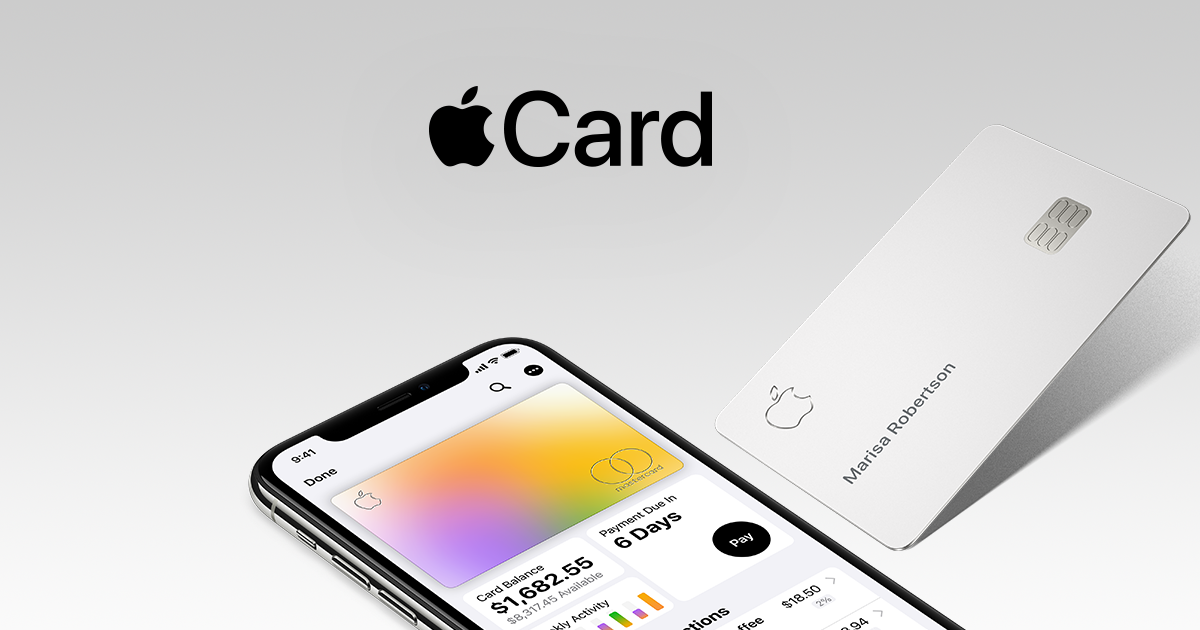
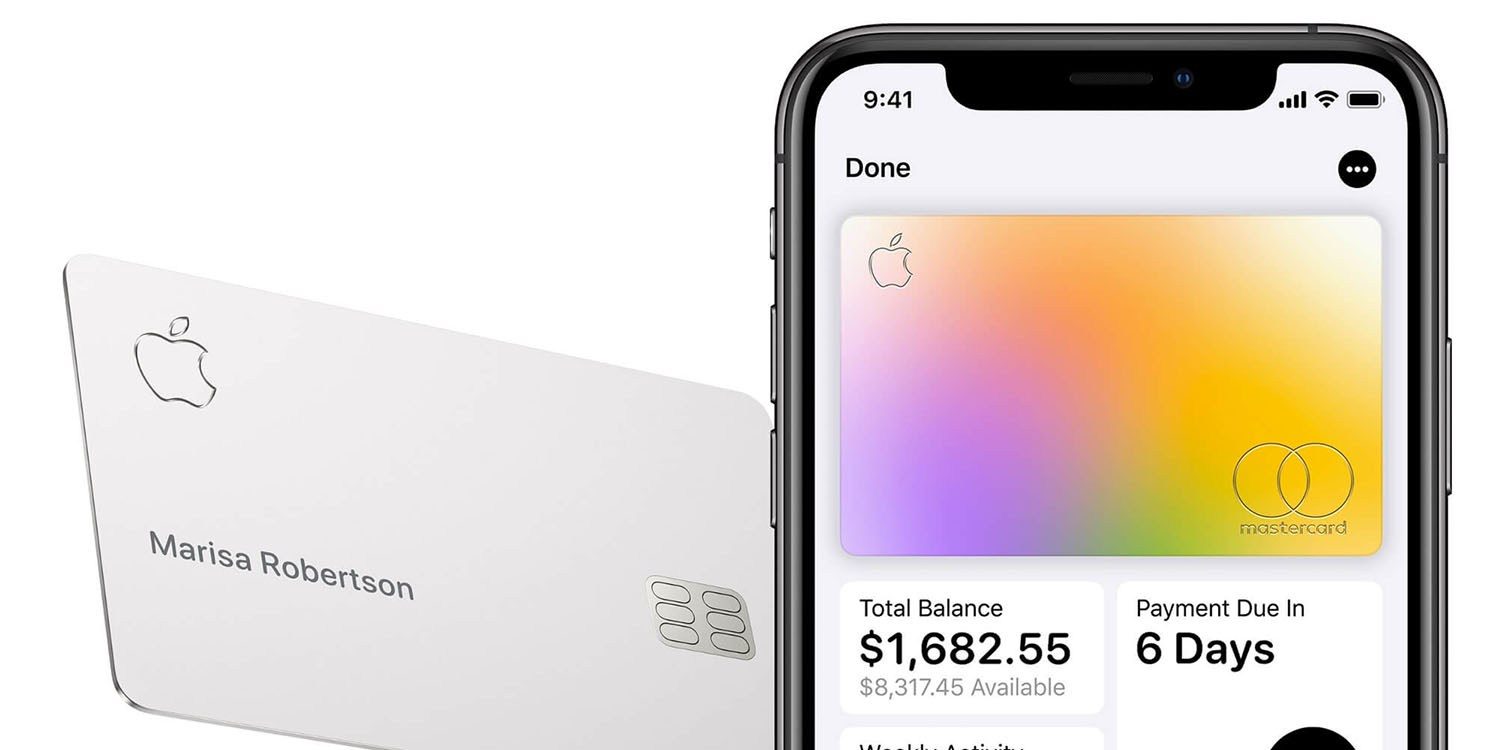
Apple Credit Card, or simply Apple Card is like any other credit card (digital and physical) only better. This product is a result of the collaboration between Apple and Goldman Sachs.

For users, they first need to apply for an Apple Credit Card via the Wallet app. It only takes a few days in approval. This digital card can be used to make payments across multiple platforms. To apply for this Credit Card’s physical version, the process remains the same.

Apple Card “practically lives on your iPhone” and “lets you do things you simply couldn’t do before” – What does this mean? You must be wondering.

Well, the reason why this product has bagged such hype in many such Credit Card reviews, is all due to its brilliant money management feature of the whole experience. Although most of the credit cards now show transactions and other important numbers, Apple Cards exceeds those common expectations.

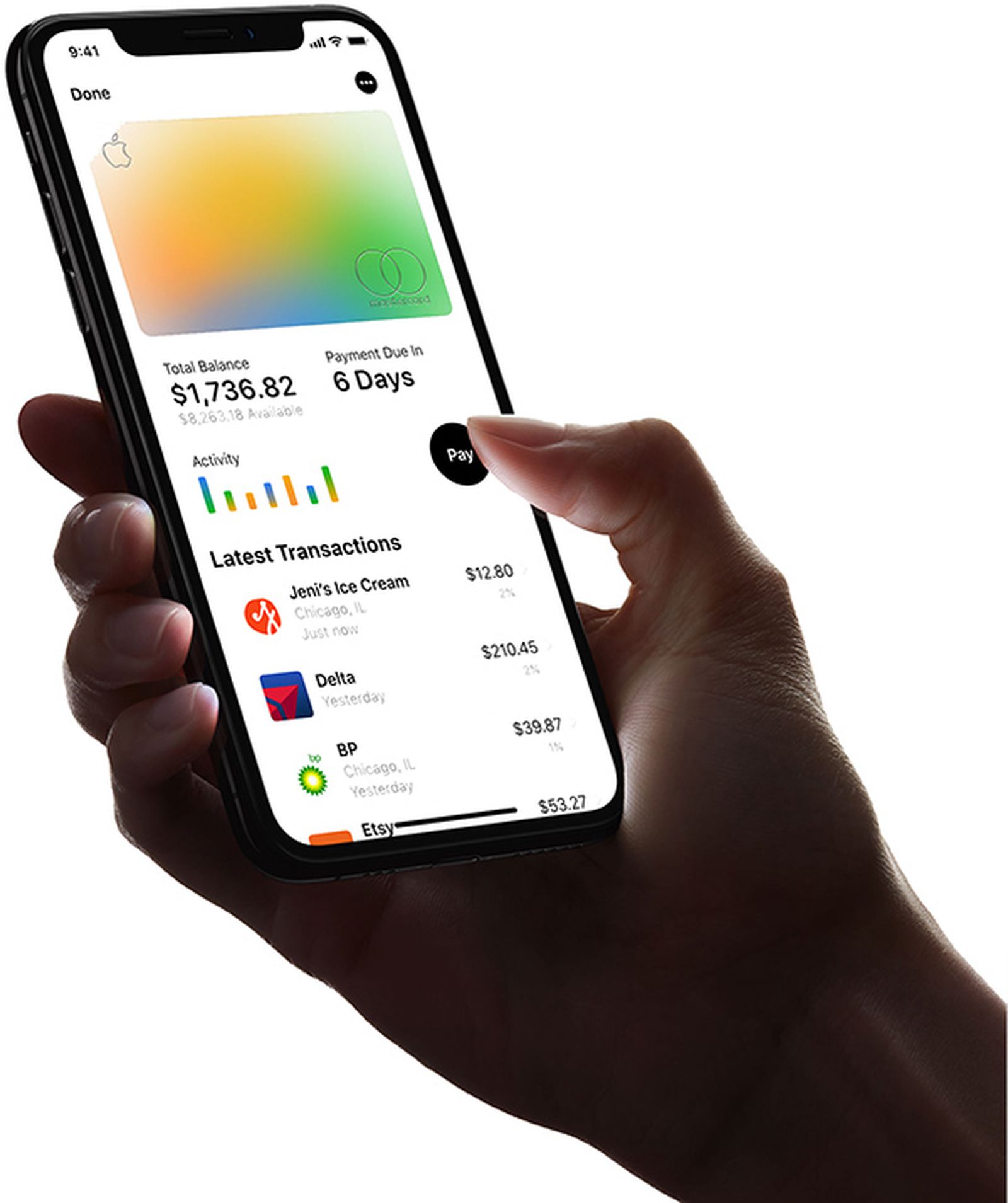
The card can be managed with the help of the Wallet app, which is also used for applying for the card. It gives users updated data on their spending patterns and helps them track. The Apple team yet again did it differently. The app color-codes recurring items you spend on and can track your weekly or monthly transactions with respect to locations they were transacted at.

What are Apple Credit Card benefits?

These benefits will give a clear idea of why users are using Apple Cards to such a great extent and why many small businesses are integrating it into their products.

Security

Security Policy

If there is one thing that they hailed for is, you know, security. Be it the security of its hardware devices or software. This is something that also stands true for the Apple Card and Pay. Apple Pay purchases are highly secure.

When signing up for an Apple Credit Card for your small business, you will be provided with a unique number in real-time which gets stored in the secure element of your iPhone. So, that code is needed whenever a purchase takes place along with a dynamically generated transaction ID. Further things that may require are Face ID.

Moreover, one of the best Apple Credit Card benefits is that the company keeps all the data private by prohibiting Goldman Sachs from sharing or selling the data.

Apple says “No fees”

Apple Card: All the Details on Apple's Credit Card - MacRumors

The reason why Apple Card poses as an ideal choice for small business financing and personal use, of course, is it’s free. Yes, there are no Apple credit card fees whatsoever. No foreign transaction, annual, late, etc. charges are imposed on cardholders – something that your business can benefit from since users would be more inclined to use this option.

And one more fact that may skyrocket the popularity of their card after the COVID-19 pandemic is that the company had offered temporary relief for payments for March and April to its users.

Apple Card Cash-back rewards

5 Best WooCommerce Points and Rewards Plugins

It is not a new concept. Nevertheless, Apple has still managed to leave its watermark. Their Card rewards users 1% cashback on everything to users on Apple Card payment and 2% if they use Apple Pay.

Maps of purchased made

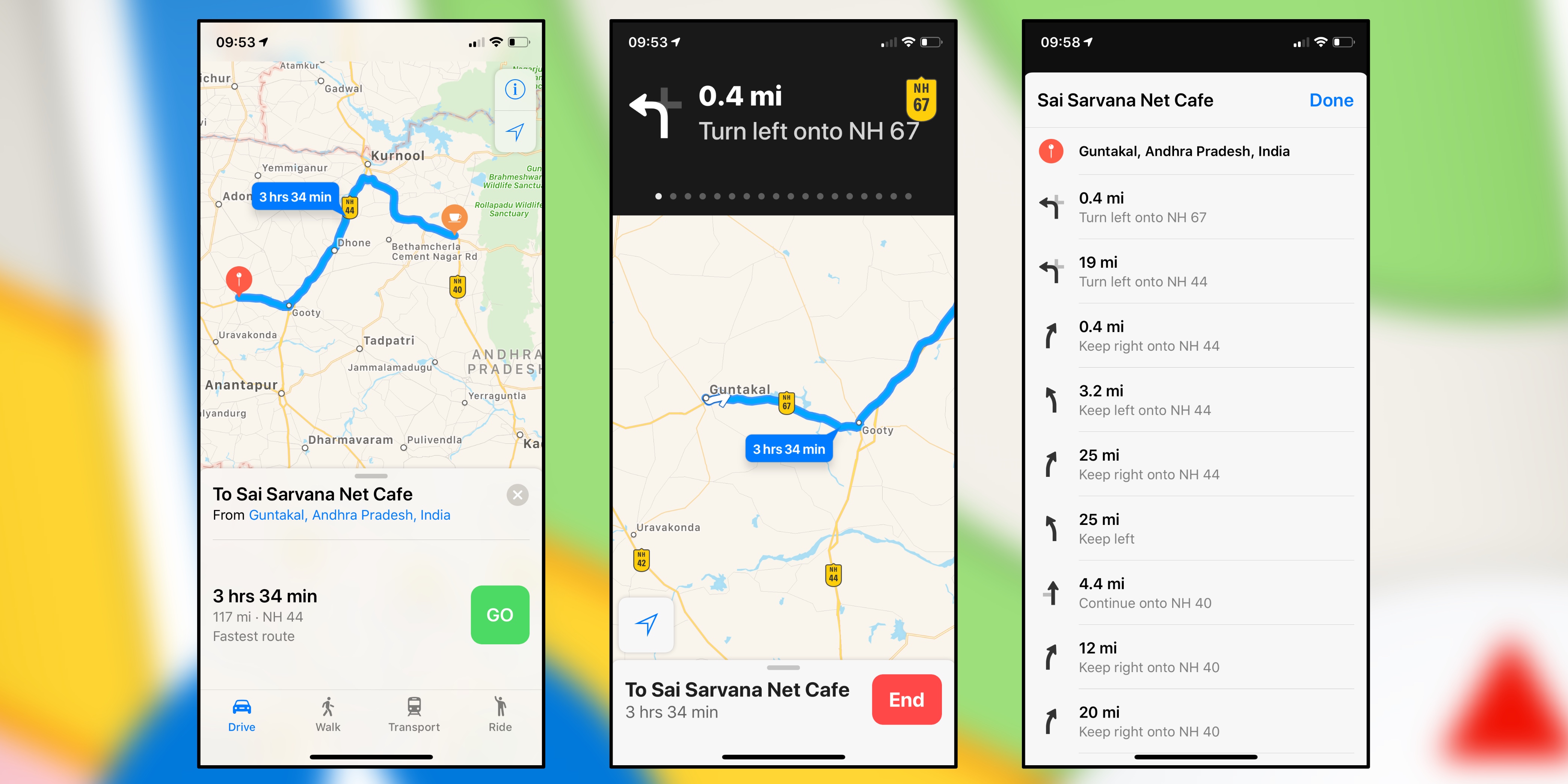
Apple Maps turn-by-turn directions now available in India - 9to5Mac

Pretty much the most interesting Apple Credit Card benefit is it allows users to see on the map where they made the purchase, no merchant codes, only the store name on the map. This eliminates the problem that credit cards often showed minimal location information, up until now. Something that banks can learn a lot from.

How does Apple Card help businesses?

Online transaction is the new black

Black Woman Making Online Transaction On Sofa by azhorov | VideoHive

If you own an E-commerce/M-Commerce business, then your business model relies on online sales. Here, Apple Pay for small businesses is a must-grab deal. Users can easily pay for their purchases with their Apple Card using Apple Pay -something that can help avoid the abandoned cart situation.

Without restricting to the commerce domain, thier card as a payment option will work wonders for gaming applications, subscription-based applications such as entertainment and music, and of course on-demand mobility solutions, just to name a few.

Security that sprouts user trust 

Line art,Font,Coloring book,Icon,Symbol,Smile #150615 - Free Icon Library

As we have discussed above, Apple Pay is a trusted and highly secure medium to perform online transactions. Allowing users to use Apple Card for your business will terminate any trust issues or any unfavorable preconceived notions they might have.

And to be forward, this is not just a one-time thing, rather it has the potential to turn your one-time user/customer into a loyal one. The security promise is not just a point of relief to users but also the businesses, imparting assurance of protected transactions.

Must-have to target younger demographics

Best Ways to Target Your Audience Online by Age | Informatics Inc.

As we are rolling towards the concept of a cashless economy, a majority of the participants in this notion are believed to be the millennials and younger demographic.

Since the iPhone is indisputably the most popular smartphone among younger audiences, integrating Apple Card via Apple Pay into your mobile app might just be the push towards the success you were lacking. Moreover, offering multiple online payment gateway options will only add to your benefit. If you skip on this opportunity, there is a high probability of your probable customers going to your alternatives.

Cashback rewards = increased sales

One of the benefits of Apple Card for businesses (indirectly) is the cashback rewards to the users. Since it offers a fair percentage of cashback on transactions made through Apple Card (via Apple Pay), this will encourage users to purchase from your mobile application or business if you have this option to offer.

Conversion boost

The advantages of streamlined and easy transactions ripple down to many deeper levels. One of them being increased conversion rates. Consequently, as your sales graphs rise upwards, your short and long-term profits will definitely take off too.

After all, the mantra for businesses is to offer what’s in demand, and this is, without a doubt,  something of a need of the hour. In fact, according to a few industry experts, we might move on from cash and physical cards completely by 2030. Better start catching up, right?

Mobile applications using Apple Card via Apple pay

I have figured that having examples always helps in making an informed decision. So, here are a few renowned companies that identified the opportunities Apple Card has to offer and integrated it into their mobile applications.

Nike

Nike. Just Do It. Nike.com

The company has integrated the Apple Card as a payment method in its Nike app, Nike.com, SNKRS, Nike Training Club, and so on. The move is the brand’s another step towards bettering customer experience – one that was strengthened with Nike’s acquisition of Celect for predicting users’ shopping behaviour.

T-mobile

T-Mobile Review | Pricing, Deals, Network Coverage & Speeds

T-mobile is a mobile communication subsidiary of Deutsche Telekom AG. The company has enabled Apple Pay and payment through their card on its mobile app as well as website.

Uber 

Why Is My Uber Account Disabled? What You Need to Know

Uber is a company that placed the on-demand model on the map. From ride-sharing to rental helicopter services to establishing JUMP, a rental e-scooter service, Uber has captured various domains. It has also incorporated Apple Card into its Uber mobile application and web apps

UberEats

Top 5 Uber Eats alternatives | The JotForm Blog

Another extended effort of Uber to capture the on-demand food delivery market, UberEats was invented. And guess what? This application is also using an Apply Card as a medium of payments.

{Also read: How Much Does it Cost to Build a Food-Delivery App like UberEats or GrubHub?}

Walgreens

JPM21: Walgreens announces creation of new tech startup aimed at developing comprehensive patient platform | FierceHealthcare

Walgreens is one of the largest US-based pharmacy chains. To cater better services to its users via its mobile app and website, the company offers the option to pay via their card using the their Pay app.

Let us  help you integrate Apple Card into your app

This section is creative to give you a brief overview of Anteelo’s process for integrating payment gateways like Apple Pay and Card into existing applications.

To offer excellent mobile payment experience in iOS apps, we use Stripe iOS SDK. It is a great tool known for its impeccable features like rich UI elements, powerful, protected interface, and customization.

The process is as follows –

  1. We start by installing and configuring the SDK. The tools that we employ and are supported by Stripe are CocoaPods, Carthage, Fabric, Dynamic Framework, and Static Framework.
  2. The next step involves configuring Stripe integration in the App Delegate. To configure our Stripe API keys, we use programming languages like Swift (which is the official language for iOS) and Objective, which is considered the next best.

Although this was just a sneak peek into the diligent efforts our team invests in the process. We test rigorously to make sure the application is performing its best with the new integrations.

If you want to know the cost of integrating this Card into your app, I suggest you browse through our detailed article – Payment Gateway Integration: The Process and What’s Next.

After discussing everything, it is pretty clear to see the opportunities that any business can grab for the long term just by adding this simple service into their business model. As we are leaning towards a cashless world, it’s better to at least keep up with the pace, if not staying ahead of the curve.


error: Content is protected !!