7 virtual onboarding practices in the new normal

One of my ex-colleagues left her job to move to a new organization in Feb 2020. She worked in her new workplace for one month before the world shut down. Just like everyone, her entire organization shifted to remote. A few weeks into the lockdown, I called her to catch up. We talked about random things and she told me that she badly missed Anteelo– the people, the culture, and the feeling of oneness.It wasn’t that her current organization didn’t have a good culture. No. In fact, she was happy in her new role. Her peers were friendly, the work was challenging, and her leader was supportive. She just missed the camaraderie in her new workplace.

My friend is one of those rare people who kickstarts conversations, takes initiatives, and makes friends easily. But in the new organization, she felt limited by the barriers created by remote work. Before lockdown, she hardly got much time to bond with her colleagues and now in the lockdown, whenever she tried a new initiative, it crashed after leaving her circle of influence (which by the way was limited to her team). All of this despritied her.

And she isn’t alone.

The feeling of ‘I don’t have any friends at work’‘I still feel like a stranger in a foreign land’‘I don’t think anyone likes me here’, is quite common. And though, it’s normal to feel these emotions in the initial few months when people are settling in, but beyond that, they are a RED FLAG.

A dissatisfied new hire is like a person standing at the edge of a mountain. We can’t let them slip.

One of the solutions to tackle this problem is to spend more time onboarding them — defining the relationship with the new hire sets the right foundation.

A good onboarding practice ensures that the new hire is aligned with the vision of the organization and has enough resources and support to wade through the nitty gritty of how things work in the organization. A good onboarding is like a first impression. If you get it right at the honeymoon phase, you’re likely to be together for a long time.

But all this was easy when a new hire joined in a physical workplace. The part where they met their peers, received a warm welcome at their desk, participated in onboarding rituals, all of this added a personal touch to their onboarding experience. If they had any concerns, they could easily reach out to people, or ask for help. Their problems were addressed in real-time, and were given importance (and precedence) over other regular day-tasks.

Those were old days. Sigh!

In the new world order, the physical distance has posed a new challenge to integrate the new hires into the organization’s soul. So how does one ensure that the new hires receive the same (or even better) virtual onboarding experience and feel welcomed.

I can share a few changes we made to Anteelo’ onboarding process. It’s not bullet-proof. But I like the fact that we acted fast and made changes well in time.

Interact with the new hires before they join


Hiring Process Steps for 2021 | SmartRecruiters

In the new normal, we started a new practice– after new hires accepted the offer to join the organization, we spent some time connecting with them informally. We shared our excitement about welcoming them in the team. We also gave them an overview of the project they’ll be working on and shared a little bit about the existing team members so that they knew whom they’ll be working with.

If you wish to imbibe this practice, you can add some extra elements like talking to them about their expectations, their feelings about joining your organization and so on. The idea is to make them comfortable and let them know you’re expecting them to join your tribe soon.

Involve the existing team members in the onboarding process

7 Mistakes to Avoid While Hiring Dedicated Development Team

In the old normal, team members were the first ones that got acquainted with the new joinee. The team was responsible for making sure they went together on lunch and coffee breaks and made the person comfortable.

In the virtual setup, none of this is possible. But that doesn’t mean that we shouldn’t make efforts to make the new hire feel welcomed. At Anteelo, we tackled this problem by taking turns on video calls and talking to the new team members on their first day. Every time a new Quant joined our team, we asked him/her about their day, and if they needed any help.

These are little things, and you might feel that you’re interrupting/disturbing the new person. But it’s the only way to ensure that he/she feels comfortable in the new setup.

Give them a virtual tour of your office

Accessibility in Agile Team Practices | Deque

We all are itching to go back to our cozy nook in the office, to feel the warmth of workplace vibes, to smile, greet, bump into each other. Imagine the enormity of this itch in new hires– how does my new workplace look, where would I sit when I join the office, would there be a coffee machine, a foosball table, a breakout area?

I bet there are other questions too that they go through in their mind while making the decision to switch. One of the solutions that we discovered is giving a virtual tour of the office through videos/photos. It not only settles their curiosity and piques their interest, but also helps build familiarity with the organization.

Retrospect on your onboarding kit

Is It Time to Fix Your Onboarding Process? | HRExecutive.com

Earlier our onboarding kit consisted of a laptop, a bag and a notebook. We thought of it as a whole because our other practices complemented the physical kit. We spent hours talking to the new hire– introducing them to everyone, aligning them to their peers, and being with them through every step of the onboarding.

This year, we asked ourselves– what else can we add in the virtual onboarding kit so that it brings a smile on their face? We wanted to keep the gesture small but impactful. So we designed a greeting card that welcomes the new team member and added a small potted plant in the virtual onboarding kit.

The card has a message to welcome them to our team. The potted plant is a gesture of how we wish to see them grow with us, just like the plant. It’s a small change, and we’re happy everyone likes it (so far).

Set up a central repository of resources

Recruitment Process - The Ultimate Guide to Hiring Top Talent | Jobsoid

The shift to the remote setup was abrupt. But, it made us realize the mistakes we were making earlier. We realized that it’s unfair to expect new people to remember everything. Going through all the information related to the organization in one go is exhausting.

So we made the shift to a digital setup by making a central repository of every information. Everything is now available on Zepplin — be it leave guidelines, WFH manual or core values of our organization. We let our new team members be the owner of how, when and through what medium they want to access information.

Engage with them regularly

What is Customer Engagement? A Complete Guide

A regular practice to engage with new team members is to give them a stack of PDFs, videos, and presentations about the organization. It’s easy to consider that the new team member will find what they need from this Pandora box of information.

We made a shift in our mindset. We started engaging with our new team members regularly through weekly, monthly 1:1s and began asking them how it was going. By making them participate in pop quizzes and activities around our practices and vision, we eased out their familiarity with the organization.

Couple them with a work-buddy

The Dos and Donts of Onboarding New Employees in a Call Center

A buddy at work is like a friend who can steer you through a freshman party and help you make new friends. At Anteelo, we always had the buddy system. In the remote setup, being a buddy to a new hire turned out to be an even bigger responsibility.

So we tweaked the guidelines a bit and motivated the work-buddy to be more open, approachable, and proactive in their conversations with the new Quant.

Apart from these virtual onboarding practices, you can even leverage social media to your advantage. By welcoming people on your social media platforms, introducing them in your network, you send them a message that you’re welcoming them wholeheartedly.

Good onboarding practices help you retain the talent for a much longer period. So, make sure a new hire’s first few months are positive and productive.

Blockchain Technology Revolutionizing Mobile App Economy

How to Start a Career in Blockchain Technology

Blockchain technology is progressively taking over the business world. The technology was once considered to be confined to bitcoins. But with time, it has proved that bitcoin is just the tip of the iceberg; the potential of the technology is beyond decentralized transactions and even our expectations. Blockchain technology revamped several industries, including Real Estate, Healthcare, Education, and Legal industry to name a few. It opened new doors of opportunities and profit for the entrepreneurs and established brands. However, the most surprising application of Blockchain is in the mobile app economy.

Wondering what is the need of Blockchain technology in the mobile industry? How can Blockchain revolutionize the world of mobile applications?

The mobile economy is undoubtedly growing rapidly and is expected to be of worth $6.3 trillion by 2021. The app stores are jammed with millions of apps and both the app developers and users are getting access to better facilities. However, despite this exponential growth and technological innovations, the mobile application development economy is still facing various issues which cannot be overlooked.

Major Mobile Economy Concerns and How Blockchain Technology Can Solve Them

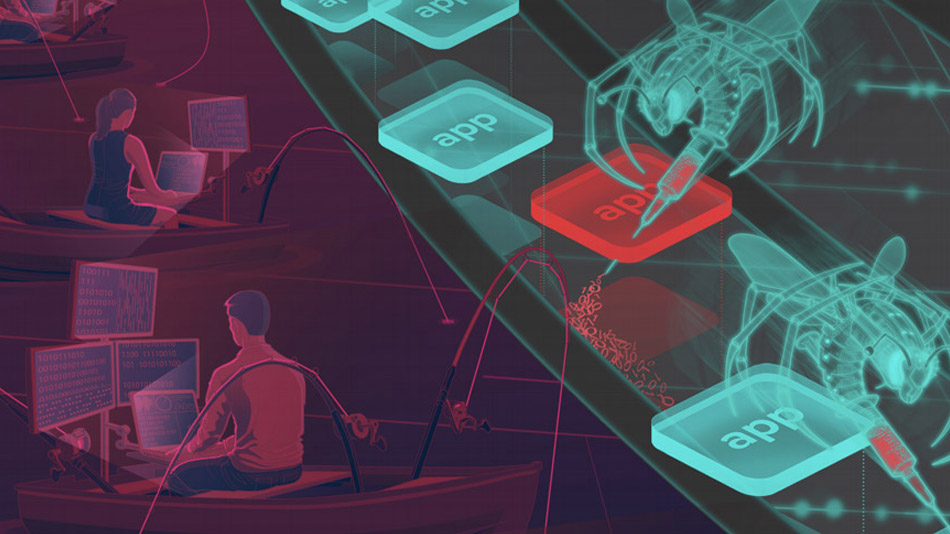
Alike other centralized systems, the mobile economy also involves various intermediaries between the mobile app developers and users. These entities help in discovery, distribution, and financial transactions but at the same time, deters transparency. As a result, we face situations like security threats, inaccessible in-app purchases, data leaks, and malware-plagued downloads which not only have an adverse impact on the user experience but also affect the mobile app performance and ROI.

As we saw in our Entrepreneur’s Guide to Blockchain, the technology, with its decentralized, distributed and secure ledger feature, has the potential to revamp the way app economy functions and make the end user experience seamless and enticing. If applied correctly, blockchain can tackle the following major concerns related to mobile app economy:

App Approval

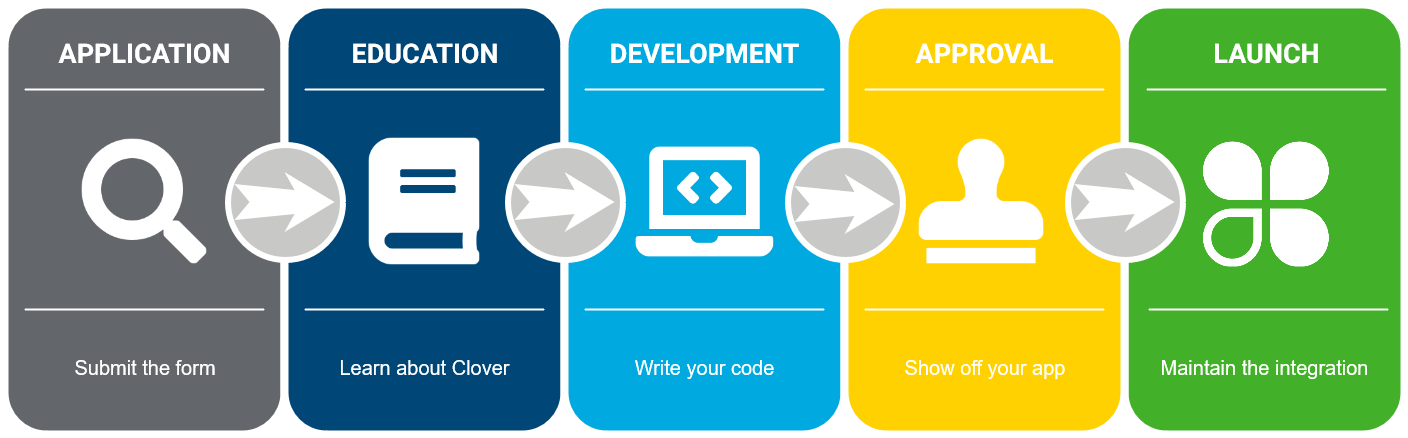
Integration development and approval process

With Google and Apple’s app store being the duopoly, the current app approval process is completely handled by them. They decide which mobile app will be published on their app store and which not, based on various non-transparent quality assurance processes and distribution policies. This not only makes the process cumbersome and time-consuming but also increases the confusion among mobile app developers in case of app rejection. On the flip side, less transparency app approval process raises the risk of distribution of malware-plagued apps by the users, and thus, lesser security in the app market. With the introduction of Blockchain technology into the process, the app approvals can be made universal and transparent through a developer reputation system. The reputation system will be directly linked to the financial transactions on the public ledger and will be available for investigation all the time (as you can see in the image below). Besides, various means will be employed for identity verification and users will be empowered to create rankings for the mobile app developers and the apps they create. This will streamline the app approval process and help the smartphone users take the decision of downloading the app based on the ranking (see the image below), which will ultimately build trust, enhance security, boost downloads, and uplift app revenue.

Advertising

Why You Need to Invest in Social Media Advertising

According to Statista, there are more than 2.8 million apps in Google Play Store and about 2.2 million apps in the Apple’s App Store. To reach the target audience and enjoy the limelight, the mobile app developers have to invest in CPI, i.e., Cost Per Installation campaigns. These campaigns are non-transparent and overpriced, which makes the situation shady and risky. Moreover, as you can see in the picture below, the profit gained by the mobile application developers from the advertising is divided and shared to middlemen because of which the developers get much lesser earnings than expected.

Blockchain technology can reinvent the advertising method by eliminating all the middlemen and establishing a new CPI campaign. Termed at CPA (Cost per attention), this campaign will let the mobile application developers directly reward the users for spending time on their mobile app (as you can see in the image below).

Blockchain technology, in the form of Smart contracts, will allow the developers to examine if the users spent required time on their app or not. Apart from this, the technology will let the users store their earnings in wallets and use to buy in-app items efficiently.

In-App Purchase

In-App Purchase - Apple Developer

A recent report by We Are Social and Hootsuite revealed that nearly two-thirds of the world’s population uses a smartphone now. However, only 2 billion of the mobile users have access to the payment methods that are necessary for in-app purchases. Apart from this, according to the traditional app in-app process system, the user pays to the app store, deal with the bank transfer fees, credit card fraud cases, circumstances of chargebacks, and so on. Then, the mobile app developer receives the payment from app store going through the same hassle. The consequence is that neither the end users are able to enjoy the perks of in-app purchase nor app developers are able to get the best out of their app monetization strategy (check the image below). Blockchain technology will let the mobile app users use and spend their CPAt reward even in the absence of credit card and other such payment solutions. In addition to this, the Blockchain will empower mobile application developers to get 85% instead of 70% of transaction value by eliminating the middlemen (as shown in the image below).

Other Applications of Blockchain in the Mobile Industry

Apart from solving the aforementioned concerns, blockchain technology will also generate new ways to streamline the mobile application development process and cater user needs significantly, such as:

Infrastructure Protection

Application Infrastructure Protection | Solutions | F5

By gathering DNS entries on a decentralized secure platform, the blockchain technology empowers the app developers to keep the whole domain records under their control – no one can alter the entries without their consent.

End of Passwords

The end of passwords – The New Economy

By investing in Blockchain app development, the app developers will be able to authenticate devices as well as users without asking for any password. Its network decentralization feature will help create consensus among the involved parties for the authentication of Blockchain based SSL certificates. This will ease the transaction process and again, boost trust among the two involved parties.

The Blockchain technology, though in its initial state now, will redefine the mobile app economy and offer the opportunities to the mobile app developers and users that they have been waiting years for. The technology will solve the three major concerns associated with the mobile economy, will build a trustable and transparent connection, and provide an open-standard platform where all could communicate and add value to the mobile world.

What can M-Commerce Apps do to Reduce Cart Abandonment Rate?

M-Commerce and Mobile Apps: Opportunities for SMEs

User privacy concerns and lengthy checkout processes often partake the accusation for high shopping cart abandonment rate of m-commerce apps. Whereas, the metrics on users consideration at different stages of virtual shopping, often skips the bare eye. In this read we will narrow down upon- What are the main reasons and how can m-commerce apps lower their cart abandonment rate?

Imagine you are at a shopping store. You pick all the stuff that you intend to buy, place it in your cart when suddenly your phone starts buzzing. It’s a call from your longtime friend. You lose focus from shopping, or rather forget about the shopping bucket altogether before you leave the store.

We all know that is very unlikely to happen in a brick and mortar store.

But for virtual shopping carts on mobile and web, this scenario is recurring,  common and obvious.

Even the slightest of interruption from calls, messages, notifications, or environment can make your buyers leave the cart without making an actual purchase.

Marketers must know that there is a reason for every cart abandoned!

13 Reasons for Shopping Cart Abandonment, and How to Fix Them

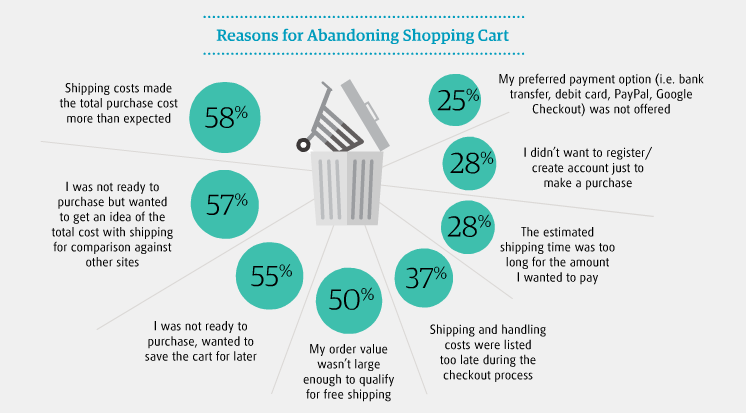
What are the major shopping cart abandonment reasons?  In an empirical study by Research Gate, we find the following cognitive and behavioral reasons for high shopping cart abandonment rate in 2019:

Fact: MasterCard and University of Oxford came together to hold a study in 2017 that reveals a drop in one-third of purchases is due to users forgetting their passwords. This leads to a common user preference of biometrics over passwords.

Statista Shopping Cart Abandonment Statistics:

Cart Abandonment Stats: Tackling Shopping Cart Abandonment in 2021

Shopping cart abandonment is the pain in the foot of every m-commerce or online retail store today. For vigilant marketers, they bring meaningful learnings about user behavior. You can try and turn your cart abandonment into key insights to restabilize all that is wrong with your marketing plan.

Let us look at the shopping cart abandonment Statistics 2019to see if there is a silver lining to this problem- A technique for every m-commerce app that needs shopping cart abandonment optimization.

So how to fix cart abandonment? One thing that is fairly evident is that a good conversion rate optimization approach can sustain and re-engage your audience to lower your cart abandonment rate.

How to convert abandoned carts? The Conversion rate Optimisation Approach

What if you choose to do nothing about the high cart abandonment rate?

You miss a lot of revenue and fail in conversions as your users continue to jump off the ship. On an average rate of cart abandonment is 68% for ecommerce retailers.

Everyone is looking for a quick fix to develop a customer base that keeps returning for more. The quest to recapture the lost value has become the food for thought, for many bloggers, marketers, entrepreneurs, and agencies.

We all are users at some point in our day.

Think like one! One technique to reduce shopping cart abandonment is to get the knack of your customer’s mind is to step in their shoes and generate your own perspective. What makes you snap back before you enter your cart details?

Make a list of these points just like we did to arrive at the main causes for effective abandonment cart strategy. While we took a generalists approach, you need the one specific to your business needs.

Many think of their mobile apps as currency vending machines, which they are not. Your mobile app is a platform that brings you an opportunity to develop a relationship with your customer, promote loyalty and leave a lasting impression in your heads.

1. Guest Checkout

Overview | Amazon Pay

Save your shoppers from new account fatigue. Allow them to make a purchase without creating and signing in to their user accounts.

Remember all those times when a paywall or overbearing request kept you from accessing the products on an app. Enabling guest checkout will let your customers browse through the products and share their details only when they are ready.

Understand and accept that the user wants to compare, assess and evaluate the value you offer against the purchase. Encourage users to sign up and log in once they ensure that you offer the maximum value.

In fact, the e-commerce market leaders like Amazon, Walmart, and others are already doing it. They all have a one-step checkout implementation option on their mobile apps.

2. Device optimization

The Complete Guide to YouTube Ads for Marketers

With smartphones taking over the internet, another thing you will like to consider is the device your customers are using to access your website.  Users spend about 15 hours a week on their smartphone browsing products on different m-commerce applications. Once the users set their eyes on a product about 45% switch to their laptops or tablets to make the purchase.

Make the mobile-responsive design your first priority. This approach is a great value add to your competitive growth. Optimize your website for mobile shoppers.

Come to think of it from a users point of view. A user who comes to your site has already been there through a smartphone.

Mobile shopping cart abandonment rates are high pertaining to casual browsers. Carts abandoned on mobiles are reopened on websites. So if you let them save the products that they like, you can seal the deal. Later they will come to your site with their visa and keyboards.

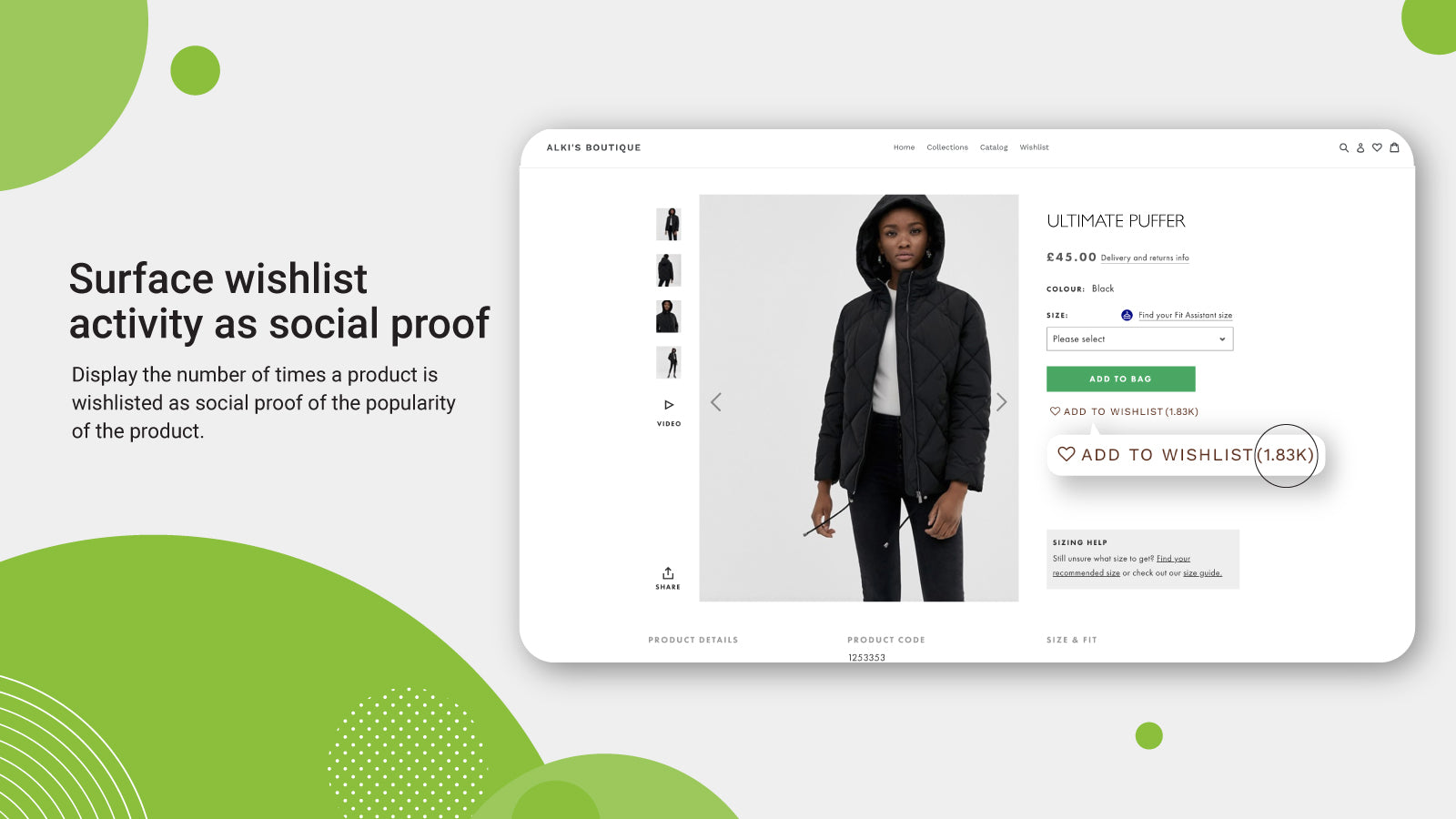
3. Add to Smart Wish List

Wishlist Plus – Ecommerce Plugins for Online Stores – Shopify App Store

We all have a long list of items that we want to purchase. A wish list lets your user bundle all on that list. With emerging technologies, Smart Wish List can make you stand out and nurture your audience.

The basket works and that is why the cart format has stuck. But very few have the Wish List feature.

Taking an example of an m-commerce app that deals in clothes. Suppose a user really likes a scarf but can’t find a matching pullover with it. Wishlist helps your customers to make a bundle of items in their own time.

Another scenario can be that you are out of stock and running low on the inventory of the pullover. The user can simply add it to the wish list. Once the stock is in the inventory the user gets automatically notified.

Wish least can also help manufacturers make pre-launch bookings, like on new gadgets before the price is disclosed. This brings a lot of customer feedback to the retailers and manufacturers to devise combos, offers, and discounts on selective merchandise. These are all part of the Shopping cart page best practices.

Now make the wish list feature smart. Add options to categorize the wish list for birthdays, anniversaries, paydays and others. Allow users to share the wish lists with each other.

A little push can add the right spices and increase sales revenue. Add a ‘buy before’ criteria to the wish list to bring a sense of urgency.  Suppose an expiry time of 60 days can bring the shoppers back before their itinerary disappears into the black hole forever.

4. Quick sign-ups

6 steps to get started on the Flipkart mobile app [Flipkart Stories]

It’s good if you are not forcing user registration. But it does more harm if you do not remind your shoppers to log in before they go. Keeping it simple and subtle, can capture the user’s attention.

‘Sign up with Google’ is a simple yet strong call to action. Users recognize google in a blink. It is secure, familiar and ideal. Give users the perception of choice, with a quick sign up.

This also tells you about when, where and how users prefer to communicate with you. So strive to secure your m-commerce app using best practices of network encryption.

5. Email reminders and Push notifications

What is a Push Notification and Why It Is Important

Communicate with your customers to re-stimulate their interest. One of the wise old tricks of marketing is direct communication with your user. Workaround a great email reminder campaign. Being too zealous won’t put you at the right foot here, like bombarding the inboxes with a streak of reminders. By rule of thumb, here is a list of what a good reminder email encloses:

  • Vibrant images of the product- To remind the buyer
  • A strong call to action- To stimulate decision making
  • Brief service guarantee or refund policy- To alleviate any concerns

Another alternative you have is of smart push notifications. If you make good offers the ones that bring a sense of cost incentive to the users, you will hit the jackpot.

6. Short-lived discounts

Ajio First Order Coupon Codes | May 2021 | Ajio Offers on First Order Rs.500 Off + FREE Shipping| Ajio Coupons Codes

Cutting down prices may critically affect your bottom line. But it’s a good bait to drive in the shoppers waiting on the fence.

A study of the effect on price discounts and bonus packs on online impulse buying speaks of the impact on users. Percentage discounts make the best detours for items bought for pleasure, while combos and bonus packs work best for utilitarian items.

Time-bound discount offers on items with elastic prices can show your intent that you value your customers. And to a customer that is a great feeling.

7. Brand Familiarity is not a myth

The Importance of Brand Awareness - KOBBA

Google Trusted Store badge is one heck of a tag that ensures certainty, reliability and trust factor through visual representations.

A name that your buyer has not heard before is bound to add skepticism about your credibility and offerings. Promote your brand to raise familiarity with your audience. Showing up in google search or social media advertisements will not bring you great returns.

8. Eliminate surprise costs

How Amazon became a pandemic giant – and why that could be a threat to us all | Amazon | The Guardian

High shipping costs and taxes often switch off the buying intent in customers. Free shipping on orders above a certain value is not a new idea but the one that makes magic happen. Disclose the additional costs early in the buying funnel.

A Forrester study confirms that surprise costs make 44 percent of online shoppers drift away and uninstall the apps.

Make a serious attempt to reduce all potential barriers between you and the wallet of your users. An active, persistent approach to curb the checkout leaks, navigation and performance issues are a few other things to spot.

Ecommerce shopping cart abandonment solutions are easy to implement if you understand their customers. Implementing the Techniques to Reduce Shopping Cart Abandonment as discussed above will soon make the bounce rates wind down and conversions ramp up.

Now, Google is giving Developers a New way to Make Money.

How does Google make money ? – Startup Today

Google has decided to give its Android app developers other tools to earn money from users who don’t wish to pay. And if you are thinking it’s subscription-based then no it’s not.

Google is going to introduce a new way to let it’s Android developers earn money. The programme is called ‘Rewarded products’ and will allow developers to show videos on their apps to monetize the apps.

The programme is a win-win for both developers and app users. How will this work? The app users won’t have to spend money on the app instead they can just spend some extra time to earn benefits. But the trick here is that these benefits will also be received by the app developers.

For instance, if a user scores 30 points in a gaming app then the developers can put an option to double the points by viewing a video ad. This is how both the parties are winning without either of them losing money.

Google also said that developers can easily adapt to it as the integration process is not difficult and does not require additional API calls or extra SDK integration.

What is SDK? - Software Development Kit - YouTube

The developers are quite happy with this new change but we still have to see how the users react to the video ads. It also depends on how the videos will be added in the app. The video ads are the first of the rewarded products that Google has added. There may be more of these products to come in the future.

In a blog, Google said, “Developers are increasingly using multiple methods to monetize their apps and games. One trend has been to reward users for a monetizable action, like watching a video, with in-game currency or other benefits. This gives users more choice in how they experience the app or game, and has been an effective way to monetise non-paying users,

This new programme was influenced by developers demand to reduce app store tax. Google has been very supportive of its developers and has constantly been adding new tools for developer. This new programme might seem somewhat similar to most but there is a difference.

Move Over SEO: How Developers Can Generate You More Traffic

Developers had already been using advertisements to monetize their apps but this new programme will become the official product of Google. This will make integration an easier process and will also give Google an edge in competing with third-parties that offer something similar.

The rewarded products can be added to any app in the Google Play Billing Library or AIDL interface. All this can be achieved with just a few additional APIs and would not need any SDK as mentioned earlier.

Another catch with this sudden launch is Apple’s full embracement of subscription. We have seen that subscriptions have become the largest source of revenue growth app stores recently. As good as it sounds for Google to be introducing the new monetization programme for apps, they still don’t have an upper hand.

The iOS and Android Duopoly - CCS Insight

iOS users are more likely to pay for apps that they enjoy than Android users. This is why Apple has seen almost double Google’s revenue even with fewer downloads. All this resulted in the very heated argument of Android vs iOS which has still not settled.

For Android developers, this means that they won’t be able to use the benefits of subscription any time soon unlike Apple. This also means that developers going for cross-platform development will be more inclined towards iOS just for revenue growth.

It’s a good thing that Google introduced this rewarded products programme for proper monetization of apps. This might bring back the developers’ attention to Android and hopefully increase the in-store sales of Android.

The rewarded video product is launching in open beta and will be available for developers in the Play Console.

This was all about Google’s new Rewarded Products programme launched for the Android app developers. Stay tuned for more or contact our Android developers at Anteelo.

How Much Does a TikTok-like Mobile App Cost?

Full Guide on How to Make an App Like TikTok

If there is one thing common between Uber, Facebook, and Snapchat it is the fact that they are losing on their active user count and engagement rate.

And the brand that they are losing out to is one that has become inescapable and a major revolution of the entertainment world – TikTok.

The multi-faceted immersive mobile app that is present on both Android and iOS has not just ruled out its dominance in the world of the millions and billions of users around the globe but also thousands of businesses that are marking their presence in the platform to enjoy the many perks that the app has to offer.

Well.

The intent of this article is to help you join the short-video creation and distribution revolution that has been initiated by TikTok by helping you understand what it takes to develop a TikTok mobile app. We will look into the technical and monetary side of the app and in the end, the cost of video creation app development which is entirely TikTok focused.

Before we go on with the article and look at factors like the top players in the industry, the funding rounds that have been held in the segment, the technical aspect of the app and the costing element the application, let us first give time to looking at how TikTok managed to become the top-grossing application of the world.

The international version of Chinese hit platform, Douyin, TikTok took very less time to enter and rule the mobile entertainment industry. The app which allows users to lip-sync dialogues and re-enact their favorite scenes from different movies and music videos has become a go-to entertainment hub for almost every teen and pre-teen in the world.

The app which has Artificial Intelligence powering its every single move has defeated a number of hot-shot businesses of the world with its engagement and revenue numbers.

Here are some statistics that prove how big the TikTok market is and how the app is ruling the world while setting new standards in the Entertainment app sector and how you can too whether you make TikTok app for iOS or build TikTok for Android

A guide to the app TikTok for anyone who isn't a teen.The latest TikTok statistics show a picture that TikTok has placed itself at the top of the market acquisition pyramid. Does it mean that a monopoly picture has been drawn in this specific entertainment sector?

Well, the answer is no.

TikTok, in spite of being the most installed and immersive of all the apps in the category, is not the only one that the users are following, there are a number of other similar apps in the domain that have been keeping the category up and running.

Also, the demand that the segment is seeing is something that has acted as a catalyst for other businesses, like yours, to enter the in-demand market segment. So, all in all, the list of TikTok competitors is not limited to just these names.

Fundings in the Segment

Top five alternatives to TikTok video app | Deccan Herald

It is not just the market demand and emerging competitors count that has seen a rise ever since the TikTok app, earlier Musical.ly started witnessing a high demand from the world. There has been a sharp rise in the number of investors as well, who have shown their interest in putting their money into apps working around video creation and sharing.

Here are the three major funding rounds that hit the category between 2017 and now.

  1. Bytedance – The parent company of TikTok received funding of around $3 Billion from the SoftBank group in October 2018. The use that they cited for this fund round is international expansion. The company plans on taking the Chinese platform across the globe.
  2. Clip – The multi-lingual app which allows users to develop and edit videos alongside an active chat functionality, raised $6 Million in Series A funding round led by Matrix Partners, where the platform’s present investors Shunwei Capital, and India Quotient were also there.

While these are just two high-level funding rounds that the app category has witnessed, there have been a number of other funding sessions in the segment as well.

One thing and probably the sole thing that has been driving the attention of both investors and end-users towards the interactive video creation and sharing platform is the set of features that it comes with.

Let us look into it next.

While on a high-level the main feature of TikTok like the application is the ability to make videos and share them on the platform for other users to view and react to it. The app gives users the facility to lip-sync either some movie dialogue or some song or even the voice of other users.

But when you deep-dive into it from a business front which is looking to enter the same entertainment space as TikTok app and others in the domain, there are a number of other features that you have to attend to in order to make the whole experience immersive and entertaining for the users.

For the context of this article, since you are just starting up in the industry, what we would recommend is making an MVP first that would contain all the must-have features that have to be present in your app as it hits the store and become the answer to How to Create an App like TikTok. The features that you read here are what would go into answering ‘How much does it cost to make an app like TikTok’

Let us look at what they are –

The Must-Have TikTok Features

When you invest in TikTok app development, you don’t just invest in one application but two – User Side of the App and Admin Panel.

Let us look at the features which should be present in both the versions, individually that come together to answer how TikTok works.

User Application Features

Login

Triller: What It Is and How to Use It

The first and supposedly the most attractive screens of an app – Login screen is the one that you will have to pay the most attention to. At this stage, you should aim for having a small form to make users enter the app also they should be given the facility to log in through their social media account to save those extra, unnecessary steps.

Video Section

What is Triller? Here's a primer on what you need to know

Since the whole concept of TikTok like app runs around Videos, this has to be the one section that gets the maximum attention from both development and users front. Here, you will have to give users the option to not just create and share their videos but also save them in the draft to be published on a later time. The users are also given the facility to share their videos on social media.

Notifications

How to Use Triller-Music Video Maker App: Social Video Platform | dohack

The app should send over real-time notifications to the users with respect to followers’ addition, the likes, and shares activity that they make on your videos, and when people they follow make a new update on their profile.

Settings

What Is Triller? Here's the Triller Guide You've Been Waiting For

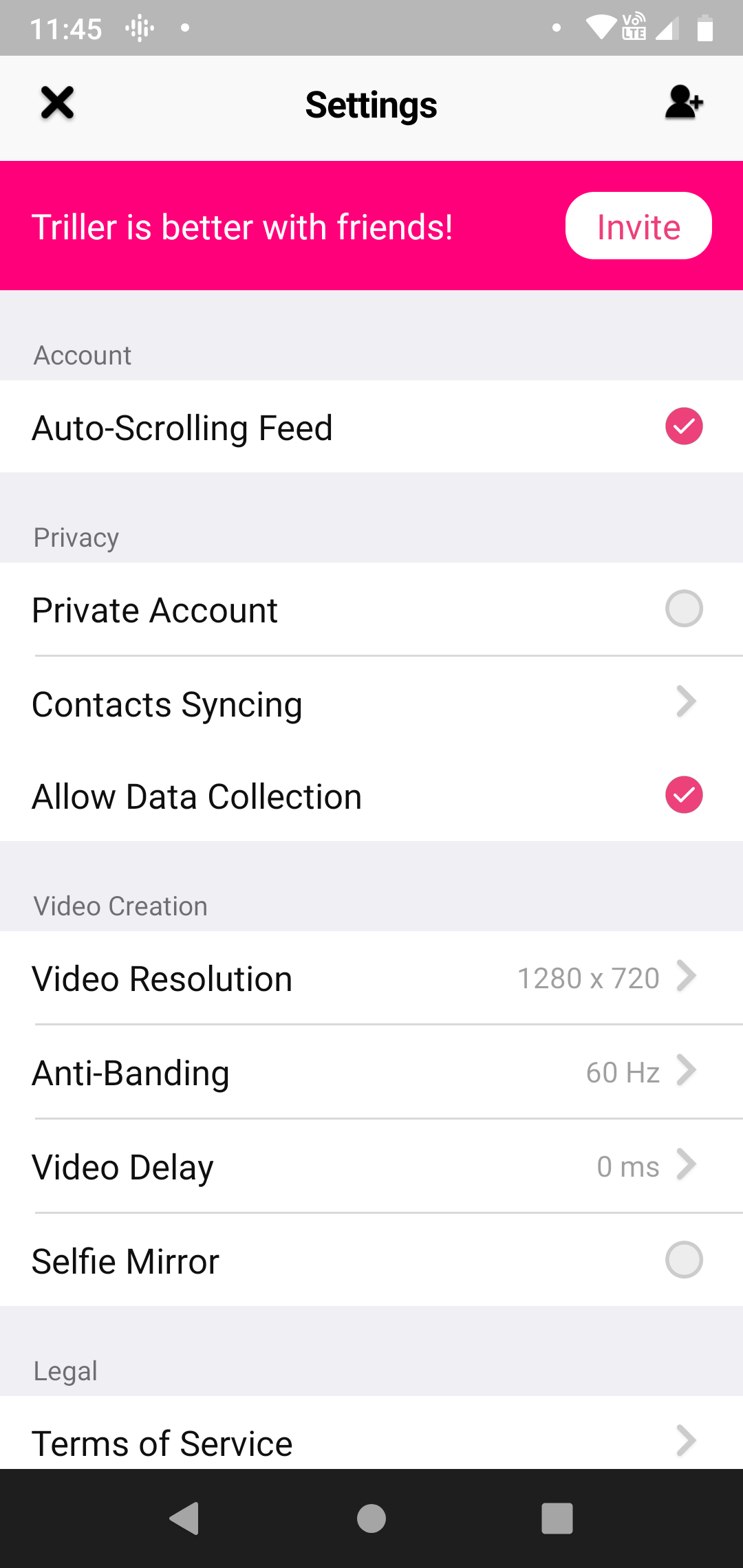
Under the Settings section, users will be able to manage their profile, change their password, manage blocked users, work around the app settings, and contact the parent company in case of any dispute.

Admin Panel Features

Admin panel features – Product – Facelet

Admin side of the TikTok application will give the admins the facility of doing the following tasks – user management, content management, notification management, manage the flagged videos, and handle reports.

Now that we have seen one technical aspect – App Features let us attend to the other technical element that would help define the whole development process and ultimately the TikTok app cost – Technology Stack.

The Technology Stack we Base Our TikTok Application Development On

TikTok is one of the most innovative apps out there in the entertainment sector of mobile app development domain. The technology stack, in a scenario like this, has to be prepared to back this level of innovation and scalability.

Let us look at the Technology Stack that you can use to back your TikTok like application.

Now that we have looked at both – the Marketing and Technical side of TikTok like app, it is time to look at the business cum revenue side of the app.

My Data Science Tech Stack 2020 - DEV Community

  1. Frontend- Native
  2. Backend- Python
  3. Database-Postgre SQL
  4. Cloud- AWS, Google Cloud Storage, Azure
  5. Media Server Configuration- HTTPS, RTMP & HTTP
  6. Video/Audio Transcoding- FFMPEG, Amazon Elastic Transcoder

It has always been a very commonly searched question on the internet, which a number of users around the globe seek an answer to – ‘How do Brands like TikTok or Dubsmash earn money?’

So, next let’s look into the ways TikTok makes money and has managed to become one of the highest revenues generating brands of not just the entertainment industry but of the whole world, before we head on to revealing the cost to develop TikTok app.

How Does TikTok Like Apps Make Money?

While there are a number of ways video creation apps like TikTok can form their monetization model like Subscription and Influencer Promotion, etc. The models that TikTok uses to generate their Million worth revenue streams include –

A. In-App purchase

In-App Purchases: a mobile app developer′s key to ′consumer lock-in′ | Science| In-depth reporting on science and technology | DW | 13.03.2015

TikTok gives the users the option to buy stickers and emoticons to react to live videos that get streamed on the platform.

The in-app purchases themselves have got the brand around 275 percent in users spending and approximately 3.75x year-over-year revenue, bringing the revenue count to over $3.5 million globally.

B. Advertisement

Selection through Advertisement – Aarika

In-app Advertisement also proves to be a great monetization method for the TikTok app and others in the same category.

In order to place their advertisement on the platform which is visited by millions and millions of users on a daily basis, brands tend to shell out a huge amount of money.

If you too are fretting over your app’s Monetization model, what we would recommend is either going for either of the ones that TikTok follows or start a subscription-based model, wherein you lock a few features in the app in return of some amount or you can charge the influencers for getting a placement in the platform.

With this, we have seen all – the state of TikTok like apps, the demand they are able to garner from the world, the other major players in the industry, the set of features and technology stack that makes TikTok like apps what they are, and lastly the monetization model that they carry.

It is now time to get on to the most crucial part of it – How much would TikTok like App Cost?

Well, here’s the answer to it.

What is the Cost of TikTok Like App Development?

The TikTok app cost lies in the valuation of a number of factors – features, allocation of resources, and the technologies to use.

Assuming that you are going with the exact set of features that we mentioned above, the TikTok app cost when you look at the MVP of the TikTok like the app will come somewhere around $80,000 to $100,000.

While this is the absolute base amount, it will increase as you add more features in the application like Artificial Intelligence, High-End Animations or Blockchain for handling the in-app purchase segment of your application.

With this, you have seen all that is required to get started with the entertainment revolution and what is left now is getting started, which has just one step in between – Getting in touch with our social networking app development experts who will hand-hold through the process.

Our Experience with TikTok Like App Development

Our team recently worked on to create a musical video app like musically that was based on the idea of TikTok, which took around 6 months to finish the whole ideation to the development process and is set to hit the app markets very soon.

While there were some challenges associated with the creation of app like TikTok in line with AI integration that we faced initially, the learning and application curve was fairly low and we were able to overcome them in very little time.

Keeping the technical complexities aside, there were some business model issues that our clients were facing in terms of finding the right demographics, the promotion plan to follow to take the limelight away from TikTok, and the revenue model selection – Solutions to which lied with our Business Analysis Team, who would love to pass them on to you.

Understanding the Internet of Things’ influence on Healthcare

IoT in Healthcare: Benefits, Use-Cases and Challenges

Internet of Things in healthcare has more benefits than one can imagine.

The application of IoT in healthcare can improve the way things work in the medical world. From improved machine control to virtual medical assistance, IoT use cases in healthcare is the future. It can save the lives of patients with a fast diagnosis of diseases as well as finding an apt cure for it.

The application of the technology has become so far-fetched that there is hardly a question on What is IoT or how it works.

Like every new piece of technology, it has both advantages and disadvantages associated with it. IoT in healthcare has its own challenges and limitations which can impede the usage of the technology. But going by the joint advancement efforts of skilled IoT app development company and healthcare application development company, it can be ensured that we are reaching a time when the solution will remain safe.

Where Does IoT Fit in Healthcare?

IoT in Healthcare: Benefits, Challenges and Applications | ValueCoders

A lot of times it happens that patients don’t get medical attention on time which can harm their health severely. The delay is caused due to many reasons- unavailable rooms in the hospital, traffic on the road, unavailability of extra doctors, delay in the identification of diseases, etc.

Most of the time, people have no idea that they are suffering from an illness. To identify any signs, a visit to the doctor is required. If heart rate checkups, blood pressure level, sugar level, etc. are regularly monitored then patients can be alarmed about any upcoming threats to their health.

Also, sometimes going to the doctor for something as simple as a stomach ache and paying a heavy fee is just not worth it. These could be easily solved if there was a way to connect doctors and patients virtually.

Internet of Medical Things (IoMT) is a network of connected devices that collect data in real-time. IoMT is one of the key applications of IoT in healthcare and has the potential to solve medical issues. According to the IoT trends 2021, the IoT in healthcare market size was $22.5 billion in 2016 and is expected to reach $72.02 billion in the year 2021. It will provide personalized care and individual data-driven medical solutions.

Not only will IoMT be able to prevent any upcoming diseases but also will be able to cure the ones that have already been caused. The technology has been made as wearables so that patients can be monitored easily without visiting the doctor.

The Internet of Medical Things has divided segments for each medical issue being faced by the healthcare industry. The on-body segment focuses on customer health wearables and other medical-grade wearables. Some products used in this segment are Fitbit, Samsung medical, etc.

The in-home segment aims at an individual’s personal health tracker solutions. This segment includes personal emergency response systems (PERS), telehealth virtual visits, and remote patient monitoring (RPM).

The community segment consists of five components: Kiosks that dispense products and provide services, mobility services to patients’ vehicles, emergency response intelligence, point-of-care devices that act like medical camps, and logistics that keep a record of all the medical equipment and goods.

Another segment is the in-clinic segment. This segment includes IoMT devices that can be used inside a clinic to provide services. The medical solutions of the in-clinic segment also provide point-of-care devices.

The last segment of IoMT is the in-hospital segment which includes various solutions for several areas of management. Asset management monitors, personnel management, patient flow management, inventory management, and environment and energy monitoring are some of the devices in this segment.

If we look at the role of IoT in healthcare sector at a stakeholder level, we can see the technology making an industry-wide impact.

For patients 

Internet of things in healthcare: applications, benefits, and challenges

Wearable devices like glucometer, heart rate cuffs, fitness bands, etc. give patients access to personalized attention. The constant tracking ability that these devices offer can have a major impact on people who live alone as it can send alerts to their family members.

For physicians 

IoT News - How to Apply IoT in Healthcare: Best Approaches and Use Cases - IoT Business News

Through the mode of wearable and home monitoring devices embedded with IoT technology, physicians are able to track patients’ health a lot more effectively. The data gathered from the IoT devices can help doctors identify the best treatment and monitoring process for patients.

For hospitals 

Hospital Room of the Future: IoT in Everyday Healthcare

In hospitals, IoT devices embedded with sensors can be used for tracking the real-time location of medical enablers and equipment such as defibrillators, wheelchairs, oxygen pumps, nebulizers, and other similar monitoring devices. In addition to equipment, it also enables the analysis of the deployment of the medical staff at multiple locations.

These devices can also help with asset management such as environmental monitoring and pharmacy inventory control, for example, refrigerator temperature and humidity control.

Through its multi-stakeholder involvement, IoT solves a number of pain points that are prevalent in a healthcare ecosystem.

  • Inefficient patient care
  • Medical process mistakes
  • Supply chain management
  • Medical research
  • Rural healthcare management

What are The Benefits of IoT in Healthcare?

IoT in healthcare is helping the way hospitals attend to the patients. While the rapid population growth is not helping to control the increased illness, old age, and other health issues, the introduction of IoT in healthcare may do it. IoT can also reduce the cost of medical treatment to a great low. The following are a few of the most noteworthy advantages of the Internet of Things:

Simultaneous reporting and monitoring

Internet of things in healthcare: applications, benefits, and challenges

IoT in the healthcare industry has enabled doctors to monitor the real-time conditions of a patient which can prevent any emergency situations like heart failure, diabetes, asthma attack, cardiac arrest, etc. The impact of IoT in healthcare has made it easy for doctors to attend to multiple patients in a matter of minutes.

The medical reports of patients including blood sugar levels, ECG reports, X-rays, etc. are stored in the cloud and can be accessed with a mobile device whenever needed.

End-to-end connectivity and affordability

Practo | Video Consultation with Doctors, Book Doctor Appointments, Order Medicine, Diagnostic Tests

The Internet of things in healthcare applications can allow a better connection and use of the latest technology to enhance connectivity and data sharing. With technologies like Bluetooth, Wi-Fi, and other features, tracking and identifying illness becomes easy and less time-consuming.

This also reduces the overall time and cost of treatment. With technology, the cost of treatment will reduce by a huge sum, allowing patients to be treated easily.

Data analysis and data assortment

10 Top Data Analysis Tools for 2021

The use of IoT in healthcare involves storing massive data about the patient’s medical history. The IoT device also has to send data to other devices without any issues occurring in the process. Manually analyzing such huge data is impossible but devices can do it.

IoT devices can gather, analyze, track, send and receive data with the help of a cloud base. The cloud base is required as the size of data is huge and cannot be saved on the server. What can help make this adoption further and make it more efficient in terms of data storage and transfer is the Blockchain of Things.

Real-time tracking and alerts

Internet of things in healthcare: applications, benefits, and challenges

Imagine how many lives can be saved with emergency alerts sent by patients. The Internet of Medical Things has made this possible. With the help of a device, a patient’s medical information is recorded in real-time and can be sent to the doctor. In the case of any threat, the doctor will be informed immediately and can provide assistance accordingly.

Check-up on the go

Remote Patient Montioring in Kenya | Online Medical Consultation Platform | Afyabora Blog

With the help of IoT healthcare devices, patients can easily contact doctors on their mobile devices and get immediate assistance. With the latest IoT devices, doctors can identify any ailments on the go all the while saving travel costs and time. IoT in healthcare will also be able to dispense medicines from machines as per their prescription. This will be done by connecting the patient’s device with the medicine dispensing machine.

Internet of Things (IoT) Use Cases in Healthcare

The Internet of things healthcare is being used for some great work in the healthcare industry. From monitoring the patients to virtually assisting them, applications of the Internet of Things are immensely vast and diverse. Here are some of the use cases of IoT technology in healthcare:

Remote patient monitoring

IoT in action as NHS England trials remote patient monitoring

It is one of the most common use cases of the technology in healthcare that an IoT mobile app development company works around. The applications are built to collect health vitals like blood pressure, heart rate, temperature, etc from the patients that are not physically present in the healthcare facility. The algorithms can then help analyze the vitals and recommend treatment or simply create an alert.

Reducing wait time

IoT Healthcare: Disrupting the Medical Industry with Innovations

Often a patient’s condition gets worse while waiting for things to be arranged or rooms to clear out in a hospital. With IoT in the healthcare industry, the waiting time can be reduced by more than 50%. When it comes to occupancy, IoT can track all the rooms and find the empty ones for the incoming patients who need immediate assistance.

Keep track of hardware maintenance

Every hospital has devices, machines, and equipment that are used to sustain human lives. Availability of these tools is necessary in order to save as many lives as possible. With IoT technology, hospitals can not only track the types of equipment but also be informed when a piece of equipment is about to fail. This helps the hospital in getting new devices before it’s too late.

Tracking employees and patients

Smart patient tracking with RFID and IoT

A hospital has huge buildings and it becomes impossible to track where each and every employee or doctor is at a particular moment. It is the same for all the patients as well. With IoT technology, tracking the patients and the staff is easy.

This technology is also being used to track the assets of the hospital for security reasons. It is a highly efficient technology to track objects or people without any additional cost or efforts.

Drug management

Medication Management | Psychiatry Cloud

Medicines are now being monitored by IoT devices to ensure the proper dosage and tracking of the effects of the medicine. It can also remind patients to take their medicine on time and in the right amount. If there is an overdose or underdose of medicine then the patient will be alerted.

Identification of chronic diseases

Geisinger AI to Target Patients at High Risk for Chronic Diseases

The Internet of things healthcare technology identifies any chronic illness a patient is suffering from. How that works is: a patient enters his symptoms and the device matches it with the already existing information to identify the disease.

Wearable devices like Fitbit are great trackers of heart rate, sugar levels, and blood pressure levels. Healthcare app development solutions for wearables and mobile apps have made people more health-conscious and aware of their medical conditions.

A few examples of the Internet of Things applications in healthcare

Healthcare IoT devices are specimens of technical brilliance. These come in handy with loads of benefits of IoT like minimizing the waiting time for emergency rooms, patient, staff, and inventory tracking, discipline in drug management, and checking that critical hardware is available at all times.

Hearables

Meet the 3D scanning company that wants to make hearables a better fit

The hearing aid has been around for ages thanks to the genius of Miller Reese Hutchison. With time, these devices underwent massive changes and are the ones currently powered by IoT have transformed the manner of interaction for people with hearing loss. These hearables are synced with smartphones via Bluetooth. Sounds can be filtered, equalized, and tailored to create real-world sound.

Moodables

More on Moodables - CCS Insight

Stress can often cause declining mental health and there are times when patients with mental disorders or neurovascular problems need to uplift their moods. They are wearables mounted on the head that pass low-intensity currents to the brain. These electrical impulses help to alleviate the pain and lighten up the mind.

Smart pills

Internet of things in healthcare: applications, benefits, and challenges

Smart pills are edible IoT pills that are used to monitor our body functioning and alert if any anomaly arises. They have micro-sensors that are ingestible and dissolve in the stomach. The body too is attached to a device that accumulates the data transmitted via the sensors. One can easily access the data through their smartphones. This is one of the IoT advantages which proves how powerful the technology is.

Healthcare charting

What is a Medical Chart, and Why It's Important? - Continuum

Patient charting by doctors requires a lot of time and effort. It’s a fascinating thing to know how IoT is implemented and through voice commands, doctors can summon a patient’s vital clinical information like medical history, demographics, diagnoses, medications, treatment plans, progress notes, immunization plans and schemes, allergies, tests (X-Ray, cardiology, radiology, urine, blood, etc.) and the results. Augmedix is one such device that does that.

Computer vision technology

A major development of IoT in healthcare projects is the drones which have proven to replicate visual perceptions ergo influencing decision making. These drones are powered by AI and have been known visually impaired people to alert about obstacles and avoid them.

Challenges Faced in Internet of Things (IoT) Based Healthcare System

Even though IoT is being helpful in the healthcare industry, it has its limitations and challenges. Let us look at the adoption challenges of IoT in healthcare:

Privacy and security

Keeping privacy and security simple, for you

Though the IoT benefits in healthcare are many yet we cannot ignore the challenges it is facing. The biggest threat to healthcare in IoT is data privacy and security. The massive data that is being transferred and stored on a regular basis can be hacked and used against the patient and the doctor.

Hackers can create fake IDs to buy drugs and medicines only to misuse them further. A solution to this pestering issue, however, lies in following the compliance set up by the government for healthcare application development USA.

Multiple devices and protocol integration

IOT in Healthcare | Explore Features, Benefits, Challenges & Applications

Everyone owns a different device and this difference in devices is causing problems with the performance of the technology. The internet of medical things has yet to find a solution regarding the compatibility of different devices with the Internet of Things network. The connectivity of different devices slows down the entire process of data transfer, analysis, and retrieval.

Overloading and inaccuracy

10 Ways to Overcome Information Overload

Storing patient data means storing an impossible amount of data. Even with the internet of healthy things, the huge amount of data is becoming difficult to manage by the doctors. If this continues then the decision-making will be affected putting many lives in danger all at once. The more devices being connected to the network, the more will be the inflow of data.

Cost of the technology

How much does artificial intelligence (AI) cost in 2020? - Azati

It must be a surprise to see Internet of Things cost in the challenges section. But the truth is IoT can reduce the treatment cost for a common man but hasn’t been able to do it yet. The Internet of things and healthcare have yet to make things cost-effective and it will take time. It has created the medical tourism situation where people travel to developing countries to get the treatment at a much cheaper cost. The cost of IoT app development is also higher than the usual cost of mobile app development.

The Future Scope of Internet of Things in Healthcare

How IoT will affect the world of healthcare? – Geospatial World

IoT has a lot of potentials and it’s not only in healthcare. Many IoT healthcare companies are working on new ways to use this technology to help our medical world. According to the IoT healthcare market trends, the industry is expected to grow to $8.9 trillion in the year 2020.

Even though IoT has challenges and limitations, it will not stop the technology from growing. The need for IoT in healthcare is huge and it can help the industry immensely. It can reach every patient from all over the world and connect doctors with patients. There is no denying that IoT has already made a huge impact and is only set to grow further.

It is a matter of time when the medical industry will be run mostly by IoT technology and will be treating patients in less time and low cost of treatment. Google and Apple are companies trying to make IoT and healthcare success and soon we shall see iOS and Android devices interacting with our medicines.

We at Anteelo have  IoT app developers in New York and India that are ready to help you with your app idea. We have a proven track record for making IoT real-time applications. Contact us today!

Improving meeting by integrating them & Collaboration Technology

The future of work in technology | Deloitte Insights

Are your meetings like the weather? You know, everyone complains about them, but no one seems to be able to do anything about it. We’ve all endured long, boring meetings that feel endless. And we’ve all struggled through an exhausting, frantic week overfilled with back-to-back meetings. The higher your job title, the more time you likely spend in meetings. Some CEOs, for example, do little else.

Even worse, many meetings fail to achieve their goals. Nearly half the respondents to a recent survey of office workers called too many meetings their No. 1 time-waster. In another survey, respondents rated about 1 in 10 meetings as poor.

Despite these challenges, your organization can dramatically improve its meetings. The key, which I’ll explain in more detail below, is using collaboration products and services that are integrated. Rather than working individually, these integrated products and services can provide you with a true meeting solution that’s seamless from beginning to end.

Wrong-way down

If the solution is that simple, then why have past attempts to improve meetings failed so miserably? Two main reasons:

1. Process focus

Structures Drive Poor Financial Adviser Behaviour - Organisations That Matter

Many past approaches at improving meetings focused too heavily on avoiding certain behaviors. For example, some business leaders forbade the use of PowerPoint. Others ruled that no meetings could run longer than 30 minutes. Still others ­— including celebrity execs Mark Cuban and Elon Musk — went as far as instituting policies of no meetings at all!

But few of us have the level of autonomy needed to completely forbid the use of PowerPoint or hour-long meetings. Even if we did, PowerPoint can be useful, and long meetings are sometimes necessary. As a result, these process approaches rarely work.

2. Standalone tech

5 Stubbornly Standalone Tech Toys - TheStreet

Until recently, the marketplace was overwhelmed with far too many collaboration products. Most of these products were designed for standalone use, meaning they could not be easily integrated with other products. While some level of product integration was possible, that work had to be done by the user. Unfortunately, many users already had IT budgets and staff stretched thin, so they tended to put this integration work on the back burner, often permanently.

The integration solution

What’s new is the emergence of collaboration solutions that are truly integrated. Now you can deliver a seamless process from the minute a meeting is booked all the way to its post-meeting notes. Integration also means that all meeting participants can benefit from this seamless experience, regardless of their location and which devices (and operating systems) they use.

The Surprising Science Behind Successful Remote Meetings

Here’s an example of how your meetings could be enhanced with an integrated solution:

  • Before the meeting: The meeting organizer tells their AI-powered voice assistant to review the participants’ smart calendars, select a date and time that works for all, review the meeting-room calendar to find an available room at a convenient location, and finally email invitations to all intended participants. Each participant can join via a common interface — and on any device from any location.
  • During the meeting: Meetings can be started automatically, either by recognizing the chairperson’s device or with a voice assistant. Remote workers participate via integrated video and chat solutions. The entire team collaborates using a smart whiteboard and document-sharing capabilities.
  • After the meeting: Videos, text-based notes, PowerPoint decks and other meeting materials are automatically shared with all participants, regardless of whether they use a PC, tablet or smartphone – and regardless of which operating system (Windows, iOS, Android, etc.) these devices run on.

In the near future, meetings could become even more productive with the help selected technologies now in the early stages of development. For example, AI transcribing services will provide written transcripts, accurately capturing and identifying the spoken contributions of all participants. Similarly, auto-summarization tools will automatically generate a short set of text notes after a meeting ends, informing participants of the project’s status, new tasks and more.

Get help here

While selecting an integrated meeting solution is easier than it’s ever been, that’s not to say it’s simple. Today’s solutions are not one-size-fits-all. You still need to consider your organization’s unique needs and requirements. Only then will you be able to select the best possible solution. A trusted partner like Anteelo can help you evaluate integrated meeting solutions and find the one that’s right for your needs.

Digital IT support gets smarter, transform employee experience

How Will Technology Shape HR in the Future - Great People Inside Sweden

When companies prioritize their digital transformation initiatives, modernizing IT support might not be at the top of the list.  But there’s nothing that creates a bigger drain on employee productivity and ultimately impacts business outcomes more than a disruption in an employee’s critical work activities, compounded by an unsatisfactory interaction with IT support and service desks.

The traditional, non-standardized service desk is facing a variety of challenges. Digital solutions are increasing across the entire IT landscape, introducing extensive change and escalating requests for support. When service desks themselves move from manual to digital processes, they will need more skilled expertise (which many enterprises lack), along with a disciplined approach to understanding how to apply and introduce automation – tasks made more difficult by constrained budgets.

Meanwhile, the nature of workforce support is changing in today’s gig economy as companies rely more on contractors who expect an intuitive and agile experience when dealing with the service desk – and as expectations among all employees for superior customer service continue to rise. People want personalization. They want to connect on their own terms, whether that’s getting proactive guidance from a virtual agent, talking to a smart bot, choosing self-service from a system that anticipates their needs, connecting to a human agent, or receiving face-to-face support.  And they want their problem resolved quickly and painlessly – ideally without even having to ask for help.

What is Robotic Process Automation (RPA)?

Forward-thinking companies are increasingly moving to digital service desks that take advantage of AI, machine learning and advanced data analytics to more efficiently and effectively respond to the expectations of today’s workers. Moving to a modern service desk also lays the groundwork for a future in which the service desk proactively detects and fixes problems before they occur, without the employee even knowing about it. And eventually, the service desk will become more like a personal digital assistant, anticipating employee actions and automating low-level functions through technologies like robotic process automation (RPA).

Of course, companies can’t accomplish these goals all at once. The preferred method of transforming the service desk is to take a phased approach that provides quick wins and builds a solid foundation for next steps.

Characteristics of a digital service desk

What is an enterprise help desk? 4 big business benefits - Zendesk

Here are the three phases of a good digital IT service desk journey:

  1. Reactive: In this phase, companies take advantage of embedded analytics, AI and machine learning to provide a self-service experience that is intuitive and simple to use, while at the same time is contextually aware and adapts dynamically to the employee’s environment. On the backend, unified support is unified across IT, HR and facilities functions to provide an end-to-end channel that is engaging and fast. An always-on virtual agent or service bot offers an “on demand” dedicated support agent that can converse in natural language to help employees instantly. The agent is plugged into the company’s knowledge bases and ITSM system.
  2. Proactive and predictive: Captured analytics from the employee device provides data that enables machine learning and AI tools to identify issues that are likely to crop up. The system then automatically takes action to resolve the issue. This smart support detects and proactively prevents disruptions before they occur, keeping employees productive and lightening the load on the service desk.
  3. Digital assistant: The final step would be an advanced use of analytics, AI and RPA to understand an employee’s work routine and orchestrate actions on that employee’s behalf. Taking mundane tasks off an employee’s plate gives them more time to be amazing by focusing on what they do best to benefit the business.

There are many benefits associated with transforming the traditional service desk:

  • Providing exceptional customer service in a support desk context is a cornerstone to empowering workers, making employees feel more engaged and valued.
  • The use of automation, AI and self-service channels frees up support staff for higher level activities and helps the IT department control service desk costs.
  • Finally, business outcomes are improved because employees are operating at peak efficiency.

Digital support desks enable enterprises to deliver new levels of employee experience, optimize support and establish a competitive edge – everything today’s enterprises demand.

The steps to reskill your workforce for the Age of Automation

Article: Future-proof your workforce: Reskilling & Upskilling for the digital age — People Matters

The age of automation is radically disrupting work as we know it. By 2022, seventy-five million jobs in 20 economies are expected to disappear, just as 133 million new jobs are created. And by 2030, McKinsey predicts that 375 million workers will need to find new work, as automation increasingly takes over traditionally human tasks.

Coping with this unprecedented change will require both a new way of working and what the World Economic Forum (WEF) and others are calling a “reskilling revolution.” WEF research suggests that, at minimum, 54% of all workers will need either reskilling or upskilling by 2022.

Fortunately, some organizations are already aware of this urgent need. Research by McKinsey discovered that 66% of surveyed executives saw “‘addressing potential skills gaps related to automation/digitization’ within their workforces as at least a ‘top-ten priority.’” A few organizations are even ahead of the reskilling curve, already making investments in programs designed to prepare workers for new roles:

  • JPMorgan Chase invested $350 million in a five-year global initiative called New Skills at Work. The investment will create new training programs, bolster collaboration and communication, enable research, and build upskilling opportunities.
  • Amazon’s Upskilling 2025 will reskill 100,000 workers by 2025. An investment of $700 million is earmarked for reskilling employees across all areas of the organization, including corporate, warehouse, retail, and transportation.
  • AT&T has invested one billion dollars in Future Ready, an internal program designed to reskill more than 100,000 workers.

The risk of not reskilling

Reskilling schemes benefit workers, employers and governments – European CEO

JPMorgan Chase, Amazon, and AT&T know that keeping pace with the age of automation will require employees who are agile, flexible, and adept at learning. But what will happen to organizations that don’t address the need to reskill the workforce?

Organizations slow to adapt won’t fall behind overnight. They’ll fall behind slowly until it’s too late to catch up. The problem is, with the age of automation, that if you get behind on something this big—reskilling— you can’t double or triple your pace to keep up. People can’t adapt that fast. And organizations probably don’t have enough money to buy all the talent they need.

Five action steps to take now to address reskilling for the age of automation:

The Five Steps to Argumentalizing Instruction | Argument-Centered Education

  1. Identify the risk areas for automation. Certain areas will be obvious—rote processes, tasks that can be done faster and more efficiently via automation. Other areas won’t be as obvious: Experts predict that jobs such as insurance underwriting, pharmaceutical discovery, and long-haul trucking will be automated by 2030.
  2. Identify what skills the company needs to succeed long term. Look at what the organization needs to continue existing work, as well as expand into new areas of work. What challenges are showing up in the marketplace and what key skills will help overcome those challenges?
  3. Examine existing employee skills. Can employees transition to different areas of the organization or will they need to be completely reskilled? If they need to be reskilled, do they currently lack hard or soft skills? Can new skills be learned on the job or will employees need formal training, and if so, for how long?
  4. Determine the right training for the right skill. While videos and microlearning are useful for just-in-time learning, effective reskilling in the age of automation will require far more than a library of courses. Technology and self-paced courses have a role to play, just not the starring one. A mix of learning modalities—instructor-led, microlearning, coaching mentoring—will provide employees with the best opportunity to learn and retain complex skills.
  5. Communicate with everyone. Every employee at every level needs to understand how critical reskilling is to the future of the organization, and by extension, their own futures. Informing all stakeholders on a regular basis about the organization’s plans for the future can alleviate the fear of change and job loss, thus keeping employees motivated and engaged.

Wait and see? Or act now?

7 Benefits of Business Process Automation

For organizations that want to remain competitive in the age of automation, a “wait and see” approach isn’t a viable option. It’s death by a thousand cuts for companies that don’t start to change now.

But getting started doesn’t require a major investment. I recommend organizations begin today by making small adjustments in the right direction—adjustments that over time add up to successful and sustainable change. Figure out the skills you are going to need. Communicate with everyone about upcoming changes. And use the right training for the right skill. Create small course corrections now so that your organization is on the right track and employees are more adaptable and engaged.

Digital transformation on the basis of risk: From hype to reality

Is Digital Transformation Hype or Reality? - Part 1 of 4

The digital movement is real. Consumers now possess more content at their fingertips than ever before, and it has impacted how we do business. Companies like Airbnb, Uber, and Waze have disrupted typical business models, forcing established players in different industries to find ways to stay relevant in the ever-emerging digital age. This post is not about that. Well, not in the strictest sense.

There are countless articles explaining the value of being digital. On the other hand, there are very few articles about how to get there. Let’s explore how to get there together, through an approach that I have named Risk-Based Transformation. RBT’s strength is that it puts technology, application, information, and business into one equation.

An approach that fits your specific needs

Smart Cities

I’m relocating very soon, and with that comes the joys of a cross-country journey. Being the planning type, I started plotting my journey. I didn’t really know how to start, so I went to various websites to calculate drive times. I even found one that would give you a suggested route based on a number of inputs. These were great tools but they were not able to account for some of my real struggles, like how far is too far to drive with a 5- and 3-year-old.

Where are the best rest stops where we can “burn” energy — ones that have a playground or a place to run? (After being cooped up in a car for hours, getting exercise is important!) How about family- and pet-friendly places to visit along the way to break up the trip? What about the zig-zag visits we need to make to see family?

The list goes on. So while I was able to use these tools to create a route, it wasn’t one that really addressed any of the questions that were on my mind. Organizations of all sizes and across all industries are on this digital journey but often the map to get there is too broad, too generic, and doesn’t provide a clear path based on your unique needs.

A different approach is needed, one in which you can benefit from the experience of others, whilst taking the uniqueness of your business into account. Like planning a trip, it’s good to use outside views in particular to give that wider industry view; however, that’s only a piece of the puzzle. Each business has its own culture, struggles, and goals that bring a unique perspective.

RBT framework

To help with this process, I have created a framework for RBT. At a high level, RBT takes into account your current technology (infrastructure), application footprint, the value of the information, and risk to the business. From left to right, the least weight to the highest. This framework gives a sense as to where to start and where the smart spend is. See flow below:

Risk-based Vulnerability Management | Tenable®

Following this left to right, you can add or remove evaluation factors based on your needs. Each chevron has a particular view, in a vacuum if you will, so the technology is rated based only on itself. It will gain its context as you move through each chevron. This will give you a final score. The higher the score, the higher the risk to the business.

Depending on your circumstances, you can approach it David Letterman style and take your top 10 list of transformation candidates and run it through the next logic flow (watch for a future blog on how to determine treatment methodology). Or, as we did with a client recently, you can start with your top 50 applications. The point is to get to a place that enables you to start making informed next steps that meet your needs and budget to get the most “bang” for your investment.

The idea behind this framework is to use data in the right context to present an informed view. For example, you can build your questionnaires on SharePoint or Slack, or another collaboration platform that also allows the creation of dashboard views. You can build dashboards in Excel, Access, MySQL, or whatever technology you’re comfortable with in order to build an informed data-driven view, evaluating risk against transformation objectives. The key is that you need to assign values to questions in order to calculate consistent measurements across the board.

A living framework

Real-Time Maps with a Raspberry Pi, Golang, and HERE XYZ - HERE Developer

Many years ago, when you plotted your cross-country drive on your map it was based on information from a fixed time. This was the best route when I drew the line on the map. Now, personal navigation devices hooked into real-time data change that course based on current conditions. In the same way, the RBT model is a living framework; it should have regular iterations in order to have course corrections as you go forward.

The intent of this framework and thinking is to build a context that makes sense for your needs, and then present data in a context that allows for better planning. That better planning should lead to a more efficient digital journey as we all continue to stay with, or ahead of, the curve.

If you have enjoyed this, look forward to my next post. There I will detail how the RBT framework is applied and the treatment buckets methodology.

error: Content is protected !!