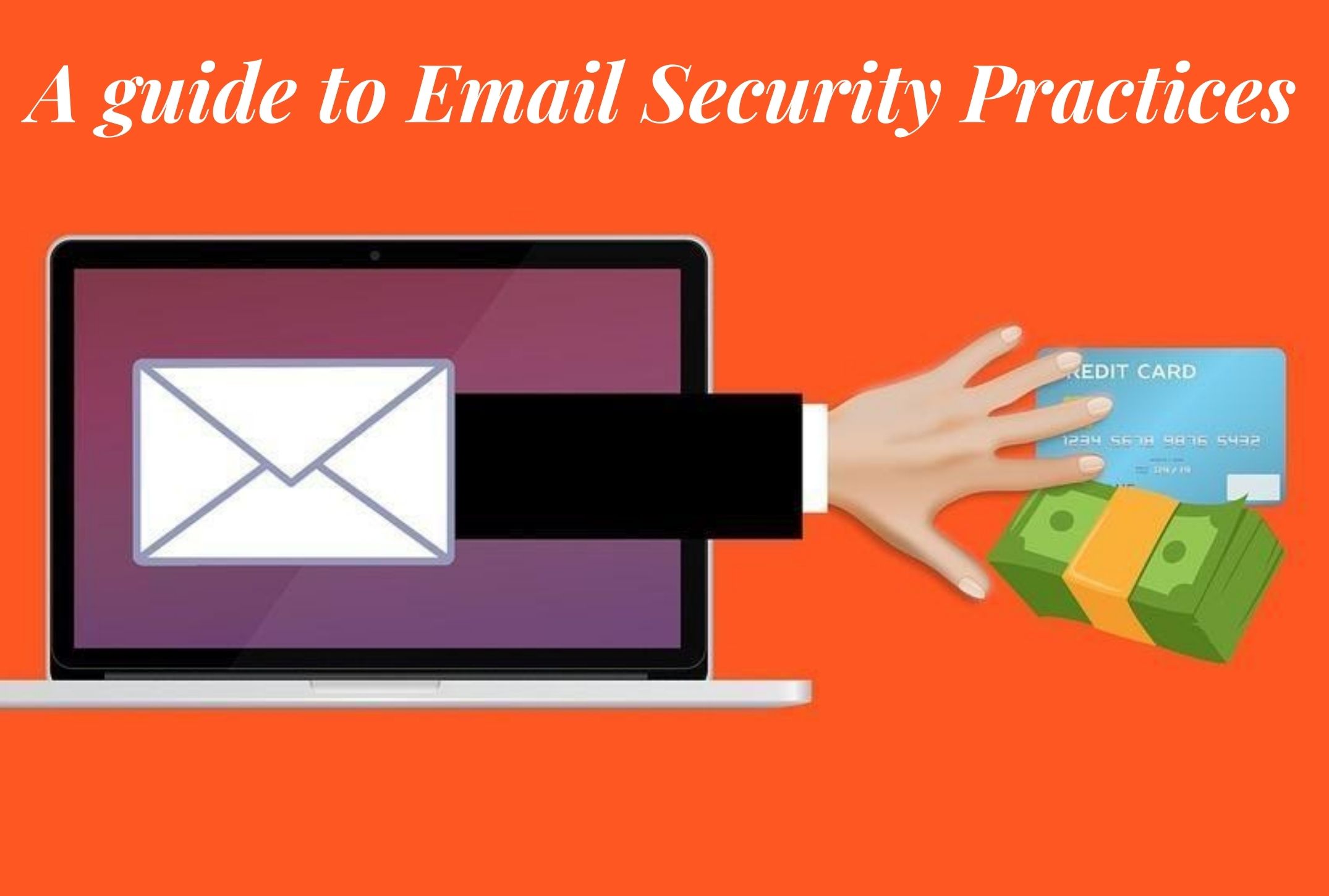
A guide to Email Security Practices

Why is Email Security Important?
Word Email Stock Illustrations – 5,813 Word Email Stock Illustrations, Vectors & Clipart - Dreamstime

Whether exchanging emails across networks or dumping them in your spam folder, a huge amount of data is sent, received and stored. You may not realize but there are high chances that an unsecured email might have landed in your inbox which can act as a source of data exploitation. Now you wouldn’t want that, would you? That’s why email security is very essential for our daily routine in order to keep a check if any malicious email is accessing our inbox or not. The cybersecurity professionals working in every industry vertical must stay updated with the prevailing attacks possible through emails.

According to ComputerWeekly.com, 82% of organizations claimed to have faced email-based cybersecurity threats in 2018. Whereas, ransomware seems to be the biggest cyber threat in the coming year. The reason being, ransomware attacks that encrypt critical business files and demand for ransom in return are often sent to individuals working in organizations by emails only!

These eye-opening facts call for proper email protection solutions that are needed to be implemented in every organization as a defensive system against invading cyber threats. As far as cybersecurity is concerned, the best solution is using email security tools that incorporate a wide range of security techniques that email accounts and services have. Proceed further for the top 5 email security practices that can benefit your organization from email-based cyber risks.

The 5 Types of Email Security Practices 


  • Never click the “unsubscribe” link in spam emails:

At times, certain emails manage to surpass the spam filter and land in your inbox. For instance, you come across one such certain email and on opening it, you discover that it looks like a phishing email. What would be your first instinct? In any normal situation, users tend to unsubscribe suspicious-looking emails but that is not actually safe!

Hackers are good manipulators and they use such links to fool people into clicking attachment which redirects the targeted users to a phishing site. Apart from that, these links also provide hackers with a back door for access into your system.

  • Avoid Public WiFi:

Never access emails from a public WiFi because they are less secure and hackers choose public WiFi to steal information by passing through a weak network. Cybercriminals require nothing but a laptop and basic software to hack into public WiFi networks and monitor all the traffic. Accessing emails via unsecured public networks can lead to misuse of user’s credentials and a huge loss of sensitive data. This could also result in further intended targeted cyberattacks that are down the line.

More organisations banning use of public Wi-Fi – report | Internet of Business

  • Email Encryption:

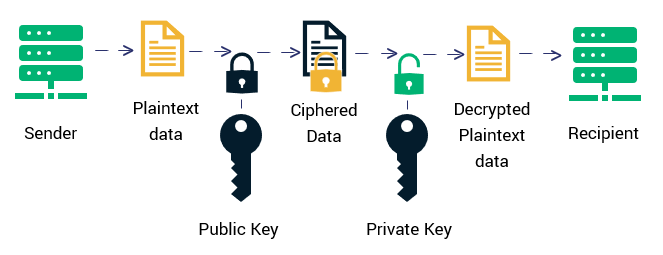
Disguising and encrypting email content potentially protects the sensitive data that is sent and received, from being read by anyone except the intended recipient. With email encryption, you can secure your emails over untrusted networks from eavesdroppers or any third person trying to invade in between the email exchange. This security strategy reduces the chance of disclosure of information as well as alter of message content.

  • Incident Response Tool:

Every 1 in 131 emails contains malware that is sent to the targeted users. Moreover, 95% of the data breaches are deployed through these malware-laden emails. In order to reduce these cyber risks, incident response tools like Threat Alert Button (TAB), help employees in an organization to report any suspicious-looking email for analysis.

This innovative tool by Kratikal is an instant phishing incident response tool where the reported suspicious-looking email is analyzed by the SOC team and moves the reported email to the spam folder in real-time for future exposure prevention, and this all is managed by just one click.

  • Employee Education:

Limit the chances of cyber risks in your organization by providing employees with cybersecurity awareness training tools. Along with the implementation of policies and email security tools to prevent cyber threat postures, it is essential to encourage employees to become proactive in combating attack vectors like ransomware, phishing emails, and cyber scams. Security awareness tools like ThreatCop is an AI/ML-based security attack simulation tool that assesses the real-time threat posture of an organization. With the unlimited number of attack campaigns and automated training campaigns, this product builds cyber awareness among the employees in an organization and creates a resilient working environment.

Implementing and working on the above-mentioned email protection solutions will not only keep your data safe but will also be beneficial in the long term. In order to protect your business, it is important to make sure that all your employees are empowered to make email based decisions and are protected from data thefts.

Email Security Best Practices for Companies

Hackers are everywhere nowadays and they won’t stop holding back from discovering vulnerabilities and exploiting your data. Secure your organization now with a robust email security tool in order to reduce the chances of becoming a victim of the prevailing cyber threats.
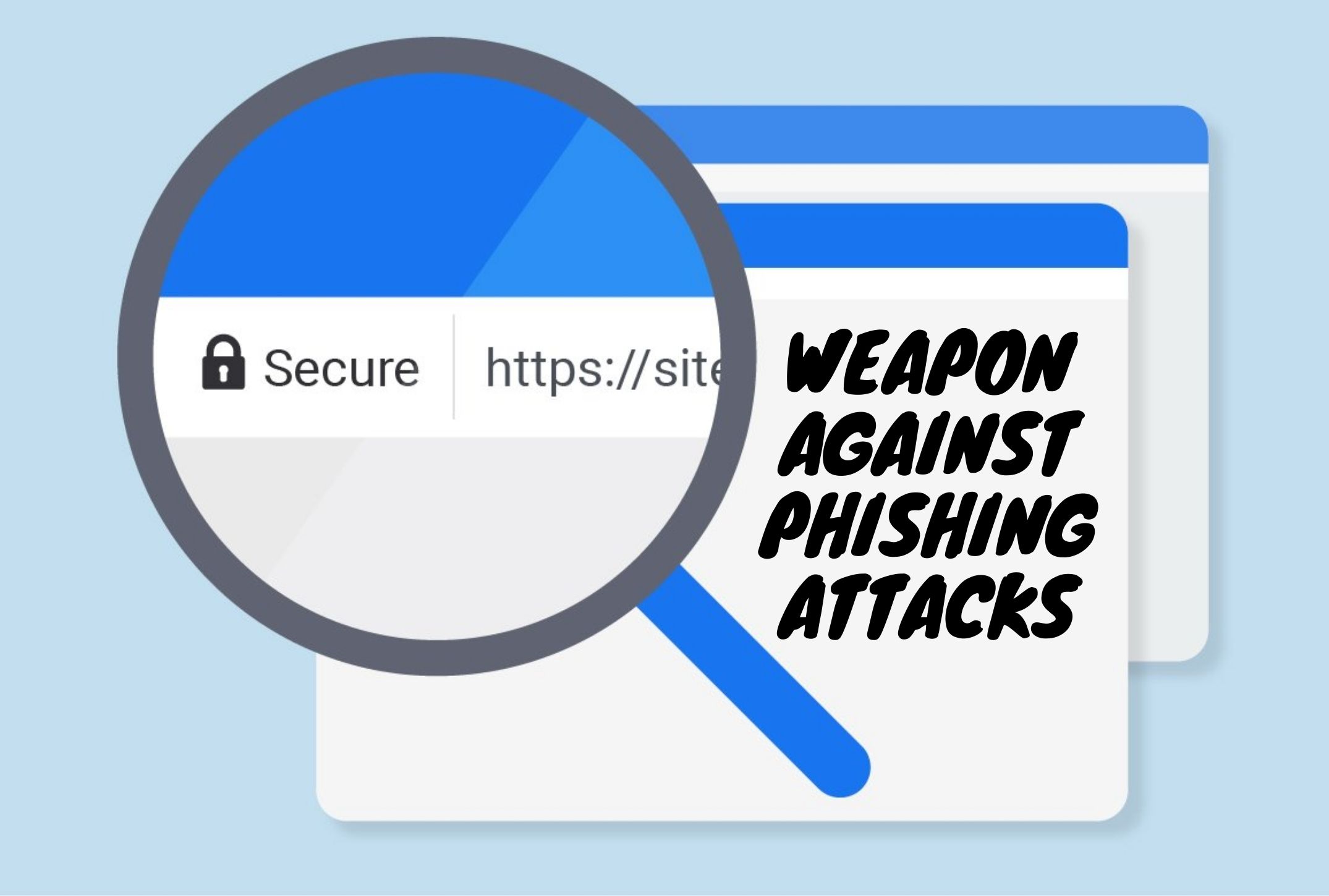
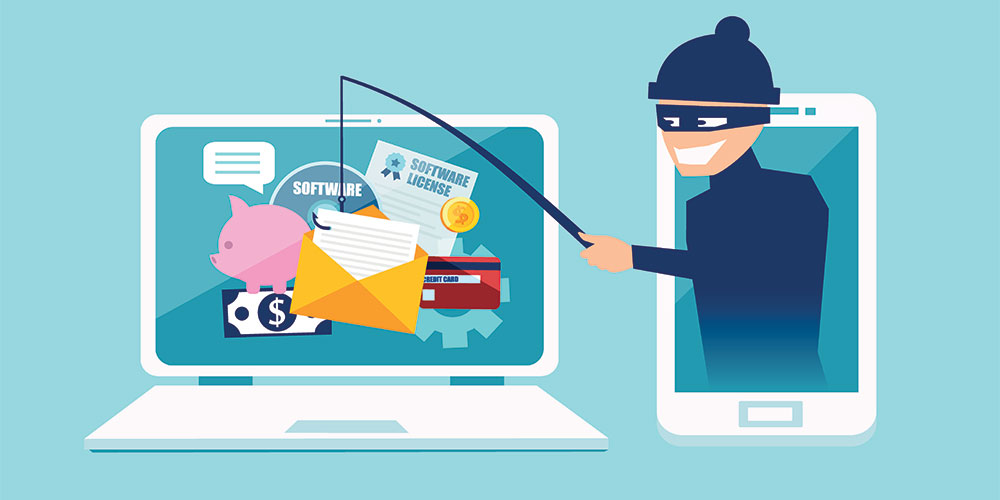
Weapon against Phishing Attacks

Microsoft Seizes Domains Used in COVID-19 Phishing Attacks - My TechDecisions

In the IT world, phishing is not a vague term. For those wondering “what is phishing?” it is an online identity theft. This cyber-attack is carried out by sending spoofed emails in the name of trusted sources like a bank or legitimate companies. Furthermore, the aim of this corrupt practice is to obtain credentials and financial information of the users. But with the rate of rapidly increasing phishing attacks, proper defense against phishing has to be taken.

In the cyber world, phishing attacks have risen up to 65% as compared to the past year. The level of phishing attacks has advanced so well that even top-notch companies have become phishing scam targets.

In order to secure data from any further exploitation, anti-phishing solutions have been introduced lately for defense against phishing. But before taking any step, you must know how to find a phishing email so that you are saved from phisher’s hook.

How Can You Identify A Phishing Email?

How To Recognize and Avoid Phishing Scams | FTC Consumer Information

Phishers aim user’s inbox for phishing attack by sending various forms of email that convinces a user to:

  • Click on a link
  • Enter credentials like username, passwords, etc. on a legitimate-looking website
  • Install application or software on your device
  • Open a doc file or many other tricks to lure users

The motive of sending such emails is to trick users to download malware on their devices. By doing this, the attacker would have the ease of remotely controlling the user’s device so as to steal all the important data.

To avoid such attacks, you can follow tips that will help you to protect against phishing attacks.

Guidelines for Best Defense Against Phishing

Updated software and OS:

What is an Update?

Always keep the version of your operating system up to date so as to avoid any sort of malware attack for the best phishing protection. Outdated software or operating system hold way too many bugs and hence become an easy target of phishing attacks.

Avoid Password Auto-Fill Service:

Autofill: What It Is & How To Use It On Your Android Device

Phishers are experts in using platforms to attempt a phishing attack, so it is better to skip a “save password” option if it pops up on any website. This step will help in keeping your information secure from hackers.

Two-Factor Authentication:

Is two-factor authentication (2FA) as secure as it seems? - Malwarebytes Labs | Malwarebytes Labs

It is better to adopt the latest technologies for security purposes if it comes from the right sources. Two-factor authentication is a widely used technique to secure data and financial information from unauthorized access.

Use Google Drive for Suspicious Documents:

Add Files Owned By Suspended Accounts To Shared Drives

In case you find any document sent from an unknown sender or receive a dubious-looking file, ensure to upload it on Google Drive. This would turn document into image or HTML, which in turn would avoid the installation of malware on your device.


Centrality of Cyber Security in the Educational Sector

Over the last few years, the education sector has become a new favorite target among cyber criminals. From turbulent ransomware attacks to covert data breaches, numerous academic institutions have suffered from various kinds of cyber attacks in recent times.

The introduction and adoption of newer technologies along with the disruption caused by the COVID-19 pandemic have fueled the situation further. Cyber criminals are attacking educational institutions with tactics and tools that have worked effectively against businesses.

Why has the Education Sector Become a Lucrative Target?

Why Cybersecurity Needs To Be a Priority for The Education Sector

According to an article by CSO Online, the education sector accounted for 13% of all data breaches in the first half of 2017, which resulted in the compromise of approximately 32 million records!


Here are the major reasons for the popularity of the education sector as a target among cyber criminals:

1. Financial Gain: According to research, educational records are worth up to $265 on the black market. The notion of such huge financial gain is more than enough for threat actors to target academic institutions.

2. Valuable Data: Even though educational institutions may not look as lucrative as healthcare companies or private businesses, they serve as a treasure trove of sensitive financial and personal information including valuable proprietary research data.

3. Espionage: Espionage is another reason for cyber criminals to target the education sector. Higher education institutes such as universities and colleges often serve as centers for research and possess valuable intellectual property.

4. Impacting Operations: Several attacks on academic institutions have been carried out with the motive of causing widespread disruption and adversely affecting the institute’s productivity.

Major Cyber Security Threats to the Education Sector

The Top 5 Cybersecurity Threats to Schools (And How You Combat Them) - Enterprise Training Solutions Blog

A wide range of cyber threats has been plaguing the education sector for years. Here are the top threats hounding educational institutions around the globe:


1. Spear phishing Attacks: Using spear phishing, cyber criminals have taken hold of several academic institutions, resulting in catastrophic losses. An article by Business Line reported that more than 1000 colleges, schools and universities were targeted by various spear-phishing campaigns in Q3 2020.


2. BEC Attacks: Threat actors have also resorted to BEC attacks for targeting organizations in the education sector. The same article by Business Line also reported that Gmail accounts serve as the primary medium for launching the majority of BEC attacks, accounting for 86% of all BEC attacks on academic institutions.


3. Ransomware: As per the FBI, schools have become the most popular targets for ransomware attacks. A number of colleges, schools and universities have been hit by vicious ransomware attacks, leading to devastating consequences.

4. DDoS Attacks: DDoS attacks or Distributed Denial of Service attacks are very common in the education sector. These attacks offer an easy way for cyber criminals to disrupt operations, especially if the network of the target organization is poorly protected.


5. Data Breaches: Since academic institutes hold a huge cache of valuable information, data breaches have always been common in the education sector.

Recent Cyber Attacks on the Education Sector

As mentioned above, many educational institutions worldwide have been hit by cyber attacks in recent years. Here are some major cyber attacks witnessed by the education sector over the last couple of years.


1. In March 2021, the London-based Harris Federation suffered a ransomware attack and was forced to “temporarily” disable the devices and email systems of all the 50 secondary and primary academies it manages. This resulted in over 37,000 students being unable to access their coursework and correspondence.

Sophisticated Ransomware Attack leaves 36,000 Students without Email

2. The Division of Structural Biology at Oxford University fell victim to a cyber attack in February 2021. It was involved in extensive COVID-related research and access details for several of its systems were spotted online.

3. The University of Northampton was hit by a cyber attack in March 2021 that led to the disruption of its telephone and IT systems and servers.

4. The University of California, San Francisco paid a ransom of $1.14 million after the NetWalker ransomware locked down multiple servers of its School of Medicine in June 2020.

5. Birmingham college was hit by a ransomware attack and had to ask all of its 20,000 students to stay at home for a week. It had not even been two weeks since they had returned to the college following an extended lockdown due to the COVID-19 pandemic.

All hell broke loose': How a cyber attack shut a college

How to Protect Educational Institutions Against Cyber Attacks?

Whether it is due to the lack of resources and budget or the absence of stringent security policies, academic institutions have been unable to protect themselves against cyber attacks in the past.


With a myriad of cyber security issues hounding the education sector, it is about time for these institutions to take the appropriate precautions and get ahead of threats. So, here are some effective measures you can take to shield an educational institution against cyber threats.


1. Implement a robust Identity Access Management (IAM) system to prevent anyone from obtaining unauthorized access to the network.

What is Identity Access Management? | Varonis

2. Conduct periodic Vulnerability Assessment and Penetration Testing (VAPT) to detect and fix any exploitable vulnerabilities in your organization’s cyber security infrastructure.


3. Enable Multi-Factor Authentication (MFA) on all the applicable endpoints across the enterprise networks to add an extra layer of security to your organization’s cyber security framework.


4. Train all the employees in the basics of cyber security to generate awareness about various cyber threats and the best ways to deal with them.

5. Enforce cyber security best practices like a strong password policy. Make sure your employees are aware of the consequences of not following the practices and understand their responsibility in keeping the organization safe.


Cyber security in the education sector is essential for about a hundred reasons, the most important one of them being to ensure the safety and privacy of students. So, take the necessary measures now and keep your organizations protected against cyber threats.


10 eCommerce Website Security Tips

How Much an eCommerce Website Costs in 2021 | eDesk

While all websites need to protect themselves from hacking and infection, eCommerce website that carry out online transactions and collect customers’ financial and personal details need to take extra special care. In this post, we’ll show you some essential tips to keep your online store safe.

1. Use a secure eCommerce platform

15 top tips for shopping safely online

All website platforms have their strengths and weaknesses but some are more secure than others or have security plugins that can make them more robust. Magento is a CMS specially designed for eCommerce website and with security features built around the needs of online stores. WordPress, the world’s leading CMS, has numerous plugins you can use to keep the site secure, including the well-established and respected Wordfence and Sucuri.

These defences can protect your site against a range of threats including malware infection, SQL injections, Denial of Service attacks, cross-site scripting and zero-day exploits.

2. Make sure you scan for malware

How to Remove Malware From Your PC | PCMag

Most web hosts offer a malware scanning service that detects and prevents the various types of malware infecting your files. Using such services can prevent these stealthy programs carrying out their malicious activities, such as ransoming your site, stealing your data, infecting your users’ computers and so forth. Ideally, choose a service that will notify you immediately if an infection has been found.

3. Install SSL certificates

How to Install SSL Certificate on Your WordPress Site

SSL is essential to online stores, as most payment gateways won’t allow you to undertake financial transactions on your site without it. Essentially, installing an SSL certificate enables the encryption of financial data as it is sent from the customer’s browser to your server, thus preventing it being stolen during the checkout process.

With an SSL certificate installed, your web address changes from ‘HTTP’ to ‘HTTPS’ (S standing for Secure) and this enables search engines to put a green padlock icon in your visitors’ browser, increasing the likelihood that they will trust and buy from you. It also increases your chances of ranking higher.

4. Better management of customer data

Marketing through Big Data Analytics! | People Counter | Footfall Counter | Retail Analytics

Customer data is valuable to hackers as they use it to steal from people or sell it on the dark web to other criminals. If you collect customer data, this means you are a target for hackers. That said, a criminal can’t take information if you haven’t got it. The first rule of managing customer data, therefore, is to only collect the information you actually need. If that information can be taken anonymously, so it cannot be linked to individual users, even better. Encrypting data, such as with the SSL certificates mentioned above, also makes it more secure. Finally, consider where you store your personal data. If it is stored along with your website files it is more vulnerable than being stored remotely, perhaps in the same place where you would keep your remote backups.

5. Enforce strong passwords or use 2-step authentication

Why you need both Two-factor Authentication & strong passwords on WordPress sites - Security Boulevard

While strong passwords can be a pain to use and two step-authentication makes signing in take longer to do, both of them massively reduce the chances that you, your employees or your customers will fall foul of a brute-force attack.

As modern computers and phones securely store strong passwords for you, so that people don’t even have to know what they are, there is really no excuse for not using these measures.

6. Train your employees in security

Cyber Security Training for Employees | Travelers Insurance

Unwittingly, employees are a major cause of cybersecurity breaches. Using weak passwords, clicking on links in infected emails and sending valuable information to fake emails that pretend to come from their bosses are all common ways for eCommerce website to get caught out.

One simple solution is to train your employees so they know what the threats are and how to stop them. You can also put essential good practice into your IT policy to ensure that your staff know they are obliged to follow the rules you set.

7. Use authentic plugins and themes

Why You Need To Discontinue Using Nulled WordPress Plugins On Your Site - weDevs

There are tens of thousands of themes and plugins available for the various CMS platforms and these can be obtained from a variety of online sources. Not all of them, however, are guaranteed to be secure. It wouldn’t take very long for a criminal organisation to develop a theme or plugin with a built-in virus or spyware and make it available on a third-party website as a legitimate piece of software. Indeed, such a theme or plugin could function perfectly without you knowing it was infected.

To protect yourself, always use software from reputable sources and from a verified developer. The safest place is from the website of the actual CMS, such as installing a theme directly from the WordPress Repository. That’s not to say that there aren’t any reputable third-party developers, there are. You just need to be careful.

8. Monitor website activity for threats

Five Tools for User Activity Monitoring | Logz.io

Website monitoring can spot risks and help you to stop attacks. It can, for example, tell you if someone is making too many failed login attempts, a clear sign that there may be a brute force attack taking place. It can indicate if people are trying to log in from countries that you wouldn’t expect your visitors to come from or if they are using usernames which they shouldn’t be using, such as ‘Admin’. Monitoring can also discover the initial signs of a DDoS attack and put a stop to it before it takes your site offline.

9. Ensure software is updated as soon as possible

Cybercriminals intentionally search the internet looking for eCommerce website that run vulnerable software. Luckily, most developers will issue an update or a patch to fix a vulnerability as soon as it is discovered. Any website that uses automatic updates or which manually updates as soon as a patch is released is immediately protected once the new version is installed. It is those websites that delay updating that leave themselves wide open to attack. In essence, its no different to leaving a shop unlocked overnight when you know there’s a burglar working in the area.

10. Use remote backups

Remote Backup Solutions for Small Business in UK ?

60% of companies that experience a cyberattack go bust within 6 months. For many, the reason for going under is that it takes too long to recover. Losing their website files, content, customer data and sales orders means it would take months of work to get back online, by which point, the company is no longer viable.

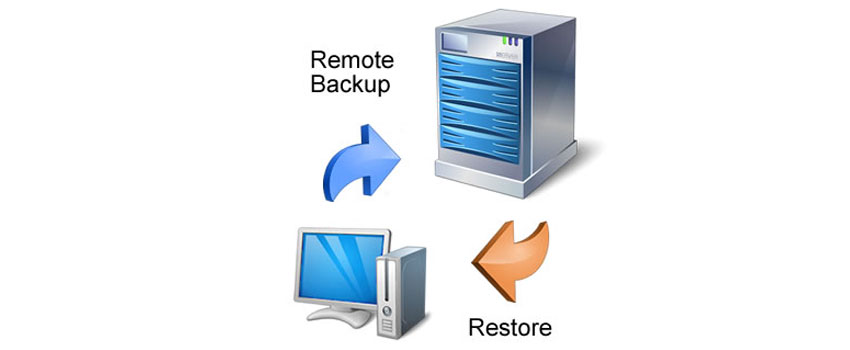
Quite simply, by taking regular, up-to-date backups and storing them remotely, such disasters don’t need to happen. If your site goes down, whether from a cyberattack or any other reason, a backup means it can be restored very quickly and your business can be back online in no time.

Conclusion

As an eCommerce website , it is crucial that you keep your website as secure as a traditional retailer would their bricks and mortar store. Hopefully, the ten tips we have raised here will provide comprehensive guidance on how to prevent your online store suffering from a cyberattack and, should the worst happen, show you how to recover quickly enough to keep your business from going under.

Online Brand Protection: Detection, Inspection, and Destruction

The Top Questions We Get Asked About Brand Protection - The Search Monitor

Is Your Brand Secure Online?

It takes decade building a trusted brand that is vibrant and customer engaging. As a trusted online brand, your customers expect you to secure their private information and go over-and-beyond in defending them from becoming targets of cyber crooks.

In this era of a developing digital age, brand owners are at a huge risk of falling victim to a multitude of online threats. It takes only a mere moment of negligence and online fraud to leave a brand devastated from its reputation.

Brand protection – how to keep your business safe online

If this wasn’t obvious enough, the internet has already become a new arena for brand-related crimes such as identity thefts, virtual crimes, and data hacks. Over 150 brands are hijacked because of phishing attacks, every month. Cybersquatting crimes alone cost over $1 million annually to the brand companies.

Building and maintaining social media accounts, websites, and email campaigns for targeting prospects and clients is highly important to promote a business and a brand on an online platform. These things are highly essential, but they also make brands vulnerable and open to the prevailing cyberattacks.

There are miscellaneous ways to fall victim to unethical online practices and tools that not only affect the brand image but the entire organization. Online brand abuse, brand counterfeiting, cybersquatting, and cyber threat activities are needed to be combated with the right investigation and proper brand monitoring tool to prevent the loss of revenue, secure brand reputation and maintain customer trust.

Time for Online Brand Protection


Top 5 Brand Protection Strategies for 2015 - Fourth Source

With innovation and advancement in technologies, there should be proper strategies for domain and brand protection online. Every organization should be vigilant towards the online security of its brand and must make sure that their brand is not being used as a vehicle of impersonation and fraudulent messages.

Cyber fraud comes in an ever-evolving array of various forms. From phishing websites, brand impersonation to identity theft, many comprehensive cybercrimes can cause serious financial loss to an organization.

Brand protection online is critical and it goes beyond setting up firewalls or antivirus software. It requires having employees who are aware of the existing cybersecurity threats and are proactive towards the impending cyberattacks. Along with that, it includes the proactive scanning of public domains and Dark Web servers to identify any evidence of brand counterfeiting.

The main role of online brand protection is to find and shut down fake social media profiles or websites that use your company’s logo or message people in your brand name to steal login credentials and access to your secure networks.

Top 3 Online Brand Protection Solutions

With the help of the right tools in the right place, protect your brand online along with your digital assets against brand infringements. Here are some simple tips and brand protection solutions that an organization must implement and follow:

Website SSL

The benefits of having SSL certificate on WordPress Website

Website Secure Sockets Layer (SSL) is a security standard that creates an encrypted link between the web server and browser or a mail server and mail client. With website SSL, customers can more easily determine whether they have landed on your legitimate and official website or not. Websites that hold private data must have this implemented so that customers are aware of the information that is processed through that site is encrypted and authenticated.

Brand Monitoring  

How to Apply Employee Monitoring Without Compromising Workplace Culture | SoftActivity

Make sure that no negative publicity of your brand is existing on the web and is not leaving a wrong impact on your customers. Proactive brand monitoring on the web is a smart way to identify and check the fraudulent cyber activities taking place against your brand.

Take Down of Phishing Websites

Sports Clipart - Free Wrestling Clipart to Download

According to Webroot, around 1.5 million phishing websites are created every month. Brands on an online platform need to stay protected from cyber fraudulent activities like brand infringement and phishing websites/mobile applications.

2021’s Top Email Security Practices

Best 5 Steps to Enhanced Email Security | Improve Email Security

Why is Email Security Important?

Whether exchanging emails across networks or dumping them in your spam folder, a huge amount of data is sent, received and stored. You may not realize but there are high chances that an unsecured email might have landed in your inbox which can act as a source of data exploitation. Now you wouldn’t want that, would you? That’s why email security is very essential for our daily routine in order to keep a check if any malicious email is accessing our inbox or not. The cybersecurity professionals working in every industry vertical must stay updated with the prevailing attacks possible through emails.

Europe's cybersecurity finest failing on email security basics - IT Security Guru

According to ComputerWeekly.com, 82% of organizations claimed to have faced email-based cybersecurity threats in 2018. Whereas, ransomware seems to be the biggest cyber threat in the coming year. The reason being, ransomware attacks that encrypt critical business files and demand for ransom in return are often sent to individuals working in organizations by emails only!

These eye-opening facts call for proper email protection solutions that are needed to be implemented in every organization as a defensive system against invading cyber threats. As far as cybersecurity is concerned, the best solution is using email security tools that incorporate a wide range of security techniques that email accounts and services have. Proceed further for the top 5 email security practices that can benefit your organization from email-based cyber risks.

The 4 Types of Email Security Practices 

  • Never click the “unsubscribe” link in spam emails:

5 things you should know about email unsubscribe links before you click – Naked Security

At times, certain emails manage to surpass the spam filter and land in your inbox. For instance, you come across one such certain email and on opening it, you discover that it looks like a phishing email. What would be your first instinct? In any normal situation, users tend to unsubscribe suspicious-looking emails but that is not actually safe!

Hackers are good manipulators and they use such links to fool people into clicking attachment which redirects the targeted users to a phishing site. Apart from that, these links also provide hackers with a back door for access into your system.

  • Avoid Public WiFi:

Public WiFi Risks and How to Avoid Them - Free WiFi Hotspot - Best Free WiFi Hotspot Creator to Share Network

Never access emails from a public WiFi because they are less secure and hackers choose public WiFi to steal information by passing through a weak network. Cybercriminals require nothing but a laptop and basic software to hack into public WiFi networks and monitor all the traffic. Accessing emails via unsecured public networks can lead to misuse of user’s credentials and a huge loss of sensitive data. This could also result in further intended targeted cyberattacks that are down the line.

  • Email Encryption:

How Do I Encrypt an Email & Send It Through Gmail or Outlook?

Disguising and encrypting email content potentially protects the sensitive data that is sent and received, from being read by anyone except the intended recipient. With email encryption, you can secure your emails over untrusted networks from eavesdroppers or any third person trying to invade in between the email exchange. This security strategy reduces the chance of disclosure of information as well as alter of message content.

  • Employee Education:

5 Things Every Full-Time Employee Should Consider About Education

Limit the chances of cyber risks in your organization by providing employees with cybersecurity awareness training tools. Along with the implementation of policies and email security tools to prevent cyber threat postures, it is essential to encourage employees to become proactive in combating attack vectors like ransomware, phishing emails, and cyber scams. Security awareness tools is an AI/ML-based security attack simulation tool that assesses the real-time threat posture of an organization. With the unlimited number of attack campaigns and automated training campaigns, this product builds cyber awareness among the employees in an organization and creates a resilient working environment.

safety clipart - Clip Art Library

Implementing and working on the above-mentioned email protection solutions will not only keep your data safe but will also be beneficial in the long term. In order to protect your business, it is important to make sure that all your employees are empowered to make email based decisions and are protected from data thefts.

Hackers are everywhere nowadays and they won’t stop holding back from discovering vulnerabilities and exploiting your data. Secure your organization now with a robust email security tool in order to reduce the chances of becoming a victim of the prevailing cyber threats.

India’s 2020 Cybersecurity master plan

Top Cybersecurity Challenges 2021 - Solve Data Protection Issues

The Current Cybersecurity Challenges in India

Every year, the industry of cybersecurity in India faces new challenges and responsibilities to safeguard the growing online data and the digital economy. Did you know the digital economy currently comprises 14-15% of the total economy of India? While with more than 120 recognized ‘data centers’ and clouds in India, the digital economy is targeted to reach 20% by the year 2024!

Moreover, the incorporation of artificial intelligence (AI), machine learning (ML), Internet of Things (IoT), cloud computing and data analytics, has again become a huge challenge for the cyberspace as apart from becoming a more complex domain, it is giving rise to technical issues and the anticipated cyber risks.

Cybersecurity looks to the cloud to protect data at sea

However, with the development and introduction of advanced technologies in the market, India is yet to face and tackle new problems in the domain of cybersecurity. This disruptive innovation has brought India to crossroads with a complex network of modern enigmas and unprecedented harm.

Below mentioned are some of the major cybersecurity challenges that our nation is facing:

  1. Email-based and internet-facing applications still remain to be among the top threat vectors.

  2. With people depending more and more on the cloud infrastructure and solutions, human error continues to be the primary source of misconfigurations and vulnerabilities.

  3. In the research analysis of 50,000 emails, a significant increase in the conversation hijacking attacks by 400% between July and November 2019 was experienced. Therefore, this still continues to be a major cyber risk

  4. Growing online transactions seems to have generated considerable incentives for cybercriminals.

  5. Phishing and unethical cyber practices have grown a hundredfold in the past few years, making it easier for even non-technical perform hacking.

  6. Cloud, 5G and IoT devices have evolved as among the biggest cybersecurity threats of 2020.

The New Cybersecurity Approach for 2020

Back in late 2019, India was at the target of two cyberattacks in the same month. Moreover, the malware attacks at the Indian Space Research Organization (ISRO) and Kudankulam Nuclear Power Plant were believed to have happened due to phishing attempts on employees. After experiencing these devastating cyber risks, India is all set to fill the security gaps with the new Cybersecurity Strategy 2020!

With the vision of creating a “cyber-secure nation” for businesses as well as individuals, the Indian government is ready to release the cybersecurity strategy policy in January 2020 with an aim to achieve the target of $5 trillion economy.

Cybersecurity

Meanwhile, on the other hand, the IT Secretary Ajay Prakash Sawhney has stated that our country holds an estimated amount of USD 1.9 billion in cybersecurity service enterprises and USD 450 million of cybersecurity products from India. Along with the presence of multinational and Indian entities, engaging in R&D cybersecurity, all in total currently amounts to USD 5 billion worth cybersecurity ecosystem in India. (source: The Economics Time)

The cybersecurity companies in India have come up with innovative and leading technology-based products and services to reduce the prevailing cyber threat postures in organizations across the nation. As a contribution to creating a “cyber-secure nation”, these companies are effortlessly providing the best defensive tools and VAPT services for all the industry vectors.

Cybersecurity Advice: Focus on Threat Detection and Response – Parallel Technologies, Inc.

Our country is fully inclined towards the path of sustainable development but to achieve that, we have to combat various hurdles such as patching up of the existing vulnerabilities in the cyber world. And this can only happen with the proper formation of critical IT infrastructure and consistent partnership between the public and private sectors working as key aspects for a cybersecurity framework.

Your Single Source for Cybersecurity Resources | SoftwareONE

It is vital to be visionary and recognize the upcoming challenges from the future in order to be fully prepared and preventing our organizations from becoming another cyberattack’s victims. We don’t have to match the worldwide standards in security when we are capable enough of setting up the highest standards in the world!

A tour to Web Application Security Testing

Different Ways In Which Web Application Development Is Changing

What is Web Application Security Testing?

Applications are the most favorable medium for cybercriminals who seek to steal data or breach user’s security defenses. Being available 24/7 to users, web applications hold high chances of becoming a target for hackers trying to seek access to the confidential back-end data. According to the cybersecurity research, there were more than 3,800 publicly disclosed data breaches, exposing 4.1 billion compromised records. A huge amount of data is stored in web applications. With the increasing number of transactions taking place on websites lately, the need for comprehensive web application security testing must be considered a mandatory step.

A 6-Step Guide to Web Application Testing [Agencies Approved]

But what actually the term ‘Web Application Security Testing’ means? Basically, it is the process of checking the security of confidential data from being exposed to unauthorized individuals or entities. The purpose of this security testing is to ensure that the functionality of the website is not being misused or altered by any user. Apart from that, it also ensures that no user holds the authority to deny the functionality of the website to other users.

In order to have the best web application security practices, it is important to have knowledge of the following main key terms:

  • Vulnerability 

A Guide to Vulnerability Assessment For Organization Security

A flaw, weakness or misconfiguration in a web-based application code that empowers attackers to gain a certain level of control of the website or possibly over the hosting server.

  • Website SpoofingSpoofed URL - Wikipedia

Act of creating a hoax website to mislead users or target audience of the authenticated website for fraudulent intent.

  • URL Manipulation

URL Manipulation Attacks - CCM

The act of altering or manipulating information in the URL to get access to the confidential information and this information is passed on through the query string.

  • SQL injection

Introduction to SQL Injections. SQL injection is an attack technique… | by Charithra Kariyawasam | Medium

A computer attack in which malicious code is inserted in a weakly-designed web application and is then passed on to the backend database. As a result, malicious data produces a confidential database query result.

  • XSS (Cross-Site-Scripting)

What is Cross-site Scripting (XSS) and how can you fix it? | Detectify Blog

A security breach where the malicious scripts are injected into the otherwise trusted websites. This attack occurs when a cyber-attacker uses a web application to send malicious code to different end-user in the form of a browser-side script.

Types of Web Application Security Testing

When it comes to web application security, there are more than one standard ways to perform:

1. Vulnerability Assessment

Vulnerability Assessment

Done through automated software, this type of testing is performed to scan web applications against known vulnerability signatures. It is the process of identifying and prioritizing vulnerabilities in the web application whereas it provides the knowledge, awareness, and risk background check which is necessary to understand.

2. Dynamic Application Security Test 

Dynamic Application Security Testing: DAST Basics - WhiteSource

This automated application security test includes dynamic scanning of a live running web application for analyzing the common vulnerabilities which are susceptible to attack. This process of dynamic vulnerability scanning requires a proper set up of the OWASP ZAP testing standard.

3. Static Application Security Test 

Static Application Security Testing: SAST Basics - WhiteSource

SAST solutions analyze the web application from “inside out” in a static form. Under this security application approach, both manual and automated testing techniques are involved. It is helpful in identifying bugs without requiring to execute applications in a production environment. Also, Static Application Security Testing, developers can scan the source code to systematically identify and eliminate existing application security vulnerabilities.

4. Penetration Test 

What is Penetration Testing? Pen Testing Tools - XenonStack

Penetration testing or ethical hacking is the practice of testing web application security in order to identify the security vulnerabilities that can be easily exploited by attackers. It can be performed either automatically or manually. This security testing is best for critical web applications and especially for those that are undergoing major alterations.

5. Runtime Application Self Protection

Runtime Application Self-Protection (RASP) - The Complete Guide

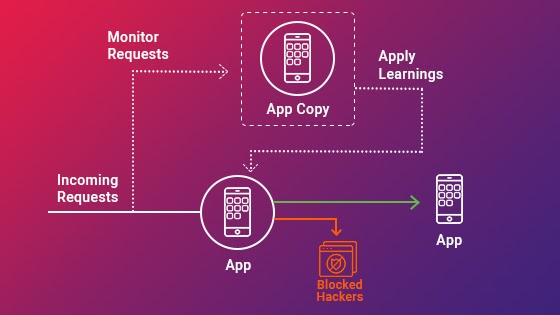
Under this approach, various techniques are applied to instrument a web application to detect and block attacks in real-time. When an application runs live, RASP ensures to protect it from malicious input or behavior by inspecting the app’s performance behavior.

Does Web App Security Testing Help in Reducing the Organization’s Risk?

Web Application Security Testing Software - PortSwigger

Every organization has got either one or multiple website applications, which eventually become the scope of potential data and security exploitation on an extremely broad level. Moreover, with developers working day and night on introducing the latest technology and frameworks with the code deployed, they often fail to think of security as a priority.

Any organization’s web application in today’s date can be easily affected by a wide array of security issues. Cyber attacks like SQL injection, Remote Command Execution, Path Traversal, and XSS can lead to harmful results like access to restricted content, installation of malicious code, compromised user accounts, loss of customer trust, damaged brand reputation and much more.

Beyond Data Science - Unit testing | by Mohammed Sunasra | Medium

Knowing that such attacks not only make web applications vulnerable but also lead to potential damage to the security, best web application security practices offer to preemptively address the security vulnerabilities and take action against them accordingly.

On the other hand, users now are becoming more aware of securing their data and therefore will trust secured web applications with their personal records and financial details, so it is up to the organization to provide them with robust security.

What Is Web Application Security? | Web Security | Cloudflare

Therefore, continuous security testing is highly crucial for regularly running web applications in order to mitigate potential vulnerabilities by fixing and improving security. As more secure the web application is, better will be the brand reputation of an organization.

Always remember that web application is 100% secure and it takes only one small vulnerability for a hacker to exploit everything that comes in its reach. With web application security testing tools, one can minimize cyber risks and can have the full trust of customers.


Benefits of Cloud Infrastructure Security

How is Cloud Infrastructure Security Important for an Organization?

Embracing new technologies lead to qualitative growth but simultaneously holds high chances of quantitative data breaches. While adopting cloud technology, it is important to see the security of cloud infrastructure as one of the crucial responsibilities. There are various organizations out there that are still unsure of the security of their data present in the cloud environment.

Importance of Cloud Computing for Large Scale IoT Solutions

In 2019, Collection #1, a massive data breach held responsible for compromising data set of over 770 million unique email addresses and 21 million unique passwords. The collection of data files was stored on a cloud storage service and MEGA. Similarly, information of over 108 million bets’ records was leaked by an online casino group. The leaked data included details of customers’ personal information along with deposits and withdrawals. 

Following in the same year, a famous food delivery service providing firm was breached, compromising the data of 4.9 million users which included consumers as well as delivery employees. According to SC Media, 2019 has been the year of the highest number of data breaches and this amount of growth rate has never been witnessed before. 

These infamous data breaches are proof that storage service providers like Cloud requires consistent security management. When we talk about the security of cloud infrastructure, many enterprises wrongly assume that their data is well guarded and is far away from the radar of cyber criminals. The truth is, these cyber criminals are experts at scraping up the exposed vulnerable data by using unethical ways to look for unsecured databases.

For starters, the term cloud computing infrastructure security refers to the entire infrastructure of cloud computing which involves a wide set of policies, applications, technologies. It also includes controls that are used to protect virtualized IP, services, applications and data.

Scaling enterprise IoT solutions using edge computing and the cloud | Deloitte Insights

With companies migrating their large amount of data and infrastructure to the cloud, the importance of cloud infrastructure security becomes paramount. Cloud security offers multiple levels of control to provide continuity and protection in a network infrastructure. It is a highly essential element in creating a resilient environment that works for companies all over the world.

Enjoy the benefits of infrastructure security in the cloud by partnering with leading technology-based private cloud computing security service providers in order to keep the security of the company smooth running.

Here are the five major benefits of cloud infrastructure security solutions:

  • Data Security

9 Data Security Best Practices For 2021

Nowadays, cloud computing servers are becoming gullible to data breaches. Cloud infrastructure security solutions help in ensuring that data like sensitive information and transaction is protected. This also helps in preventing the third party from tampering with the data being transmitted.

  • DDoS Protection 

DDoS Detection & Mitigation: Thunder TPS | A10 Networks

Distributed denial of service aka DDoS attacks are infamously rising and are deployed to flood the computer system with requests. As a result, the website slows down to load to a level where it starts crashing when the number of requests exceeds the limit of handling. To reduce the attempts of DDoS attacks, cloud computing security provides solutions that focus on the measures to stop bulk traffic that targets the company’s cloud servers.

  • Constant Support 

Teamwork puzzle clipart free clipart images 2 - Clipartix

When it comes to the best practices of cloud infrastructure security solutions, it offers consistent support and high availability to support the company’s assets. Users get to enjoy the benefit of 27/7 live monitoring all year-round. This live monitoring and constant support offer to secure data effortlessly.

  • Threat Detection

Threat Detection and Response: How to Stay Ahead of Advanced Threats.
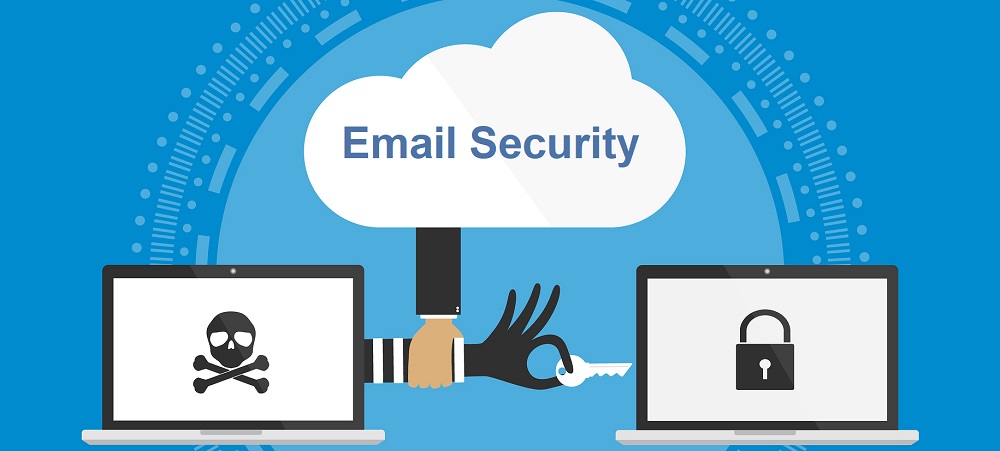
Infrastructure security in the cloud offers advanced threat detection strategies such as endpoint scanning techniques for threats at the device level. The endpoint scanning enhances the security of devices that are accessing your network.

  • Supervision of Compliance

Compliance Supervision - FinTech Legal Center

In order to protect data, the entire infrastructure requires to be working under complaint regulations. Complaint secured cloud computing infrastructure helps in maintaining and managing the safety features of the cloud storage.

The above-mentioned points are clear enough to state how beneficial and vital is cloud infrastructure security for an organization. There are very many high-profile cases that have been witnessed in past years relating to data breaches.

To overcome the loopholes present in the infrastructure security in the cloud, it is extremely important to keep the security of cloud storage services as a high priority. Engage with the top-class cloud computing security tools to get better results and have the data secured.

Rising Web Application Attacks in India: A Concern

Web application attacks rise to account for almost half of all data breaches | The Daily Swig

Accelerating rate of cyber-attacks is no more an unfamiliar situation for us. Web application based cyber attacks are the most common. Akamai Technologies , a content delivery network, released a report in 2017 for quarter 3 which mentioned India at 7th position in the list of top 10 targeted nations for web application attack.

As per recent figures, i.e. for the data from 8th Nov 2018 to 15th Nov, 2018, India still continues to be among top 10 marked nations for web application based attacks.

Countries Attacks
Russia Federation 18,754,282
United States 15,512,265
Ukraine 5,176,643
Netherlands 3,606,021
India 2,724,440
Canada 2,101,396
Sweden 1,896,300
Germany 1,845,175
Bulgaria 1,538,136
United Kingdom 1,455,023

Source: Akamai Technologies State of the Internet Report

As per World Bank, the number of secured servers in India is 10,350 which, when put against 500 million internet users, is a clear indication of the need for better and secure infrastructure to be able to support the data surge.

The State of Web Application Vulnerabilities in 2017 | Imperva

Even at the earliest attempt, it will take a few years to remedy this problem. And still, it won’t guarantee an organizations’ safety. According to recent research, 75% of cyber attacks are web application based. Improper coding can stem serious concerns in web applications security. Such vulnerabilities allow attackers to gain direct access to servers to extract sensitive data from the database. In a framework where hackers have access to such sensitive data; with a bout of creativity and some human error, any web application can be susceptible to web attacks.

Preventing Web/Application Attack by Security Audit | Gsecurelabs

A web application can be secured by performing a vulnerability assessment and penetrating testing.  , Anteelo is an end-to-end cyber security firm provides a complete suite of manual and automated VAPT services.


error: Content is protected !!