“Cyber Security Awareness” – A priority among employees

12 Ways To Create An Unmissable Cyber Security Awareness Campaign

Cyber security awareness is an essential part of something that can be considered equivalent to the vault that has all your valuables in it. It is extremely vulnerable and requires attention. Since the last decade, cyber-criminals have shifted their focus from individuals to employees within organizations. These attacks have cost billions of dollars in thousands of reported cases. Some of the most infamous cases include:

Target

Arrows in the target clipart. Free download transparent .PNG | Creazilla

In 2013, Target became the victim of a third-party credit card data breach in which the vendor extracted the credentials outside of an appropriate use-case. The attackers leveraged the weakness present in the payment system of Target to access customer base and then install the malware. The attackers stole the personal information of customers including customer name, payment card details, credit card verification code etc.

RSA

AES and RSA Encryption Explained

In 2011, two groups of hackers launched a phishing attack on the employees of RS the security arm of EMC. These two groups had the support of the foreign government. This phishing attack compromised the SecureID authentication and extracted more than 40 million employee records.

These cases set a clear example of how mere negligence can destroy an entire organization.

What do reports say about such cases?

As per the report released by Kaspersky Lab, negligence of employees is

the cause of almost half of all the cyber-attacks and two-thirds of the data

Free Reports Cliparts, Download Free Reports Cliparts png images, Free ClipArts on Clipart Library breaches. 24% of the employees within the organization are not aware of the security policy that their own organization have. In the same research, 44% of the companies admitted that employees do not follow IT security policies properly. During the year 2017, 35% of organizations focused on staff training and it was the second most adopted approach to facilitate cyber security awareness.

  • An online marketing firm, Reboot, in 67% of the cyber attacks, attackers have more often targeted lower-level employees.
  • Cyber security ventures have predicted that by the year 2021, the cyber cost will cost $6 trillion globally. 42% of the large organizations and companies have accepted that they have been the victim of phishing attacks.
  • According to Symantec’s 2018 Internet Security Threat Report, 88% of all the attacks use emails with malicious attachments that have been downloaded by employees that resulted in a breach of server, device or network.
  • Watchdog says 72% of data breach attacks occur through email in organizations that have less than 100 employees.

How can organizations create cyber security awareness among employees?

Cybersecurity Awareness Training: Threats and Best Practices | Secureworks

  • These statistics are not just numbers but, have a very concerning relevance. This clearly justifies the age-old idiom of humans being the weakest link in the information security chain.
  • Organizations should focus on cyber security awareness among employees in order to prevent them against cyber-attacks.
  • Restricting access to confidential data and information can lessen the probability of the success of cyber-attack due to employee negligence.
  • Implement policies related to cyber security within the organization. It will be an add-on to the cyber security of the organization’s infrastructure.

However, one of the most effective strategies for increasing cyber security awareness is training employees. Cyber security awareness ensures that employees are ready to face cyber-attacks in real life.

A jump in Impersonation attacks

Cybersecurity Training: Solutions & Services | NECThe word ‘impersonation’ refers to the act of pretending to be another person for a purpose or fraud. Impersonation attacks are a form of cyber-attacks where attackers send emails that attempt to impersonate an individual or company for gaining access to sensitive and confidential information. One of the popular forms of impersonation attacks is CEO frauds or business email compromise (BECs).

Till this date, a 70% rise was observed in the number of impersonation attacks.

Graph showing increase in proton conductivity with increasing pore... | Download Scientific Diagram

Globally, BEC attacks caused $12.5 billion of financial loss within the period of one year resulting in businesses losing valuable data, customers as well as money in the process.

Within a period of past 12 monthsit has been revealed that 94% of organizations have experienced phishing attacks with 45% of the organizations witnessing a visible increase in spear-phishing attacks with malicious URLs.

4 Phishing Attack Trends of 2019 - ID Agent

Over one-third of the organizations saw an increase in the number of attackers trying to gain access to sensitive and confidential information including theft of sensitive intellectual property or login credentials via email-based spoofing.

Impersonation attacks are a form of social engineering attacks where attackers use manipulation to access information. Attackers are required to do background research on the intended victim. A successful impersonation attack occurs in three steps. It includes:

  1. Targeting the victim

Why Don't We Just Ban Targeted Advertising? | WIRED

The most important step in deploying a successful impersonation attack is doing background research on the probable victim. In this era of technology, finding someone’s personal information is not a very difficult task. Social networking platforms such as Facebook, Instagram, Twitter etc. are some of the mediums that can provide victim’s personal information.

  1. Trust building

10 steps to building trust that lasts - Nan S. Russell - Municipal World

Once the attacker gets his hands on the required information, the next step is to build a relationship of trust with the victim. The attacker will impersonate someone who knows the victim.

  1. Deploying the attack

The best new anime of the 2010s decade - Polygon

Once the attacker builds up a relation of trust with the victim. Attacks are deployed by majorly using three tactics. This includes:

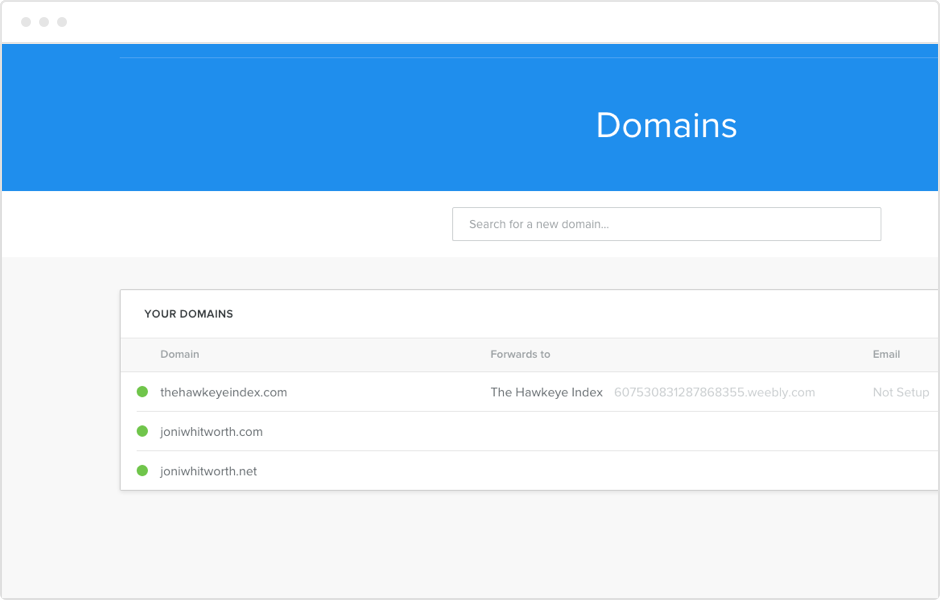
By Registering a look alike Email Domain

Free Domain Hosting with Weebly - Find Domain Names Today

The attacker can register an email domain that is similar to the actual email domain and create a new email ID using a name that is similar to the name of the person who is being impersonated.

Manipulating the Display Name

C++ Program For Store Employee Information And Display Using Structure

Majority of the mobile email clients only display the name of the sender, thus, making it very easy for the attacker to edit the display name and manipulate the victim. However, in desktop email clients, both the display name and email id of the receiver are shown and thus, this attack methodology is not very successful.

Using a Free Email Account

The 11 Best Free Email Accounts and Service Providers of 2021

Attackers send messages through free email account such as Gmail, Yahoo etc. The sender indicates that the victim has been locked out of their official account and need immediate help for getting the task done.

What can be done to avoid such impersonation attacks?

Providing cyber security awareness and training to employees

Security Training – WIDE ANGLE RISK MANAGEMENT IN NAIROBI KENYA

Organizations should take initiatives for providing proactive cyber security awareness training to the employees. Cyber security awareness and training tools.

Building cyber resilience strategy

Building cyber resilience: An imperative for surviving threats today and in the future - Smarter Business Review

It is important to build a cyber resilience strategy that can help in enhancing the cyber security of the organization including email domain security, web security, network security, endpoint security as well as data backup and recovery.

Business Contingency Plan

How to Create a Business Contingency Plan | Full Scale

Each business must formulate a business contingency plan in case your organization suffers from an unexpected event or situation. The purpose of a business contingency plan is to establish a strategic framework and response in order to recover from a cyber incident.

With the increasing sophistication in the attack methodologies, it has become vital for organizations to adopt security measures against cyber-attacks.

Anteelo’s Development Process

Can great products be built without having any solid development processes? I don’t know but I can confidently say that it’s a definitive topic for a thesis. Well, we decided to do away with all the development processes for one of the coolest products that we are building.

Anteelo : Mobile App Development & Digital Transformation

You did what!?

Yeah, Unbelievable but true.

It must be burning in flames, isn’t it?

As a matter of fact, to the contrary, we not only got done sooner but it works great.

You kiddin’ me, right? It ain’t even 1st of April today?

Nope. It’s sad that we have been conditioned to believe the processes are a panacea to all our software problems and helps build product the right way. Come to think of it, it is probably true to a large extent for certain kind of software projects but you can still make magic without it.  It is always about the people.

So, what was the darn process? Or, whatever you are calling it?

Actually, we decided to build the software in an extremely simple yet agile way. Really, it was darn simple. We call it “V1P” – Version 1.0 Process.

Anteelo landing page design inspiration - Lapa Ninja

Ideate

Sudesh and I spent lot of time envisioning how the product would look like. We did lots of wireframes/HTML prototypes before even laying the single line of code or thinking about design. Once we were comfortable with our idea, we decided to put the features in an excel file.

Plan

We created an extremely simple spreadsheet with all the features and task and divided them in 2 week iterations.

White boarding

We did an extensive white boarding of the design and how different components/layers would interact with each other. And, that was our design.

Communicate

As we were working very closely(ahem..I meant we sit next to each other), we used to have informal stand ups. Well, technically, we were always sitting down while having these meetings. So, more like sit-down stand ups – Huh! Oh well. We used to discuss for 15 minutes regarding the progress and any impediments.

Build Trust

We never went back and updated our status. Doh! The source code was the barometer of our progress. It’s funny what all can be communicated to each other when you trust your team mates and build on each other’s code.

Deploy

Sudesh deployed the code every other day so that we could see if anything was broken. Yup, no nightly build process for us. Come to think of it, I missed this the most. I think going forward, we would have some sort of Continuous Integration like we do in our other products.

Fix and Move Forward

We used to fix bugs before moving to any new functionality.

Rinse. Lather. Repeat.

Well, that was our process. You would be really surprised that we got done with the alpha version of the product in straight 3 months. It’s a fairly complex product and I’m sure it would have taken more time if we were to follow everything by the book. I think the thing that led to our success was lot of brainstorming early on and having immense level of trust.

It’s a different thing if the product becomes successful or not. Well, it’s coming soon. Wish us luck!

PS – I’m sure you must be really thinking that it is really applicable for products which are being built in a garage by couple of hackers. Well, may be. It’s not something that we follow everyday but has produced great results for us. Also, I don’t intend to follow it in our products of fairly large size which need lot of interactions but something I’m ready to stick with for smaller teams.

Pro Growth Hacking Strategies for Startups

In A Small Group, - Icon Meeting Png , Free Transparent Clipart - ClipartKey

So as to scale a business, it’s indispensable to advertise the products viably. There are numerous difficulties along the path; in any case, adaptability is conceivable with these best development hacking methodologies.

To connect with an enormous crowd, companies need to embrace distinctive development hacking procedures. Although some among these procedures have just been around for a couple of years, in any case, they demonstrate to assume a crucial job in the growth of cutting edge organisations. Numerous business visionaries have made them a necessary piece of scaling their business since they saw productive outcomes, and it’s about time you do so as well.

Entrepreneurs look for different growth hacks and need to develop rapidly by collecting as many clients as possible to expand their income. Growth Hacking has been proven as a practical and trusted approach for a sure shot success of budding startups. Yet, only a few businesses are able to execute these growth hacks in an ideal manner. This article gives you an insight into the 12 best growth hacking strategies which have been proven successful for various ventures. Let’s take a look:

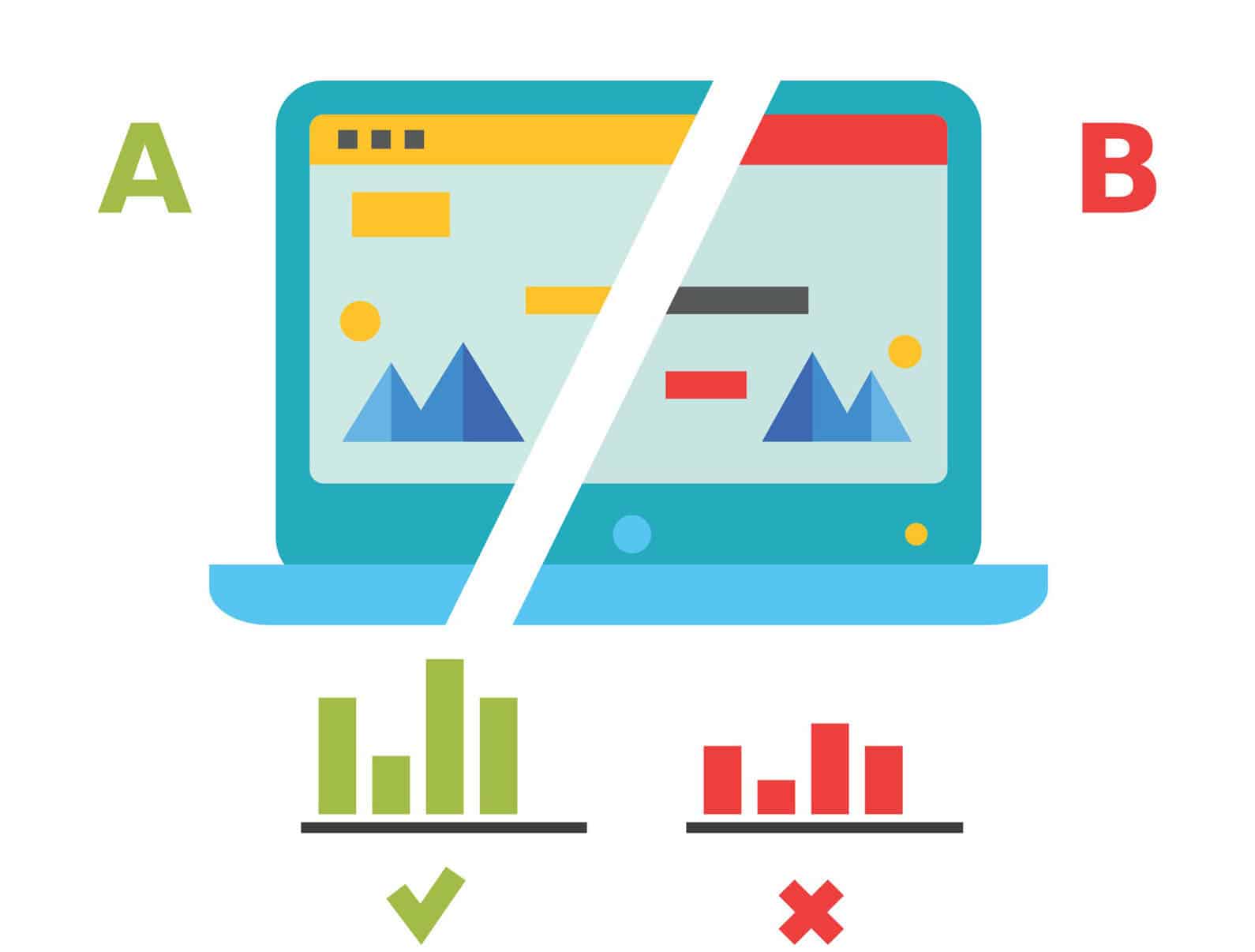
1. A/B Testing

Multiple Hypothesis Testing/Comparisons Problem: How Adding More Variations To Your AB Test Will Impact Your Results?


A/B Testing draws its way wherever there is traffic. No matter what it is; a blog title, email headline, popup CTA, or a million different things. There’s an A/B test that can assist you with streamlining that crusade. Regardless of whether it’s A/B testing your landing page content or seeing which email headlines resound with perusers, experimentation can reveal handy solutions that lead to tremendous outcomes.

2. Add hidden form fields to your lead-generation forms

Defining & Understanding Hidden Form Fields Plus the 5 Main Benefits

The more you think about your leads, the better you can cater and support them in your promoting down the line. One technique used to catch much more data about your leads is to pass a parameter in a URL which can be acknowledged by a hidden field on one of your forms. Utilising this technique, you can catch much more data about your leads without frustrating them out with various forms that you as of now gathering data from. Regular employments of this can incorporate area, crusade, and intrigue classification.

3. Conduct Giveaways

Running next level Facebook giveaways with Recart

Free giveaways can be a significant approach to promote your business. By showcasing your product to customers, you can rapidly and effectively create familiarity with your image, and it may spur them to return for more. The second time a client appears, their buy won’t be free. A giveaway is much similar to other advertising activities – it’s a method to create more exposure for your merchandise and ventures. Like it or not, all promoting costs money. Regardless of whether it’s an announcement on the interstate or a flag promotion on a site, you should be ready to spend on the off chance that you need to draw attention to your brand. In view of that, a giveaway can really be a less expensive approach to promote than other marketing strategies.

4. Create a referral program

Premium Vector | Illustration referral marketing

Referral advertising permits your users to turn into your organisation’s pioneers by referring your business to their loved ones. While referral advertising requires marketing endeavours and the motivation of remunerations to get users to participate, there are numerous advantages of referral programs, and you ought to undoubtedly be utilising this technique to grow your audience base.

5. Go Freemium

How to Translate Freemium to Any Business Model

In the event that you own an application or software business, you should seriously mull over building up a freemium model. This works incredible for applications of numerous sorts. Offer something for nothing. It probably won’t do a lot; however, it’ll give people a taste of your product. When they see that they can profit by your product, they’ll need a greater amount of it. A few people will never change over into paid clients. However, you need to concentrate on the onboarding procedure. It’s simpler to hold clients than to acquire them. That is the reason the freemium model works so well. You, as of now, have leads on the line. You simply need to persuade them that they need the paid adaptation of your product.

6. Guest Posting

The Complete Guide To Guest Posting (2019) - WebKu

Guest Posting administrations help to create new links. There are various guest posting services accessible on the web. Practically each one of them has their own sites going. These specialist organisations make it simpler to get abundant natural leads through the content by giving a connect to your site, which eventually helps in boosting up your SERP rankings. Visitor/Guest blogging is an incredible growth development hack which bloggers will in general use to increase natural site traffic and connecting with various crowds by improving their SEO rankings.

7. Collaborate with other brands

Five Tips For Collaborating With Other Brands

Talking about the customer base, brand collaborations are the uncelebrated protagonists of the growth hacking world. In the event that you have a user base of around 100,000 individuals and another brand in the related field has about 80,000 users, you can cooperate to contact 180,000 customers. You’re not searching for an immediate contender. Rather, center around finding a business that supplements your own. For example, possibly you sell handcrafted soaps. You could join forces with a business that sells body scrubs or shampoos. Contact forthcoming accomplices with an email or call. Come prepared with thoughts for approaches to mixing your users in natural manners, for example, by tagging each other via Instagram or Facebook, offering product packages that consolidate your products, or in any event, something as simple as cross-posting on each others’ websites.

8. Host and Attend Events

BigMarker

A genuine Growth Hacker doesn’t dispose of any potential roads that may lead them towards an objective. This incorporates going offline to energise development. On the off chance that you have niche-related events in your vicinity — or even away — think about visiting. You can go as a visitor or save a corner for your business. Meeting individuals up close and personal, shaking their hands, and getting some information about their needs can make you a more alluring arrangement than a nondescript organisation. Proceed, gain from the best, create associations, find out about your industry, and get some motivation. You don’t have anything to lose. Uncovering your business on pertinent business occasions and meetings will permit you to make connections with minimum exertion.

9. Start a Blog

Blog SEO Tips - Pierre Zarokian

Clients can’t cherish you on the off chance that they can’t discover you. If you haven’t started with a blog yet, get started with it ASAP! Blogging is one of the most economical, least complicated approaches to get before a group of people and connect with influencers. The present shopper goes directly to the Internet for information before beginning the purchasing procedure before they ever think about conversing with a human. Don’t dispatch an excellent blog with half a month’s worths of awesome content and afterwards disregard to compose another word.

10. Use Urgency and FOMO

8 Best FOMO Marketing Examples to Boost Your Conversions

Urgency and FOMO which is the abbreviation for the “Fear Of Missing Out” are two great psychological tools for amplifying your growth. FOMO exploits an individuals’ mental idea of not being deprived of something great. What’s more, it’s a conceivable piece of the reasons why utilising an invite-only framework for your organisation or new element discharges is so successful.

Identified with that is Urgency, which is likewise attached to human brain science. Essentially, we feel constrained to act if a circumstance is dire. So in case you’re opening beta access to your new help temporarily, it turns out to be all the more engaging potential clients. Rolling out offers like a limited-time deal or rapidly expiring discounts make people want to act fast and shop thinking they might miss a great deal. Utilise Email Marketing:

11. Hire a growth hacker

How to Hire a Growth Hacker That Will Actually Get the Job Done

This is by far the best and one of the most straightforward growth hacking strategy: Hire a Growth Hacker. A growth hacker knows exactly what techniques to utilise to take your company to the top. Employing a professional implies you’ll get somebody proficient at showcasing your organisation as well as deciphering the information that outcomes from those endeavours. Regardless of whether you have an advertising plan set up, you could profit by employing a growth hacker.

CONCLUSION

Growth Hacking is, in any case, more effective than traditional marketing. In today’s cut-throat competition, Growth hacking is the only way through which a new business can ride on the high tide and grow exponentially. Revolve all your strategies around taking care of issues, developing your audience and improving your image. Incredible products and services positively help sell themselves; however, you have to get that growth plan in motion. Enlist client evangelists, join forces with similar organisations, make content with wild relinquish, set yourself apart with world-class client assistance. With such vast numbers of basic approaches to dispatch growth, there has never been a more energising time to perceive what your business can genuinely do.

UX Designer vs UI Designer vs Web Designer

What Does a UI/UX Designer Do?

To the laymen, digital design can be a puzzling world of systems, acronyms, and programs. Web creation is not just about making a landing page and adding content anymore but a complex world of coding for site function and protection. It is also a fun and artistic adventure to create something visually alluring. If you combine this with the psychology behind all the systems of a webpage, and you have the basics of web development. Sounds simple enough, right? Not for everyone. The software industry has skyrocketed, and many people are still trying to understand key differences in standard terms. Terms like UI design, web design, and UX design are often thrown around and are incorrectly interchanged. However, following the aim of each tool is as simple as knowing the various parts of a house. Web design is the base or the foundation, UI design is the architecture, and the UX design is the electric, plumbing, and other wiring needed.  Before we get into defining these terms, we can say there can be a lot of overlap between them. UX, UI, and Web Designer difference is nothing but a fine line but can have great impacts on your project. However, to excel in any of them, you must have a comprehensive knowledge of all three of them.

UX, UI, and Web Designer differences:

35,084 Ux Design Illustrations & Clip Art

Web Designer UX Designer UI Designer
A web designer is a professional who generates content for a website following the latest trends. They are responsible for designing the layout of the website, along with its aesthetics, utility, and functionality. UX is the abbreviation for User Experience. It brings in creativity. A UX designer handles the whole procedure of obtaining and coordinating a product, including parts of marking, development, convenience, and utility. It is a process that starts before the product reaches the customer. UI stands for User Experience. A UI Designer is responsible for creating the interfaces between the user and the product and ensure that the interaction between the customer and the product is a seamless one.
The role of the web designer is to compile everything, including the UI and UX, and turn it into a highly-functional and efficient website that people can easily interact with using their smartphones or computers. A web designer might emphasize more of the aesthetics of the site rather than how a user might deal with it. UX design is all about having a deep understanding of the customer, which includes their preferences, behaviors, habits, requirements, and feelings. UX designers must comprehensively understand the issue along with the client whom they are working for so as to design an optimal and streamlined solution. The UI design is the complement of UX Design. UI designers work on the point of interaction between the user and the service/device and try to improvise the product in a way that is user-friendly and adds value to the users. UI designers work on the look, design, and especially the feel of the product.
A web designer must have in-depth knowledge of programming languages like HTML and CSS, Scripting languages like JavaScript and PHP, web designing packages like Flash, Photoshop, etc. A good UX designer is expected to have fluent communication, agile and lean development skills, rapid prototyping, revising skills, crowdsourced designing, and relevant soft skills. In contrary to UX designers, UI designers are in charge of making UX designers’ dreams a reality. Numerous UI designers have a decent comprehension of front-end development along with some coding abilities.
Contemporary Web designers are usually modern era graphic designers trained in visual design to be experts in:

  • Color theory
  • Creative conceptualization
  • Diagrams
  • Interactivity, rollovers, drop-down menus, digital slideshows, call-to-action-buttons, and forms.
  • Icon development
  • Info-graphics
  • Typography
A UX Designer plays a very crucial role in an organization. They have to make sure that a customer is having a good time with the brand. They primarily focus on:

  • Understanding user psychology
  • Comprehending product specification
  • Finalizing the right interaction model
  • Create personas through user surveys
  • Collaborate with UI designers to create attractive and useful designs
A UI designer primarily focuses on:

• Color and typeface choices.

• Designing the monotonous but necessary stuff: buttons, icons, sliders, and scrollbars.

• Forming a style guide for the app or website to ensure consistency for the user.

• Responsive designing

• The interactive parts

•  The layout of each screen

Website designers might be visual designers or engineers who have built enough aptitudes to make beautiful and aesthetic websites or applications. Website designers do not tend to adopt the human-focused strategy of UX design. Most website designers don’t dive as deep to consider every element that a UX designer remembers. A website designer will, in general, be less iterative, while UX design is tied in with coordinating persistent enhancements by interacting with users. UX applies to whatever that can be experienced—be it a site, a cup of tea, or a visit to the supermarket. The “client experience” part alludes to the connection between the client and service or product. UX structure, at that point, considers all the various components that shape this experience. A UX designer considers how the experience makes the client feel and how simple it is for the client to achieve their ideal errands. UI design is simply a digital approach. It considers all the visual, intuitive components of a product interface—including buttons, symbols, checkboxes, typography, color scheme, and responsive design. The objective of UI design is to outwardly guide the client through an item’s interface. It’s tied in with making an intuitive encounter that doesn’t require the user to think excessively! UI design delivers the brand’s qualities and visual resources for a product’s interface, ensuring the design is predictable, intelligible, and tastefully satisfying.

CONCLUSION

So a UX designer chooses how the UI functions while the UI designer chooses how the UI looks, and the web designer puts it all together into a cutting-edge website. This is a community-oriented procedure, and these three domains will, in general, work intently together. While the UX group is working on the flow of the application, how buttons guide you through your website, and how the interface effectively presents the data that the client’s need, the UI group is chipping away at how these interface components will show up on the screen and the web designers are integrating it all.

If Web Design is the umbrella, then UX and UI design are specialties and focuses on it. Anyone who regards themselves as a web designer should be well-versed in UX and UI. These terms are also industry-specific. Startups and tech companies mostly hire specifically for UI/UX roles. Every so often, a UX role will focus more on research and information architecture. Occasionally, a UI role will include UX. Sometimes, companies are looking for a web designer who can do it all. It’s all a bit of a mess unless the aim is precise. Whichever direction you take, it’s vital to remember that design is not just about making things look pretty, but it’s about problem-solving communication and people.

An Introduction to Big Data Analytics| What It Is & How It Works?


What is Big Data? Let's answer this question! | by Ilija Mihajlovic | Towards Data Science

Big data is a term that describes datasets that are too large to be processed with the help of conventional tools and also is sometimes used to call a field of study that concerns those datasets. In this post, we will talk about the benefits of big data and how businesses can use it to succeed.

The six Vs of big data
Tourism Intelligence International – Big Data

Big data is often described with the help of six Vs. They allow us to better understand the nature of big data.

Volume

As it follows from the name, big data is used to refer to enormous amounts of information. We are talking about not gigabytes but terabytes ( 1,099,511,627,776 bytes) and petabytes (1,125,899,906,842,624 bytes) of data.

Velocity

Velocity means that big data should be processed fast, in a stream-like manner because it just keeps coming. For example, a single Jet engine generates more than 10 terabytes of data in 30 minutes of flight time. Now imagine how much data you would have to collect to research one small aero company. Data never stops growing, and every new day you have more information to process than yesterday. This is why working with big data is so complicated.

Variety

Big data is usually not homogeneous. For example, the data of an enterprise consists of its emails, documentation, support tickets, images, and photos, transaction records, etc. In order to derive any insights from this data, you need to classify and organize it first.

Value

The meaning that you extract from data using special tools must bring real value by serving a specific goal, be it improving customer experience or increasing sales. For example, data that can be used to analyze consumer behavior is valuable for your company because you can use the research results to make individualized offers.

Veracity

Veracity describes whether the data can be trusted. Hygiene of data in analytics is important because otherwise, you cannot guarantee the accuracy of your results.

Variability

Variability describes how fast and to what extent data under investigation is changing. This parameter is important because even small deviations in data can affect the results. If the variability is high, you will have to constantly check whether your conclusions are still valid.

Types of big data
 Data Characteristics - JavaTpoint

Data analysts work with different types of big data:

  • Structured. If your data is structured, it means that it is already organized and convenient to work with. An example is data in Excel or SQL databases that is tagged in a standardized format and can be easily sorted, updated, and extracted.
  • Unstructured. Unstructured data does not have any pre-defined order. Google search results are an example of what unstructured data can look like: articles, e-books, videos, and images.
  • Semi-structured. Semi-structured data has been pre-processed but it doesn’t look like a ‘normal’ SQL database. It can contain some tags, such as data formats. JSON or XML files are examples of semi-structured data. Some tools for data analytics can work with them.
  • Quasi-structured. It is something in between unstructured and semi-structured data. An example is textual content with erratic data formats such as the information about what web pages a user visited and in what order.
Benefits of big data
5 Benefits of Analytics

Big data analytics allows you to look deeper into things.

Very often, important decisions in politics, production, or management are made based on personal opinions or unconfirmed facts. By analyzing data, you get objective insights into how things really are.

For example, big data analytics is now more and more widely used for rating employees for HR purposes. Imagine you want to make one of the managers a vice-president, but don’t know which to choose. Data analytics algorithms can analyze hundreds of parameters, such as when they start and finish their workday, what apps they use during the day, etc., to help you make this decision.

Big data analytics helps you to optimize your resources, perform better risk management, and be data-driven when setting business goals.

Big data challenges
Challenges| Mercury Fund

Understanding big data is challenging. It seems that its possibilities are limitless, and, indeed, we have many great solutions that rely heavily on big data. A few of those are recommender systems on Netflix, YouTube, or Spotify that all of us know and love (or hate?). Often, we may not like their recommendations, but, in many cases, they are valuable.

Now let’s think about AI-systems that predict criminal behavior. They analyze profiles of criminals and regular people and can tell whether a person is likely at some point to commit a crime. These algorithms are reported to be quite effective.

However, their predictions are not as effective as to give them legal power, mostly because of the bias: algorithms are prone to make sexist or racist assumptions if the data is racist or sexist. You have probably heard about the first beauty contest judged by AI. None of the winners were black, probably, because the algorithm wasn’t trained on photos of black people. A similar fail happened with Google Photos that tagged two African-Americans as ‘gorillas’ ― for the same reason. This demonstrates how important the gender-race sensitivity perspective is when choosing data for analysis. We should improve not only the technology but also our way of thinking before we can create technologies that effectively ‘judge’ people.

How to use big data
How Brands Use Data  - 5 Real World Examples | InfoClutch

If you want to benefit from the usage of big data, follow these steps:

Set a big data strategy

First, you need to set up a strategy. That means you need to identify what you want to achieve, for example, provide a better customer experience, improve sales, or improve your marketing strategy by learning more about the behavioral patterns of your clients. Your goal will define the tools and data you will use for your research.

Let’s say you want to study opinion polarity and brand awareness of your company. For that, you will conduct social analytics and process raw unstructured data from various social media and/or review websites like Facebook, Twitter, and Instagram. This type of analytics allows assessing brand awareness, measuring engagement, and seeing how word-of-mouth works for you.

In order to make the most out of your research, it is a good idea to assess the state of your company before analyzing. For example, you can collect the assumptions about your marketing strategy in social media and stats from different tools so that you can compare them with the results of your data-driven research and make conclusions.

Access and analyze the data

Once you have identified your goals and data sources, it is time to collect and analyze data. Very often, you have to preprocess it first so that machine learning algorithms could understand it.

By applying textual analysis, cluster analysis, predictive analytics, and other methods of data mining, you can extract valuable insights from the data.

Make data-driven decisions

Use what you have learned about your business or another area of study in practice. The data-driven approach is already adopted by many countries all around the world. Insights taken from data allow you to not miss important opportunities and manage your resources with maximum efficiency.

Big data use cases
6 Use Cases in Retail

Let us now see how big data is used to benefit real companies.

Product development

When you develop a new product, you can trust your guts or rely on statistics and numbers. P&G chose the second option and spends more than two billion dollars every year on R&D. They utilize big data as a springboard for new ideas. For example, they aggregate and filter external data, such as comments and news mentions, using Bayesian analysis on P&G’s product and brand data in real-time to develop new products and improve existing ones.

Predictive maintenance

Even a minor mistake or failure in the oil and gas industry can be lethal and cost millions of dollars. Predictive maintenance with the help of big data includes vibration analysis, oil analysis, and equipment observation. One of the providers of such software is Oracle. Their machine learning algorithms can analyze and optimize the use of high-value machinery that manufactures, transports, generates, or refines products.

Fraud and compliance

Digitalization of financial operations can prevent credit card theft, money laundering, and other such crimes. The USA Internal Revenue Service is one of the institutions that rely on processing massive amounts of transactions with the help of big data analytics to uncover fraudulent activities. They use neural network models with more than 600 different variables to be able to detect suspicious activities.

Last but not least

Big data is the technology that will continue to grow and develop. If you want to learn more about big data, machine learning, and artificial intelligence in research and business, follow us on Twitter and Medium and continue reading our blog.

A Digital Divide has emerged as a result of Remote Working

Coronavirus reveals need to bridge the digital divide | UNCTAD

Like many others, my family and I have done our best to enjoy the unexpectedly large amount of time we have together at home due to social distancing guidelines. Adjusting to the new normal, we have relied heavily on Internet access not only for work and school, but to stay sane and keep the peace. My wife and I both continue to work from home, frequently videoconferencing and collaborating with colleagues. The kids finished the school year online and now they are starting the new school year with a mixed arrangement of physical and virtual learning. Many hours of streaming video have been consumed. This isn’t an experience we want to repeat, but I believe it would have been far more difficult and stressful if we lacked the connectivity needed to remain productive, informed, and entertained during these times. Without that high-speed connection to the digital realm, this experience would feel more like we were stranded in a country where we didn’t speak the language — surrounded by activity yet unable to participate. It would create the very real feeling of “looking in from the outside.” The rapid onset of social distancing or stay-at-home measures has created just this feeling for a large number of people. Across the world, many people were suddenly thrust into unfamiliar remote working situations. And with the global percentage of households connected to the internet at only 55%, many organizations, in turn, discovered a digital divide that needed to be bridged for some employees. For example, some companies successfully stood up the infrastructure and processes necessary to support new remote capabilities, only to find that some of their employees lacked the connectivity or technological proficiency to be productive remote workers.

These current circumstances have placed the digital divide –not always apparent to many companies previously — into sharp relief. They’ve shown that digital life skills and work skills – not to mention the access to technology and connectivity needed to enable those skills — are as essential to us now as hunting and horseback riding were to our ancestors. Like STEM education, an emphasis on digital skill-building could help many people be more productive and could provide them a better work environment, more income, and a brighter future.

Infrastructure and processes to bridge the digital divide

Other related questions around remote work abound, especially in terms of corporate infrastructure. Would employees be able to use devices they already owned to perform their jobs, or would they need to be supplied with equipment? Where would that come from and how would it be prepared to access corporate data? And many were unprepared and unsure if their network was up to the task when demand suddenly shifted from inside the enterprise to requests from remote workers.

Processes were another big issue. In addition to addressing where we work, enterprises have had to consider how we work. What tasks does a company perform that must continue and could those be adapted for remote access? For some, the work needed to turn this into a distributed, remote work process was well documented. Team-oriented jobs, however, required more reengineering and may not have been as well defined.

Remote working: temporary or permanent?

The future of work: How technology enables remote employees

Over the past few months, we have been helping our global enterprise customers adopt to this new environment and discussing the future of workplace. Many are debating whether remote work is a temporary fix or a permanent shift. In every case, I’m sure they will be reflecting on this experience and its challenges – and the digital divide in particular – to help them improve their resilience and that of their employees. These lessons will heavily influence the investments they make going forward in all areas of technology, training and business process reengineering.

7 virtual onboarding practices in the new normal

One of my ex-colleagues left her job to move to a new organization in Feb 2020. She worked in her new workplace for one month before the world shut down. Just like everyone, her entire organization shifted to remote. A few weeks into the lockdown, I called her to catch up. We talked about random things and she told me that she badly missed Anteelo– the people, the culture, and the feeling of oneness.It wasn’t that her current organization didn’t have a good culture. No. In fact, she was happy in her new role. Her peers were friendly, the work was challenging, and her leader was supportive. She just missed the camaraderie in her new workplace.

My friend is one of those rare people who kickstarts conversations, takes initiatives, and makes friends easily. But in the new organization, she felt limited by the barriers created by remote work. Before lockdown, she hardly got much time to bond with her colleagues and now in the lockdown, whenever she tried a new initiative, it crashed after leaving her circle of influence (which by the way was limited to her team). All of this despritied her.

And she isn’t alone.

The feeling of ‘I don’t have any friends at work’‘I still feel like a stranger in a foreign land’‘I don’t think anyone likes me here’, is quite common. And though, it’s normal to feel these emotions in the initial few months when people are settling in, but beyond that, they are a RED FLAG.

A dissatisfied new hire is like a person standing at the edge of a mountain. We can’t let them slip.

One of the solutions to tackle this problem is to spend more time onboarding them — defining the relationship with the new hire sets the right foundation.

A good onboarding practice ensures that the new hire is aligned with the vision of the organization and has enough resources and support to wade through the nitty gritty of how things work in the organization. A good onboarding is like a first impression. If you get it right at the honeymoon phase, you’re likely to be together for a long time.

But all this was easy when a new hire joined in a physical workplace. The part where they met their peers, received a warm welcome at their desk, participated in onboarding rituals, all of this added a personal touch to their onboarding experience. If they had any concerns, they could easily reach out to people, or ask for help. Their problems were addressed in real-time, and were given importance (and precedence) over other regular day-tasks.

Those were old days. Sigh!

In the new world order, the physical distance has posed a new challenge to integrate the new hires into the organization’s soul. So how does one ensure that the new hires receive the same (or even better) virtual onboarding experience and feel welcomed.

I can share a few changes we made to Anteelo’ onboarding process. It’s not bullet-proof. But I like the fact that we acted fast and made changes well in time.

Interact with the new hires before they join


Hiring Process Steps for 2021 | SmartRecruiters

In the new normal, we started a new practice– after new hires accepted the offer to join the organization, we spent some time connecting with them informally. We shared our excitement about welcoming them in the team. We also gave them an overview of the project they’ll be working on and shared a little bit about the existing team members so that they knew whom they’ll be working with.

If you wish to imbibe this practice, you can add some extra elements like talking to them about their expectations, their feelings about joining your organization and so on. The idea is to make them comfortable and let them know you’re expecting them to join your tribe soon.

Involve the existing team members in the onboarding process

7 Mistakes to Avoid While Hiring Dedicated Development Team

In the old normal, team members were the first ones that got acquainted with the new joinee. The team was responsible for making sure they went together on lunch and coffee breaks and made the person comfortable.

In the virtual setup, none of this is possible. But that doesn’t mean that we shouldn’t make efforts to make the new hire feel welcomed. At Anteelo, we tackled this problem by taking turns on video calls and talking to the new team members on their first day. Every time a new Quant joined our team, we asked him/her about their day, and if they needed any help.

These are little things, and you might feel that you’re interrupting/disturbing the new person. But it’s the only way to ensure that he/she feels comfortable in the new setup.

Give them a virtual tour of your office

Accessibility in Agile Team Practices | Deque

We all are itching to go back to our cozy nook in the office, to feel the warmth of workplace vibes, to smile, greet, bump into each other. Imagine the enormity of this itch in new hires– how does my new workplace look, where would I sit when I join the office, would there be a coffee machine, a foosball table, a breakout area?

I bet there are other questions too that they go through in their mind while making the decision to switch. One of the solutions that we discovered is giving a virtual tour of the office through videos/photos. It not only settles their curiosity and piques their interest, but also helps build familiarity with the organization.

Retrospect on your onboarding kit

Is It Time to Fix Your Onboarding Process? | HRExecutive.com

Earlier our onboarding kit consisted of a laptop, a bag and a notebook. We thought of it as a whole because our other practices complemented the physical kit. We spent hours talking to the new hire– introducing them to everyone, aligning them to their peers, and being with them through every step of the onboarding.

This year, we asked ourselves– what else can we add in the virtual onboarding kit so that it brings a smile on their face? We wanted to keep the gesture small but impactful. So we designed a greeting card that welcomes the new team member and added a small potted plant in the virtual onboarding kit.

The card has a message to welcome them to our team. The potted plant is a gesture of how we wish to see them grow with us, just like the plant. It’s a small change, and we’re happy everyone likes it (so far).

Set up a central repository of resources

Recruitment Process - The Ultimate Guide to Hiring Top Talent | Jobsoid

The shift to the remote setup was abrupt. But, it made us realize the mistakes we were making earlier. We realized that it’s unfair to expect new people to remember everything. Going through all the information related to the organization in one go is exhausting.

So we made the shift to a digital setup by making a central repository of every information. Everything is now available on Zepplin — be it leave guidelines, WFH manual or core values of our organization. We let our new team members be the owner of how, when and through what medium they want to access information.

Engage with them regularly

What is Customer Engagement? A Complete Guide

A regular practice to engage with new team members is to give them a stack of PDFs, videos, and presentations about the organization. It’s easy to consider that the new team member will find what they need from this Pandora box of information.

We made a shift in our mindset. We started engaging with our new team members regularly through weekly, monthly 1:1s and began asking them how it was going. By making them participate in pop quizzes and activities around our practices and vision, we eased out their familiarity with the organization.

Couple them with a work-buddy

The Dos and Donts of Onboarding New Employees in a Call Center

A buddy at work is like a friend who can steer you through a freshman party and help you make new friends. At Anteelo, we always had the buddy system. In the remote setup, being a buddy to a new hire turned out to be an even bigger responsibility.

So we tweaked the guidelines a bit and motivated the work-buddy to be more open, approachable, and proactive in their conversations with the new Quant.

Apart from these virtual onboarding practices, you can even leverage social media to your advantage. By welcoming people on your social media platforms, introducing them in your network, you send them a message that you’re welcoming them wholeheartedly.

Good onboarding practices help you retain the talent for a much longer period. So, make sure a new hire’s first few months are positive and productive.

Speed Up Android App Development-10 Quick Tips

Android Apps Development Services | Technource US

In a market fraught with stiff competition, a quick time-to-market app can make all the difference. An app that takes forever to build and deploy can crash and burn even before it goes off the shelf. Developing a mobile app is an expensive process. Creating a mobile application is a costly process, as bringing ideas into reality requires time and effort, and expenses. For instance, after the development you’ll have to pay for hosting or for marketing campaigns to spread the word. One approach to keep costs back from spiraling crazy is to decrease the application development time. In the realm of mobile apps, time is money, so the more you spend working on your app, the more it will cost. Although Android app development for business is a good choice, however, it is especially notorious for its sluggish speed. CEOs of businesses are constantly struggling to meet deadlines and take their app to the market before competitors pinch the app idea. In this tussle between speed and quality, often quality is sidelined and what results is a product that doesn’t meet your or your audience’s needs and expectations. We will be discussing in detail how to develop apps faster in the below article.

Since android application development speed is such a relevant issue, we have compiled a set of handy android tips and tricks 2021 that can help you create android apps speedily, without compromising on quality.

Android Development Tips

1. Use the latest tools

Auditors must use latest tech tools for quality audits: CEPR

All android developers are faced with the same dilemma: too much to do and too little time to do it! Designing, prototyping, coding, testing, debugging, and the list of tasks goes on. While some of these vital steps have no short-cuts, there are valuable tools to help with others.

Here’s our countdown of developer must-have android development tools that can speed up android app development service process:

A. Genymotion

How to Run Android Apps on Windows 10 with Genymotion

A sleek emulator that can simulate built-in sensors that a device model has. This emulator supports all existing versions of Android, cutting the need for re-configuring for different devices.

B. Hierarchy Viewer

A great tool to view your app’s tree and analyze its flaws for debugging and testing purposes. This tool, available in Android SDK, helps speed up app development by letting you merge and remove redundant elements in your app.

C. LeakCanary

GitHub - square/leakcanary: A memory leak detection library for Android.

Detecting memory leaks is a specialized function of this tool. These bugs are very hard to debug and the tool will ensure no leakage escapes your notice. Debugging becomes rapid and mobile.

D. Vysor

Vysor - Android control on PC: Amazon.in: Appstore for Android

This tool helps android app maker in sharing screens between their workstations and Android devices, using just a Chrome plug-in. The tool is an answer to most developers’ prayers who find it complicated to root devices via USB. With this tool, you can share app features live with the client and receive instant feedback which is always great for the development process.

E. Butterknife

Butter Knife

An awesome tool to improve the coding rate and readability of your boilerplate codes. This tool is a great time saver for all businesses looking to cut down app development time.

2. Low-fidelity wireframes are speedier

Low Fidelity Wireframes vs High Fidelity Wireframes - MentorMate

Wire framing is an essential step in the app development process. Using low-fidelity wireframes is better option than high-fidelity ones. These wireframes are less detailed and more fluid but they give a clear enough picture to developers and UI designers.

Going headfirst into coding is not advisable and most experienced Android app developers in New York, Florida, Texas, and other areas know this. The most crucial first step is to get designers, developers, coders and project managers on the same page. Low-fidelity wireframes do just that. They are quick to develop and are a good blueprint for the entire development team.

3. Go lean

A commonly-accepted best practice in the quick android app development process is to launch a Minimum Viable Product (MVP) with just the basic features and no frills, instead of waiting to develop and launch a full-fledged app. The MVP will help you collect user data about what’s working and what’s not. Use the build-measure-learn feedback loop to get invaluable lessons about customer feedback. This approach diminishes the risk element of your app and makes for an app that is more likely to appeal and succeed.

Another facet is using short iterations or “sprints” to break up the entire app model into smaller, doable cycles. Each sprint is complete in itself-it has the entire gamut of development steps and results in an improvised version of the previous sprint product. Speed up android and go agile in your development process. Reduce redundancy of effort and resources. This not only helps reduce development time but also saves production costs. And of course, the ultimate benefits of android app development is a risk-free product that starts churning ROI from the moment it’s launched.

4. Hire experienced developers

Hire Laravel Developer at Low Hourly Rate | Highly Skilled Developers in USA

Once you are settled with the development platform and the tools, now comes an ideal opportunity to hire the best android developers to accelerate android application development projects. While hiring android developers, one thing that should be considered is their experience and flexibility. Why? Because if android application developers are experienced, this means that they will have proper knowledge or information on every issue that may come during the app development process.

Also, if the android app maker is interested to learn and adjust to new technologies and platforms, then that will enhance and accelerate your app development process. Adaptability plays an important part in deciding the interest level of your development group. Thus, you should employ android developers that are prepared to learn and update their abilities according to the project.

5. Delegate off-core activities

The Art of Delegating: What and How to Delegate to Your Directs

One of the android tips is to always take a wise choice to offload additional activities such as enhancing app engagement, measuring app analytics and converting free subscribers to premium ones. These activities eat up a lot of time and are better off with pre-designed applets, available at mobile engagement platforms. These applets can be incorporated in your ready app with just a few lines of code. Applets enable activities such as sharing tools, offer notification, new features tools and feedback tools.

6. Use hybrid app development

Top 10 Hybrid Mobile App Development Frameworks - Clever Solution

Cross-platform apps allow you to code for one app and get multiple apps that can run on all covered platforms. Hybrid app development is speedier than native app development, though it has its own set of drawbacks. But for quick market penetration, cross-platform apps may be the best choice. Later, one can go in for native apps that are more inherent, fluid, robust, and focuses on android app performance optimization.

7. Opt for automated testing

When to opt for automation testing | Test Automation Resources

Automated testing is a sure shot measure to get secure, fully-tested apps in a fraction of time than the ones deploying manual testing. Automated testing tests an app against a full suite of testing tools simultaneously, instead of one-by-one as in manual testing. This improves test coverage, reduces testing time, and guarantees a bug-free product that is market ready.

8. Outsource specialized development steps

Outsourcing Serious Games Development Tips - eLearning Industry

In-house app development is not everybody’s cup of tea. The app market is fast evolving and new apps are entering the market every day. To remain competitive, timely, and relevant, one can outsource app development to a skilled, efficient Android app development company. Even if you possess the capabilities to code or design an Android app, use domain experts for putting the whole product together and maintaining it. Not only will you get better returns on development costs, but you will also offload the hassle of running tasks that will be better handled by experienced professionals.

A common misconception shared by businesses is their misplaced fear about the cost of outsourcing. Android software development company mostly have flexible engagement models that can match product development costs to your budget. Fixed cost; time and material; and build, operate and transfer models can be evaluated to arrive at a business solution that works in your favor.

9. Cross-platform development tools

React Native vs. Xamarin vs. Flutter vs. Ionic vs. NativeScript

Cross-platform is the most convenient way to decrease app development time. The cross-platform tools allow users to focus on numerous mobile platforms with a similar codebase, eliminating the time that one would normally spend deciphering, reworking, and re-compiling the same code to work across various platforms.

Developing separate native applications for every platform is costly, while a hybrid app utilizes a single sharable code, which assists you to save your pockets. Cross-platform applications have a native look and feel, which is great for user experience.

There are plenty of cross-platform development tools, but some of the most used tools include:

Xamarin

Ionic

Flutter SDK

React Native

Adobe Phonegap

10. Create build variants

How to create and configure Android Build Variants - Cuelogic Technologies Pvt. Ltd.

Loading your app with unnecessary configurations can slow down your app’s incremental builds. Retain only those configurations in your app that are required in its development and release versions. Plus, don’t waste time and effort in compiling additional resources that hold little value. Such resources include screen density resources and additional language localizations.

Wrapping Up

Manage your app development time strategically to get ahead of competition and meet tight deadlines. A minute lost in android application development services can translate to huge monetary losses. A good mobile app development company will micro-manage tasks of developments in such a way that your app hits the markets at top speed!

Also taking the above mentioned points into consideration will on how to create an app for android.

Fill up the form through this link and hire android app developers in USA that will help you validate and convert your app idea into an efficient product and create android apps.

Blockchain Technology Revolutionizing Mobile App Economy

How to Start a Career in Blockchain Technology

Blockchain technology is progressively taking over the business world. The technology was once considered to be confined to bitcoins. But with time, it has proved that bitcoin is just the tip of the iceberg; the potential of the technology is beyond decentralized transactions and even our expectations. Blockchain technology revamped several industries, including Real Estate, Healthcare, Education, and Legal industry to name a few. It opened new doors of opportunities and profit for the entrepreneurs and established brands. However, the most surprising application of Blockchain is in the mobile app economy.

Wondering what is the need of Blockchain technology in the mobile industry? How can Blockchain revolutionize the world of mobile applications?

The mobile economy is undoubtedly growing rapidly and is expected to be of worth $6.3 trillion by 2021. The app stores are jammed with millions of apps and both the app developers and users are getting access to better facilities. However, despite this exponential growth and technological innovations, the mobile application development economy is still facing various issues which cannot be overlooked.

Major Mobile Economy Concerns and How Blockchain Technology Can Solve Them

Alike other centralized systems, the mobile economy also involves various intermediaries between the mobile app developers and users. These entities help in discovery, distribution, and financial transactions but at the same time, deters transparency. As a result, we face situations like security threats, inaccessible in-app purchases, data leaks, and malware-plagued downloads which not only have an adverse impact on the user experience but also affect the mobile app performance and ROI.

As we saw in our Entrepreneur’s Guide to Blockchain, the technology, with its decentralized, distributed and secure ledger feature, has the potential to revamp the way app economy functions and make the end user experience seamless and enticing. If applied correctly, blockchain can tackle the following major concerns related to mobile app economy:

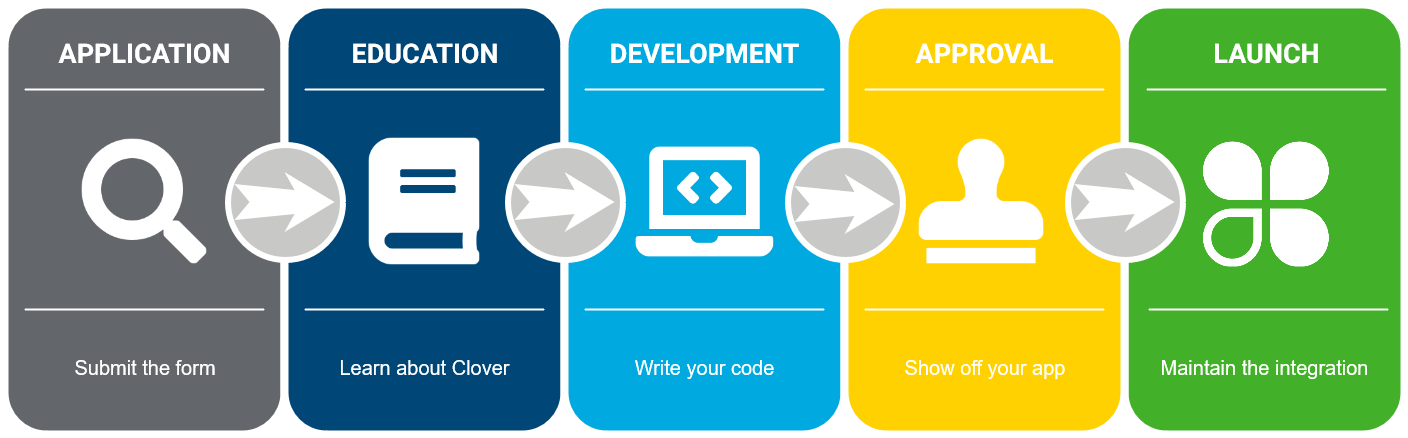
App Approval

Integration development and approval process

With Google and Apple’s app store being the duopoly, the current app approval process is completely handled by them. They decide which mobile app will be published on their app store and which not, based on various non-transparent quality assurance processes and distribution policies. This not only makes the process cumbersome and time-consuming but also increases the confusion among mobile app developers in case of app rejection. On the flip side, less transparency app approval process raises the risk of distribution of malware-plagued apps by the users, and thus, lesser security in the app market. With the introduction of Blockchain technology into the process, the app approvals can be made universal and transparent through a developer reputation system. The reputation system will be directly linked to the financial transactions on the public ledger and will be available for investigation all the time (as you can see in the image below). Besides, various means will be employed for identity verification and users will be empowered to create rankings for the mobile app developers and the apps they create. This will streamline the app approval process and help the smartphone users take the decision of downloading the app based on the ranking (see the image below), which will ultimately build trust, enhance security, boost downloads, and uplift app revenue.

Advertising

Why You Need to Invest in Social Media Advertising

According to Statista, there are more than 2.8 million apps in Google Play Store and about 2.2 million apps in the Apple’s App Store. To reach the target audience and enjoy the limelight, the mobile app developers have to invest in CPI, i.e., Cost Per Installation campaigns. These campaigns are non-transparent and overpriced, which makes the situation shady and risky. Moreover, as you can see in the picture below, the profit gained by the mobile application developers from the advertising is divided and shared to middlemen because of which the developers get much lesser earnings than expected.

Blockchain technology can reinvent the advertising method by eliminating all the middlemen and establishing a new CPI campaign. Termed at CPA (Cost per attention), this campaign will let the mobile application developers directly reward the users for spending time on their mobile app (as you can see in the image below).

Blockchain technology, in the form of Smart contracts, will allow the developers to examine if the users spent required time on their app or not. Apart from this, the technology will let the users store their earnings in wallets and use to buy in-app items efficiently.

In-App Purchase

In-App Purchase - Apple Developer

A recent report by We Are Social and Hootsuite revealed that nearly two-thirds of the world’s population uses a smartphone now. However, only 2 billion of the mobile users have access to the payment methods that are necessary for in-app purchases. Apart from this, according to the traditional app in-app process system, the user pays to the app store, deal with the bank transfer fees, credit card fraud cases, circumstances of chargebacks, and so on. Then, the mobile app developer receives the payment from app store going through the same hassle. The consequence is that neither the end users are able to enjoy the perks of in-app purchase nor app developers are able to get the best out of their app monetization strategy (check the image below). Blockchain technology will let the mobile app users use and spend their CPAt reward even in the absence of credit card and other such payment solutions. In addition to this, the Blockchain will empower mobile application developers to get 85% instead of 70% of transaction value by eliminating the middlemen (as shown in the image below).

Other Applications of Blockchain in the Mobile Industry

Apart from solving the aforementioned concerns, blockchain technology will also generate new ways to streamline the mobile application development process and cater user needs significantly, such as:

Infrastructure Protection

Application Infrastructure Protection | Solutions | F5

By gathering DNS entries on a decentralized secure platform, the blockchain technology empowers the app developers to keep the whole domain records under their control – no one can alter the entries without their consent.

End of Passwords

The end of passwords – The New Economy

By investing in Blockchain app development, the app developers will be able to authenticate devices as well as users without asking for any password. Its network decentralization feature will help create consensus among the involved parties for the authentication of Blockchain based SSL certificates. This will ease the transaction process and again, boost trust among the two involved parties.

The Blockchain technology, though in its initial state now, will redefine the mobile app economy and offer the opportunities to the mobile app developers and users that they have been waiting years for. The technology will solve the three major concerns associated with the mobile economy, will build a trustable and transparent connection, and provide an open-standard platform where all could communicate and add value to the mobile world.

error: Content is protected !!