Leverage Digital Transformation Opportunities Post-COVID-19

Digital Transformation

As the Covid-19 pandemic hit the world, it completely changed our perspective about digital technology in business and its implementation. It has encouraged digital adoption and transformation all over the world! But the question remains, are we utilising it’s full potential?

Digital business transformation post Covid-19 is at the center of today’s economic development debate due to its widely increased usage. As per a survey done by Statista on how will the Covid-19 pandemic affect the overall economic situation of the digital economy, the opinions were mixed. Let’s see how business transformation in digital economy is assumed to shape up according to the survey:

  • 33 percent of surveyed international digital decision makers believed that the digital economy will benefit after the pandemic
  • 25 percent believe that number of business players will be reduced while the major corporations will emerge stronger than even once the pandemic is over
  • 24 percent think that the digital economy will have to endure a long-term revenue loss like the overall economy
  • 16% of the people who were a part of the survey believe that no predictions or forecast is possible at the moment

Is Covid-19 Really Accelerating Digital Transformation?

Digital Transformation: When Risk and Opportunity Collide - The One Brief

Yes, we have seen a drastic shift of consumers towards online channels, companies are coming up with digital business transformation strategies to stay in the game. Let’s look at some stats to get a clear picture, shall we?

The pandemic has accelerated digitalization in business. Many companies have accelerated the process of digitization of their supply-chain, customer interactions, and internal operations by three to four years. Not only this, companies have also accelerated in adding digitally enabled and efficient products in their portfolios by seven years!

How Digital Transformation Benefits Your Business?

What are the Benefits of Digital Transformation? | DMI

  • Increased efficiency: DX will help streamline operations and automate the manual processes. As a result, you will get better speed and enhanced focus on revenue-generating techniques and activities.
  • Reduced cost and enhanced productivity: Optimising business technology and operations around digital technology means cost-per-transaction savings and increased sales. Also, since employees are already working remotely, their focus is on leveraging collaboration technology and tools to maximize workforce productivity and maintain the company culture.
  • Increased profits: Companies that undergo DX improve their profitability. Let’s talk about the results reported by the SAP Center for Business Insights and Oxford Economics:
  • Improved agility: Due to software development, businesses can increase their agility with DX to improve speed-to-market and adopt Continuous Improvement (CI) strategies. This allows for faster innovation and adaptation while providing a pathway to a much improved version of what was.
  • Enhanced customer experience: Customers have gotten used to having endless choices, low prices, and fast delivery. DX manages to keep the consumers happier than ever.

Accenture reports that customer experience has emerged as the key driver of sustainable business growth. They found that even a slight rise in the customer experience count can bring millions of dollars growth annually.

6 Ways Businesses Can Make The Most Of Digital Transformation Market Opportunities

Let me walk you through the key elements of digital transformation for your business model. So, without further ado, let’s begin!

1.  Omnichannel commerce

Omnichannel commerce from a customer's perspective - Unic

Centralising customer experience is one of the most important strategies to ensure that we are engaging the customers and at the same time making it easy for them to find the answers that they are looking for. Due to the unfortunate turn of events in 2020 all the physical business locations are shut down and as a result consumers have no option but to go online for their basic needs.

For example: we can choose groceries online, pay online, track our order, receive items on our doorstep in a contactless form and leave feedback all on one convenient app. It is important for the businesses to blend the physical and digital aspect smoothly and create an integrated channel.

2.  AI and machine learning

Difference between Artificial intelligence and Machine learning - Javatpoint

Last year an IT Ops and Security company Splunk announced its “Data to Everything” campaign, and I couldn’t agree more! Data is obviously everything but data without the technology to analyze it becomes obsolete. AI and machine learning are exactly the key elements we need right now. All data to be captured, analyzed, managed, enhanced and visualized in rapid succession.

3.  Operational agility

Operational Agility. lAssociation Ventures Innovation Model… | by Barry J Barresi OD PhD | Association Ventures Playbook

Digitization of processes lowers the amount of resource and time needed for maintaining operations and innovations. Companies are enabling workers with digital tools and platforms for improving collaboration on the go, while using digitization tools for streamlining their operations through data capture and analysis automation.

4.  Embracing automation

Media ERP: Embracing Automation Across the Content Supply Chain – The Official Prime Focus Technologies Blog

Did you know 84% of the consumers preferred interacting with computer automated systems. Especially in times like these, such DX in business can go a long way! Computer based systems increase the customer digital experience. In case, you have not used automation as a part of your business transformation strategy then I suggest you start now!

It will help you save time since automated responses engage and provide services faster than human advisors or customer care services. It will also increase efficiency, because the time spent by team members on basic processes like follow-up emails and ticket prioritization will be automated.

5.  Cloud strategy

14 things you need to create a cloud strategy today — Thinkwise

The organisations who are still pondering over the idea of migrating onto the Cloud needs to accelerate the action in this area post the Covid crisis. The logical starting point could be setting up a site on the cloud that should be regularly tested as part of the routine drills.

6.  Information security

What Is Information Security (InfoSec)? - Cisco

Last but not the least key element of DX is securing the data of your organisation and customer. Such sensitive information should be tackled with utmost security. In recent times, a surge in security breaches has increased mainly due to substantial increase in usage by working remotely.

Recently, security concerns were highlighted in Zoom, where their executives acknowledged that the online communication platform was not designed for a sudden surge in the app usage. So, your focus should be on making the ‘Information Security’ an integral part of the overall design of your organisation. An equal emphasis should be given to securing the IT assets – Servers, Desktops, Smartphones, etc by integrating the best-in-class security tools.

In order to leverage DX post pandemic, I strongly suggest to adhere to the key elements mentioned above.

Help Your Business Adapt To The New Normal

By 2023, 53% of all investments in information and communication technology will be in digital transformation. That represents increased spending by more than 50% from 2019 levels. Well, in my opinion DX is the need of the hour during this crisis, even post Covid-19, the business world will be completely digitally transformed. Confused? You can always go to digital strategy consulting firms.

What can’t be cured must be endured! Business transformation has crossed the stage of being a trend, it is now a necessity that cannot be ignored.  It has now become a mode to win a competitive edge. I hope that I have helped you view gain perspective as to why DX is essential for your business. In case you want more guidance, reach out to our digital transformation strategy consulting team.

Must know emerging IoT Technologies for 2021

Why people are talking so much about IoT? Is IoT really future? | by Thinkwik | Medium

IoT currently is in its golden age, transforming various industries by storing and processing data in a distributed manner and making enhanced productivity.

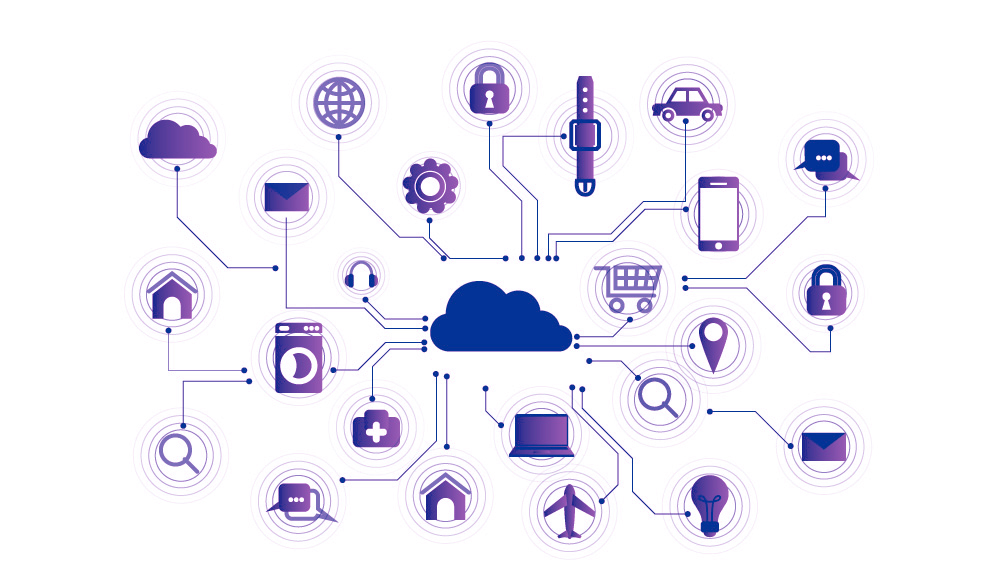
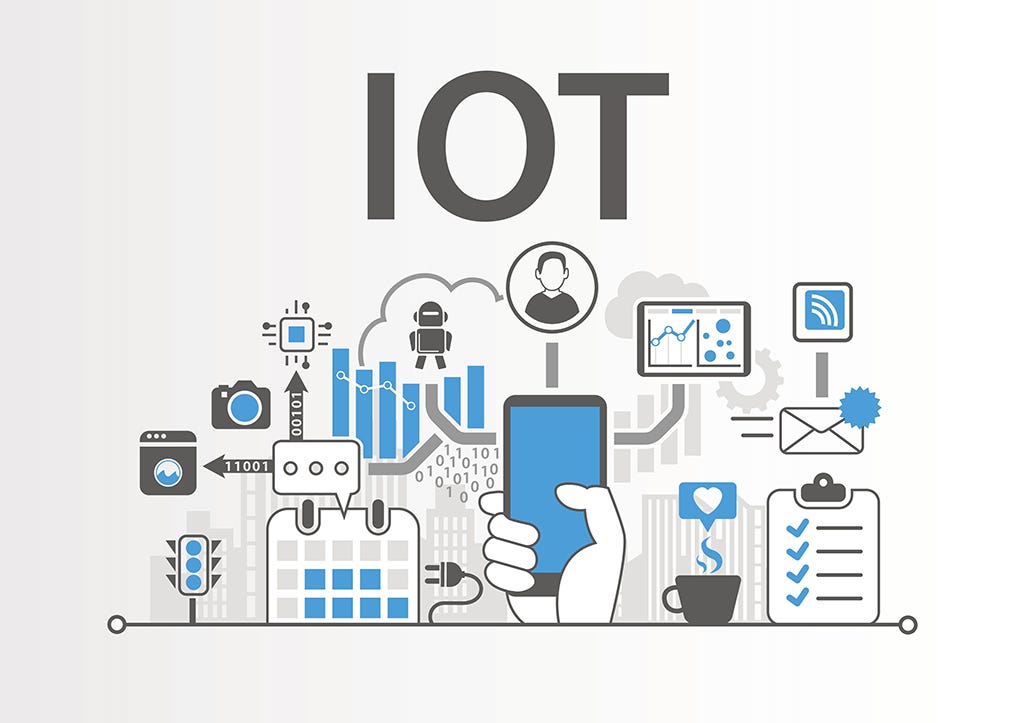
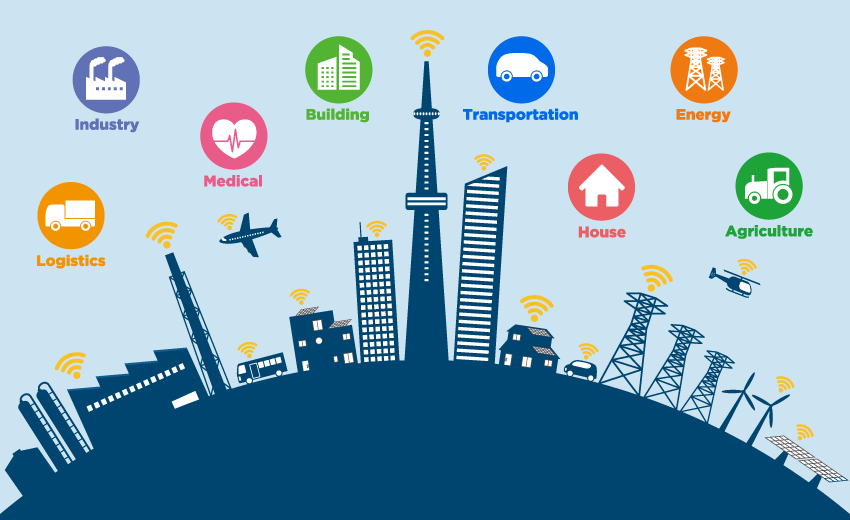
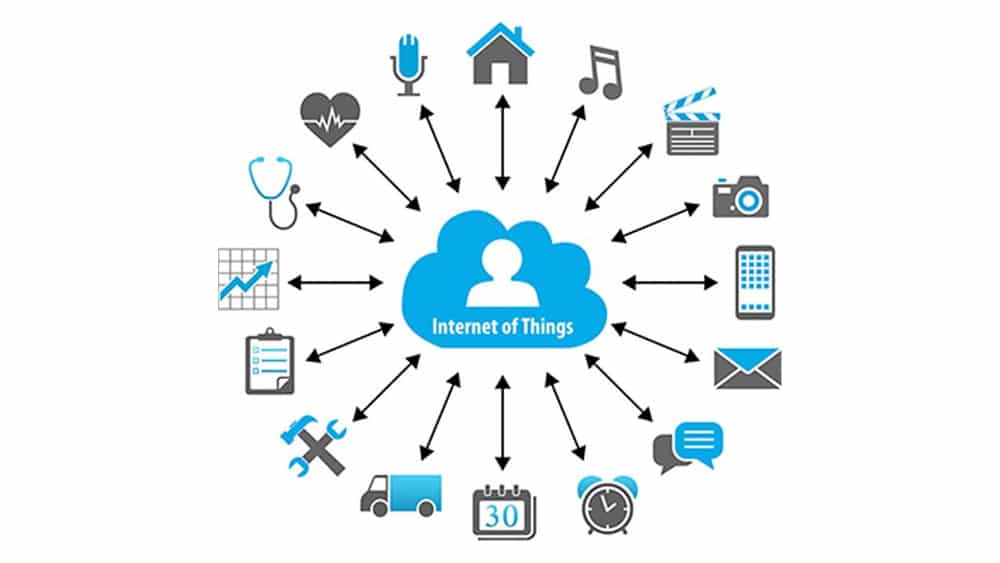
IoT is a complex ecosystem of interconnected devices that can communicate with each other. These smart connected devices are able to gather, share, and analyze information and take actions accordingly.

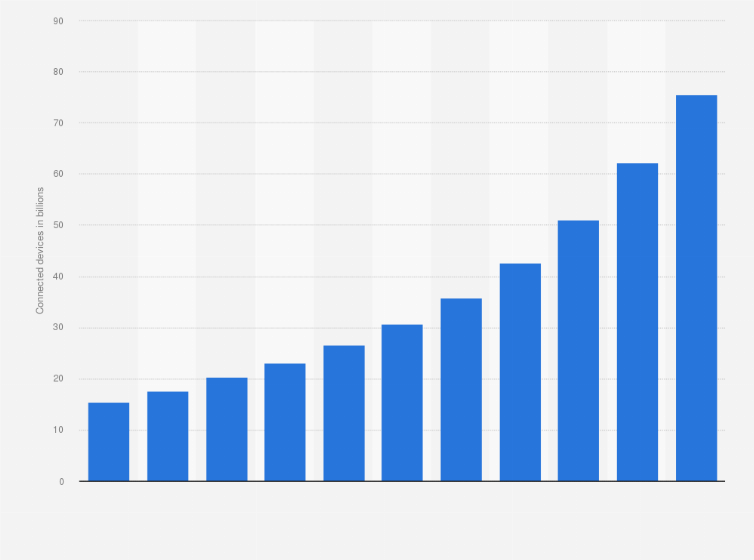
Research shows that there will be 35 billion smart devices online by 2021 and this number will rise to 75 billion by 2025. So, it is safe to say that IoT is growing at an enormous rate and so are the use cases, trends and technologies surrounding it.

The emerging trends in IoT are majorly driven by technologies like artificial intelligence, blockchain, 5G and edge computing. Within this interconnected web of technological advances lies in the business value of IoT applications like smart wearables, smart homes and buildings, smart cities, autonomous cars, smart factories, location trackers, wireless sensors and much more. This level of connectivity helps consumers experience a comfortable secure household that they can control and monitor anytime. IoT also promotes cost and energy savings. From a business point of view, it helps make operation management more efficient, improves productivity of the resources and reduces human labour and above all it provides vast business opportunities.

Since we are well aware about what IoT is and how it works, let us jump straight to IoT statistics that you should not ignore!

Statistics You Need To Know

  • According to Fortune Business Insights, the global internet of things market size stood at USD 250.72 billion in 2019 and is projected to reach USD 1,463.19 billion by 2027, exhibiting a CAGR of 24.9% during the forecast period.
  • The Internet of Things (IoT) market in the U.S. is estimated at US $45.7 Billion in the year 2020. China, the world’s second largest economy, is forecast to reach a projected market size of US$169.1 Billion by the year 2027 trailing a CAGR of 29.9% over the analysis period 2020 to 2027.
  • The enthusiasm for IoT adoption is not only global, but also across all industries. Among the enterprise IoT decision makers Microsoft surveyed, 85% say they have at least one IoT project in either the learning, proof of concept, purchase, or use phase, with many reporting they have one or more projects currently in use. Adoption rates are similar across surveyed countries such as, US, UK, Germany, France, China, Japan and core industries like – manufacturing, retail/wholesale, transportation, government, and healthcare.
  • 94% of businesses will use some form of IoT by the end of 2021. Among current IoT business adopters, 88% believe IoT is critical to their business success.

Now that you are aware of the facts and numbers regarding IoT, let us discuss emerging IoT trends, shall we? Past turn of events such as the unfolding of the 5G technology, latest developments in AI Blockchain, the on-going pandemic crisis will dictate the trend of IoT emerging technologies. But we cannot deny the fact that the future with IoT will be smart, secure and reliable,let’s understand how:

Top IoT Technology Trends 2021

1.  IoT security

IoT Evolution World Announces 2019 IoT Security Excellence Awards Winners

Till date, security is one of the major concerns when it comes to such an extensive level of connectivity. A security vendor has detected over 100 million attacks on IoT endpoints in the first half of 2019 alone, highlighting the continued threat to unsecured connected devices. As a result, security is an evolving IoT trend and many companies around the globe are developing IoT security solutions using different technologies. 

2.  IoT fueled with 5G technology

6 Examples of How 5G Will Improve IoT Deployments

5G technology is not just a new generation of wireless technology, it is a  foundation to release the full potential of IoT thus revolutionizing technological growth. It is without a doubt the most important internet of things emerging technology since reliable connectivity will result in better performing IoT devices. Real time data processing, lower latency, network slicing, higher transmission speed and extensive coverage are a few things that 5G brings on the table. 

3.  Blockchain 

What Is Blockchain Technology? How Does It Work? | Built In

Increased adoption of blockchain technology is one of the latest IoT trends.

Blockchain can ensure data protection in IoT devices. Blockchain allows successful interaction between multiple network nodes and ensures safe record keeping and that is why it is a great fit for IoT applications since they are also distributed by nature. 

4.  IoT enabled AI applications

Smart City, IoT and AI | Ribera Solutions

Two very different technologies such as the internet of things and artificial intelligence can together provide commercial solutions. AI algorithms now need very less data in order to deliver good and effective results. In industries, these two technologies can help automate many processes and reduce downtime, reduce operating costs, increase efficiency and enable predictive maintenance. 

5.  Digital twins

Part One: Digital Twins Explained - Which-50

The digital twin technology trend came into limelight in 2020. A digital twin is a virtual representation that serves as the real-time digital counterpart of a physical object or process. A digital twin can be used for multiple things such as monitoring, diagnosing, optimizing and controlling asset performance and utilization. From US $3.8 billion in 2019, the projected compound annual growth rate of the digital twins market will be US $35.8 billion by 2025.

6.  Voice activated IoT devices

Voice-Enabled IoT Security Risks - Identity Management Institute®

Amazon Echo, Siri, and Google Assistant have taken voice-based user interfaces to a different level. Voice interactions will now be used in other applications across various industries that will allow us to change settings, giving commands and receiving results from our smart devices. Banks and FinTech startups have been one of the earliest adopters of voice and speech recognition technology. Another impressive development in voice recognition technology is voice biometry. It allows organizations to create a digital profile of someone’s voice, by analyzing a series of specific characteristics such as tone, pitch, intensity, dynamics, dominant frequencies, etc. Companies are confident that this process will be more secure than the methods that are currently in place. 

7.  Smart cities 

smart city: Opinion: Why Smart Cities will evolve into hyper-connected cities, Government News, ET Government

While witnessing the emerging technologies in IoT, one cannot ignore smart cities. Since the past five years, many governmental institutions have begun IoT projects that will impact the entire cities. With enormous amounts of data, the government will be able to implement various intelligent solutions for multiple issues like traffic congestion, citizen safety, energy utilisation, sustainable development, etc.

For example: In order to improve urban planning, transportation and public safety, Singapore collects, analyzes and shares data from connected sensors.

Business owners, entrepreneurs  and governments are using IoT in order to increase work efficiency, save money, and to create a better user experience. While top IoT technologies are still in their early stage of development in many applications but their overall impact on the top industries is tremendous. Let us look into some applications in IoT devices for specific industries.

The Emerging Industry Wise IoT Applications 

 1.  Agriculture

PAU KISAN APP', A HIT WITH STATE FARMERS - SmartAgriPost | Smart Agri Post | Worldwide Agriculture News | Smart Agriculture Forum

Did you know that the world population will reach gnarly 10 billion in 2025 and global food demand will witness a 70% increase? We do have a simple solution – smart agriculture (IoT agriculture). With the help of IoT sensors, farmers can make more informed decisions. This will help them achieve higher and better quality crop yield. It will also reduce costs by reducing the use of resources such as pesticides, water, and electricity.

2.  Transportation

10 best transit apps and transportation apps for Android - Android Authority

In 2021, the upcoming cars will be smart cars, which means they will be connected to the internet. These cars will ensure better safety not only for its drivers but also for other vehicles on the road. They will also be capable of software updates and lower emissions. Right now we do have e-scooters, bicycles and skateboards but with IoT evolving companies will be able to reduce their operational costs and deliver a better experience to the drivers and passengers of the vehicle. 

3.  Healthcare

Top 10 telehealth stories of 2020 | Healthcare IT News

Due to the recent turn of events, the healthcare sector has experienced a boom of IoT innovation. During the Covid-19 crisis, demand for IoT health applications like telehealth, digital diagnostics, remote monitoring, etc have skyrocketed, thus enabling real-time tracking and alerting the patient’s health IoT has improved the patient engagement and satisfaction with doctors by making interactions and procedures easier and more efficient. 

4.  Consumer electronics

The consumer electronics industry isn't dead; it just needs to adapt its business model | by Matt Trotter | SVB Inside Innovation | Medium

IoT can enhance user experience and customer satisfaction simultaneously by providing convenience in people’s everyday lives. IoT helps in collecting consumer’s data efficiently and allows the producers to analyze and optimize the usage of their devices or applications.

For example: Due to the on-going pandemic wearable health monitoring devices will become a way of life.

Conclusion

IoT solutions are growing worldwide and the future trends of IoT will play a significant role in the near future. Major technologies such as blockchain, AI, 5G, cloud computing, and so on, are going to play a very crucial role in the advancement of global connectivity and the internet of things. IoT is taking over all aspects of our lives so, if you have an out of the box idea, now is the time to get in touch with an IoT application development company. We are one of the top IoT app development company in USA that creates applications which operate using sensors and deliver outstanding results.

A Descriptive Guide on How Free Apps Make Money

25 Must Have Android Apps | ZDWired

For any regular person, it is hard to associate the term “free” with “revenue”, right? Why wouldn’t it be for free means no cost?

In this article today, we will take up this unlikely association of terms and see – can they really compliment each other, i.e., Can a business really make money with a free application?

However, before everything, let’s discuss why one should even consider taking a step into the direction of developing a free application for business, where they could develop a paid app and generate revenue upfront.

We have some mind-blowing statistics up our sleeve that would make you reconsider everything and change your perception towards free apps.

Free Apps Vs Paid Apps

Paid vs Free Apps: Which mobile app monetization model should you choose - App My Site

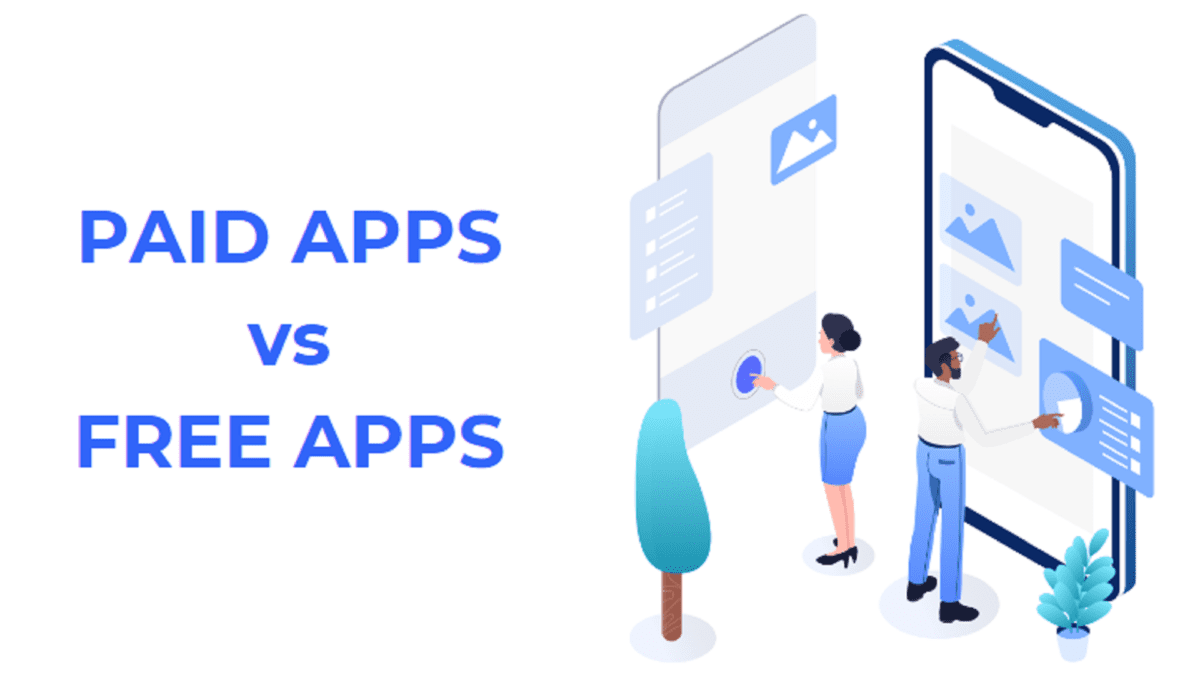
On comparing free apps with paid apps, the numbers we received were ground-shaking. As per Play Store statistics, the number of free apps alone is approximately 2,589,804 as opposed to 1,25,894 paid apps. Whereas, according to the App Store statistics, 90.3% of total apps are free. Similarly, the difference between the number of paid apps downloads vs. free apps downloads is huge and is in favor of the latter.

These stats speak volumes about the preferences of users, globally. Therefore, it is proved that developing a free application is going to fetch you a wider user base.

You might be wondering about “How Do Free Apps Make Money on Android and iOS?” or the question buzzing in your mind right now might be – “Is it even possible to make money from a free app, let alone higher revenue?”

Absolutely!

What you need is a success recipe (in our case, a powerful app monetization strategy) that will provide you detailed insights on prevailing monetization models, enabling free applications to become money-making apps.

Proven Free Mobile App Monetization Strategies

Now that we have witnessed the proliferation of the popularity of free apps, let’s get straight into the strategies that make it possible for these free apps to make money without explicitly earning from users.

Advertising

Being a pretty familiar concept, advertising is one of the most popular and influential ways to earn money from an application. When talking about this trend in the app monetization, you promote services or products for third-party clients on your application and in return, you get paid. There are many parameters on which a company pays for the advertisement –

  1. Per impression
  2. Per click
  3. Per install

The discussion doesn’t end here. There are five variants or ways in which you can display the ad on your app –

  • Banner ad

Banner Ads | Brafton

These are the type of ads that you might have seen at the top or bottom of any app. This placement is considered less intrusive and hardly tampers with the user experience. Although, studies show that these banner ads have a very low CTR; meaning there are fewer chances of any user clicking on that ad. Nevertheless, the fact that banner ad growth in 2017 increased at CAGR 7% is a clear indication of its effectiveness despite everything.

  • Rich Media ads 

What Are Rich Media Ads: The Complete Guide For Publishers

Evident from the heading, rich media alludes to popular mediums of media such as engaging videos induced with dynamic CTAs, Parallax scrolling, other social media components, QR codes, and more.The case with videos is that an advertisement video would start playing when there are any natural pauses in the app (mostly random). Many apps also reward users upon watching the whole video. One case in point is the “Ludo King” app that offers coins for playing a video.

  • Native ad

What Is Native Advertising and How to Use It | LinkedIn Marketing Blog

Native ads are the most artful of all. These ads are so well integrated into the app’s interface, making it hard for the users to recognize them as ads rather than as part of the content of the app. Facebook’s ads appearing as user-generated content is a prime example.

  • Interstitial ad

What are Interstitial Ads & How to Use Them Without Being Penalized

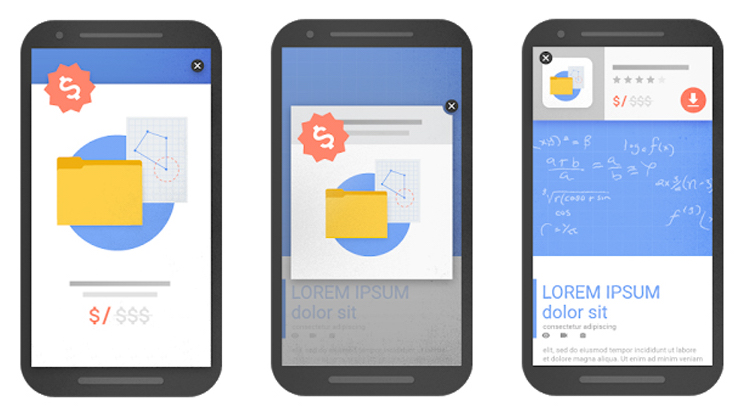
Though might be considered a little too much on-the-face, these ads are a great way to promote third-party services or products. There is a high chance of getting more CTR via this ad type as they cover the whole of the device screen, obtaining the full focus of the users. Users can either choose (X) option placed on the ad or can click on it.

  • Incentivized ad

Top Incentivized Advertising Networks (2020) - Business of Apps

These types of ads include incentives for users in return for performing specific in-app actions such as filling out a survey or poll, sharing content, and so on. It is like killing two birds with one stone, for you not only earn through advertising, but you also get a loyal customer base via giving out incentives. One of the catalysts of this trend is the RunKeeper app.

  • List ads

Being self-explanatory, List ads are displaying multiple ads (advertisers) at a time.

Referral Marketing and Affiliate Income

How to Set Up a Referral Marketing Program For Any Industry (With Industry Examples)

This is a proven free mobile app monetization strategy. Under referral marketing, the content containing information about any affiliated company is shown in the application. Here also, your earnings will depend on the clicks and number of installs done through your app. The rewards earned are based either on the revenue share or the cost per action (CPA) model.

This marketing model is used for –

  1. Promoting other apps via banners or pop-ups,
  2. In-app advertisements
  3. Advertise via in-app store

Similar to the previous advertisement model, campaigns that are used in affiliate marketing are:

  • Cost-per-Mille – Popularly known as CPM, this is where you get payments depending on the number of impressions. The advertiser is charged every 1,000th time the affiliate ad is shown (known as mille in Latin). In comparison to the Android platform, iOS affiliate ads are usually more expensive and sometimes can differ upto 30%. AdMob, operated by Google has the highest end of CPM rates.
  • Cost-per-click (CPC) – The term is self-explanatory pertaining to the revenue generated by the number of clicks on the advertisement.
  • Cost-per-sale – Also called  as PPS (Pay-per-sale), this where a developer is charged when a sale/purchase has taken place. The publisher of the app is paid a fixed commission (a specific percentage of the purchase).
  •  Cost-per-view – With CPV, you are paid on every view on the advertisement video or other rich media ad interactions.
  • Cost-per-install – Under the CPI model, you generate revenue via per install of any software product.

One case in point for affiliate marketing here is Amazon. You can select a product to advertise it in your app and then get the ad fees depending on every redirected purchase.

In-App Purchase & Freemium

In-App Purchase - Apple Developer

Another great strategy to turn your free app into a money-making app is to engrain the in-app purchases model in your application. With this functionality, any user who makes in-app purchases will be given some sort of bonus or premium functionality. You can sell any virtual product under the in-app purchase model including gaming currency, or ability to unlock any stage or purchase any fictitious thing relating to any particular game.

Now, there are three types of in-app purchases-

  • Consumable – It is a product that can be used only once within the application, i.e., Gaming currency.
  • Non-consumable – It refers to any product purchased for long-term and repeated use, i.e., unlocking any gaming level or buying any virtual book, etc.
  • Subscription – It’s a model allowing users to access premium features functionalities of a product for a limited time. This is what we are going to discuss next in detail.

Subscription

Subscription models and the IoT - HP Instant Ink · Information Matters

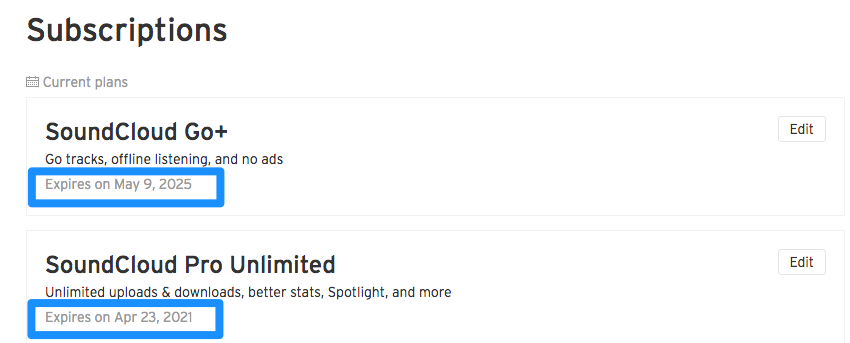
As explained above, this is one of the most in-trend monetization models and a way through which a free app brings profit, mainly employed by online newspapers and magazines, cloud services like Dropbox and SoundCloud, and entertainment apps such as NetflixSpotify, a ride-sharing app like Uber, etc. Though the app is free to download, a user will have to buy a subscription plan to access any kind of feature which the app is mainly famous for.

Netflix - WikipediaSubscriptions, Payments & Billing FAQs – SoundCloud Help Center

In fact, as per the report by Sweet Pricing, 5% of the overall successful apps are using this model. Though, not a money-magnet primarily, it can help you generate big bucks in the long run.

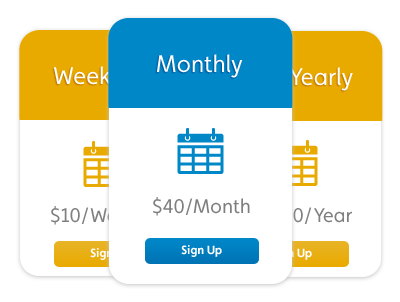
There can be many options under this model –

  1. Monthly-based subscription
  2. Yearly-based subscription
  3. Per-day subscription

Major platforms like Google and Apple allow the app owners to manage subscription transactions through them. Consequently, Apple enjoys 30% of the first year’s overall subscriptions followed by a decrease to 15% after a year of paid service. Whereas, Google is more generous in this regard by taking only 15% of first year’s revenue.

Sponsorship

Sponsorship Management | Definition & Meaning | Optimy Wiki

Being one of the most effective free mobile app monetization techniques, the sponsorship model is ideal for those apps having an existing strong user base and on the top of it, caters to a particular market niche. This way, you can connect with the sponsors belonging to that industry and match their brand with ads, info in the app, or even adapt the design of the app to that particular brand.

There are primarily two kinds of deals – Revenue from the app divided equally or setting a monthly sponsorship fee.

Crowdfunding

The Potential of Crowdfunding for Water P3s | Water Finance & Management

Rather a new cog in the machinery of monetization, Crowdfunding is another way how free applications make money. There are several renowned platforms like CrowdFunder, AppsFunder, Indiegogo, Kickstarter, etc that developers use for generating funds for app like vinted.

In fact, in 2017, 138 app ideas received fundings amounting between $10k-$100k on the Kickstarter platform.

Email Marketing

The email has been a great source of marketing to many organizations since its inception, something that also became a crucial option for every mobile app development company and app marketing team to promote mobile apps.

The process consists of accumulating user data (email address) and then sending them corresponding marketing materials to procure the interest of subscribers in the product.

Certain ways through which you could collect the email addresses are:

  • Asking for the email address in return for rewards (coins, bonus, etc.)
  • Employing third-party tools
  • Encouraging them to sign up via Facebook SDK

Note: Always ask for permission or inform the users before collecting any data along with stating the purpose.

Pay Per Download

How to Earn from Pay Per Download Websites

Under this popular free app monetization model, an app is offered at a one-time fee charged at the time of download, giving access to all its functionalities and features, as opposed to the premium model.

Though this model ties all the profits and revenue to the number of downloads, this might not be the first choice of many app developers. The reason being, users might not feel comfortable paying for the app upfront without even getting a trial.

One way to go around it is to have an impeccable marketing strategy with exceptional app listing, press, and reviews to promote the app’s features and values.

Though, there were the most popular and prominent ways to earn money via free apps, there is one more not-so-avidly-used app monetization model –

Accumulating And Selling Data

Sales Data Analysis | How to Analyze Sales Data | Pipedrive

It might not be the most ethical practice, but there are many apps out in the market that earn profits on their free apps by selling their databases to third-parties. The information traded might be the email addresses, personal preferences, and searches of users, and social media accounts.

If this is something you do not support (which is excellent), you can make use of this raw data to tap into the minds of users and improve your product/services based on their preferences.

How To Choose The Right Free App Monetization Strategy?

Any app monetization strategy is deemed futile which doesn’t compliment your business model. All the efforts will turn to dust if you can’t procure expected results from your endeavors. This makes it prominent for you to find out which strategy would render positive results, something that we have eloquently covered in our article “Choosing the right app monetization strategy”.

Free App Monetization Tools 

Here are some tools that will help you in integrating your application with one of these free app monetization models.

For Freemium App Model

The Ultimate Guide to Freemium Mobile Apps - Sweet Pricing

Play In-app Billing – A powerful tool by Google for every Android app development agency to easily integrate the freemium model into their app. The tool takes care of all the checkout details, negating the need for your app to process financial transactions.

Apple In-App Purchase – This Apple tool enables the users to buy the in-app content/services or subscription and treats it as a software download from the store.

AdWorkMedia – It is a perfect tool to integrate advertising methods with gated freemium tools in a system. It allows you to implement content and product lockers, provides walls and other similar monetization tools.

For In-App Advertisements

Top In-App Advertising Companies (2020) - Business of Apps

Google Admob – This tool from Google helps the users to analyze the data accumulated on the activities and preferences of customers via Google Analytics. This allows users to improve their advertisements, based on the understanding of the analysis.

Apple iAd – This poses as a great tool for users to show ads of other companies while also managing their own advertisements – all in one place.

NativeX (for games) – This tool is developed by Venture beat. It renders incredible no lag video with creative ad units for impeccable game app monetization and user acquisition.Unity (for games) – Only targeting ads for gamers, this tool displays customized ads based on each user’s behavior in the game app.

For In-App Video Advertising

In app Advertisements: What's Trending Today?

Vungle – It is a remarkable tool that has the SDK working on all major platforms, i.e., iOS, Android, and Windows.

Adcolony – It employs its proprietary Instant Play ID technology and buffer-free video playback in order to engage and monetize users.

For M-Commerce Purchase

Shopify Becomes Canada's Top 10 Biggest Public Firms | Restaurant Tech NewsAdrian Gordon - Head - Technology @ MobiCart - Crunchbase Person Profile

Shopify – This tool is excellent for adding e-commerce to the native app that allows customers to buy directly from within the app.

MobiCart’s tool – It effectively allows the application to act as a website, facilitating the buying and selling of products.

App Monetization Mistakes To Avoid

The occurrence of mistakes is probable in the initial stages of any process, which resultantly invites blunders creating great losses. In which case, a pre-insight into these mistakes is helpful in avoiding them completely. So, here they are –

1. Not Analyzing And Targeting A Particular Niche

Niche Marketing: Identify Your Target Segment

Understanding the geographical needs of the users is pivotal. Your app might be preferred by users from one country and not obtain attention at all from others. This is why it is important for you to study the market niche and its feasibility in relation to the location of the targeted user base. So, instead of crying over spilled milk, it is better to analyze your potential users first and then develop a monetization strategy around it.

2. Selecting The Wrong Pricing Model

Choosing the Wrong Pricing Strategy Can Be a Costly Mistake - Knowledge@Wharton

A crucial part of the app monetization strategy is setting up the prices and rather a sensitive one as well. Carelessly or assumingly setting up prices can blow up in your face, obliterating everything you have worked hard for. For instance, $5 may sound fair to you for the US audience, as iOS users’ average spending on mobile apps is $88 per year, but the same pricing would not work for users in developing countries. So, always make sure to study your audiences well before finalizing anything.

3. No Strategy For The Localized Version

5 Smart Ways to Approach Mobile App Localization | Crowdin Blog

Let’s understand this via an example. Say, you are charging 1 USD from users to jump a level in the game in the US. This might be an acceptable amount for US users to pay for in-app purchases but may not appeal to users in other regions where finance is a concern. There are even some regions where the in-app app monetization model might collapse, i.e., Latin America, where users are not in the position to spend as much.

However, you can here choose another monetization strategy i.e., in-app advertisements to bring in revenues.

4. Not Having A Strategy At All

Your Strategy Needs a Strategy

More often than not, Indie developers publish an app just for the sake of it or for fun and give no heed to making the app a lucrative business. Planning an app monetization strategy is something that should be done while the development process is on-going.

Of course, you can mix up all these models and integrate them together into your app in a tasteful and practical manner.

Conclusion

Based on our understanding of this article on “How do free apps make money”, it is evident that in-app advertisements is the easiest and effective app monetization model that can be adopted for free apps along with other kinds of applications.

Whereas, other strategies such as in-app purchases, subscription, and freemium models are those that are suitable for certain types of applications, offering particular functionalities.


How to Do SEO – Optimizing Your Site for Google

SEO search engine optimization

SEO lets start by understanding what is actually meant by Search engine optimization. Well it can be understood as the art or technique of optimization of a website to make it search engine friendly. My SEO experience well to be fair I use to have three websites and lots of free time so I tried every bit of techniques on them from on page optimization to link building. So what I will share here will be my own empiricism.

Search engines determine whatever to rank your site for a particular keyword is by the number of inbound links to your site .That is the number of others sites that linked to you and the quality of senders for that particular keyword.

Think for a moment. Why would someone make a link to your website? The only logical reason is because you have created something of value. This is the logic of Google, anyway.

Another way to think about a popular website and a poor performing website, some sites are like old cities in the middle of nowhere with a road in and one road out that is poor linking . Some sites are on the trade route with high-speed multi-lane running in and out that is perfect linking .What we want a lively exchange, not a single road.

Again it just not all about link building it is also about the quality of content and at the end of the day, the quality of your content is the only thing that will convince other Web sites to link to you.

SEO can be divided into two separate categories: on-page SEO and off-page SEO.

Here I will try to list down the techniques of on-page SEO, although the on-page SEO is only 25% of the score on the search engines and the ranking of your website, it is worth addressing it, as it can improve in very less time.

On-page SEO checklist

Page title

Your page title should include keywords that are less than 70 characters in length if you make the page title too long, it will dilute the importance of the words mentioned.

 Meta Description

The Meta description is not something that is visible on your website. Meta Description is a brief summary of the website, which is usually included in the top of the source code of the pages on a label, Meta description is not used by the search engines for SEO purposes. What the Meta description is used to provide the researcher a brief description of the page (150 characters) under each result. In fact, if a Meta description is not included in the source code, the search engine will show you some of the content of the page instead.

Titles h1, h2, h3..

The text of the titles is more likely to be read by the search engines as keywords of text in the rest of the page. For this reason, it is good to include keywords in your titles whenever possible. Labels h1 text give more weight to the keywords, tags h2 carry more weight than the label h3 .

Images

Do not use excessive images. More images mean that your page takes longer to load. This has a negative impact on the user experience as the optimization of search engines. The text associated with the images. Search engines do not read images, just read the text. The ALT text is an HTML attribute that can be added to the image so that the search engines replace the image with associated text.

Domain Information

The search engines also favor sites that are registered for a period of time longer. Since domain registrations indicate a commitment to the site and what they say the site is less likely to be considered spam. Extend your website registration for 10 or more you will definitely see better result for your site.

URL structure

Avoid nesting pages with URLs .  Nested pages receive less SEO credit .

Include keywords in the URL.

Create static URLs, not dynamic. This means that the URL of one of your pages must be the same.

Misconceptions regarding the Agile Process

Common Misconceptions About Agile Software Development

I’m an absolute fanatic about delivering products via an Agile Process. That wasn’t always the case. I wasn’t a believer earlier but I’m now. We primarily follow Scrum in our organization and can totally vouch for the value it provides. It not only provides astounding ROI but also allows to succeed or fail faster. It specifically works great for product companies building beta or version 1.0 of their product. It allows everyone to be nimble and be focused on constantly improving the product based on user feedback.

I could go on highlighting the benefits of it but we have found certain myths/misunderstanding regarding following the process. Here are the top few that we have seen recurring-

1. Retrospectives are the panacea for fixing the problems.

Well, it’s only partly true. Prognosis of issues or talking about them candidly wouldn’t solve them. The team has to be diligent to iron out all the issues collaboratively. It needs relentless focus and drive to mitigate the risks or clear out the impediments once they have been brought to the forefront. Sometimes inadvertently the team ends up making similar mistakes. The most common problems that I hear in the retrospectives are about – not enough discussion regarding User Stories, not estimating the work properly, not writing enough test cases, not enough time to do code reviews or refactoring. And, then only to fall in the same trap again.

2. 100% Code Coverage predicts bug free software.

Mostly true. At the same time, we have seen that some issues creep in because of environment configuration, external dependencies, browser issues and integration with other components. Having good unit test cases does solve most of the heartaches and gives you the confidence to re-factor but the product still needs to be functionally tested to make sure it solves the user problem.

3. It increases productivity i.e. It takes less time to build software.

Not true rather it takes more time to build software the agile way. It is a process that recommends building products in Sprints thus the team releases individual features faster. The product takes somewhat longer as one has to bake in unit testing, code reviews, pair programming, having the right build process in it. Please don’t misconstrue this as I wouldn’t develop any other way but doing all of this takes time. In the end, one does get a mature product but at the cost of incremental time.

4. Unproductive teams do stand ups for more than 15-20 minutes.

Not true. At all. I’m not saying that one should have hours of meeting but there are times when one needs to explain the context of their impediment. Does going over the time limit to explain the context and get help a big deal? It isn’t. I would rather that the the entire scrum team(BTW, we only work in small teams. We end up having small scrum teams if the size of the team grows) knows the context of the given problem so that they can help.

A Guide to Using Flutter to Construct a Startup Mobile App

GitHub - flutter/flutter: Flutter makes it easy and fast to build beautiful apps for mobile and beyond.

The open-source Flutter SDK is a Google UI toolkit that creates attractive, natively compiled mobile app, from a single codebase.

With apps being downloaded and used by millions of people in a rapid way,  the mobile app development is skyrocketing.

There are many companies that are making use of this trend and contributing to the increase of app downloads. Here are some facts:

Did you know that android users can choose from 2.7 million apps, making Google Play the biggest app store?

The Apple App Store is the second-largest app store with almost 1.82 million available apps for iOS.

You should know that the accurate number of applications change because both the app stores regularly remove low quality content from their app stores and accept apps from the developers on a daily basis. However, the number of apps has been steadily increasing over the years.

In 2020, global mobile app revenues were over 581 billion U.S. dollars. In 2023, mobile apps are projected to generate more than 935 billion U.S. dollars in revenues via paid downloads and in-app advertising.

After reading the above facts and data,  it is clear that the app development market is rapidly growing, and mostly the startups are taking the lead in developing apps and increasing their reach. If you have an idea and are confused about which platform to use, the best suggestion would be mobile app development with Flutter.

What Makes Flutter a Better Choice for Developing a Startup App?

Google Developers Blog: Flutter: a Portable UI Framework for Mobile, Web, Embedded, and Desktop

As they say, numbers never lie. Let us look at some data revolving around Flutter app development services:

  • According to a 2020 developer survey, Flutter is the second most popular cross-platform mobile framework used by software developers across the globe. According to the survey, 39% of software developers chose Flutter development services for apps. This usage is expected to grow in 2021 as well.
  • Google broke down the share of Flutter developers and maximum work for a startup. Here is all you need to know: 35% work for a startup, 26% are enterprise developers, 19% are self-employed, and 7% work for design agencies.
  • Google reported a 80% spike of Flutter built apps in Play Store after version 1.20 was released. The number of apps built with Flutter in the Play Store has increased from 50,000 to 90,000 since April 2020.
  • As per Google Trends, Flutter is the leading programming language since February 2021 followed by React Native to develop customized cross-platform mobile apps.

Creating a startup mobile app with Flutter is in vogue and why would it not be? Flutter provides mind blowing benefits! Let’s discuss some benefits, shall we?

Benefits Of Building A Mobile App With Flutter

1. Fast development process

How to Speed up the Web Development Process | Codementor

Flutter cross-platform application development is a huge buzz creator due to its “Hot Reloading” or “Hot Restart” features. With the help of this feature developers are able to write codes and finish the project development in real-time. As a result, coders increase their productivity and save a lot of valuable time.

2. Utilization of widgets

App Widgets Overview | Android Developers

Flutter integrated apps provide a wide range of widgets including navigation, scrolling, fonts, and icons that are customizable regardless of the screen size. These widgets are easy to customize and make the app development process fast and simple.

3. Single code base for multiple platforms

Native App Development: One Codebase. Four Platforms.

The reason why Flutter is trending is because of its ‘write-once’ approach. Writing multiple codes for different platforms is no longer significant. Flutter mobile app developers only have to code once and not separately for both operating systems, that is Android and iOS, that is why Flutter is considered by most of the developers. As a result, Flutter makes the app development process as cost effective as possible.

4. User-friendly interface

user-friendly-interface | The Realtime Report

Flutter can customize almost anything visible on your startup app. Be it shapes, colors, shadows, clipping or transforming elements, Flutter allows developers to execute everything seamlessly. Hence, it is needless to say that Flutter makes the app development process flexible and simple without adding extra workload.

5. Potential to move beyond smartphones

5G points the way to life beyond the smartphone | ZDNet

If you want to create a startup app, why do you want to limit it to just smartphones? Flutter cross platform app framework works as a full-fledged development tool. With Flutter you app can function on any platform- Windows, Android, Linux, IOS etc.

6. Serverless apps

Building Serverless Apps on AWS

Flutter allows the creation of serverless apps. Developers can use Google’s firebase support as back end and create serverless startup apps. Flutter provides a quick development cycle to help developers achieve their targeted time frames.

Numerous companies are choosing Flutter to develop exceptional apps in record time. Due to all the benefits, features, and functions listed above, creating an app using

If startup app development companies choose Flutter, then it’s the correct choice made. Flutter eliminates the struggle of time constraint and limited budget faced by startups trying to release apps across multiple platforms. Also, it is a blend of all the best Google ideas and technologies, a mixture which results in the creation of a powerful mobile framework.

Step By Step Guide To Flutter App Development

Step-1: The idea

Sail in a Moment | IDEA – Antistress & Creativity Booster

This one is a cliché but don’t all great applications begin with an out of the box idea? Once you have an idea, you need to conduct a market research and find out your target audience. If you wish to create an app then don’t just begin blindly; instead, dig deep and research the facts, concepts and competitors. It is always important to find out how you are better than your competitors.

Step-2: Flutter for MVP

Why Flutter is the Best Solution for Building MVPs?

A minimum viable product or MVP acknowledges business owners to validate their idea, gather feedback, and identify customer’s needs. MVP is useful in avoiding market failure and investing on a product that is not backed up by proper market surveys and research.

Being an open source, Flutter complements MVP development. With Flutter increasing the pace of the development process, the process has become more simplified and efficient. Also, Flutter’s compatibility with Firebase, doesn’t require you to separate backends for building simple MVP. Creating MVP with flutter provides an added benefit of delivery of an intricately designed solution.

Step-3: User interface and user experience

Evatronix - Graphical User Interface design

Flutter not only provides us with native performance and hot reload for fast development but also access to beautiful, native components. The Flutter toolkit has opened a gateway to allow for a multitude of UI/UX and, by using its own source code, eliminating platform limitations.

Flutter is becoming an all-platform framework. What about when you want to use your startup app or a smaller or a bigger device? Be it a smartwatch, TV, laptop or smartphone. So, you can build native mobile apps using flutter to provide a wider range of devices that the app can function on.

Flutter’s adaptive components help you overcome such challenges. Adaptive layouts means how your app proficiently displays the UI on the device where it is being viewed on.

There is no need to build separate code for a multitude of devices, as Flutter already supports that using a single code-base. There are packages you can rely on which are equipped with native iOS & Android widgets to help your app give a platform-specific look.

Step-4: Development, integration and deployment

Practical continuous deployment: a guide to automated software delivery

Startup mobile app development is a highly interactive process. The process includes- planning, development, coding, testing and reviewing. This is the step where you must look out for a Flutter mobile app company that can develop an android app using Flutter.

Mobile app development comprises three integral parts that are – backend, API and mobile app front end.

  • Backend: The Backend has the information that the end user cannot see. It includes databases and server-side objects that are important for supporting mobile app functions.
  • API: Application Programming Interface is a communication method between the app and the backend.
  • Front end: The front end of an application is what the user uses. Mostly an app has an interactive UX that uses APIs and backends in order to manage the data.

Once everything is in place, the next step is deploying your web server (API) into a production environment that is scalable. The second is deploying the app on Google Play Store and Apple App Store.

The Bottom Line

Financial Analysis: Analyzing the Bottom Line with Excel

The current app development market is extremely competitive! In order to make a new app stand out within a limited budget, the product should be extraordinary enough to drive the attention of the crowd.

If you are launching your startup app, Flutter is the platform to choose as it allows you to develop user-friendly apps across multiple platforms in a cost-effective way. Unlike other platforms, Flutter app developers create apps with a smooth UI for their users.

Flutter is bound to transform the cross-platform app development industry with its capabilities to emboss customization and expedite the app development process. Dive deep into the world of Flutter app development company and join the transformation.

Big Brands Making Use of PWAs to Improve Their Business

What are Progressive Web Apps? - Ionic BlogAs the technology industry continues to make more and more investment in innovative web solutions, the progressive web apps aka PWAs are becoming more prevalent. Today, PWAs are fully supported by Chrome, Opera, Firefox, Microsoft Edge and iOS, making great progress in providing benefits of PWA for businesses.

This growing support for PWAs is driven by demands from leading brands seeking to take full advantage of their capabilities. Listing some progressive web app examples below to provide you the growing importance of progressive web apps:
Twitter invested heavily in making its main site a responsive PWA to create a faster user experience with an enhanced interface, joining the likes of Facebook and Pinterest which both use PWA features.

Similarly, media powerhouses like the BBC, The Washington Post, and Forbes have also launched progressive web app for business to distribute their content more seamlessly across consumers and various types of devices, from desktops to cell phones.

The PWA landscape is rapidly changing the e-commerce vertical and big businesses like Twitter, Starbucks, Washington Post, Pinterest, the Weather channel and much more have launched their PWAs in the last six months.

So why are top brands making the switch towards the technology and reaching out to PWA development experts? To get the answers, let’s read and find out.

What are Progressive Web Apps?

What are Progressive Web Apps and How Do They Work?

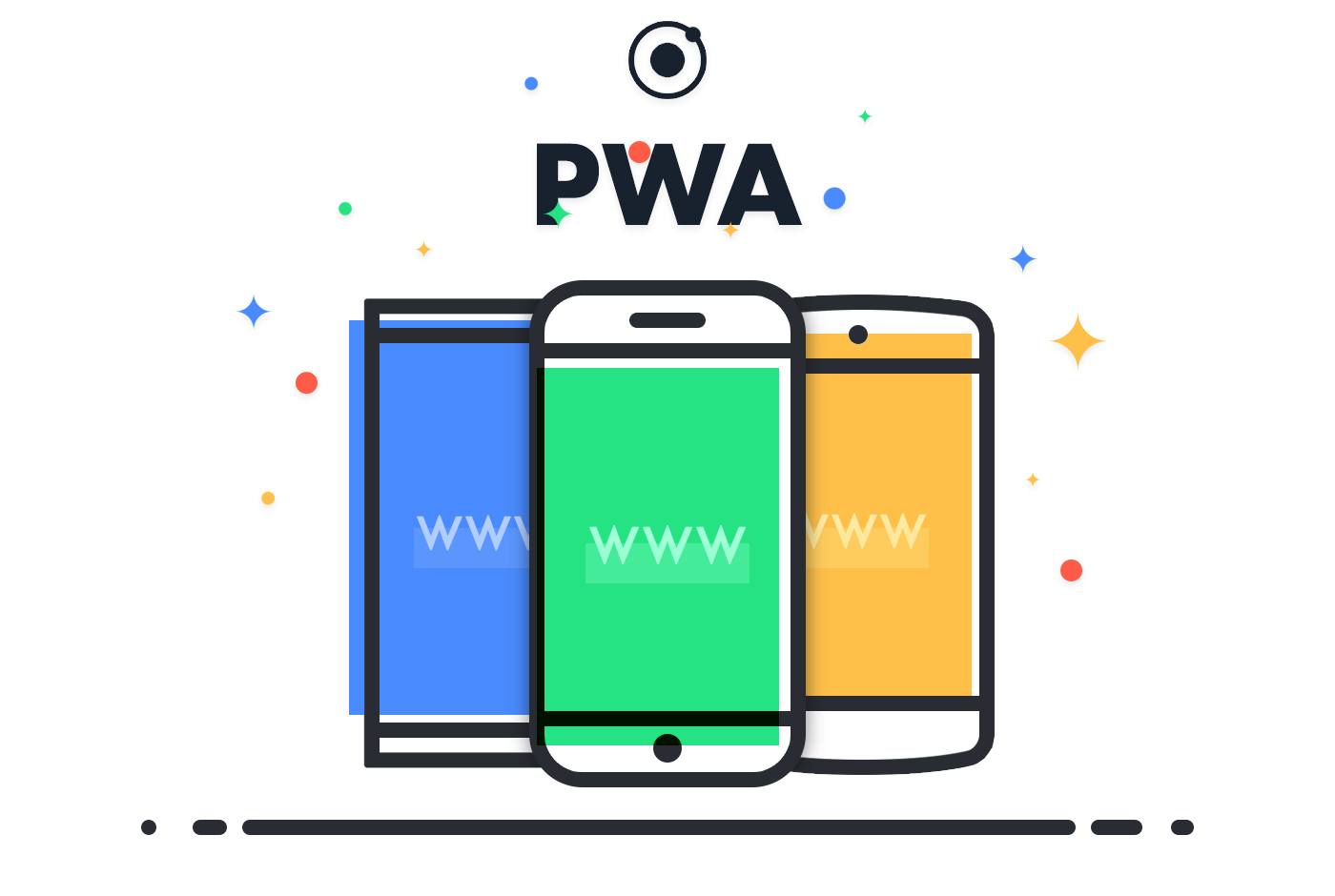
PWA stands for progressive web app that you can install on your system. It uses the cached data from your previous interactions to enable it to operate offline or without a stable internet connection.

A progressive web app is a website that functions just like a native app. It has all the functionality of a native app and still manages to deliver the usability of a website. PWAs are intended to address a range of problems ranging from inadequate networks to data obstruction or total lack of connectivity.

Google describes PWA’s as web experiences that are:

  • Reliable: Loads instantly and never shows a website to be down, even under unpredictable network conditions.
  • Fast: Responds easily to user interactions, with silky smooth animations and without janky scrolling
  • Engaging: Feels like a normal app, with an intuitive user experience.

Progressive web apps use the latest technologies to blend the best of both online and mobile applications. Progressive web application development is increasingly becoming the norm for the future. For businesses trying to optimise user experiences, PWAs fit right in the requirements in terms of budget, feature, development time and more.

Progressive web app benefits companies by offering an enhanced user experience through progressive enhancement. Robust PWA solutions are useful in accelerating the technological capabilities, empower companies and add the right balance to the business.

Since the advent of PWAs, many businesses have leveraged the power of this platform to reach new markets and enhance their user experience. After all, the Progressive web app framework is simple to develop, test and maintain, post-deployment.

How are Brands Using PWAs to Connect With Users?

The ease of access, cross-browser compatibility, and faster page load times help companies render a higher-level user experience that impresses consumers and gets them hooked.

1. Rising consumer expectations

How technology is changing customer expectations. | by Deborah Nas | The Startup | Medium

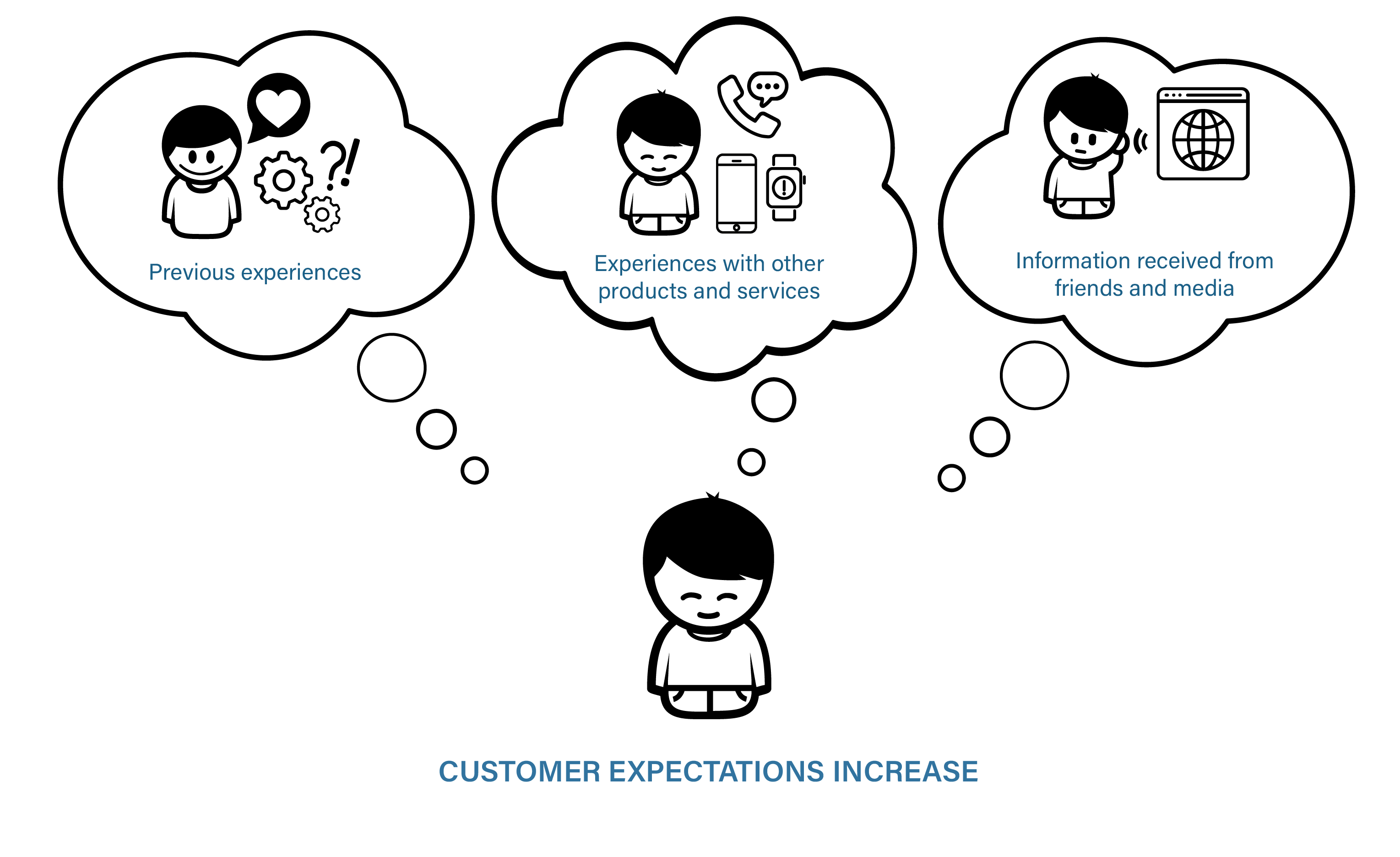
Customers have little tolerance for brands that have poor digital experiences. With plenty of choices at their disposal, consumers can easily move on to another brand if they have an underwhelming experience. When Pinterest and Starbucks launched their PWAs, they both saw a noticeable increase in interaction metrics. Pinterest saw a 60 percent rise in mobile interaction with quicker page loads, while Starbucks’ PWA was designed for web-based order management, and is now preferred by consumers over the native app for the coffee company.

 2. Native-like appeal

7 key principles of designing visually appealing websites | The JotForm Blog

PWAs provide a consistent and adaptive interface across all devices. It loads like a standard website but has many advanced native mobile app features, including the ability to add one touch to device home screens, to operate offline, and to allow push notifications. They also offer website benefits, such as search engine discoverability and the ability to be available from all modern web browsers. Additionally, PWAs can appear in the App Store and Google Play alongside native mobile apps.

3. Resource use and decrease in expenses

Maximise savings with cost cutting measures - Bizmag.co.za

PWAs need only one code base to provide website and mobile app-like experience across devices and browsers, which implies it needs only one team, one software platform, one test approach, and one digital product roadmap to plan, design, create and manage both a website and a mobile app-like experience. PWAs not only reduce the cost of product design, development, and maintenance, they also save money for organizations by allowing for quicker delivery of new features and bug fixes.

4. Adaptive

Adaptive thinking in practice

Innovative brands understand that technology is changing at an incredible speed, and they need to implement more forward-looking technologies to avoid rapid cycles of strategy, design, production and re-construct for digital solutions. Progressive Web Apps are fundamentally versatile and continually changing to meet the new functionality improvements. If you are rewriting a legacy website or native mobile application as a PWA today, it will work for years to come as expected. PWAs are built for transition, ensuring that companies should avoid investing in one-off websites and mobile apps that eventually need redesigns to meet evolving demands and technologies from the audience.

9 Best Examples of Companies Using PWAs

1. Forbes

Inside The 2013 Forbes 400: Facts And Figures On America's Richest

Forbes, a multinational media company, turned to Progressive Web Apps for their new mobile experience in order to improve loading times for their readers. The previous Forbes site took about 3-12 seconds to load.

The new site grounded in progressive web app technology is capable of loading in 0.8 seconds. As a result, Forbes saw a 43% increase in sessions and a 100% increase in engagement.

2. Flipkart

Flipkart strengthens fashion business; acquires stake in Flying Machine's owner Arvind Youth Brands - The Financial Express

Flipkart, India’s biggest e-commerce site, adopted a mobile-only strategy in 2015. After shutting down their mobile site and focusing only on their native app, the company was not seeing the desired results. They decided to combine their web presence and native app into a PWA to allow their current and prospective customers to have instant access to their store.

Compared to their previous mobile presence, Flipkart has tripled time-on-site with their Progressive Web App. Users spend an average of 3.5 minutes on Flipkart Lite versus 70 seconds on the predecessor.

Flipkart has also generated a 40% higher re-engagement rate among first-time visitors and a 70% higher conversion rate due to the “Add to Homescreen” icon, because customers have instant access to Flipkart whenever they want.

3. MakeMyTrip

According to the MakeMyTrip Survey, 1 in every 2 Indian traveller is looking to book an alternative accommodation for their next trip | Travel Trade News | Online Travel News | Travel Magazine

MakeMyTrip is India’s leading travel company with 8 million visitors monthly. After the addition of PWA, the major changes in the site such as improvement in conversion rate is 3X, the loading time of the page has increased by 38% and shopper sessions have increased up to 160%.

4. TwitterLite

Twitter Lite is now available in 21 more countries | Engadget

Twitter wished their mobile web to be faster and more attractive. In addition to PWA, Twitter launched TwitterLite which becomes the fastest and easiest way to use Twitter. With lower data consumption, TwitterLite also gives benefits such as reduced Bounce Rate up to 20%, and the page per session increased up to 65%, 75% in Tweets.

5. Alibaba

Alibaba.com | LinkedIn

Alibaba.com is the world’s largest marketplace for suppliers, buyers, and manufactures. It is the biggest E-commerce platform that recently adopted PWA and witnessed a significant increase in interaction rate up to 4X, and a huge rise in the conversion rate by up to 76%.

6. Starbucks Coffee

Menu of Starbucks Coffee, Connaught Place (CP), New Delhi - magicpin

Starbucks allows its customers to check the menu, create the orders and add the orders to the cart even when there is no signal or poor connection. With the addition of PWA, Starbucks improved its performance and rendered a highly responsive and fast performance.

7. Trivago

Trivago - one of the largest hotel search engine

Trivago is a big name in Hotel Search Engine Marketing. The availability of Trivago’s PWA is in 55 countries worldwide with 33 languages. After the adoption of PWA, the percentage of user engagement has increased by up to 50% and Click rate has increased by 97%.

8. Instagram

What Is Instagram and How It Works: a Beginner's Guide

We all use Instagram, but are not aware about its working. When you access Instagram on the mobile browser, you are accessing it through PWA. Presently the PWA looks very much like the traditional application and gives you some additional features like you can now upload images.

9. Pinterest

Pinterest - India

When you consider Pinterest’s UI and its design, it is totally fit to take advantage of Progressive Web App technology, thus they have. Their PWA gives them a lot quicker loading times and the capacity for clients to add it directly to their landing page with no download or installation. They’ve seen a 40% rise in time spent on the mobile site, just as a 44% increment in client generated ad revenue.

Advantages and Disadvantages of Progressive Web Apps

Advantages of a PWA

Smaller and faster

Sonic Running Wallpapers - Wallpaper Cave

Many individuals, despite the fact that native apps take a lot of space, would utilize these applications but they need more space on their smartphones so they can’t install them. But that is not an issue with PWAs, which only take space for what they need, making them quicker to download and saving space.

Offline capabilities

Lot of people realize the advantages of progressive web apps and that’s why they are downloading PWAs in light of the fact that it can be utilized even without an Internet connection. Also, these applications even work when the server is dead, making users not lose anything, and this is all such a great deal for conversions.

Cost-friendly than other apps

12 Time- And Budget-Friendly Tips For Updating Your Business' Mobile App

Since content just needs to be delivered once, PWA saves time and money in contrast to making content independently for iOS, Android, and a site. Also, PWAs don’t need to be updated very often. Clients don’t need to download new data. If PWA works, you presently don’t need to stress over its development, which makes it a financially alluring option, similarly to Flutter, for instance.

Independent app

Top 7 eLearning Apps: Check out Which One is on Your List

PWAs can be found by means of search engines and other platforms. PWAs can also be offered through social media, home page, or by another means. You are not required to be reliant upon application stores.

Disadvantages of a PWA

Limited browser support

Empoprise-BI: Revisiting my nine year old rant on sites that support limited browsers

PWAs are Android-driven and don’t work on popular browsers, including Safari, IE, and Edge. Since Safari overwhelms 51% of the browser market in the U.S., thus implying that a huge percentage of mobile clients will be unable to access PWAs.

But on the positive side, fresh browser versions of Opera, Chrome, and Firefox support PWAs, making other browsers to support this in the coming future.

 Limited Hardware and Software Support

Hardware & Software Support

PWAs are generally new and not yet upheld by many device hardware and software. For instance, iOS doesn’t support PWA’s notification and home screen shortcuts.

Also, PWAs don’t support the utilization of GPS, finger impression scanners, smartphone cameras, and other device features.

No download store

36 Best New Android Apps And Live Wallpapers From The Last 2 Weeks (11/6/14 - 11/19/14)

PWA don’t appear in popular application stores, for example, Google Play and the Apple App Store, which may delegitimize them.

Application stores not just give authenticity and social evidence of applications to likely users through reviews, however they additionally go about as a list that allows users to look for and find relevant applications.

Since most clients directly look for apps in application stores rather than in search engines, thus your audience may miss your PWA app.

No access to innovations

You Need an Innovation Strategy

Not every technical choice, like Bluetooth or Near Field Communication (NFC), can be applied to PWAs. This implies that you are restricted in the potential applications for your application. The inquiry is whether other future developments can likewise be utilized by PWAs.

Progressive Web Apps and The Future of Mobile Web

If you need a steady and consistent mobile app experience, then progressive apps are the best choice applications. PWA development company like Anteelo can offer interactive user experience similar to a native app without any high development expenses. The benefits of PWAs have been leveraged by many big brands, now it is your time to take up progressive web apps agency in USA and increase your conversions and revenue figures.

Wanna learn Designing of Social Media App? Come Here!

How to Develop a Social Media Application, Social Networks & Media App Developmen

From a business point of view, social media is one of the most promising markets. Want to create a social media app?

There is no denying the fact that social media cannot be ignored by today’s society. From a business point of view, social media is one of the most promising markets.

Many organizations use social media as a marketing tool to promote their business since they have their audience present on Facebook, google+, Twitter, Instagram, or Pinterest.

The rapid development is opening new landscapes within this play-area and social media app development has become a major game in the business world!

Want To Create a Social Media App? Let’s Look At Some Facts Shall We?

  • Over 3.6 billion people were using social media worldwide in the year 2020. This number is projected to increase to almost 4.41 billion in 2025.
  • On an average, internet users spend 144 minutes per day on social media and messaging apps.
  • Market leader Facebook was the first social network to surpass one billion registered accounts and currently boasts approximately 2.7 billion monthly active users, making it the most popular social network worldwide.
  • In June 2020, the top social media apps in the Apple App Store included mobile messaging apps WhatsApp and Facebook Messenger, as well as the ever-popular app version of Facebook.

When planning to design a social media app, it is essential that one understands all the types of apps there are in the market. This will help you find your niche and identify your competitors. Not only this, but also understand your target audience, and offer users a more appropriate functionality.

Types Of Social Media Apps

1.  Social networking apps

5 Emerging Social Apps Trends in 2018 so far

The main goal of these apps is to connect people for personal or professional reasons. From finding a job, joining a new community to connecting with a long lost friend, these apps will do the magic. For example: LinkedIn, Twitter, Facebook, Instagram.

2.  Media sharing apps

7 Great Apps for Sharing Media While Mobile - Techieapps

If you want to target artists and creators, this is the app for you! People these days love sharing videos, photos, GIFs etc to platforms like Youtube, Instagram, Snapchat, Pinterest etc. 

3.  Blogging and publishing apps

9 Best Android Apps Every Blogger Should Use

Writing is not as easy as it looks and writers do need an app that would let them write their mind. Such apps help writers to write from any gadget they want anytime. For example: WordPress, Medium. 

4.  Discussion forums

ACC Online Learning: ACC DISCUSSION FORUMS

If you want to build a social media app where a community of people share their insights, experiences, ideas, opinions etc, this type of app is for you. For example: Quora.

5.  Customer review apps

9 customer review examples (and how to get more reviews) | RingCentral

The major goal of these apps is to share their reviews about brands, services and products. Good customer reviews can help one grow business. For example: Yelp, TripAdvisor.

6.  Service Provider apps

Home Service Provider App | Urbanclap & TaskRabbit Clone Script

These types of apps help you undertake a particular service. From booking a cab, finding a plumber to booking a hotel etc, these apps are at your service. For example: Ola, UrbanCompany.

Now that we have understood the existing apps, let’s focus on how to make a social media app.

How To Develop A Social Media App?

Step-1: Find your purpose, target audience and competitors

How to Find and Target Your Social Media Audience (Free Template)

The first step for social media app developers is to know the purpose of their app. Network apps allow people, organisations and companies to create, exchange and share information over a network of people.

If you have an idea, good for you, but a full understanding of the market, target audience, potential users and what your current competitors lack is very important information. Also, if you want to earn money from your app, think of all possible monetization options.

Once you are done with conceptualizing your future application and its missions, goals, user engagement ideas and competitive analysis, get ready for building out of the box growth strategies.
Step-2: Design social network app’s workflow

24 of the Best Mobile App Design Tools | BuildFire

The next step is to create a defined workflow. This is to attain a specific pathway a user will follow in order to achieve the required set of goals. Hence, this step will define a complete user journey. The app workflow is a very critical step since it defines steps the user takes while they interact with your product.

Step-3: Development and design for both iOS and Android

How to Design an App for Both Android and iOS | AppIt Ventures

As the name of this step suggests, it is equally important to design a social media app for android and for iOS. If you are using a SaaS solution then you don’t have to worry about this step but if you are planning to start from scratch so we suggest you start with creating a wireframe. Wireframes are the skeletal structure of the app, which represents how the app’s fundamental looks.

A wireframe will help your design and development team to visualise how the app works and what pages link together. The next step is prototyping which will create a working model of your app. This will help everyone understand how the app is functioning for android and IOS.

Step-4: Build your community and market the app

8 Steps to Take When Beginning Your Mobile App Development

Now that your app is ready, it is time for you to win users and build a community! Start thinking about initial marketing strategies and campaigns that help draw the people’s attention, increase app downloads and user engagement.

7 Tips To Design Social Network App

Social App designs, themes, templates and downloadable graphic elements on Dribbble

Social networks app development is a tricky game! You must be sure that the app’s design is intuitive, easy to use and that same time appealing to your audience. Let’s talk about the best practices one can keep in mind while planning the look and feel of one’s app.

  • Keep it simple – A clean design always helps since people are already familiar with using the same. It helps you enthrall the users towards your value rather than distracting them away from it. When you focus on your offerings you don’t give your customers the space to think only of your brand, in turn. If you want to use your social media app for business, this is one of the key characteristics that you should focus on.
  • Communication is key – Allow your users to communicate with each other with the help of video call, audio call, recorded voice notes, ability to share content with each other. This is how you will build your community and keep your users engaged.
  • Focus on the Navigation – The minimalistic approach is the best one when it comes to designing navigation. If you create navigation with numerous features it will be too complicated for the user to keep up. The best practice is to ensure that all your icons and buttons are placed in the best part of the screen for the user to identify them easily.
  • Keep it consistent – You need to make sure that the design of your app remains synchronised in order to avoid any confusion that the user might face. By using consistency in your app it will create a logical structure that will clearly define where users can find what. This process will spare your app from confused and frustrated users.
  • Round design elements –  Do you know why Facebook or Instagram use round profile pictures? Well, it helps to focus on a user’s face and further makes it simple for other users to remember or distinguish them from others.
  • Allow people to personalise – Provide users the freedom and choices to share information, media, links, content etc in order to add their personality to their specific profiles.
  • Color codes are very important – Choose colors of the same family that help in providing a seamless user experience.

How can you make money from a social media app?

How to make money from social media - Save the Student

You can easily monetize your social network app design and start earning returns from the cost that you invested in social media app development. Below are a few ways to achieve your goals:

  1. Paid subscriptions: With an app based community, you can offer users paid subscriptions. It is best to first offer a free trial with good content and one or more paid trials that offer more in-depth and high-value content.
  2. Paid content: If you have a lot of users engaged with your content, you can use social apps for business. Paid sponsorship is one way you can convert your user reach into money.
  3. In-app purchases: You can give your users the liberty to directly make digital purchases. For example, ebook, a video or audio file.

Final Words

I hope that creating a social media mobile app is not as tough as you previously thought it was! I have walked you through the facts of social media apps, we have also talked about how to make an app from scratch, right from ideation to implementation and designing. Feel free to reach out to a social media app development company to guide you better and create your own app in no time. Take the first step today!

Top Development Trends for Android Apps

Importance Of Android App Development For Any Business

Are you an entrepreneur who is looking forward to making or getting their Android mobile app developed? Let’s dig into some trends & stats.

When it comes to developing mobile apps, no doubt the Android operating system gets all the attention, an attention that is well deserved.

Are you an entrepreneur who is looking forward to making or getting their mobile app developed?  If yes, then you surely need all the deep insights to know about the latest android app development trends.

Let’s dig in for some stats and read on further to discover the popularity of Android apps and the sector’s trends.

  • The fact is that today, Android is one of the most vitally used mobile OS that has captured almost 85% of the market share.
  • The Google Store has 3.04 + million applications, that range from web browsers, daily tools, social media platforms, complex games, enterprise mobile apps etc.

These figures clearly state that the app developers need to be aware of the hottest trends in mobile app development and incorporate them in their Android apps at the earliest, simply to provide users a unique experience.

Top Android Application Development Trends To Watch Out In 2021

The android apps continue to see implacable changes, that are primarily dominated by the user experience and constant innovations brought in by Google. As an entrepreneur, you would need to exemplify these trends for staying ahead of the competition.

1. Android Instant Apps

Could Android Instant Apps Replace the Mobile Web?

Although instant Android apps are not very common, slowly and surely, these app display types are picking up the pace. Android Instant app provides software developers with Android Instant Apps SDK and App Links Assistant that permits them to build mobile solutions from scratch or convert the existing apps into Instant Apps.

A working example of the type can be seen through the following – the Instant app allows users to try different games on the applications without installing that app on the device, exciting right?  The advantage of these apps is that they are compatible across all gadgets, require less storage space, and have a pleasant user experience and user interface.

Instant apps are the future and one of the biggest trends in mobile app development that helps the user use the app without actually compromising on space on their smartphones. This is the technology that is designed to drastically help and push the adoption of multiple sectors like eCommerce and games further to secure a place in top android app development trends of 2021.

 2.  Navigation Component

Navigation Component- The Complete Guide | by Muhamed Riyas M | Medium

Navigation refers to the multiple interactions that allow the user to move around in the different sections and app’s content pieces. Android jetpacks come with components of handy navigation that helps the developers to implement the navigations. The implications could range from a simple button, click to an intricate pattern such as a navigation drawer.

The navigation component’s further benefit is that the component allows a predictable and consistent user experience, as the developers who implement them, follow the stated navigation principles.

3.  Blockchain Technology 

Blockchain Technology: How Businesses Use Bitcoin, Ethereum & Other Cryptocurrency To Increase Revenue

The blockchain technology has been making rounds for many years; however, it has finally come into action. The blockchain technology provides the enhanced solutions of the decentralized app development that eliminates any unauthorized access and pushes transparency.

The blockchain technology market is said to grow at 62.73% CAGR by 2026 making $52.5 billion. Decentralized apps (Dapps) are an open source, smart contract based software applications that run transactions on blockchain. These applications run on decentralize blockchain and the data cannot be changed or erased in it. These apps are the future of mobile app development; they enable faster payment, reliable data records, and are tamper proof.

With the help of blockchain technology, an android app development company can maintain robust security protocols. This inclusion is fast becoming a part of the trends in android development especially in the financial segments such as currency exchanges, banks etc.

4.  Google Assistant/Chatbot

Custom Google Home Bot & Google Assistant Bot For Business | NCRTS

In the coming years, we will see that many business owners would be keen on integrating their app services with the Google Assistant. The primary advantage of investing in such an integration is that it provides users with faster ways of accessing the app directly. By using the Google app actions, the users get access to an app’s deep-link which allows them to perform specific activities inside the application from the Google Assistant.

Google, in 2020 announced that they will release a new feature for google assistant at CES. The new feature called “Scheduled Actions” will permit users to communicate with smart devices through google assistant like turn on/off a smart device, make a coffee, etc. The feature will be capable of controlling 20 home devices including lights, coffee machines, AC units, and many more.

5.  Multiplatform Development Through Flutter

What makes Flutter Ideal for Cross Platform Application Development?

Google has introduced a new technology naming Flutter, which is being touted as the future of android development. Flutter is a cross-platform framework that helps in developing beautiful apps with a single codebase.

Many developers have been selecting this platform to build mobile apps due to its flexible nature. The primary reasons to choose Flutter are that it is effortless to learn, has a native design, etc.

It is one of the preferred frameworks for minimum viable product development. This means that instead of spending extravagance on two different apps, you can quickly build an app on native platforms such as iOS or Android.

With the latest update Google took flutter beyond mobile and to the web. Flutter developers are now able to target macOS, Windows and Linux and other embedded devices. The desktop support provided by flutter also includes plugins that support various platforms.

The new Flutter and Dart update have been released with Substantial Performance Improvements from its contemporary releases. Flutter is prepared for creating apps for iOS, Android, Fuchsia, web & desktop with new platform support. Moreover, they are in talks with Ubuntu for Linux apps, Microsoft’s Android Surface Duo, and Windows 10X which will be made accessible soon.

Some prominent progressions made in Flutter in 2021-21 are:

  • decreased size and latency
  • less janky animations, and quicker treatment of UTF-8 strings
  • mouse cursor support
  • new widgets such as Interactive viewer making pen
  • zoom and drag-n-drop
  • range slider and date picker revamped
  • integrating flutter to the current application made suitable with Pigeon
  • improved help for Metal on iOS, and new Material gadgets.

6.  Internet of Things

Internet of Things: What It Is, How It Works, Examples and More

The key mobile app development trends 2021 is the implementation of the IoT (Internet of Things). In Android, these trends end up translating into many of the Android things that allow the developers to build the devices on the top of the known hardware platforms such as Raspberry Pi. The best part is that developers do not require any prior knowledge of embedding the system design to start. Instead, the developers can develop the apps using Android Studio and Android SDK.

The introduction of 5G will open the door for more devices, and data traffic. According to some reports the 5th generation wireless network technology is expected to connect 1.5 billion devices globally in the coming years. It is also stated that the global IoT connections will triple to 25 billion by 2025, while IoT revenue globally will quadruple to $1.1 trillion.

With that said, IoT will focus on developing smart parking lots, street lights, and traffic controls apart from advancing the hospitality and industrial sectors.


7.  APM & EMM

How Mobile APM Augments Enterprise Mobility Management | Aternity

APM (Application Performance Management) and EMM (Enterprise Mobile Management) are two primary elements of mobile enterprise development. These technologies are primarily used to reduce mobile apps’ slowness. With the overall rise in mobile application development trends, they have become the quality tester for mobile apps.

With the upcoming trends, APM will reflect the application behaviour, measure statistics for devices and Oss that are used, and screen user performance to figure out which application features are exploited. With the application landscape and business infrastructure moving to cloud, APM will also provide powerful tools to monitor resources utilized by apps, associate the retrieved data with user insights, and adjust performance with business processes.

EMM will incorporate mobile device management, app management, application wrapping and containerization, and a few components of enterprise file synchronization and sharing.

From the work from home context, EMM has grown many folds and is looking into automation of processes, workflow optimization, easier and smoother communication flow, and exchange of data

8.  Motion Layout

Introduction to MotionLayout on Android – Ars Futura

The layout used by the developers to manage the motion and the widget animations in the apps. This tool is a part of the Constraint Layout library and is compatible with Android 4.0. With these libraries, the team can quickly fill up all the gaps between the complex motion handling and layout transitions, as these tools are known to offer high-end and useful features.

Developers will be seen using Motion Layout to create multiple interfaces that use the animations, helping them understand what is going on with the app.

9.  Beacon Technology

What Are Beacons and How Beacons Technology Works? - Intellectsoft

Businesses have slowly started to immensely use Beacon technology, as it helps businesses target potential clients uniquely. Beacons are the transmitting gadgets that get connected with mobile devices, in that particular range. The technology allows the companies to send various notifications regarding the special offers, nearby hotels etc.

Beacon technology transformation from a push marketing strategy to an opt-in strategy is useful for many industries. The technology can be applied on-cloud and at-area, which is helping it to gain traction and promote its growth in the coming years.

Beacon-based notifications are helping out businesses to connect with their users in a highly contextual manner. The beacon technology trend in 2021 will see the coming of beacon enabled airports and mobile payment using beacon.

Some companies are predicting the rapid development and use of iBeacon and other similar gadgets for marketing.

10.  Android Enterprise

Android Enterprise - Marketplace | Hexnode MDM

Digital transformation is now the need of the hour in 2021 for enterprises. The Google-led initiative – Android enterprise helps the workers to use the Android apps in their workplace. The Android Enterprise program helps the developers with the APIs and various other tools needed to integrate support for Android into the solutions of enterprise mobility management.

Wrapping Up

Each year comes with newer innovations and ideas, and these trends keep on rolling back and forth. Looking at the above latest trends in android app development, we can undoubtedly claim that the Android Operating System is growing at a rapid speed towards providing the users a seamless experience.

How to Ensure Cybersecurity in the IoT Era

The impact of the Internet of Things (IoT) - Information Age

Without adequate security, all connected devices provide a direct gateway into our personal & professional networks. Is it possible to avoid theft of data?

Considering the pace we are all moving at, companies are continually striving to make everything connected virtually. Devices connected to IoT can ‘communicate’ with each other be it tech gadgets, smart phones, smart home equipment and machines, etc. But, without adequate security, these connected devices provide a direct gateway into our personal, corporate, and governmental networks where confidential data can be either stolen or destroyed.

Now that IoT has become a complete game-changer, cybersecurity is more relevant than ever and challenging at the same time. The question still remains, are we ready for such an increased level of connectivity? What are the IoT security risks?

Before we dive into the glaring security issues, let’s look at some IoT market statistics, shall we?

Essential Internet Of Things Statistics To Keep You Up to Speed

Number of IoT devices 2015-2025 | Statista

Overview of the IoT market

1.  The global market for the Internet of things (IoT) reached $100 billion in revenue for the first time in 2017, and forecasts suggest that this figure will grow to around $1.6 trillion by 2025.

2.  The total number of connected devices to IoT is projected to reach to 30.9 billion worldwide by 2025. Do note that this number includes active nodes/devices or gateways that concentrate the end-sensors, rather than consumer devices such as computers and cell phones.

3.  Due to the Covid-19 pandemic, the IoT adoption rate has increased, especially in the IoT in healthcare setup.

According to Microsoft’s 2020 IoT signals report, one-in-three decision-makers plan to up their IoT investments while 41% say their existing investments will remain the same.

Statistics about IoT security threats

1.  SonicWall, which blocks an average of 26 million malware attacks globally each day, recorded 40% rise in malware attacks during the third quarter of 2020 as compared to 151.9 million ransomware attacks globally through the first three quarters of 2019, marking 15% and 5% year-over-year declines, respectively. The report clearly indicates how IoT cyber security is compromised.

2.  According to the 2020 Unit 42 IoT threat report, 98% of all IoT device traffic is unencrypted, exposing personal and confidential data on the network. This is one huge example of IoT cyber risk.

3.  The same report also points out that 57% of IoT devices are vulnerable to medium- or high-severity attacks. Also, 41% of attacks exploit device vulnerabilities that again shows IoT security challenges.

Now that you are up to date with all the data that revolves around security aspects in IoT, let’s discuss the challenges of securing IoT devices.

Internet Of Things Security Vulnerabilities And Challenges

1. Insufficient testing and updating

10 Biggest security challenges for IoT

The major issue that comes with companies while developing IoT devices is that no one takes care of the security issue unless some major problem hits. Once IoT manufacturers launch a device they ensure that it is secure but over time it becomes prone to hackers and other security issues due to the lack of constant testing and updating. Hence, opening the door to IoT security challenges.

2.  Lack of compliance on the part of IoT manufacturers

IoT in Manufacturing: The Ultimate Guide

Let me explain this with examples you see in your day to day life. If you use fitness trackers, you must have noticed that bluetooth remains visible after the first pairing. A smart refrigerator can expose gmail credentials and a smart fingerprint padlock can be accessed with a Bluetooth key that has the same MAC address as the padlock device.

This can be labeled as one of the biggest IoT cyber security threats! Below are some security issues in IoT devices from manufacturers:

  • Weak and easily guessable passwords
  • Usage of old operating systems and software
  • Insecure and unprotected data storage and transfer
  • Technical issues in the hardware

3.  Botnet attacks

Cryptomining Botnet Steals AWS Credentials - BankInfoSecurity

Cyber security for IoT devices is very crucial since they are highly vulnerable to Malware attacks. They do not have the regular software security updates that a computer does. To perform a botnet attack, a hacker first creates an army of bots by infecting them with malware. Further, directs them to send thousands of requests per second to bring down the target.

Cyber security and IoT should go hand in hand in order to avoid a situation of attack. A botnet attack can easily cause a security threat for transportation systems, manufacturing plants, water treatment facilities and electrical grids, which can threaten big groups of people.

For example: A hacker can create spikes on the power grid by triggering a cooling and heating system at the same time. If this attack is planned on a big-scale it can create a nation-wide power outage.

4.  Data security and privacy issues

Privacy and Security: Current Challenges and Best Practices | 2019-07-01 | Security Magazine

Did you know that hackers did not spare a visionary like Elon Musk and a company like Apple which is known for its proud security claims. ? If such data comes in the wrong hands, it will not only lead to loss of money but also compromise intellectual property.

It was predicted that the Internet of Things will become a target-rich environment for hackers by 2020, attracting more than 25% of all cyberattacks. According to Microsoft, security aspects in IoT are lagging because 60% of employees use their personal devices for work purposes, and more than 80% admit to using unsanctioned web apps for work.

5.  Financial crimes

As Financial Crime Moves Online In India Analytics Becomes Essential To Finding Suspicious Behaviour -Vishal Goyal, Country Manager, South Asia, FICO - BW Businessworld

Electronic payment companies that deploy Internet of Things may experience a wave of financial crimes. It will be a challenge to ensure the timely detection of fraud.

Also, due to compliance and operational issues, it will be difficult for all financial companies to launch new models of workflow. That is, unless they improve their project lifecycle and risk management strategies that include a rising threat of IoT security breaches.

6.  Home invasions

Steps to Follow After a Home Invasion

You must be familiar with the concept of ‘smart homes’, which is a by-product of IoT. Cyber security for IoT becomes a huge issue when it comes to home automation. Due to unsafe devices and poor defense mechanisms, your IP addresses are trackable and it makes it easy for hackers to locate the address of the device.

7.  Remote smart vehicle access

Perfectly keyless for passenger cars

An IoT security challenge that is close to home invasion is the hijacking of your smart vehicles. This can lead to theft of personal data, vehicle theft, manipulation of safety-critical systems, etc.

Also, remote vehicle access can be a subject to ransomware, as a hacker may demand a hefty fee to unlock the car or to enable the engine. These malicious intrusions are obviously a huge threat to public safety as they can cause accidents.

Now that you have walked through the vulnerabilities and challenges that come with IoT, it’s time to talk about cyber security strategies that can help you overcome them.

How Can You Make IoT Connections Secure? 

1. Secure the network

How to Improve the Network Security for Your Home or Office

It is extremely important to secure the network that is a connecting bridge between the IoT devices and the back-end systems. This can be achieved by implementing security features like antivirus, anti-malware, firewalls and intrusion detection and prevention systems.

That being said, in order to sustain a smooth operation, there is a need for the IoT network to be protected and secured. You can effectively protect the network and secure it against attacks with the help of the above mentioned systems.

2.  Authenticate the IoT devices

How IoT can help fight COVID-19 battle – Geospatial World

One of the cyber security solutions can be device authentication features for the IoT devices. Features like- multi-factor authentication and biometric systems ensure that nobody can access your devices. A potential attacker will need personal information to gain access to information and this is where you have leverage.

It is of great significance to secure your devices and reduce the probability of your data getting into the wrong hands. When you implement the suggested security options, your IoT devices become well secured against external breach of security. Thus, you will be able to enjoy the numerous benefits of having IoT devices at home, in the office, in your automobile, and anywhere you want.

3.  Public key infrastructure strategy

What is Public Key Infrastructure (PKI)?

A public key infrastructure (PKI) allows the users to engage in secure forms of communication, data exchange, and money exchange. This type of engagement is carried out using public and private cryptographic key pairs.

PKI ensures the encryption of data through two — asymmetric and symmetric encryption — processes. In asymmetric, we need two keys, one key is the public key and the other key is the private key. If something is encrypted with the public key, then decryption can only be done with the private key and vice-versa.

On the other hand for symmetric both the data encryption and decryption is done with the same key. The data encryption and decryption ensure that data privacy is maintained and the chances of data theft are reduced to the bare minimum.

4.  Use IoT security analytics

IoT Security Analytics - NetSentries Technologies

You can drastically change the number of security issues you face by implementing security analytics. This involves collecting, correlating, and analyzing the data from multiple sources and can help IoT security providers by assisting in identification of potential threats.

Final Say

There is a lot of scope in IoT today and it is safe to say that the market will increase as per the projections, so now is the time to dive deep into the subject and understand it’s what’s and how’s. Also, with the discussion on IoT security challenges and solutions, we can conclude that securing applications is of paramount importance.

The security challenges must be managed, monitored and avoided by taking certain measures. You can go ahead and hire an IoT app development company that can help you overcome all your security risks, you can also choose the company based on the location, for example if you reside in the USA, then finding an iot app development company USA is better choice, as you will be able to know whether the company is genuine and knows its clients and customers choice.
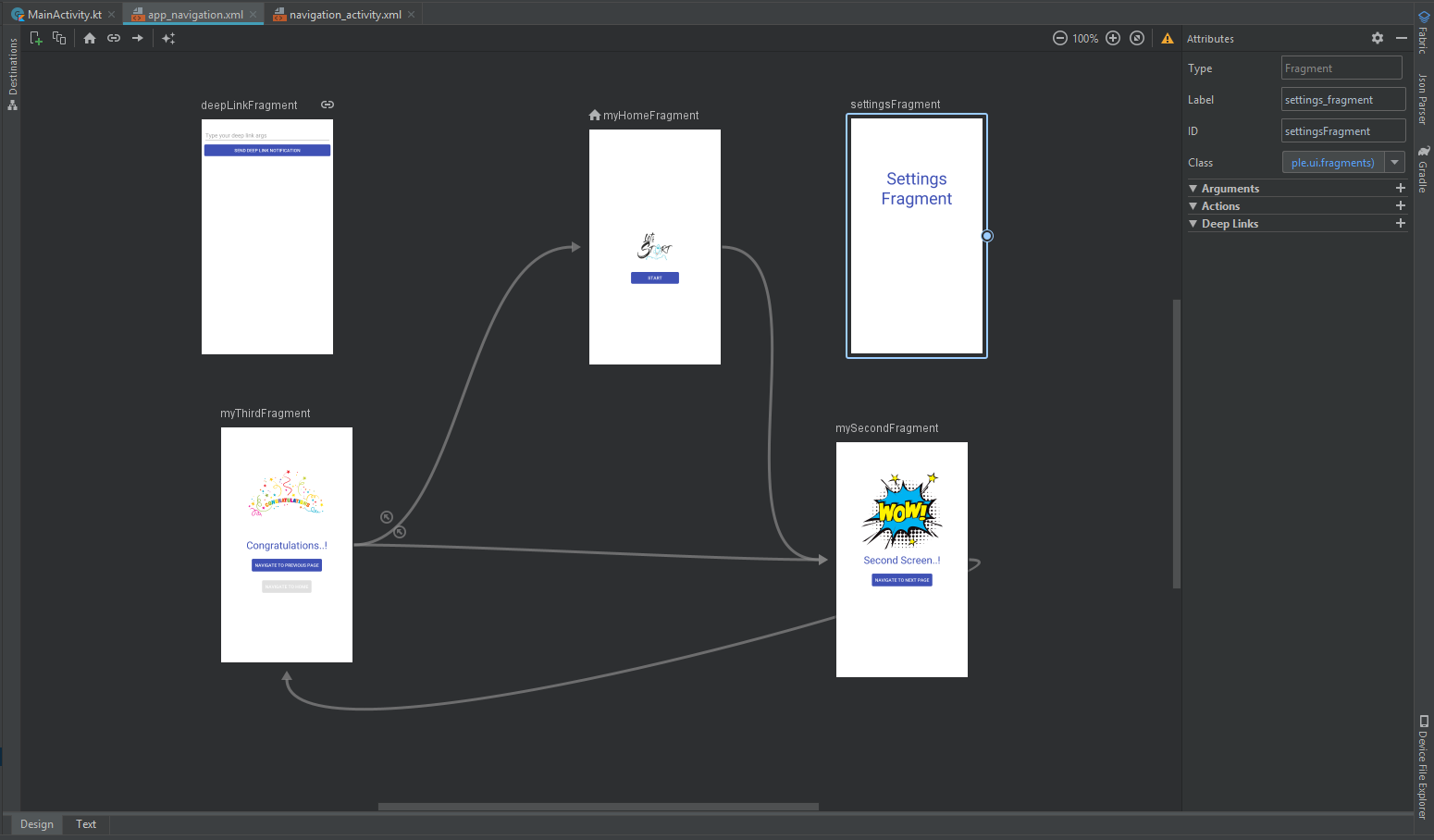

error: Content is protected !!