Wanna learn Designing of Social Media App? Come Here!

How to Develop a Social Media Application, Social Networks & Media App Developmen

From a business point of view, social media is one of the most promising markets. Want to create a social media app?

There is no denying the fact that social media cannot be ignored by today’s society. From a business point of view, social media is one of the most promising markets.

Many organizations use social media as a marketing tool to promote their business since they have their audience present on Facebook, google+, Twitter, Instagram, or Pinterest.

The rapid development is opening new landscapes within this play-area and social media app development has become a major game in the business world!

Want To Create a Social Media App? Let’s Look At Some Facts Shall We?

  • Over 3.6 billion people were using social media worldwide in the year 2020. This number is projected to increase to almost 4.41 billion in 2025.
  • On an average, internet users spend 144 minutes per day on social media and messaging apps.
  • Market leader Facebook was the first social network to surpass one billion registered accounts and currently boasts approximately 2.7 billion monthly active users, making it the most popular social network worldwide.
  • In June 2020, the top social media apps in the Apple App Store included mobile messaging apps WhatsApp and Facebook Messenger, as well as the ever-popular app version of Facebook.

When planning to design a social media app, it is essential that one understands all the types of apps there are in the market. This will help you find your niche and identify your competitors. Not only this, but also understand your target audience, and offer users a more appropriate functionality.

Types Of Social Media Apps

1.  Social networking apps
5 Emerging Social Apps Trends in 2018 so far

The main goal of these apps is to connect people for personal or professional reasons. From finding a job, joining a new community to connecting with a long lost friend, these apps will do the magic. For example: LinkedIn, Twitter, Facebook, Instagram.

2.  Media sharing apps

7 Great Apps for Sharing Media While Mobile - Techieapps

If you want to target artists and creators, this is the app for you! People these days love sharing videos, photos, GIFs etc to platforms like Youtube, Instagram, Snapchat, Pinterest etc. 

3.  Blogging and publishing apps

9 Best Android Apps Every Blogger Should Use

Writing is not as easy as it looks and writers do need an app that would let them write their mind. Such apps help writers to write from any gadget they want anytime. For example: WordPress, Medium. 

4.  Discussion forums

ACC Online Learning: ACC DISCUSSION FORUMS

If you want to build a social media app where a community of people share their insights, experiences, ideas, opinions etc, this type of app is for you. For example: Quora.

5.  Customer review apps

9 customer review examples (and how to get more reviews) | RingCentral

The major goal of these apps is to share their reviews about brands, services and products. Good customer reviews can help one grow business. For example: Yelp, TripAdvisor.

6.  Service Provider apps
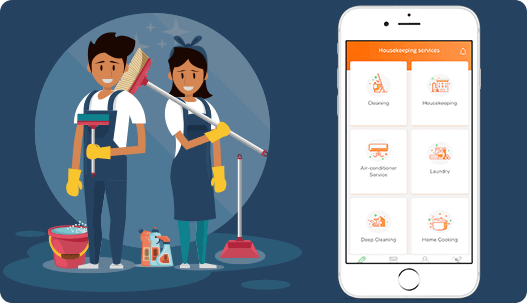
Home Service Provider App | Urbanclap & TaskRabbit Clone Script

These types of apps help you undertake a particular service. From booking a cab, finding a plumber to booking a hotel etc, these apps are at your service. For example: Ola, UrbanCompany.

Now that we have understood the existing apps, let’s focus on how to make a social media app.

How To Develop A Social Media App?

Step-1: Find your purpose, target audience and competitors

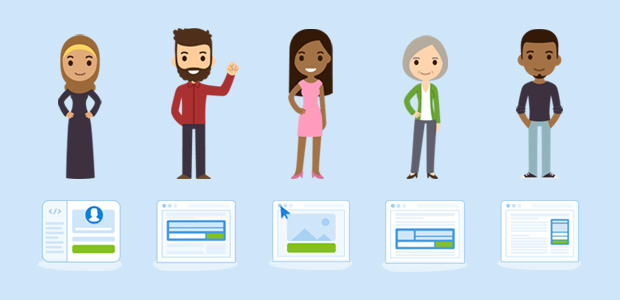
How to Find and Target Your Social Media Audience (Free Template)

The first step for social media app developers is to know the purpose of their app. Network apps allow people, organisations and companies to create, exchange and share information over a network of people.

If you have an idea, good for you, but a full understanding of the market, target audience, potential users and what your current competitors lack is very important information. Also, if you want to earn money from your app, think of all possible monetization options.

Once you are done with conceptualizing your future application and its missions, goals, user engagement ideas and competitive analysis, get ready for building out of the box growth strategies.

Step-2: Design social network app’s workflow
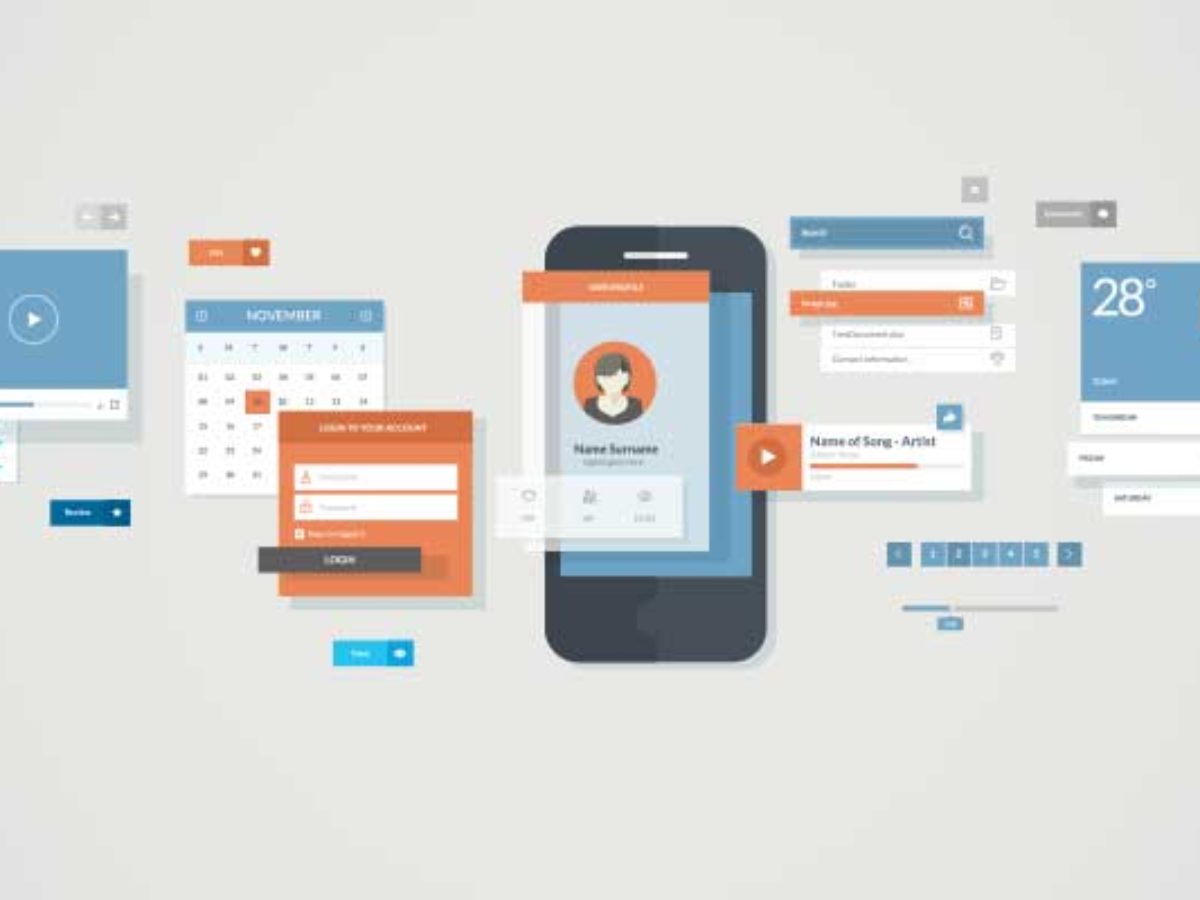
24 of the Best Mobile App Design Tools | BuildFire

The next step is to create a defined workflow. This is to attain a specific pathway a user will follow in order to achieve the required set of goals. Hence, this step will define a complete user journey. The app workflow is a very critical step since it defines steps the user takes while they interact with your product.

Step-3: Development and design for both iOS and Android

How to Design an App for Both Android and iOS | AppIt Ventures

As the name of this step suggests, it is equally important to design a social media app for android and for iOS. If you are using a SaaS solution then you don’t have to worry about this step but if you are planning to start from scratch so we suggest you start with creating a wireframe. Wireframes are the skeletal structure of the app, which represents how the app’s fundamental looks.

A wireframe will help your design and development team to visualise how the app works and what pages link together. The next step is prototyping which will create a working model of your app. This will help everyone understand how the app is functioning for android and IOS.

Step-4: Build your community and market the app

8 Steps to Take When Beginning Your Mobile App Development

Now that your app is ready, it is time for you to win users and build a community! Start thinking about initial marketing strategies and campaigns that help draw the people’s attention, increase app downloads and user engagement.

7 Tips To Design Social Network App
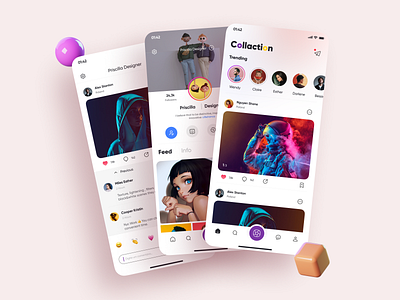
Social App designs, themes, templates and downloadable graphic elements on Dribbble

Social networks app development is a tricky game! You must be sure that the app’s design is intuitive, easy to use and that same time appealing to your audience. Let’s talk about the best practices one can keep in mind while planning the look and feel of one’s app.

  • Keep it simple – A clean design always helps since people are already familiar with using the same. It helps you enthrall the users towards your value rather than distracting them away from it. When you focus on your offerings you don’t give your customers the space to think only of your brand, in turn. If you want to use your social media app for business, this is one of the key characteristics that you should focus on.
  • Communication is key – Allow your users to communicate with each other with the help of video call, audio call, recorded voice notes, ability to share content with each other. This is how you will build your community and keep your users engaged.
  • Focus on the Navigation – The minimalistic approach is the best one when it comes to designing navigation. If you create navigation with numerous features it will be too complicated for the user to keep up. The best practice is to ensure that all your icons and buttons are placed in the best part of the screen for the user to identify them easily.
  • Keep it consistent – You need to make sure that the design of your app remains synchronised in order to avoid any confusion that the user might face. By using consistency in your app it will create a logical structure that will clearly define where users can find what. This process will spare your app from confused and frustrated users.
  • Round design elements –  Do you know why Facebook or Instagram use round profile pictures? Well, it helps to focus on a user’s face and further makes it simple for other users to remember or distinguish them from others.
  • Allow people to personalise – Provide users the freedom and choices to share information, media, links, content etc in order to add their personality to their specific profiles.
  • Color codes are very important – Choose colors of the same family that help in providing a seamless user experience.

How can you make money from a social media app?

How to make money from social media - Save the Student

You can easily monetize your social network app design and start earning returns from the cost that you invested in social media app development. Below are a few ways to achieve your goals:

  1. Paid subscriptions: With an app based community, you can offer users paid subscriptions. It is best to first offer a free trial with good content and one or more paid trials that offer more in-depth and high-value content.
  2. Paid content: If you have a lot of users engaged with your content, you can use social apps for business. Paid sponsorship is one way you can convert your user reach into money.
  3. In-app purchases: You can give your users the liberty to directly make digital purchases. For example, ebook, a video or audio file.

Final Words

I hope that creating a social media mobile app is not as tough as you previously thought it was! I have walked you through the facts of social media apps, we have also talked about how to make an app from scratch, right from ideation to implementation and designing. Feel free to reach out to a social media app development company to guide you better and create your own app in no time. Take the first step today!

Top Development Trends for Android Apps

Importance Of Android App Development For Any Business

Are you an entrepreneur who is looking forward to making or getting their Android mobile app developed? Let’s dig into some trends & stats.

When it comes to developing mobile apps, no doubt the Android operating system gets all the attention, an attention that is well deserved.

Are you an entrepreneur who is looking forward to making or getting their mobile app developed?  If yes, then you surely need all the deep insights to know about the latest android app development trends.

Let’s dig in for some stats and read on further to discover the popularity of Android apps and the sector’s trends.

  • The fact is that today, Android is one of the most vitally used mobile OS that has captured almost 85% of the market share.
  • The Google Store has 3.04 + million applications, that range from web browsers, daily tools, social media platforms, complex games, enterprise mobile apps etc.

These figures clearly state that the app developers need to be aware of the hottest trends in mobile app development and incorporate them in their Android apps at the earliest, simply to provide users a unique experience.

Top Android Application Development Trends To Watch Out In 2021

The android apps continue to see implacable changes, that are primarily dominated by the user experience and constant innovations brought in by Google. As an entrepreneur, you would need to exemplify these trends for staying ahead of the competition.

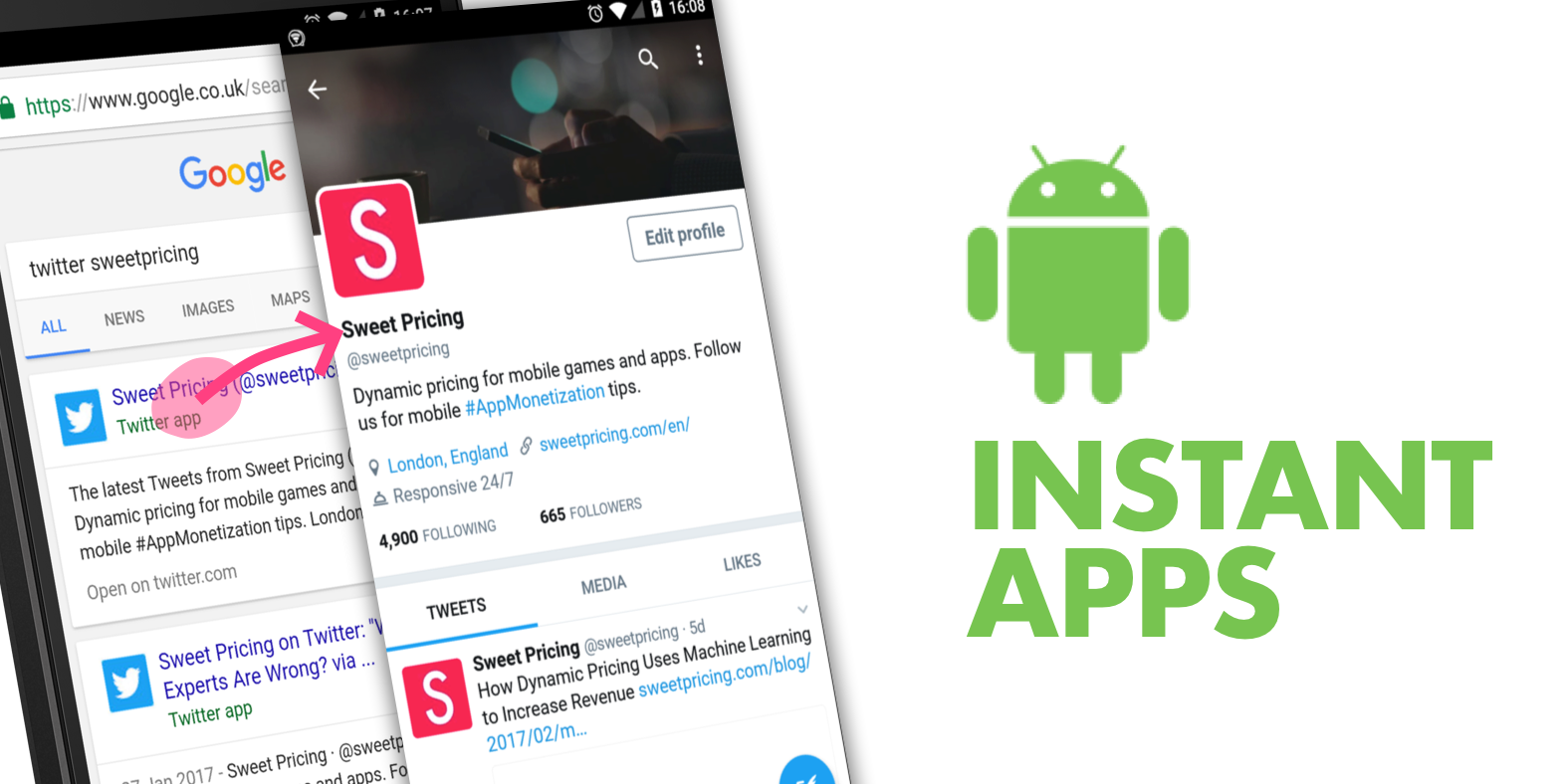
1. Android Instant Apps

Could Android Instant Apps Replace the Mobile Web?

Although instant Android apps are not very common, slowly and surely, these app display types are picking up the pace. Android Instant app provides software developers with Android Instant Apps SDK and App Links Assistant that permits them to build mobile solutions from scratch or convert the existing apps into Instant Apps.

A working example of the type can be seen through the following – the Instant app allows users to try different games on the applications without installing that app on the device, exciting right?  The advantage of these apps is that they are compatible across all gadgets, require less storage space, and have a pleasant user experience and user interface.

Instant apps are the future and one of the biggest trends in mobile app development that helps the user use the app without actually compromising on space on their smartphones. This is the technology that is designed to drastically help and push the adoption of multiple sectors like eCommerce and games further to secure a place in top android app development trends of 2021.

 2.  Navigation Component

Navigation Component- The Complete Guide | by Muhamed Riyas M | Medium

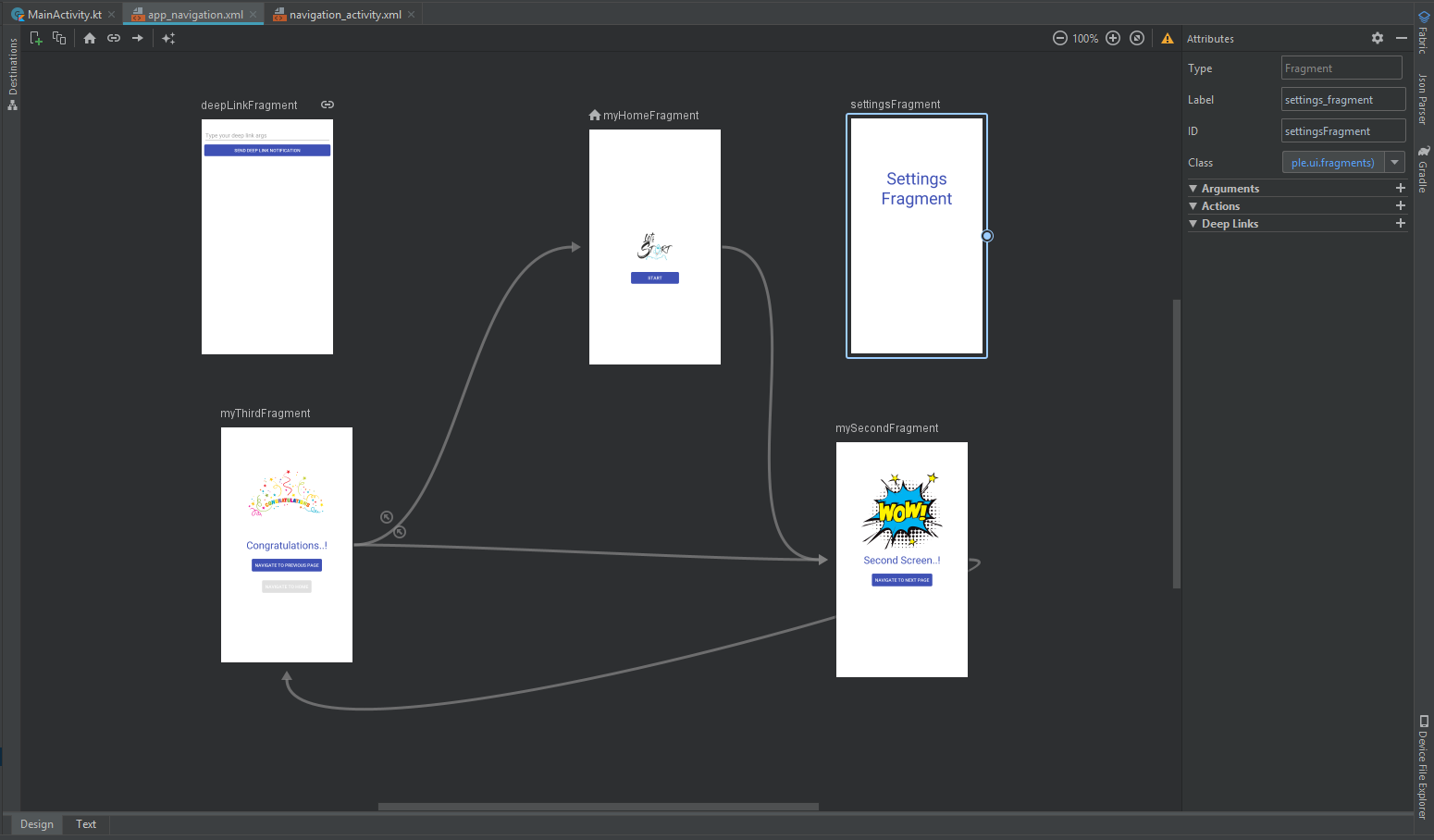
Navigation refers to the multiple interactions that allow the user to move around in the different sections and app’s content pieces. Android jetpacks come with components of handy navigation that helps the developers to implement the navigations. The implications could range from a simple button, click to an intricate pattern such as a navigation drawer.

The navigation component’s further benefit is that the component allows a predictable and consistent user experience, as the developers who implement them, follow the stated navigation principles.

3.  Blockchain Technology 

Blockchain Technology: How Businesses Use Bitcoin, Ethereum & Other Cryptocurrency To Increase Revenue

The blockchain technology has been making rounds for many years; however, it has finally come into action. The blockchain technology provides the enhanced solutions of the decentralized app development that eliminates any unauthorized access and pushes transparency.

The blockchain technology market is said to grow at 62.73% CAGR by 2026 making $52.5 billion. Decentralized apps (Dapps) are an open source, smart contract based software applications that run transactions on blockchain. These applications run on decentralize blockchain and the data cannot be changed or erased in it. These apps are the future of mobile app development; they enable faster payment, reliable data records, and are tamper proof.

With the help of blockchain technology, an android app development company can maintain robust security protocols. This inclusion is fast becoming a part of the trends in android development especially in the financial segments such as currency exchanges, banks etc.

4.  Google Assistant/Chatbot

Custom Google Home Bot & Google Assistant Bot For Business | NCRTS

In the coming years, we will see that many business owners would be keen on integrating their app services with the Google Assistant. The primary advantage of investing in such an integration is that it provides users with faster ways of accessing the app directly. By using the Google app actions, the users get access to an app’s deep-link which allows them to perform specific activities inside the application from the Google Assistant.

Google, in 2020 announced that they will release a new feature for google assistant at CES. The new feature called “Scheduled Actions” will permit users to communicate with smart devices through google assistant like turn on/off a smart device, make a coffee, etc. The feature will be capable of controlling 20 home devices including lights, coffee machines, AC units, and many more.

5.  Multiplatform Development Through Flutter

What makes Flutter Ideal for Cross Platform Application Development?

Google has introduced a new technology naming Flutter, which is being touted as the future of android development. Flutter is a cross-platform framework that helps in developing beautiful apps with a single codebase.

Many developers have been selecting this platform to build mobile apps due to its flexible nature. The primary reasons to choose Flutter are that it is effortless to learn, has a native design, etc.

It is one of the preferred frameworks for minimum viable product development. This means that instead of spending extravagance on two different apps, you can quickly build an app on native platforms such as iOS or Android.

With the latest update Google took flutter beyond mobile and to the web. Flutter developers are now able to target macOS, Windows and Linux and other embedded devices. The desktop support provided by flutter also includes plugins that support various platforms.

The new Flutter and Dart update have been released with Substantial Performance Improvements from its contemporary releases. Flutter is prepared for creating apps for iOS, Android, Fuchsia, web & desktop with new platform support. Moreover, they are in talks with Ubuntu for Linux apps, Microsoft’s Android Surface Duo, and Windows 10X which will be made accessible soon.

Some prominent progressions made in Flutter in 2021-21 are:

  • decreased size and latency
  • less janky animations, and quicker treatment of UTF-8 strings
  • mouse cursor support
  • new widgets such as Interactive viewer making pen
  • zoom and drag-n-drop
  • range slider and date picker revamped
  • integrating flutter to the current application made suitable with Pigeon
  • improved help for Metal on iOS, and new Material gadgets.

6.  Internet of Things

Internet of Things: What It Is, How It Works, Examples and More

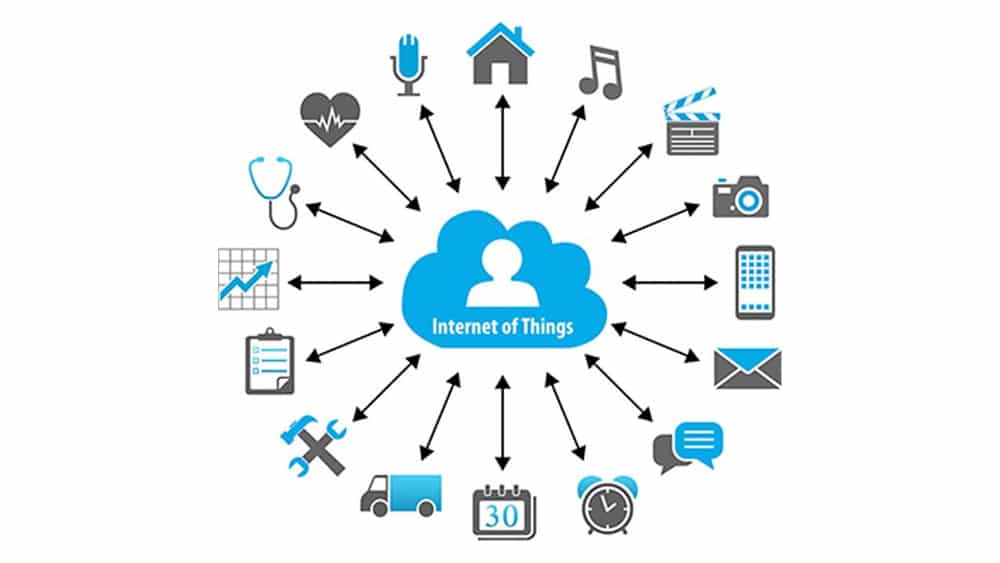
The key mobile app development trends 2021 is the implementation of the IoT (Internet of Things). In Android, these trends end up translating into many of the Android things that allow the developers to build the devices on the top of the known hardware platforms such as Raspberry Pi. The best part is that developers do not require any prior knowledge of embedding the system design to start. Instead, the developers can develop the apps using Android Studio and Android SDK.

The introduction of 5G will open the door for more devices, and data traffic. According to some reports the 5th generation wireless network technology is expected to connect 1.5 billion devices globally in the coming years. It is also stated that the global IoT connections will triple to 25 billion by 2025, while IoT revenue globally will quadruple to $1.1 trillion.

With that said, IoT will focus on developing smart parking lots, street lights, and traffic controls apart from advancing the hospitality and industrial sectors.


7.  APM & EMM

How Mobile APM Augments Enterprise Mobility Management | Aternity

APM (Application Performance Management) and EMM (Enterprise Mobile Management) are two primary elements of mobile enterprise development. These technologies are primarily used to reduce mobile apps’ slowness. With the overall rise in mobile application development trends, they have become the quality tester for mobile apps.

With the upcoming trends, APM will reflect the application behaviour, measure statistics for devices and Oss that are used, and screen user performance to figure out which application features are exploited. With the application landscape and business infrastructure moving to cloud, APM will also provide powerful tools to monitor resources utilized by apps, associate the retrieved data with user insights, and adjust performance with business processes.

EMM will incorporate mobile device management, app management, application wrapping and containerization, and a few components of enterprise file synchronization and sharing.

From the work from home context, EMM has grown many folds and is looking into automation of processes, workflow optimization, easier and smoother communication flow, and exchange of data

8.  Motion Layout

Introduction to MotionLayout on Android – Ars Futura

The layout used by the developers to manage the motion and the widget animations in the apps. This tool is a part of the Constraint Layout library and is compatible with Android 4.0. With these libraries, the team can quickly fill up all the gaps between the complex motion handling and layout transitions, as these tools are known to offer high-end and useful features.

Developers will be seen using Motion Layout to create multiple interfaces that use the animations, helping them understand what is going on with the app.

9.  Beacon Technology

What Are Beacons and How Beacons Technology Works? - Intellectsoft

Businesses have slowly started to immensely use Beacon technology, as it helps businesses target potential clients uniquely. Beacons are the transmitting gadgets that get connected with mobile devices, in that particular range. The technology allows the companies to send various notifications regarding the special offers, nearby hotels etc.

Beacon technology transformation from a push marketing strategy to an opt-in strategy is useful for many industries. The technology can be applied on-cloud and at-area, which is helping it to gain traction and promote its growth in the coming years.

Beacon-based notifications are helping out businesses to connect with their users in a highly contextual manner. The beacon technology trend in 2021 will see the coming of beacon enabled airports and mobile payment using beacon.

Some companies are predicting the rapid development and use of iBeacon and other similar gadgets for marketing.

10.  Android Enterprise

Android Enterprise - Marketplace | Hexnode MDM

Digital transformation is now the need of the hour in 2021 for enterprises. The Google-led initiative – Android enterprise helps the workers to use the Android apps in their workplace. The Android Enterprise program helps the developers with the APIs and various other tools needed to integrate support for Android into the solutions of enterprise mobility management.

Wrapping Up

Each year comes with newer innovations and ideas, and these trends keep on rolling back and forth. Looking at the above latest trends in android app development, we can undoubtedly claim that the Android Operating System is growing at a rapid speed towards providing the users a seamless experience.

An Ultimate Guide to Mobile App Monetization Model and Strategies

8 Mobile App Monetization Strategies to Create Revenue Out of Free App | by Daffodil Software | App Affairs | Medium

The craze to make money through mobile apps is inextricable. While some developers try different permutations & combinations, others have hit the jackpot overnight.

The craze to make money through mobile apps is inextricable. Whereas some developers try different permutations without any results to show for, others have hit the jackpot overnight. Having analyzed a bevy of such case studies over roundtables, and after-office coffee-talks, we have our list of the mobile app monetization trends of 2021. Building an app isn’t an easy task, but this technological era provides you with the opportunity to create a million dollar app if proper process and guidelines are followed.

As a luminary mobile app development company, Anteelo has partners in every sector from healthcare to Edtech and other industries to obtain an engaging customer base and great ROI. We’ve seen first hand the most effective monetization tools for mobile apps, and with such validated expertise, look forward to empowering the entrepreneurs of new and old.

Why bother monetizing your app?

How to monetize your app - Developing your strategy | Adjust

Before we dive into the reasoning behind monetizing an application, let us clarify one of the biggest confusions – can free apps make money? Yes, they can. Here’s how.

Apps have increased their user-reach multifold over the years. The below given chart appears to climb north in the foreseeable timeline as the internet and smartphones digitize our daily lives. By 2023, it is purported that apps would generate in excess of $935 billion in revenues, the primary drivers of which would be downloads and in-app advertisements.

When it comes to millennials, 21% of the cohort opens an app as much as 50 times a day. With an estimated 72.1 million millennials in the US alone, you do the math!

Having cultivated a regular footfall of app traffic and not knowing how to monetize it, would be like having a treasure chest without a key.

Identifying the Best Mobile App Monetization Strategy 

As the modern saying goes, money doesn’t grow on trees but is certainly minted in apps. Let us explore 8 impactful strategies and the reasons promulgating their adoption rate. However, as you digest these points, do note the factors that make up for a profitability-friendly application.

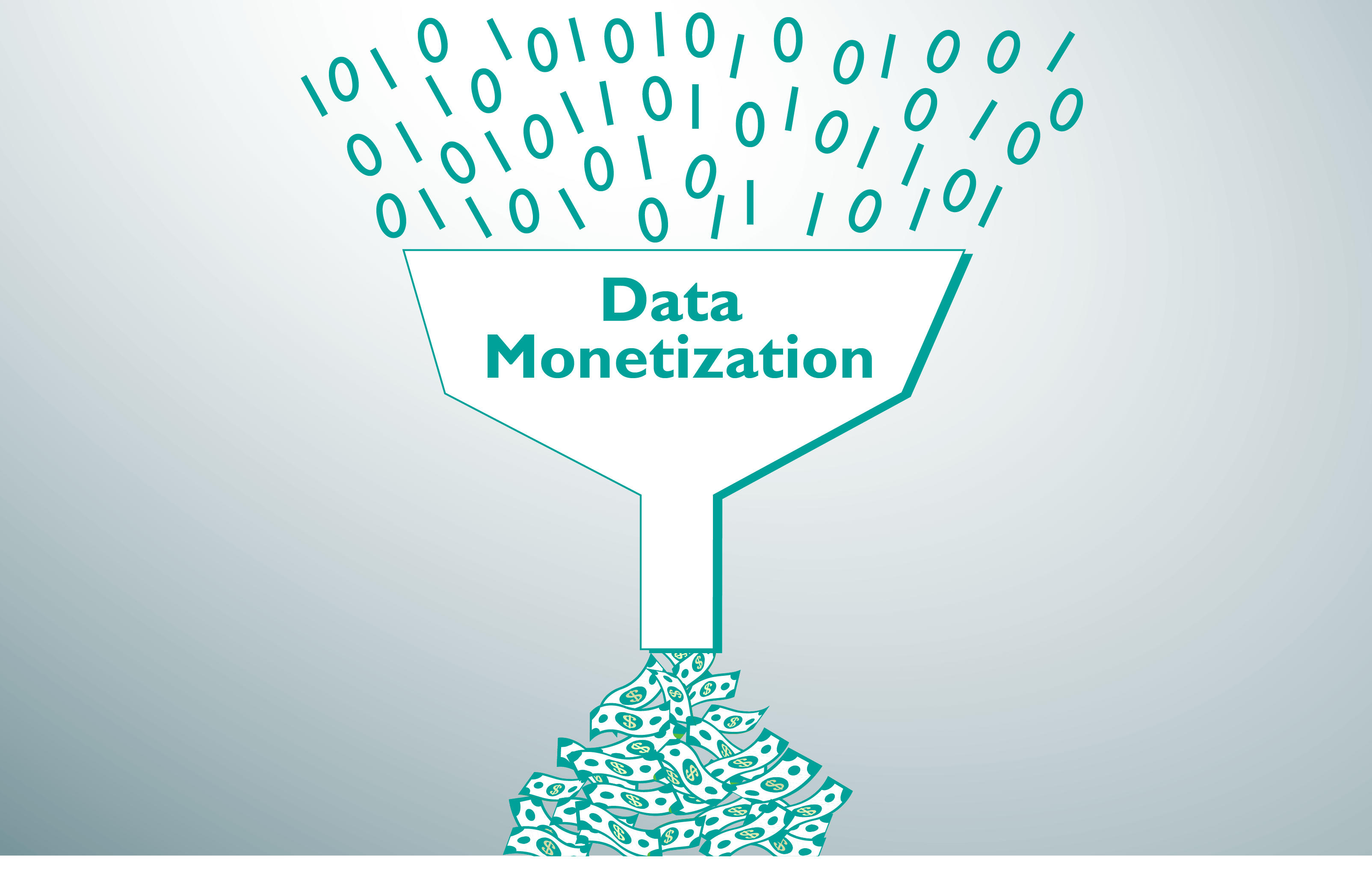
Data Monetization 

How you can make your organization ready for data monetization

Data makes digital businesses tick. The public readily gives apps all the permissions to collect “relevant” data in return for premium experiences. Algorithmists decipher the variety and volume of the data they need on each user so as to peel the peripheral layers of behavioral psychology and augment tactics that urge the buying patterns. This can be observed from the fact that Facebook has 52,000 data points on each user.

Such intriguing insights were accessed by Cambridge Analytica by paying Facebook for unbridled data-access. Although the process of data-collection was questionable then, a legitimate market for data access has blossomed since making access to data, one of the hottest app monetization models.

When to use it  – to make a killing, your data must be BIG, literally. Big data is something that has volume, velocity and variety. The higher the number of data identifiers you collect, the more vendors you can sell it to.

Premium 

Slidesgo Premium: premium templates for PPT and Google Slides

You pay for the app before trying it out. This model is receding fast as people are reluctant to spend unless they trust the brand. Most often, mobile gamers partake in such apps that exercise a pay first, play later protocol. It is proven as a matter of fact that free apps are much easier to distribute than paid ones. So unless you are a billion-dollar organization with fever-pitch fanfare to try out your products, refrain from using it.

When to use it – if you have to use it, make sure the marketing budgets are tuned to perfection as the notion of paid apps takes hard-selling. Premium works best for brands that account for majority market share and can fend-off competition with a loyal base.

Freemium 

How To Create A Great Freemium Pricing Strategy

There was a time when in order to monetize mobile apps, 98% of the applications in the market stuck to this model. While that time was in 2014,thus in 2021 freemium apps still account for 94% of the market share emerging as one of the dominant go-to android app monetization strategies. The idea is to open up a basic in-app functionality to users so that they get a hang of it and automatically opt-in for premium features by paying a fee. Those wondering how to make revenue on apps, would be flattered to know that user acquisition costs are lower for freemium apps.

Freemium also provides the scope for incorporating secondary revenue mechanisms such as in-app advertising. In fact, mobile app developers use freemium as a hurdle for users to overcome and discarding-app ads.

When to use it – we recommend using freemium when you have potentially better app features that people will pay for. The model works best when app sessions can be stretched for longer durations. Spotify would be one example.

Subscription 

10 tips for running a profitable subscription-based business | CIO

This is a one-word answer best suited to the question how to generate revenue from mobile apps? Usually, mobile app development services design a 3-tier subscription policy targeting users with the spending potential of basic, intermediate or advanced levels. Subscription plans can be classified over separate durations depending on their pricing. A subscription model gives first-time users the leeway to experiment and see for themselves the value proposition by paying a nominal fee.

Whether you discuss android app monetization strategies or the ones applicable to iOS platforms as well, this model has been used to monetize mobile apps far and wide. Documented evidence suggests businesses opting for the subscription services have grown consistently over the last few years. The only thing you need to know is how to choose the right app pricing strategy.

When to use it – This model is best-suited to content-heavy apps that tie users into a fallback loop and long-term app use. Examples include Medium, and Netflix.

Sponsorships

How to Save Your Sponsorships in the Face of Cancelled and Postponed Events | Northstar Meetings Group

Partnerships can take many forms. Our experience as a mobile application development company spells a common theme wherein one app invites a second one to leverage the user base, reward them for using the app, and mutually benefit from higher user engagement. For instance, Domino’s could offer extra discounts for ordering food from Uber Eats the kind it doesn’t on other apps. Conventional wisdom advises that there has to be a shared user base for the sponsorship model to prosper.

When to Use it – It is mostly used by brands operating in the same domain.

Advertising 

Advertising Makes Us Unhappy

Come to think of it, this is just a byproduct of the data an app collects. The same is used by ad networks, to drive relevant ad-traffic to the app as you open the gates to advertisements. In case you were wondering how to monetize android apps under a mobile app monetization strategy, you can find multiple options to charge advertisers on CTC (click through rate), CPC (cost per click), and lead conversions. There are a plethora of app monetization platforms that the advertisers leverage to funnel decent amounts of revenue. Such mobile app monetization platforms include the following:

  • AdMob
  • InMobi
  • Millennial Media
  • StartApp
  • Linkury
  • AdColony
  • AudiencePlay
  • Audience Network
  • Media.net
  • Smaato
  • Fyber
  • Unity Ads
  • MoPub
  • Chartboost
  • Epom Apps
  • SmartyAds
  • Leadbolt
  • IronSource

In addition to them, you can run the following kind of ads on mobile apps:

Rewarded Ads  

They reward ad viewers for going through the complete duration of the ad with say an extra discount coupon.

Banner Ads 

They appear horizontally either at the top or at the bottom of the screen. The thing with banners is that they can irk people by intervening with the content by sometimes overlapping it.

Interstitial Ads 

These are full-screen layovers and produce the best click through rates. Unless the designer screws up, there is little you can do to not get things right with interstitial ads.

Native Ads 

They appear as part of the overall content on the screen. It is hard for viewers to distinguish whether it is even an ad or not (hence the name) a fact that increases the likelihood of a click through.

When to use it – Advertisements should be used when you have an abundance of user data such as demographics, search/purchase history etc.

In-App Purchases

Finally, in-app purchases are a tested and highly quantifiable revenue metric that app development services can play around with, while still keeping the app free to download. Users do not pay upfront but rather for add-ons that enhance and enlarge their in-app engagement. Few studies posits global revenues from in-app purchases at $71 billion for the year gone by. Popular types of in-app purchases implemented by gaming apps include the following:

  • Game currency
  • Extra health
  • Milestone points
  • Health Boost

When to use it – this monetization model was successfully experimented with by the gaming industry following which content driven apps have also taken to it.

Which is the Perfect-Fit Monetization Model for Your App?

App Monetization Strategies: 6 Bankable Ways to Turn a Profit | CleverTap

The answer is embroiled in further queries that pertain to intricacies of your business goals. For starters, consider finding a black and white answer to the following questions:

  • What is your apps’ USP?
  • What is your app’s product market fit?
  • Would you sacrifice short-term revenues for long-haul users?

The next-big monetization model could be held in your outlook and your approach towards consumerism.

Mobile application development services like ours at Anteelo have a record and reputation for conjuring innovation out of thin air. Well, that’s just an expression, but you get the point. Checkout our most hip-and-happening successes that earned us the laurels of being the best App Development Company of the Year.

Must-Avoid Post-Launch App Mistakes

Everything You Need to Know to Correctly Launch Your App - BuildFire

Mitigating the risks of mobile app launch mistakes during the pre-launch opportunities provides the opportunity for an effective and user friendly app.

The dynamics of the mobile app industry revolve around unpredictability due to the changing trend wave and market requirements. It is hard to single-handedly pinpoint a universal reason leading to app demises as each failure offers new learning. Yet, one aspect that analysts of the old and new order mutually agree upon as a cornerstone for app success is post-launch marketing.

Having fought our way through grim times to emerge as a global mobile app developer cohort, Anteelo knows the importance of investing in post-launch mobile app marketing. We’ll dispel some of that wisdom today as we discuss the recurring theme of post-launch mistakes and how to avoid them.

Mobile App Launch Blunders To Avoid 

The following stages often prove a damp ground to tread on when it comes to post-launch mobile app marketing.

Problem Statement #1 – Planning or the lack of it

Must-Avoid Post-Launch App Mistakes

Market leaders visualize and anticipate business scenarios and layout measures to resort to in case things go downhill. Yet there are those who consider publishing their app on the app stores, the end of a project. A cross-industrial study estimated that up to 70 – 80% of new product introductions fail. There is no room for complacency.

Solution –  Create a roadmap with probable business cases and perform thought experiments to mitigate 11th-hour developments. Delegate individual responsibilities to mitigate last-moment confusion.

Problem Statement #2 – An unknown neglect towards marketing

9 Retail Marketing Strategies to Help You Get New Customers — and Keep Existing Ones - Vend Retail Blog

Often DevOps leaders and IT practitioners have a partisan view towards developing the perfect product. Whereas that is a debatable stance on its own, they collectively disregard the need to pump cash and raise fanfare after a successful app launch. Being a 600-strong mobile application development company, our in-house experts know better.

Solution –  Divide marketing budgets into pre and post-mobile app launch marketing actionable. The former should cover preliminary collaterals such as secondary research, defining budgets and marketing goals to partnering with influencers. Similarly, the post mobile app launch strategy should cover your social media plans, referral & retargeting campaigns as well as up ticking user engagement.

Problem Statement #3 – Setting overly ambitious goals

Why more ambitious goals are more likely to help

Only fools set a deadline first and begin operations later. Overestimating the delivery of the final product could be self-inflicting in terms of everlasting reputational damage. There is an art to building hype and while at it you must take into consideration a buffer for delays so that the post launch mobile app strategy could be adjusted accordingly.

Solution – Maintain a balance between disclosing the final product launch date and sustaining user-end hype. Tease the audience with doctored leaks if you can and take early feedback. Smartphone manufacturers are a case in point. You never know their launch date until the actual event is within 2 months of the schedule.

Problem Statement #4 – Lack of user data

JavaScript trackers stealing user data through Facebook Login

Instead of leading mobile app development solutions from the front, you’d be sucked into a black hole of failures if you do not know your audience inside out. How can you fabricate the product without knowing audience demographics, their behavioral patterns, engagement enablers, and spending habits? If not, take a page out of the following self-help advice.

Solution – If such in-depth data isn’t available readily, then partner with data vendors or social media platforms to acquire the same. Such structured data would help you extrapolate insights that eventually lead to lasting success of the app.

Problem Statement #5 – App store optimization (What’s that?)

App Store Optimization — Part I: What and Why ASO ? | by SHISHIR | PROGRAMMING LITE | Medium

App Store Optimization is the practice of refining the app as per guidelines laid out by app publishing platforms. ASO helps an app directly feature in user searches and increases the likelihood of downloads. With an excess of 2 million apps each on the Google Play Store and Apple Store respectively, ASO is unavoidable and the ones who avoid it live to regret their decisions more often than not.

Solution – Focus on optimizing the details such as the app name, title, keywords used in the description, preheaders, and monitoring customer feedback to maintain a healthy rating. This would lead to frequent features in query searches and as a result, more downloads.

Problem Statement #6 – Confusing product messaging

Must-Avoid Post-Launch App Mistakes

If your brand label does not help consumers identify you with your line of business then you have a problem up your sleeves. As a mobile app development company, we’ve come so far that we appreciate the significance of concise messaging. Mincing your words could cost millions in turnover, literally.

Solution – We strongly recommend conducting surveys and periodic questionnaires to determine user expectations. Not only will this help you choose the right style guide for design but also the content-triggers that encourage a purchase order.

Problem Statement #7 – Absence of feedback capture mechanisms

Why Giving Feedback Matters to Your Employees | Lucidchart Blog

A rather depressing statistic suggests that about 80-90% of the applications in the app store are shunned after a single-use. Functionality could share a large portion of the blame, but so does the fact that the app developers refuse to listen to their customers and capture feedback.

Solution – App store comments are full of heartfelt feelings (and expletives in case the app sucks) coming straight from the users. As you scale the product the need to engender applicable, expected, and on-demand functionalities grow. Developers should readily capture feedback be it through ratings, comments, or other supported media.

Problem Statement #8 – Relying on outdated software

Outdated IT systems and how to manage them

Technologies keep upgrading and therefore warrant an updated architecture for smartphone applications. Android and iOS release yearly updates for smartphones, but it gets complicated when a particular smartphone manufacturer alters the stock version of the OS to offer something afresh. All these intricacies make the process of keeping apps updated in terms of software specifications.

Solution – A custom mobile app development company like ours recommends sharing newer versions of the app periodically than sporadically. The frequency should allow users to acquaint themselves with a particular set of features and only then look forward to changing.

Problem Statement #9 – Not leveraging discovery platforms

The proportion of zombie apps has grown with the industry size. This informal category is a place you don’t want to be because these are the apps whose total traffic is tantamount to nothing or something embarrassingly insignificant. Provided you’ve done ASO well, and the app is strong technically, one reason why you could be still lagging is not channeling traffic through app Discovery Platforms.

Solution – Such platforms help drive meaningful traffic to your app through targeted marketing to their user base. Platforms such as PreApps and AppGratis would be a couple of examples. The investment is feasible as the chances of lead generation and conversion skyrocket by a multifold.

Problem Statement #10 – Not factoring in MVP

Snapchat – the fastest way to share a moment!

Minimum Viable Products give app entrepreneurs an outlet to test their thesis on product acceptance. Following the success of apps like Uber, Airbnb, & Snapchat, MVPs became a cross-industrial rage for even offline products. Yet, there is a cohort that often glosses over this pre-market testing and validation phase. Mobile app development services like ours, know for a fact that collecting such pre-launch feedback could be paramount to future success.

Solution – Whether developing an app in-house or partnering with mobile app development services in the USA, it is recommended you establish and maintain a close-knit network of beta users to try out the product and provide feedback as and when needed. This should be disparate from internal employees for the feedback to be considered non-partisan.

Problem Statement #11 – Ill-priced monetization models

8 Mobile App Monetization Models and Strategies | RubyGarage Blog

Making money from your app is an art not everybody excels at. If you have a minute, do check out this guide on how to monetize your app. Adopting a model that makes no sense in a desperate bid to out-compete your peers could be fatal. On the flip side, no gospel reprimands you for testing out newer approaches and payment schemes.

Solution – For the time being, you can choose from a bevy of pricing models such as freemium, premium, data sourcing, advertisements, and sponsorships. But who is to say if you turn out to be the ingenuine wizard who comes up with a never-before-seen subscription model that takes the industry by storm.

Recommended Mobile App Launch Checklists

Alright, so we’ve been through the common ideological traps that app developers tend to fall into and take misfire aim towards glory. But what is the course-correction roadmap that one should have in mind when it comes to creating a mobile app launch checklist? Well, there are different guidelines to be followed for Android and iOS. Inculcating the following steps into your app launch plan would ease the transition from pre-market to post-launch.

Android app launch checklist

Must-Avoid Post-Launch App Mistakes

Keep in mind the following steps while publishing apps on the Android Play Store:

  • Take note of developer program policies
  • Create your developer account
  • Prioritize localization
  • Release and promote your app on multiple platforms at once
  • Carry out quality analysis for cross-compatibility across devices
  • Stay within the technological distance of recent API releases
  • Engineer your Android App Bundle
  • Strategize around Play Store Listings
  • Promote your app with pre-registration
  • Upload and test the Android App Bundle on Open/closed test tracks
  • Analyze pre-launch test reports
  • Define your app’s pricing and geographies of distribution
  • Pick applicable distribution options
  • Establish in-app products and subscriptions
  • Set your app’s content rating for relevant age groups
  • Run the leftover checks and publish the app
  • Begin promotions
  • Never leave incoming feedback such as play store ratings/comments unattended
  • Stabilize the app with further uptime quality checks
  • Your android app has been launched. Good job!

iOS app launch checklist

We’ve briefly summarized the iOS launch checklist for mobile apps so you could publish your app on the iOS app store:

  • Create app distribution certificate and profile
  • Then create your app store connect account
  • Archive your application
  • Upload the app with Xcode
  • Configure app-metadata with the App Store Connect record you just created
  • Submit the application so it can be reviewed by content moderators
  • After some time, check for the status of your app
  • If everything is fine, your app will be approved and published successfully

Final Thoughts 

In the better part of the last decade, Anteelo has forthrightly staked its claim as a full circle mobile app development company. Some of our most impressive work has emerged from partnerships representing iconic brands such as Domino’s Pizza. But with all humility, we say this, the best is yet to come. You can count on us for pretty much anything mobile apps and not just post-app launch correctional measures.

What Characterizes the Success of Social Media Apps?

How to Secure Your iPad Social Networking Apps - Social Media Impact - Social Media Impact

Beside the connections with friends, colleagues, family, and strangers, social media gradually helps brands to connect with the users and audience.

Current estimates peg the total number of social media users worldwide at 4.20 billion in 2021. While the uninitiated connect the rise of social networks with the mass production of smartphones and the overarching reach of free internet, that is far from the truth. The actual evidence points to a rather slew of social media app features plugged-in to play around with the chemistry of the human brain.

Having analyzed the best social media apps in the current times, let’s know more about the social media apps like WeMe that are creating the buzz and benefiting the wider community of social media application development.

Below, you will discover a 2D view of the social media universe that is largely responsible for the average user spending 145 minutes per day on such platforms. Let’s get to it!

What is Common Between Successful Social Media Apps?

The following traits have been observed to connect the subjective dots between the leading social media platforms of the day.

Built-in social hypnosis

Hypnosis for weight loss: does it work?

Any social media app for mobile aims to get popular and prolong its use with the help of viewers. The features of a successful social media app therefore, must integrate specifications that can keep users hooked so much so that they lose track of time. Irrespective of the platform-type, it is safe to say that a social media app should have an unending supply line of content that intrigues users and raptures their subconscious minds.

A successful social media app places huge bets on first being free to use, and second offering next-level personalization (more on this in a bit).

The goal is to be authentic and naturalistic. Just as user engagement goes up, so do the ad revenues which primarily are the blood vessels of the most used social media apps.

Personalized content

Socialmediaapps

The secret recipe to create social media apps with a lasting impression is to offer personalized content. Thanks to a hyper-involvement of AI, ML, and big data silos that a social media app developers like us at Anteelo, have the capabilities to harness user information for tinkering and tailoring content offerings. Never downplay the role personalization plays in user engagement. 74% of the customers feel annoyed if the website content is not personalized.

Facebook can curate data with uncanny accuracy because it has over 5000 data points on each member.

Millennials and Gen-Z together form the Demand Generation. They want content on-demand. A successful social media app can fulfill this hunger for gratifying content only if it has built-in mechanisms for data collection, the elixir for pinpoint personalization.

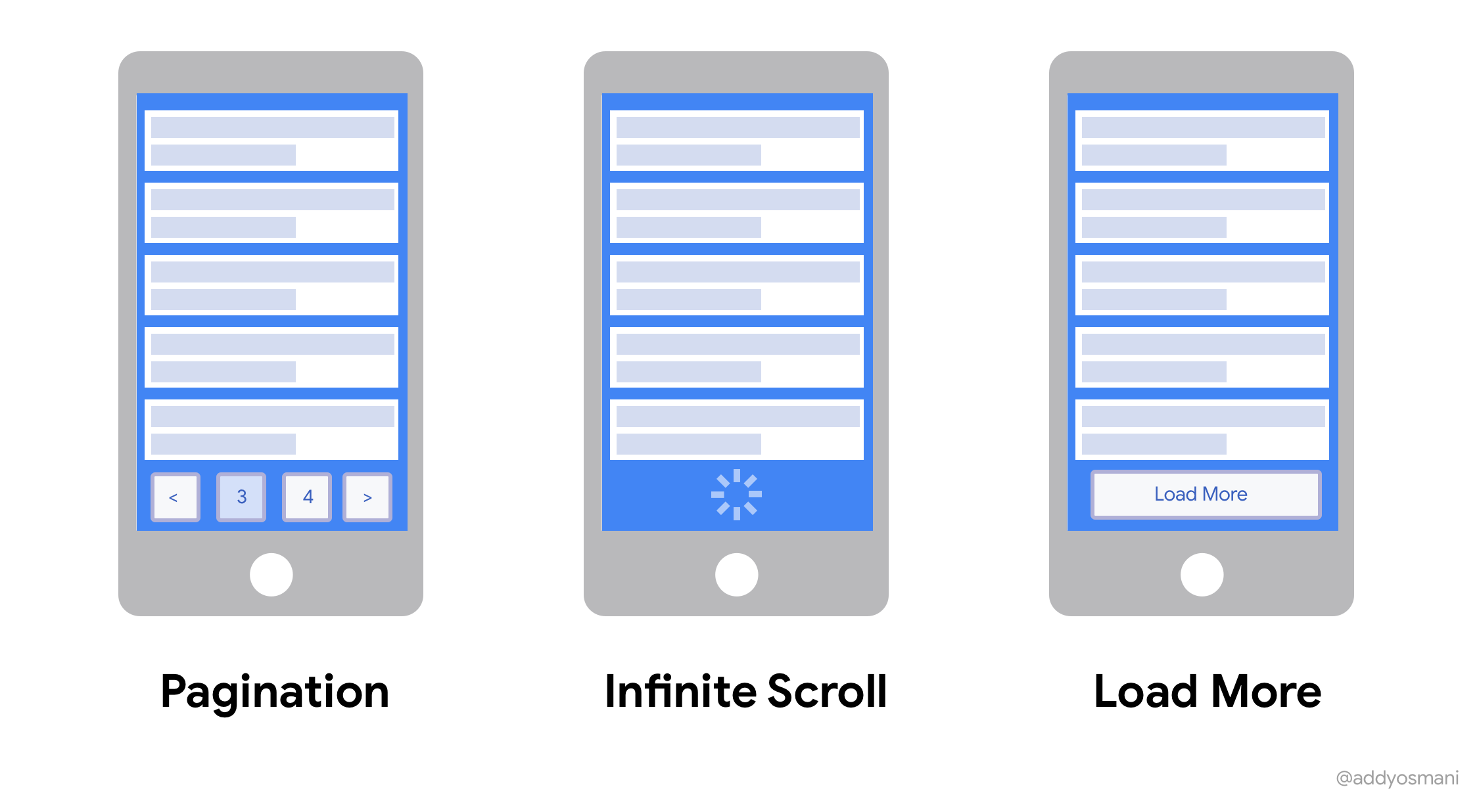
Infinite scroll

AddyOsmani.com - Infinite Scroll without Layout Shifts

The infinite scroll proved a path-breaking discovery in terms of innovation and social media app ideas. It is the social network equivalent of the auto-stream feature on video platforms like YouTube and Netflix. For anyone wondering how to create a successful social media app, this is where you start. Scientific studies have uncovered the workings of the exposure effect.

Long story short, the more often your brain views a certain (neutral) thing, the more it is disposed to like it.

While social media app users may not be aware of it but that is the methodology their brain is subjected to. As a social media app development company, we know too well how things come a full circle.

Offer likable content – develop user interest – customize content feed – keep at it.

Social reward mechanism

Dopamine, Smartphones & You: A battle for your time - Science in the News

One of the advantages of social media is that it lets people share their achievements, state of mind, and ongoing experiences. But there is another side to their personal story. Users rejoice when their friends join in on the act and engage with posts by likes, emojis and comments, and re-shares. The most used social media app, Facebook, has leveraged the power of ‘likes’ to its fullest on its subsidiary concern Instagram, with the competition following suit.

For social media app users likes and dislikes are the strongest indicators of the shareability of a post. Research posits accumulating likes on a post releases dopamine that delivers a satisfying kick.

This is nothing but a reward mechanism, something of an open secret to building a successful social media app.

Leveraging social urges

I urge everyone to maximize on leveraging social media because in this day and age, I don't think there is anything more powerful than that” — Naina Hussain, Illustrator and Co-Founder at

Social media app design ideas are guided by human psychology, at least in the current scheme of things! They integrate and to an extent, tap into our levers of social pressures to make us prolong the app use. Consider WhatsApp for instance. In what has been one of the most well-received social media app ideas of the last decade, its success prompted developers to zero-in on granular aspects of sociology.

By convention, humans feel obliged to respond if they know their message has been read. Therefore, when WhatsApp introduced the blue color read receipts, it integrated a feature that made people respond instantly. As a social media app development company in USA, we know how important such tactics are to the success of the venture.

Types of Social Media Platforms 

Alright, so it is clear what distinguishes successful social media ventures from those that flounder. Yet a few questions remain such as:

  • What types of social networking platforms are there?
  • What is the cost to build a social media app?
  • And, what programmable features should social networking app development companies pug-into such platforms?

Instant messengers and video curation platforms aren’t the only networking alternatives in the market, though they have come to dominate it.

We can classify social networks by their TG in the following brackets: 

1.  Network building apps

Modern Network Solutions | Future Of Networking | VMware

This encompasses Facebook, Twitter, and the LinkedIns of the world. Their USP is connecting people on either a personal or professional front.

2. Media sharing apps

Video Sharing Applications - Social Media Tools 2019 (1)

Networking isn’t all about opinion exchanges. Smartphones metamorphose our feelings into shareable content be it videos, images, or articles. This category focuses on such media sharing and has names like YouTube, Imgur, and Pinterest. 

3. Discussion boards

Discussion Board Best Practices | Learning Technologies at College of DuPage

You have multiple alternatives to voice questions, answers, and opinion pieces on networks like Quora, Reddit, StackOverflow, and lest we forget, Yahoo! Where it all began. 

4. Business review forums 

23 Absolute Best Small Business Forums the Internet Has to Offer

Feel you’ve been duped by a brand? Shout out your story to the world and offer a tell-all to others in the community. Websites offering such services include Yelp, Business.com, and the Expressit App.

5. Company review platforms

The Top 5 Sites for Employer Reviews & Ratings [2020 Update] | Ongig Blog

Since we are reviewing our purchase decisions, how about employers! This category has opened Pandora’s box in letting out insider information to the public. Examples include Glassdoor, Indeed, and the Muse.

6. Blogging networks

Мужчин блоггер: скачать картинки, стоковые фото Мужчин блоггер в хорошем качестве | Depositphotos

Content will always be the king. Networks like Medium, and Steemit reward writers for their work amplifying the unbending power of the letter.

7. Relationship networks

Relationship Networking: 9 must-read tips to build relationships on events

Their goal is to match profiles based on the registered biodata. From dating to hitchhiking, and rent-sharing, this bracket includes sites like Tinder, Badoo, and Airbnb.

Features Of Social Media Apps

Social Media Wisdom for Businesses & Start-ups | Features | Social Media Management | MN2S

If you are budgeting funds for the cost of social media app development, then it is better to first go to the drawing board and finalize the app’s features. This is not an overnight procedure but a well-defined loop that involves project management, custom development, business analysis, and quality assurance. Yet, speaking strictly of features some are universal in apps of such nature.

In our experience, the following specifications make the cut for all social networking apps of the day:

File-sharing

The platform must support multi-media file sharing

Multi-lingual support

If you plan to go global, then supporting target-region languages is highly recommended.

Privacy settings

Members should be able to customize their profiles and make public only the necessary facets of personal info.

Notifications

Send reminders to people of picking up where they dropped off.

Content personalization

This is more of a capability than a feature, the extent of which is directed by Artificial Intelligence and Machine Learning.

Comments, likes, shares

In trying to create social media apps, ensure that they allow cross-platform content sharing.

Audio content

This is the new audio based social media app feature. In audio only feature, the users are able to enter the chatroom only if they are invited. Example: Clubhouse

Infinite scrolling

One of the greatest advantages of social media is that people get to discover new content. Take advantage of this yearning and offer a limitless supply of scrollable dope.

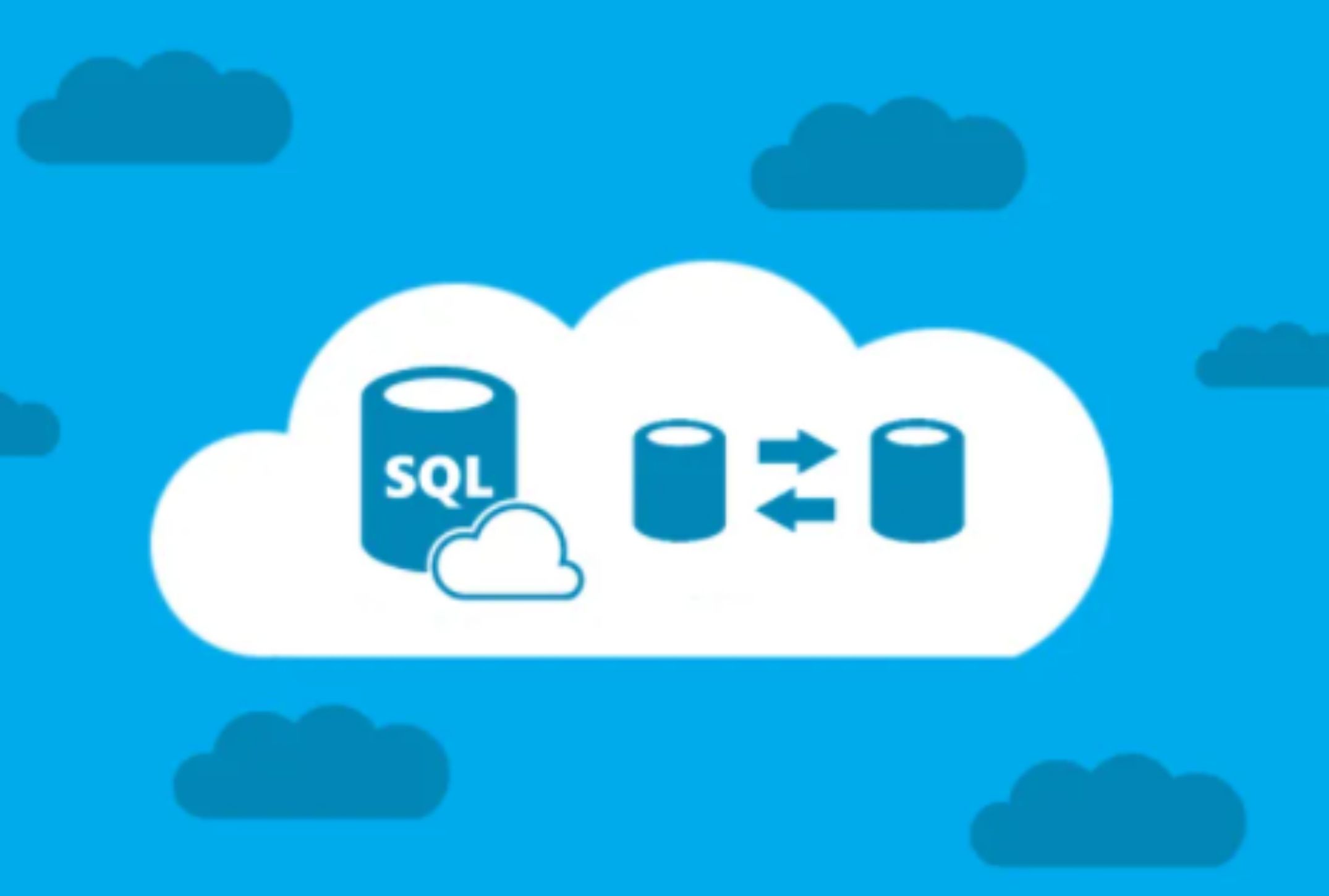
Working with SQL Server Azure: Read and Know

As a new version of SQL Server is under preview these days i.e. 2016 Preview and soon will be out for use. It might be possible that you would be wondering why SQL Server @Azure and how it’s different than traditional on-premises Server.

Those who have already gone through the process of purchase, downloading, and installation can understand the pain caused by it.

So here it is with

–          No license purchasing

–          No worry about new release

–          No long hours of installation

–          No need of latest compatible operating system

–          No worry about disaster recovery

–          No worry about availability and scalability

And the list goes on…..

Visit Azure portal get an account, create your server in the blink of eyes and start digging into it.

Let’s create a SQL Database @Azure…

  1. Login to Azure portal [if don’t have a subscription please get one, don’t worry its free for one month which is good enough to enjoy the benefits of cloud and make an informed decision]
  2. Create a Database and a Server for it
  • New > Data Services > SQL Database > Quick Create
  • Provide a name for Database
  • Choose a Server [if it’s your first DB then select “New SQL database server” else choose one from the drop down list]
  • So if you choose to create a new database server you will get some more cool options to choose from such as
    • Provide the Region [yeah these are the location which Microsoft has got its data centers]
    • Login Name for server
    • Password for Login
    • Click on “Create SQL Database”

Hey look it’s there under “SQL Databases” option on the left menu

  Get your connection string

  • Select Database from Database List
  • Click on “Dashboard”
  • Click on “Show Connection String”

4.       Start consuming it from you application using any of technology you love

Blockchain Projects Ruling the Decentralized Economy- Guide

The rising profile of blockchain in academe

Blockchain has come a long way since it was described by Stuat Haber and W Scott Stornetta back in 1991. The technology has become one of the biggest innovations of the century and has given rise to various new possibilities in different sectors and industries. Say it fintech, retail, healthcare, enterprises, real estate, or supply chain.

A clear evidence of which is that today, almost every entrepreneur, digital marketer, and even blockchain development firm is showing an interest in learning the basics of blockchain technology and looking ahead to entering the space. And eventually, getting a slice of the market which is anticipated to be valued USD 39.7 Bn by the year 2025.

They have also begun looking into the latest blockchain trends and the best business models top players are working with.

However, most of them are missing one main point.

With the growing popularity of the technology, different ways to embrace it for business transformation are coming into the limelight and so, the kinds of blockchain projects; making everyone intrigued to know which of these types is destined to aid them in leading the digital environments in 2020. Something that you will come to know by the time you reach the end of this article.

So, shall we begin?

[Just in case you want to take a recap of the role of blockchain on the industries, check our blog on ‘the impact of blockchain on the economy’.]

Explained: The 5 Categories of Blockchain Projects 

1.  ‘Fear of Missing Out’ Blockchain Solutions

4 Most Exciting Blockchain Projects to Watch in 2020 – skalex.io

The first kind of blockchain solutions that are getting developed these days is FOMO (Fear of Missing Out).

As depicted from the name, this type of projects are brought into life just to ensure that companies do not remain behind in the market. They have not held any meeting and discussed its role into their traditional business model and the possible outcomes they would derive from it in a particular time span. Or even looked into whether investing in blockchain app development is beneficial for them.

Rather, they have just taken this step just to show that they are innovative and work with the latest technology trends impacting the business world.

These kinds of projects, as you might have guessed so far, do not create much value for the business and remain a marketing act for the company. It just increases the chances of your target audience giving a second look to your business products/services or competitors fear of missing out and take the same step.

What’s more, the poorly planned blockchain projects might overburden the existing business ecosystem and demand additional costs. This can make leaders conclude that they ‘tried and failed’ blockchain or doubt on its future. Whereas, the only problem is that they kept on focusing and investing on the wrong use case of the technology.

2.  Opportunistic Solutions

The 5 Kinds of Blockchain Projects (and Which to Watch Out For)

The second category in which blockchain projects fall is Opportunistic solutions.

These types of blockchain solutions are devised to solve any known problem, especially related to record-keeping. They add value to the business, even when not being operational for a longer period of time.

The only problem associated with this project type is that one might lose control over data and contracts later.

When looking into the real-life examples of Opportunistic blockchain projects, the blockchain solution developed by the Depository Trust and Clearing Corporation (DTCC) to regulate records from credit-default swaps is the right one to consider.

3.  Trojan Horse Projects

Transforming Food Supply chain with Blockchain and IoT - DreamzIoT

Trojan horse projects also landed into the list of type of blockchain business ideas gaining momentum this year.

These projects, just like trojan horses, are attractive, backed by respected brands and address the usual and wide-reaching problem in a particular industry. But, they demand users to share their sensitive information and transfer some control in such a way that results in market consolidation for the prime blockchain owner. So, it is required to invite different groups of people/ecosystems to participate in its processing.

A potential example of a trojan horse blockchain project is a food-tracking blockchain system. This system run by blockchain, unlike the traditional centralized ones, take comparatively less time and effort to determine the point at which the food items were adulterated/replaced, the people responsible for the same, and prevent it further. It enables users to access the records in real-time and prevent dozens of people from falling sick or suffer in other ways. But only when the participants are ready to share their personal information on the network.

These kinds of projects are quite effective. However, there’s a risk involved with considering these projects. They become reliant on the owner’s technology and locked in to the contract terms. But, with the passing time, they gain more control over the market because of having heaps of user data.

Also, the business currencies involved in the ecosystem where Trojan horse blockchain projects exist usually trade at a much higher risk level for the participating users.

4.  Evolutionary Blockchain Projects

UEFA Champions League | UEFA.com

Another type that business leaders focus upon is the evolutionary blockchain project.

As the name suggests, these projects evolve with time. They are designed to improve over time so as to employ tokens with decentralized governance.

One example of such kind of blockchain software/applications comes from UEFA – the central committee for European football. UEFA works with two Swiss technology companies, TIXnGO and SecuTix, to create an evolutionary blockchain platform that drives a more equitable and safer market for the sales of football tickets.

The blockchain-powered platform encourages ticket buyers to download the SecuTix and TIXnGO applications. Here, the tickets are tokenized so as to keep a real-time record of the ticket purchase and connect it to the ownership details.

In case someone wishes to give away their ticket to a friend or colleague, they can do it through the application, which then stores the record of the transfer in the blockchain ecosystem. And if they wish to send it to anyone in the open market, the SecuTix platform can help them by defining that markup resellers are empowered to charge. This, as a whole, ensures that no unreasonable pricing is being asked or illegal brokers come into play.

Besides, the secondary market for tokenized tickets could mature into a decentralized sales network with time, such that it brings all the second ticket sellers at the same place.

When compared to trojan horse blockchain projects, the business currencies in this type can trade at a comparatively low risk level for the participants.

5.  Blockchain-Native Solutions

Enjin | Blockchain Product Ecosystem

Last but not least, blockchain native solutions are also among the type of projects business leaders consider in 2020.

Designed by startups or extended teams of existing organizations, these projects are meant to bring forth a new market of opportunities or disrupt an existing ecosystem. They might begin with different perspectives and facilities, but are supposed to move in the direction of tokenization or decentralized governance with time.

When talking about blockchain-native project types, the two industries that come to the limelight are Education and Sports.

In the Education sector, these projects emerged as a non-profit digital education society where students and teachers from different parts of the world could come together and relish the perks of higher education without worrying about learning exchanges or payments. The best example of which is Woolf University, the one founded by a group of scholars from Cambridge and Oxford and known as the ‘decentralized Airbnb for degree courses’.

Likewise in the gaming sector, these projects enable users to create their own tokens to support their favorite games and players. A perfect example of which is Enjinn.

The Blockchain native solutions introduces new business approaches into the market but comes with major currency risks. Because of this, they are preferred only by those who wish to manage their own data and experiment with the concept of decentralization independently.

Now while the definition and approaches of the different kinds of blockchain projects might have helped you with understanding which one is the right pick for your business, you can reach our blockchain consultants to know further. Our team has years of experience in helping startups as well as established brands from different industries to determine the right way of integrating blockchain into their traditional system and reap higher benefits. And that too, without worrying about the hidden business and tech-based challenges.

Build an Effective Personal Finance Application

How to Build an Effective Personal Finance Application | Agilie app development company blog

Let’s be honest! We all want to live in a world where our finances are managed judiciously and our money is being saved automatically. Earlier people used complex accounting systems, today’s world is way more simple because a finance app can save the day. Why worry when there is an app for everything?

According to Statista, total transaction value in personal finance is expected to show an annual growth rate (CAGR 2020-2024) of 25.0% resulting in a projected total amount of US$1,715,072m by 2024. This, in turn, is bringing the global personal finance management market on a growth spurt.

I am well aware of the fact that there are a number of such finance apps in the market today but I am here to guide you about your personal finance app idea. With the right approach, you can easily join the market leaders. So let’s get on to business, shall we?

What is personal finance?

Personal finance concepts | Maureen McGuinness | Highbrow

In simple words, personal finance entails all the financial decisions and activities that an individual makes. It is all about planning your financial short term and long term goals for example, buying a new car, investing in a new home, saving for your child’s education or planning your retirement. Certainly, it depends on various factors like your income, lifestyle, expenses, individual goals etc.

The sector is an amalgamation of multiple Fintech categories that bring the best of the domain on users’ fingertips.

With consumers getting more conscious about their earnings and savings, personal finance apps are gaining traction in the market; making both investors and startups look ahead to developing a personal finance app.

Personal finance management mainly constitutes of:

  • Budgeting
  • Planning
  • Taxes and insurance
  • Saving
  • Investing
  • Keeping emergency fund for future

Financial literacy is very important in order to make the most out of your income and savings.

What is the role of a personal finance app?

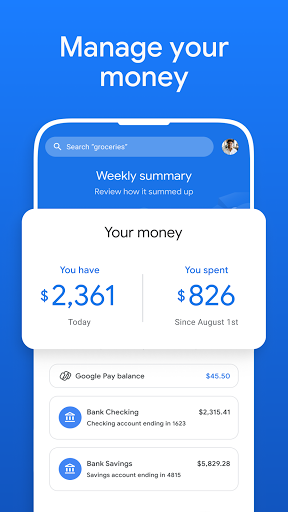
Finance apps make your life easier by helping you to manage your finances efficiently. A personal finance app will not only help you with budgeting and accounting but also give you helpful insights about money management. It gives users various investment options, tax advice, insurance inputs and above all, a proper security system. The extensive role of a personal finance app makes them a key part of the Fintech trends list.

Types of finance apps

There are many market leaders when it comes to finance apps but we can roughly divide it into two main categories – simple apps with manual data entry process and complex apps with automated entry process. Let’s dig a little deeper!

1.  Simple finance apps

Best 9 Money Management Apps for Easy Financial Planning

As the name suggests, these are the simplest apps to track income and expenditures. These apps generally work on manual information inputs.

Pros:

  • The risk factor is zero since no bank accounts are linked to these apps.
  • These apps are very cheap when it comes to the personal finance app development process.

Cons:

  • The human error rate is high because of the manual data entry process.
  • The entire process is time taking.

2.  Complex finance apps

The best budgeting apps 2021 | Tom's Guide

The complex finance apps are more advanced. They allow users to link their bank accounts and cards, through which data is synchronized automatically.

Pros:

  • These apps are generally a lot more all-encompassing. They allow users to perform a series of tasks in place of a limited few.
  • The efficiency of complex finance apps is high since they save valuable time for the user.
  • Real-time transaction updates so the user is always conscious about the money management process.

Cons:

  • The cost of the development process for these apps is generally high.
  • It is important to invest more on security since the app deals with confidential and crucial data.

Key financial app features to make your finance app a big hit

1.  Account integration

Can we use Google pay to transfer money if the other person has not registered for UPI at any platform? - Quora

Make sure your financial management software accumulates all financial accounts of the consumer, for example credit cards, debit cards, loans, mutual funds, etc. Your finance app should be a one-stop solution for everything related to or required for money management.

2.  Security

How To Increase Your Online Security? - TEXTILE VALUE CHAIN

With such confidential details and credentials comes great responsibility. This is one of the key lessons that businesses can learn from Fintech companies. Creating a finance management app is one thing but making a secure one is completely a different story. There are many technologies that can help keep your money less vulnerable and more secure. Some of these technologies are listed below:

  • Biometric security measurements: It involves unique characteristics of a person, such as voice or fingerprint patterns. With biometrics, it can be extremely difficult for someone to break into your money management app.
  • Multi-factor authentication: This adds on an extra coating of security.  Two-factor authentication process makes it even harder for attackers to gain access to a consumer’s sensitive information.
  • Real-time alerts: It is important that your finance management app notifies users in real time. Customers develop great confidence when they know for a fact that they will receive a notification if anyone is trying to access their account or personal information.

3.  AI algorithms

Top AI algorithms for Healthcare

There are many ways AI is reforming the mobile app industry in terms of user engagement and developer app revenue. Artificial intelligence algorithms will help you personalize the user experience. Let’s discuss how AI can make personal finance management more effective.

  • AI will help you incorporate expenditure categorization. This will aim to classify the cost spent on a specific category for example, medical, entertainment, groceries, investment, etc.
  • AI also looks into expenditure analytics, which automatically updates and provides you with data visualization of your money spent on each category.

4.  AI chatbots for useful advice

AI Chatbots: The Guardian Angel for your Business

AI chatbots provide access to all of a customer’s data. Further the app can analyze and provide suggestions. The solution can keep track of the spending habits, give insights into the credit scores, manage budgets etc. This enables AI-based recommendations which ultimately helps with efficient money management. The AI-based customer service chatbots are imitating human interactions and providing them desirable information/result in no time.

5.  Real time spending and tracking

Google Pay: A safe & helpful way to manage money - Apps on Google Play

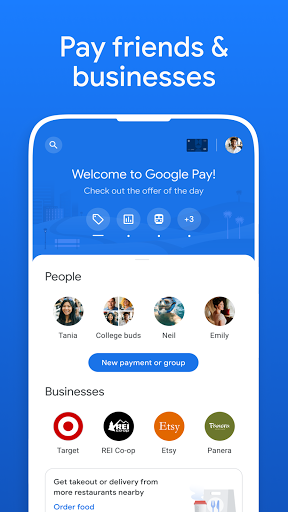
A money management app should help consumers track their expenditure. This feature will come in handy since the users will save both time and money. It is important that the consumers do not have to switch apps to track where they are spending or investing their money, it should be effortlessly done on a single platform.

6.  Simplicity

Google Pay: A safe & helpful way to manage money - Apps on Google Play

No one is fond of complex procedures in a money management app because it involves crucial details. You should keep the 3 clicks rule in your head, that is, 3 simple taps should be enough to lead the consumers to wherever they want.

7.  User experience

User Experience Design in Digital Transformation | by Agata Cieślar | UX Planet

Most of the developers build an app without focusing on the design. This ultimately leads to the app’s downfall. The balance between app functionality and design is hard to maintain but is a necessity.

The design of a financial planning application must be extremely user-friendly to better customer satisfaction. To develop an efficient application with amazing user experience, you must know the target audience and where their preferences are. Not only this, you should definitely think as a user.

The user experience of your app will be a deciding factor for the consumers if they want to use it or not. Make sure your financial management software is easy to use and navigate. This will ultimately lead to business growth for your startup.

8.  Constant customer support

6,768 Call Center Agent Stock Photos, Pictures & Royalty-Free Images

24*7 customer support is of great importance. Customer support in different languages will get you a global clientele and keep your customers loyal.

9.  Alerts and notifications

B2B & the power of push notifications - Swiftcloud

It is one of the most significant features for a finance app. Notifications can help consumers in case of:

  • More expenditure
  • Low balance in the account
  • Upcoming bills to be paid
  • Great deals for investment or savings

Additional features that can help you in making a superb finance app

Here are some advanced features for your personal finance management app.

  • Currency converter
  • In-app general calculator
  • Credit score calculator
  • Tax calculator
  • Shopping list

I think you might also want to know about the teams involved in developing a personal finance application. You think, I deliver! Here you go!

Make sure your financial app development company should have a team of:

How to monetize a personal finance app?

Creating a Personal Finance App That People Will Want To Use

It is hard to associate the term “free” with “revenue”, right? Now that you are providing fintech services to your customers, how will you make money? Let’s probe how to earn money from your Fintech app further:

  1. In-app purchases: You can allow users to utilize basic features of your app for free and you can keep the premium features in the paid version. Premium features can include the advanced version of the basic ones and of course, some new functionalities will always be appreciated by the consumers.
  2. Integration with third party services: Grant consumers to use third party services that are relatable to your business. This will expand the usability, functionality and audience of your app simultaneously.
  3. In-app ads: Earning money through in-app ads is the easiest way to make money! However, my suggestion to you is, make sure that too many banners don’t pop-up too frequently in your app. That is just a huge turn-off for the user.

End note

As you have understood that there is a demand for financial application development in the market. Now, you have a basic idea about how to build an app with key features and monetize it. So, if you have an idea and want to conquer the market with it, reach out to a fintech app development company to build it. It is the right time to hire a development team of agile ninjas and skilled developers and designers to bring your idea to life.

Businesses develop their next iOS apps using Swift 5- Reasons

Why should Businesses develop their next iOS app using Swift 5 | infotech.report

Swift is a highly intuitive programming language for Apple’s operating systems like iOS, macOS, and watchOS. The programming language has been growing in popularity and it can be attributed to its unique and valuable features. Swift is a widely used language for iOS app development globally. The iPhone app development platform has evolved considerably in the past. After going through four massive version updates, Swift released the latest two versions, Swift 5.0 and Swift 5.1. The remarkable functions of both these versions play a significant role in strengthening the language. The programming language is poised to become a game-changer in the mobile app development industry, with its latest version, Swift 5.

Whether you want to grow your business as an entrepreneur or looking for ways to scale as a startup, Swift offers you all the advantages of developing the best in class, highly functional and completely customised iOS applications. That’s one of the reasons why LinkedIn, Lyft and others have upgraded their iOS mobile application in Swift.

Let us first look into what both these versions have to offer. Then, we’ll look into Swift 5 features that make the updates an ideal choice for iOS app development companies.

What was introduced with Swift 5 Update?

Apart from the revolutionary ABI stability, the Swift runtime is also now added in the present and future Apple platform’s OS versions: iOS, macOS, watchOS, and tvOS.

Swift 5 features also come with a plethora of new capabilities that act as the building blocks of Apple’s vision and give a new direction to the advantages of the swift programming language.

*For in-depth insights, head on to Swift 5 release notes.

Language Updates

1. Binary Compatibility and a Stable ABI

Shipping Binary Frameworks With Swift 5.0 | Square Corner Blog

ABI was declared stable for Swift 5 app development. As a result, Swift libraries have been incorporated in every iOS, tvOS, watchOS, and macOS, which was earlier a problematic element whenever engineers had to develop apps for iOS. The applications will now be easier to develop and much smaller in size since they will not include any libraries.

2. Standard Library Updates

On the future of Windows 10's feature releases | Computerworld

Swift 5’s standard library comes with the following new feature set:

  1. The string has been reimplemented with the UTF-8 encoding which results in faster code.
  2. Better support for raw texts in the string literals.
  3. The SIMD vector and Result types have been added.
  4. Performance improvements in Set and Directory.
  5. Enhancements in String implementation, giving flexibility for constructing text from data.

3. Additional Compiler and Language Updates

Swift mobile development facilitates exclusive access to the memory, both for debugging and releasing builds. It supports dynamically callable types which help in improving interoperability with dynamic languages like JavaScript, Python, and Ruby.

It also implements these language proposals:

  1. Handling future enum cases
  2. Literal initialization through coercion
  3. Introduce user-defined dynamic “callable” types
  4. Supports ‘less than’ operator in the compilation conditions
  5. Identity key path
  6. Flatten nested optionals emerging from ‘try?’

4. Package Manager Updates

Bro Package Manager - Icon Clipart (#5076022) - PikPng
The Swift Package Manager comes with a series of new features in the Swift 5 app development version, which includes: Dependency mirroring, customized deployment targets, target-specific build settings, and the capability to generate the code coverage data. In addition to this, the swift run command includes a capability to import libraries in REPL with building an executable.

Swift 5 also implements these Package Manager proposals from Swift evolution process:

  1. Dependency Mirroring
  2. Platform deployment settings
  3. Target specific build settings

What was introduced with Swift 5.1? 

Swift 5.1 grows on the strength of Swift 5 with features like module stability and other new features that extend the ability of language and standard library like: opaque result types, property wrappers, new APIs for String, diffing for appropriate collection types, etc.

Together, Swift 5.1 makes it easy to design APIs and lower the common boilerplate code.

Here are the features that Swift 5.1 comes with:

1. Module Stability

Family house clipart 7 » Clipart Station

Swift 5.1 makes it possible to create binary frameworks which can be shared with others who leverage language’s added support for module stability. This, in turn, makes it extremely convenient and speedy for developers to develop apps for iOS.

It defines a new text based module interface file which describes the binary framework API, enabling it to get compiled with codes with the help of different compiler versions.

2. Standard Library Updates

C Standard Library PNG Images, C Standard Library Clipart Free Download

The Swift 5.1 standard library comes with the following new features, making it extremely easy to understand how to make apps with Swift 5:

  1. Support for updating and handling diffs on the collection of appropriate types.
  2. Greater flexibility for initialization of an array.
  3. APIs for working with Strings – developing and handling contiguous strings, helper for working with Unicode text, and general initializers for Range and String.index.
  4. Identifiable protocol for extending reductions, vector swizzles, and vectors.

3. Language Server Protocol

Language Server Protocol - NSHipster

The Swift 5.1 OSS toolchain packages for Ubuntu and macOS include binaries for the SourceKit-LSP, which is an implementation of LSP for C-based languages and Swift.

4. SwiftSyntax Updates

What's new in Swift 5.0 – Hacking with Swift

It has been re-architecture with a separate focus on improving the performance by using a parser from the Swift compiler. Additionally, the performance of the syntax tree visitation and its related operations have been improved through the re-architecture of internal data structures.

5. Additional Language and Compiler Updates

Android Developers Blog: New language features and more in Kotlin 1.4

Swift 5.1 comes with these new language features:

  1. Property wrappers introducing consistent context for defining the custom access patterns for property values like – delayed initializers, thread-specific storage, atomic operations, etc.
  2. The return keyword is not needed for single expression getters or functions.
  3. Self can be used for value types and classes.
  4. The compiler synthesizes default values for the properties with default initializers.

How do Businesses benefit from it? 

Although the majority of the features introduced with Swift 5 and Swift 5.1 are in favor of Swift app builders, some of them can be translated into business benefits as well.

One of the key features that directly impact businesses – the one that the Apple industry had been waiting for since Swift 1.0 – is ABI (Application Binary Interface) stability.

Hacking with Swift Live 2019

While sounding much like a developer’s problem, what this means in practicality is that Apple couldn’t include Swift programming language support in the operating systems, because an app written in Swift 2 couldn’t run with Swift 3. Simply because it wouldn’t work with the language support binaries of Swift 3.

The solution that was available to the developers was to include the Swift libraries in the app bundle which would get downloaded from the App store. This, in turn, increased the size and the storage requirement of the application. And became one of the biggest disadvantages of the swift iOS programming language.

But with Swift 5 making ABI stable, the industry has now received a permanent solution to these user-side issues. It would enable the developers to run the application in all the upcoming Swift versions. Meaning, the code is written in the Swift 5 app development process will run on Swift 6, 7, and so on, an event that makes Swift a preferred language for Enterprises and Startups.

This move is speculated to be the one that would bring language several strides ahead in the Swift vs Objective-C comparison.

Here are the business benefits of the Swift 5 update:

  • Smaller app size: Swift 5 makes the language binary compatible. Meaning, the end result of Swift mobile development would be significantly smaller for the users to run on their new operating system – iOS 12.2, watchOS 5.2, macOS 10.14.4, and tvOS 12.2.
  • Faster Launch: Another advantage of this is the faster launch time, since every dynamic library which is used by an application (which increases the launch time) will be cached in the memory and shared among the applications.
  • Greater Performance: Users do not want to work in a broken application. And with app freeze and glitches being the biggest reason behind app uninstallation rate, it is imperative for a business to avoid it. The Swift 5’s ABI stability helps apps in behaving better and offering enhanced performance.

But.

How small is too small? Let’s answer through the help of some live cases of Swift app development for iOS –

  • Apollo for Reddit: comes with an app size of 35.7 MB. Here, the 7.5 MB is made up of Swift libraries. Now when the app gets updated to Swift 5, the size will be reduced by over 20% and come around at 30 MB.
  • Chirp an app that brought Twitter to Apple Watch comes with a size of 28.8 MB, which is inclusive of 11.6 MB made of Swift libraries. This, when updated to Swift 5, gets reduced by over 30%, bringing the size down 20 MB.
  • Readability: One of the key reasons why it is best to choose Swift is due to its readability. It is relatively easy to modify, read and write and the clean syntax renders it a special uniqueness. It requires a lesser number of lines of code than Objective-C when compared to Swift apps.

Apps created with Swift not only decrease the development cost but also the development time.

In a blog post talking about the future of Swift language, Donny Wals said, “Now that we have Module Stability and ABI Stability in Swift, the language is likely to change at a slower rate than we’re used to. We should see less radical, source-breaking changes and the language should slowly mature into a beautiful, fast and stable language that will be a great basis for your applications for years to come.”

Is it good to build an app in swift 5? Yes. The time is right for businesses with iOS apps to get the code re-written in Swift 5 and for new businesses to build apps on Swift 5 and benefit from the impeccable user experience.

MeWe App Development and Determining Its Cost

How To Determine The Cost of MeWe App Development?

When it comes to social media networks, Facebook is certainly one of the most popular choices available. However, a lot of people who care about their privacy have been looking for an alternate, and that’s where MeWe comes into play.MeWe’s CEO, Mark Weinstein, in his Wall Street Journal op-ed, wrote, “MeWe is a full-featured social network engineered with privacy-by-design that’s freemium-based with no ads, targeting or news feed manipulation. Marketers and election meddlers cannot target or boost anything to anyone. These are significant competitive differentiations.” Weinstein also adds that, “It’s gratifying to see MeWe flourishing worldwide. MeWe is the uplifting social network with the features people love, and the respect, control and data privacy we all deserve.”

Technology is taking social media by storm, let’s see the most buzzing social platform that is taking the internet and individuals into a completely new and safe arena.

What is MeWe?

MeWe - Apps on Google Play

MeWe is a social media network based on a subscription model that focuses on privacy. The MeWe site terms itself as a ‘Next-Gen Social Network’ by providing users an ad free experience.

It has become extremely popular as a business-focused product that takes enterprise networking and communication to a completely new level.

The application is found by Mark Weinstein, an entrepreneur who considered himself as one of the early developers of the concept of social media. As of now, the MeWe platform has millions of users and is thriving as a popular privacy-focused alternative to Facebook.

Earlier, Weinstein launched a company named Ello, and based on the challenges he faced during that time, he learned several lessons that allowed him to shatter the social media dominance of Facebook.

Although the platform is free to use for personal users with several features like 8 gigabytes of storage, customized stickers, voice and video support, and newsfeed, enterprises are required to pay $1.99 per month to access additional features.

Why There is a Need for MeWe App Development? 

It’s a no-brainer that Facebook is the most dynamic and popular social media network that has dominated the social cult ever since its initial launch. From job postings to community management, it includes a myriad of features that keep a user hooked and engaged to the app.

However as they made changes in their privacy policy, a lot of people started realizing that their privacy is being compromised by the platform.

According to their most recent update, Facebook has employed an algorithm that observes your behavioral patterns and deciphers them to serve you manipulated content in the application. This makes it more of a target-based platform that displays content as per your past preferences and choices.

In the wake of WhatsApp and Facebook data breach controversy, people are looking out for new social media platforms that are safe and secure. MeWe, a US based social network has come to the rescue and becomes the top downloaded social app in the Play store. MeWe app for android and MeWe app for iPhone has led to the increase of new users in the apps counting to more than 2.5 million users.

With the help of MeWe app development, you can keep your privacy protected by preventing targeting, ads, and political biases.

Essential Features in MeWe App Development 

Mobile App Development Company | Python Mobile App Development Experts

If you take a look at several social media networks available, you will notice that there are certain common features that each of them share. To be able to determine the cost of MeWe app development, you need to consider keeping these essential features in mind.

Moreover, as you introduce other specific features to your application, you will notice that the MeWe app cost will definitely bump further. With that said let’s take a look at some fundamental features required while developing the MeWe app:

What do you get with MeWe?

  • Profile creation 

Your application needs to provide users the ability to express themselves through their personal profiles. It includes allowing them to enter their personal details such as name, address, website, email, birth date, and even mobile number. 

  • Authorization 

A proper authorization mechanism acts as the foundation block of the privacy and data of your users. Therefore it’s certainly a must-have feature in your MeWe application. It involves letting users signup and login in to your platform through their phone numbers or email addresses. Additionally, it also requires a password recovery and reset mechanism, some security interventions, and several other features. 

  • Messaging 

As you’re trying to make MeWe social media platform you surely need to ensure that your users have a proper communication channel. Moreover, in addition to simply sending texts, you may also need to add the ability to send media files such as messages, videos, and stickers through chat. The development cost may even vary depending on whether you want to allow your users to have group conversations or not.

  • Search function 

To make the usability of your application easier for users, you need to include a search function that allows them to access the profile of their friends, communities of their interest, and posts they find engaging. 

  • User interface 

Apart from the crucial features, the design of an application is certainly one of the most important aspects because that’s what makes your creation unique. This may also be the costliest part of your MeWe social media app development process. While getting the user interface designed for your application, you need to make sure it looks attractive and provides an aesthetic feel to your users.

How is MeWe different from Facebook and Other Social Media Platforms? 

Unlike other social media apps, MeWe social app has a different concept which does not replicate every other social media site. The MeWe creator’s intent is very clear when it comes to marketing the platform, as it has been directly indicated in interviews that MeWe wants to be the alternative to Facebook.

This most likely clarifies why the site attempts to imitate Facebook’s UI. Users can offer thumbs up, hearts, and smiley icons to posts. They can share their posts on their different feeds. There are user profiles and separate pages, and groups feature for individuals to assemble around a particular theme or topic.

The below image will show you which are the top categories and apps used by users.

Determining The Development Cost

When you’re developing an application like MeWe, it’s evident to say that there’s no specified cost associated with it. The expenses that you may incur depend on the functionality, complexity, and comprehensiveness of your application.

Moreover, if you’re outsourcing the development part, the MeWe app development cost becomes majorly dependent on the social media app development company you hire. On the other hand, if you have an in-house team of social media app developers, you need to keep their salaries in mind while determining the estimated development cost of your application.

Additionally, as you keep adding more features, the costs will keep piling up. It’s also worth determining the total number of hours required to complete the development phase of your application, in case you hire social media app builders on the basis of hourly payment. Therefore, make sure you keep all these things in mind while determining the social media app development cost of your MeWe Application.

The Takeaway 

As Facebook made changes in its policies and tampered with its user’s privacy, people began looking for safer and more privacy-oriented platforms. This calls for the need for MeWe application development. While making an application like MeWe, you need to consider several things such as core features, UI design, and a lot more.

Additionally, to determine the costs associated with the development of this application, you may also need to consider several aspects like mode of development and required time. Hopefully, you may have found this guide helpful to come up with an estimated development cost for your application.

Still if you have any doubts, or are finding difficulty in hiring a social media app development agency in USA, just contact us.


error: Content is protected !!